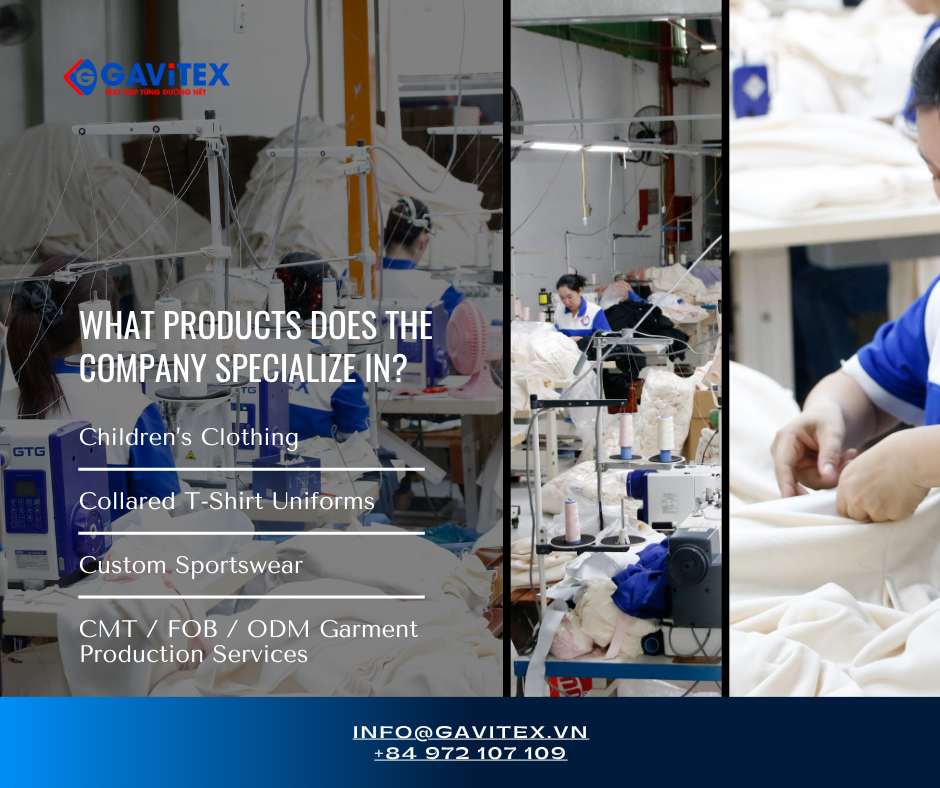
Clothing Manufacturing on Order is not just a service; it’s a strategic imperative for businesses aiming for agility and profitability in 2025. This article, categorized under Garment Processing, delves into the intricacies of custom clothing manufacturing, providing a data-driven exploration of its benefits and implementation. We will explore the core principles of on-demand apparel production, dissect the manufacturing process optimization, and analyze the critical factors for selecting a reliable clothing manufacturer. Furthermore, we will examine the impact of sustainable practices in clothing production and how to leverage technology in garment manufacturing to enhance efficiency and reduce costs, specifically within the context of gavitex garment company.
Understanding Clothing Manufacturing on Order: A Comprehensive Guide
Navigating the world of clothing manufacturing on order requires a solid understanding of its nuances. This guide provides a comprehensive overview, equipping you with the knowledge to make informed decisions and optimize your brand’s production strategy, especially if you’re considering partnering with a reliable garment company like Gavitex. On-demand clothing manufacturing, also known as make-to-order or custom clothing manufacturing, presents a viable alternative to traditional mass production.
Clothing manufacturing on order offers diverse benefits, primarily helping brands mitigate risks associated with overstocking and warehousing. By producing apparel only when an order is placed, businesses can significantly reduce waste, conserve resources, and respond swiftly to evolving market trends. Furthermore, on-demand manufacturing allows for greater flexibility in design and customization, enabling brands to cater to niche markets and offer personalized products.
However, the benefits of clothing manufacturing on order are best realized when brands can find the right partner. Finding an adequate partner involves a comprehensive assessment of the manufacturer’s capabilities, ethical practices, and the understanding of pricing structures. In order to navigate the challenges of modern fashion and production you must become familiar with the intricacies of this method of apparel production.
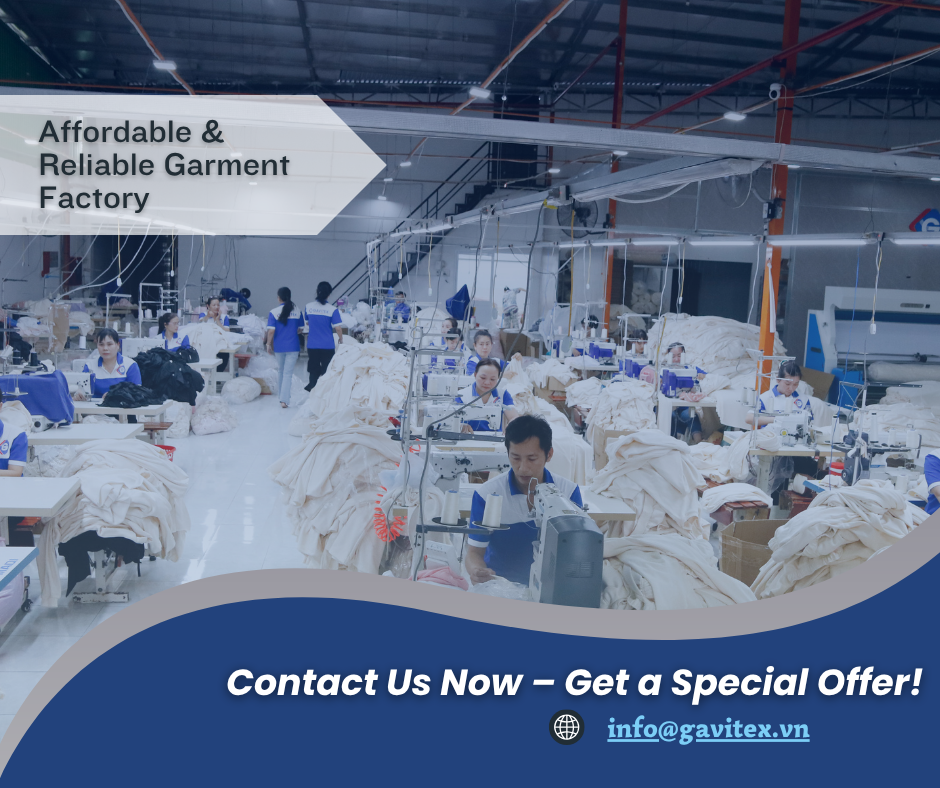
Choosing the right clothing manufacturing partner is a critical decision that can significantly impact the success of your brand. Finding a suitable manufacturer involves more than just comparing prices; it requires careful evaluation of their capabilities, ethical standards, and communication practices to ensure they align with your brand’s values and quality expectations. This section will guide you through the key considerations for selecting a manufacturing partner that can bring your designs to life while upholding your brand’s integrity.
Evaluating a potential manufacturer’s capabilities and expertise is crucial. Start by examining their experience with the types of garments you intend to produce. Do they specialize in activewear, casual wear, or formal attire? Understanding their niche can provide insights into their skill set and equipment. Furthermore, inquire about their technical capabilities, such as pattern making, grading, and sewing techniques. A manufacturer with a proven track record and diverse skill set is better equipped to handle complex designs and evolving demands.
Assessing Minimum Order Quantities (MOQs) and pricing structures is another vital step. MOQs can vary significantly between manufacturers, and choosing one with unrealistic order sizes for your business stage can lead to unnecessary inventory costs. Analyze the pricing structures thoroughly, paying attention to factors like fabric costs, labor expenses, and any additional fees for sampling or pattern adjustments. Negotiate pricing where possible, but always prioritize quality and ethical labor practices over rock-bottom prices. A transparent and competitive pricing structure signals a trustworthy partnership.
Verifying quality control processes and ethical labor practices is non-negotiable for responsible brands. A robust quality control system should encompass inspections at multiple stages of production, from fabric sourcing to final garment checks. Request information about their quality standards, testing procedures, and defect rates. Equally important is ensuring the manufacturer adheres to fair labor practices, providing safe working conditions and fair wages to their employees. Look for certifications like WRAP (Worldwide Responsible Accredited Production) or Fair Trade to validate their commitment to ethical manufacturing.
Understanding lead times and production schedules is essential for managing customer expectations and inventory effectively. Lead times can vary based on the complexity of the design, fabric availability, and the manufacturer’s current workload. Discuss the expected lead times upfront and inquire about their ability to accommodate rush orders if needed. A reliable manufacturer will provide realistic production schedules and maintain open communication throughout the manufacturing process, ensuring timely delivery and minimizing potential disruptions.
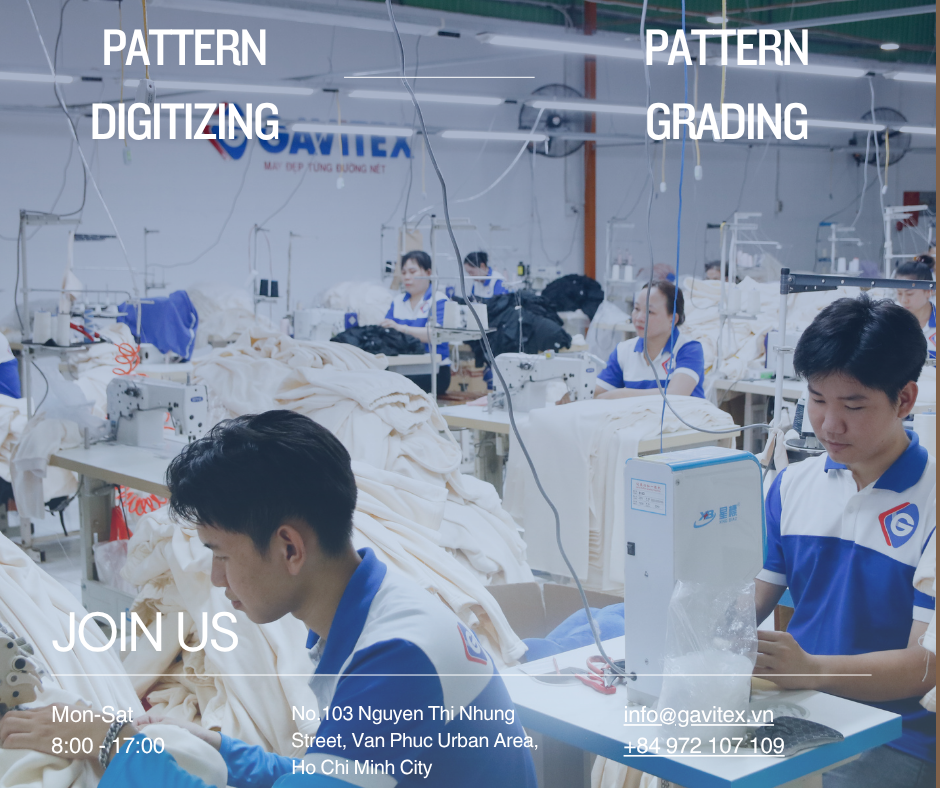
The Clothing Manufacturing on Order Process: From Design to Delivery
Understanding the comprehensive journey of clothing manufacturing on order, from initial design concepts to the final delivered product, is crucial for brands seeking customized apparel solutions. This process encompasses a series of meticulously planned and executed steps, each vital to achieving the desired quality, fit, and aesthetic. Grasping each phase – from sketching the initial design to the final packaging – empowers you to make informed decisions, communicate effectively with manufacturers like Gavitex Garment Company, and ultimately receive garments that perfectly align with your brand vision.
The journey begins with the initial consultation and design conceptualization, where your ideas are translated into tangible designs. This stage involves detailed discussions with the manufacturer, sharing your design specifications, target audience, and desired aesthetic. This collaborative process refines your vision, ensuring feasibility and alignment with the manufacturer’s capabilities. For instance, providing detailed sketches, tech packs, and inspiration boards can facilitate clear communication and accurate interpretation of your design.
Next is fabric selection and sourcing, a critical step that determines the look, feel, and performance of your garments. The choice of fabric impacts everything from drape and texture to durability and cost. A skilled manufacturer like Gavitex Garment Company can guide you through a wide range of fabric options, including sustainable and eco-friendly alternatives, and assist in sourcing the perfect material to meet your specific needs and budget.
The selected fabric then moves into pattern making and sample creation. This stage involves translating your design into a precise pattern, which serves as a template for cutting the fabric. A sample garment is then created to evaluate the fit, construction, and overall aesthetic. This crucial step allows for adjustments and refinements before mass production, ensuring that the final product meets your expectations.
Once the sample is approved, the process advances to grading and marking. Grading involves scaling the pattern to create different sizes, ensuring a consistent fit across the size range. Marking is the process of arranging the pattern pieces on the fabric in the most efficient way to minimize waste.
With the pattern graded and marked, the next step is cutting and sewing. Fabric is carefully cut according to the pattern, and the individual pieces are then sewn together to construct the garment. This stage requires skilled operators and precise equipment to ensure accurate seams, proper finishing, and overall garment quality.
Following the sewing process, each garment undergoes quality control and finishing. This involves a thorough inspection to identify any defects, such as uneven seams, loose threads, or fabric flaws. Finishing processes, such as pressing, trimming, and adding labels, are then performed to ensure that each garment meets the required standards.
Finally, the completed garments are carefully prepared for packaging and shipping. This includes folding, bagging, and boxing the garments in a way that protects them during transit. The manufacturer then coordinates shipping to your desired location, ensuring timely and efficient delivery.

Sustainable and Ethical Considerations in Clothing Manufacturing on Order
In the realm of clothing manufacturing on order, incorporating sustainable and ethical considerations is no longer a mere trend but a crucial responsibility for brands seeking to resonate with conscious consumers and foster a more responsible fashion industry. This section delves into the significance of integrating eco-friendly practices and ethical labor standards within the on-demand clothing production model, exploring the various facets of responsible manufacturing. By prioritizing sustainability and ethics, businesses like Gavitex Garment Company can not only minimize their environmental impact but also cultivate a positive brand image and build long-term relationships with stakeholders.
The rise of eco-conscious consumers has amplified the demand for sustainable clothing options, pushing brands to actively seek eco-friendly fabric options for on-demand production. Traditional textile manufacturing often involves resource-intensive processes and harmful chemicals, contributing to environmental degradation. However, on-demand manufacturing offers a unique opportunity to mitigate these impacts by utilizing sustainable materials like:
- Organic cotton: Cultivated without synthetic pesticides or fertilizers, reducing soil and water contamination.
- Recycled fabrics: Utilizing pre- or post-consumer waste, minimizing landfill waste and reducing the demand for virgin materials.
- Innovative materials: Exploring alternatives such as Tencel (made from sustainably sourced wood pulp) and hemp (a fast-growing, low-impact crop).
Furthermore, fair labor practices are a cornerstone of ethical clothing manufacturing, emphasizing the importance of supply chain transparency. Brands must ensure that workers involved in the on-demand production process are treated with respect and dignity, receiving fair wages, safe working conditions, and the right to organize. To guarantee ethical sourcing, Gavitex Garment Company should prioritize:
- Partnering with manufacturers that adhere to internationally recognized labor standards, such as those established by the International Labour Organization (ILO).
- Conducting regular audits of factories to assess compliance with labor laws and ethical guidelines.
- Promoting transparency throughout the supply chain, enabling consumers to trace the origin of their garments and verify the ethical treatment of workers.
Beyond material selection and labor practices, minimizing waste through efficient manufacturing processes is a critical aspect of sustainable clothing manufacturing on order. Traditional mass production often leads to overstocking and textile waste, which ends up in landfills. On-demand production offers a solution by producing garments only when they are ordered, reducing the risk of excess inventory and minimizing waste. Additional strategies for minimizing waste include:
- Implementing lean manufacturing principles to optimize production processes and reduce material consumption.
- Utilizing digital printing technologies to minimize water and dye usage.
- Offering fabric remnants and scrap materials to designers and artisans for upcycling projects.
Finally, seeking certifications and standards for sustainable clothing manufacturing provides consumers with assurance that products meet specific environmental and social criteria. Certifications such as GOTS (Global Organic Textile Standard), OEKO-TEX, and Fair Trade demonstrate a commitment to responsible manufacturing practices and can help brands build trust with conscious consumers. By adhering to these standards, Gavitex Garment Company can demonstrate its dedication to sustainability and ethics, solidifying its position as a responsible player in the clothing manufacturing on order industry.
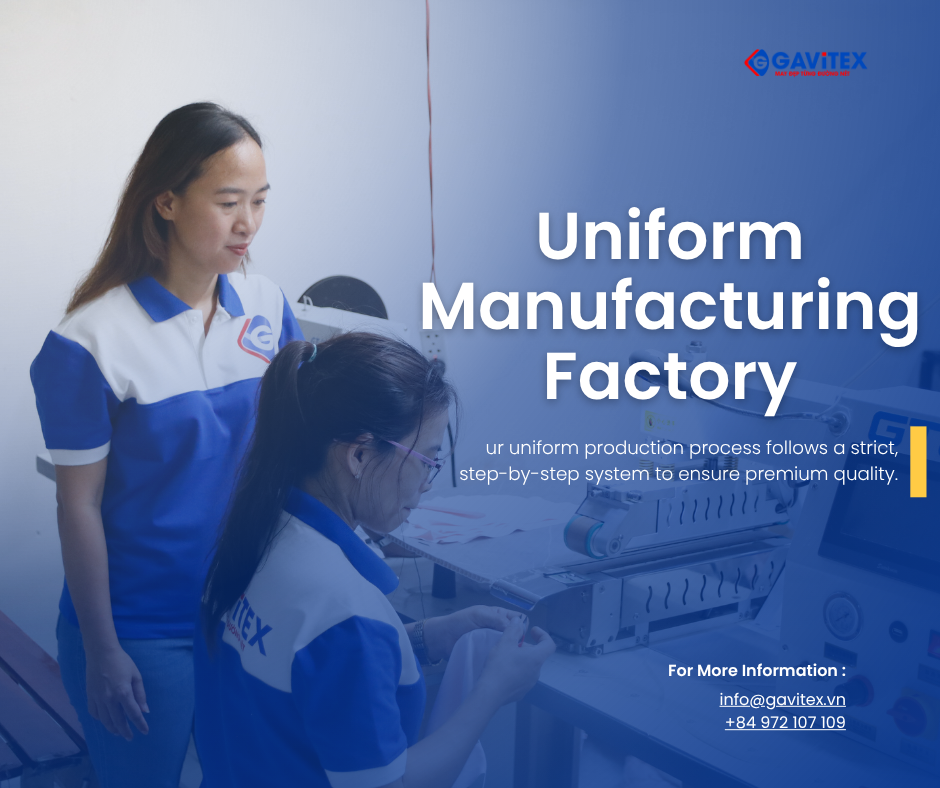
Technologies Transforming Clothing Manufacturing on Order
The rise of clothing manufacturing on order is being significantly propelled by technological advancements, reshaping how brands like Gavitex Garment Company approach production and supply chains. These technologies are not only optimizing existing processes but also unlocking new possibilities for customization, efficiency, and sustainability in the apparel industry.
Several key technological innovations are revolutionizing on-demand clothing manufacturing.
- 3D printing and rapid prototyping are accelerating the design process, allowing for quick iteration and customization. With 3D printing, designers can create physical prototypes of garments and accessories in a matter of hours, reducing the time and cost associated with traditional sample making.
- Automation and robotics are increasing efficiency and reducing labor costs in garment production. Automated cutting machines, robotic sewing systems, and automated quality control systems are improving the speed, accuracy, and consistency of garment manufacturing.
- Software solutions for design, production, and inventory management are streamlining workflows and improving communication. These software platforms offer features such as 3D design tools, pattern making software, production planning tools, and inventory tracking systems, enabling brands to manage their entire manufacturing process from a single interface.
- The integration of artificial intelligence (AI) is further optimizing manufacturing processes. AI-powered systems can analyze data from across the supply chain to identify areas for improvement, predict demand, optimize production schedules, and enhance quality control.
Cost Analysis: How Much Does Clothing Manufacturing on Order Cost?
Understanding the cost implications of clothing manufacturing on order is crucial for businesses of all sizes. Exploring the various factors that influence pricing, from fabric selection to order complexity, empowers you to make informed decisions and maximize your return on investment when partnering with a garment company like Gavitex Garment Company. This section will delve into the intricacies of on-demand clothing production costs, providing a comprehensive breakdown to guide your budgeting process.
Several elements play a significant role in determining the final price of your clothing manufacturing on order. Fabric choice stands out as a primary factor; premium materials like organic cotton or specialized performance fabrics naturally command higher prices than standard options. The complexity of the design, encompassing intricate patterns, elaborate embellishments, and advanced construction techniques, also contributes substantially to the overall cost. Finally, order size impacts pricing due to economies of scale, with larger production runs generally resulting in lower per-unit costs, and these components are all important considerations for Gavitex garment company.
When evaluating the cost of clothing manufacturing on order, it’s essential to factor in setup fees, which can include pattern making charges, digitization of designs, and initial machine setup. Furthermore, sampling costs are incurred during the prototype development phase, allowing you to assess the garment’s fit, style, and overall quality before committing to a full production run. Understanding these upfront expenses ensures a transparent and predictable budget for your on-demand clothing manufacturing project with a company like Gavitex Garment Company.
Securing competitive pricing in clothing manufacturing on order necessitates employing effective negotiation strategies. Obtaining quotes from multiple manufacturers allows you to compare pricing structures and identify the most cost-effective options. Be prepared to discuss potential cost-saving measures, such as simplifying designs, utilizing readily available fabrics, or adjusting order quantities to optimize pricing. Moreover, establishing a long-term partnership with a reliable manufacturer can unlock preferential pricing and favorable payment terms, an ideal opportunity when collaborating with Gavitex Garment Company.
Common Challenges and Solutions in Clothing Manufacturing on Order
Navigating the world of clothing manufacturing on order presents a unique set of challenges, despite its numerous benefits. This section addresses these common difficulties and offers practical solutions to ensure a smooth and successful production process. Understanding these hurdles, from maintaining consistent quality to managing communication with manufacturers, is crucial for any brand venturing into on-demand apparel production.
Maintaining Consistent Quality Across Different Production Runs
One of the most significant obstacles in clothing manufacturing on order is maintaining consistent quality. Because production runs are often smaller and more frequent, ensuring each garment meets the brand’s standards can be difficult.
- Implement a rigorous quality control system with clear, documented standards for every stage of the production process.
- Provide detailed tech packs with precise specifications, measurements, and visual references.
- Conduct regular inspections, both in-house and through third-party quality assurance services.
- Establish a strong relationship with your manufacturing partner and communicate your quality expectations clearly. Gavitex Garment Company, for instance, prioritizes open communication and provides training to its manufacturing partners to ensure quality consistency.
Managing Lead Times and Meeting Customer Expectations
Another common hurdle is managing lead times and ensuring timely delivery. On-demand manufacturing doesn’t always mean instant production; delays can occur due to fabric sourcing, production bottlenecks, or shipping issues.
- Establish realistic lead times and communicate them clearly to customers.
- Work with manufacturers who have efficient production processes and reliable supply chains.
- Implement project management tools to track production progress and identify potential delays.
- Maintain open communication with your manufacturing partner to address any issues promptly.
- Consider using local or nearshore manufacturers, such as Gavitex Garment Company’s facilities, to reduce shipping times.
Handling Communication and Cultural Differences with Overseas Manufacturers
Working with overseas manufacturers can be cost-effective, but it also presents challenges related to communication and cultural differences. Misunderstandings can lead to errors, delays, and dissatisfaction.
- Communicate clearly and concisely, using simple language and avoiding jargon.
- Provide detailed tech packs and visual aids to minimize ambiguity.
- Establish a dedicated point of contact at the manufacturing facility.
- Be aware of cultural differences in communication styles and business practices.
- Utilize translation services or hire multilingual staff to facilitate communication.
- Consider visiting the manufacturing facility to build rapport and foster stronger relationships. Gavitex Garment Company facilitates regular communication through various channels, including video conferencing and on-site visits.
Mitigating Risks in the Supply Chain
Supply chain disruptions, such as natural disasters, political instability, or economic downturns, can significantly impact clothing manufacturing on order.
- Diversify your sourcing to reduce reliance on a single supplier or region.
- Establish contingency plans to address potential disruptions.
- Monitor global events and economic trends that could affect your supply chain.
- Work with manufacturers who have robust risk management strategies.
- Consider supply chain insurance to protect against financial losses.
- Gavitex Garment Company emphasizes building resilient and diversified supply chains to mitigate potential risks, which allows the company to adapt quickly to evolving global market conditions.
Legal and Regulatory Considerations for Clothing Manufacturing on Order
Navigating the legal landscape of clothing manufacturing on order requires a thorough understanding of intellectual property, trade regulations, and compliance standards to ensure ethical and lawful business practices. This section will guide you through key legal and regulatory considerations when engaging in on-demand clothing production, providing insights to protect your brand and operate responsibly. Let’s explore the critical aspects of legal compliance in custom apparel manufacturing.
Intellectual Property Protection and Design Rights
Protecting your intellectual property (IP) is crucial in clothing manufacturing on order. Your designs, logos, and brand names are valuable assets and need safeguarding against infringement.
- Copyright Law: Designs can often be protected by copyright law, which grants exclusive rights to the creator of original works of authorship, including clothing designs. Before engaging with a manufacturer, ensure you have documented ownership of all designs and trademarks.
- Trademark Registration: Registering your brand’s trademarks is essential for preventing others from using similar names or logos. This provides legal recourse if infringement occurs.
- Confidentiality Agreements: Always use confidentiality agreements (NDAs) with manufacturers to protect your designs and prevent them from being shared with competitors. A robust NDA specifies the confidential information, the duration of protection, and the consequences of breaching the agreement.
Import and Export Regulations for Garments
Understanding import and export regulations is essential for clothing manufacturing on order, especially when dealing with overseas manufacturers. Failure to comply can lead to delays, fines, or even seizure of goods.
- Customs Compliance: Every country has specific customs regulations for importing and exporting textiles and apparel. These regulations cover aspects such as tariffs, quotas, and documentation requirements.
- Documentation: Accurate and complete documentation is essential. Typically, this includes commercial invoices, packing lists, certificates of origin, and bills of lading.
- Trade Agreements: Be aware of any trade agreements between your country and the country where your garments are manufactured. These agreements can significantly impact tariffs and trade regulations. For instance, the United States-Mexico-Canada Agreement (USMCA) affects trade between these three countries.
Compliance with Textile Labeling Requirements
Textile labeling requirements are designed to protect consumers by providing clear and accurate information about the garments they purchase. Compliance with these regulations is mandatory in most countries.
- Fiber Content: Labels must accurately state the fiber content of the garment. For example, a label should specify if a shirt is made of 100% cotton or a blend of cotton and polyester.
- Country of Origin: The label must indicate where the garment was manufactured or processed.
- Care Instructions: Garments must include clear and accurate care instructions, such as washing, drying, and ironing guidelines.
Understanding Trade Agreements and Tariffs
Trade agreements and tariffs significantly impact the cost and logistics of clothing manufacturing on order, particularly when sourcing from overseas. Awareness of these factors is crucial for managing expenses and ensuring smooth operations.
- Trade Agreements: These agreements between countries can reduce or eliminate tariffs and other trade barriers, making it more cost-effective to import or export goods.
- Tariffs: Tariffs are taxes imposed on imported goods. The tariff rate depends on the product’s classification, the country of origin, and any existing trade agreements. Tariffs can significantly impact the final cost of your garments, so it’s essential to factor them into your budget. For example, importing garments from China to the United States may incur higher tariffs compared to importing from countries with free trade agreements.
By carefully addressing these legal and regulatory considerations, Gavitex Garment Company and other brands can minimize risks, protect their intellectual property, and operate ethically and legally in the global clothing manufacturing on order market.
Marketing and Selling Clothing Manufactured on Order
Effectively marketing and selling clothing manufactured on order requires a strategic approach that highlights the unique benefits of this production model. This goes beyond traditional retail strategies, demanding a focus on personalization, sustainability, and the value proposition of customized apparel. The ability to cater to individual customer needs and preferences becomes a central selling point.
To build a successful brand that uses clothing manufacturing on order, it’s crucial to define a clear brand identity that resonates with the target audience.
- Identify Core Values: Determine what your brand stands for (e.g., sustainability, ethical production, inclusivity).
- Define Your Niche: Target a specific segment of the market (e.g., eco-conscious consumers, plus-size individuals, streetwear enthusiasts).
- Develop a Unique Selling Proposition (USP): Highlight what makes your brand different (e.g., custom designs, sustainable materials, fast turnaround times).
Ecommerce platforms and online marketplaces are essential channels for reaching customers, offering diverse options to showcase your on-demand clothing. Selecting the right platforms that align with your brand and target audience is vital.
- Shopify: Provides a customizable platform for building your own online store.
- Etsy: Caters to customers seeking unique, handmade, and vintage items.
- Amazon: Offers broad reach and established customer base.
- Printful & Printify: These integrates directly with ecommerce platforms and manages the on-demand manufacturing and fulfillment processes.
Social media marketing plays a significant role in creating brand awareness and driving sales. By collaborating with influencers and crafting engaging content, you can amplify your reach and connect with potential customers.
- Influencer Marketing: Partner with relevant influencers to showcase your clothing and reach their followers.
- Content Marketing: Create engaging content that educates, inspires, and entertains your audience.
- Paid Advertising: Utilize targeted ads on social media platforms to reach specific demographics and interests.
To foster long-term success, it’s imperative to develop strategies for retaining customers. By prioritizing exceptional customer service, building a strong community, and providing personalized offers, you can cultivate loyalty and repeat business. Providing personalized offers, exceptional customer service, and building a strong brand community all cultivate repeat business.

Future Trends in Clothing Manufacturing on Order: Personalization and Customization
The future of clothing manufacturing on order is undeniably interwoven with the burgeoning trends of personalization and customization. This shift reflects a growing consumer desire for unique, individualized garments that express their personal style, moving away from mass-produced items and embracing the concept of made-to-order fashion with gavitex garment company. On-demand manufacturing is uniquely positioned to cater to this demand, offering unprecedented flexibility and control over the design and production process.
The growing demand for personalized clothing stems from several factors. Consumers are increasingly seeking ways to express their individuality and stand out from the crowd. Personalized apparel allows them to create unique pieces that reflect their specific tastes, body types, and lifestyles. Furthermore, the rise of social media has amplified the desire for distinctive fashion, as individuals seek to curate their online presence with unique and visually appealing clothing choices. Statistics show a significant increase in online searches for personalized clothing options, demonstrating the expanding market for custom-made garments.
Mass customization technologies and techniques are revolutionizing the way clothing is designed and manufactured. Advances in digital printing, 3D body scanning, and virtual design tools are enabling brands like gavitex garment company to offer a wider range of customization options than ever before. Customers can now personalize everything from fabric selection and color palettes to garment fit and design details. For instance, some companies are using AI-powered design platforms to generate custom clothing designs based on customer preferences and body measurements. This level of personalization ensures a perfect fit and a truly one-of-a-kind garment.
The impact of on-demand manufacturing on the fashion industry is profound and far-reaching. This model disrupts traditional manufacturing processes by eliminating the need for large-scale production runs and minimizing inventory waste. On-demand clothing manufacturing enables brands to respond quickly to changing consumer trends and offer a wider variety of styles and sizes without the risk of overstocking. As a result, the fashion industry is becoming more agile, sustainable, and customer-centric, with clothing manufacturing on order playing a pivotal role in shaping its future.