
Here’s an opening paragraph designed to meet your SEO requirements:
Securing an ISO-Certified Garment Factory is paramount for businesses aiming for consistent quality, ethical production, and global market access in 2025. This article delves into the critical aspects of ISO certification for garment factories, exploring the specific ISO standards relevant to the textile industry, such as ISO 9001 for quality management and ISO 14001 for environmental management. We’ll break down the certification process, the benefits of partnering with an ISO-certified facility, and how it impacts supply chain transparency. Furthermore, within the realm of Garment Processing, we’ll examine the role of ethical sourcing, sustainable practices, and compliance with international labor laws, providing a comprehensive guide for businesses seeking reliable and responsible manufacturing partners in the garment sector.
What Does ISO Certification Mean for Garment Manufacturing?
In the realm of garment manufacturing, ISO certification signifies a commitment to internationally recognized standards for quality management, environmental responsibility, and workplace safety. For a garment factory to become ISO-certified, it must undergo a rigorous audit process, demonstrating its adherence to specific requirements outlined by the International Organization for Standardization (ISO). This certification goes beyond simply producing clothing; it embodies a holistic approach to operational excellence.
ISO certification in garment manufacturing touches upon various crucial aspects:
- Quality Management Systems (QMS): Primarily through ISO 9001, this focuses on consistently meeting customer requirements and enhancing customer satisfaction through effective application of the system, including processes for continual improvement and the assurance of conformity to customer and applicable statutory and regulatory requirements. For example, Gavitex’s QMS ensures every batch of fabric meets pre-defined specifications, minimizing defects and ensuring customer satisfaction.
- Environmental Management Systems (EMS): ISO 14001 certification emphasizes the garment factory’s commitment to minimizing its environmental impact. This includes reducing waste, conserving resources, and preventing pollution. For example, an ISO 14001 certified factory might implement water recycling programs or use sustainable dyes.
- Occupational Health and Safety Management Systems (OHSMS): ISO 45001 focuses on providing a safe and healthy working environment for employees. This encompasses hazard identification, risk assessment, and the implementation of control measures to prevent accidents and injuries.
Achieving ISO accreditation isn’t just about ticking boxes; it reflects a fundamental shift in the factory’s operational philosophy, leading to greater efficiency, consistency, and accountability. The ISO standards provide a framework for continuous improvement, empowering garment manufacturers to adapt to changing market demands and maintain a competitive edge. The ultimate goal is to build trust with clients and stakeholders, assuring them of the factory’s dedication to quality and responsible business practices.
Key Benefits of Partnering with an ISO-Certified Garment Factory
Partnering with an ISO-certified garment factory offers numerous advantages, primarily stemming from their commitment to standardized processes and quality management systems. This translates into tangible benefits for businesses seeking reliable and high-quality apparel manufacturing. Let’s explore the key advantages that such partnerships bring.
One of the most significant benefits is enhanced quality control. ISO standards, such as ISO 9001, mandate that certified factories implement rigorous quality control procedures at every stage of production. This means from raw material sourcing to the finished product, every aspect is carefully monitored and tested to ensure consistency and adherence to specifications. For example, an ISO-certified factory like Gavitex might use statistical process control (SPC) to track and minimize defects, leading to fewer returns and increased customer satisfaction. This rigorous approach to quality minimizes the risk of defects, ensuring the final product meets the required standards, enhancing brand reputation, and reducing potential losses.
Another crucial advantage is improved efficiency and productivity. ISO-certified garment factories are committed to optimizing their processes, reducing waste, and improving overall efficiency. This translates into faster turnaround times, lower production costs, and increased profitability for their clients. For instance, the implementation of Lean manufacturing principles, often a requirement for ISO certification, helps streamline operations, eliminate bottlenecks, and minimize downtime. Moreover, efficient resource management reduces environmental impact, aligning with sustainable business practices.
Increased reliability and consistency are also major draws. ISO certification signifies that a garment factory operates under a well-defined and documented system, ensuring consistent product quality and delivery schedules. This is crucial for businesses that rely on predictable supply chains and consistent product offerings. The structured approach minimizes the risk of errors and delays, fostering a stable and dependable partnership. Furthermore, the commitment to continuous improvement embedded within ISO standards ensures that the factory is always striving to enhance its performance.
Finally, partnering with an ISO-certified garment factory can provide a competitive advantage. Demonstrating a commitment to quality and ethical manufacturing practices can enhance a brand’s reputation and attract customers who value these principles. ISO certification serves as a credible validation of a factory’s capabilities, providing assurance to potential clients and stakeholders. This can lead to increased sales, improved brand loyalty, and a stronger market position.
How to Verify a Garment Factory’s ISO Certification
Verifying a garment factory’s ISO certification is crucial to ensure you’re partnering with a reputable and reliable supplier. Given the importance of ISO-certified garment factories in maintaining consistent quality and ethical standards, thorough verification goes beyond simply accepting a certificate at face value. This section will explore practical steps and resources for confirming the validity of a factory’s certification, protecting your brand and ensuring compliance.
Several avenues exist for authenticating a garment factory’s ISO certification. Firstly, request a copy of the certificate directly from the factory and carefully examine it for key details such as the certifying body’s logo, the scope of certification (e.g., ISO 9001 for quality management, ISO 14001 for environmental management, or ISO 45001 for occupational health and safety), the issue and expiration dates, and the factory’s name and address. Cross-reference this information with the factory’s official website and other documentation to ensure consistency.
Next, directly contact the accreditation body that accredited the certification body listed on the certificate. Accreditation bodies oversee certification bodies, ensuring they adhere to international standards. Most accreditation bodies maintain online databases where you can search for certified organizations and verify the status of their certifications. For example, you can check the International Accreditation Forum (IAF) website for a list of recognized accreditation bodies and their members.
Finally, consider conducting your own independent audit or hiring a third-party inspection firm to assess the factory’s compliance with ISO standards. This provides an extra layer of assurance and allows you to evaluate the factory’s actual practices against the requirements of the relevant ISO standard.
Assessing an ISO-Certified Garment Factory’s Capabilities and Specializations
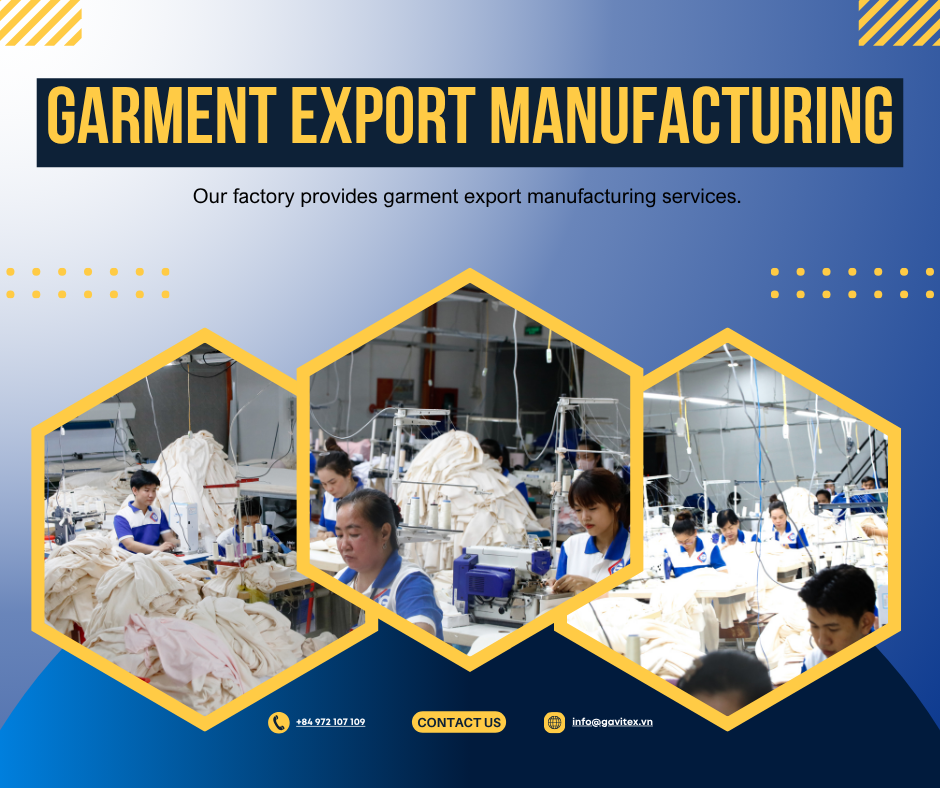
Evaluating an ISO-certified garment factory’s capabilities and specializations is crucial for ensuring they align with your specific production needs and quality standards. This assessment goes beyond simply verifying their certification; it involves a deep dive into their technical expertise, production capacity, equipment, and areas of specialization. Understanding these aspects helps you determine if the factory can reliably deliver the products you require, meeting both quality expectations and production timelines.
Firstly, meticulously examine the factory’s production capabilities. This encompasses the range of garment types they can produce, the complexity of designs they can handle, and the materials they are experienced in working with. For example, a factory specializing in knitwear might not be the best choice for producing intricate tailored suits. Gavitex, with its commitment to quality and innovation, recognizes the importance of partnering with factories that possess the specific skills and equipment necessary for each unique project. Consider factors such as:
- Cutting and sewing techniques: Are they proficient in various methods, including advanced techniques like laser cutting or automated sewing?
- Fabric handling expertise: Can they handle delicate or specialized fabrics like silk, linen, or performance materials?
- Finishing and embellishment capabilities: Do they offer services such as embroidery, printing, dyeing, or garment washing?
Secondly, a critical aspect is assessing the factory’s specializations. Some factories may focus on specific product categories, such as sportswear, children’s wear, or workwear. Others may specialize in certain manufacturing processes, such as sustainable production methods or the use of specific technologies. Identifying a factory that aligns with your product niche can lead to higher quality, greater efficiency, and a deeper understanding of your specific requirements. Look for certifications or accreditations that demonstrate their expertise in relevant areas, such as OEKO-TEX for textile safety or GOTS for organic cotton.
Finally, beyond ISO certification, delve into the factory’s technological infrastructure and equipment. A modern, well-equipped factory is more likely to maintain consistent quality, optimize production processes, and adapt to evolving industry trends. Investigate the following:
- Machinery and Technology: Does the factory utilize advanced machinery like CAD/CAM systems, automated cutting machines, and specialized sewing equipment?
- Quality Control Processes: What quality control measures are in place at each stage of production, from fabric inspection to final product testing?
- Capacity and Scalability: Can the factory handle your current production volume and scale up as your business grows?
Ethical and Sustainable Practices in ISO-Certified Garment Factories
In the ISO-certified garment factory landscape, ethical and sustainable practices are increasingly paramount, reflecting a shift towards responsible production and consumption within the apparel industry. These factories adhere to specific standards that not only ensure product quality and safety, as emphasized by ISO certifications, but also guarantee fair labor conditions, environmental protection, and resource conservation.
- Fair Labor Practices: ISO-certified factories are committed to providing a safe and respectful work environment. This includes ensuring fair wages, reasonable working hours, and the prohibition of child labor and forced labor. Compliance is often verified through regular audits and certifications such as SA8000.
- Environmental Stewardship: Sustainable practices encompass minimizing environmental impact through waste reduction, water conservation, and the use of eco-friendly materials. Factories often implement environmental management systems (EMS) certified to ISO 14001 to track and improve their environmental performance. For example, some factories are investing in water recycling systems to reduce water consumption in dyeing and finishing processes.
- Material Sourcing and Transparency: Ethical sourcing of raw materials is crucial for sustainable garment manufacturing. This includes using organic cotton, recycled fibers, and other eco-friendly alternatives. Transparency in the supply chain, tracing materials from origin to finished product, is also a key aspect of ethical and sustainable practices. For instance, Gavitex.vn prioritizes suppliers who can demonstrate traceability and adhere to responsible forestry practices for viscose fabrics.
By prioritizing ethical and sustainable practices, ISO-certified garment factories contribute to a more responsible and environmentally conscious fashion industry.
Navigating the Communication and Collaboration Process with ISOCertified Factories
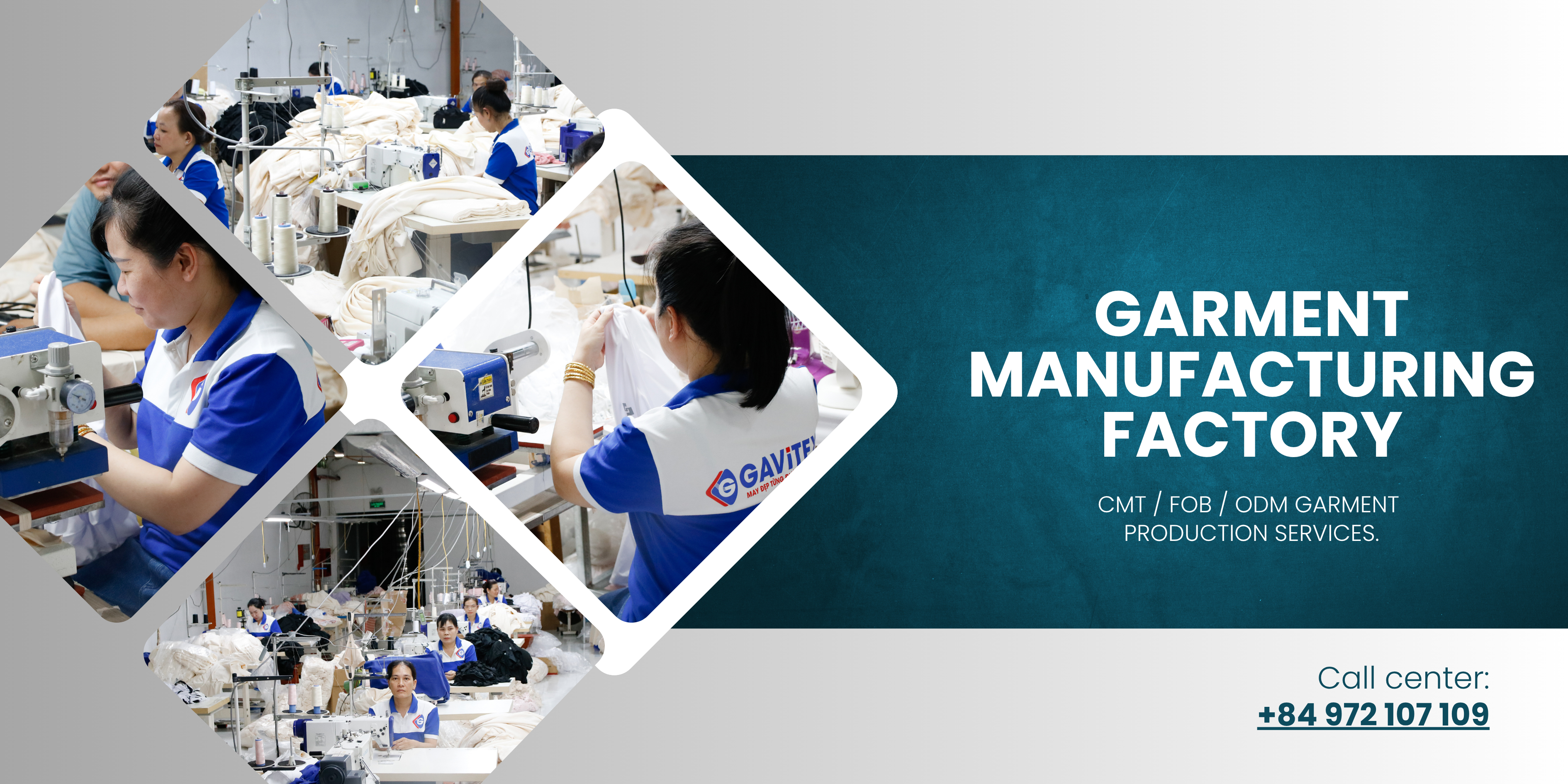
Successfully navigating the communication and collaboration process with an ISO-certified garment factory is crucial for ensuring product quality, meeting deadlines, and fostering a strong, long-term partnership. Effective communication and seamless collaboration are essential components of quality management systems within ISO-certified garment manufacturers, promoting transparency, accountability, and efficient problem-solving.
Establishing clear communication channels is paramount. This involves defining preferred methods of communication (e.g., email, video conferencing), designating key points of contact on both sides, and setting expectations for response times. For instance, a weekly progress report and regular video calls can help keep projects on track. Sharing design specifications, technical drawings, and fabric details with precision is key to avoiding misunderstandings, and utilizing collaborative platforms for document sharing and feedback can further enhance this process.
Furthermore, proactive problem-solving is essential. When issues arise—such as a delay in fabric delivery or a discrepancy in sample production—addressing them swiftly and transparently builds trust. ISO standards emphasize a commitment to continuous improvement, which means factories should have established procedures for identifying, analyzing, and resolving problems. Openly discussing challenges, proposing solutions, and documenting changes are vital for ensuring the project stays on course.
Finally, cultural sensitivity plays a significant role, especially when working with overseas factories. Understanding cultural nuances in communication styles and business practices can prevent misunderstandings and foster stronger relationships. For example, being aware of different holiday schedules or preferred methods of negotiation can contribute to a more harmonious and productive collaboration. At Gavitex, we prioritize clear and respectful communication to ensure a smooth and successful partnership with every client.
Cost Considerations When Choosing an ISOCertified Garment Factory
When selecting an ISO-Certified Garment Factory, understanding the cost considerations is crucial for making informed decisions and maximizing your return on investment. Partnering with a certified factory ensures quality and reliability, but it’s essential to analyze the pricing structure and identify potential cost drivers. This section will explore the various aspects of cost that need to be evaluated when choosing the right ISO-certified garment factory.
Several factors influence the overall cost when collaborating with an ISO-certified garment manufacturer. These extend beyond just the per-unit production price and encompass aspects like material sourcing, labor costs, quality control measures, and compliance standards. By thoroughly assessing these elements, businesses can gain a clear understanding of the financial implications involved.
One significant cost consideration is material sourcing. ISO-certified factories often adhere to stringent standards for material quality and sustainability, which can impact the price of raw materials used in production. Factories like Gavitex prioritize ethical sourcing and may opt for higher-quality, certified materials, potentially leading to increased costs compared to factories with less emphasis on responsible sourcing.
Another vital element to consider is labor costs. Garment factories located in regions with higher labor standards and wages may have different pricing structures than those in areas with lower costs. However, higher labor costs can also correlate with better working conditions and fair treatment of employees, aligning with ethical and sustainable practices that increasingly important for consumers. This increased level of quality control and ethical labor practices often translates to a higher-quality finished product.
Quality control represents another significant cost driver. ISO-certified factories implement rigorous quality management systems, including inspections, testing, and process controls. While these measures add to the production costs, they minimize defects, reduce the risk of recalls, and ultimately improve the overall quality and consistency of the finished garments. For instance, a factory adhering to ISO 9001 standards will have documented processes for quality checks at various stages of production, ensuring adherence to specifications and reducing the likelihood of errors.
Finally, consider the impact of compliance standards on cost. ISO certification requires factories to comply with environmental and social regulations, which can involve investments in equipment, training, and monitoring systems. While these investments may increase the initial cost, they can also lead to long-term benefits, such as reduced waste, improved resource efficiency, and enhanced brand reputation.
Common Challenges and Solutions When Working with Overseas ISO-Certified Garment Factories
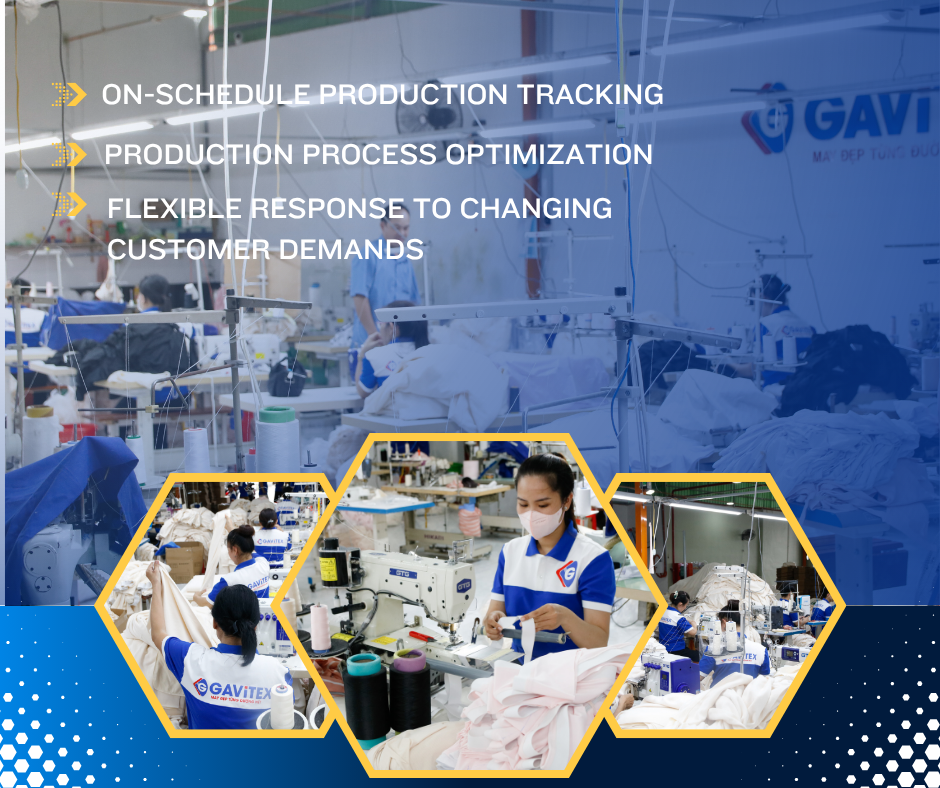
Navigating the complexities of international apparel manufacturing can present unique hurdles, even when partnering with an ISO-Certified garment factory. While ISO certification ensures adherence to quality management systems, several challenges can still arise when working with overseas facilities, requiring proactive strategies for effective mitigation. These challenges often encompass communication barriers, cultural differences, logistical complexities, and intellectual property concerns.
One of the most prevalent challenges is communication and cultural differences. Language barriers, varying communication styles, and differing cultural norms can lead to misunderstandings and delays. To overcome this, consider these solutions:
- Employ bilingual staff: Work with factories that have dedicated English-speaking personnel or use professional translation services for critical communications.
- Establish clear communication protocols: Define preferred communication channels (e.g., email, video conferencing), response times, and escalation procedures.
- Invest in cultural sensitivity training: Educate your team on the cultural nuances of the factory’s location to foster better understanding and collaboration. Gavitex, with its experience in international trade, can offer guidance on navigating these cultural complexities.
Another challenge is managing quality control and logistics. Ensuring consistent product quality and timely delivery from a distant location requires meticulous planning and execution. Consider these solutions:
- Implement rigorous quality control procedures: Conduct pre-production, in-line, and final inspections to identify and address potential issues early on.
- Establish a detailed production schedule: Collaborate with the factory to create a realistic timeline with clear milestones and deadlines.
- Utilize a reliable logistics partner: Partner with a reputable freight forwarder experienced in handling garment shipments to ensure efficient and cost-effective transportation. Gavitex’s global sourcing network provides access to vetted logistics providers.
Finally, protecting intellectual property is crucial. Sharing designs and specifications with an overseas factory carries the risk of unauthorized reproduction or disclosure. Solutions include:
- Sign a non-disclosure agreement (NDA): Before sharing any confidential information, ensure the factory signs a legally binding NDA to protect your intellectual property.
- Register your designs and trademarks: Obtain legal protection for your designs and trademarks in the factory’s country to deter infringement.
- Monitor the market for counterfeit products: Regularly check online marketplaces and retail outlets for any unauthorized copies of your products.
Future Trends in ISOCertified Garment Manufacturing
The future of ISO-certified garment manufacturing is being shaped by a confluence of factors, driving significant shifts in how clothing is produced and supplied; these include technological advancements, increasing sustainability concerns, and evolving consumer demands that are redefining the landscape of garment production. As businesses seek to gain a competitive edge and demonstrate their dedication to quality, ethical labor practices, and environmental responsibility, the adoption of innovative and responsible manufacturing processes is set to become increasingly important within ISO-certified garment factories.
-
Automation and Digitalization: Automation and digitalization are significantly impacting the garment industry, and their influence will only grow stronger. Advanced robotics, AI-powered quality control systems, and 3D printing are poised to transform garment production processes. These technologies will enable factories to achieve greater efficiency, precision, and customization, ultimately leading to reduced costs and faster turnaround times.
-
Sustainable Materials and Circularity: The growing awareness of environmental issues is fueling demand for sustainable materials and circular economy principles. ISO-certified factories will increasingly focus on sourcing eco-friendly fabrics, such as recycled polyester, organic cotton, and innovative bio-based materials. Embracing circularity will involve implementing strategies like take-back programs, textile recycling, and designing garments for durability and longevity. Gavitex, with its commitment to quality, could readily incorporate sustainable material options into its supply chains and garment production.
-
Traceability and Transparency: Consumers are increasingly seeking transparency about the origins and production of their clothing. Blockchain technology is emerging as a powerful tool for tracking the entire garment supply chain, from raw materials to finished products. By providing detailed information about each stage of production, ISO-certified garment factories can build trust with consumers and demonstrate their commitment to ethical and sustainable practices.
-
Personalization and On-Demand Manufacturing: The rise of e-commerce and the growing demand for personalized products are driving the adoption of on-demand manufacturing models. ISO-certified garment factories will need to adapt to these trends by investing in flexible production systems that can handle small-batch orders and customized designs. This will require integrating digital technologies, such as 3D design software and automated cutting machines, to streamline the production process and meet the evolving needs of consumers.
-
Reshoring and Nearshoring: Geopolitical instability and rising transportation costs are prompting some brands to consider reshoring or nearshoring their garment production. Bringing manufacturing closer to home can reduce lead times, improve supply chain visibility, and enhance responsiveness to changing market demands. ISO-certified garment factories in developed countries can capitalize on this trend by offering high-quality, ethically produced garments with shorter lead times.
These trends point toward a future where ISO-certified garment factories play a critical role in creating a more sustainable, transparent, and efficient apparel industry. By embracing innovation and prioritizing ethical practices, these factories can position themselves for success in a rapidly evolving market.

