Here’s a draft opening paragraph, keeping in mind all your requirements:
Ready-to-Wear Garment Manufacturing is a cornerstone of the modern fashion industry, directly impacting profitability and speed to market. This comprehensive guide delves into the critical aspects of efficient garment production, exploring key elements such as fabric sourcing strategies, optimized cutting and sewing techniques, and the implementation of robust quality control measures. Furthermore, we will dissect the intricacies of supply chain management within the ready-to-wear sector, alongside advancements in automation technologies and sustainable manufacturing practices which will be applicable by 2025. As part of our Garment Processing series, this analysis equips stakeholders with actionable insights to streamline operations, reduce costs, and enhance competitiveness in the global apparel landscape.
Key Stages in Ready-to-Wear Garment Production: From Design to Distribution
The ready-to-wear garment production process, from initial concept to the moment a customer makes a purchase, involves several key stages that ensure efficiency and quality. This journey encompasses everything from the creative spark of design and pattern making to the logistical complexities of distribution and retail. Understanding these stages is crucial for businesses involved in the garment manufacturing industry to optimize their operations, reduce costs, and meet consumer demands.
The initial steps of ready-to-wear production focus on translating design ideas into tangible patterns and selecting appropriate materials.
- Designers conceptualize garments, create sketches, and develop detailed specifications.
- Pattern makers then translate these designs into precise patterns that serve as templates for cutting fabric.
- Concurrently, fabric selection and sourcing play a vital role, involving careful consideration of factors like texture, durability, cost, and ethical sourcing.
- For example, a brand might choose organic cotton for its softness and sustainability or recycled polyester for its durability and eco-friendliness.
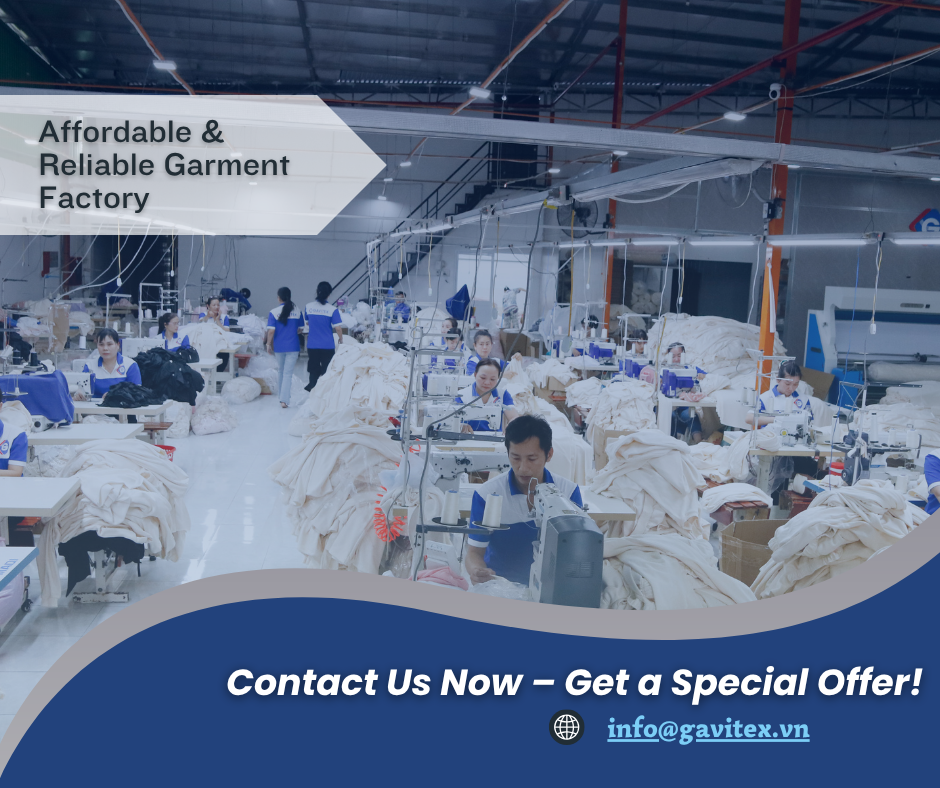
The manufacturing process then moves into the hands-on stages of cutting, sewing, and finishing. Cutting involves precisely following the patterns to create the individual pieces of the garment. These pieces are then sewn together using various techniques, often involving specialized machinery. The finishing stage includes tasks such as ironing, adding embellishments, and performing final quality checks to ensure the garment meets the required standards. This stage is essential for achieving the desired aesthetic and functional qualities of the final product.
Before reaching consumers, the ready-to-wear garments undergo packaging and labeling, ensuring proper presentation and providing essential information. Garments are typically folded, tagged with brand information, size, and care instructions, and then packaged to protect them during transportation and storage. Effective packaging also contributes to the brand’s image and enhances the customer’s perception of the product.
The final stages of the RTW process involve distribution and retail, bringing the finished garments to market. Distribution channels can vary widely, including direct-to-consumer sales through online stores or physical retail locations, as well as partnerships with wholesalers and retailers. Effective logistics and supply chain management are crucial for ensuring timely delivery of products to meet consumer demand and maximize sales. This stage often involves managing inventory, coordinating transportation, and implementing marketing strategies to attract customers.

Essential Machinery and Technology for RTW Garment Manufacturing
The ready-to-wear (RTW) garment manufacturing process relies heavily on a diverse range of machinery and technology to transform raw materials into finished products, ensuring efficiency, precision, and consistency. From initial design to final packaging, each stage benefits from specialized equipment designed to streamline operations and enhance the quality of the final garment. This section will explore the pivotal role of advanced machinery and technological solutions in shaping the modern RTW garment industry, impacting production speed, quality control, and overall cost-effectiveness.
Cutting Machines (CNC, Laser Cutters)
Precision cutting is paramount in RTW garment production, and advancements in cutting machines have revolutionized this stage. CNC cutting machines, utilizing computer numerical control, offer unparalleled accuracy in replicating patterns across multiple fabric layers. Laser cutters provide an even higher level of precision, especially for intricate designs and delicate fabrics, minimizing material waste and ensuring consistent garment dimensions. For example, some laser cutting machines can achieve cutting speeds of up to 80 meters per minute with accuracy within 0.1mm, showcasing their capabilities in high-volume production environments.
Sewing Machines (Industrial, Overlock, Coverstitch)
The heart of garment assembly lies in sewing machines, and the RTW industry utilizes a variety of specialized types to achieve different seam finishes and construction techniques. Industrial sewing machines are the workhorses, handling straight seams and general assembly. Overlock machines create serged edges to prevent fraying and provide a clean, professional finish. Coverstitch machines are used for hemming and decorative stitching, adding durability and aesthetic appeal. Modern industrial sewing machines, like those offered by Juki or Brother, incorporate features such as automatic thread trimming and programmable stitch patterns, significantly increasing production efficiency.
Finishing Equipment (Ironing, Dyeing, Washing)
Achieving the desired look and feel of RTW garments requires sophisticated finishing equipment. Industrial ironing systems utilize steam and pressure to remove wrinkles and creases, ensuring a crisp, retail-ready appearance. Dyeing machines apply color to fabrics with consistent results, while washing machines are used for various treatments, such as pre-shrinking or achieving specific textures and finishes (e.g., stone washing, enzyme washing). Advancements in dyeing technology focus on water and energy conservation, with newer machines using up to 40% less water compared to traditional methods.
Software (CAD/CAM, PLM)
Beyond physical machinery, software plays a crucial role in optimizing the entire RTW garment manufacturing process. CAD/CAM (Computer-Aided Design/Computer-Aided Manufacturing) systems allow designers to create and modify patterns digitally, reducing the need for physical prototypes and streamlining the design process. PLM (Product Lifecycle Management) software integrates all aspects of the product development cycle, from design and sourcing to production and distribution, improving collaboration and transparency across the supply chain. Statistics show that companies implementing PLM systems can reduce time-to-market by up to 20% and improve product margins by 5-10%.
Sustainable Practices in Ready-to-Wear Manufacturing: Reducing Environmental Impact
The ready-to-wear (RTW) garment manufacturing industry, while providing accessible and affordable clothing, has a significant environmental impact; therefore, embracing sustainable practices is crucial for minimizing its ecological footprint and fostering a more responsible approach to fashion. Implementing sustainable strategies throughout the garment production lifecycle, from material selection to waste disposal, is essential for reducing environmental impact and creating a more environmentally conscious industry.
One of the primary ways to minimize environmental harm is through the adoption of eco-friendly fabrics. This includes sourcing materials like:
- Organic cotton, which reduces the use of harmful pesticides and fertilizers. Gavitex, as a fabric manufacturer, can prioritize partnerships with organic cotton farmers.
- Recycled polyester, derived from plastic bottles and other waste materials, lessening the demand for virgin polyester production.
- Innovative materials like Tencel (lyocell), made from sustainably sourced wood pulp using a closed-loop production process.
Beyond fabric choices, water and energy conservation are vital. The textile industry is a major consumer of both resources. Sustainable practices involve:
- Implementing water-efficient dyeing and finishing processes.
- Investing in energy-efficient machinery and renewable energy sources, like solar panels.
- Adopting closed-loop water recycling systems to minimize water usage.
Effective waste management and recycling programs are also crucial for minimizing environmental impact. This includes:
- Reducing fabric waste during the cutting process by optimizing pattern layouts and utilizing technologies like CAD/CAM.
- Implementing recycling programs for textile scraps and garment remnants.
- Exploring innovative solutions for textile waste, such as upcycling and creating new materials from discarded fabrics.
Finally, ethical labor practices, while not directly environmental, are a crucial pillar of sustainability. Supporting fair wages, safe working conditions, and worker empowerment contributes to a more holistic and responsible manufacturing process. Gavitex, as a company, should prioritize these ethical considerations in its supply chain.
Quality Control in RTW Garment Manufacturing: Ensuring Superior Products
In the ready-to-wear (RTW) garment manufacturing industry, quality control is paramount to ensuring customer satisfaction and maintaining brand reputation. Effective quality control not only minimizes defects but also optimizes resource utilization and enhances overall production efficiency. This rigorous process guarantees that each garment meets predetermined standards before reaching the consumer.
Implementing a robust quality control system in RTW garment manufacturing involves several key aspects. These include establishing clear quality standards and certifications, employing meticulous inspection methods and techniques, conducting thorough defect analysis and prevention, and leveraging automation to streamline quality control processes. By focusing on these elements, manufacturers such as Gavitex can consistently deliver high-quality garments that meet the demands of a competitive market.
Quality Standards and Certifications (ISO, WRAP)
Adhering to established quality standards and obtaining relevant certifications are crucial for demonstrating a commitment to excellence in ready-to-wear garment production. Certifications such as ISO 9001 and WRAP (Worldwide Responsible Accredited Production) provide frameworks for maintaining consistent quality and ethical production practices. For instance, achieving ISO 9001 certification requires implementing a quality management system that covers all aspects of the production process, from design to distribution. WRAP certification, on the other hand, focuses on ensuring safe, ethical, and lawful working conditions.
Inspection Methods and Techniques
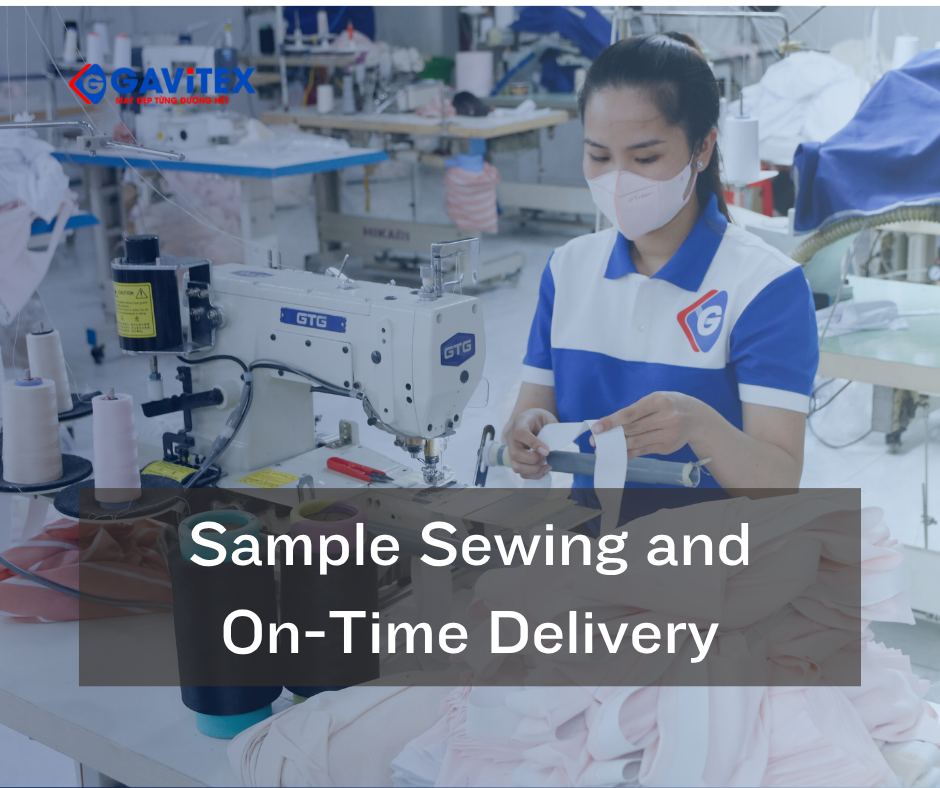
Meticulous inspection methods are essential for identifying defects early in the garment manufacturing process. These methods include visual inspections, fabric testing, and fit checks. Visual inspections involve carefully examining each garment for flaws such as misaligned seams, uneven hems, and color discrepancies. Fabric testing ensures that materials meet specified standards for strength, durability, and colorfastness. Fit checks verify that garments conform to the intended size and shape. Integrating these inspection techniques at various stages of production, from fabric sourcing to final packaging, minimizes the risk of substandard products reaching consumers.
Defect Analysis and Prevention
Defect analysis is the process of identifying the root causes of garment defects and implementing corrective actions to prevent their recurrence. This involves collecting data on the types and frequency of defects, analyzing the data to identify patterns and trends, and implementing process improvements to address the underlying causes. For example, if a high percentage of garments have issues with stitching, it may indicate a need for better training or improved equipment maintenance. By proactively addressing potential problems, RTW manufacturers can reduce waste, improve efficiency, and enhance product quality.
The Role of Automation in Quality Control
Automation plays an increasingly important role in streamlining and enhancing quality control processes in ready-to-wear garment manufacturing. Automated inspection systems can quickly and accurately identify defects that may be missed by human inspectors. For instance, computer vision systems can analyze images of garments to detect subtle flaws in fabric or stitching. Similarly, robotic systems can perform repetitive tasks such as button attachment and seam sealing with greater precision and consistency than manual labor. By leveraging automation, manufacturers can improve quality, reduce costs, and increase production throughput.
Cost Optimization Strategies in Ready-to-Wear Garment Production
In the fiercely competitive landscape of ready-to-wear (RTW) garment production, implementing robust cost optimization strategies is paramount for maintaining profitability and market share. Efficient garment manufacturing transcends mere expense reduction; it necessitates a holistic approach encompassing the entire production lifecycle, from raw material procurement to distribution. By meticulously analyzing each stage and adopting innovative solutions, manufacturers can achieve significant cost savings without compromising product quality or ethical standards.
To effectively optimize costs, efficient inventory management is indispensable. Implementing a Just-in-Time (JIT) inventory system, for instance, minimizes storage expenses and reduces the risk of obsolescence by ordering materials only when needed. Furthermore, accurate demand forecasting, leveraging historical data and market trends, prevents overstocking and stockouts, streamlining the entire supply chain.
Lean manufacturing principles offer a structured framework for eliminating waste and maximizing efficiency within the production process. By identifying and addressing bottlenecks, streamlining workflows, and implementing continuous improvement initiatives, manufacturers can reduce cycle times, improve productivity, and lower overall production costs. Kaizen, a Japanese philosophy focusing on continuous improvement, can be instrumental in fostering a culture of efficiency and innovation within the organization.
The integration of automation and robotics presents significant opportunities for cost reduction in garment manufacturing. Automated cutting machines, for example, minimize fabric waste and enhance precision, while robotic sewing systems increase production speed and reduce labor costs. While the initial investment may be substantial, the long-term benefits in terms of efficiency, accuracy, and reduced labor expenses often outweigh the upfront costs.
Effective sourcing strategies for cost-effective materials are essential for managing raw material costs, a significant component of overall production expenses. This entails exploring diverse sourcing options, negotiating favorable contracts with suppliers, and potentially diversifying material choices without sacrificing quality. Building strong, long-term relationships with reliable suppliers can also lead to better pricing and more consistent material availability. Gavitex, as a leading garment manufacturer, understands the importance of identifying and partnering with suppliers who provide high-quality materials at competitive prices.
Trends and Innovations Shaping the Future of Ready-to-Wear Manufacturing
The landscape of ready-to-wear (RTW) garment manufacturing is undergoing a dynamic transformation, driven by a wave of trends and innovations that promise to reshape the industry as we know it. This evolution is fueled by the demand for faster production cycles, increased customization, sustainable practices, and enhanced quality control, pushing manufacturers to embrace cutting-edge technologies and novel approaches. These trends aim to optimize processes, reduce environmental impact, and meet the evolving needs of consumers in a competitive global market.
Automation and Robotics
Automation and robotics are increasingly crucial in RTW garment manufacturing, offering enhanced efficiency and precision. The integration of robotic arms for tasks like cutting, sewing, and material handling minimizes human error and accelerates production speeds. For example, automated cutting systems with Computer Numerical Control (CNC) can precisely cut multiple layers of fabric simultaneously, drastically reducing cutting time compared to manual methods. Companies like SoftWear Automation are pioneering fully automated sewing lines, demonstrating the potential for significant labor cost reduction and increased output.
3D Printing and Customization
3D printing and customization are poised to revolutionize garment manufacturing by enabling on-demand creation and personalized designs. 3D printing allows for the rapid prototyping of garment designs and the creation of intricate embellishments and structural components directly from digital models. This technology facilitates mass customization by enabling brands to offer tailored fits and unique designs without the need for traditional pattern making and sampling processes. Companies like Electroloom are exploring 3D printing techniques to create entire garments from liquid solutions, potentially reducing fabric waste and streamlining production.
Smart Fabrics and Wearable Technology
The integration of smart fabrics and wearable technology is opening new frontiers in ready-to-wear manufacturing, allowing for the creation of garments with enhanced functionality and interactive capabilities. Smart fabrics, embedded with sensors and conductive yarns, can monitor vital signs, track movement, and even regulate temperature. These textiles are finding applications in sportswear, healthcare apparel, and protective clothing. Wearable technology, such as smartwatches and fitness trackers, is being seamlessly integrated into garments, providing consumers with personalized data and enhanced user experiences. Adidas, for instance, has developed smart running shoes with integrated sensors that track performance metrics.
On-Demand Manufacturing and Mass Customization
On-demand manufacturing and mass customization are gaining traction as consumers demand more personalized products and faster turnaround times. This approach leverages digital technologies to create garments based on individual customer specifications, reducing inventory waste and enabling greater design flexibility. On-demand manufacturing relies on streamlined processes, automated workflows, and advanced software solutions to efficiently produce customized garments in small batches or even single units. Companies like Unspun offer customized jeans based on 3D body scans, demonstrating the potential for mass customization to reshape the fashion industry.
Overcoming Challenges in ReadytoWear Garment Manufacturing
The ready-to-wear garment manufacturing industry faces a complex web of challenges, ranging from supply chain disruptions and labor shortages to stringent quality control demands and intense competition. Successfully navigating these obstacles is crucial for businesses aiming to thrive in this dynamic sector. These challenges often impact production costs, timelines, and overall profitability, demanding strategic and innovative solutions.
Supply chain disruptions have become increasingly prevalent in recent years, posing significant hurdles to the industry. Factors such as geopolitical instability, natural disasters, and fluctuating raw material prices can cause delays, shortages, and increased costs. For example, the COVID-19 pandemic exposed the vulnerability of global supply chains, leading to widespread disruptions in fabric sourcing and transportation, impacting apparel manufacturers worldwide. To mitigate these risks, companies are diversifying their sourcing networks, building stronger relationships with suppliers, and investing in advanced supply chain management technologies to improve visibility and resilience.
Labor shortages and skill gaps represent another significant concern for manufacturers. The demand for skilled workers, including sewing machine operators, pattern makers, and quality control inspectors, often exceeds the available supply. Contributing factors include an aging workforce, negative perceptions of manufacturing jobs, and inadequate training programs. To address these challenges, companies are implementing apprenticeship programs, investing in automation to reduce reliance on manual labor, and partnering with educational institutions to develop training curricula that align with industry needs. Gavitex, with its focus on innovation and quality, actively seeks to bridge this gap through employee training and upskilling initiatives.
Maintaining consistent quality control presents an ongoing challenge in ready-to-wear manufacturing. Variations in fabric quality, sewing inconsistencies, and finishing defects can lead to customer dissatisfaction and brand damage. Implementing robust quality management systems, adopting advanced inspection technologies, and investing in employee training are essential for ensuring superior product quality. For instance, implementing statistical process control (SPC) techniques can help identify and address potential quality issues early in the production process, minimizing defects and waste.
The ready-to-wear garment industry is characterized by intense competition, with manufacturers constantly striving to offer the latest styles at competitive prices. This necessitates continuous innovation, cost optimization, and efficient operations. Companies that fail to adapt to changing consumer preferences and market dynamics risk losing market share. Strategies for overcoming this challenge include investing in research and development, embracing lean manufacturing principles, and leveraging technology to improve productivity and reduce costs.
Regulations and Compliance in Ready-to-Wear Garment Manufacturing: A Global Perspective
Navigating the intricate landscape of regulations and compliance is crucial for success in the ready-to-wear (RTW) garment manufacturing industry, demanding a comprehensive understanding of legal frameworks and ethical standards across global markets. Compliance ensures not only adherence to local and international laws but also fosters ethical business practices, enhances brand reputation, and secures long-term sustainability in a competitive market. This global perspective necessitates that manufacturers remain informed and proactive in adapting to evolving regulatory requirements.
The cornerstone of compliance within the RTW garment manufacturing sector lies in labor laws and standards, which vary significantly across different countries. These laws encompass a wide array of provisions, including minimum wage requirements, working hour limitations, workplace safety protocols, and the prohibition of child labor and forced labor. For instance, the International Labour Organization (ILO) sets international labor standards, which many countries incorporate into their national legislation. Garment manufacturers must meticulously adhere to these regulations to ensure fair treatment of workers and avoid legal repercussions and reputational damage. Failure to comply can result in severe penalties, including fines, legal action, and loss of business opportunities.
Beyond labor practices, environmental regulations play an increasingly vital role in RTW garment manufacturing. The textile industry is a significant consumer of water and energy, and a major contributor to pollution. Consequently, various countries have implemented stringent environmental laws to regulate water usage, wastewater discharge, air emissions, and waste management. Organizations like the European Union (EU) have established directives such as REACH (Registration, Evaluation, Authorisation and Restriction of Chemicals) to control the use of hazardous substances in textile production. Compliance with these environmental standards not only minimizes the industry’s ecological footprint but also aligns with growing consumer demand for eco-friendly and sustainably produced garments.
Navigating the complexities of international trade agreements and tariffs is also essential for RTW garment manufacturers operating on a global scale. Trade agreements such as the World Trade Organization (WTO) agreements, bilateral trade agreements, and regional trade blocs like the Comprehensive and Progressive Agreement for Trans-Pacific Partnership (CPTPP) significantly impact the flow of goods and services, influencing tariffs, quotas, and customs procedures. Understanding these agreements is crucial for optimizing sourcing strategies, reducing costs, and accessing new markets. For example, preferential trade agreements can provide manufacturers with tariff reductions or exemptions, offering a competitive advantage in specific markets.
Finally, adhering to safety standards is paramount in RTW garment manufacturing to protect both workers and consumers. Workplace safety regulations, such as those enforced by the Occupational Safety and Health Administration (OSHA) in the United States, aim to prevent accidents and injuries in manufacturing facilities. Product safety standards, on the other hand, focus on ensuring that garments are free from harmful chemicals, flammable materials, and other potential hazards. Compliance with these standards is critical for safeguarding worker well-being, preventing product recalls, and maintaining consumer trust.