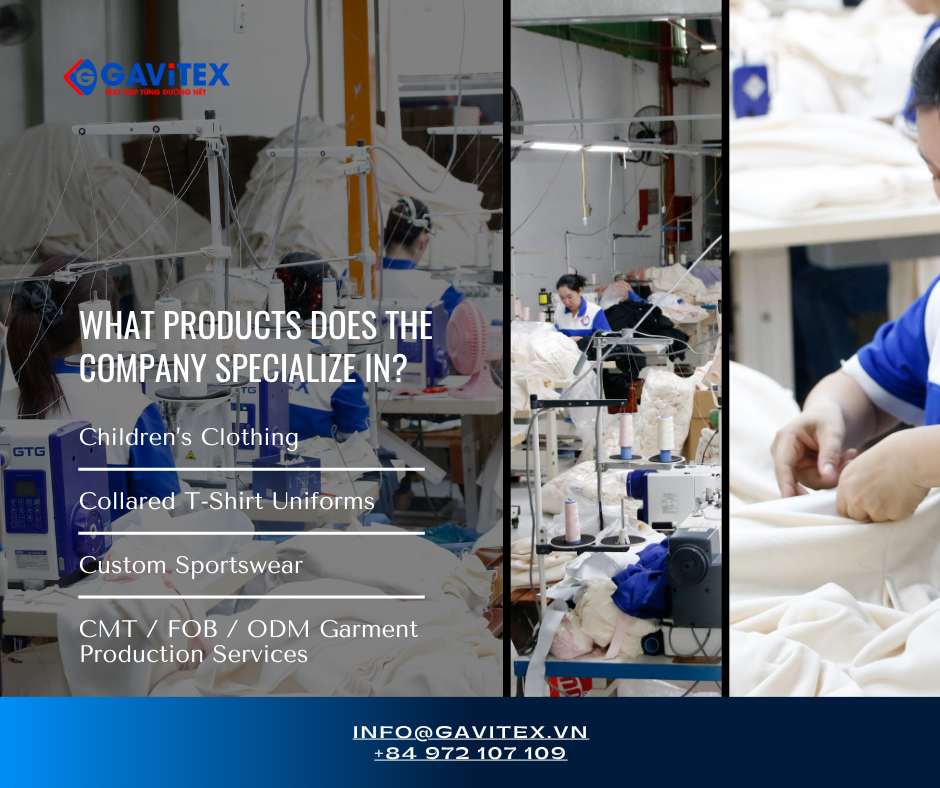
Small Quantity Garment Manufacturing is no longer a niche trend but a vital strategy for businesses seeking agility and responsiveness in today’s dynamic market. Navigating the complexities of low minimum order quantity (MOQ) production can be challenging, but this guide, under the umbrella of Garment Processing, provides actionable insights into optimizing your supply chain, mastering cost-effective techniques, and identifying reliable manufacturers who specialize in smaller runs. We’ll delve into the crucial aspects of pattern making, fabric sourcing, and quality control, ensuring your designs are brought to life efficiently and to your exact specifications, even with limited quantities. Discover how to leverage on-demand manufacturing and digital printing to minimize waste, reduce lead times, and maximize profitability in the realm of small batch clothing production.
Key Considerations for Small Quantity Garment Manufacturing: A Detailed Guide
Navigating the world of small quantity garment manufacturing requires careful consideration of numerous factors to ensure success, whether you’re launching a new fashion line or fulfilling niche market demands. This detailed guide will walk you through the essential aspects of producing apparel in smaller batches, helping you make informed decisions and avoid common pitfalls. We aim to provide a comprehensive overview, addressing not only the practical steps but also the strategic thinking needed to thrive in this specialized sector of apparel production.
One of the primary considerations is fabric sourcing. Securing high-quality materials in smaller volumes can be challenging. Many fabric suppliers prioritize large orders, which can leave smaller manufacturers with limited options or higher prices. Establishing relationships with suppliers who cater to small businesses or exploring alternative sourcing methods, such as online marketplaces or local fabric shops, is crucial. Gavitex Garment Company, with its established network, understands these challenges and can assist in identifying reliable fabric partners.
Another critical factor lies in design and pattern making. Accuracy and precision are paramount, especially when dealing with limited quantities. Investing in professional design and pattern making services can save time and money in the long run by minimizing errors and ensuring a proper fit. Furthermore, consider the complexity of your designs; simpler designs are generally more cost-effective to produce in small quantities. For instance, a basic t-shirt design will be significantly cheaper than a tailored jacket with intricate details, impacting your overall production costs.
Cost management is undoubtedly a key consideration for small quantity garment manufacturing. Small production runs often incur higher per-unit costs due to the lack of economies of scale. Carefully analyze all cost components, including fabric, labor, sampling, and shipping. Negotiate prices with suppliers and manufacturers, and explore cost-saving strategies such as streamlining your designs or using readily available materials. Understanding your target profit margins and pricing your garments accordingly is vital for long-term financial viability.
Finally, quality control cannot be overlooked. Even in small production runs, maintaining consistent quality is essential for building a strong brand reputation and customer loyalty. Implement rigorous quality checks at each stage of the manufacturing process, from fabric inspection to final garment finishing. Partnering with a manufacturer that has a proven track record of quality control and attention to detail is paramount. Gavitex Garment Company prioritizes stringent quality control measures to ensure that every garment meets the highest standards.
Finding the Right Small Quantity Garment Manufacturer: Factors to Evaluate
Selecting the right small quantity garment manufacturer is crucial for emerging fashion brands and businesses seeking custom apparel without the burden of large minimum order quantities. This decision profoundly impacts product quality, pricing, and overall business success, making thorough evaluation essential. Identifying a suitable manufacturer involves considering their capabilities, ethical practices, and alignment with your brand’s vision.
-
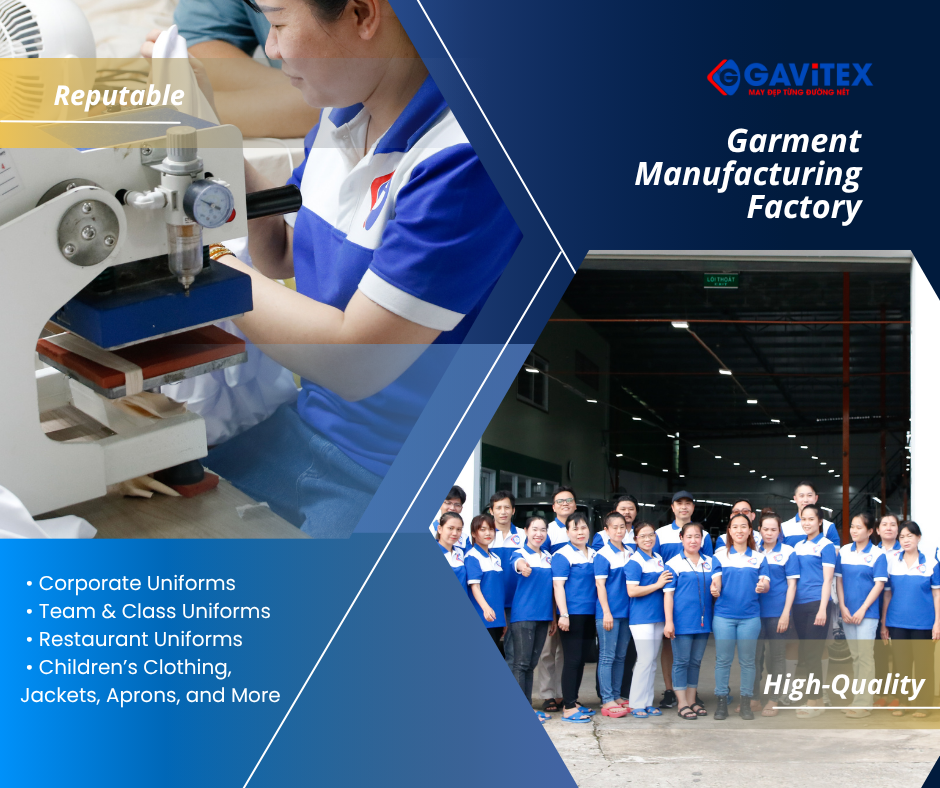
Manufacturing Capabilities and Expertise: A fundamental aspect of the evaluation process is assessing the manufacturer’s capabilities and expertise. Does the manufacturer specialize in the type of garments you intend to produce? Do they have experience working with the specific fabrics and designs you require? For instance, Gavitex Garment Company should demonstrate proficiency in handling diverse garment types and materials.
-
Minimum Order Quantity (MOQ): Understanding the manufacturer’s minimum order quantity is critical. Many clothing manufacturers catering to large-scale production often have high MOQs, which can be prohibitive for small businesses or startups. Seek out manufacturers that specialize in small batch clothing production and offer flexible MOQs to accommodate your needs.
-
Quality Control Processes: Robust quality control processes are vital to ensure your garments meet your standards. Inquire about the manufacturer’s quality assurance measures at each stage of production, from fabric inspection to final garment check. A manufacturer with a proven track record of producing high-quality garments is a valuable asset.
-
Cost and Pricing Structure: While cost is a significant consideration, it should not be the sole determining factor. Compare pricing structures among different manufacturers, taking into account factors such as fabric costs, labor charges, and shipping fees. Be wary of manufacturers offering prices that seem too good to be true, as this may indicate compromised quality or unethical labor practices.
-
Communication and Responsiveness: Effective communication is essential for a smooth manufacturing process. Choose a manufacturer that is responsive to your inquiries, provides clear and timely updates, and is willing to collaborate with you on design and production challenges. Clear communication channels minimize misunderstandings and ensure that your vision is realized accurately.
-
Ethical and Sustainable Practices: In today’s market, consumers are increasingly conscious of the ethical and environmental impact of their purchases. Partnering with a manufacturer that adheres to ethical labor standards and sustainable manufacturing processes can enhance your brand’s reputation and appeal to socially responsible consumers. Inquire about their certifications, such as fair trade or organic certifications.
-
Turnaround Time and Shipping: A reliable manufacturer should be able to provide realistic turnaround times and efficient shipping options. Late deliveries can disrupt your business operations and impact customer satisfaction. Clarify the production lead time and shipping arrangements before committing to a manufacturer.
Small Quantity Garment Manufacturing: Overcoming Common Challenges and Pitfalls
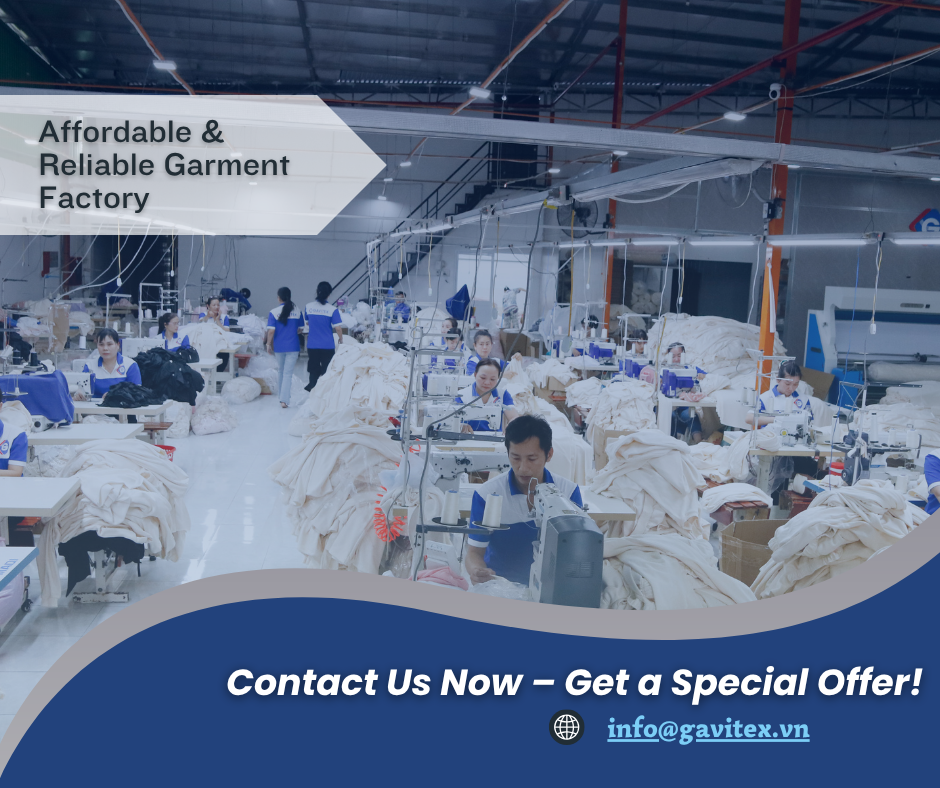
Navigating the world of small quantity garment manufacturing presents unique hurdles; understanding these challenges is the first step toward building a resilient and profitable business. Producing clothing in smaller batches, while offering flexibility and reducing inventory risks, inherently involves a different set of obstacles compared to mass production. This section delves into the most prevalent difficulties faced by brands and manufacturers in this sector and provides actionable strategies for overcoming them.
One major hurdle is cost management. Minimum order quantities (MOQs) imposed by suppliers can be a significant barrier, forcing businesses to either overproduce or seek out manufacturers specializing in smaller runs, which often come at a higher per-unit cost. For example, a startup might need only 50 pieces of a particular design, but most large-scale factories demand orders of 500 or more. To mitigate this, building relationships with smaller, more agile factories is crucial. Consider strategies like collaborative ordering with other small brands to meet MOQs, or negotiating with suppliers based on long-term potential rather than immediate order size. Efficient production planning is also key to minimizing waste and optimizing resource allocation, directly impacting the bottom line.
Another common pitfall lies in maintaining consistent quality. With smaller production runs, the risk of inconsistencies in fabric, stitching, and overall construction can increase. Unlike large-scale operations with stringent quality control protocols, small quantity manufacturing often relies on more manual processes, increasing the potential for human error. Implementing rigorous quality checks at each stage of production, from initial pattern making to final inspection, is crucial. This might involve investing in specialized training for staff, utilizing technology to aid in quality assessment, and establishing clear communication channels between the brand and the manufacturer.
Supply chain management also presents a significant challenge. Sourcing materials in small quantities can be difficult and expensive, particularly for specialized fabrics or trims. Furthermore, lead times can be longer and less predictable compared to sourcing in bulk. To overcome this, it’s essential to diversify your supplier base, develop strong relationships with suppliers who cater to smaller businesses, and consider sourcing locally whenever possible to reduce lead times and transportation costs. Effective inventory management is also vital, ensuring you have the right materials on hand without tying up excessive capital.
Technology and Innovation in Small Quantity Garment Manufacturing
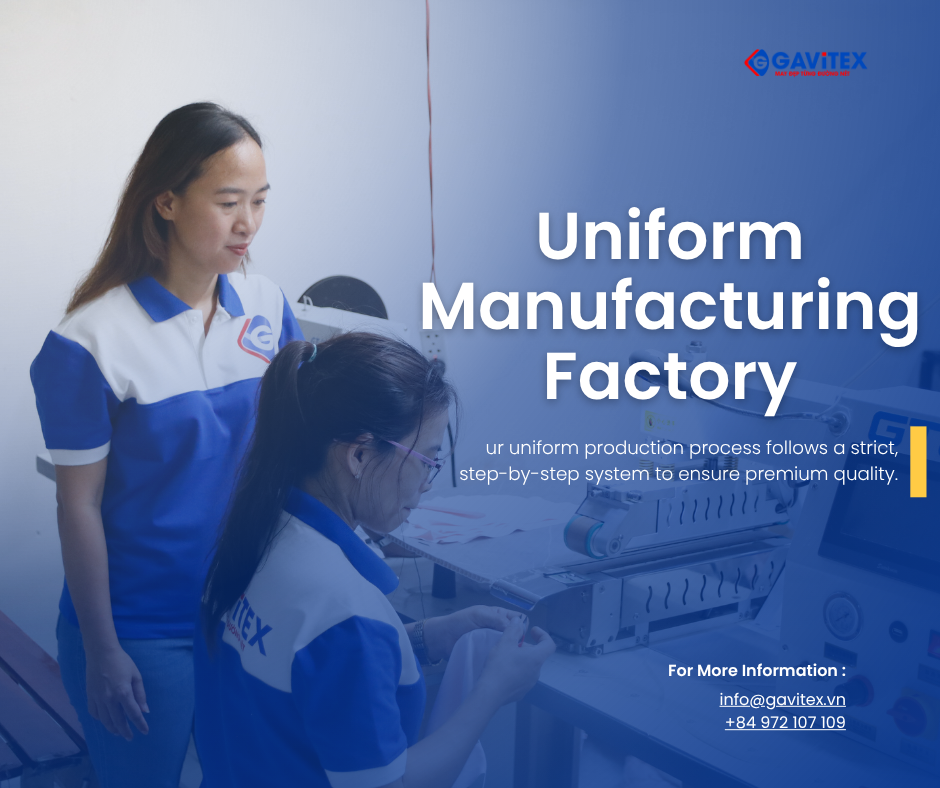
Technology and innovation are revolutionizing small quantity garment manufacturing, offering unprecedented opportunities for efficiency, customization, and sustainability. These advancements are enabling businesses, like Gavitex Garment Company, to compete effectively in a rapidly evolving market by embracing new tools and processes. The integration of digital technologies is not only streamlining operations but also empowering designers and manufacturers to meet the increasing demands for personalized and on-demand apparel.
The adoption of digital design and prototyping is a game-changer for small quantity garment production. Instead of relying on physical samples, designers can now utilize 3D modeling software to create and visualize garments with incredible accuracy. This technology significantly reduces the time and cost associated with sample creation, allowing for quicker design iterations and faster turnaround times. For instance, companies are leveraging tools like Clo3D and Browzwear to simulate fabric drape, fit, and movement, ensuring that the final product meets the desired specifications before any physical production begins. This reduces material waste and errors in the long run.
Automation is another key technological driver transforming small-scale garment manufacturing. While full automation may not be feasible or cost-effective for all small businesses, targeted automation solutions can significantly improve productivity. For example:
- Automated cutting machines, such as those using laser cutting or CNC technology, can precisely cut fabric layers, minimizing waste and reducing labor costs.
- Robotic sewing arms can perform repetitive tasks, such as attaching labels or sewing simple seams, increasing speed and accuracy.
- Digital printing allows for on-demand printing of custom designs directly onto fabric, enabling personalized garments and reducing the need for large print runs.
Supply chain optimization is also being enhanced by technology. Implementing cloud-based inventory management systems helps small manufacturers, like Gavitex Garment Company, track materials in real-time, manage orders efficiently, and avoid stockouts or overstocking. RFID technology can also be used to track garments throughout the production process, providing valuable data on lead times, bottlenecks, and potential areas for improvement. Further, data analytics enable manufacturers to identify trends, optimize production schedules, and forecast demand more accurately.
Furthermore, innovative software solutions are becoming increasingly accessible. Production planning software helps manage workflow, allocate resources, and schedule production runs efficiently. Quality control software can automate inspection processes, detect defects early, and ensure consistent product quality. These technologies, while potentially requiring an initial investment, ultimately contribute to increased efficiency, reduced costs, and improved customer satisfaction for small batch garment manufacturing.

Sustainable and Ethical Practices in Small Quantity Garment Manufacturing
In the realm of small quantity garment manufacturing, embracing sustainable and ethical practices is not just a trend, but a crucial shift towards responsible production, fostering a positive impact on the environment and the garment workers. These practices, ranging from utilizing eco-friendly materials to ensuring fair labor standards, are becoming increasingly important for both businesses and consumers.
The adoption of sustainable materials is a cornerstone of eco-conscious garment production. Organic cotton, recycled polyester, and innovative plant-based fabrics significantly reduce the environmental footprint compared to conventional materials. For instance, Gavitex Garment Company could explore using Tencel (lyocell), a fabric made from sustainably sourced wood pulp, known for its softness and biodegradability. The use of these sustainable textiles aligns with a circular economy model, minimizing waste and resource depletion.
Ethical labor practices are equally vital in small quantity garment manufacturing. Ensuring fair wages, safe working conditions, and respecting workers’ rights are paramount. This includes providing adequate breaks, reasonable working hours, and a safe and healthy work environment. Transparency in the supply chain is essential to verify that these standards are being upheld. Brands should partner with manufacturers that have certifications such as Fair Trade or SA8000, demonstrating their commitment to ethical labor practices. For example, a small quantity garment manufacturer partnering with Gavitex Garment Company should adhere to international labor standards, providing employees with benefits such as health insurance and retirement plans.
Furthermore, minimizing waste through efficient production techniques is an integral aspect of sustainable garment manufacturing. Implementing lean manufacturing principles, such as just-in-time production and reducing overproduction, can significantly decrease fabric waste. Utilizing digital printing technologies can also minimize fabric waste, as patterns are printed directly onto the fabric with precision. According to a report by the Ellen MacArthur Foundation, the fashion industry loses an estimated $500 billion each year due to clothing waste. By adopting efficient cutting and sewing techniques, small quantity garment manufacturers can contribute to reducing this waste and maximizing resource utilization.
Small Quantity Garment Manufacturing: A Cost-Benefit Analysis
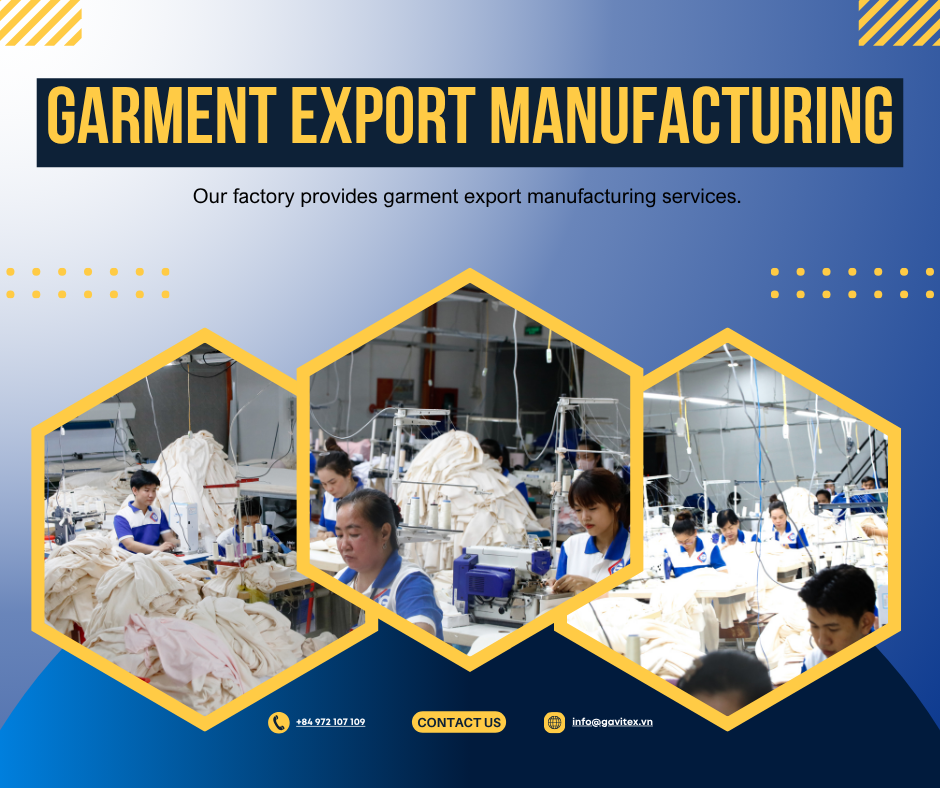
A cost-benefit analysis is crucial when considering small quantity garment manufacturing, helping businesses weigh the advantages and disadvantages of this production model. This involves a thorough examination of all related expenses against the potential revenues and strategic benefits that manufacturing clothing in small batches offers. Understanding this balance allows for informed decisions, especially for startups, niche brands, or companies testing new product lines.
One of the primary costs associated with small quantity garment production is the potentially higher per-unit price. Unlike mass production, economies of scale are limited. This is because manufacturers often impose minimum order quantities (MOQs) for materials, dyeing, and other processes. However, smaller production runs can also lead to significant benefits, such as reduced inventory costs. Holding large quantities of stock can be expensive, particularly if designs become outdated or demand fluctuates. With small quantity production, businesses can better manage their inventory levels, minimizing storage costs and reducing the risk of obsolescence.
Beyond direct costs, the analysis should also encompass indirect costs like increased administrative overhead, potentially longer lead times compared to larger orders, and the cost of managing multiple suppliers. The benefits, on the other hand, might include greater flexibility to respond to market trends, the ability to offer customized or limited-edition items, and reduced upfront investment. For example, a startup launching a new activewear line can use small quantity garment manufacturing to test different designs and fabrics before committing to a larger production run, mitigating financial risk. Gavitex garment company can offer competitive pricing by leveraging its existing infrastructure and streamlined processes, even for smaller orders.
Finally, a comprehensive cost-benefit analysis also considers qualitative factors. These might include the ability to build stronger relationships with manufacturers, the opportunity to experiment with sustainable or ethical production practices (which may be easier to implement on a smaller scale), and enhanced brand reputation. These intangible benefits can significantly contribute to the overall success of a small quantity garment business, making the model a worthwhile investment despite potentially higher per-unit costs.
Case Studies: Successful Small Quantity Garment Manufacturing Businesses
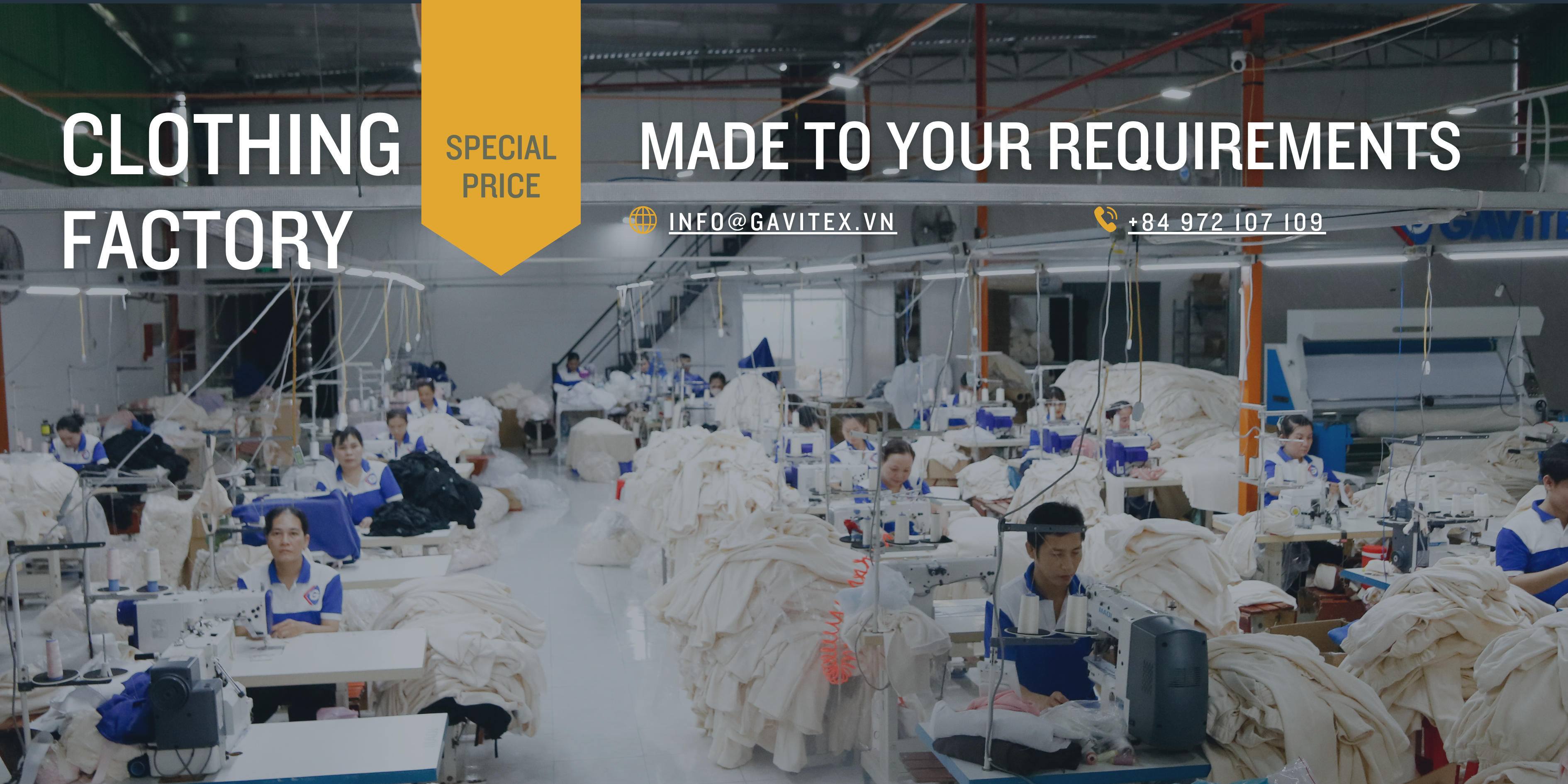
Examining case studies of successful small quantity garment manufacturing businesses provides invaluable insights into the strategies and practices that drive success in this niche market, offering inspiration for other manufacturers and brands looking for small batch clothing production. These examples highlight how businesses navigate the complexities of low minimum order requirements, efficient production, and meeting customer demands while maintaining profitability and sustainability.
Many small quantity apparel manufacturers thrive by focusing on specialization and building strong customer relationships. Consider Company A, a boutique manufacturer specializing in custom-printed t-shirts. They invested in direct-to-garment (DTG) printing technology to enable quick turnaround times and cater to individual orders, allowing them to effectively manage small production runs and meet demands for custom clothing manufacturing. This technological investment allowed them to accept small quantity orders that other manufacturers might reject, fostering customer loyalty and a reputation for flexibility. Their success stems from understanding the customer’s need for custom apparel in varying quantities, from single pieces to small batch orders, and providing a streamlined, personalized service.
Another example is Company B, a small scale clothing manufacturer focused on eco-friendly fabrics and ethical production. They differentiate themselves by sourcing sustainable materials and working with local artisans, appealing to environmentally conscious brands seeking small quantity garment production with a focus on sustainable clothing production. By highlighting their commitment to fair labor practices and reduced environmental impact, they’ve carved out a niche in the market and attract customers willing to pay a premium for ethically made clothing. This focus on sustainable garment manufacturing allows them to position themselves as a responsible and values-driven partner.
Company C, demonstrates that focusing on a specific product category can be a successful strategy for small quantity garment manufacturing. This company is a small batch apparel manufacturer specializing in high-end baby clothes. Because they have focus, the have more experience in garment manufacturing.
These diverse case studies underscore the importance of identifying a niche, investing in appropriate technology, building strong customer relationships, and embracing ethical and sustainable practices for achieving success in small quantity garment manufacturing.
Future Trends in Small Quantity Garment Manufacturing: What to Expect
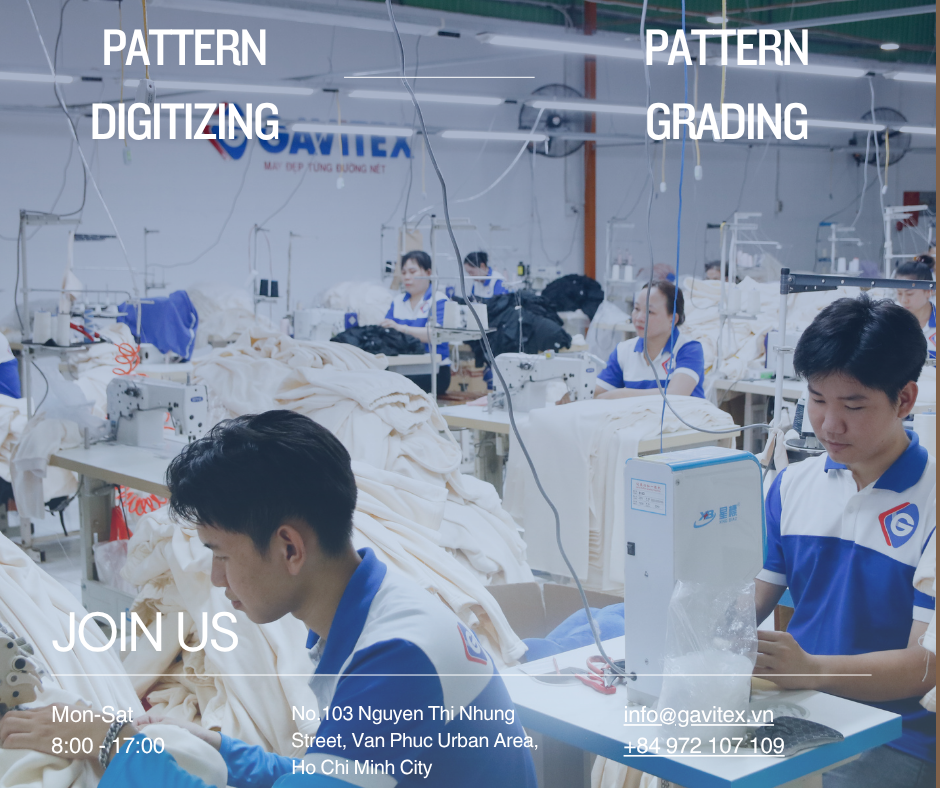
The landscape of small quantity garment manufacturing is on the cusp of significant transformation, driven by advancements in technology, evolving consumer demands, and a growing emphasis on sustainability. These trends are reshaping how brands like Gavitex Garment Company approach production, offering both opportunities and challenges for businesses in the apparel industry. Understanding these future directions is crucial for staying competitive and meeting the demands of a dynamic market.
One of the most impactful trends is the rise of digital printing and customization technologies. Digital printing allows for intricate designs and on-demand production, minimizing waste and enabling personalized garments. According to a report by Allied Market Research, the global digital textile printing market is projected to reach $4.0 billion by 2027, growing at a CAGR of 12.3% from 2020 to 2027. This growth is fueled by the increasing demand for customized apparel and the ability to produce small batches efficiently. Mass customization, facilitated by these technologies, allows businesses to cater to niche markets and individual customer preferences, offering unique value propositions that differentiate them from competitors.
Another key trend is the integration of automation and robotics. Automated cutting, sewing, and inspection systems are becoming increasingly accessible and affordable, making them viable options for even small-scale manufacturers. These technologies enhance efficiency, reduce labor costs, and improve quality control. While full automation might not be feasible for all small quantity manufacturers, strategically implementing robotic solutions in specific areas of the production process can significantly boost productivity and reduce lead times.
Sustainability is no longer a niche concern but a mainstream expectation. Consumers are increasingly demanding eco-friendly materials and ethical production practices. This trend is pushing garment manufacturers to adopt sustainable sourcing strategies, reduce waste, and minimize their environmental footprint. Innovations like recycled fabrics, waterless dyeing techniques, and closed-loop production systems are gaining traction, and businesses that prioritize sustainability are likely to attract environmentally conscious customers and build a positive brand image.
Finally, the rise of on-demand manufacturing platforms and decentralized production networks is transforming the supply chain. These platforms connect designers and brands with small quantity manufacturers, enabling them to produce garments quickly and efficiently without the need for large upfront investments. This decentralized approach can reduce transportation costs, minimize lead times, and foster closer relationships between brands and manufacturers, contributing to a more agile and responsive supply chain.