
Here’s an opening paragraph designed to meet your specific requirements for a SEO-optimized article on Closed-Process Garment Manufacturing:
In the face of increasing environmental concerns and resource scarcity, implementing Closed-Process Garment Manufacturing is no longer a choice but a necessity for sustainable and profitable operations. This article delves into the critical aspects of this transformative approach within Garment Processing, exploring how it revolutionizes traditional methods by minimizing waste and maximizing resource utilization. We will examine the core principles of closed-loop systems, showcasing how they drastically reduce water consumption, chemical usage, and energy expenditure. Furthermore, we will present concrete examples of innovative recycling technologies and waste management strategies that empower businesses to achieve true circularity and enhance their environmental performance while also reducing production costs and improving supply chain resilience by 2025.
The Environmental Imperative: Why Closed-Process Manufacturing is Crucial for the Fashion Industry
The fashion industry, a significant contributor to global pollution and resource depletion, urgently requires a paradigm shift towards closed-process garment manufacturing. Implementing closed-loop systems is no longer a choice but an environmental imperative, offering a pathway to minimize waste, conserve resources, and reduce the industry’s overall ecological footprint. This transition towards sustainable manufacturing practices is critical for mitigating the detrimental impacts of traditional garment production on our planet.
Traditional garment manufacturing processes consume vast amounts of water, often discharging polluted wastewater into the environment. Textile dyeing and finishing are particularly water-intensive, requiring approximately 200 liters of water to process just 1 kg of textiles, and generating substantial effluent containing harmful chemicals. Furthermore, the linear “take-make-dispose” model prevalent in the fashion industry contributes to massive textile waste, with millions of tons of clothing ending up in landfills annually, releasing greenhouse gases and contaminating soil and water resources. This unsustainable trajectory necessitates immediate and comprehensive action to transform the industry’s environmental performance.
Closed-process manufacturing offers a viable solution by emphasizing resource efficiency, waste minimization, and pollution prevention. This approach integrates various strategies, including:
- Water recycling and treatment: Implementing advanced treatment technologies to purify and reuse wastewater generated during textile processing.
- Chemical management and substitution: Replacing hazardous chemicals with safer alternatives and optimizing chemical usage to minimize environmental impact.
- Waste reduction and upcycling: Reducing textile waste through improved cutting techniques, design for durability, and innovative upcycling initiatives.
- Energy efficiency and renewable energy sources: Minimizing energy consumption through energy-efficient equipment and transitioning to renewable energy sources like solar and wind power.
By embracing these strategies, the fashion industry can significantly reduce its environmental impact and contribute to a more sustainable future. Gavitex, as a leader in textile solutions, understands the importance of this shift and is committed to supporting manufacturers in adopting closed-process manufacturing practices.

Key Technologies and Innovations Driving ClosedProcess Garment Manufacturing
Closed-process garment manufacturing is undergoing a technological revolution, with innovations poised to transform the fashion industry towards sustainability. These key technologies are pivotal in minimizing environmental impact, optimizing resource utilization, and fostering a circular economy within the apparel sector. They represent a paradigm shift from traditional linear models to more sustainable and efficient production methods.
Several groundbreaking technologies are leading this change:
-
Water Recycling and Treatment Systems: Advanced filtration, reverse osmosis, and evaporation technologies enable garment manufacturers to significantly reduce water consumption by recycling and reusing wastewater generated during dyeing and finishing processes. These systems can remove dyes, chemicals, and other contaminants, ensuring that the treated water is safe for reuse or discharge. For example, some advanced systems can recover up to 95% of wastewater for reuse.
-
Chemical Management and Substitution: This involves replacing hazardous chemicals with safer alternatives, such as bio-based dyes and finishes, and implementing closed-loop chemical management systems to prevent the release of harmful substances into the environment. Innovations like plasma technology are also being explored for textile processing, offering a cleaner alternative to traditional chemical treatments. The ZDHC (Zero Discharge of Hazardous Chemicals) Programme is a leading initiative driving this change.
-
Waste Reduction and Upcycling: Technologies that minimize fabric waste during cutting and sewing, such as automated cutting machines and 3D knitting, play a crucial role. Furthermore, upcycling technologies convert textile waste into new materials, reducing reliance on virgin resources. Companies like Gavitex can leverage these technologies to repurpose textile scraps into valuable products, closing the loop in the manufacturing process.
-
Energy Efficiency and Renewable Energy Sources: Implementing energy-efficient equipment, such as LED lighting and high-efficiency motors, coupled with the adoption of renewable energy sources like solar and wind power, can significantly reduce the carbon footprint of garment manufacturing. Heat recovery systems can also capture and reuse waste heat, further improving energy efficiency.
Benefits of Implementing Closed-Process Manufacturing for Garment Businesses
Adopting closed-process garment manufacturing offers significant advantages for businesses, moving beyond traditional linear models to embrace sustainability and efficiency. This shift not only minimizes environmental impact but also unlocks a range of financial, reputational, and operational benefits for garment manufacturers. Implementing closed-loop systems translates to reduced waste, optimized resource utilization, and a stronger, more resilient business model in an increasingly eco-conscious market.
Cost Savings and Operational Efficiency: Closed-process manufacturing dramatically reduces costs by minimizing waste and maximizing resource utilization. Water recycling systems, for instance, lessen reliance on freshwater sources, lowering water bills and reducing wastewater treatment expenses. By implementing strategies such as chemical management and substitution, Gavitex and other garment businesses can reduce costs associated with hazardous waste disposal. Investing in energy-efficient technologies and renewable energy sources further lowers operational expenses in the long run, creating sustainable cost benefits.
Brand Reputation and Consumer Trust: Consumers are increasingly aware of the environmental and social impacts of the fashion industry, driving demand for sustainable products and ethical business practices. By implementing closed-process manufacturing, garment businesses enhance their brand reputation by demonstrating a commitment to environmental responsibility. This commitment can attract environmentally conscious customers, boost brand loyalty, and ultimately increase sales. Consumers are more likely to trust and support brands that prioritize sustainability and transparency, giving Gavitex a competitive edge in the market.
Regulatory Compliance and Risk Mitigation: Environmental regulations are becoming increasingly stringent, requiring garment businesses to minimize their environmental footprint and adhere to stricter standards. Implementing closed-process manufacturing helps businesses proactively meet regulatory requirements, such as wastewater discharge limits and chemical usage restrictions. By reducing environmental risks, businesses can avoid costly fines, legal penalties, and reputational damage. This proactive approach to regulatory compliance ensures long-term sustainability and reduces the risk of operational disruptions.
Enhanced Product Quality and Durability: Closed-process manufacturing can lead to improvements in product quality and durability. For example, using safer chemicals and dyes can produce garments that are less prone to fading, shrinkage, or allergic reactions. Moreover, implementing stricter quality control measures throughout the production process can reduce defects and enhance the overall durability of the garments. By prioritizing quality and sustainability, Gavitex can provide customers with high-quality, long-lasting products that meet their needs and expectations.
Challenges and Barriers to Adoption of ClosedProcess Manufacturing
While the benefits of closed-process garment manufacturing are clear, transitioning to this sustainable model presents significant challenges and barriers for businesses in the fashion industry. These hurdles can range from financial constraints to technological limitations and require careful consideration and strategic planning to overcome.
One of the most significant obstacles is the initial investment costs associated with setting up closed-loop systems. Implementing water recycling and treatment facilities, acquiring advanced chemical management technologies, and investing in energy-efficient equipment can be a substantial financial burden, particularly for small and medium-sized enterprises (SMEs). For instance, a comprehensive water recycling system can cost upwards of $500,000, representing a considerable upfront expense. This can deter many businesses from adopting closed-process methods, even if they recognize the long-term cost savings and environmental benefits.
Another significant barrier is technological complexity. Closed-process manufacturing relies on sophisticated technologies that require specialized knowledge and expertise to operate and maintain effectively. Many garment factories, especially in developing countries, may lack the technical capabilities and infrastructure to implement and manage these systems. This can lead to operational inefficiencies, equipment malfunctions, and ultimately, a failure to achieve the desired sustainability outcomes.
Furthermore, supply chain transparency and traceability pose a major challenge. Closed-process manufacturing requires a high degree of visibility into the entire supply chain, from raw material sourcing to final product distribution. This is necessary to ensure that all materials and processes meet the required sustainability standards. However, the fashion industry is often characterized by complex and fragmented supply chains, making it difficult to track and monitor the environmental impact of each stage. According to a report by McKinsey, only 40% of fashion companies have full visibility into their supply chains beyond the first tier.
Finally, training and skill development are crucial for the successful implementation of closed-process manufacturing. Workers need to be trained on the operation and maintenance of new technologies, as well as on the principles of sustainable manufacturing practices. This requires investing in education and training programs, which can be time-consuming and costly. Without a skilled workforce, businesses may struggle to effectively implement and manage closed-process systems, hindering their ability to achieve their sustainability goals.
Case Studies: Successful Implementation of ClosedProcess Manufacturing
This section delves into real-world examples of companies that have successfully adopted closed-process garment manufacturing, showcasing the tangible benefits and diverse approaches within the industry. These case studies highlight how businesses are minimizing environmental impact, improving efficiency, and enhancing their brand image through innovative and sustainable practices. By examining these successes, we aim to provide valuable insights and inspiration for other organizations looking to embark on their own closed-loop manufacturing journey.
Brand A: Sustainable Denim Production
One compelling example is Brand A, a denim manufacturer that has revolutionized its production process by prioritizing water conservation and chemical reduction. Recognizing the significant water consumption associated with traditional denim dyeing, Brand A invested in advanced water recycling systems that treat and reuse up to 80% of the water used in the dyeing process. They also transitioned to organic cotton and natural dyes, eliminating the use of harmful chemicals and reducing the risk of water pollution. Furthermore, Brand A implemented a laser finishing technology to replace traditional stone washing, significantly reducing water and energy consumption. These efforts have not only minimized their environmental footprint but also resulted in significant cost savings and enhanced product quality.
Factory B: Zero Discharge of Hazardous Chemicals (ZDHC) Compliance
Factory B serves as a model for achieving Zero Discharge of Hazardous Chemicals (ZDHC) compliance in textile manufacturing. This factory meticulously manages its chemical inventory, prioritizing safer alternatives and implementing strict controls to prevent the release of hazardous substances into the environment. Through a comprehensive wastewater treatment system, Factory B removes pollutants and ensures that discharged water meets stringent environmental standards. The factory also collaborates closely with its suppliers to promote transparency and traceability throughout the supply chain, ensuring that all chemicals used in production meet ZDHC guidelines. Their commitment to ZDHC compliance has not only protected the environment but also strengthened their reputation as a responsible and sustainable manufacturer, attracting customers who value environmental stewardship.
Retailer C: Closed-Loop Recycling Program
Retailer C stands out for its innovative closed-loop recycling program, which collects used clothing from consumers and transforms it into new garments. By partnering with recycling facilities and utilizing advanced textile recycling technologies, Retailer C is able to recover valuable fibers from discarded clothing, reducing the demand for virgin materials and minimizing textile waste. The recycled fibers are then used to create new clothing items, completing the closed-loop cycle. This program has not only diverted tons of textile waste from landfills but also created a loyal customer base that appreciates Retailer C’s commitment to sustainability. Additionally, the program reduces the company’s dependence on volatile raw material markets, ensuring a more stable and predictable supply chain.
These case studies demonstrate that closed-process garment manufacturing is not only environmentally responsible but also economically viable. By embracing innovative technologies, implementing sustainable practices, and collaborating with stakeholders across the supply chain, garment businesses can achieve significant environmental and financial benefits.

Government Policies and Initiatives Supporting Closed-Process Manufacturing
Government policies and initiatives play a pivotal role in fostering the adoption of closed-process garment manufacturing. Recognizing the environmental impact of the fashion industry, many governments are implementing regulations, providing financial incentives, and supporting research and development to encourage a shift towards more sustainable practices like closed-loop systems and circular economy models within the sector. These initiatives aim to reduce waste, minimize pollution, and promote resource efficiency, thus driving the industry towards a more environmentally responsible future and building sustainable supply chains.
Regulations and standards are a cornerstone of governmental support for closed-process manufacturing. These may include stricter water discharge limits, regulations on the use of hazardous chemicals, and mandates for waste reduction and recycling. For instance, the European Union’s REACH regulation restricts the use of certain chemicals in textile production, encouraging manufacturers to adopt safer alternatives and chemical management systems. Similarly, initiatives promoting Extended Producer Responsibility (EPR) hold producers accountable for the end-of-life management of their products, incentivizing closed-loop recycling programs.
Funding and incentives represent another crucial form of governmental support. Governments often offer grants, tax breaks, and subsidies to companies investing in closed-process technologies and infrastructure. These incentives can help offset the initial investment costs associated with implementing water recycling systems, upgrading equipment for energy efficiency, and adopting innovative waste reduction strategies. Furthermore, some governments provide low-interest loans and loan guarantees to facilitate access to capital for businesses transitioning to more sustainable manufacturing processes.
Research and development programs are vital for driving innovation in closed-process garment manufacturing. Governments often fund research projects aimed at developing new sustainable materials, improving the efficiency of recycling technologies, and optimizing manufacturing processes to minimize environmental impact. These programs can foster collaboration between industry, academia, and research institutions, leading to breakthroughs that accelerate the adoption of closed-process practices. For example, government-funded initiatives may support the development of innovative dyeing techniques that use less water and energy, or the creation of new bio-based materials that can replace conventional textiles.
(Approximately 290 words)
The Future of ClosedProcess Garment Manufacturing: Trends and Predictions
The future of closed-process garment manufacturing is poised for significant transformation, moving beyond isolated initiatives toward a holistic and integrated approach driven by sustainability and technological advancement. This evolution promises not only to minimize the environmental impact of the fashion industry but also to unlock new opportunities for innovation, efficiency, and profitability for businesses like Gavitex. Key trends suggest a convergence of automation, circular economy principles, and the development of novel sustainable materials, fundamentally reshaping how garments are produced and consumed.
One of the most prominent trends is increased automation and digitalization. Advances in robotics, AI, and machine learning are enabling manufacturers to optimize processes, reduce waste, and enhance efficiency. For example, automated cutting and sewing systems can minimize fabric waste, while AI-powered quality control systems can detect defects early in the production process, leading to significant cost savings and improved product quality. Digitalization, through technologies like digital twins and supply chain management platforms, provides real-time visibility and traceability, allowing for better decision-making and resource allocation.
The focus on circular economy principles is also gaining momentum. This involves designing garments for durability and recyclability, implementing closed-loop recycling systems to recover and reuse textile waste, and exploring innovative business models such as clothing rental and subscription services. The Ellen MacArthur Foundation estimates that a circular economy for fashion could unlock $560 billion in economic value annually by 2030. Gavitex can contribute by investing in infrastructure for collecting and sorting textile waste, collaborating with recycling companies, and developing new products from recycled materials.
Finally, the development of new sustainable materials is critical to the future of closed-process manufacturing. Research and innovation are yielding promising alternatives to conventional textiles, such as bio-based fibers made from agricultural waste, recycled synthetic fibers, and innovative materials like mushroom leather and algae-based textiles. These materials not only reduce the environmental footprint of garment production but also offer unique performance characteristics and aesthetic possibilities. For example, companies are already exploring using recycled ocean plastic to create durable and water-resistant fabrics.
Getting Started: A Practical Guide to Implementing ClosedProcess Manufacturing
Embarking on the journey of implementing closed-process manufacturing within the garment industry represents a significant commitment to sustainability and resource efficiency; this section serves as a practical guide to navigate this transition. By embracing closed-loop systems and minimizing waste, garment businesses can achieve both environmental responsibility and economic benefits. This guide provides a step-by-step approach, focusing on key areas such as baseline assessment, goal setting, implementation planning, and performance monitoring, all essential for successful closed-process garment manufacturing.
1. Conducting a Baseline Assessment
The first step involves a comprehensive evaluation of your current operations to understand the existing environmental impact. A baseline assessment helps identify areas where resources are being wasted or where harmful chemicals are being used. This process should include:
- Resource Consumption Analysis: Analyze water, energy, and raw material usage across all stages of production.
- Waste Generation Audit: Identify the types and quantities of waste generated during manufacturing processes (e.g., fabric scraps, chemical sludge).
- Chemical Inventory and Usage: Document all chemicals used in production, their associated risks, and potential alternatives.
- Energy Consumption Patterns: Assess energy usage across different departments and processes to pinpoint inefficiencies.
2. Setting Sustainability Goals
Once the baseline assessment is complete, the next step is to define clear, measurable, achievable, relevant, and time-bound (SMART) sustainability goals. These goals should align with your company’s overall vision and values. Examples of sustainability goals include:
- Reducing water consumption by X% within Y years.
- Eliminating the use of Z hazardous chemicals by A date.
- Increasing the use of recycled or sustainable materials to B% by C year.
- Achieving Zero Discharge of Hazardous Chemicals (ZDHC) compliance within D years.
- Transitioning to E% renewable energy sources by F date.
3. Developing an Implementation Plan
A well-structured implementation plan is crucial for achieving your sustainability goals. This plan should outline specific actions, timelines, responsibilities, and resources required for each goal. Key elements of an effective implementation plan include:
- Technology Adoption: Identify and invest in closed-loop technologies such as water recycling systems, chemical management systems, and waste recycling equipment.
- Process Optimization: Streamline production processes to minimize waste generation and improve resource efficiency.
- Supplier Engagement: Collaborate with suppliers to ensure they meet your sustainability standards and provide sustainable materials. Gavitex, as a company with a commitment to quality, can leverage its existing supplier relationships to promote sustainable practices across the supply chain.
- Employee Training: Train employees on new technologies, processes, and best practices for sustainability.
- Investment Allocation: Secure funding and allocate resources to support the implementation of closed-process manufacturing initiatives.
4. Monitoring and Reporting Progress
Continuous monitoring and reporting progress is essential for tracking performance, identifying areas for improvement, and ensuring accountability. Key aspects of monitoring and reporting include:
- Key Performance Indicators (KPIs): Define and track KPIs related to water usage, chemical consumption, waste generation, and energy efficiency.
- Data Collection and Analysis: Implement systems for collecting and analyzing data on resource usage and waste generation.
- Regular Audits: Conduct regular audits to assess progress towards sustainability goals and identify areas for improvement.
- Reporting and Communication: Communicate progress to stakeholders, including employees, customers, investors, and regulators, through sustainability reports and other channels.
By following this practical guide, garment businesses like Gavitex can effectively embark on the journey of closed-process manufacturing, achieving both environmental sustainability and business success.
ClosedProcess Manufacturing: Certification and Standards to Consider
Navigating the landscape of closed-process garment manufacturing requires a thorough understanding of relevant certifications and standards. These benchmarks not only validate a company’s commitment to sustainable practices but also provide a framework for continuous improvement, assuring stakeholders of the integrity of the production process. Achieving recognized certifications demonstrates a commitment to minimizing environmental impact and adhering to ethical labor practices within the fashion industry.
Several key certifications and standards are pivotal for garment manufacturers embracing closed-loop systems. Global Organic Textile Standard (GOTS) is a widely recognized certification for organic textiles, ensuring that textiles are processed using environmentally and socially responsible methods. bluesign® system focuses on input stream management to eliminate hazardous substances from the manufacturing process. Furthermore, the ZDHC (Zero Discharge of Hazardous Chemicals) Programme establishes guidelines and standards for eliminating hazardous chemicals from the textile supply chain. Adherence to these standards, amongst others, signifies dedication to sustainable garment production.
OEKO-TEX® certification offers a tiered system, with STANDARD 100 by OEKO-TEX® testing for harmful substances in textiles and MADE IN GREEN by OEKO-TEX® focusing on supply chain transparency and social responsibility. The Cradle to Cradle Certified® Products Program assesses products across five categories: material health, material reutilization, renewable energy and carbon management, water stewardship, and social fairness. Brands like Gavitex who prioritize closed-process manufacturing can leverage these certifications to demonstrate their commitment to environmental responsibility and attract environmentally conscious consumers.
Selecting the appropriate certifications involves considering various factors. These considerations include the scope of operations, the type of materials used, and the specific sustainability goals of the business. Obtaining certifications also requires detailed documentation, regular audits, and ongoing compliance. The investment in these certifications, however, can yield significant returns in terms of brand reputation, consumer trust, and access to new markets.
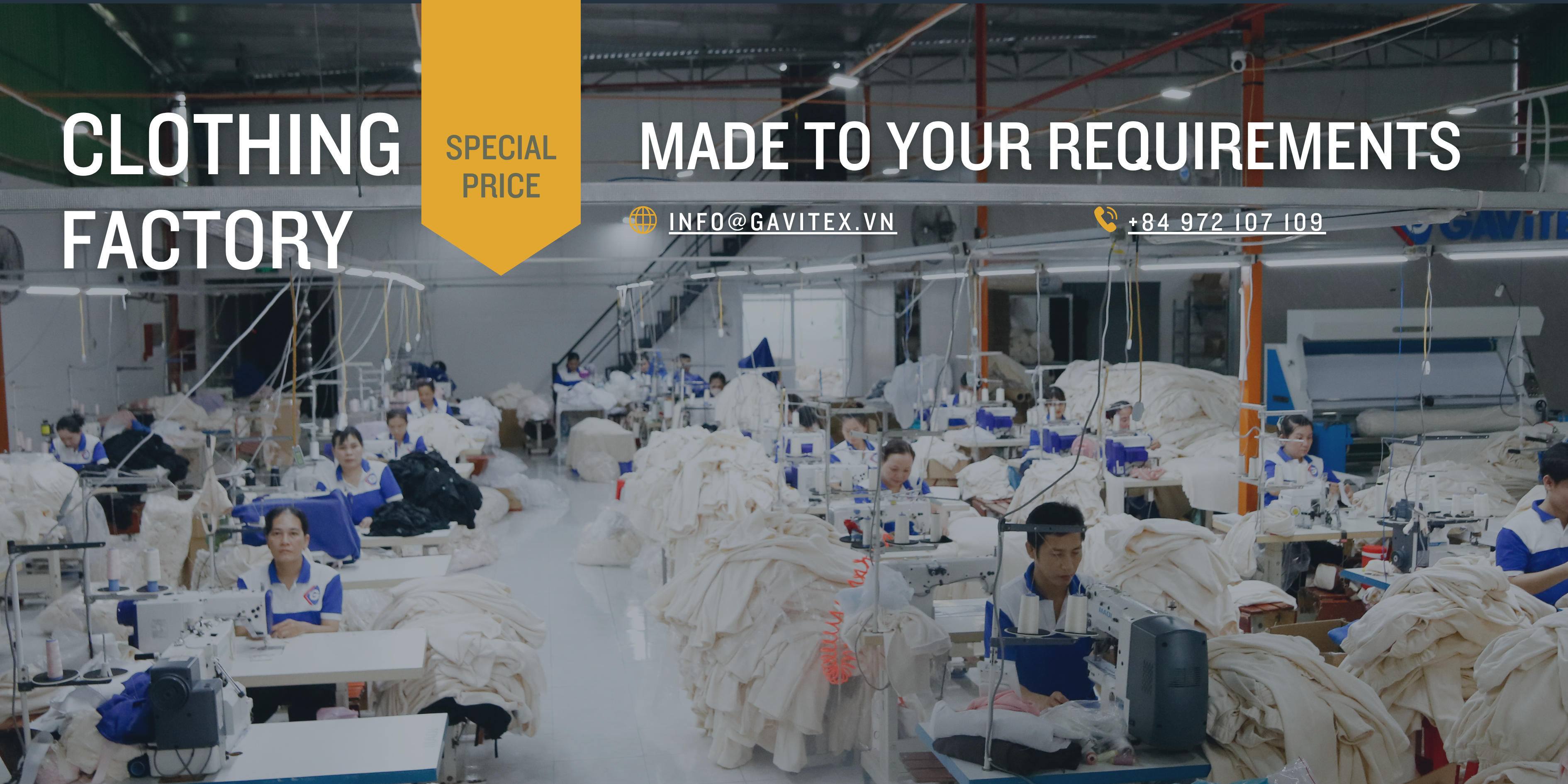
Related services from Gavitex: fabric wholesale in Vietnam, dyeing and printing processes and garment manufacturers in Vietnam.
