Here’s an opening paragraph tailored for an article on ODM, designed with SEO best practices in mind:
(Opening Paragraph)
Understanding ODM is crucial in 2025 for any business looking to scale production efficiently and cost-effectively. This article delves into the world of Original Design Manufacturing, exploring how it differs from other sourcing models like OEM, and outlining the benefits of partnering with an ODM supplier, especially within Garment Processing. We’ll break down the entire ODM process, from design and prototyping to manufacturing and quality control, providing actionable insights on selecting the right ODM partner and navigating the potential challenges in ODM contracts. Finally, we’ll examine key ODM trends shaping the future of the garment industry.
What is ODM in Garment Processing? A Comprehensive Overview
Original Design Manufacturing (ODM) in garment processing represents a comprehensive service where a manufacturer designs, develops, and produces clothing items based on a buyer’s specifications or concepts. This model allows brands like Gavitex to leverage the expertise and resources of the ODM partner, minimizing their involvement in the design and manufacturing processes while still maintaining control over the final product and brand identity. In essence, the ODM supplier takes on the responsibility of transforming an idea into a market-ready garment.
Unlike traditional manufacturing models, ODM goes beyond simply executing production orders. ODM encompasses the entire product lifecycle, from initial concept and design to sourcing materials, creating prototypes, manufacturing, quality control, and even packaging. This end-to-end solution is particularly beneficial for businesses lacking in-house design or production capabilities. Consider a scenario where Gavitex wants to introduce a new line of sustainable activewear but lacks the internal resources to develop the designs and source eco-friendly materials; an ODM partner can provide a complete solution.
The core of ODM lies in the supplier’s ability to offer design and development expertise. An ODM provider often possesses a team of designers, pattern makers, and technical experts who can translate a brand’s vision into tangible garment designs. For example, the ODM might create various design options based on Gavitex’s brief, providing detailed sketches, technical specifications, and fabric recommendations. The relationship involves a collaborative process where the buyer provides input and feedback, ensuring the final product aligns with their brand aesthetic and target market.
Ultimately, ODM empowers businesses to bring new and innovative garment designs to market efficiently and cost-effectively. By outsourcing design and manufacturing to a specialized ODM partner, companies like Gavitex can focus on their core competencies such as marketing, sales, and brand building. This strategic approach allows for greater flexibility, faster turnaround times, and access to a wider range of design and production capabilities.
The ODM Process: A Step-by-Step Guide
The ODM process, or Original Design Manufacturing process, is a comprehensive journey that transforms an initial concept into a finished garment. This guide breaks down each stage of the garment manufacturing process, providing a roadmap for businesses looking to leverage ODM for their clothing lines, whether you’re focusing on fashion apparel, sportswear, or any other clothing niche.
The ODM process can be broken down into several key phases:
-
Conceptualization and Design: This initial phase is where your idea takes shape. It involves detailed discussions with the ODM supplier about your vision, target market, and specific requirements. You’ll provide inspiration, sketches, or detailed tech packs. For instance, if you’re launching a line of sustainable activewear, this stage defines the fabric type (e.g., recycled polyester), specific design elements (e.g., ergonomic seams, reflective details), and performance characteristics (e.g., moisture-wicking, UV protection).
-
Design Development and Sampling: Based on the initial brief, the ODM partner creates design options and prototypes. This stage involves fabric sourcing, pattern making, and sample production. Multiple rounds of sampling are common, allowing for iterative improvements to fit, aesthetics, and functionality. Each sample is a tangible step towards realizing your vision, and feedback at this stage is crucial.
-
Sourcing and Procurement: Once the design is finalized, the ODM manufacturer handles the procurement of all necessary materials, including fabrics, trims, labels, and packaging. This phase leverages the ODM’s established network of suppliers to ensure cost-effectiveness and quality. For example, Gavitex’s extensive network in Vietnam allows them to source high-quality, locally produced materials at competitive prices.
-
Production Planning: This involves creating a detailed production schedule, allocating resources, and establishing quality control checkpoints. A well-defined production plan minimizes delays and ensures efficient use of resources, ultimately impacting your bottom line.
-
Manufacturing and Quality Control: This is where the actual garment production takes place. The ODM partner oversees all aspects of manufacturing, from cutting and sewing to finishing and packaging. Rigorous quality control is implemented at each stage to identify and rectify any defects. AQL (Acceptable Quality Limit) standards are often used to define acceptable defect levels.
-
Packaging and Logistics: Once the garments pass quality control, they are carefully packaged and prepared for shipment. The ODM partner manages the logistics, including customs clearance and transportation to your designated location. This ensures a smooth and timely delivery of your finished products.
-
Post-Production Support: A good ODM partner will also provide post-production support, addressing any issues that may arise after delivery. This could include handling returns, providing documentation, or assisting with marketing materials.
By understanding each step of the ODM garment manufacturing process, businesses can navigate the complexities of apparel production with greater confidence and achieve their desired outcomes.
Key Benefits of Choosing an ODM for Your Garment Business
Selecting an ODM (Original Design Manufacturer) for your garment business presents a plethora of advantages, significantly impacting efficiency, profitability, and brand development. This section delves into the core benefits of ODM, exploring how this manufacturing model can streamline your operations and boost your bottom line within the competitive apparel industry.
Partnering with an ODM unlocks significant advantages in terms of cost reduction. By leveraging the ODM’s existing design library and manufacturing infrastructure, businesses can bypass the substantial upfront investments associated with in-house design and production. This cost-effectiveness extends to reduced R&D expenses, minimized tooling costs, and optimized material sourcing, allowing for more competitive pricing and improved profit margins.
Furthermore, time savings constitute another critical benefit. ODMs offer readily available designs and established production processes, accelerating the time-to-market for new products. This rapid turnaround is particularly crucial in the fast-paced fashion industry, where staying ahead of trends and meeting consumer demand quickly is paramount. For instance, a brand aiming to launch a seasonal collection can significantly reduce lead times by adopting the ODM model, enabling them to capture market share more effectively.
- Reduced Time-to-Market: Faster product launch cycles.
- Lower Development Costs: Minimize upfront investment in design and tooling.
- Access to Expertise: Leverage the ODM’s design and manufacturing knowledge.
Moreover, enhanced scalability becomes attainable through ODM partnerships. Businesses can readily adjust production volumes to meet fluctuating market demands without the burden of expanding in-house capabilities. ODMs provide the flexibility to scale up or down production swiftly, mitigating risks associated with inventory management and ensuring responsiveness to market trends. This scalability proves invaluable for businesses experiencing rapid growth or seasonal variations in demand.
Finally, ODMs, particularly those like Gavitex with established reputations, often offer valuable market insights and design trends. Their experience working with diverse clients across various regions provides them with a deep understanding of consumer preferences and emerging styles. This knowledge can be leveraged to develop products that resonate with target markets, increasing the likelihood of commercial success. Gavitex, as a garment manufacturer, can potentially provide insights into fabric trends, popular styles, and regional preferences based on their interactions with other clients.
Comparing ODM vs. OEM vs. OBM: Which Model is Right for You?
Choosing the right manufacturing model is crucial for any garment business, and understanding the differences between ODM (Original Design Manufacturing), OEM (Original Equipment Manufacturing), and OBM (Original Brand Manufacturing) is essential for making an informed decision. This section will provide a comprehensive comparison of these three models, highlighting their key characteristics, advantages, and disadvantages, to help you determine which approach best aligns with your business goals and resources. Understanding these distinctions empowers businesses like Gavitex to strategically leverage the most suitable manufacturing partnership.
| Feature | ODM (Original Design Manufacturing) | OEM (Original Equipment Manufacturing) | OBM (Original Brand Manufacturing) |
|---|---|---|---|
| Design & Development | ODM provides complete design and manufacturing services, including product design, development, and production. The supplier owns the design rights, and the client brands and sells the finished product. It is suitable if a company want to bring innovative products to the market quickly with minimal investment. | OEM manufactures products based on the client’s design and specifications. The client provides the design, and the OEM handles the manufacturing process. It helps companies to scale their production while focusing on marketing. | OBM handles every aspect of the business, from product design and manufacturing to branding, marketing, and distribution. The company owns all the processes from the design to marketing, with the aim of establishing a recognizable brand with a valuable image. |
| Intellectual Property | The supplier owns the design rights of the products. | The client owns the design rights and provides the design to the manufacturer. | The company owns all the intellectual property and has control over every aspect of the business. |
| Investment | Lower investment requirements as design and development are handled by the ODM supplier. | Moderate investment is required as the client needs to provide designs and specifications. | Higher investment due to comprehensive involvement in all aspects of the business. |
| Control | Limited control over product design, with a focus on branding and marketing. | Moderate control over product design through detailed specifications, with less control over manufacturing processes. | High control over every aspect of the product and business. |
| Time to Market | Faster time to market as product design and development are already in place. | Moderate time to market, dependent on the complexity of the design and manufacturing process. | Longer time to market due to the need for designing, manufacturing, and branding before entering the market. |
| Risk | Higher risk associated with relying on the supplier’s design capabilities and potential quality issues. | Moderate risk as the client is responsible for the design, but relies on the manufacturer for production quality. | Lower risk as the company has control over all aspects of the business, but higher overall investment. |
| Example | A fashion retailer partnering with an ODM to create a new line of trendy dresses based on the ODM’s existing designs, adding their own branding and labels. | A clothing company working with an OEM to produce a specific style of jeans based on the company’s proprietary design, utilizing the OEM’s manufacturing expertise. | A brand like Gavitex that designs, manufactures, and markets its own line of apparel, maintaining full control over the entire supply chain and brand identity. |
ODM, or Original Design Manufacturing, provides a comprehensive solution where the supplier handles the entire process from design to production, and this model can be particularly advantageous for businesses seeking to launch products quickly without significant upfront investment in design and development. This is especially beneficial for companies like Gavitex looking to expand their product lines rapidly or test new market segments without dedicating extensive internal resources to design. For instance, a smaller retailer might partner with an ODM to create a new line of sustainable clothing, leveraging the ODM’s expertise in eco-friendly materials and production techniques.
In contrast, OEM, or Original Equipment Manufacturing, involves manufacturing products according to the buyer’s specifications and designs, granting the buyer greater control over the final product. With OEM, a company provides the design and technical specifications, and the manufacturer produces the goods accordingly. This model is suitable for businesses with established designs and a focus on maintaining strict quality control over the manufacturing process. A clothing brand, for example, might choose an OEM to produce a specific style of jacket, providing detailed blueprints and material specifications to ensure consistent quality and adherence to brand standards.
On the other hand, OBM, or Original Brand Manufacturing, represents a fully integrated approach where a company designs, manufactures, and markets its own products under its own brand. This model requires substantial investment and expertise across all facets of the business, from product development and manufacturing to branding and distribution. OBM provides the greatest control over product quality, brand image, and customer experience, but it also entails the highest level of risk and investment. An example of OBM is Gavitex designing and producing clothing lines, then marketing and selling them under the Gavitex brand.
Ultimately, the choice between ODM, OEM, and OBM hinges on a company’s specific needs, resources, and strategic goals. If speed to market and minimal upfront investment are paramount, ODM may be the most suitable option. If design control and quality consistency are the primary concerns, OEM offers a better balance. And if a company seeks full control over all aspects of its brand and product, OBM is the way to go, requiring significant resources and a long-term commitment.
Finding the Right ODM Partner: Essential Factors to Consider
Identifying and selecting a suitable ODM partner is a critical decision for garment businesses seeking to leverage the benefits of Original Design Manufacturing. Choosing the right partner significantly impacts product quality, cost efficiency, and overall business success in the competitive fashion industry. Therefore, a comprehensive evaluation process focusing on several key factors is paramount.
The selection of an ODM supplier should involve a thorough assessment of their capabilities and alignment with your brand’s specific needs. Consider these essential factors:
-
Production Capacity and Scalability: Assess the ODM’s production capacity to ensure they can meet your current and future demands. A reliable ODM should demonstrate the ability to scale production efficiently without compromising quality. For instance, if you anticipate a surge in demand during peak seasons, the ODM should have the resources and infrastructure to accommodate the increased volume.
-
Design and Development Expertise: Evaluate the design and development capabilities of the ODM. A strong ODM partner possesses a skilled design team capable of translating your concepts into tangible products. They should be proficient in pattern making, sampling, and technical design. Consider reviewing their portfolio and past projects to gauge their design expertise.
-
Quality Control Processes: Robust quality control measures are non-negotiable. Inquire about the ODM’s quality control procedures at every stage of production, from raw material sourcing to finished product inspection. Request access to their quality control reports and certifications to verify their commitment to quality. Gavitex, for example, prioritizes rigorous quality checks throughout the manufacturing process to minimize defects and ensure customer satisfaction.
-
Communication and Responsiveness: Effective communication is essential for a successful partnership. The ODM should be responsive to your inquiries, provide timely updates on production progress, and be proactive in addressing any issues that may arise. A language barrier or poor communication can lead to misunderstandings and delays.
-
Ethical and Environmental Practices: Ensure the ODM adheres to ethical labor practices and environmental sustainability standards. Inquire about their certifications related to fair labor, environmental management, and social responsibility. Partnering with an ODM that prioritizes ethical and environmental practices aligns with responsible business practices and enhances your brand’s reputation.
-
Cost Competitiveness: While cost should not be the sole deciding factor, it is essential to find an ODM that offers competitive pricing without compromising quality. Obtain quotes from multiple ODMs and compare their pricing structures, lead times, and minimum order quantities. Consider the total cost of ownership, including shipping, duties, and other expenses.
-
Intellectual Property Protection: Discuss intellectual property (IP) protection measures with the ODM. Ensure they have policies and procedures in place to safeguard your designs and confidential information. Consider signing a non-disclosure agreement (NDA) to protect your IP rights.
By carefully evaluating these factors, garment businesses can identify and select the right ODM partner to achieve their manufacturing goals and build a successful and sustainable business relationship.

How to Ensure Quality Control in an ODM Garment Manufacturing Setup
Ensuring rigorous quality control is paramount when collaborating with an ODM (Original Design Manufacturer) for garment production. Effective quality control not only safeguards your brand reputation but also minimizes costly returns and ensures customer satisfaction. Let’s look at some of Gavitex’s best practices.
Implementing a robust quality control system within an ODM garment manufacturing framework requires a multi-faceted approach encompassing initial specifications, in-process checks, and final inspections. This involves clear communication, detailed documentation, and consistent monitoring throughout the entire production cycle to identify and rectify any deviations from the agreed-upon standards.
Here are essential factors to consider when establishing a comprehensive quality control system:
-
Detailed Technical Specifications: Providing your ODM partner with comprehensive technical specifications is critical. This includes detailed descriptions of materials, measurements, construction methods, and acceptable tolerances. Clear specifications serve as a benchmark for quality assessment throughout the production process. For instance, Gavitex requires all suppliers to adhere to AQL (Acceptable Quality Limit) standards, which are clearly defined in our contracts.
-
Early-Stage Sample Approvals: Before commencing mass production, meticulously evaluate initial samples (proto samples, fit samples, size set samples) to confirm alignment with your design vision and quality expectations. This proactive approach enables early detection of potential issues and facilitates necessary adjustments before significant resources are committed.
-
In-Process Inspections: Implementing in-process inspections at various stages of production allows for continuous monitoring and timely intervention. These inspections can encompass fabric checks, cutting accuracy, sewing quality, and finishing details. Identifying and addressing defects early on prevents their propagation throughout the entire batch.
-
Final Inspections: Conduct thorough final inspections before shipment to ensure that the garments meet the pre-defined quality standards. This includes assessing overall appearance, measurements, workmanship, and packaging. Employing a statistically relevant sampling method ensures a representative evaluation of the entire production lot.
-
Clear Communication and Documentation: Establish clear channels of communication with your ODM partner and maintain meticulous documentation of all quality-related activities. This includes inspection reports, corrective action plans, and communication logs. Transparent communication fosters collaboration and facilitates effective problem-solving.
-
Third-Party Inspections: Consider engaging independent third-party inspection agencies to provide unbiased quality assessments. These agencies offer expertise in quality control methodologies and can conduct objective evaluations of your ODM’s production processes and finished goods.
-
Regular Audits and Factory Visits: Conduct regular audits and factory visits to assess your ODM’s overall quality management system and ensure compliance with ethical and social responsibility standards. These visits provide valuable insights into the factory’s operational practices and identify areas for improvement.
-
Training and Capacity Building: Invest in training and capacity building initiatives to enhance your ODM’s understanding of your quality expectations and improve their overall quality control capabilities. This collaborative approach fosters a culture of quality consciousness and promotes continuous improvement.
By implementing these strategies, Gavitex and other brands can effectively manage quality control within an ODM garment manufacturing setup, ensuring consistent product quality, minimizing risks, and enhancing customer satisfaction.
Cost Optimization Strategies When Working with an ODM
One of the major considerations when partnering with an ODM (Original Design Manufacturer) like Gavitex is optimizing costs without compromising quality or design. By implementing strategic approaches, businesses can leverage ODM partnerships to achieve cost-effectiveness throughout the garment manufacturing process. Let’s explore a few proven methods for cost savings and efficient ODM collaboration.
-
Early Involvement in the Design Phase: Engaging the ODM early in the design process allows for valuable input on material selection, construction techniques, and potential design modifications that can reduce production costs. For example, Gavitex’s experience can help identify fabrics that offer the desired aesthetic at a lower price point or suggest design simplifications that minimize waste. Early involvement facilitates design for manufacturability.
-
Material Sourcing and Negotiation: Leverage the ODM’s existing relationships with material suppliers to secure competitive pricing. Gavitex likely has established partnerships and volume discounts that can be passed on to clients. Negotiate payment terms, explore alternative materials with similar properties but lower costs, and consider bulk ordering to maximize savings. Sourcing raw materials effectively directly impacts garment production costs.
-
Optimizing Order Quantities: While smaller batches may offer flexibility, larger order quantities often result in lower per-unit costs due to economies of scale. Analyze sales data and demand forecasts to determine optimal order quantities that balance cost savings with inventory management. Effective order quantity optimization significantly reduces total expenses.
-
Streamlining Production Processes: Work with the ODM to identify areas where production processes can be streamlined or automated to reduce labor costs and improve efficiency. Discuss options for optimizing cutting layouts, implementing lean manufacturing principles, and utilizing technology to enhance productivity. Efficient production processes translate to cost reductions.
-
Negotiating Shipping and Logistics: Shipping costs can significantly impact the overall cost of goods. Negotiate favorable shipping rates with the ODM’s logistics partners, explore alternative shipping methods, and consolidate shipments to minimize transportation expenses. Gavitex’s established logistics network can be leveraged to find the most cost-effective shipping solutions. Effective logistics strategies substantially impact the final cost.
Navigating Intellectual Property and Confidentiality with ODM Suppliers
Protecting your intellectual property (IP) and maintaining confidentiality are critical when collaborating with ODM (Original Design Manufacturer) suppliers, especially in the garment industry where design trends move quickly and imitation is rampant. Establishing clear guidelines and robust agreements is crucial to safeguard your unique designs, brand identity, and sensitive business information throughout the ODM process.
A well-defined legal framework is the cornerstone of IP protection when engaging an ODM supplier. This involves several key steps:
- Non-Disclosure Agreements (NDAs): Always begin with a strong NDA that outlines the confidential information being shared, including designs, technical specifications, sourcing strategies, and customer data. NDAs should be specific, covering both parties and clearly defining the scope of confidentiality.
- Intellectual Property Ownership: Clearly define who owns the IP rights to the designs, whether they are fully owned by you, jointly owned, or licensed from the ODM. This agreement should address the creation, use, and transfer of IP.
- Manufacturing Agreements: Incorporate clauses that prevent the ODM from using your designs for other clients or selling them independently. Specify the regions where the products can be sold to prevent market conflicts.
- Registration of IP: Register your designs, trademarks, and patents where possible to legally protect them from infringement.
Implementing strict confidentiality protocols is equally important to protect your sensitive information. These measures include:
- Limited Access: Restrict access to confidential information within the ODM‘s organization on a need-to-know basis. Ensure that only authorized personnel are involved in handling sensitive data.
- Data Security: Establish secure data transfer protocols and storage methods. Use encryption and other security measures to protect electronic information. Conduct regular security audits to identify and address potential vulnerabilities.
- Factory Visits and Monitoring: Conduct regular factory visits to monitor production processes and ensure compliance with confidentiality agreements. Implement surveillance systems and document control measures to prevent unauthorized access to designs and data.
- Secure Communication Channels: Utilize secure communication channels for transmitting sensitive information. Avoid using public email services or unsecured platforms.
Furthermore, choosing the right ODM partner is vital for IP protection. Evaluate potential suppliers based on their reputation, history of handling sensitive information, and willingness to sign comprehensive agreements. Due diligence, including background checks and verification of certifications, is essential. Gavitex, with its commitment to ethical and transparent manufacturing practices, understands the importance of protecting its clients’ intellectual property and treats all designs and information with the utmost confidentiality.

The Future of ODM in the Fashion Industry: Trends and Predictions
The future of ODM Original Design Manufacturing in the fashion industry is poised for significant transformation, driven by evolving consumer demands, technological advancements, and a growing emphasis on sustainability. ODM’s role in garment processing will become even more crucial as brands seek agile and cost-effective solutions to meet market trends. These factors create a dynamic landscape where ODM manufacturers need to adapt and innovate to remain competitive.
Several key trends are shaping the trajectory of ODM in fashion. One significant shift is the increasing demand for sustainable and ethical production. Consumers are becoming more conscious of the environmental and social impact of their clothing choices, pushing brands to seek ODM partners who prioritize eco-friendly materials, responsible manufacturing processes, and fair labor practices. For example, the rise of circular fashion models requires ODMs to embrace innovative techniques like recycling and upcycling, demanding more robust and environmentally conscious production.
Another trend is the adoption of digital technologies to streamline and optimize the ODM process. Artificial intelligence (AI), big data analytics, and automation are being integrated into various stages, from design and prototyping to production planning and quality control. This is especially relevant to companies like Gavitex, which can leverage these technologies to enhance efficiency and precision throughout their manufacturing operations. The integration of these technologies not only improves speed and accuracy but also enables better collaboration and communication between brands and ODM suppliers.
Furthermore, personalization and customization are gaining traction, leading to a demand for more flexible and agile ODM solutions. Brands are increasingly looking for ODMs that can accommodate smaller production runs and offer customized designs to cater to niche markets. This requires ODMs to invest in flexible manufacturing systems and develop the capabilities to handle a wider range of styles and materials. Ultimately, the future of ODM in garment processing will be defined by innovation, sustainability, and a customer-centric approach.
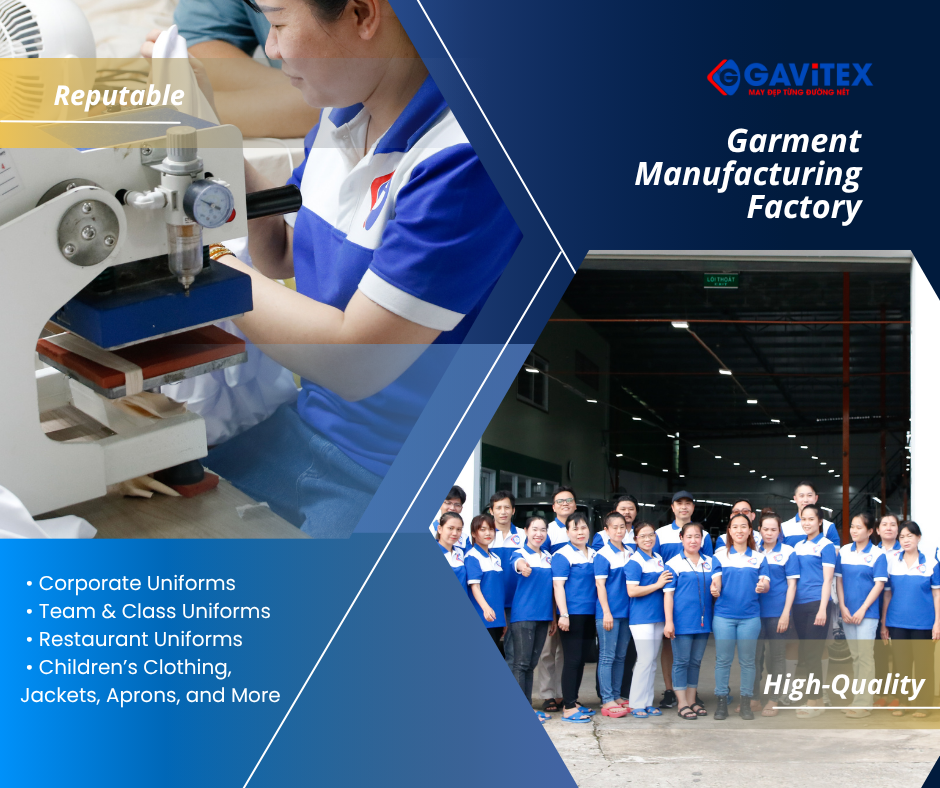
Related services from Gavitex: garment suppliers in Vietnam, Vietnam clothing suppliers and top clothing manufacturers in Vietnam.
