
Here’s an engaging and SEO-optimized opening paragraph for your “Custom Cutting and Sewing Services” article:
In today’s fast-paced world, finding the perfect fit and style can be a challenge, which is why Custom Cutting and Sewing Services are more essential than ever for individuals and businesses seeking personalized apparel solutions. This article, nestled within our Garment Processing category, delves into the practical advantages of choosing bespoke garment creation, exploring how custom pattern making, precise fabric cutting techniques, and expert sewing craftsmanship result in superior quality and fit. We’ll break down the key considerations for selecting the right service, from understanding material sourcing to navigating the design customization process, ensuring your vision is brought to life with precision and efficiency as of 2025.
Understanding Custom Cutting and Sewing Services: A Comprehensive Guide
Custom cutting and sewing services represent a specialized approach to garment production, offering an alternative to mass manufacturing. This comprehensive guide aims to demystify these services, providing insights into what they entail and how they can benefit individuals and businesses seeking tailored apparel solutions. Unlike mass production, which focuses on standardized sizes and designs, custom cutting and sewing prioritizes personalization, precision, and control over the entire garment creation process.
Custom cutting and sewing isn’t just about creating bespoke clothing; it’s a collaborative process that involves close communication between the client and the service provider. This collaboration ensures that the final product aligns perfectly with the client’s vision, whether it’s achieving a unique design, a flawless fit, or a specific fabric requirement. Several aspects define the scope of custom cutting and sewing, including meticulous pattern making, precise fabric cutting, skillful sewing techniques, and rigorous quality control measures.
These services offer a valuable solution for various needs.
- Individuals seeking perfectly fitted garments or unique designs.
- Fashion designers developing prototypes or producing limited-edition collections.
- Businesses requiring specialized uniforms or branded apparel.
Understanding these services provides a solid foundation for navigating the world of bespoke garment creation, allowing informed decisions about when and how to leverage their unique advantages.

Benefits of Choosing Custom Cutting and Sewing Services for Garment Production
Opting for custom cutting and sewing services offers a plethora of advantages for garment production, far surpassing the limitations of off-the-rack alternatives. These services enable businesses and individuals alike to realize intricate designs, achieve unparalleled fit, and maintain rigorous quality control throughout the manufacturing process. By partnering with specialized providers like Gavitex, you gain access to expertise and technology that ensure your vision is brought to life with precision and care.
Here’s a breakdown of the key benefits:
-
Unmatched Customization: Custom cutting and sewing services empower you to create garments tailored to your exact specifications. From intricate design details and unique silhouettes to personalized sizing and fabric choices, the possibilities are virtually limitless. This level of customization is particularly valuable for niche markets, specialized apparel, and bespoke fashion pieces.
-
Superior Fit and Comfort: Achieving a perfect fit is paramount for garment satisfaction, and custom cutting and sewing excels in this area. Unlike mass-produced clothing, which often relies on standardized sizing, these services allow for precise measurements and pattern adjustments, resulting in garments that flatter the body and provide exceptional comfort. For example, a custom-tailored suit will always offer a more refined and comfortable fit compared to an off-the-rack option.
-
Enhanced Quality Control: From fabric selection to stitching techniques, custom cutting and sewing services afford meticulous quality control at every stage of production. This translates to garments that are not only aesthetically pleasing but also durable and long-lasting. By overseeing the entire process, you can ensure that your garments meet the highest standards of craftsmanship and are free from defects. Gavitex, for instance, implements rigorous inspection protocols to guarantee impeccable quality in every piece.
-
Flexibility and Scalability: Whether you require a small batch of prototypes or a larger production run, custom cutting and sewing services offer the flexibility to scale your operations according to your needs. This adaptability is particularly advantageous for emerging designers and businesses with fluctuating demand. You can adjust your production volume without being constrained by the limitations of mass manufacturing.
-
Access to Specialized Expertise: Custom cutting and sewing providers boast teams of experienced professionals with specialized skills in pattern making, cutting, sewing, and finishing. This expertise ensures that your garments are produced with precision and attention to detail. Furthermore, these experts can offer valuable insights and guidance throughout the design and manufacturing process.
-
Reduced Waste and Sustainable Practices: By producing garments on demand and minimizing fabric waste through precise cutting techniques, custom cutting and sewing services contribute to more sustainable and ethical production practices. This approach reduces the environmental impact associated with mass manufacturing and promotes responsible consumption. Gavitex is committed to minimizing waste and adopting eco-friendly practices throughout its operations.
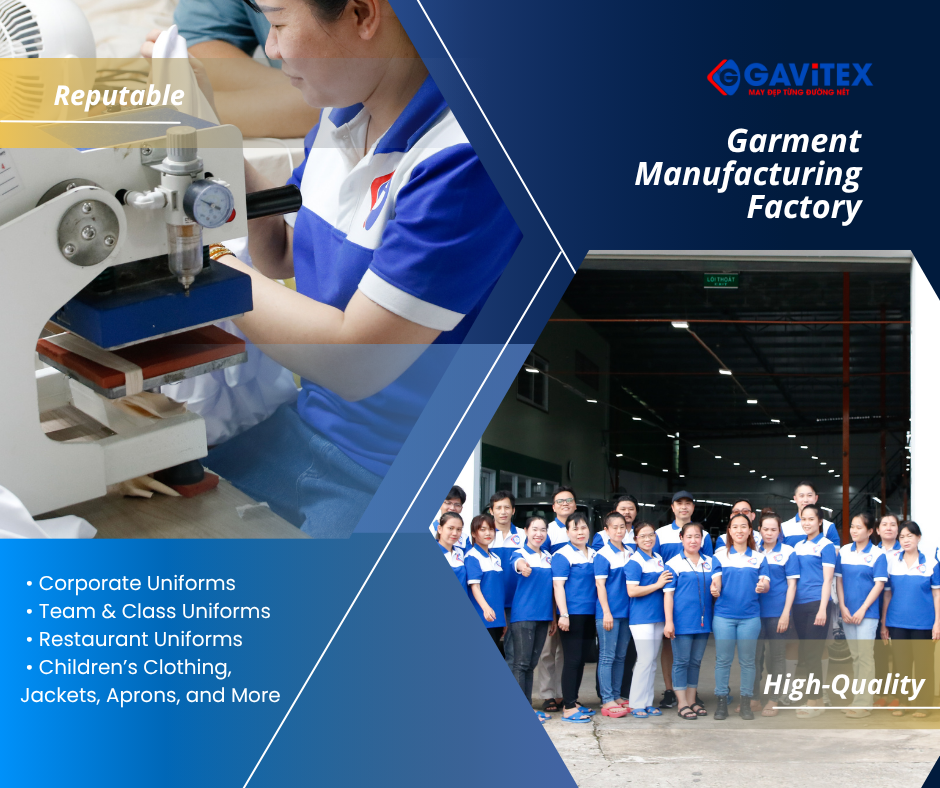
Types of Garments Best Suited for Custom Cutting and Sewing
Custom cutting and sewing services are particularly beneficial for specific types of garments where fit, quality, and unique design are paramount. Unlike mass-produced clothing, custom garments allow for precise tailoring and meticulous attention to detail, catering to individual preferences and body types. This personalized approach ensures superior comfort, style, and overall satisfaction.
Several factors determine whether custom cutting and sewing is the ideal choice for garment production. First and foremost, garments requiring a precise fit, such as tailored suits, wedding dresses, or costumes, benefit significantly from the individualized approach. These garments often involve complex patterns and intricate details that are difficult to achieve with standard sizing. Secondly, projects involving specialty fabrics, such as delicate silks, intricate laces, or high-performance materials, often necessitate the expertise of a skilled custom sewing service to ensure proper handling and construction. Finally, garments with unique design elements or embellishments, such as custom embroidery, hand-beading, or personalized monograms, are best realized through the collaborative process of custom cutting and sewing.
Here’s a breakdown of garment categories that are exceptionally well-suited for custom services:
-
Apparel (Clothing): High-end fashion pieces, bespoke suits, wedding gowns, special occasion dresses, uniforms requiring specific fit, and adaptive clothing for individuals with disabilities. Custom tailoring ensures a perfect fit, enhancing both comfort and aesthetics. For instance, a custom-made suit will drape better and offer superior freedom of movement compared to an off-the-rack option.
-
Accessories: Leather goods (purses, wallets, belts), custom hats, scarves, and gloves where specific dimensions, materials, and design details are essential. A custom leather wallet can be designed with specific card slots and dimensions to perfectly suit the user’s needs.
-
Home Textiles: Bespoke curtains, custom upholstery for furniture, personalized bedding, and decorative pillows. Custom-made curtains, for example, can be tailored to perfectly fit unusual window sizes and complement the existing décor. Gavitex, with its expertise in textile manufacturing, can offer invaluable insights and solutions for creating custom home textiles that meet specific aesthetic and functional requirements.
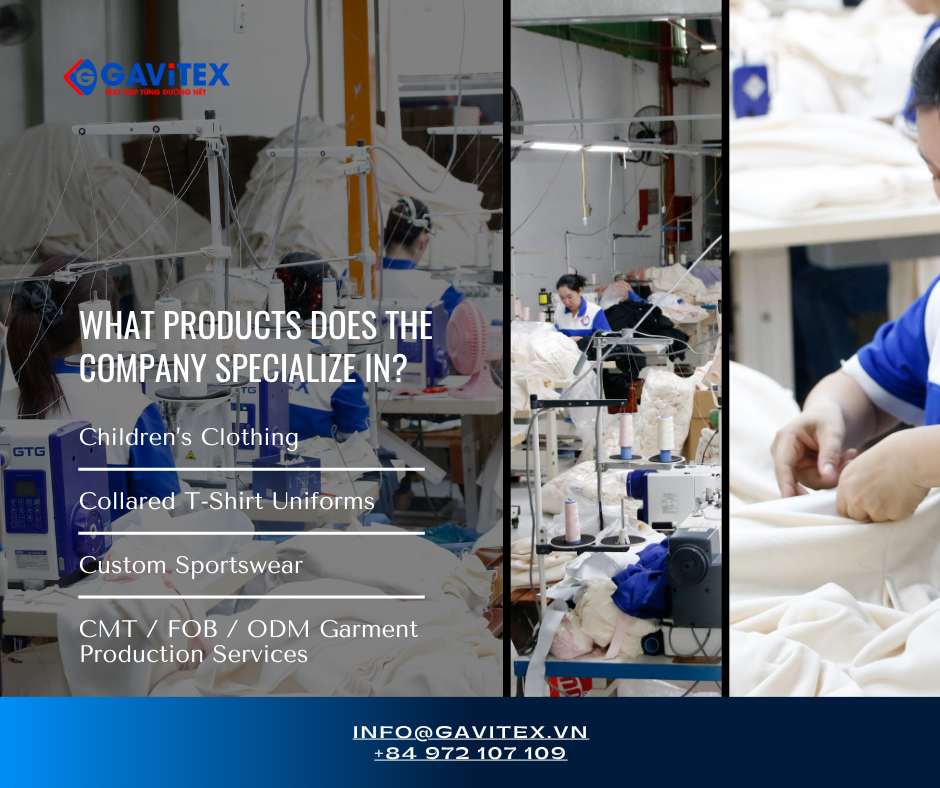
The Custom Cutting and Sewing Process: From Design to Finished Product
The custom cutting and sewing process is a meticulous journey that transforms a mere idea into a tangible, wearable garment, offering a unique alternative to mass-produced clothing. This process is characterized by its attention to detail and tailored approach, ensuring a perfect fit and a design that reflects the client’s individual style and preferences. It’s a collaborative effort that involves several key stages, each contributing to the final outcome of a high-quality, custom-made piece.
The initial step involves design consultation and pattern making, a crucial phase where the client’s vision is translated into a workable blueprint. This stage typically begins with a thorough discussion to understand the client’s needs, preferences, and desired aesthetic, often including sketches, mood boards, or existing garments as inspiration. A skilled pattern maker then crafts a bespoke pattern, either manually or using digital software, ensuring accurate measurements and a precise fit.
Next comes fabric selection and sourcing, where the ideal materials are chosen to complement the design and meet the client’s requirements. Factors such as fabric weight, texture, drape, and color are carefully considered, and samples are often presented to the client for approval. Depending on the project’s complexity and the availability of the desired fabric, sourcing may involve local suppliers or international vendors, emphasizing quality and sustainability. Gavitex, with its extensive network and experience, excels in sourcing high-quality fabrics that meet diverse client needs.
With the pattern finalized and the fabric in hand, the process moves to cutting and sewing techniques. Skilled artisans meticulously cut the fabric pieces according to the pattern, paying close attention to grain lines and ensuring minimal waste. The garment is then assembled using various sewing techniques, such as serging, topstitching, and blind hemming, depending on the design and desired finish. The choice of stitch type, thread, and seam allowance directly impacts the garment’s durability and aesthetic appeal.
The final stage involves quality control and finishing, where the completed garment undergoes a rigorous inspection to ensure it meets the highest standards. Any imperfections are addressed, and finishing touches such as buttonholes, zippers, and embellishments are added. The garment is then pressed, steamed, and packaged, ready to be delivered to the client. This stage is critical in ensuring customer satisfaction and reinforcing the value of custom garment production.
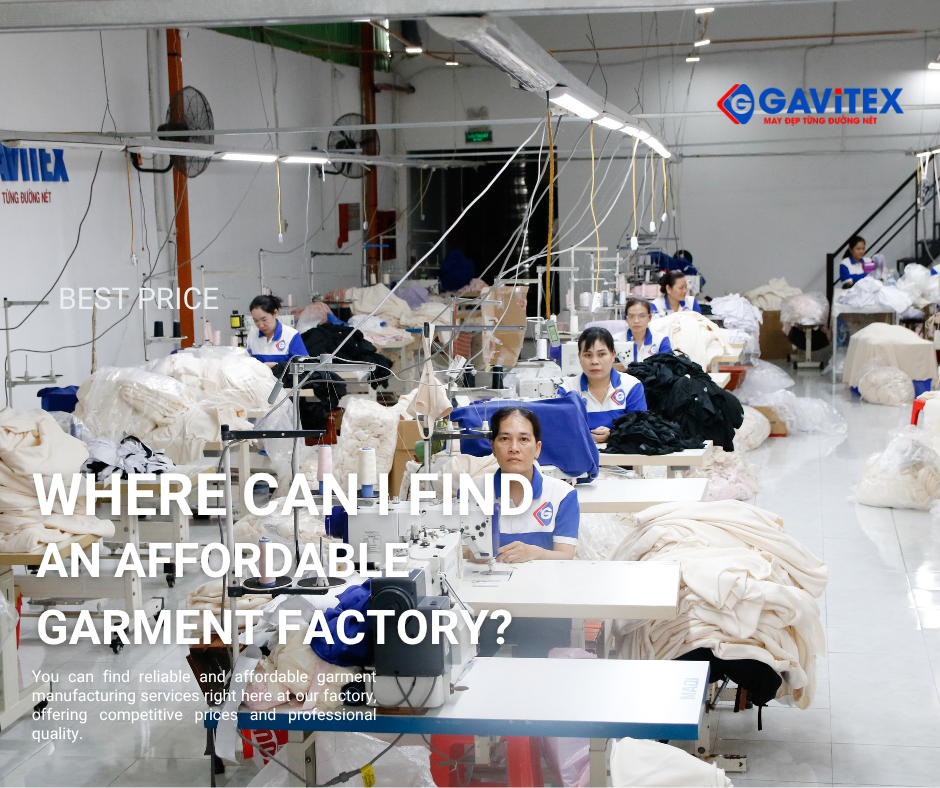
Factors to Consider When Selecting a Custom Cutting and Sewing Service Provider
Choosing the right custom cutting and sewing service provider is crucial for achieving high-quality garment production and realizing your design vision. Selecting a suitable partner for your garment manufacturing needs involves careful consideration of several key aspects, ensuring a successful collaboration and a superior finished product. This decision impacts not only the final quality but also the efficiency and cost-effectiveness of your clothing production.
When evaluating potential partners for custom apparel manufacturing, experience and expertise are paramount. A provider with a proven track record and a deep understanding of different fabrics, sewing techniques, and pattern making processes can offer invaluable insights and ensure your garments are produced to the highest standards. Look for evidence of their past projects, client testimonials, and certifications to gauge their capabilities in custom garment creation.
The equipment and technology utilized by a custom sewing service significantly influence the precision, efficiency, and overall quality of the finished garments. Modern cutting machines, computerized sewing machines, and specialized equipment for finishing details can ensure accuracy and consistency in production. Therefore, inquire about the technology they employ and its relevance to the specific needs of your custom clothing design.
Production capacity and turnaround time are critical factors, especially when dealing with bulk orders or tight deadlines. A provider with sufficient capacity and efficient processes can meet your demands without compromising quality. Discuss your project timelines and order volumes upfront to ensure the custom clothing manufacturer can accommodate your needs.
Pricing and minimum order quantities (MOQs) directly impact the overall cost and feasibility of your project. Compare quotes from different providers, considering the value they offer in terms of quality, expertise, and service. Ensure the MOQs align with your business requirements, especially if you are a small business or require sample runs with custom textile fabrication.
Effective communication and customer service are essential for a smooth and successful partnership. A responsive and collaborative provider who understands your vision and is readily available to address your concerns can significantly enhance the production process. Assess their communication style, responsiveness, and willingness to work with you to achieve your desired outcome in bespoke clothing manufacturing.
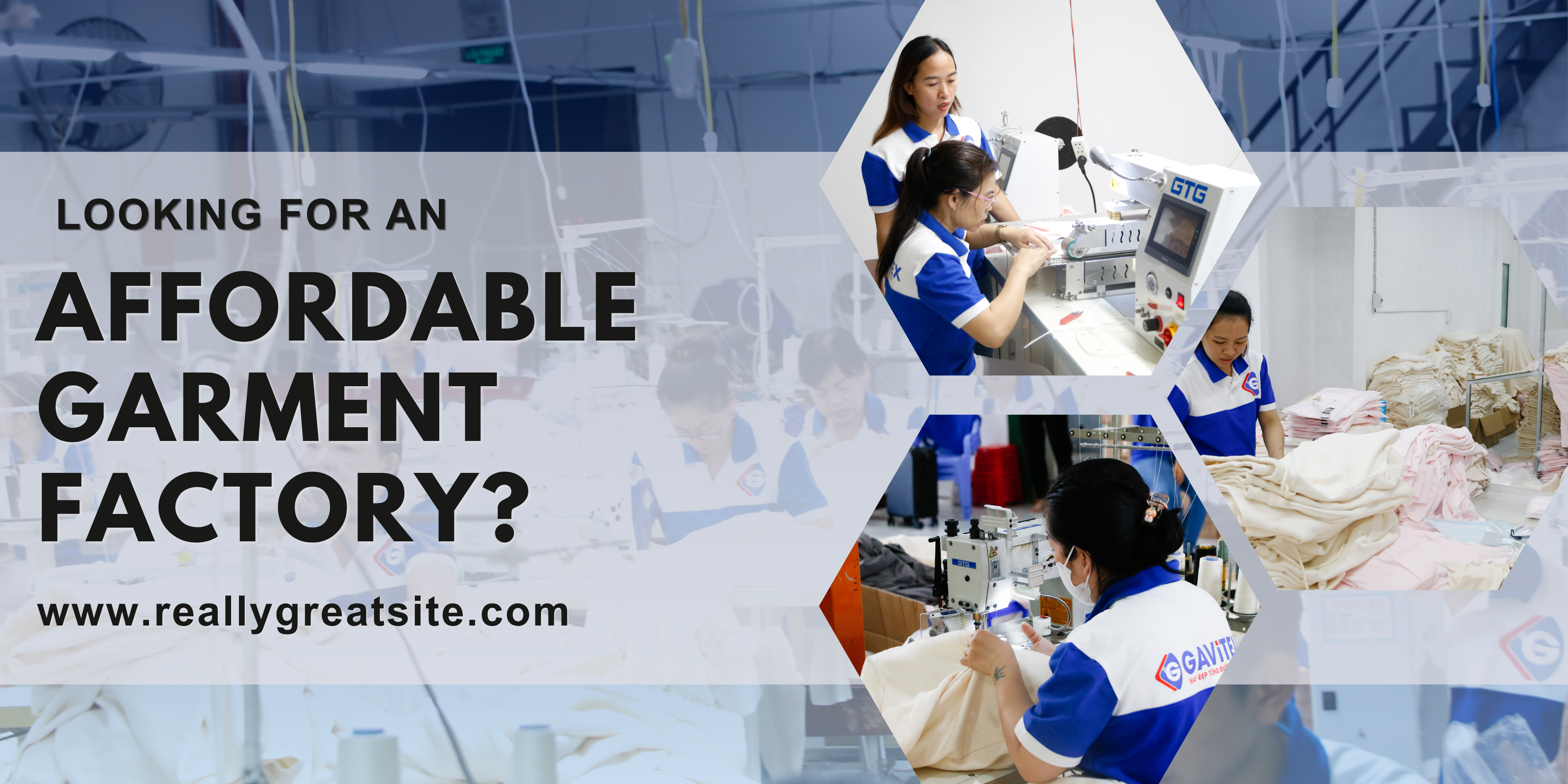
Cost of Custom Cutting and Sewing Services: A Detailed Breakdown
Understanding the cost of custom cutting and sewing services is crucial for businesses and individuals seeking tailored garment production. These costs can vary significantly depending on several factors, offering a wide range of options to suit different budgets and project requirements. By carefully examining the components that contribute to the overall expense, clients can make informed decisions and accurately estimate the investment needed for their custom apparel or textile projects.
The total cost of custom cutting and sewing is comprised of several key elements, each contributing uniquely to the final price. These costs include:
-
Fabric Costs: This is often the most significant expense, as it is directly influenced by the type, quality, and quantity of fabric required for the project. Higher-end fabrics like silk or linen will naturally command a higher price compared to more common materials like cotton or polyester. The complexity of the garment design and the resulting fabric consumption also play a critical role in determining the overall fabric cost. For instance, Gavitex, with its experience in sourcing diverse fabrics, can provide options ranging from budget-friendly to premium, impacting this cost significantly.
-
Labor Costs: This accounts for the skilled work involved in pattern making, cutting, sewing, and finishing. Labor costs are influenced by factors such as the complexity of the design, the level of detail required, and the overall time spent on the project. Experienced seamstresses and tailors command higher hourly rates, reflecting their expertise and efficiency. Gavitex’s investment in skilled labor directly impacts the quality and precision of the final product, and is therefore a significant factor in pricing.
-
Pattern Making Costs: Developing a custom pattern is a critical step in the process, especially for unique designs. This involves creating a precise template that serves as a guide for cutting the fabric. Pattern making costs can vary depending on the complexity of the design and whether it is created manually or digitally. Simple patterns will be less expensive than intricate designs requiring advanced pattern-making techniques.
-
Cutting Costs: Efficient and accurate cutting is essential to minimize fabric waste and ensure precise garment construction. Cutting costs depend on the complexity of the pattern, the type of fabric, and the method used (manual or automated). Automated cutting systems can reduce waste and increase efficiency, but may involve higher upfront costs.
-
Sewing Costs: The actual sewing process is a significant factor, with the complexity of the garment construction directly affecting the labor hours required. Intricate details such as embellishments, linings, or specialized seams will increase sewing costs. The expertise of the sewing team also plays a role, as skilled seamstresses can complete complex tasks more efficiently.
-
Finishing Costs: This includes tasks such as pressing, trimming, adding closures (buttons, zippers, etc.), and other finishing details that give the garment its final polished look. Finishing costs depend on the level of detail and the specific requirements of the project. High-end finishes, such as hand-stitched details or custom labels, will naturally increase the overall cost.
How Custom Cutting and Sewing Enhances Garment Quality and Precision
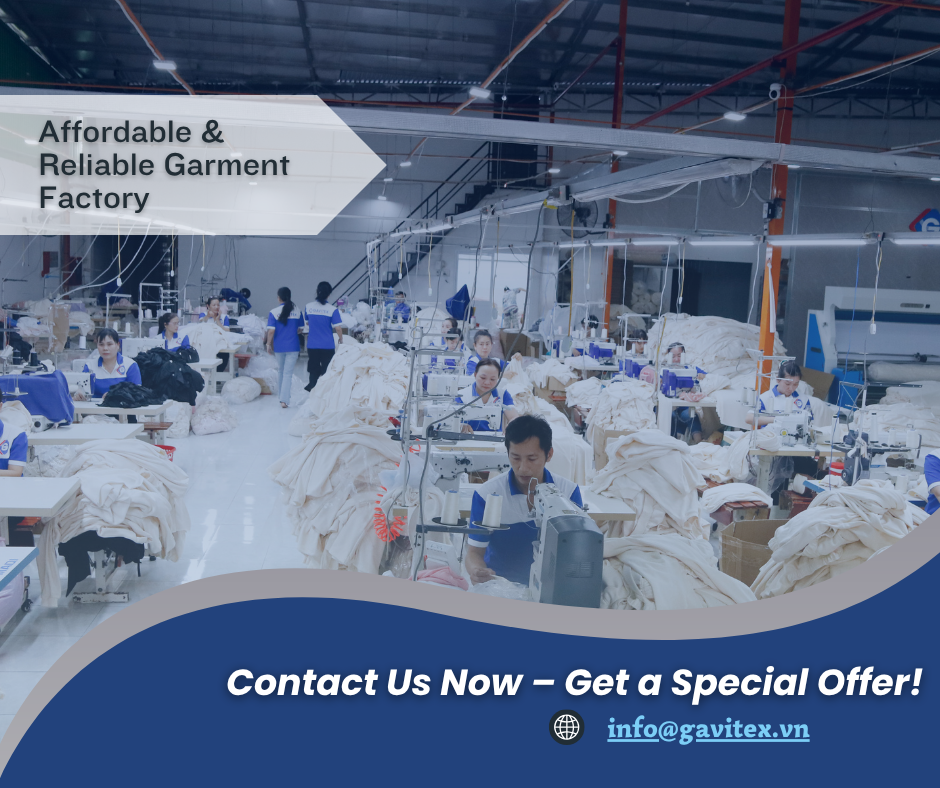
Custom cutting and sewing services significantly elevate the garment quality and precision compared to mass production, providing tailored solutions that cater to specific design requirements and individual client needs. Unlike mass production where garments are made in bulk with standardized patterns, custom services allow for meticulous attention to detail, resulting in superior fit, finish, and overall product excellence.
Here’s how choosing custom cutting and sewing truly enhances the quality and precision of your garments:
-
Precise Pattern Execution: Custom cutting ensures that patterns are cut with utmost accuracy. This eliminates inconsistencies and errors that often occur in mass production, leading to garments that fit better and drape more elegantly. Digital pattern making, a growing trend in custom services, further improves precision by minimizing human error.
-
Tailored Fit: One of the most significant advantages of custom cutting and sewing is the ability to create garments that are perfectly tailored to the wearer’s body. This level of personalization is unachievable in mass-produced clothing, which often comes in limited standard sizes. By taking precise measurements and making adjustments to the pattern, custom services ensure a comfortable and flattering fit.
-
Superior Fabric Handling: Experienced custom cutting and sewing providers, such as Gavitex, possess the expertise to handle a wide variety of fabrics with care and precision. This includes delicate materials like silk and lace, as well as heavier fabrics like wool and denim. The correct handling minimizes the risk of damage and ensures that the fabric drapes and behaves as intended in the final garment.
-
Enhanced Construction Techniques: Custom sewing allows for the use of specialized construction techniques that are often too time-consuming or costly for mass production. This can include hand-sewing, intricate seam finishes, and custom embellishments. These techniques not only enhance the garment’s aesthetic appeal but also improve its durability and longevity.
-
Meticulous Quality Control: Custom cutting and sewing services involve rigorous quality control measures at every stage of the production process. From the initial pattern making to the final finishing, each garment is carefully inspected to ensure that it meets the highest standards of quality. This minimizes the risk of defects and ensures that the finished product is flawless.
-
Attention to Detail: The ability to focus on details is the central strength of custom cutting and sewing. Seam alignment, button placement, and zipper installation are all handled with precision and care, resulting in a finished product that exudes quality and craftsmanship. This commitment to detail is what sets custom garments apart from their mass-produced counterparts.
By leveraging the precision and control offered by custom cutting and sewing services, brands like Gavitex can produce garments that not only meet but exceed customer expectations for quality, fit, and overall aesthetic appeal.
(Approximately 320 words)
Common Challenges and Solutions in Custom Cutting and Sewing
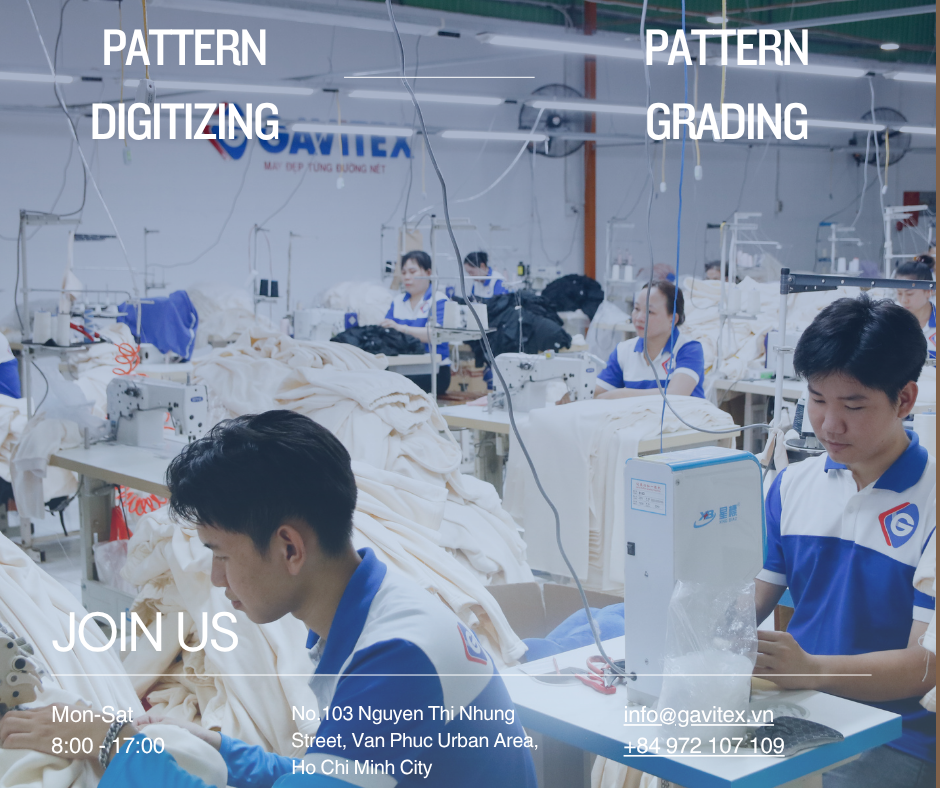
Navigating the world of custom cutting and sewing presents unique opportunities for garment creation, but also poses distinct challenges that require careful attention and proactive solutions. From managing fabric waste to ensuring perfect pattern execution, a thorough understanding of these hurdles is crucial for achieving high-quality results in tailored apparel and textile production. By anticipating these potential issues and implementing effective strategies, businesses like Gavitex can minimize errors, optimize resource utilization, and ultimately deliver superior products that meet the specific needs and expectations of their clients.
Fabric Wastage
Fabric wastage is a common issue in custom cutting and sewing, primarily due to the intricate patterns and the need to accommodate unique design requirements. Unlike mass production, where patterns are often optimized for minimal waste across large volumes, custom projects frequently involve smaller quantities and more complex shapes. Employing strategies such as digital pattern nesting software helps to arrange pattern pieces efficiently on the fabric layout, significantly reducing scrap. Furthermore, accurate fabric measurement and careful pre-planning are vital to minimize errors and ensure optimal material usage. Utilizing leftover fabric scraps for smaller components or accessories can also contribute to a more sustainable and cost-effective operation.
Pattern Imperfections
Pattern imperfections, whether in the initial design or during the cutting process, can lead to ill-fitting garments and significant rework. These imperfections can arise from inaccurate measurements, errors in drafting, or distortions during the pattern transfer process. To mitigate this, digital pattern making offers increased precision and consistency compared to traditional methods. Implementing a rigorous pattern review process, including test garments or muslin mock-ups, allows for early detection and correction of any discrepancies. Proper training and meticulous attention to detail by pattern makers and cutters are also crucial to ensure accurate pattern execution.
Thread Tension Issues
Thread tension issues can significantly impact the quality and durability of sewn seams, leading to weak stitches, puckering, or thread breakage. Maintaining proper thread tension is crucial for creating strong and aesthetically pleasing seams. These problems often stem from incorrect machine settings, incompatible thread and fabric combinations, or worn-out machine components. Regularly calibrating sewing machines, using high-quality threads appropriate for the fabric type, and ensuring proper machine maintenance are essential steps. Operators should also be trained to recognize and adjust thread tension as needed to achieve consistent stitch quality.
Seam Puckering
Seam puckering, the unsightly distortion of fabric along a seamline, is a persistent challenge in sewing, often caused by differential fabric feed, mismatched thread tension, or inherent fabric properties. Factors contributing to seam puckering include variations in fabric thickness, grain direction, and stretch characteristics. To combat this, techniques such as using a walking foot, adjusting differential feed settings on the sewing machine, and employing appropriate seam finishes can help to distribute fabric evenly during sewing. Additionally, selecting the right needle type and thread weight for the fabric, along with proper fabric preparation and pressing, are crucial for achieving flat, smooth seams.
(Approx. 350 words)
Custom Cutting and Sewing vs. Mass Production: A Comparative Analysis
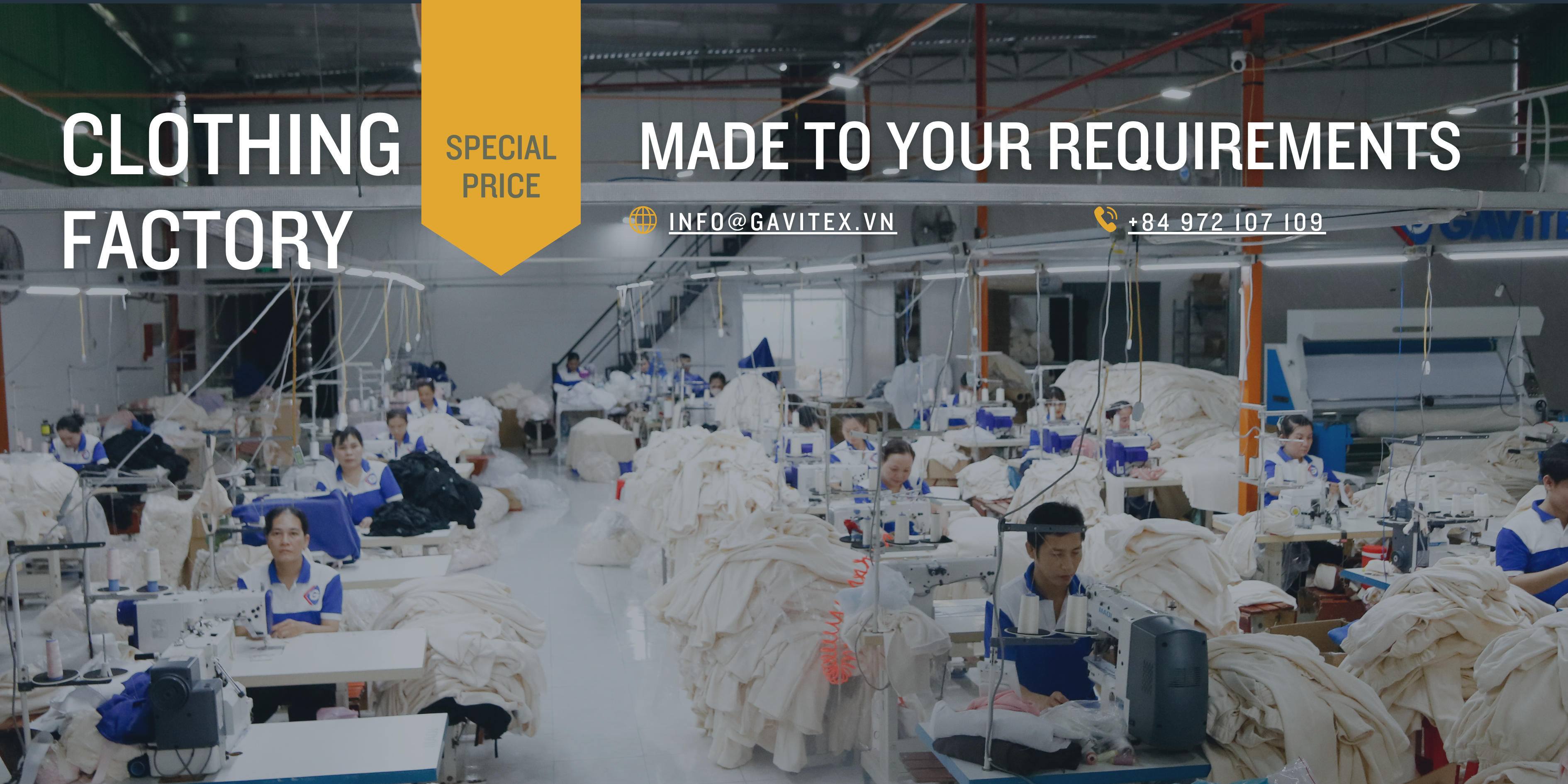
Custom cutting and sewing services offer a stark contrast to mass production in the garment industry, presenting distinct advantages and disadvantages depending on specific needs and priorities. While mass production focuses on producing large quantities of standardized items, custom cutting and sewing emphasizes tailoring garments to individual specifications, thereby impacting factors such as quality, cost, and ethical considerations. This comparison will delve into the core differences between these two approaches, helping you determine which method best aligns with your garment production goals.
One of the most significant distinctions lies in the level of customization. Mass production relies on standardized patterns and processes to churn out large volumes of clothing quickly and efficiently. Consequently, the range of available sizes, styles, and fabric choices is typically limited. On the other hand, custom cutting and sewing offers unparalleled personalization, allowing for intricate design modifications, precise fitting adjustments, and a vast selection of materials, catering to unique preferences and body types. For example, a bespoke suit tailored by Gavitex‘s custom service would offer a superior fit and aesthetic compared to a mass-produced suit from a department store.
Quality represents another key differentiating factor. Custom cutting and sewing often translates to higher quality garments due to meticulous attention to detail and skilled craftsmanship. Seamstresses can implement advanced sewing techniques, like French seams or hand-stitched details, that enhance durability and aesthetics. Mass production, driven by cost-efficiency, frequently compromises on quality through the use of cheaper materials, simplified construction methods, and less rigorous quality control measures. Consider the difference between a mass-produced t-shirt with serged edges prone to fraying and a custom-made shirt with clean, reinforced seams designed to last.
From an economic perspective, mass production benefits from economies of scale, resulting in lower per-unit costs. This makes it an attractive option for businesses targeting price-sensitive consumers or seeking to maximize profit margins. Custom cutting and sewing services, while generally more expensive, offer a greater return on investment for those prioritizing fit, quality, and unique design elements. For instance, investing in a custom-tailored wedding dress ensures a perfect fit and lasting memories, while opting for a mass-produced gown might sacrifice quality and personalization.
Ethical and environmental considerations also play a crucial role in the choice between custom and mass production. Custom cutting and sewing promotes sustainable practices by reducing textile waste, supporting local artisans, and fostering fair labor conditions. In contrast, mass production often contributes to environmental pollution through fast fashion cycles and unethical labor practices in overseas factories. By choosing Gavitex‘s custom services, customers can support responsible manufacturing and minimize their environmental footprint.
Here’s a summary highlighting the core differences:
- Customization: High vs. Low
- Quality: High vs. Lower
- Cost: Higher per unit vs. Lower per unit
- Turnaround Time: Longer vs. Shorter
- Ethical Considerations: More Sustainable vs. Potentially Less Sustainable
Ultimately, the decision between custom cutting and sewing and mass production hinges on a trade-off between cost, quality, customization, and ethical concerns. While mass production prioritizes affordability and speed, custom cutting and sewing emphasizes individuality, superior quality, and ethical production practices, aligning with the values of Gavitex in providing bespoke garment solutions.
Innovations and Trends in Custom Cutting and Sewing Services
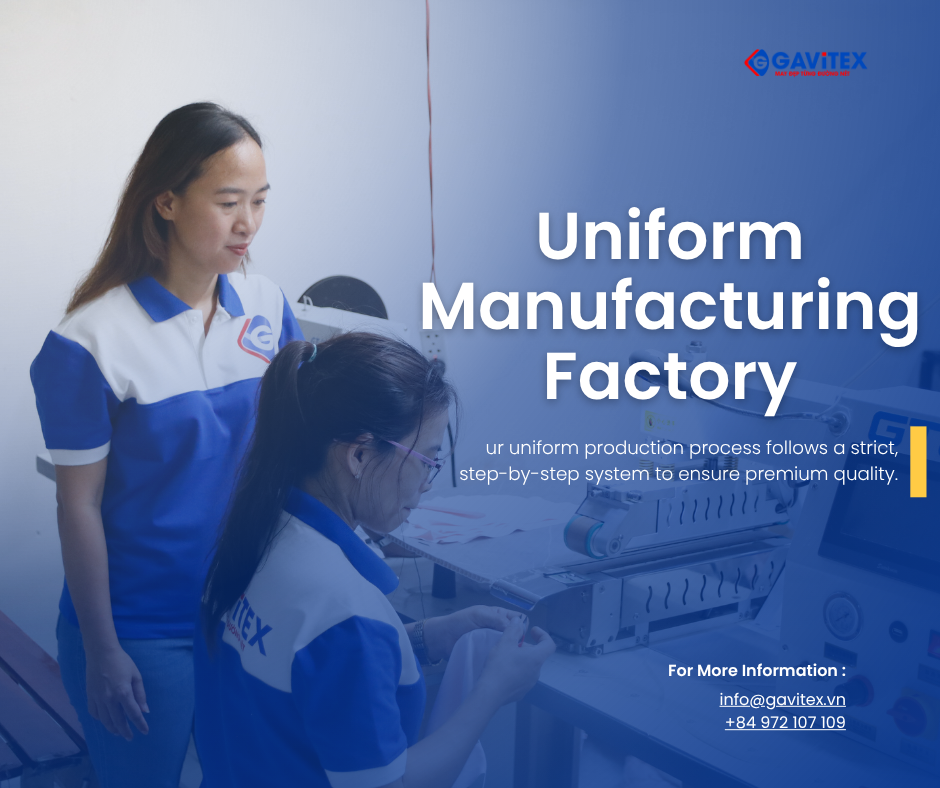
The landscape of custom cutting and sewing services is rapidly evolving, driven by technological advancements, increasing demand for personalized apparel, and a growing focus on sustainable and ethical production practices. These innovations are transforming how garments are designed, manufactured, and delivered, offering exciting new possibilities for both businesses and consumers.
One major trend reshaping the industry is the rise of digital pattern making and automation. This involves utilizing CAD (Computer-Aided Design) software to create precise patterns, which can then be automatically cut using laser cutting machines or automated cutting tables. For example, Lectra and Gerber Technology are leading companies providing advanced CAD/CAM solutions for apparel manufacturing, reducing material waste and accelerating the cutting process. Automation enhances the precision of pattern creation and cutting, minimizes human error, and ultimately, improves the consistency and quality of finished garments.
Another significant innovation is the adoption of sustainable and ethical practices. Consumers are increasingly demanding eco-friendly materials and fair labor standards. This has led to a surge in the use of organic cotton, recycled fabrics, and innovative materials like Piñatex (a leather alternative made from pineapple leaf fibers). Businesses like Gavitex can leverage their custom services to cater to this demand by offering a wide range of sustainable material options and ensuring ethical sourcing throughout their supply chain. This focus includes reducing waste through optimized cutting techniques and implementing responsible waste disposal methods.
Finally, on-demand manufacturing is gaining traction, enabling businesses to produce garments only when an order is placed. This model reduces the need for large inventories, minimizes waste from unsold items, and allows for greater customization. 3D body scanning and virtual try-on technologies are further fueling this trend, enabling customers to visualize garments on their own bodies before placing an order. This reduces returns and ensures a better fit, enhancing customer satisfaction and streamlining the manufacturing process.
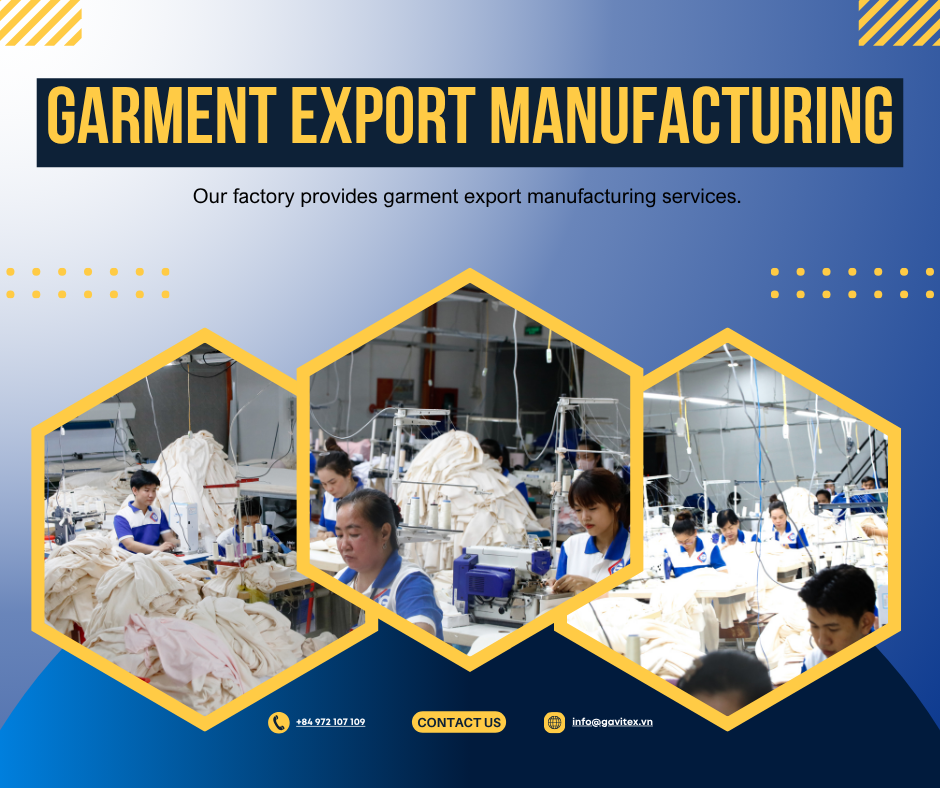
Related services from Gavitex: CMT garment factory, CMT apparel production and contract garment factory.
