Mastering dyeing and printing processes for modern apparel brands
Colour is often the first thing your customers notice. Behind every strong collection there is a disciplined system of dyeing and printing processes that keep shades consistent from sample to bulk, from one season to the next. Based in Vietnam, Gavitex combines fabric sourcing, colour development and garment manufacturing into one practical solution for international brands, retailers and private label apparel programs.
Hotline: 0972107109
What Dyeing and Printing Processes Mean for Apparel Brands
In the apparel industry, dyeing and printing processes describe how colour and graphics are applied to fibres, yarns, fabrics or finished garments. They shape how a T-shirt looks after ten washes, how a brand's signature shade behaves under different store lights, and how small details like logos and patterns stand out on the final product. For B2B buyers, these processes are not just technical steps; they are levers that influence margin, return rates and long-term customer loyalty.
From fibre to finished garment
Depending on the product, dyeing and printing processes can be applied at several stages. Yarn dyeing creates rich, stable stripes and checks. Piece dyeing colours fabric after knitting or weaving. Garment dyeing gives a casual, laundered look with subtle shade variations. On top of this, printing technologies add artwork: traditional rotary screen printing for large runs, digital printing for complex designs and smaller batches, discharge printing for soft handfeel on dark grounds, and more. At Gavitex, these options are organised into clear menus so that sourcing and design teams can choose confidently instead of guessing.
A strategic layer inside garment manufacturing
Well-managed dyeing and printing processes sit at the intersection of design, garment manufacturing and merchandising. Colour approvals affect fabric bookings; strike-off approvals influence when clothing production lines can start cutting; lab tests for colour fastness determine whether goods reach stores on time. Gavitex coordinates these elements in Vietnam, combining fabric sourcing, finishing and stitching so that your colour strategy is supported by factory reality instead of fighting against it.
Linking to fabric wholesale and sourcing decisions
For many companies, the story starts with fabric. Through our network for fabric wholesale Vietnam, Gavitex helps you choose base fabrics that behave well in the required dyeing and printing processes. We balance design ambitions with technical constraints, suggesting fibre blends, constructions and finishes that support your price and performance targets. This integrated approach reduces rework, minimises surprises at bulk stage and allows your teams to focus on building strong assortments.
Core Features and Business Value of Dyeing and Printing Processes
Colour consistency that customers notice
It is easy to underestimate how sensitive shoppers are to colour. A hoodie that looks slightly different from its online picture, or a polo shirt whose collar shade does not match its body, can undermine trust in your brand. Structured dyeing and printing processes reduce these risks. At Gavitex, colour standards are defined in advance, lab dips are prepared with controlled recipes and all approvals are recorded. When partners re-order successful styles, our colour libraries and process controls make it possible to reproduce familiar shades with high precision, even months later.
Design freedom with industrial discipline
Modern collections often mix minimalist basics with expressive prints. By combining rotary, flat-bed and digital printing methods, Gavitex gives design teams the freedom to experiment, while our technical teams keep the underlying dyeing and printing processes within industrial parameters. For example, a capsule with complex photographic artwork might run on digital printing for flexibility, while core stripes and logos use more cost-efficient methods. This balance allows your custom clothing production to remain both distinctive and commercially viable.
Performance built into every batch
End customers expect colours to survive daily life: washing, perspiration, rubbing against bags or seats, even exposure to sunlight. Gavitex designs its dyeing and printing processes around these realities. We consider fastness to washing, perspiration and rubbing, as well as potential risks such as migration on multi-colour prints. Test results inform recipe choices and machine settings, so you do not have to choose between eye-catching shades and durability. Over time, this reliability reduces complaints and returns, directly supporting your margin.
Where Dyeing and Printing Processes Create the Biggest Impact
- Collections built on signature colours that must repeat perfectly each season.
- Multi-channel private label apparel programs with strict brand guidelines.
- Performance products where dyeing and printing processes must support technical finishes.
- Uniforms and corporate wear that require long-term consistency across reorders.
Custom Dyeing and Printing Processes vs Stock Fabrics
How stock fabrics work
Many companies start by buying ready-made fabrics from local markets or wholesalers. This approach can be quick: colours and prints are chosen from existing options, and production moves directly into cutting and sewing. However, control is limited. The same design may be available to competitors, roll-to-roll shade variation can be unpredictable and traceability is often weak. For brands still testing ideas, stock fabrics are acceptable; but as volumes and expectations grow, gaps in this model become more obvious.
What changes with controlled dyeing and printing processes
When you move to dedicated dyeing and printing processes with Gavitex, colour and artwork are built around your brand rather than the other way around. We develop specific shades, repeat sizes and print layouts for your collections, then lock in recipes and machine settings for bulk production. Because the technical files are stored and maintained, you can repeat bestsellers and coordinate colours across product categories. In practice, this means your T-shirts, hoodies, dresses and accessories can share a coherent colour story, even when produced across different clothing production lines.
Balancing speed, uniqueness and cost
There is still a place for stock fabrics in certain situations, for example when testing a limited capsule or responding to extremely short lead times. Gavitex helps clients find the right balance: use ready-made options for fast experiments, and migrate proven styles into dedicated dyeing and printing processes once demand stabilises. This layered approach keeps your assortment fresh while gradually building a proprietary colour and print library that competitors cannot easily copy.
Over time, moving away from purely stock-based sourcing and into structured dyeing and printing processes transforms colour from a cost factor into a strategic asset.
Gavitex Capacity, Technology and Workflow for Dyeing and Printing
Integrated fabric, colour and garment manufacturing
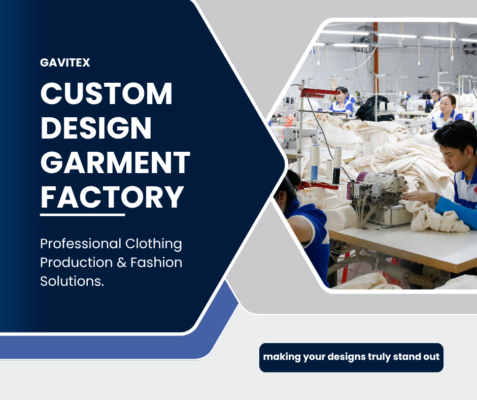
Gavitex operates as more than a stitching facility. Through selected partner mills and finishing houses, we coordinate knitting, weaving, dyeing and printing processes and final garment assembly. This integration allows us to see the entire journey of each order, from greige fabric to finished carton. For sourcing managers, this means a single point of contact that can answer questions about both technical and commercial aspects, rather than juggling separate suppliers.
Technology that supports colour and print stability
Depending on requirements, we use jet or winch dyeing for knits, continuous dye ranges for woven fabrics and carefully calibrated dryers and curing units for prints. Our partners employ colour measurement equipment, recipe management systems and automated chemical dosing to keep dyeing and printing processes consistent. Inside Gavitex, colour standards and print placements are checked again before fabric reaches the cutting room, creating a second layer of protection before garments enter the main garment manufacturing flow.
Scalability for different commercial models
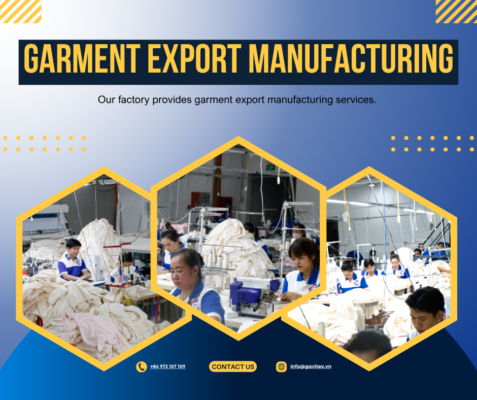
Whether you operate as a brand with global distribution, an OEM clothing manufacturer for multiple labels or an online-first business, Gavitex can adjust capacity and planning. From compact drops with digital prints to long-running programs that rely on standardised dyeing and printing processes, our teams prepare production plans that respect your launch calendars. For private label and corporate clients, we also coordinate shade bands and retain physical swatches, making future reorders and colour checks more efficient.
What You Can Expect When Working with Gavitex
- Clear timelines for lab dips, strike-offs, bulk dyeing, printing and cutting.
- Documented recipes and process settings for recurring dyeing and printing processes.
- Transparent communication on capacity and potential bottlenecks.
- A long-term base in Vietnam for structured custom clothing production.
Contracts, NDAs and Brand Protection for Colour and Print Work
Commercial agreements that reflect technical reality
Effective contracts do more than fix a unit cost. In projects involving complex dyeing and printing processes, they also reference colour tolerances, approval procedures, expected yields and potential rework responsibilities. Gavitex works with clients to turn these points into clear clauses, based on how mills and finishing partners operate in practice. The result is a framework where both sides understand what success looks like and how potential deviations will be handled.
Non-disclosure and artwork protection
Prints and colours are often central to a brand's identity. When confidentiality matters, NDAs cover artwork files, colour recipes, collection plans and campaign timelines. Within Gavitex and our partner network, access to these materials is restricted to personnel directly involved in your dyeing and printing processes. Sample libraries are organised so that client-specific developments are not casually shown to unrelated visitors or used for general marketing without explicit approval.
Traceability, testing and long-term risk management
Gavitex maintains records of batch numbers, test reports and approvals for all significant dyeing and printing processes. If questions arise months after delivery, we can trace which lots were used, which standards applied and which third-party laboratories tested the goods. This discipline helps brands address customer inquiries, retailer audits and sustainability questions with confidence. For businesses building large-scale private label apparel or corporate programs, this level of traceability becomes an essential part of risk management.
Together, contracts, NDAs and traceable dyeing and printing processes allow brands to treat Gavitex as a secure extension of their internal product and sourcing teams.
5 Reasons to Choose Gavitex for Dyeing and Printing Processes
1) Practical colour and print consultancy
Instead of simply quoting a price, Gavitex reviews your designs and suggests the most suitable dyeing and printing processes for each case. If we see that a particular tone will be difficult to reproduce on a given base fabric, or that a certain print layout may cause registration issues, we flag this early. This advice helps design and sourcing teams avoid costly rework and choose options that balance aesthetics, performance and cost from the start.
2) Structured production lines from colour to carton
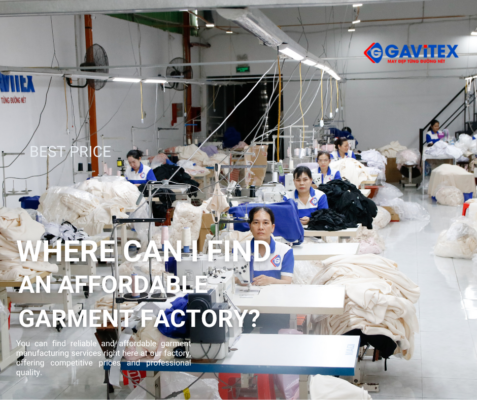
Because Gavitex manages both colour development and stitching, we see how dyeing and printing processes impact work in the sewing room and finishing area. We schedule bulk dyeing and printing so that fabrics arrive in time for cutting, while leaving buffer for quality checks. This structure reduces idle time on clothing production lines and makes delivery dates more predictable, which is critical for retailers and ecommerce operations.
3) Cost optimisation grounded in industrial know-how
Gavitex applies the mindset of an experienced OEM clothing manufacturer to colour and print decisions. We consider fabric utilisation, process yields, machine types and energy consumption when designing dyeing and printing processes. Sometimes a small adjustment in artwork size or colour count can deliver significant savings with no visible impact on the end customer. Our objective is to help you protect both your brand image and your margins.
4) Communication tailored to B2B decision-makers
Brand owners, buyers and sourcing managers need clear, concise information. Gavitex structures updates around key milestones: lab dips, strike-offs, bulk approvals and shipment. When questions arise about particular dyeing and printing processes, we explain not only what we propose, but why. This context helps you brief your own teams and stakeholders, from creative directors to category managers and financial controllers.
5) Long-term learning across seasons and categories
The more seasons we share, the more precise and efficient your colour and print programs become. Gavitex tracks which recipes, fabrics and dyeing and printing processes perform best in each category. Insights from jersey T-shirts, for example, can inform future fleece projects or lightweight jackets. Over time, your collections benefit from a deep reservoir of practical knowledge, making each new range easier to launch and manage.
Call for consultation & Get a quick quote
Frequently Asked Questions about Dyeing and Printing Processes
Click each question below to reveal detailed explanations of how Gavitex manages
dyeing and printing processes for international apparel clients.
What information do we need to share before starting dyeing and printing projects with Gavitex?
To start working on structured dyeing and printing processes, the most useful information is often very practical. First, describe your brand positioning, target customers and price points so that we understand your expectations for appearance and performance. Then share sketches, mood boards, tech packs or reference garments that show your desired colours and artworks. If you already have a defined palette, send digital values together with any physical standards you use. Indicate expected order quantities, size breakdowns and delivery windows, plus any special requirements such as certifications or restricted-substance lists. With this foundation, Gavitex can propose technically suitable processes, realistic timelines and estimated costs, turning an abstract idea into a concrete development and sourcing plan.
How does Gavitex manage lab dips, strike-offs and bulk approvals?
Gavitex treats approvals as the backbone of reliable dyeing and printing processes. For solid colours, we start with lab dips based on your standards, adjusting recipes until we reach an acceptable match under agreed light sources. Each approved dip receives a unique reference that links to the colour recipe and process parameters. For prints, we prepare strike-offs that reflect actual machine conditions, including mesh counts, engraving settings or digital printer profiles. Clients review these samples in context—next to other garments, trims and packaging—before approving. Once signed off, the data flows into bulk production instructions. During bulk, we take inline shade measurements and visual checks, comparing back to the approved standards so that production stays within tolerance.
Can Gavitex support sustainable or lower-impact dyeing and printing options?
Yes. Many buyers now want dyeing and printing processes that reduce environmental impact without compromising colour performance. Through our network in Vietnam, Gavitex can propose options such as low-liquor-ratio dyeing, digital printing that minimises waste for complex designs and recipes aligned with recognised restricted-substance lists. We discuss which aspects are most important for your business—water use, chemical selection, energy consumption or certifications—and then help you choose a practical combination. While not every project requires the same level of sustainability specification, having this toolbox allows you to align product lines with your brand's commitments and retailer requirements.
How are artwork files and brand colours protected during the process?
Artwork and colour recipes are treated as confidential assets. Under NDAs where required, Gavitex stores digital files and technical data for your dyeing and printing processes in controlled systems. Access is limited to pattern, colour, print and production staff working directly on your orders. We avoid reusing your proprietary elements for other clients and do not present them in generic marketing materials without written permission. Physical samples and strike-offs are labelled clearly and held separately from general showpieces. These habits, combined with clear agreements, allow brands to develop unique visual identities while relying on external partners for industrial execution.
Is it possible to start small and then scale up dyeing and printing with Gavitex?
Absolutely. Many clients begin with a focused set of styles to test how our dyeing and printing processes integrate into their supply chain. For example, we might first handle a few solid colours and one or two key prints in moderate volumes, aligning on communication style, approval routines and logistics. Once both sides are comfortable, the program can expand into more colours, multiple fabric bases or additional product categories. Because Gavitex also manages cutting and sewing, successful colour and print standards can be extended to new garments without re-starting from zero. This step-by-step approach is especially useful for brands that are consolidating suppliers or building new garment manufacturing bases in Vietnam.
Get a Quote for Dyeing and Printing Processes with Gavitex
dyeing and printing processes.
If you are ready to move beyond ad-hoc colour decisions and build a long-term, scalable system of dyeing and printing processes, Gavitex is ready to support you. Our team in Vietnam combines sourcing, finishing and stitching expertise so that you can manage collections, not single orders.
Hotline: 0972107109
You can also explore dedicated pages about Vietnam's fabric ecosystem and technical colour work, including
dyeing and printing processes and related topics such as
fabric wholesale Vietnam. For a broader view of the local industry, resources like
garment manufacturing guides can also be helpful when planning long-term sourcing.
© Gavitex. Vietnam-based partner for brands and retailers that need structured
dyeing and printing processes integrated into dependable custom clothing production.