
French Terry vs Fleece for Hoodie Manufacturing
French terry and fleece are the two fabrics most hoodies and sweatshirts are made from, and the choice between them shapes how a garment feels, how warm it is, how it drapes and how premium it appears. They are both knit fabrics with a plain face, but their back surfaces and weights differ, which makes one better for lightweight, year-round styles and the other better for warm, structured pieces. For a brand developing custom hoodies, understanding the difference turns a vague idea into a clear brief. Gavitex supports buyers reviewing hoodie and sweatshirt production, and this guide compares the two fabrics, explains which suits which style, and sets out what to confirm on a sample, so the suitable production scope is confirmed after reviewing the project requirements rather than assumed from a fabric name.

What French Terry and Fleece Actually Are
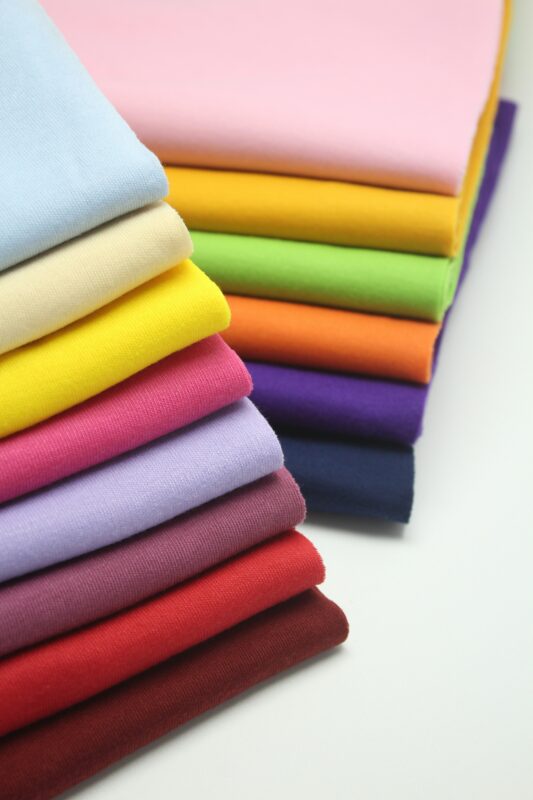
Both fabrics start as knits with a smooth outer face, and the difference is mostly on the inside. French terry has a looped back, where small unbrushed loops sit against the skin, giving a lighter, more breathable and more flexible fabric. Fleece, more precisely brushed fleece, has those loops brushed into a soft, fluffy inner surface that traps warmth, giving a heavier, cosier fabric. That single difference in the back surface drives most of the practical contrasts between the two.
Because the construction differs, the two fabrics suit different purposes. French terry works well for lighter hoodies, summer styles and layering pieces, while fleece suits warm, structured hoodies and cold-weather wear. Many ranges use both, choosing by style rather than picking one for everything.
The Core Difference at a Glance
- French terry: looped, unbrushed back, lighter and more breathable
- Fleece: brushed, fluffy back, warmer and cosier
- French terry drapes more softly; fleece feels more substantial
- French terry suits year-round wear; fleece suits colder conditions

French Terry: Strengths and Trade-offs
French terry is the more versatile of the two, valued for a clean look and a comfortable, breathable feel.
Feel, Breathability, and Drape
The looped back keeps French terry lighter and more breathable, so it is comfortable in milder weather and for active wear. It drapes more softly than fleece, which suits relaxed and fashion-led shapes, and its smooth face takes print and embroidery cleanly.
Best Uses
French terry suits lightweight hoodies, crew sweatshirts, summer and transitional styles, and layering pieces. It is a strong choice for brands that want a year-round hoodie rather than a purely winter garment.
Points to Consider
Because it is lighter and unbrushed, French terry is less warm than fleece, so it is not the best choice for cold-weather hoodies. The exact weight in GSM still matters, since a heavier French terry feels more substantial than a light one.

Fleece: Strengths and Trade-offs
Fleece is the cosier, more substantial option, valued for warmth and a premium, structured feel.
Warmth, Structure, and Hand Feel
The brushed inner surface traps warmth and gives fleece a soft, cosy hand against the skin. Heavier fleece feels substantial and holds its shape well, which suits premium and boxy streetwear hoodies that are meant to feel weighty.
Best Uses
Fleece suits warm pullover and zip hoodies, cold-weather wear and heavyweight streetwear pieces. It carries prints and embroidery well on its smooth face and gives the substantial feel many premium hoodies are known for.
Points to Consider
Fleece is warmer and heavier, so it can feel too warm in mild climates and costs more in fabric. Heavier fleece can also shrink if not finished well, so shrinkage should be confirmed on a sample.
| Aspect | French terry | Fleece |
|---|---|---|
| Back surface | Looped, unbrushed | Brushed, fluffy |
| Warmth | Lighter, breathable | Warmer, cosier |
| Feel | Soft drape | Substantial, structured |
| Typical GSM | 240–320 | 300–500 |
| Best for | Year-round, lightweight hoodies | Warm, premium, heavyweight hoodies |
How to Choose Between Them for Your Hoodie
The clearest way to decide is by the style and the climate the hoodie is made for.
Consider the Climate and Season
For warm climates or a year-round hoodie, French terry keeps the garment comfortable without overheating. For cold weather or a winter range, fleece provides the warmth customers expect. Brands selling across seasons sometimes offer both, matching the fabric to the drop.
Consider the Look and Weight
If the goal is a relaxed, draped or lightweight look, French terry suits it. If the goal is a heavyweight, structured streetwear hoodie that feels substantial, fleece delivers that. The target GSM fine-tunes the result within each fabric.
Consider Price and Positioning
Fleece, especially heavyweight fleece, costs more in fabric than lighter French terry, so the choice also reflects the price point and positioning. Premium hoodies often justify heavier fleece, while accessible ranges may favour French terry.

A Practical Workflow for Choosing the Fabric
Working through a clear sequence keeps the decision efficient and avoids reworking samples.
- Define the hoodie and season. Decide whether it is lightweight, year-round or a warm winter piece.
- Shortlist the fabric. Choose French terry or fleece based on warmth and look.
- Set the target GSM. Agree a weight that delivers the intended feel.
- Confirm fibre and finish. Agree the cotton or blend and any finish alongside the fabric.
- Sample and handle. Review the hand feel, warmth and drape on a stitched sample.
- Wash test and lock the standard. Check shrinkage and surface, then approve a reference for bulk.
Fibre, Weight, and Finish Also Matter
The French-terry-versus-fleece choice is important, but it is not the only factor. The fibre content shapes the feel and durability, with cotton-rich blends feeling natural and poly-cotton adding stability and reducing shrinkage. The weight in GSM is the biggest lever for how premium a hoodie feels within each fabric, and a brushed finish or peached surface changes the hand. Reading the fabric type alongside the fibre, weight and finish gives a far more accurate picture of the finished garment than the fabric name alone, so these are best confirmed together on a sample.

Quality Considerations for Both Fabrics
Quality is measurable when the right checkpoints are agreed before bulk. The areas below are the ones buyers most often need to protect.
Weight Consistency
The delivered fabric weight should match the approved sample, since it drives the warmth and premium feel. Confirming this protects the garment buyers expect, especially for heavyweight fleece.
Shrinkage After Washing
Both fabrics can shrink if not finished well, so confirming shrinkage on a washed sample keeps the fit right after the customer launders the hoodie. This matters most for heavier fleece.
Print and Surface Durability
Prints and embroidery should survive washing without cracking or puckering, and the brushed surface of fleece should stay soft. Reviewing a decorated, washed sample confirms both before bulk.
Buyer Checklist Before Choosing the Fabric
- Hoodie type and the season it is for
- Target warmth and look (lightweight or substantial)
- Preferred fabric (French terry or fleece), if known
- Target GSM and fibre composition
- Decoration method and placement
- Climate and intended use
- Price point and positioning
- Size range and fit
- Target quantity and delivery market
If some of these answers are still forming, that is normal. Sharing what you have lets the review begin, and the suitable production scope is confirmed after the requirements are reviewed rather than estimated in advance.
Common Mistakes When Choosing Hoodie Fabric
A few recurring mistakes lead to most disappointment with hoodie fabric. The first is choosing by the words French terry or fleece without confirming the GSM, when the weight matters as much as the type; a light fleece can feel less substantial than a heavy French terry. The second is approving fabric from a flat swatch rather than a stitched, washed sample, so the warmth, drape and shrinkage only show properly on a real garment. The third is using the same fabric across an entire range regardless of season, which leaves some hoodies too warm and others not warm enough.
Avoiding these issues is straightforward. Specify the fabric together with its weight, fibre and finish, judge it on a washed sample, and match the fabric to the season and look of each style. Agreeing a shrinkage and surface check during sampling turns warmth and feel into something measurable, and it makes reorders easier because the standard is documented and approved.

Construction and Layering Considerations
The fabric choice interacts with construction and how the hoodie will be worn. Lighter French terry suits hoodies designed for layering under a jacket or over a tee, where bulk would be uncomfortable, while heavier fleece suits standalone outer hoodies meant to be the warm layer. The fabric also affects details such as ribbed cuffs and hems, since a heavier fabric pairs well with substantial ribbing, and the hood construction, where a lined or double-layer hood adds warmth and structure. Confirming these details alongside the fabric keeps the finished hoodie balanced and consistent across sizes.
Sustainability and Compliance Notes
Many brands now ask about more responsible options for hoodie fabric, such as recycled polyester fleece or organic cotton French terry. These exist at a range of weights but vary by supplier, so they are best raised at the fabric stage rather than after sampling. If a hoodie must meet specific fibre-content labelling or testing requirements for a particular market, sharing those needs early lets them be built into the specification instead of discovered at shipping. Gavitex can review standard and more responsible options together and confirm what is realistic after the requirements are reviewed.
Planning Fabric Across a Hoodie Range
For brands offering more than one hoodie, it helps to plan fabric across the range rather than style by style. A common approach is to use a core fleece weight for the main winter hoodie and a lighter French terry for transitional or layering pieces, keeping the fibre and finish consistent so the range still feels related. This keeps production efficient and simplifies quality control, since fewer distinct fabrics are easier to verify and reorder. Keeping the approved fabric, weight and care references on file then means future drops and new colours start from a known standard rather than fresh approval, which protects the feel customers associate with the brand and keeps reorders consistent across seasons.
Choosing the Right Hoodie Manufacturer
Beyond the fabric, the manufacturers worth keeping are the ones that ask informed questions, sample carefully and communicate clearly when a decision is needed. For a hoodie program specifically, a partner comfortable with both French terry and fleece, and with the ribbing, hood and pocket construction that hoodies rely on, can guide the fabric choice rather than simply quote what is asked. A short trial order is a practical way to confirm warmth, weight and finish before committing to a larger run, and it gives both sides a shared reference for the standard expected in bulk. As a range grows across seasons, keeping approved fabric and construction references on file lets a brand scale without losing the feel that earned its first customers.
Frequently Asked Questions
What is the main difference between French terry and fleece?
French terry has a looped, unbrushed back that is lighter and more breathable, while fleece has a brushed, fluffy back that is warmer and cosier. The difference in the back surface drives most of the practical contrasts.
Which fabric is warmer?
Fleece is warmer because its brushed inner surface traps heat, which suits cold-weather and heavyweight hoodies. French terry is lighter and better for year-round or active wear.
Which fabric is better for a premium heavyweight hoodie?
Heavyweight fleece usually suits a premium, substantial hoodie, while French terry suits lighter, more draped styles. The right choice depends on the look, climate and price point, confirmed on a sample.
Can Gavitex recommend a fabric from a reference hoodie?
Yes. Gavitex can review a reference garment, suggest a suitable French terry or fleece and target GSM, and confirm the choice on a sample before bulk.
Do both fabrics take print and embroidery?
Yes. Both have a smooth outer face that carries print and embroidery well; the method and placement are confirmed on a sample so they survive washing.
Discuss Your Hoodie Project with Gavitex
Share your hoodie type, target warmth, GSM and branding details for a practical review. Gavitex can review the project across hoodie manufacturing in Vietnam, streetwear production and as a private label clothing manufacturer within broader custom clothing production, and you can contact the Gavitex team to start the conversation.
Email: info@gavitex.vn
Phone / Zalo / WhatsApp: +84 972 107 109
