
Streetwear Manufacturer in Vietnam for Private Label Collections
Gavitex supports streetwear founders and apparel brands that are building private label collections and want an organised manufacturing partner in Vietnam. Streetwear is less about a single garment and more about a coherent range: heavyweight tees, hoodies, sweatpants and outerwear that share a fit language, a fabric standard and consistent branding. Getting that consistency right across several styles is where many young brands struggle, and it is exactly what a structured manufacturing process is built to deliver. To review a project clearly, buyers should share a tech pack or reference samples, the styles in the collection, fabric expectations, the size range, branding details and the target quantity and delivery market, and the suitable production scope is confirmed after reviewing the project requirements rather than promised in advance.
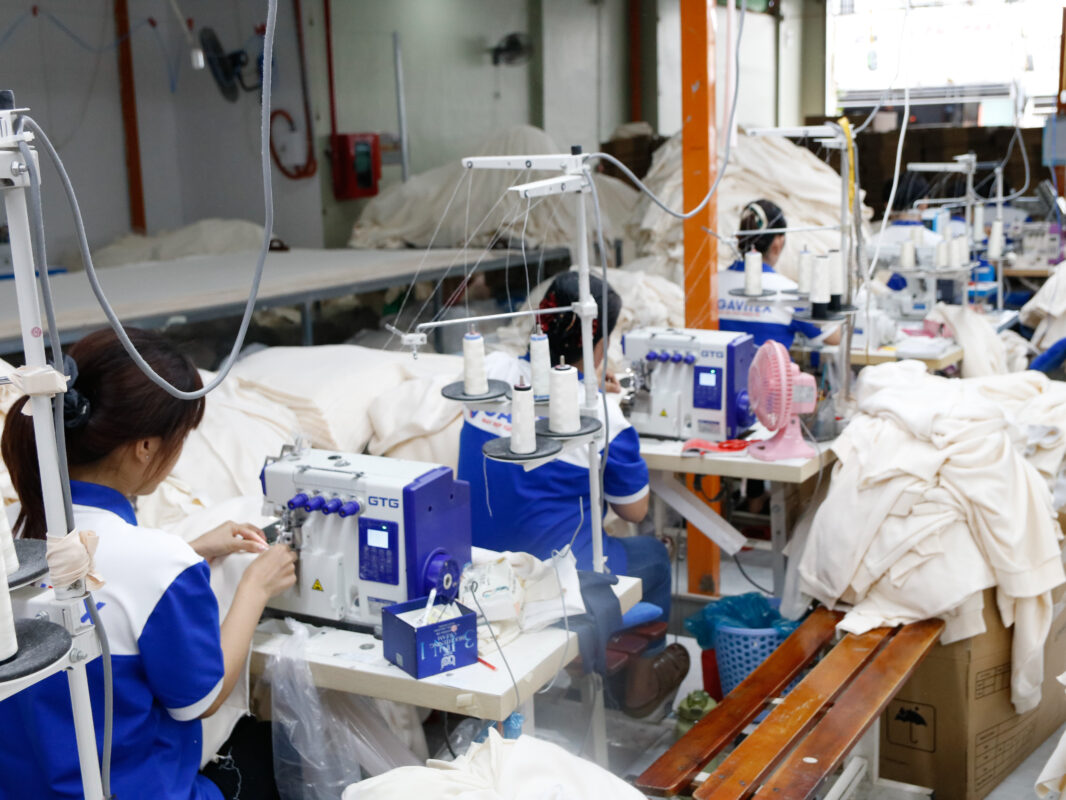
Streetwear Products Buyers Can Review with Gavitex
A streetwear collection usually combines a few core garments that work together, and defining the range early keeps sampling and fabric planning efficient. The fit, the weight and the decoration should feel consistent across the whole collection.
Heavyweight Tees and Boxy Fits
The heavyweight tee is the foundation of most streetwear ranges, valued for a structured, boxy fit and a substantial feel that carries print and embroidery well. The fabric weight, the shoulder construction and the fit are what separate a premium streetwear tee from a basic one, and they should be defined in the tech pack.
Hoodies, Sweatpants, and Co-ords
Hoodies and sweatpants in matching fabrics let a brand sell coordinated sets and build a recognisable look. Consistency in fleece weight, fit and trims across these pieces is what makes a collection feel considered rather than assembled, so they are best planned together.
Outerwear and Statement Pieces
Many collections add an outerwear or statement piece, such as a coach jacket or a printed overshirt, to anchor a drop. These pieces often carry the most distinctive branding, so sharing complete design files early helps the team plan construction and decoration accurately.

How to Choose Fabric for a Streetwear Collection
Fabric sets the tone of a streetwear range, and keeping it consistent across styles is what makes a collection feel cohesive. Choosing it well means matching the weight and hand feel to the look you want, then confirming the choice on a physical sample before bulk.
Heavyweight Jersey and Fleece
Heavyweight jersey gives streetwear tees their structure, while mid to heavy fleece gives hoodies and sweatpants their premium feel. The GSM is the biggest driver of how substantial a garment feels, so it should be specified clearly and kept consistent across the collection. Sharing reference garments helps the team suggest practical options if you do not have a specification yet, and a full range can be planned alongside fabric sourcing support.
| Fabric | Typical GSM | Best suited to | Notable strengths |
|---|---|---|---|
| Heavyweight jersey | 220–280 | Boxy streetwear tees | Structure, holds print, premium feel |
| Mid-weight fleece | 300–380 | Everyday hoodies and sweatpants | Balance of warmth and comfort |
| Heavyweight fleece | 400–500 | Premium hoodies and co-ords | Substantial feel, holds shape |
Weight Consistency Across the Range
A common mistake in early collections is mixing fabric weights that do not feel related, which makes a range look inconsistent. Agreeing a fabric standard and keeping it consistent across tees, hoodies and bottoms is one of the simplest ways to make a collection feel premium, and it is confirmed on samples before bulk.

Construction and Branding Details That Define Streetwear
Most of what gives streetwear its identity comes from construction and branding. The details below are worth specifying and inspecting on every order.
Fit, Shoulders, and Proportions
Streetwear lives on proportion: dropped shoulders, boxy bodies and considered lengths define the look. These are pattern decisions that should be locked during sampling, because small changes in proportion are immediately visible and define whether a piece feels current.
Print, Embroidery, and Appliqué
Screen print, puff print, embroidery and appliqué all sit differently on heavy fabric, and each method has its own artwork needs. Confirming files, placement and technique early keeps decoration accurate and consistent across a collection and across reorders.
Labels, Tags, and Brand Details
Woven labels, branded drawcords, custom hangtags and care labels are what make a streetwear piece feel finished and intentional. These details should be confirmed during sampling, since they carry the brand as much as the main print does. Many streetwear programs sit within broader private label clothing manufacturer in Vietnam scopes.

A Practical Streetwear Development Workflow
A predictable program follows a clear sequence, and skipping steps is the most common reason bulk does not match the approved sample.
- Share your product brief or tech pack. Include measurements, the collection styles, construction notes, artwork and reference garments.
- Review fabric and the collection standard. Confirm fabrics, GSM and a consistent standard across the range.
- Agree fit, proportions, and branding. Lock the fits, decoration methods and brand details before sampling.
- Develop and review samples. Fit and print samples are made and revised until approved.
- Confirm measurements and decoration quality. A pre-production sample confirms the standard in the correct bulk fabric and colours.
- Prepare a practical bulk production plan. Production runs against the approved samples and graded size sets.
- Review finishing, packing, and delivery requirements. Pressing, folding, tagging, packing and inspection are completed before shipping.

Buyer Checklist Before Requesting a Streetwear Quote
Complete information leads to a faster review and a more realistic production plan. A useful checklist includes:
- Collection styles (tees, hoodies, bottoms, outerwear)
- Reference images or a tech pack
- Target fabric weights and a consistent standard
- Fit and proportions (boxy, oversized, regular)
- Decoration methods (print, puff, embroidery, appliqué)
- Artwork files and brand colours
- Labels, tags and brand details
- Size range
- Packaging requirements
- Target quantity per style and delivery market
If some of these points are still being decided, that is normal early on. Sharing what you already have lets the review begin and highlights the few decisions needed before sampling can start, which keeps the project moving rather than waiting for a perfect brief.
Quality Considerations for Private Label Streetwear
Quality in streetwear is measurable when the right checkpoints are agreed before bulk. The areas below are the ones buyers most often need to protect, and agreeing them in writing gives both sides a fair basis for inspection.
Fabric Weight and Consistency
The delivered fabric weight should match the approved samples and stay consistent across the collection. Confirming this protects the premium feel and the cohesive look that define a streetwear range.
Print and Decoration Durability
Prints and embroidery should survive repeated washing without cracking or peeling. Reviewing a decorated sample, ideally after a wash cycle, turns a vague promise into something both sides can check before bulk.
Fit and Proportion Accuracy
Because streetwear depends on proportion, every size should match the approved fit. A clear size chart and graded set keep the intended look consistent across the range, which matters most for boxy and oversized fits.

Planning Quantities, Packing, and Repeat Orders
Cost and lead time for streetwear are shaped by fabric, decoration complexity and order quantity. A simple printed tee and a heavyweight embroidered hoodie can sit at very different price points from the same factory, so it helps to look at the whole picture rather than unit price alone. Sharing the target quantity per style and colour lets the production scope be reviewed realistically; consolidating around core pieces keeps production efficient, while a long list of variants raises complexity and cost, which matters especially for new brands managing a first drop.
Packing and presentation are part of streetwear too, where the unboxing and tags are part of the brand. Folded packing, polybags, branded hangtags and care labels should be agreed before bulk so goods arrive retail-ready. Repeat orders then become faster and more predictable: keeping the approved tech packs, artwork, graded specs and pre-production samples on file means the next drop starts from a known standard rather than fresh sampling, which protects the fit, weight and finish that earned a brand its first customers.
Why Work with a Vietnam-Based Streetwear Manufacturer?
Vietnam has a developed garment ecosystem with access to heavyweight knits and fleece, trims and experienced sewing and decoration operators, which makes it a practical base for streetwear development. A capable partner coordinates fabric, sampling, sewing, printing and finishing, and communicates clearly when a decision is needed. Buyers should still carry out their own due diligence, request samples and agree quality checkpoints before committing to bulk. Gavitex works as a reviewing partner across streetwear collections, including within broader custom clothing production in Vietnam, with the scope of each project confirmed after the requirements are reviewed. Starting with a manageable first order is a sensible way to confirm fabric weight, fit and decoration quality before scaling a full collection.
Sampling Questions to Prepare for a Streetwear Collection
A streetwear collection is judged on how coherent it feels, so a few decisions before sampling keep the range consistent. Confirm a single fabric standard and target weights across tees, hoodies and bottoms first, because mixing weights that do not feel related is what makes early collections look uneven. Then lock the fits and proportions, since dropped shoulders, boxy bodies and considered lengths are immediately visible and define whether a piece feels current.
Branding deserves a dedicated conversation. Decide how prints, embroidery and appliqué are used across the drop and confirm artwork, placement and the label and tag details that carry the brand. Finally, plan quantities per style realistically, because a long list of variants raises cost and complexity for a first drop. Sharing these answers alongside your tech pack lets the production scope be reviewed accurately, and the suitable approach is confirmed after the requirements are reviewed.
It is also useful to plan how each drop will be packed and presented, since hangtags, branded packaging and care labels are part of the streetwear experience and are best confirmed before bulk. Agreeing these details early means goods arrive retail-ready and on brand for the launch.
Frequently Asked Questions
What information should I send for a streetwear quote?
Share the collection styles, target fabric weights, a tech pack or reference garments, fits, decoration methods, artwork, brand details, size range and delivery market. Gavitex reviews these and outlines a practical production plan.
Can Gavitex review a full streetwear collection?
Yes. A collection of tees, hoodies, bottoms and outerwear can be reviewed together, with a consistent fabric and fit standard confirmed during sampling against your specification so the whole drop feels cohesive before bulk.
Can different decoration methods be combined across a drop?
Yes. Screen print, puff print, embroidery and appliqué can be combined; the suitable methods are confirmed on samples based on the fabric and artwork for each piece.
Can I request samples before bulk production?
Yes. Fit and print samples can be discussed before bulk. Providing design files and clear requirements helps the team assess the most suitable sampling process and the number of sample rounds the collection is likely to need.
How do you keep a collection feeling consistent?
By agreeing a fabric and fit standard across styles and confirming it on samples, so tees, hoodies and bottoms share the same weight, feel and proportions across the range.
Choosing the Right Streetwear Manufacturer
Beyond price, the manufacturers worth keeping are the ones that ask informed questions, sample carefully and communicate clearly when a decision is needed. For a streetwear collection specifically, look for a partner comfortable with heavyweight fabrics, boxy fits and the decoration methods your range relies on, and one that can keep several styles consistent so the collection feels intentional rather than assembled. A short trial order is a practical way to confirm fabric weight, fit and decoration accuracy before committing to a larger drop, and it gives both sides a shared reference for the standard expected in bulk. As a brand grows from one drop to the next, a tidy library of approved tech packs, artwork and graded specs is what lets it scale a collection while keeping the weight, fit and finish that earned its first community of customers.
Discuss Your Streetwear Project with Gavitex
Send your tech pack, target quantity, fabric weight expectations, fits and branding details, size range and delivery market to the Gavitex team for review, and contact the Gavitex team to start the conversation.
Email: info@gavitex.vn
Phone / Zalo / WhatsApp: +84 972 107 109