Hoodie Manufacturer in Vietnam for Private Label Streetwear
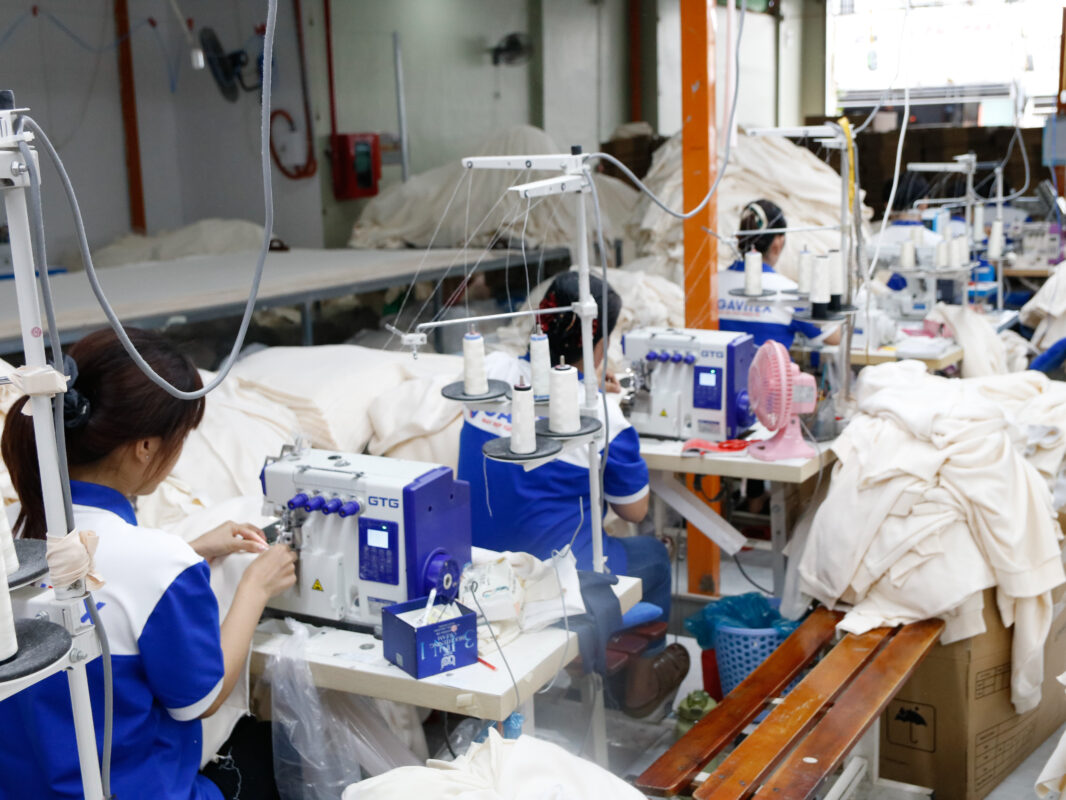
Gavitex supports streetwear and apparel brands that are developing custom hoodies and want an organised manufacturing partner in Vietnam. The hoodie has become a core piece for private label and streetwear ranges because it carries branding well, sells across seasons and suits a wide range of price points. Yet the difference between a flat, lightweight hoodie and a heavy, structured one comes down to fabric, construction and finishing decisions that need to be made early. To review a project clearly, buyers should share a tech pack or reference samples, the target weight and fit, fabric expectations, the size range, branding details and the target quantity and delivery market, and the suitable production scope is confirmed after reviewing the project requirements rather than promised in advance.
Hoodie Products Buyers Can Review with Gavitex
Hoodies vary widely in weight, fit and construction, and defining the type early keeps sampling efficient. A lightweight summer hoodie and a heavyweight boxy streetwear hoodie use different fabrics and patterns, so the style should be clear from the first brief.
Pullover and Zip-Up Hoodies
Pullover hoodies are the streetwear staple, valued for a clean front and strong branding area, while zip-up hoodies add function and a layering option. The closure choice affects the pattern, the trims and the cost, so it should be confirmed before sampling along with pocket style and hood construction.
Heavyweight and Boxy Streetwear Hoodies
Heavyweight hoodies use dense fleece and often a boxy, dropped-shoulder fit for a premium streetwear look. They feel substantial and hold print and embroidery well, but the heavier fabric and structured fit need careful pattern work and sampling to get the proportions right.
Lightweight and Athleisure Hoodies
Lighter hoodies suit warmer climates and athleisure ranges, using thinner French terry or brushed knits for comfort and movement. Knowing the climate and the intended use helps the team suggest a fabric weight that balances comfort, durability and cost.

How to Choose Fabric for Hoodie Manufacturing
Fabric drives most of the cost and the feel of a hoodie, so choosing it well means matching the weight and construction to the look you want, then confirming it on a physical sample before bulk.
French Terry, Fleece, and Brushed Knits
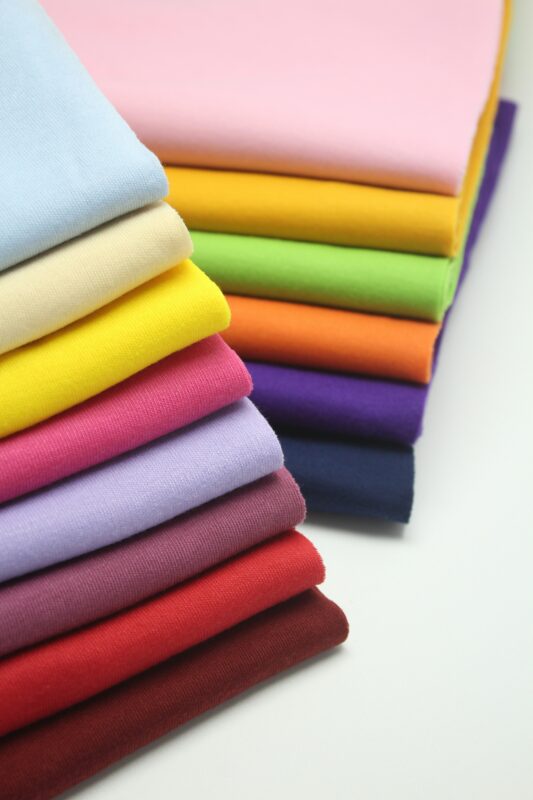
French terry has a looped back and a lighter, more flexible feel, while brushed fleece has a soft, warm inner surface that suits heavier hoodies. The fabric weight in GSM is the single biggest driver of how premium a hoodie feels, so it should be specified clearly. Sharing reference garments helps the team suggest practical options if you do not have a specification yet, and a full range can be planned alongside fabric sourcing support.
| Fabric | Typical GSM | Best suited to | Notable strengths |
|---|---|---|---|
| Light French terry | 240–300 | Athleisure and summer hoodies | Soft, flexible, breathable |
| Mid-weight fleece | 300–380 | Everyday streetwear hoodies | Balance of warmth and structure |
| Heavyweight fleece | 400–500 | Premium boxy hoodies | Substantial feel, holds shape and print |
Fabric Weight, Shrinkage, and Hand Feel
Heavier fabrics feel more premium but cost more and can shrink if not pre-treated, so confirming shrinkage behaviour during sampling protects the fit after washing. The inner brushing and the surface hand feel also shape how the hoodie is perceived, and these are best judged on a physical sample rather than a specification sheet.

Construction Details That Affect Hoodie Quality
Most of what a customer feels in a hoodie comes from construction and finishing. The details below are worth specifying and inspecting on every order.
Hood, Drawcords, and Eyelets
The hood shape, whether it is lined or double-layered, and the drawcord and eyelet style all affect both look and durability. A well-built hood holds its shape, and secure eyelets and quality drawcords are simple signs of a considered garment. These should be confirmed on a sample before bulk.
Cuffs, Hem, and Pocket Construction
Ribbed cuffs and hem keep their stretch and finish the hoodie cleanly, while the kangaroo pocket construction affects both comfort and the front branding area. Bartacks at stress points add durability. Defining these in the tech pack keeps the finished hoodie consistent across sizes.
Print, Embroidery, and Branding
Hoodies carry branding well, from large screen prints and puff prints to embroidery and woven labels. Each method has its own artwork needs and sits differently on heavy fleece, so confirming files, placement and technique early keeps decoration accurate. Many hoodie programs sit within broader private label clothing manufacturer in Vietnam scopes that also cover tees and other streetwear pieces.

A Practical Hoodie Development Workflow
A predictable program follows a clear sequence, and skipping steps is the most common reason bulk does not match the approved sample.
- Share your product brief or tech pack. Include measurements, target weight, construction notes, artwork and reference garments.
- Review fabric weight and construction. Confirm the fleece or terry, GSM and key construction details against the specification.
- Agree fit, hood, and branding options. Decide on the fit, hood style, pockets and decoration before sampling.
- Develop and review samples. A fit and print sample is made and revised until approved.
- Confirm measurements and finishing. A pre-production sample confirms the standard in the correct bulk fabric and colours.
- Prepare a practical bulk production plan. Production runs against the approved sample and a graded size set.
- Review packing and delivery requirements. Pressing, folding, tagging, packing and inspection are completed before shipping.
Buyer Checklist Before Requesting a Hoodie Quote
Complete information leads to a faster review and a more realistic production plan. A useful checklist includes:
- Hoodie type (pullover, zip-up, heavyweight, lightweight)
- Reference images or a tech pack
- Target fabric weight (GSM) and composition
- Fit preference (regular, boxy, oversized)
- Hood, drawcord and pocket style
- Decoration method (print, puff, embroidery)
- Artwork files and brand colours
- Size range
- Packaging requirements
- Target quantity and delivery market
If some of these points are still being decided, that is normal early on. Sharing what you already have lets the review begin and highlights the few decisions needed before sampling can start, which keeps the project moving rather than waiting for a perfect brief.
Quality Considerations for Private Label Hoodies
Quality in a hoodie is measurable when the right checkpoints are agreed before bulk. The areas below are the ones buyers most often need to protect, and agreeing them in writing gives both sides a fair basis for inspection.
Fabric Weight and Shrinkage
The delivered fabric weight should match the approved sample, and shrinkage should stay within an agreed tolerance after washing. Confirming both on a washed sample protects the fit and the premium feel buyers are paying for.
Print and Embroidery Durability
Prints and embroidery should survive repeated washing without cracking, peeling or puckering. Reviewing a decorated sample, ideally after a wash cycle, turns a vague promise into something both sides can check before bulk.
Seam Strength and Finishing
Heavy fleece puts stress on seams, so secure stitching, bartacks at stress points and clean ribbing are important signs of good workmanship. These can be inspected on a sample before approving bulk.

Planning Quantities, Packing, and Repeat Orders
Cost and lead time for hoodies are shaped by fabric weight, decoration complexity and order quantity. A simple printed mid-weight hoodie and a heavyweight embroidered piece can sit at very different price points from the same factory, so it helps to look at the whole picture rather than unit price alone. Sharing the target quantity per style and colour lets the production scope be reviewed realistically; consolidating around core styles keeps production efficient, while splitting an order across too many variants raises complexity and cost.
Packing and labelling decisions also matter for retail and wholesale orders. Folded packing, polybag requirements, hangtags and care labels should be agreed before bulk so goods arrive ready for the buyer’s market. Repeat orders then become faster: keeping the approved tech pack, artwork, graded specs and pre-production sample on file means a follow-up order in new colours starts from a known standard rather than fresh sampling, which protects fit, weight and decoration consistency across drops.
Why Work with a Vietnam-Based Hoodie Manufacturer?
Vietnam has a developed garment ecosystem with access to fleece and terry knits, trims and experienced sewing and decoration operators, which makes it a practical base for hoodie development. A capable partner coordinates fabric, sampling, sewing, printing and finishing, and communicates clearly when a decision is needed. Buyers should still carry out their own due diligence, request samples and agree quality checkpoints before committing to bulk. Gavitex works as a reviewing partner across streetwear, including within broader custom clothing production in Vietnam, with the scope of each project confirmed after the requirements are reviewed. Starting with a manageable first order is a sensible way to confirm fabric weight, fit and decoration quality before scaling to larger volumes. Many streetwear brands also ask about recycled fleece and cleaner finishing; these options vary by fabric and supplier, so they are best raised at the briefing stage rather than after sampling.
Sampling Questions to Prepare for a Hoodie Program
A few decisions made before sampling keep a hoodie program on track. Confirm the target fabric weight in GSM first, since it is the single biggest driver of how premium a hoodie feels, then decide the fit, because a regular, boxy or oversized cut changes the whole pattern. It also helps to clarify the hood construction, the drawcord and eyelet style and the pocket type, as these details define both look and durability.
Decoration deserves its own conversation. Decide how prints, puff prints and embroidery are split across the range and confirm artwork files and placement early, because heavy fleece carries some techniques better than others. Finally, plan colours and quantities realistically, since splitting a first drop across many colours raises cost and complexity. Sharing these answers alongside your tech pack lets the production scope be reviewed accurately, and the suitable approach is confirmed after the requirements are reviewed.
Frequently Asked Questions
What information should I send for a hoodie quote?
Share the hoodie type, target fabric weight, a tech pack or reference garments, fit preference, hood and pocket details, decoration method, artwork, size range and delivery market. Gavitex reviews these and outlines a practical production plan, and where useful suggests a fabric weight or construction approach that suits the look and price point you are targeting.
Can Gavitex review heavyweight streetwear hoodies?
Yes. Heavyweight and boxy-fit hoodies can be reviewed, with fabric weight, fit and construction confirmed during sampling against your specification so the heavier fabric and structured fit are right before bulk.
Can different print and embroidery methods be discussed?
Yes. Screen print, puff print and embroidery can all be discussed; the suitable method is confirmed on a sample based on the fabric and artwork, because heavy fleece carries some techniques better than others.
Can I request samples before bulk production?
Yes. Fit and decoration samples can be discussed before bulk. Providing design files and clear requirements helps the team assess the most suitable sampling process and the number of sample rounds your hoodie is likely to need.
What fabric weight should I choose for a premium hoodie?
Heavier fleece, often in the 400 to 500 GSM range, gives a premium, structured feel, while mid-weight fleece suits everyday hoodies. The suitable weight depends on the look, climate and price point, and it is confirmed on a physical sample so the hand feel and structure meet your expectations before any bulk is cut.
Choosing the Right Hoodie Manufacturer
Beyond price, the manufacturers worth keeping are the ones that ask informed questions, sample carefully and communicate clearly when a decision is needed. For a hoodie program specifically, look for a partner comfortable with heavy fleece, structured fits and the decoration methods your range relies on, since these are where a streetwear hoodie is won or lost. A short trial order is a practical way to confirm fabric weight, fit and decoration accuracy before committing to a larger run, and it gives both sides a shared reference for the standard expected in bulk. As volumes grow, a tidy library of approved tech packs, artwork and graded specs is what lets a brand scale a hoodie range across drops without losing the weight, fit and finish that earned its first repeat customers.
Discuss Your Hoodie Project with Gavitex
Send your tech pack, target quantity, fabric weight expectations, fit and branding details, size range and delivery market to the Gavitex team for review, and contact the Gavitex team to start the conversation.
Email: info@gavitex.vn
Phone / Zalo / WhatsApp: +84 972 107 109