

Vietnam Export-Quality Garment Factory: Sourcing High-Quality, Ethical Apparel From Vietnam
Here’s an opening paragraph designed to meet your SEO requirements: Unlocking the potential of Vietnam [...]
Feb
Vietnam Garment Production Factories: Sourcing, Manufacturers, Ethical Apparel & Compliance Guide
Here’s a draft of the opening paragraph, designed for SEO and reader engagement: The success [...]
Feb
Vietnam Clothing Manufacturing For Export: Sourcing, Quality, And Sustainable Apparel
Here’s an opening paragraph tailored for your blog post, focusing on SEO and readability: Unlocking [...]
Feb
Largest Garment Factory In Vietnam: Top Producer, Capacity, And Workforce Insights
Here’s a draft of an SEO-optimized introduction for the article “Largest garment factory in Vietnam,” [...]
Feb
Garment Factories In Vietnam: Sourcing, Manufacturers, & Ethical Apparel Production
Here’s an opening paragraph designed for your SEO-focused article on Garment factories in Vietnam, keeping [...]
Feb
Garment Factory In Vietnam: Your Sourcing Guide For Apparel Manufacturing & Export
Here’s a draft opening paragraph designed to be SEO-friendly and engaging: (Opening Paragraph) For businesses [...]
Feb
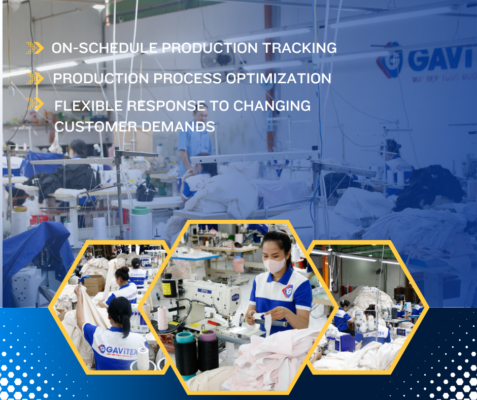
Vietnam Garment Manufacturing Workshop: Your Guide To Sourcing Apparel In Vietnam
Here’s a draft of an opening paragraph designed for SEO and reader engagement, focusing on [...]
Feb
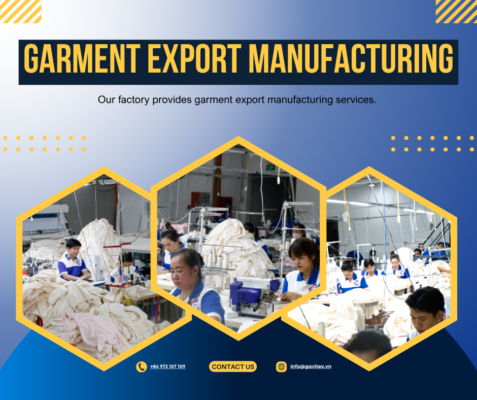
Children’s Clothing Cutting And Sewing Workshop: Kids Fashion Design & Textile Arts
Here’s a draft of the opening paragraph, focusing on SEO best practices, semantic understanding, and [...]
Feb
How partnering in CMT garment manufacturing changed my fashion business
For many seasons my brand grew faster than my supply chain. I was constantly juggling different factories, each with their own standards and habits. Schedules slipped, quality wobbled, and every launch felt like a gamble. Things shifted when I relocated my core production to Vietnam and started working with Gavitex, a specialist in CMT garment manufacturing. Instead of improvising with fragmented suppliers, I plugged my styles into one coherent system of garment manufacturing. In this article I want to share that journey and show how a well–structured partner can stabilise quality, reduce costs and free up time to focus on design and sales.
☰ Table of contents
- My story: discovering structured CMT garment manufacturing
- Features and value of modern CMT garment manufacturing
- Comparing CMT garment manufacturing with full–package OEM
- Gavitex capacity, technology and production lines
- Legal certainty and protection of your brand
- Five reasons to choose Gavitex for CMT garment manufacturing
- Market trends and colorful demand chart
- Sample pricing table for CMT services
- FAQ about sourcing with CMT garment manufacturing
- Get a quote and contact Gavitex
My journey into structured CMT garment manufacturing with Gavitex
From scattered workshops to one coherent flow
In the early days my brand worked with a handful of small suppliers. Each handled a different part of our range, from basics to light outerwear. These units were good people, but they lacked the discipline and transparency I needed. There was no real concept of systematic CMT garment manufacturing, only loosely organised teams and improvised planning. Size sets arrived late, measurements were inconsistent, and my team spent endless nights chasing updates. I knew we needed a partner offering professional garment manufacturing and reliable clothing production lines, not just sewing tables and promises.
First steps in Vietnam and meeting Gavitex
When I started exploring Vietnam, I visited several factories but Gavitex immediately felt different. There was a clear production flow from cutting to finishing, supported by visible control points and motivated supervisors. Instead of a generic sales pitch, their team spent time understanding our assortment, price tiers and customer expectations. They explained how their approach to CMT garment manufacturing allows buyers to retain control over fabric sourcing while still benefiting from industrial discipline. It was the first time I felt that I had found a partner who saw my brand not only as an order, but as a long–term project.
From trial order to long–term partnership
We started with a pilot program covering a small mix of T–shirts, sweatshirts and seasonal joggers. Gavitex treated this trial like a full program, applying the same structured CMT garment manufacturing process they use for larger customers. Patterns were checked, operations were balanced across the lines, and we received detailed feedback about potential improvements. When the first shipment arrived, the difference was clear: measurements were consistent, finishing was neat, and cartons were packed exactly according to our standards. That success gave us the confidence to move a larger portion of our custom clothing production to Gavitex, building a stable base for future growth.
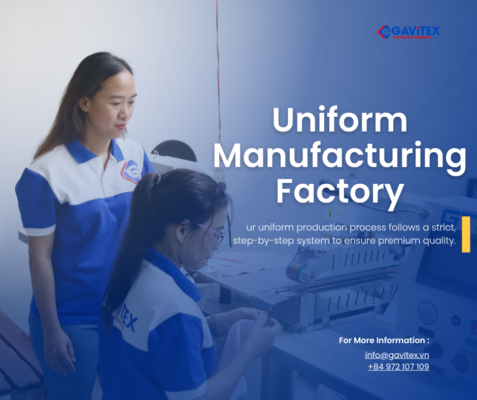
Core features and value of modern CMT garment manufacturing
Clear separation of roles with strong process control
One of the main advantages of CMT garment manufacturing is the clear division of responsibilities. The brand or retailer controls fabric and trims, while the factory focuses on labour, technology and process optimisation. In practice this means Gavitex invests heavily in line balancing, operator training and quality systems. Instead of carrying the cost and risk of stock, they concentrate on turning inputs into finished garments efficiently. This focus makes every minute on the line count and pushes continuous improvement across the entire garment manufacturing chain.
Integration with broader garment manufacturing strategy
CMT garment manufacturing is more than a pricing method; it is a strategic tool. By separating material sourcing from processing, brands can work directly with mills, negotiate long–term fabric deals and still benefit from industrial clothing production lines that understand their construction standards. Gavitex plays this role perfectly. Their teams coordinate with our mills, manage lead times and set up lines that work smoothly with each fabric. It feels like having an internal manufacturing department that executes our plan, while we remain free to adjust sourcing and design.
Supporting private label apparel and design–driven brands
Many of Gavitex’s customers are private label apparel brands or multi–brand retailers who want control over design and fabric but need a reliable partner for all sewing and finishing operations. With structured CMT garment manufacturing, Gavitex can handle this role comfortably. The factory treats every tech pack as a blueprint and builds repeatable operations around it. For my own label, this meant I could push more creative silhouettes while knowing that the technical team would translate them into stable, production–ready solutions. The result is a portfolio that looks unique on the rack but is built on robust, industrial foundations.
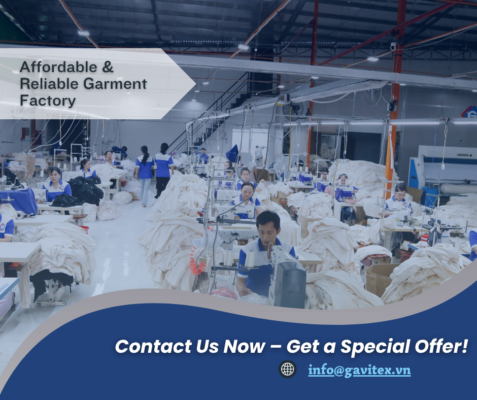
Comparing CMT garment manufacturing with full–package OEM models
Different cost logic, different flexibility
In a full–package setup, an OEM clothing manufacturer usually bundles fabric, trims and labour into one price. This is convenient but can make it harder to see where costs arise. With CMT garment manufacturing, processing charges are separated from material costs. This transparency helps brands understand where to improve – sometimes in fabric selection, sometimes in construction, sometimes in line efficiency. For our basic knit programs, pairing direct fabric sourcing with Gavitex’s disciplined garment manufacturing saved a significant amount per garment, without sacrificing quality or compliance.
Risk distribution and control over fabrics
Another big difference is how risk is distributed. With a pure OEM model, the factory buys fabric and owns many of the sourcing risks. Under CMT garment manufacturing, the brand manages fabric but also gains flexibility. Excess rolls can be shifted between styles or even vendors if needed, and fabric quality is easier to monitor directly. Gavitex supports this by coordinating deliveries and storing materials carefully, but they do not lock buyers into one fabric source. This blend of industrial clothing production lines and open material choices gives my team much more control over assortment planning.
When to use which model in your sourcing mix
For new or very small labels, starting with a full–package OEM clothing manufacturer may feel simpler. As experience grows, moving key programs into CMT garment manufacturing can unlock better margins and a stronger connection with mills. In my own strategy I use both. Some complex outerwear remains with full–package partners, while basics, sportswear and repeat items have migrated to Gavitex. Their role in CMT garment factory services and detailed explanations on CMT garment manufacturing solutions helped me design this balanced portfolio with confidence.
Capacity, technology and production lines at Gavitex
Engineered clothing production lines
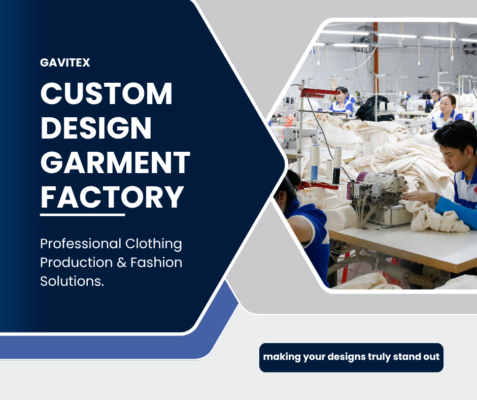
Walking through Gavitex, you sense that every meter of floor space has a purpose. This is not a random arrangement of operators; it is engineered CMT garment manufacturing. Each line is built with a clear sequence of operations, from collar attachment and side seams to hemming and finishing. The industrial engineering team studies each style, assigns standard times and identifies potential bottlenecks. This planning allows the factory to reach high efficiency on both simple and more complex garment manufacturing programs, while keeping operator workloads reasonable and sustainable.
Digital tools in cutting, planning and monitoring
Gavitex integrates digital tools where they provide real value. The cutting room uses CAD systems and marker planning to squeeze the maximum yield from each roll, which is crucial in CMT garment manufacturing where fabric belongs to the buyer. Production planning software tracks orders, lines and shipment windows, giving visibility to both internal teams and customers. On the sewing floor, simple monitoring dashboards show production status and highlight issues early. This combination of technology and human supervision creates a responsive garment manufacturing environment that can adapt quickly when demand changes.
Continuous improvement and operator development
Sustainable CMT garment manufacturing depends on people as much as on machines. Gavitex invests in training programs that help operators acquire new skills and move between operations. Regular feedback meetings review line performance, quality results and suggestions from staff. For my brand this translates into fewer surprises and smoother seasons: learning from one program is quickly applied to the next. It is this culture of incremental improvements that makes Gavitex a dependable partner for long–term custom clothing production projects.
Legal framework and brand protection in CMT garment manufacturing
Contracts that define rights and responsibilities
When cooperating across borders, legal clarity is essential. Gavitex works with detailed contracts that define how CMT garment manufacturing will be executed: quality standards, measurement tolerances, inspection methods, and responsibilities for materials or delays. These agreements make expectations explicit on both sides. For my team this means we can explain, internally and to our retail partners, how risk is shared and controlled in our garment manufacturing supply chain. Instead of relying on vague assurances, we operate within a documented, professional framework.
Non–disclosure and protection of creative work
Design–driven brands are rightly concerned about protecting their concepts and prints. In our cooperation with Gavitex, non–disclosure agreements cover sensitive designs, pricing and technical files. Inside the factory, access to developments is restricted to relevant teams, and sample handling is tightly controlled. This is particularly important in CMT garment manufacturing, where the brand often shares detailed construction and fit information. Knowing that our intellectual property is handled with respect allows us to send new collections earlier, giving the factory time to prepare lines without compromising confidentiality.
Compliance, documentation and trusted local partners
Exporting to several markets requires careful attention to regulations and standards. Gavitex maintains thorough documentation for each program, including test reports, fabric certificates and packing specifications. These records support audits and retail customer requirements and are integral to responsible CMT garment manufacturing. For logistics or local coordination, they sometimes work with specialised partners such as regional sourcing platforms. Together they provide a stable environment where international brands can grow their garment manufacturing footprint while staying compliant and protected.
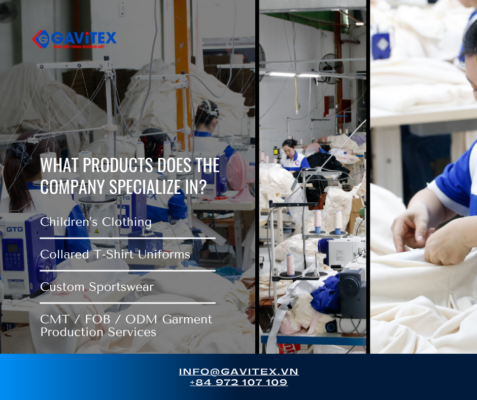
Five reasons to choose Gavitex for CMT garment manufacturing
Strategic mindset and collaborative approach
The first reason I stay with Gavitex is their mindset. They treat CMT garment manufacturing as part of a broader business strategy, not just a sequence of operations. From the beginning they wanted to understand my positioning, margins and long–term roadmap. Instead of merely reacting to purchase orders, they propose ways to cluster styles, synchronise clothing production lines and support product launches. This collaborative attitude turns them into an extension of my team, rather than a distant vendor.
Balanced triangle of cost, quality and speed
The second and third reasons are cost and quality, tightly linked with delivery performance. Because Gavitex focuses on efficient CMT garment manufacturing, they avoid unnecessary rework and idle time, which keeps processing rates competitive – often 35–45% lower than comparable factories for similar product types. At the same time, quality control is firmly integrated into every stage, so garments meet the requirements of demanding retailers. Reliable delivery is the third side of this triangle: clear planning, realistic commitments and honest communication keep my shipping schedule on track season after season.
Scalability, innovation and long–term partnership
The fourth and fifth reasons relate to scalability and innovation. Gavitex can handle stable basics at high volume while also supporting smaller, experimental runs that are typical for custom clothing production. As my assortment evolved, they adapted lines and training to keep pace. They also bring suggestions from their experience with other garment manufacturing programs, such as smarter seam constructions or packaging methods that reduce damage in transit. Over time, this constant exchange of ideas has created a partnership that feels robust enough to support ambitious growth plans well into the future.
- Strategic understanding of brand positioning.
- Competitive processing rates based on efficient CMT garment manufacturing.
- Strong quality systems and reliable deliveries.
- Flexibility for both mass programs and limited collections.
- Ongoing technical input that improves each new season.
Market trends and colorful chart for CMT garment manufacturing
Why more brands select CMT as part of their sourcing mix
Over the last few years I have watched many brands shift from a single–model sourcing strategy to a blended approach. They still use some full–package suppliers, but they increasingly add CMT garment manufacturing partners for flexibility and cost control. Vietnam has become a favoured location for this model thanks to its skilled workforce, infrastructure and deep experience in garment manufacturing. Within this environment, Gavitex stands out for its ability to integrate smoothly into a global sourcing network while maintaining the agility that modern brands require.
Illustrative column chart: growing interest in CMT garment manufacturing
The diagram below symbolically shows how interest in CMT garment manufacturing has evolved among the brands I meet at trade shows and sourcing events. Each column represents a relative level of demand for CMT solutions compared with other models. The pattern reflects a clear upward trend as companies become more familiar with managing fabrics and trims directly while relying on specialised partners for industrial execution.
Positioning Gavitex in this evolving landscape
In this context Gavitex has built a clear identity as a trusted partner for CMT garment manufacturing. The company’s experience with international retailers, online brands and private label apparel collections allows them to guide newcomers and support advanced sourcing teams alike. Their content about CMT garment manufacturing best practices is a useful resource for anyone who wants to understand how this model can complement existing supply chains. For me, they are not just one more factory in the mix; they are the reference point around which other partnerships are arranged.
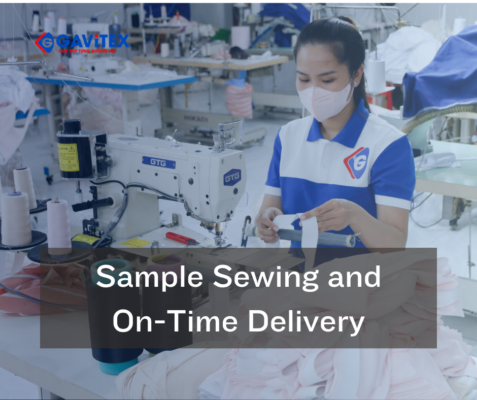
Sample pricing: how efficient CMT garment manufacturing impacts costs
Understanding market reference points
Real processing fees always depend on style, volume and complexity, but it is still useful to think in ranges. From my experience across several sourcing regions, the table below illustrates how an efficient partner in CMT garment manufacturing can offer rates noticeably lower than many alternatives while maintaining high quality. These savings often come from better line balancing, disciplined quality systems and optimised cutting rather than simple labour pressure.
Colorful comparison table for CMT processing rates
| Product type | Typical market CMT rate | Gavitex rate with CMT garment manufacturing | Estimated saving |
|---|---|---|---|
| Basic knit T–shirt | 0.90 – 1.10 USD / pc | 0.55 – 0.65 USD / pc | ≈ 40 – 45% lower |
| Fleece hoodie / sweatshirt | 1.80 – 2.10 USD / pc | 1.10 – 1.30 USD / pc | ≈ 35 – 40% lower |
| Sports leggings / activewear bottom | 1.70 – 1.90 USD / pc | 0.95 – 1.15 USD / pc | ≈ 40 – 45% lower |
| Casual woven shirt | 1.50 – 1.80 USD / pc | 0.90 – 1.10 USD / pc | ≈ 35 – 40% lower |
These values are indicative, but they show how structured CMT garment manufacturing can turn process discipline into real commercial advantage for brands and retailers.
FAQ – practical questions about CMT garment manufacturing
Here are some of the most frequent questions I receive from other sourcing managers and brand owners when they consider moving part of their production to structured CMT garment manufacturing with Gavitex.
1. What information do I need before asking for a CMT quote?
To receive an accurate proposal for CMT garment manufacturing, you should provide clear technical documentation. This usually includes tech packs with measurements by size, construction notes, fabric type and GSM, trim list and artwork placement. Packing instructions and target delivery windows are also important. With this information Gavitex can estimate operation times, organise clothing production lines and calculate processing rates that reflect real effort. Even if some details are not final, sharing draft information early allows the factory to highlight risk areas and suggest improvements that ultimately make garment manufacturing smoother and more cost effective.
2. Can Gavitex support both basics and more complex styles?
Yes. One of the strengths of Gavitex is the ability to combine volume basics with more detailed pieces in the same CMT garment manufacturing platform. Simple T–shirts and fleece programs often run on lines designed for maximum efficiency, while more complex items like performance wear or detailed woven shirts are handled on appropriately configured lines. The industrial engineering team tunes operations for each category so that operators are neither overloaded nor underutilised. This versatility is especially useful for private label apparel brands that need a single partner to handle a wide product range without compromising consistency.
3. How does quality control work in CMT garment manufacturing?
In CMT garment manufacturing, the buyer usually owns the fabrics and trims, so quality systems must be carefully coordinated. At Gavitex, incoming inspections check shade, width, defects and key properties of materials. During cutting, markers are validated and spreading is monitored to avoid tension problems. On the sewing floor, inline checks target critical points such as seam strength and measurement accuracy, while final inspections verify full garments against agreed tolerances. This layered approach ensures that issues are spotted early, and because tracing is well organised, it is easy to understand at which stage of garment manufacturing a problem occurred and how to prevent it in future seasons.
4. Is CMT garment manufacturing suitable for smaller or custom runs?
Structured CMT garment manufacturing can be very effective for smaller or customised runs if expectations and planning are clear. Gavitex often creates flexible modules inside their lines that can handle shorter series without disrupting large programs. These modules are great for limited drops, online capsules or regional collections within a bigger retail framework. While there are still minimums to ensure efficient garment manufacturing, the overall mindset is flexible: the factory strives to align batch sizes with demand signals rather than forcing unnecessary quantities, which is invaluable for brands wanting to test new ideas while controlling risk.
5. How long are lead times when working with Gavitex?
Lead times vary according to fabric readiness, style complexity and order size, but with solid planning, CMT garment manufacturing can be very predictable. After tech pack approval and initial samples, Gavitex usually proceeds to size sets and a final pre–production sample. Once fabrics, trims and approvals are in place, bulk production typically runs within a window that is agreed according to volume and seasonality. Repeat programs with stable materials often move faster because garment manufacturing data such as markers, operation breakdowns and quality standards are already validated. The factory provides a transparent critical path so that your merchandising and sales teams can plan launches confidently.
Work with Gavitex for stable CMT garment manufacturing
From concept to cartons with one trusted team
Looking back at the last seasons, moving core production to Gavitex and embracing structured CMT garment manufacturing was one of the best decisions we made. Instead of firefighting with unstable suppliers, we now build collections on predictable lead times, consistent quality and clear communication. The factory’s combination of industrial know–how, transparent pricing and thoughtful support for garment manufacturing makes them a solid choice for brands that want to scale without losing control.
Share your ideas and get a tailored proposal
Whether you manage a large retail network or a growing private label apparel brand, Gavitex can help design a sourcing solution that matches your needs. Start by sharing a few representative styles, expected quantities and timing. Their team will review feasibility, propose optimisations and provide a clear plan for CMT garment manufacturing. You can explore their services further through the dedicated pages for CMT garment factory support and detailed insights on CMT garment manufacturing in Vietnam. With additional assistance from partners such as GOCY sourcing services, you can build a robust, flexible supply chain around your brand.
Call for consultation & Get a quick quote
Hotline: 0972107109