Custom Order Apparel Manufacturing for Global Brands: A Practical Guide with Gavitex
If you’re building a brand, scaling a retail program, or launching a new capsule, custom order apparel manufacturing helps you control fit, materials, quality, and timing—without guessing. This guide walks through the real-world process, cost drivers, legal safeguards, and how Gavitex supports B2B buyers with stable garment manufacturing and dependable clothing production lines.
Ready to discuss your product plan?
1) What custom order apparel manufacturing really means
“`
Built for brands that need control—fit, fabric, finishing
In practice, custom order apparel manufacturing is a production partnership where you define the product and the factory executes it through repeatable clothing production lines. You choose fabric composition and weight, color standards, stitch construction, trim, label placement, washing effects, and packaging—then approvals lock the spec so the factory can reproduce it at scale. This is how B2B buyers avoid “surprises” between sampling and bulk: everything is translated into measurable standards, from tolerance tables to shrinkage limits and seam strength requirements.
Where it sits inside modern garment manufacturing
Unlike generic supply, custom orders sit at the intersection of development and execution. A factory must handle technical communication, sourcing, and production discipline. With the right OEM clothing manufacturer, brands can run seasonal programs, drops, or evergreen basics while maintaining consistent quality. For global brands, this also means aligning on compliance, labeling rules, testing needs, and packaging requirements for each market. When done well, custom order apparel manufacturing becomes a reliable operating system for your brand—not a one-time project.
Common order types (and who they fit best)
- Private label programs: brand-owned labels, hangtags, and packaging under private label apparel requirements.
- Cut & sew collections: custom patterns, grading, and construction for differentiated silhouettes.
- Uniforms and corporate apparel: consistent color and sizing runs, with durability targets and repeatability.
- Retail replenishment: repeat orders tied to stable specs—ideal for long-term custom clothing production.
Decision shortcut: If your product requires a unique fit, branded trims, or repeatable quality across multiple drops, custom order apparel manufacturing is usually the most predictable path.
“`
2) Process & timeline: from tech pack to shipment
“`
Step-by-step workflow for predictable output
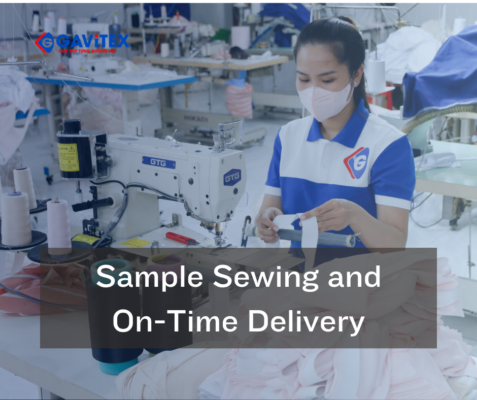
A reliable custom order apparel manufacturing project follows a disciplined rhythm: specification, sampling, material lock, pilot run, bulk production, inspection, and shipping. At Gavitex, the workflow starts with your tech pack (or an assisted spec build). Then the team confirms measurement points, construction, color standards, and trims. Next comes sample development—often progressing from proto to size set, then a pre-production (PP) sample. Once approvals are signed off, materials are bulk-ordered, and the production plan is scheduled to match your delivery window. A factory that treats these gates seriously will protect your timeline and reduce costly rework.
Key timing drivers (what speeds up—and what slows down)
Lead time depends on fabric availability, print/embroidery complexity, wash processes, and the number of sizes or colorways. When brands lock material decisions early, custom order apparel manufacturing can move fast: sampling becomes smoother, and bulk can run with minimal interruption. On the other hand, late changes—like switching a fabric weight after size set approval—can restart approvals and introduce new testing. The most efficient buyers build a “decision calendar” that marks deadlines for fabric selection, label approvals, packaging confirmation, and final shipment instructions.
What B2B buyers should prepare before requesting quotes
- Product category + target market (fashion, activewear, uniforms, kidswear, etc.).
- Quantity by size and color, plus any future replenishment plan.
- Fabric and trim preferences (or reference samples).
- Branding needs: woven labels, heat transfer, hangtags, polybags, carton marks.
- Quality expectations: tolerance, seam strength, pilling standards, color fastness, etc.
Practical note: If you’re missing a full tech pack, Gavitex can help convert references into production-ready specs—critical for smooth custom order apparel manufacturing.
Want to explore related solutions? See our service page for custom label apparel manufacturing and learn how labels and packaging are managed across different programs.
“`
3) Features, characteristics, and value for B2B buyers
“`
Feature set: customization that’s measurable, not vague
The best custom order apparel manufacturing programs are built on measurable specifications. Instead of “soft handfeel” or “premium quality” as abstract ideas, you define GSM/oz, fiber blend, shrinkage limit, stitching SPI, seam type, collar rib ratio, and acceptable tolerance in centimeters. Prints and embroidery are referenced by artwork files, stitch count, placement coordinates, and approved lab dips or strike-offs. Trims are standardized by supplier and part number. This turns subjective expectations into a repeatable system that a factory can execute—especially important when you scale beyond the first purchase order.
Business value: stability across seasons and replenishment
For many brands, the biggest value of custom order apparel manufacturing is consistency. A stable spec allows you to re-order your bestsellers with confidence: fit remains the same, colors match previous batches, and customers trust the product. That stability also supports better forecasting and fewer returns. In professional garment manufacturing, stable standards reduce defects and speed up inline decisions because operators and QC teams know the exact targets.
Strategic value: differentiation that customers can feel
Customization isn’t just logos. It’s how your product fits, how it drapes, how durable it is after washing, and how the details communicate your brand. With the right OEM clothing manufacturer, you can build signature details: specific topstitch patterns, custom neck tape, branded zipper pulls, sustainable packaging, or premium finishing like enzyme wash and silicone softener. This level of control is why custom clothing production remains the engine behind serious private label growth—especially for brands targeting repeat customers and long-term lifetime value.
What smart buyers measure during bulk
- Inline QC checkpoints aligned with your tolerance table.
- Fabric shade band control per colorway (lab dip / bulk shade approvals).
- Stitch balance, seam strength, and reinforcement at stress points.
- Packaging accuracy: labels, barcodes, polybag warnings, carton marks.
“`
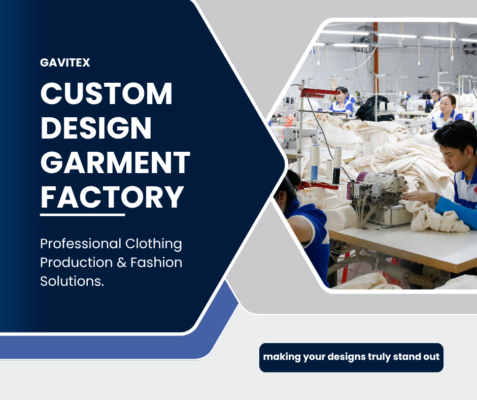
4) Market overview + a visual chart
“`
What today’s buyers prioritize
Across international sourcing, buyers are increasingly focused on predictable lead times, consistent QC systems, and flexible order planning. In custom order apparel manufacturing, the most common decision drivers are: (1) fabric and trim capability, (2) technical communication speed, (3) repeatability of fit and finishing, (4) transparency in QC and packaging, and (5) confidentiality for brand assets. This is why many brands shift from purely price-driven sourcing to long-term partner models with a dependable OEM clothing manufacturer.
A simple demand snapshot (illustrative)
Below is an illustrative chart that summarizes how B2B demand often distributes across major apparel sourcing models. The goal is not to represent any single country perfectly, but to help you compare where custom order apparel manufacturing fits among broader garment manufacturing options.
B2B Sourcing Demand (Illustrative Share)
Note: The above shares are illustrative to explain sourcing choices, not a statistical dataset.
Why this matters: If you need brand-specific fit and controlled finishing, custom orders typically outperform stock options on consistency—even when unit price is similar. That’s the core advantage of custom order apparel manufacturing.
“`
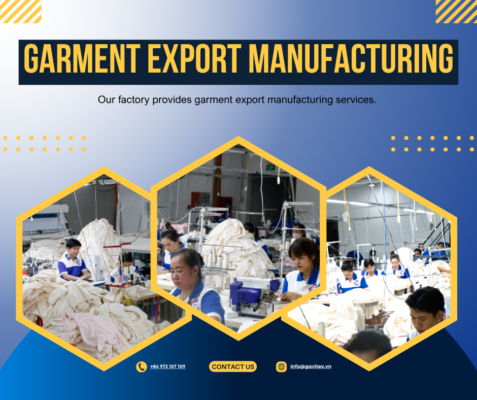
5) Transparent pricing: market vs. Gavitex advantage
“`
How pricing is typically built in apparel production
Pricing in custom order apparel manufacturing usually depends on fabric cost, trim and branding cost, labor minutes, complexity, and finishing (washing, printing, embroidery). MOQ, color count, and size range affect material utilization and productivity. A factory that runs disciplined clothing production lines can often reduce total cost by minimizing downtime, preventing rework, and optimizing cutting markers. That operational discipline is where you often see meaningful savings without sacrificing quality.
Illustrative price table (market baseline vs. Gavitex)
Guide only: These figures are illustrative market ranges for international B2B orders. Gavitex targets pricing approximately 35%–45% lower than typical market baselines for comparable specs through process efficiency and stable sourcing.
How to make quotes accurate (and avoid surprise costs)
For accurate custom order apparel manufacturing quotes, align early on fabric, trims, artwork methods (screen print vs. DTG vs. embroidery), packaging, and compliance requirements. Provide expected order frequency and any future color expansions—factories can plan sourcing and production slots more efficiently. If you’re launching a line, consider starting with a focused assortment (fewer fabrics, fewer trims) so you can scale faster after market validation.
“`
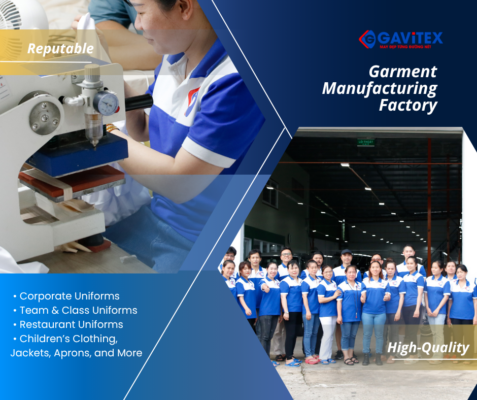
6) Comparison: custom order vs. off-the-shelf bulk production
“`
What “off-the-shelf bulk production” looks like
An alternative model many buyers consider is purchasing generic blanks or near-generic stock styles, then adding light branding. This can be fast for simple needs, but the tradeoff is limited control. Fabric options are restricted to what the supplier already holds, sizing may not match your target customers, and changes to finishing or construction are often impossible. While that model can be useful for low-risk testing, it’s typically not designed for long-term brand differentiation.
Why custom order apparel manufacturing wins on brand integrity
For brands that care about fit and repeat customer experience, custom order apparel manufacturing is the more strategic choice. You control pattern blocks, grading rules, and tolerance tables. You can engineer durability into stress points, specify the exact fabric blend, and define how the garment should feel after wash. When customers re-order, they receive the same product experience—something generic stock cannot reliably guarantee. In a competitive market, that consistency becomes a brand asset.
A simple “when to use which” guide
- Use stock/generic: for quick event merch, one-time campaigns, or ultra-fast tests with minimal spec needs.
- Use custom order apparel manufacturing: for scalable programs, private label growth, or any product where fit and finishing affect repeat sales.
- Hybrid approach: start with a simplified spec, then evolve into full garment manufacturing customization after validation.
If your goal is long-term brand ownership, explore our dedicated page for custom order apparel manufacturing to see how Gavitex structures custom programs.
“`
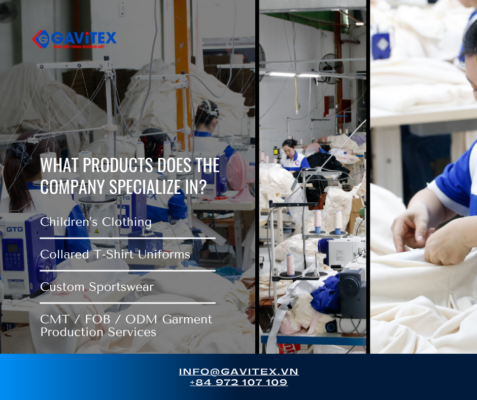
7) Gavitex capabilities: scale, technology, and workflow
“`
Production capability designed for B2B repeatability
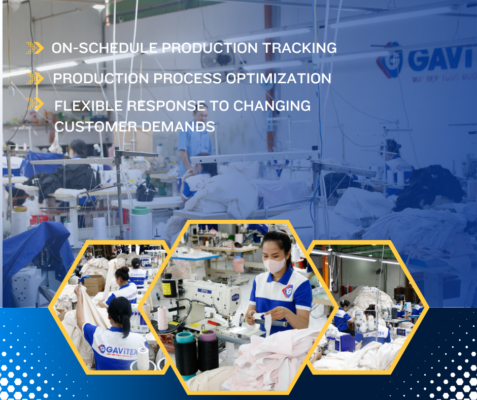
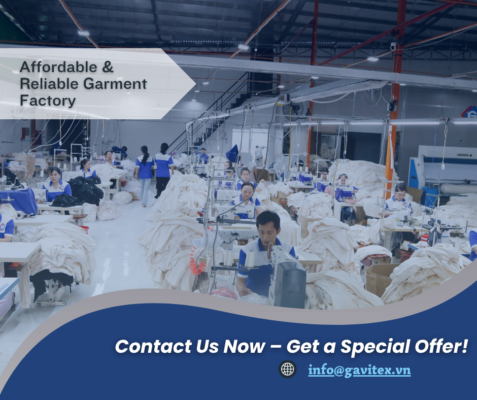
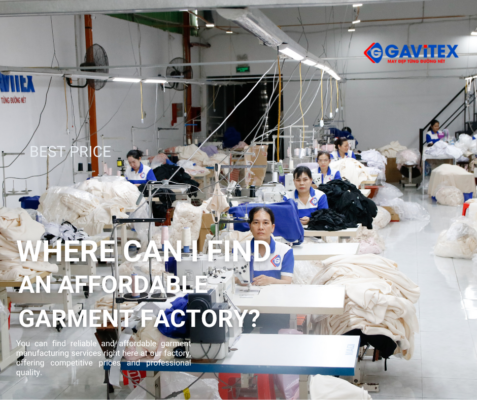
Gavitex supports custom order apparel manufacturing for brands, wholesalers, and retailers that need stable quality at scale. The production setup is built around structured clothing production lines with clear SOPs, operator training, and quality checkpoints. This approach reduces variation between shifts and supports consistent output across multiple purchase orders. Whether you’re producing basics or more complex cut & sew items, the goal is predictable execution: correct measurements, clean finishing, and reliable packaging accuracy.
Technology, QC systems, and continuous improvement
In modern garment manufacturing, efficiency is not just about speed—it’s about preventing defects. Gavitex applies inline QC routines, measurement controls, and consistent material checks to reduce rework. For customers, this means fewer surprises during inspection and more reliable delivery planning. When your spec is clear, Gavitex can optimize production flow—balancing operations on the line, reducing bottlenecks, and maintaining output consistency across colorways and sizes. This operational discipline is exactly what serious custom clothing production programs need.
End-to-end support: sourcing, branding, and packaging
A true OEM clothing manufacturer must coordinate more than sewing. Gavitex supports fabric and trim sourcing, labeling, hangtags, and packaging configuration—so your product arrives retail-ready. If you run private label apparel, you can align brand identity across labels, wash care, polybags, and cartons. The team can also help ensure consistency across SKUs, so your brand presentation looks intentional and professional.
Operational strengths that matter in bulk
- Balanced line planning to stabilize output and reduce delays.
- Standard QC gates for measurements, stitching, appearance, and packaging.
- Material and shade control routines to reduce color variation risk.
- Clear documentation to support repeat custom order apparel manufacturing runs.
“`
8) Legal protection & brand confidentiality
“`
Contracts that protect scope, quality, and delivery
For international buyers, the legal foundation of custom order apparel manufacturing matters as much as the sewing quality. A clear contract (or purchase agreement) should define product specs, acceptable tolerances, packaging requirements, delivery terms, payment milestones, and dispute processes. It should also clarify responsibilities for material sourcing, testing, and inspection. When both sides agree on measurable standards, the production relationship becomes smoother: fewer misunderstandings, faster approvals, and more predictable deliveries.
NDA and information handling: designs, patterns, and tech packs
Brand assets are valuable: patterns, grading rules, artwork, labels, packaging designs, and product concepts. A practical NDA (non-disclosure agreement) helps formalize confidentiality and reduces risk when sharing files. In a secure custom order apparel manufacturing workflow, access to sensitive information is controlled: only relevant teams receive the latest approved files, and old versions are archived or removed from active production spaces. This is especially important when you’re developing signature fits or launching new collections ahead of competitors.
Brand protection practices that serious factories apply
Beyond contracts, brand protection is operational. Good factories label and separate customer materials, manage sample handling, and prevent uncontrolled distribution of branded trims. For private label apparel, packaging and labels should be stored securely and only used for approved orders. If you’re working with an OEM clothing manufacturer for repeated seasons, these routines become part of long-term trust. Gavitex prioritizes disciplined documentation and controlled handling of brand elements, supporting buyers who need confidentiality across multiple custom order apparel manufacturing programs.
What to ask before signing
- How are patterns, artwork, and tech packs stored and version-controlled?
- Can the factory sign an NDA and confirm access limitations?
- How are branded trims and packaging controlled and audited?
- What is the agreed process for claims and corrective actions?
“`
9) Five reasons international brands choose Gavitex
“`
1) A production mindset built for repeat orders
Many factories can make one good sample. The real test is repeatability—can the factory reproduce the same product across seasons and replenishment cycles? Gavitex focuses on documentation and disciplined execution so that custom order apparel manufacturing becomes repeatable, not dependent on luck. From measurement checks to packaging routines, stable systems help maintain consistency as you scale.
2) Efficient clothing production lines that reduce cost without cutting corners
Lower cost is only helpful when quality remains stable. Gavitex targets cost reduction through operational efficiency: balanced line planning, clearer standard work, and prevention of rework. This approach often allows brands to achieve competitive pricing in custom order apparel manufacturing while preserving the details that customers feel—fit, finish, durability, and brand presentation.
3) Practical development support for B2B buyers
Not every brand team has a full technical department. If you have references but not perfect documentation, Gavitex can help convert ideas into manufacturing-ready specs, improving the chance that bulk matches the approved sample. That practical support strengthens long-term custom clothing production outcomes and reduces the trial-and-error costs many brands face early on.
4) Brand-ready packaging and private label apparel execution
A strong product can still fail if it arrives poorly presented. Gavitex supports brand-ready packing: labels, hangtags, folding, polybags, carton marks, and SKU separation. For private label apparel and retail programs, these details protect your customer experience and reduce costly warehouse issues. It’s a key reason buyers prefer an integrated OEM clothing manufacturer for end-to-end delivery.
5) Clear communication and protection of brand assets
International sourcing succeeds when communication is structured. Gavitex emphasizes clear confirmations on specs, materials, approvals, and shipping instructions. Combined with confidentiality routines and optional NDA support, this helps brands feel safer sharing sensitive designs. In custom order apparel manufacturing, trust is an asset—and disciplined communication builds it.
Bonus: If you also need community or sourcing insights for private label apparel and apparel business, you can explore private label apparel resources that many B2B teams find helpful.
“`
10) Contact Gavitex / Get a quote
“`
What to send for a fast and accurate quotation
To receive an accurate quote for custom order apparel manufacturing, send your product references and the most important targets: material preference (or sample), size range, quantity by color, branding methods, packaging needs, and delivery window. If you have a tech pack, share it; if not, share photos, competitor references, and key measurements. The clearer the input, the faster the factory can confirm feasibility, pricing, and timeline.
How Gavitex supports you from first sample to repeat orders
Gavitex is built to support B2B programs that grow: first samples, pilot runs, then stable bulk. The team aligns on approvals and checkpoints so your bulk matches your expectations and your delivery plan stays realistic. If your strategy includes repeat replenishment, Gavitex helps maintain consistency through documented standards and controlled execution—core requirements for dependable custom order apparel manufacturing.
Let’s build your next production run
For stable quality, realistic lead times, and professional support in custom order apparel manufacturing, contact Gavitex. Hotline: 0972107109.
“`
FAQ
“`
What is the typical MOQ for custom orders?
How do I ensure bulk matches the approved sample?
Can Gavitex support private label and branded packaging?
What is the best way to share designs safely with a manufacturer?
How fast can I get a quote and a first sample?
“`