Cutting and Sewing Operations for Reliable Apparel Production
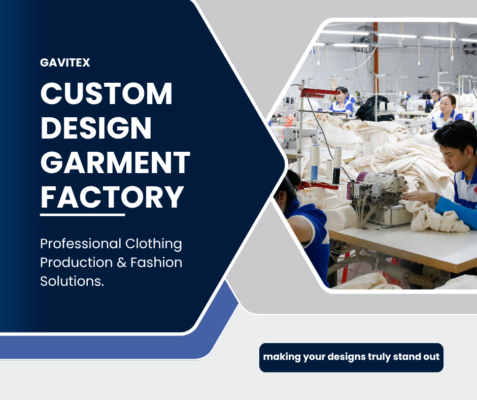
Behind every successful apparel collection is a disciplined system of cutting and sewing operations. From marker efficiency and fabric control to line balancing and final inspection, these processes turn design ideas into consistent, sale-ready garments. This guide explains how Gavitex structures cutting and sewing operations so global brands, retailers, and labels can grow with confidence.
Need to stabilise your production? Share your styles and current challenges and we will map out how optimized cutting and sewing operations can improve cost, quality, and delivery.
1. Overview: what cutting and sewing operations cover
“`
From fabric to finished garment: a connected chain
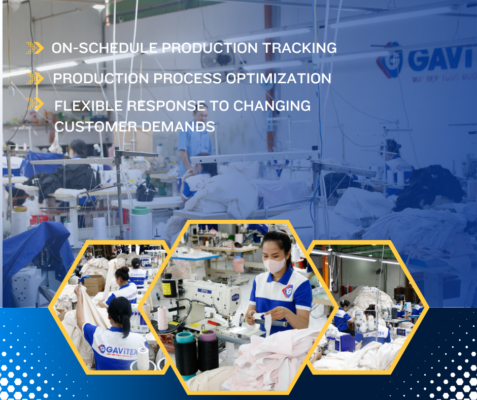
In modern garment manufacturing, cutting and sewing operations are the heart of the factory floor. Cutting transforms fabric into precise pattern pieces; sewing stitches those pieces into garments that match your fit standards. Around these two stages exist supporting tasks: spreading, marking, bundling, in-line inspection, pressing, and packing. When all of these elements work together as a system, you get predictable quality and lead times. When they are fragmented, you see fabric waste, rework, and missed deadlines.
What “cutting and sewing operations” include in practice
In a practical sense, cutting and sewing operations cover marker planning, fabric spreading, cutting (manual, straight knife, or automated), bundle creation, ticketing, line loading, operation breakdown, workstation setup, inline quality checks, final inspection, and finishing. On well-designed clothing production lines, each operator knows exactly which operations they own and what quality criteria they must respect. The goal is not only to complete pieces but to do so with minimal defects and smooth flow across the line.
Where Gavitex fits in global supply chains
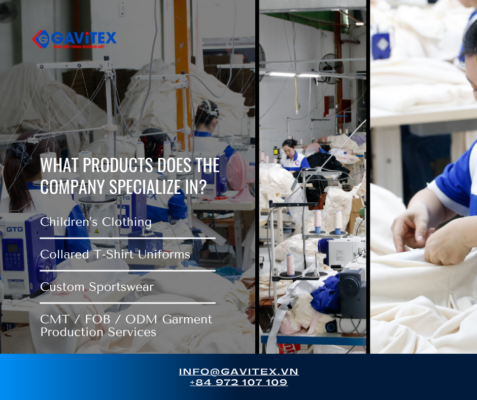
Gavitex is an experienced OEM clothing manufacturer in Vietnam that understands how international brands think about product consistency and timelines. Instead of treating cutting and sewing operations as a black box, Gavitex opens the process to structured planning, clear approvals, and transparent communication. This is especially valuable for buyers managing private label apparel programs that must remain consistent across seasons and regions.
Key idea: quality and cost are decided long before the first stitch is sewn. The way you design and control cutting and sewing operations is one of the most important strategic levers in your supply chain.
For brands looking specifically at Vietnam, see how Gavitex structures cut-and-sew services on the cut and sew manufacturing page before planning your next season.
“`
2. Features, characteristics, and value for apparel brands
“`
Technical features of cutting operations
The cutting stage determines how efficiently you use fabric and how accurately pattern shapes are transferred. Effective cutting and sewing operations begin with well-prepared markers, correct fabric spreading methods (single ply, multiple layers, relaxed or tensioned based on fabric type), and calibrated cutting equipment. For knitted fabrics, lay planning must account for shrinkage; for wovens, pattern matching and grain direction must be controlled. When this step is managed well, you reduce waste and avoid problems that show up much later in sewing and fitting.
Characteristics of high-performing sewing lines
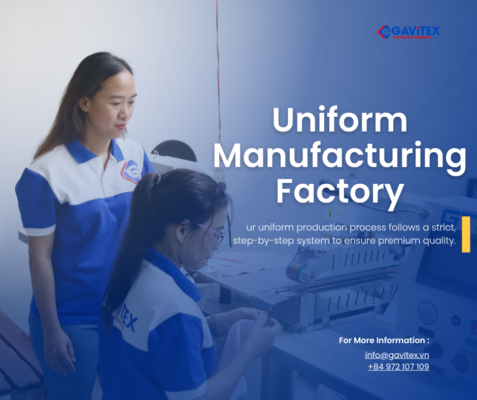
On the sewing side, effective cutting and sewing operations translate into a clear operation breakdown, logical sequence of machines, balanced workloads, and well-defined quality checkpoints. Skilled supervisors and industrial engineers map operations to each station, ensuring that sewing minutes are used efficiently. On well-structured clothing production lines, operators can focus on repeatable motions with correct seam specifications, which leads to consistent quality and fewer adjustments. This is critical for custom clothing production, where small variations can damage a brand’s reputation.
Business value for brands and retailers
When cutting and sewing operations are executed with discipline, brands enjoy lower fabric consumption, fewer reworks, predictable lead times, and more stable fit. That translates into better pricing, healthier margins, and fewer returns. Retailers get shelves filled on time; e-commerce channels meet launch dates; customers experience consistent sizing between repeats. For B2B buyers, this is often more important than chasing the lowest possible labour rate, because it protects long-term customer loyalty and brand perception.
Summary of value
- Better fabric yield and cost control.
- More consistent fit and appearance in private label apparel.
- More reliable lead times for seasonal launches.
- Easier scaling from test orders to bulk programs.
In short, strong cutting and sewing operations turn your supply chain into a repeatable system instead of a series of one-off projects.
“`
3. Comparison: cutting and sewing operations vs automation-focused models
“`
The rise of automation and modular production
In recent years, more factories have introduced modular production and higher levels of automation—such as automatic cutting machines, sewing aids, or semi-automated feeding systems. These technologies can be powerful, but they are not a replacement for well-designed cutting and sewing operations. Instead, they sit on top of basic disciplines: clear markers, verified patterns, documented operations, and trained operators who understand their tasks.
Classic cutting and sewing vs highly automated lines
In a classic setup, cutting and sewing operations combine experienced cutters and sewers with straightforward equipment. Automation-focused models, by contrast, rely on higher capital investment, detailed digital data, and tight calibration. For some products, such as simple T-shirts or certain sportswear basics, automation can offer strong productivity gains. For other categories, including complex fashion pieces, delicate fabrics, or low-volume runs, traditional methods—when organised well—can be more flexible and cost-effective. The choice is not binary; many factories, including Gavitex, use a mix of conventional and automated solutions where they make the most sense.
How brands should think about the trade-offs
For brands and retailers, the real question is not “manual vs automated” but “which system delivers the best balance of cost, flexibility, and reliability?” High automation makes sense when styles are stable, volumes are high, and product specifications change slowly. Traditional cutting and sewing operations remain very attractive for brands with evolving collections, varied fabric types, and frequent style refreshes. Gavitex helps buyers choose the right mix: using technology to support, not replace, solid production fundamentals.
Practical comparison
- Traditional cutting and sewing operations shine in flexibility and lower upfront investment.
- Automation-focused setups excel in long runs of stable products with predictable demand.
- Hybrid models combine manual skill with targeted automation for optimal performance.
Gavitex typically steers international buyers toward a hybrid approach, leveraging both strengths to support long-term sourcing strategies.
“`
4. Market snapshot: colourful bar chart of production approaches
“`
How factories and brands mix production approaches
Around the world, manufacturers blend traditional cutting and sewing operations with modular production cells and varying levels of automation. The mix depends on product category, labour markets, and brand expectations. The following chart is an illustrative view used to support planning, not a strict global statistic, but it helps sourcing teams visualise how capacity is often configured.
Illustrative chart: distribution of production styles
Production Style Mix (Illustrative Share)
These shares are illustrative and show how central cutting and sewing operations remain, even as technology grows.
Takeaway for sourcing teams: technology is important, but the real foundation is a stable system of cutting and sewing operations. Brands should evaluate factories on both their methods and their mindset when designing capacity.
“`
5. Pricing table: market baselines vs Gavitex
“`
How process quality influences cost
When buyers think about cost, they often focus on unit price alone. But from the factory floor perspective, strong cutting and sewing operations lower cost by improving fabric utilisation, reducing rework, and stabilising throughput. This is how Gavitex can offer competitive pricing—often 35%–45% below typical market baselines for comparable quality—without sacrificing workmanship. The table below uses indicative numbers to show how this advantage can appear across product types.
Illustrative price table (market vs Gavitex)
Note: Values below are indicative and used for comparison. Actual pricing for cutting and sewing operations depends on fabric, construction, and order size.
Fabric and trims are priced separately depending on sourcing model.
Using these numbers in your planning
Instead of treating price as a mystery, brands can use process-based quotes to align cost, quality, and speed. When you see how cutting and sewing operations are constructed—operation by operation—you can better understand why some factories are more competitive and more reliable than others.
“`
6. Gavitex capabilities in cutting and sewing operations
“`
Production scale and line configuration
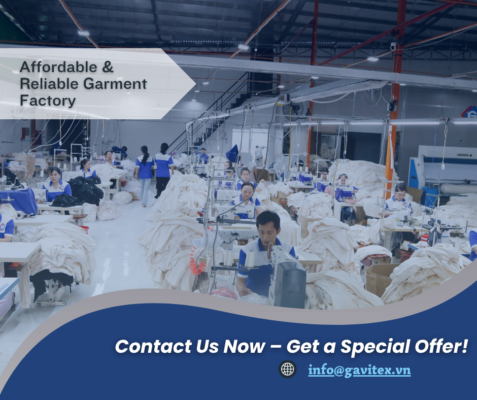
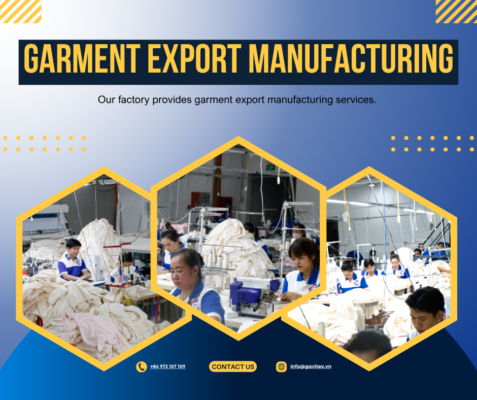
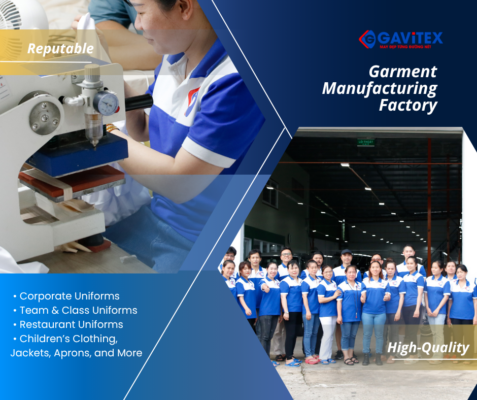
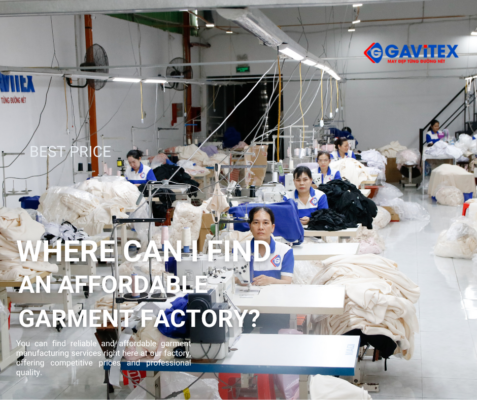
Gavitex structures cutting and sewing operations based on product type and order size. Basic styles may run on high-efficiency lines; more complex fashion items may use flexible layouts. Each line is designed with clear operation breakdowns and realistic targets. This allows Gavitex to manage both stable basics and evolving fashion items, supporting brands that want to grow multi-channel programs without splitting their supply base.
Technology supporting daily operations
From pattern and marker software to structured work instructions, technology at Gavitex serves real cutting and sewing operations instead of being a showcase. The focus is on practical gains: better marker efficiency, more consistent patterns, and clearer communication to line leaders. These tools support custom clothing production where repeatability, not just creativity, determines profit and brand satisfaction.
Support for branding and packaging
For private label apparel and brand programs, Gavitex integrates labels, trims, and packaging rules into the same system that drives cutting and sewing operations. That means label positions, fold types, polybag sizes, and carton markings are handled by people who understand both brand requirements and practical constraints on the floor. This integration helps shipments arrive warehouse-ready with fewer surprises.
What you can expect when working with Gavitex
- Structured sampling and clear approvals before bulk.
- Transparent line planning with communicated capacities.
- Robust QC across cutting and sewing operations.
- Documentation for style repeats and long-term growth.
These capabilities give buyers confidence that their production will be reliable from season to season.
For a deeper look at how Gavitex organises these processes, visit the cutting and sewing operations page.
“`
7. Legal and brand protection in production
“`
Contracts that reflect real responsibilities
Legal structure should mirror how cutting and sewing operations actually work. Contracts with Gavitex define who supplies which materials, how quality is measured, what tolerances apply, and how timelines and responsibilities are shared. This provides clarity for both sides if something changes—such as fabric availability or last-minute style adjustments. The goal is to avoid surprises by putting expectations in writing from the start.
NDA and confidentiality for technical documents
Brands share sensitive information when they start production: tech packs, patterns, measurement rules, label artwork, marketing slogans, and sometimes proprietary fabric information. NDAs (non-disclosure agreements) support the legal side, while internal controls manage the operational side. At Gavitex, these documents are treated as confidential assets, and access is limited to staff who need them to run cutting and sewing operations. This protects both your intellectual property and your competitive advantage.
Brand integrity during daily operations
Protection also extends to how garments are handled on the floor. Clear labelling, separated storage for customer-specific trims, and documented handling of rejected items all contribute to brand safety. For private label apparel, maintaining this discipline means customers never see mix-ups between brands or styles. Gavitex’s focus on controlled cutting and sewing operations reduces the risk of such errors and supports long-term trust.
Checklist for safe partnerships
- Clear contracts defining quality, timelines, and responsibilities.
- NDA or equivalent confidentiality commitment.
- Operational controls around documents and labels.
- Agreed procedures if unexpected issues arise.
These elements help ensure your cutting and sewing operations support brand growth instead of creating risk.
“`
8. Five reasons to choose Gavitex
“`
1) Deep understanding of cutting and sewing operations
Gavitex combines technical know-how with practical experience across many product types. Instead of looking only at hourly labour rates, the team studies each style’s cutting and sewing operations, designs appropriate lines, and builds realistic plans. This results in fewer surprises and more reliable bulk performance.
2) Flexible support for different sourcing models
Some buyers want full package; others prefer to supply key materials. Gavitex’s systems allow both, and the underlying cutting and sewing operations adapt accordingly. This flexibility gives brands room to change strategies as they grow without rebuilding their supplier base from scratch.
3) Cost optimisation through process, not shortcuts
Because fabric is often the biggest cost, controlling marker efficiency and reducing rework is more powerful than simply negotiating lower labour rates. Gavitex focuses on the real drivers of cost inside cutting and sewing operations, aligning price competitiveness with quality stability. This mindset supports healthy margins for buyers while respecting the work on the factory floor.
4) Strong support for brand-building details
Labels, trims, packaging standards, and presentation rules are fully integrated into daily routines. For private label apparel, that means shipments arrive ready for warehouses and stores, not needing major rework. This integration is part of how Gavitex thinks about cutting and sewing operations: not just as mechanical tasks, but as the engine of brand experience.
5) Partnership mindset and clear communication
Gavitex approaches projects as long-term partnerships, not single orders. That means honest discussion about capacities, lead times, and risk management. When your collections evolve, Gavitex can adjust line layouts and processes so your cutting and sewing operations remain aligned with demand. For strategy, market insights, and complementary tools, many teams also refer to resources like private label apparel resources to shape their growth plans.
“`
9. Contact Gavitex / Get a quote
“`
Information that speeds up your quotation
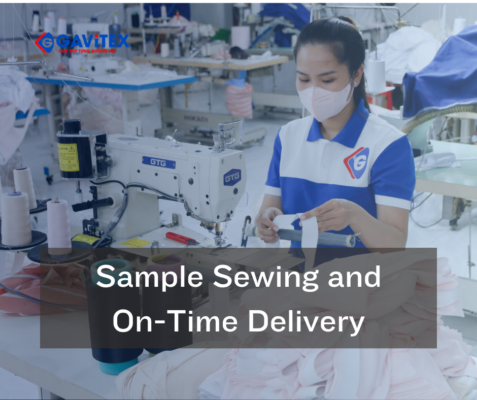
To prepare a realistic plan for your cutting and sewing operations, Gavitex will ask for style sketches or tech packs, approximate quantities by style and colour, preferred or existing fabrics, size breakdowns, and your target delivery window. If you already have reference samples, sharing them helps the team estimate operation times and suggest the best line configuration.
Building a roadmap, not just a price quote
Beyond the numbers, Gavitex focuses on building a roadmap: sampling stages, fit confirmation, pilot runs if needed, and bulk shipments. When you understand how your cutting and sewing operations will look during each step, planning product drops and marketing campaigns becomes much more reliable.
Let’s optimise your cutting and sewing operations
For clear guidance, realistic timelines, and competitive pricing on cutting and sewing operations, contact Gavitex today. Hotline: 0972107109.
“`
FAQ
“`
Why are cutting and sewing operations so important for my brand?
How can I tell if a factory has strong cutting and sewing operations?
Can Gavitex work with my existing fabric suppliers?
How do cutting and sewing operations affect lead time?
Can I start with small orders and scale up later?
“`