Here’s a draft opening paragraph designed to be SEO-friendly and engaging for a target audience focused on practical information about garment manufacturing.
The landscape of Export-Standard Garment Manufacturing is constantly evolving, demanding that businesses stay informed and adapt to maintain competitiveness and profitability in 2025. This article, categorized under Garment Processing, provides a comprehensive overview of key aspects including quality control processes, supply chain management strategies, and compliance with international regulations for export. You’ll gain actionable insights on optimizing your production workflow, reducing manufacturing costs, and ensuring your products meet the stringent requirements of global markets, ultimately enhancing the efficiency and success of your gavitex garment company export operations.
Understanding Export-Standard Garment Manufacturing: A Comprehensive Overview
Export-standard garment manufacturing signifies a sophisticated and meticulous process, ensuring clothing products meet stringent international requirements for quality, safety, and ethical production. This encompasses every stage, from sourcing raw materials to the final packaging, aiming to deliver superior garments that comply with global trade regulations and consumer expectations. The industry goes beyond simply producing clothes; it’s about establishing a reputation for reliability and consistency in the global marketplace.
The core of export-standard garment manufacturing rests on several key pillars. It encompasses rigorous quality control at every stage of production. It prioritizes ethical and sustainable practices to minimize environmental impact and ensure fair treatment of workers. Efficient supply chain management is vital for optimizing costs and delivery times. Finally, it includes navigating the complex landscape of international trade regulations and compliance standards.
From raw material inspection to final product packaging, factories specializing in export-standard garment manufacturing implement meticulous quality control procedures. This involves detailed testing of fabrics for durability, colorfastness, and other performance characteristics, alongside careful monitoring of the production process to minimize defects and ensure consistent sizing and construction. For example, a company like Gavitex Garment Company might utilize AQL (Acceptable Quality Limit) standards to determine acceptable defect rates during production, thereby minimizing returns and maintaining customer satisfaction.
The journey toward achieving export-standard garment manufacturing also involves a deep commitment to ethical and socially responsible practices. Factories must adhere to international labor standards, ensuring fair wages, safe working conditions, and prohibiting child labor. Moreover, sustainability is an increasingly important consideration, with factories adopting eco-friendly materials, reducing waste, and minimizing their environmental footprint. This focus on ethical and sustainable production is not just a matter of compliance; it’s a crucial factor in building a positive brand image and attracting conscientious consumers.
Successfully navigating the landscape of export-standard garment manufacturing demands a strategic approach to cost optimization. Embracing lean manufacturing principles is critical for streamlining production processes, eliminating waste, and improving efficiency. This involves techniques such as value stream mapping, Kaizen (continuous improvement), and 5S methodology to create a more productive and cost-effective operation. Effective supply chain management is also crucial, ensuring timely delivery of raw materials, minimizing inventory costs, and optimizing transportation logistics.
Key Regulations and Compliance in Export Garment Production
Navigating the landscape of export garment production requires a deep understanding of key regulations and compliance. Meeting these requirements is not just about avoiding penalties; it’s fundamental to building trust with buyers, ensuring ethical sourcing, and maintaining a competitive edge in the global market. This section will delve into the crucial regulatory aspects that garment manufacturers must adhere to for successful and sustainable export operations.
Adherence to global and local regulations forms the bedrock of export-standard garment manufacturing. These regulations encompass a broad spectrum, from labor laws and environmental standards to trade agreements and product safety. Failure to comply can result in severe consequences, including fines, shipment delays, and reputational damage, ultimately impacting a company’s bottom line and long-term viability. For instance, the REACH regulation in the EU restricts the use of certain chemicals in textile production, while the California Proposition 65 mandates warnings on products containing chemicals known to cause cancer or reproductive harm.
Global Regulatory Bodies and Standards
Several international organizations set standards and guidelines that significantly influence garment export. The World Trade Organization (WTO) plays a vital role in regulating international trade, while organizations like the International Labour Organization (ILO) establish labor standards and promote fair employment practices. The International Organization for Standardization (ISO) develops and publishes various standards related to quality management, environmental management, and social responsibility. Meeting the requirements of these bodies helps Gavitex Garment Company ensure its products and processes align with globally recognized benchmarks.
Country-Specific Regulations and Trade Agreements
Beyond global standards, manufacturers must navigate the intricate web of country-specific regulations. These regulations vary widely and encompass aspects such as import duties, quotas, labeling requirements, and product safety standards. Furthermore, understanding trade agreements like the North American Free Trade Agreement (NAFTA) or the Comprehensive and Progressive Agreement for Trans-Pacific Partnership (CPTPP) is crucial for optimizing trade benefits and complying with preferential tariffs. For example, exporting garments to the US market necessitates compliance with the Textile Fiber Products Identification Act (TFPIA), which mandates accurate labeling of fiber content and country of origin.
Ethical and Social Compliance
Increasingly, buyers and consumers are demanding ethical and socially responsible garment production. This extends beyond legal compliance to encompass fair labor practices, safe working conditions, and environmental stewardship. Ethical compliance includes adhering to principles such as paying fair wages, prohibiting child labor and forced labor, and providing a safe and healthy workplace. Social compliance audits, often conducted by third-party organizations like Sedex or WRAP (Worldwide Responsible Accredited Production), assess factories’ adherence to these ethical and social standards. Building a reputation for ethical and social compliance enhances a company’s brand image and attracts discerning customers.
Quality Control Processes in Export-Oriented Garment Factories
In export-oriented garment factories, rigorous quality control processes are paramount to ensuring customer satisfaction, maintaining brand reputation, and complying with international standards for export-standard garment manufacturing. These processes encompass a series of inspections and tests performed throughout the entire production cycle, from raw material sourcing to final packaging, directly impacting the quality and competitiveness of the finished garments. Effective quality control not only minimizes defects but also enhances production efficiency and reduces waste, contributing to the overall profitability of the garment manufacturing business.
Raw Material Inspection and Testing
The initial stage of quality control involves meticulous raw material inspection and testing. This critical step ensures that all incoming materials, including fabrics, yarns, buttons, zippers, and other accessories, meet the required specifications and quality standards. Gavitex Garment Company meticulously examines fabric for defects such as color variations, weaving flaws, and stains, utilizing standardized testing methods to assess tensile strength, colorfastness, and shrinkage. For instance, fabric samples undergo wash tests to determine color bleeding and dimensional stability after washing. Accessories like buttons and zippers are checked for durability, functionality, and compliance with safety regulations, preventing potential hazards in the final product.
In-Process Quality Checks
During the garment production process, in-process quality checks are implemented at various stages to identify and rectify defects early on. These checks typically involve inspections after cutting, sewing, and finishing operations. At the cutting stage, patterns are verified against specifications, and cut pieces are inspected for accuracy and any fabric flaws that may have been missed during initial inspection. During sewing, inspectors examine seam quality, stitching accuracy, and overall construction to ensure garments adhere to design specifications. Furthermore, issues like uneven seams, skipped stitches, and incorrect button placement are immediately addressed. According to industry reports, implementing effective in-process quality checks can reduce defect rates by up to 20%.
Final Inspection and Packaging
The final stage of quality control involves a comprehensive final inspection and packaging process. Each garment undergoes a thorough examination to ensure it meets all quality criteria before being packaged for shipment. This includes checking for any remaining defects, such as loose threads, stains, or misaligned components. Measurements are verified against the size chart, and the overall appearance of the garment is assessed. Defective garments are either reworked or rejected to maintain the highest quality standards. Once approved, garments are carefully folded, tagged, and packaged according to customer specifications, safeguarding them from damage during transportation. Proper packaging not only protects the garments but also enhances their presentation, reflecting the Gavitex Garment Company’s commitment to delivering superior products.

Cost Optimization Strategies in Export Garment Manufacturing
In the competitive landscape of export-standard garment manufacturing, implementing effective cost optimization strategies is paramount for maintaining profitability and achieving sustainable growth. These strategies are not merely about cutting corners but involve a holistic approach to streamlining operations, enhancing efficiency, and maximizing resource utilization throughout the entire garment production lifecycle. By carefully examining each stage, from raw material sourcing to final product delivery, garment manufacturers like Gavitex Garment Company can identify opportunities to reduce expenses, improve productivity, and ultimately strengthen their competitive edge in the global market.
One of the foundational pillars of cost optimization lies in adopting lean manufacturing principles. This methodology focuses on minimizing waste in all its forms – defects, overproduction, waiting, non-utilized talent, transportation, inventory, motion, and extra-processing – thereby enhancing efficiency and reducing unnecessary costs. For instance, implementing a just-in-time (JIT) inventory system can minimize storage costs and reduce the risk of obsolescence, while 5S methodology (Sort, Set in order, Shine, Standardize, Sustain) can optimize workspace organization, leading to improved productivity and reduced material handling time.
Supply chain management and optimization represent another crucial area for cost reduction. Building strong relationships with reliable suppliers, negotiating favorable pricing agreements, and implementing efficient logistics solutions can significantly impact the overall cost structure. Specifically, exploring alternative sourcing options, consolidating orders to leverage volume discounts, and utilizing technology to track and manage inventory levels can lead to substantial savings. Furthermore, implementing a Vendor Managed Inventory (VMI) system could shift the burden of inventory management to suppliers, freeing up resources and reducing carrying costs for the manufacturer.
Investing in automation and technological advancements is an increasingly important strategy for achieving long-term cost savings. While the initial investment may be significant, automation can lead to increased production speed, reduced labor costs, and improved accuracy, ultimately resulting in a lower cost per unit. Consider, for example, the implementation of automated cutting machines, which can significantly reduce fabric waste compared to manual cutting methods. Similarly, investing in computerized sewing machines can improve sewing accuracy and reduce the need for rework, leading to both cost savings and improved product quality.
Sustainable Practices in Export Garment Production
In the realm of export-standard garment manufacturing, adopting sustainable practices is no longer a mere trend but a crucial imperative for businesses aiming to thrive in a global market increasingly conscious of environmental and social responsibility. This section delves into the multifaceted nature of sustainability within the garment industry, focusing on practical strategies and initiatives that manufacturers like Gavitex Garment Company can implement to minimize their environmental impact, uphold ethical labor standards, and enhance long-term resilience. We will examine how these practices not only benefit the planet and its people but also contribute to enhanced brand reputation and a competitive edge in the international arena.
One of the cornerstones of sustainable garment production lies in the utilization of eco-friendly materials and production processes. This involves transitioning away from conventional materials like cotton grown with heavy pesticide use and synthetic fibers derived from fossil fuels, towards alternatives such as organic cotton, recycled polyester, linen, hemp, and innovative bio-based fabrics like Tencel and Modal. Beyond material selection, sustainable production also encompasses water conservation techniques like dyeing with low-impact dyes and implementing closed-loop water recycling systems. Gavitex Garment Company can reduce its environmental footprint and align with the growing consumer demand for eco-conscious apparel by investing in these sustainable material alternatives and cleaner production technologies.
Waste reduction and recycling initiatives form another vital pillar of sustainable garment manufacturing. The traditional garment industry generates significant waste throughout the supply chain, from fabric scraps during cutting to discarded garments at the end of their lifecycle. Implementing lean manufacturing principles, optimizing cutting patterns to minimize fabric waste, and establishing recycling programs for textile scraps can substantially reduce waste generation. Gavitex Garment Company can explore opportunities to partner with recycling facilities to transform textile waste into new fibers or materials, promoting a circular economy model and reducing reliance on virgin resources. Furthermore, designing garments for durability and easy repair extends their lifespan, decreasing the need for frequent replacements.
Ensuring fair labor practices and worker welfare is an indispensable component of sustainable garment production. This involves upholding ethical labor standards throughout the supply chain, guaranteeing safe working conditions, providing fair wages, promoting worker empowerment, and respecting human rights. Gavitex Garment Company must implement rigorous social compliance audits to ensure that its factories and suppliers adhere to international labor standards, such as those established by the International Labour Organization (ILO). Investing in worker training and development, promoting open communication, and establishing grievance mechanisms can foster a positive work environment and contribute to worker well-being.

Technology and Innovation Driving Export Garment Manufacturing
Technology and innovation are rapidly reshaping export garment manufacturing, providing unprecedented opportunities for enhanced efficiency, optimized production processes, and improved product quality. The integration of advanced technologies allows garment manufacturers to streamline operations, reduce costs, and respond more effectively to evolving market demands, ultimately solidifying their position in the competitive global landscape of export-standard garment manufacturing. From automation and robotics to 3D printing and digital supply chain management, these innovations are fundamentally changing how garments are designed, produced, and delivered to consumers worldwide.
Automation and robotics are revolutionizing garment production lines. By automating repetitive tasks such as cutting, sewing, and material handling, garment factories can significantly reduce labor costs and increase production speed. For instance, automated cutting machines utilize advanced software to optimize fabric usage and minimize waste, while robotic sewing systems ensure consistent stitch quality and reduce the risk of errors.
3D printing and prototyping are transforming the design and development phases of garment manufacturing. Designers can now create and visualize prototypes more quickly and cost-effectively using 3D printing technology. This allows for faster iteration, reduced lead times, and improved customization options, enabling garment manufacturers to respond more rapidly to changing fashion trends and customer preferences.
Digital supply chain management is another key area of technological advancement in export garment manufacturing. By implementing digital platforms and data analytics tools, companies like Gavitex Garment Company can gain real-time visibility into their entire supply chain, from raw material sourcing to final product delivery. This enhanced transparency enables better inventory management, improved coordination with suppliers, and more efficient logistics, ultimately leading to reduced costs and improved customer satisfaction.
Navigating the Challenges of Export Garment Manufacturing
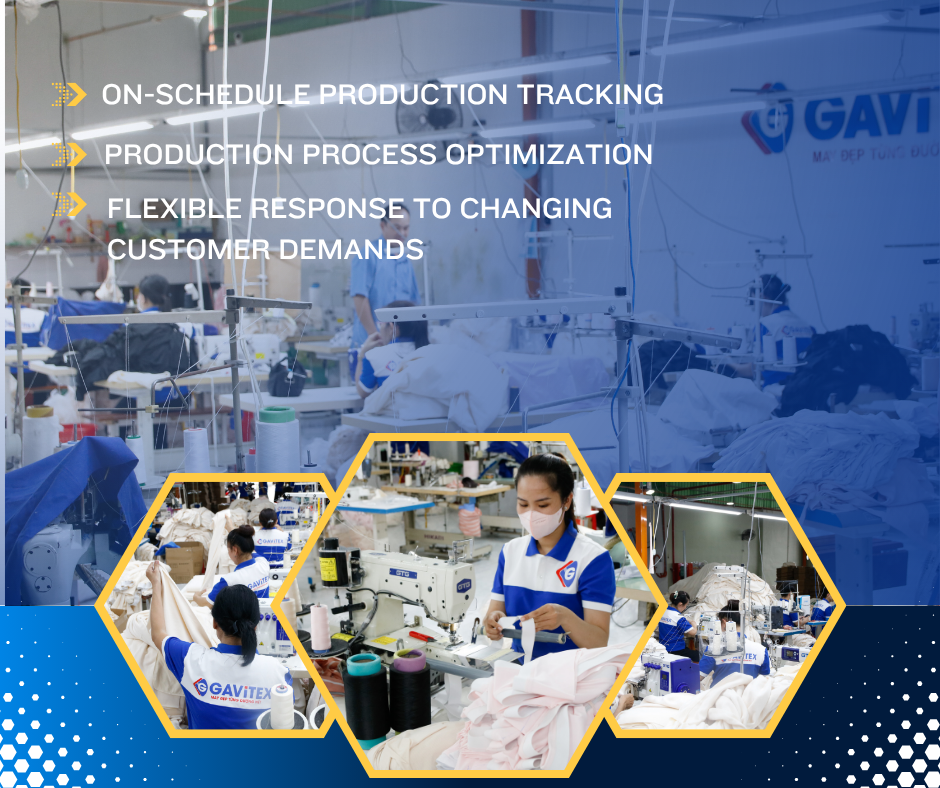
The landscape of export garment manufacturing is fraught with multifaceted challenges, demanding proactive strategies to ensure business sustainability and profitability for companies like Gavitex Garment Company. These difficulties range from volatile supply chains and labor market dynamics to fluctuating raw material costs and complex geopolitical factors, requiring manufacturers to be agile and adaptive.
One of the most pressing concerns is supply chain disruptions and their effective risk management. The global garment industry is heavily reliant on intricate supply chains, spanning multiple countries and involving numerous stakeholders. Any disruption, whether due to natural disasters, political instability, or unforeseen events like the COVID-19 pandemic, can have cascading effects, leading to production delays, increased costs, and potential order cancellations. For instance, the 2021 Suez Canal blockage impacted textile shipments globally, highlighting the vulnerability of relying on single transportation routes. Effective risk management necessitates diversification of sourcing, building buffer stocks of critical materials, and implementing robust contingency plans.
Another significant hurdle is the persistent labor shortages and skills gap within the garment manufacturing sector. The industry often faces challenges in attracting and retaining skilled workers, particularly those proficient in operating advanced machinery and implementing new technologies. Furthermore, evolving industry demands require a workforce equipped with specialized skills in areas like sustainable manufacturing, digital design, and quality control. Investment in employee training and development programs is crucial to bridge the skills gap and ensure a competent workforce capable of meeting the demands of export-oriented garment production. Gavitex Garment Company recognizes this and is committed to providing ongoing training and development opportunities for its employees.
Fluctuations in raw material costs pose a continuous challenge to maintaining competitive pricing in the export market. The price of raw materials like cotton, yarn, and dyes are subject to market volatility, influenced by factors such as weather patterns, global demand, and trade policies. Such fluctuations can significantly impact production costs and erode profit margins for garment manufacturers. Strategies to mitigate this risk include establishing long-term contracts with suppliers, exploring alternative sourcing options, and implementing efficient inventory management practices.
Finally, geopolitical risks and trade wars present a complex and evolving set of challenges for the export garment manufacturing industry. Trade tensions between major economies, such as the US and China, can lead to increased tariffs, trade barriers, and uncertainty in the global market. These factors can disrupt established trade flows, impact export competitiveness, and necessitate adjustments in sourcing and production strategies. Garment manufacturers need to closely monitor geopolitical developments, diversify their export markets, and adapt their strategies to navigate the evolving trade landscape.
By proactively addressing these challenges through strategic planning, risk mitigation, and continuous improvement, export garment manufacturers can enhance their resilience, maintain their competitiveness, and achieve sustainable growth in the global market.
Best Practices for Building a Successful Export Garment Manufacturing Business
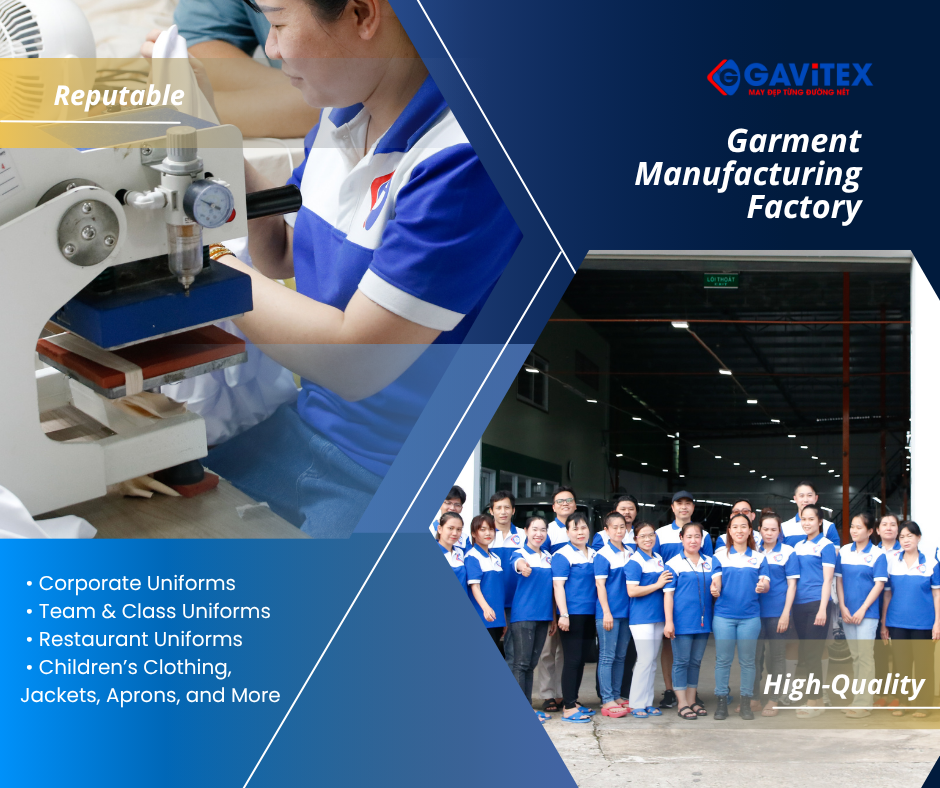
Establishing a successful export garment manufacturing business requires a strategic approach encompassing market understanding, operational excellence, and strong buyer relationships. As Gavitex Garment Company, we believe that excelling in export-standard garment manufacturing demands adherence to best practices that ensure quality, efficiency, and long-term sustainability. This section outlines key strategies to thrive in the competitive global garment market, focusing on areas critical for sustainable growth and profitability.
Market Research and Target Audience Identification
Market research forms the bedrock of any successful export venture, particularly in export-oriented garment factories. Understanding the nuances of your target market is crucial. This encompasses identifying specific customer segments, analyzing fashion trends, and evaluating the competitive landscape. For instance, Gavitex Garment Company conducts thorough market analysis to pinpoint regions with high demand for specific garment types (e.g., sportswear in North America, casual wear in Europe), allowing us to tailor our production and marketing efforts accordingly. This targeted approach maximizes efficiency and minimizes risks associated with export-standard garment manufacturing.
Establishing Strong Relationships with Buyers
Cultivating strong relationships with buyers is paramount for sustained growth in export garment production. Building trust and fostering long-term partnerships with international clients involves transparent communication, reliable delivery schedules, and consistent product quality. Gavitex Garment Company prioritizes building personal connections with buyers through regular communication, participation in international trade shows, and prompt resolution of any issues. We view our buyers as strategic partners and are dedicated to fulfilling their needs effectively. This approach fosters loyalty and repeat business, which are vital for long-term success in the export-standard garment manufacturing sector.
Investing in Employee Training and Development
Investing in employee training and development is a cornerstone of operational excellence and quality assurance in export-oriented garment factories. A skilled and motivated workforce translates directly into higher productivity, reduced errors, and enhanced product quality. Gavitex Garment Company provides comprehensive training programs for our employees, covering technical skills (e.g., sewing techniques, pattern making), quality control procedures, and workplace safety protocols. Continuous learning initiatives empower our workforce to adapt to evolving industry standards and technological advancements, thereby strengthening our competitive edge in export-standard garment manufacturing.
Future Trends in Export-Standard Garment Manufacturing
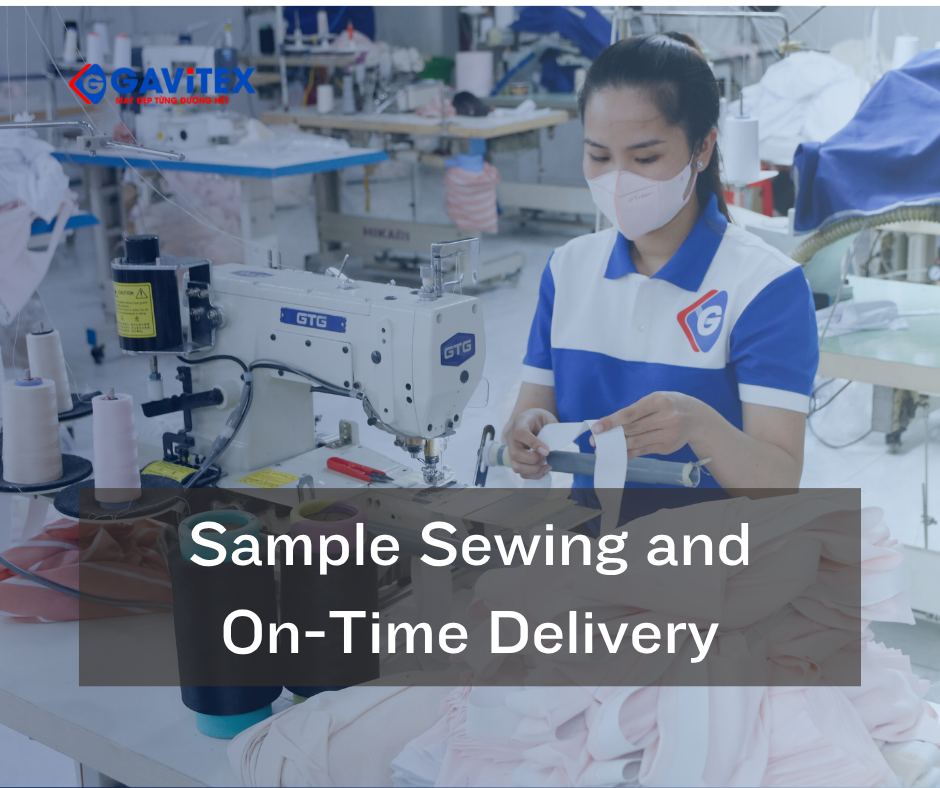
The future of export-standard garment manufacturing is poised for significant transformation, driven by evolving consumer demands, technological advancements, and a growing emphasis on sustainability. These shifts demand that garment companies, including Gavitex Garment Company, proactively adapt to maintain competitiveness and meet the changing expectations of the global market. Several emerging trends are reshaping the landscape, promising both challenges and opportunities for businesses operating in this sector.
One prominent trend is the rise of fast fashion and e-commerce, which has revolutionized how consumers discover and purchase apparel. This demand for rapidly changing styles and convenient online shopping experiences has put pressure on manufacturers to enhance their agility and responsiveness. Export-standard garment manufacturers must adopt flexible production systems and efficient supply chain management strategies to cater to the demands of fast fashion retailers and the growing e-commerce market. This involves investing in technologies that enable quicker turnaround times, efficient order fulfillment, and seamless integration with online platforms.
Personalized and customized garment production is also gaining traction, fueled by consumers’ desire for unique and tailored products. Mass customization, powered by technologies like 3D printing and advanced pattern-making software, allows manufacturers to offer customized garments at scale. This trend provides an opportunity for export-standard garment manufacturers to differentiate themselves from competitors and cater to niche markets. Furthermore, it enables them to reduce waste by producing garments on demand, aligning with the growing emphasis on sustainability.
Finally, the growing importance of a circular economy and sustainable fashion is driving fundamental changes in the garment industry. Consumers are increasingly conscious of the environmental and social impact of their clothing choices, leading to greater demand for eco-friendly materials, ethical production practices, and waste reduction initiatives. Export-standard garment manufacturers must prioritize sustainable sourcing, implement closed-loop production systems, and promote fair labor practices to meet the expectations of environmentally conscious consumers. This includes investing in innovative recycling technologies, exploring alternative materials like organic cotton and recycled polyester, and embracing transparency in their supply chains.