
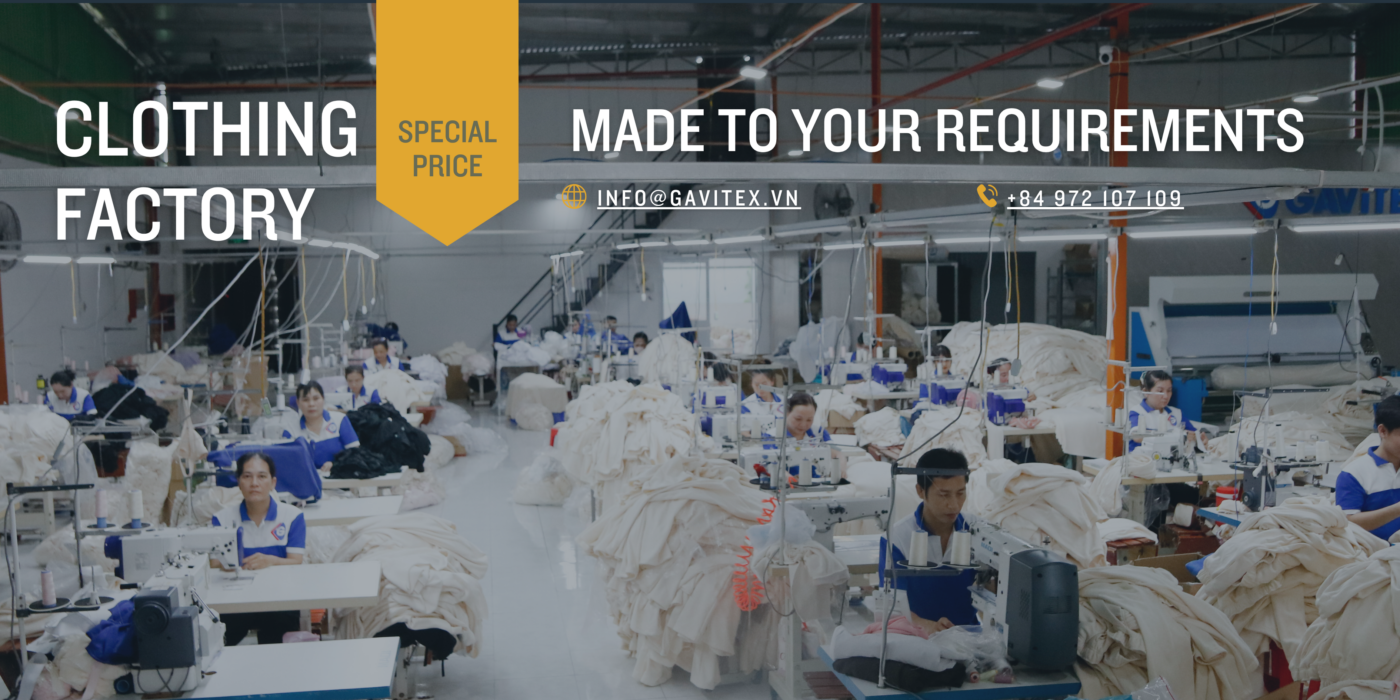
Here’s a draft opening paragraph designed to meet your SEO and semantic requirements:
Securing a reliable Garment Manufacturing Factory in Southern Vietnam is paramount for businesses seeking efficient and cost-effective apparel production in 2025. This guide delves into the thriving landscape of Garment Processing in the region, exploring essential aspects from factory selection criteria and production capabilities to compliance standards and supply chain management. Discover how to navigate the Vietnamese garment industry, understand key cost drivers, ensure quality control, and establish a successful partnership with a Vietnam-based garment manufacturer like Gavitex Garment Company. Gain actionable insights into optimizing your apparel sourcing strategy and achieving sustainable growth in this dynamic market.
Southern Vietnam’s Garment Manufacturing Landscape: Key Regions and Specializations
Southern Vietnam has emerged as a prominent hub for garment manufacturing, attracting global brands seeking reliable and cost-effective production. This region boasts a diverse and dynamic ecosystem of garment manufacturing factories in Southern Vietnam, each specializing in different product types and catering to varying order sizes. Understanding the geographical distribution and specialized capabilities of these factories is crucial for businesses aiming to establish successful manufacturing partnerships.
The key regions driving the garment industry in Southern Vietnam include:
-
Ho Chi Minh City: As the economic center, Ho Chi Minh City houses a large number of garment factories, ranging from small-scale workshops to large, export-oriented enterprises. Many of these factories offer comprehensive services, from design and sampling to production and logistics, making them ideal for businesses seeking full-package manufacturing solutions. The specialization here is diverse, covering everything from high-fashion items to basic apparel.
-
Binh Duong Province: Located adjacent to Ho Chi Minh City, Binh Duong is a major industrial hub with a significant concentration of garment manufacturing facilities. This province is known for its large-scale production capabilities and focus on export markets. Factories in Binh Duong often specialize in mass production of items like sportswear, workwear, and casual wear.
-
Dong Nai Province: Another key province in the Southern Key Economic Zone, Dong Nai also hosts a substantial number of garment factories. Garment manufacturers in Dong Nai often focus on specific product categories, such as knitwear, woven garments, or lingerie. The province also benefits from its proximity to major ports, facilitating efficient export operations.
-
Long An Province: Situated southwest of Ho Chi Minh City, Long An is increasingly becoming an attractive location for garment manufacturing. Factories in Long An often offer competitive pricing and are suitable for producing a wide range of apparel items, including denim, shirts, and trousers.
Beyond geographical distribution, specialization plays a significant role in the garment manufacturing landscape of Southern Vietnam. Some factories specialize in particular types of fabrics, such as cotton, polyester, or blends, while others focus on specific garment categories like sportswear, children’s wear, or outerwear. Identifying factories with the right expertise and equipment for your specific product requirements is essential for ensuring quality and efficiency. Gavitex garment company is well-positioned to guide businesses through this complex landscape, connecting them with suitable manufacturing partners based on their unique needs.

Evaluating Garment Manufacturing Factories: Quality Control, Certifications, and Ethical Practices
Selecting the right garment manufacturing factory in Southern Vietnam requires a thorough evaluation process, focusing on crucial aspects like quality control, recognized certifications, and adherence to ethical practices. This rigorous assessment ensures not only the production of high-quality garments but also demonstrates a commitment to responsible and sustainable manufacturing within the dynamic textile landscape of Southern Vietnam.
Quality control processes are the backbone of any reputable garment factory. AQL (Acceptable Quality Limit) is a widely used statistical sampling method to determine if a batch of goods meets pre-defined quality standards. Inline inspection, conducted during the production process, allows for immediate identification and correction of defects, minimizing waste and ensuring consistent quality. Furthermore, final inspection before shipment provides a last check to guarantee that only flawless products reach the customer, enhancing brand reputation and customer satisfaction.
Essential certifications serve as tangible proof of a factory’s commitment to social and environmental responsibility. WRAP (Worldwide Responsible Accredited Production) certification signifies adherence to global standards for ethical and safe working conditions. BSCI (Business Social Compliance Initiative) offers a framework for monitoring and improving social performance in supply chains. Sedex (Supplier Ethical Data Exchange) provides a platform for sharing ethical data and promoting responsible sourcing practices. These certifications build trust and transparency with buyers and consumers alike.
Beyond certifications, a factory’s commitment to ethical considerations is paramount. This includes ensuring fair wages that meet or exceed legal requirements and provide a decent standard of living for workers. Maintaining safe working conditions through proper training, equipment maintenance, and adherence to safety protocols is also non-negotiable. Gavitex Garment Company prioritizes factories that demonstrate a genuine commitment to worker well-being and environmental sustainability, fostering long-term partnerships based on mutual respect and shared values.
Garment Manufacturing Services Offered in Southern Vietnam: From Design to Delivery
Southern Vietnam’s garment manufacturing factories offer a comprehensive suite of services, transforming initial concepts into finished products ready for market. This integrated approach streamlines the supply chain, offering clients a one-stop solution from initial design and pattern making to fabric sourcing, cutting, sewing, finishing, embellishment, packaging, and final logistics. The diverse range of services caters to varying client needs, allowing for flexibility and customization throughout the production process, positioning Southern Vietnam as a key player in the global apparel industry.
The initial stage of design and pattern making is crucial, where skilled designers and technicians translate client ideas into tangible blueprints for garment production. This process involves creating detailed sketches, technical specifications, and digital patterns using CAD/CAM (Computer-Aided Design/Computer-Aided Manufacturing) software. Factories like Gavitex Garment Company often provide trend forecasting and design consultation services, assisting clients in developing marketable and fashionable collections.
Once the design is finalized, fabric sourcing and procurement become paramount. Southern Vietnam boasts a robust textile industry, providing access to a wide array of materials, from natural fibers like cotton and linen to synthetic options like polyester and nylon. Garment manufacturers leverage established relationships with local and international suppliers to source high-quality fabrics that meet specific client requirements, including factors like cost, performance, and sustainability.
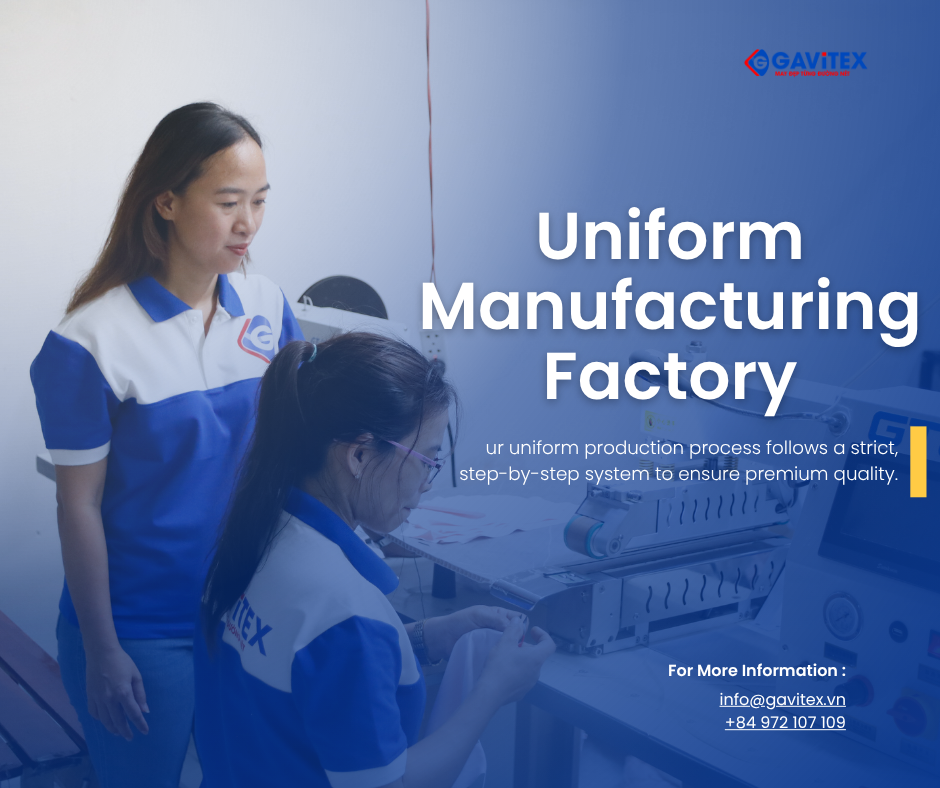
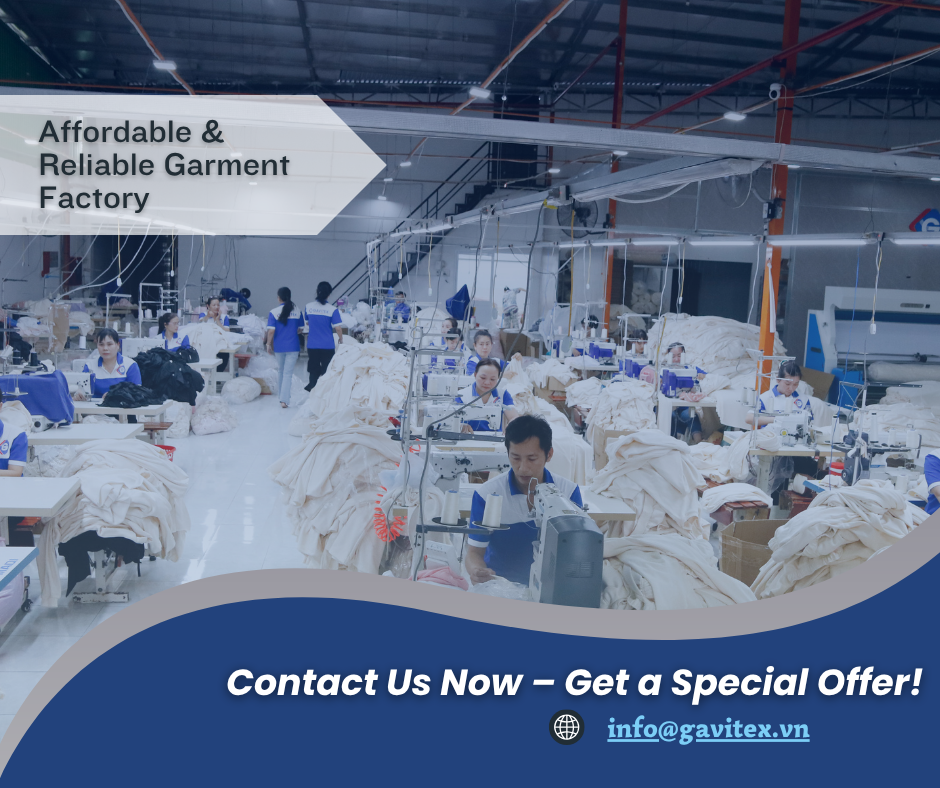
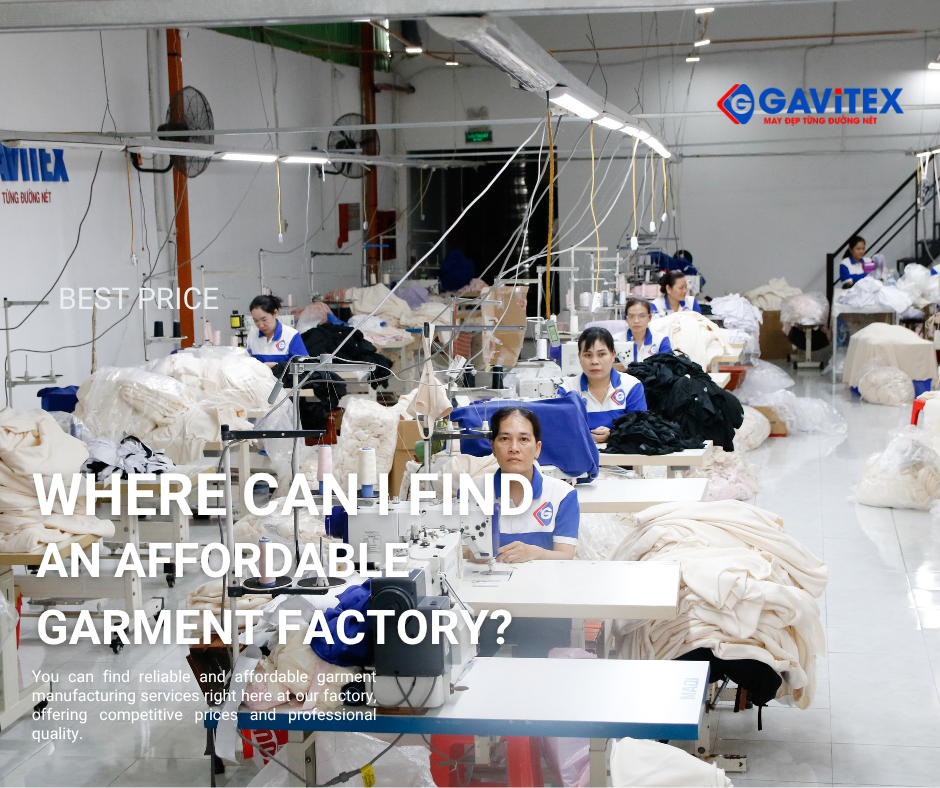
The core of garment production lies in cutting and sewing. Highly skilled workers utilize advanced cutting machines and sewing equipment to precisely cut fabrics according to the established patterns and assemble garment components with meticulous attention to detail. Efficiency and precision in these processes are essential for maintaining quality and meeting production deadlines.
Adding value to the finished garment is the finishing and embellishment stage. This includes a range of techniques such as washing, dyeing, printing, embroidery, and applying various embellishments like beads, sequins, and appliques. These processes enhance the aesthetic appeal and functionality of the garments, allowing for customization and differentiation.
The final steps involve packaging and logistics, ensuring that the finished products are properly packaged, labeled, and prepared for shipment. Garment manufacturers in Southern Vietnam offer comprehensive logistics solutions, including transportation, warehousing, and customs clearance, facilitating efficient delivery to destinations worldwide. By managing the entire process, from design to delivery, Gavitex Garment Company and others provide clients with a seamless and reliable manufacturing experience, minimizing complexities and ensuring timely delivery of high-quality apparel.
Cost Analysis and Negotiation Strategies for Garment Manufacturing in Southern Vietnam
Navigating the complexities of cost analysis and mastering negotiation strategies are critical for businesses seeking profitable garment manufacturing partnerships in Southern Vietnam, especially if you want to approach Gavitex Garment Company. Understanding the intricacies of cost structures, employing effective negotiation tactics, and prioritizing transparency can lead to significant savings and stronger, more reliable supplier relationships in the textile industry.
Understanding Cost Components (Labor, Materials, Overheads)
The final cost of garment production is influenced by a number of factors. Understanding these factors thoroughly will give you power to better understand the cost. Labor costs are influenced by skill level, industry laws on minimum wage and employment benefits. The type of fabric and embellishment used greatly affects material costs. Costs from overhead account for factory utilities, rent, equipment depreciation and administrative expense. For example, Vietnam’s minimum wage varies by region, and factories in industrial zones like Binh Duong often have higher overhead costs than those in more rural areas.
Effective Negotiation Techniques
Negotiation skills are essential for securing competitive prices from garment factories. Start by doing your research to understand the garment manufacturing market, and get quotes from at least 3 garment factories to know current market rate. Be honest about your anticipated order volume and project future orders that you might give. This provides factories with greater production control and helps them in their planning and costing processes. Building a relationship with the factory management will improve your communication, and potentially lead to better pricing in the long run.
Minimizing Risks and Ensuring Transparency
Prioritizing transparency in all cost-related discussions is essential for a successful manufacturing relationship. Always ask for a detailed cost breakdown to identify any hidden fees or unexpected charges. To guarantee fair pricing, you should also request evidence of the factory’s material sourcing and labor practices. Furthermore, you need to establish safeguards to manage expenses, such as payment milestones linked to production milestones and quality inspections. A comprehensive contract with clear terms protects both parties and minimizes the chance of cost-related disputes.
Navigating Legal and Regulatory Requirements for Garment Manufacturing in Southern Vietnam
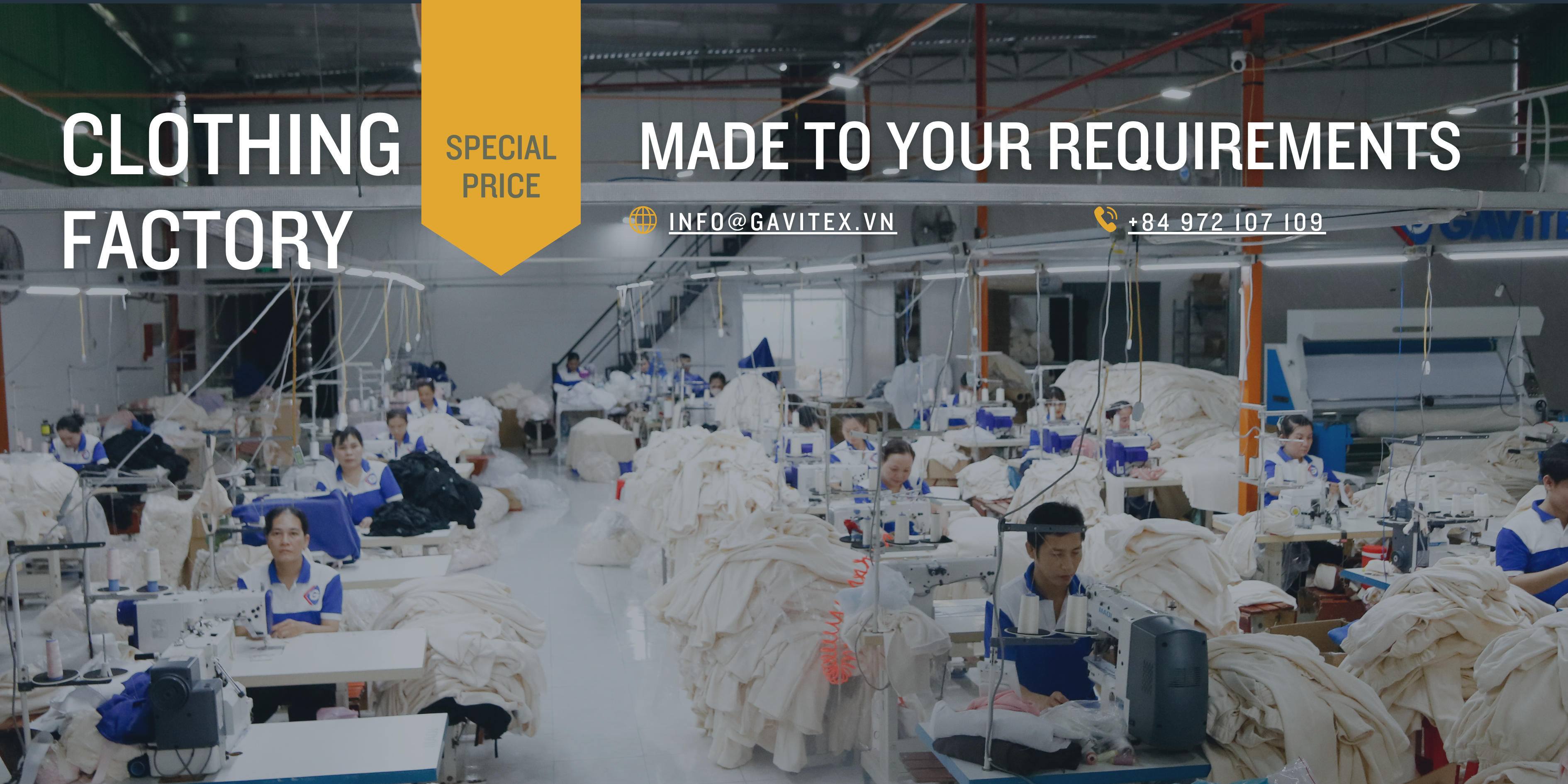
For businesses aiming to establish or expand their garment manufacturing factory in Southern Vietnam, a thorough understanding of the legal and regulatory landscape is paramount. This section provides an overview of key legal and regulatory requirements that garment manufacturers, like Gavitex Garment Company, must navigate to ensure compliance and avoid potential pitfalls when operating a garment manufacturing factory in Southern Vietnam. The process requires diligent attention to detail and up-to-date knowledge of Vietnamese law, a necessity for successful and sustainable operations.
Import/Export Regulations
Navigating import/export regulations is crucial for garment manufacturing in Southern Vietnam, given the industry’s reliance on imported raw materials and export-oriented business model. Vietnam’s Ministry of Industry and Trade (MOIT) oversees these regulations, which dictate the procedures for importing fabrics, dyes, and other materials, as well as exporting finished garments. Understanding tariff rates, trade agreements (such as the CPTPP and EVFTA), and required documentation (such as certificates of origin) is essential for efficient supply chain management and cost optimization. Non-compliance can lead to delays, fines, and even the seizure of goods, which can significantly impact a garment manufacturing factory‘s bottom line.
Labor Laws and Compliance
Adherence to labor laws and compliance is not only an ethical imperative but also a legal requirement for garment factories operating in Southern Vietnam. The Vietnamese Labor Code outlines standards for working hours, wages, benefits, and working conditions. Specifically, it stipulates minimum wage levels, overtime compensation, social insurance contributions, and workplace safety protocols. Regular audits and inspections are conducted by government agencies and international organizations to ensure factories meet these standards. Failing to comply with labor laws can result in penalties, reputational damage, and loss of business with international buyers who prioritize ethical sourcing. Gavitex Garment Company prioritizes fair labor practices and adheres to all relevant regulations to foster a positive and productive work environment.
Environmental Regulations
The Vietnamese government is increasingly focused on enforcing environmental regulations within the garment manufacturing sector to mitigate its environmental impact. Garment factories must comply with regulations regarding wastewater treatment, air emissions, and waste disposal. Specifically, factories are required to obtain environmental permits, install pollution control equipment, and implement waste management plans. Regular monitoring and reporting are necessary to demonstrate compliance. Stricter enforcement and increased public awareness are driving factories to adopt sustainable practices, such as using eco-friendly dyes, reducing water consumption, and investing in cleaner technologies. Compliance with environmental regulations is not only essential for legal operation but also enhances a garment manufacturing factory’s reputation and appeal to environmentally conscious consumers.
Case Studies: Successful Garment Manufacturing Partnerships in Southern Vietnam
Exploring successful garment manufacturing partnerships in Southern Vietnam provides invaluable insights for brands seeking reliable and efficient production. These case studies highlight the key factors that contribute to positive collaborations, showcasing how strategic alliances can optimize the garment manufacturing process. By examining real-world examples, we can identify repeatable strategies for achieving mutual success in the dynamic Vietnamese apparel industry and gain a better understanding of garment manufacturing factories in Southern Vietnam.
Identifying Success Factors
The foundation of any prosperous garment manufacturing partnership lies in clear communication and shared objectives. Gavitex Garment Company, for example, fostered a strong relationship with a European fashion brand by prioritizing transparent dialogue throughout the production cycle. This involved regular meetings to discuss design specifications, production timelines, and quality control measures, ensuring both parties were aligned on expectations. Another crucial element is the selection of the right garment factory; successful collaborations often begin with thorough due diligence, assessing a factory’s capabilities, ethical practices, and commitment to quality, elements that are all intertwined with successful garment manufacturing partnerships.
Avoiding Common Pitfalls
While many garment manufacturing ventures flourish, others face challenges that can strain partnerships. One common pitfall is inadequate planning for potential disruptions in the supply chain, leading to delays and increased costs. A successful case study demonstrates the importance of diversifying fabric sourcing and establishing backup suppliers to mitigate risks. Furthermore, discrepancies in quality expectations can also lead to disputes. Implementing a robust quality control system, with clear acceptance criteria and regular inspections, is vital for preventing misunderstandings and maintaining product consistency. Finally, neglecting the legal and regulatory landscape of Vietnam can create compliance issues. Partners must ensure they are both aware of and adhere to import/export regulations, labor laws, and environmental standards to avoid costly penalties and reputational damage, thereby building a successful garment manufacturing partnership.
Related services from Gavitex: garment manufacturers in Vietnam, clothing manufacturers in Vietnam and custom clothing production.
