
Here’s an opening paragraph designed to meet your specifications:
The booming garment manufacturing factory landscape in Northern Vietnam presents a critical opportunity for businesses seeking competitive production advantages. This article, categorized under Garment Processing, dives deep into the operational dynamics of these factories, exploring the interplay of skilled labor, advanced machinery, and strategic locations that define their success. We will provide a practical overview of key considerations, including factory selection criteria, cost analysis, quality control measures, and supply chain management strategies, equipping you with the knowledge to navigate this thriving sector effectively. Ultimately, this guide will help you understand the potential for efficient and reliable garment production within Northern Vietnam’s evolving industrial ecosystem, enabling informed decisions for your business growth in 2025.
Northern Vietnam’s Garment Manufacturing Landscape: Opportunities and Challenges
Northern Vietnam has emerged as a significant hub for garment manufacturing, presenting both substantial opportunities and distinct challenges for businesses looking to establish or expand their operations. This section will delve into the key factors that contribute to Northern Vietnam’s appeal as a garment sourcing destination, while also addressing the hurdles that companies must navigate to ensure success in this dynamic market.
The region’s competitive labor costs are a major draw for international brands and retailers seeking to reduce production expenses. Compared to China and other established garment-producing countries, Northern Vietnam offers a more affordable workforce, making it an attractive alternative for cost-sensitive apparel manufacturing. Furthermore, the Vietnamese government actively promotes foreign investment through various incentives and policies, fostering a favorable business environment for garment factories and related industries.
However, the Northern Vietnam garment industry faces its share of challenges. One significant concern is the reliance on imported raw materials, particularly fabrics and accessories. This dependence can lead to supply chain vulnerabilities, increased lead times, and higher production costs, especially when global market conditions fluctuate. Moreover, ensuring consistent quality control across garment factories can be demanding, requiring careful oversight and investment in training programs to meet international standards.
Another crucial factor to consider is the development of infrastructure. While Northern Vietnam has made strides in improving its transportation networks and logistics capabilities, infrastructure limitations in certain areas can still pose obstacles to efficient garment production and export. Overcoming these infrastructure bottlenecks is essential for garment manufacturers to optimize their supply chains and maintain their competitiveness in the global market.
Key Certifications and Compliance Standards for Garment Factories in Northern Vietnam
For garment manufacturing factories in Northern Vietnam seeking to partner with international brands and access global markets, understanding and adhering to key certifications and compliance standards is paramount. These certifications not only demonstrate a commitment to quality and ethical production but also ensure that factories meet the stringent requirements of international buyers and regulatory bodies. Achieving these standards is crucial for Gavitex Garment Company, as it builds trust with partners and consumers, ensuring long-term sustainability and competitiveness in the global apparel industry.
Meeting international requirements often involves a complex web of regulations. Therefore, understanding the specific certifications most relevant to the garment industry is essential for factories operating within Northern Vietnam.
Here are some of the key certifications and compliance standards that garment factories should prioritize:
- ISO 9001 (Quality Management System): Demonstrates a factory’s ability to consistently provide products and services that meet customer and regulatory requirements. This encompasses all aspects of the manufacturing process, from design and development to production, installation, and service.
- ISO 14001 (Environmental Management System): Focuses on minimizing the environmental impact of garment production, including waste management, water usage, and energy consumption. Compliance ensures a commitment to sustainable practices.
- SA8000 (Social Accountability): Addresses ethical labor practices, including fair wages, safe working conditions, and the prohibition of child labor and forced labor. This certification is crucial for building trust with consumers and brands concerned about ethical sourcing.
- WRAP (Worldwide Responsible Accredited Production): An independent, objective, non-profit team of global social compliance experts dedicated to promoting safe, lawful, humane and ethical manufacturing around the world through WRAP certification and education.
- BSCI (Business Social Compliance Initiative): Enables companies to monitor their supply chains and promote social compliance among their suppliers. It covers areas such as fair labor practices, health and safety, and environmental protection.
- Oeko-Tex Standard 100: Ensures that textiles are free from harmful substances, safeguarding the health of consumers and workers. This is particularly important for garments that come into direct contact with the skin.
- SEDEX (Supplier Ethical Data Exchange): A membership organization that provides a platform for suppliers to share ethical data with their customers. It allows factories to demonstrate their commitment to ethical and responsible business practices.
These compliance standards are essential for garment manufacturing factories in Northern Vietnam like Gavitex Garment Company aiming to build long-term relationships with international brands and demonstrate a commitment to responsible and sustainable production. By investing in these certifications, factories can enhance their reputation, attract new customers, and contribute to a more ethical and environmentally friendly apparel industry.
(Approximately 290 words)
Evaluating Garment Manufacturing Factories in Northern Vietnam: A Checklist
Selecting the right garment manufacturing factory in Northern Vietnam is crucial for businesses seeking reliable production partners; therefore, a comprehensive evaluation checklist becomes an indispensable tool. This checklist assists in systematically assessing potential factories, ensuring they align with your quality standards, ethical considerations, and business objectives within the Northern Vietnam garment industry.
To effectively evaluate potential garment factories in Northern Vietnam, consider the following key areas:
- Production Capacity and Capabilities: Assessing the factory’s capacity involves understanding their machinery, workforce size, and production lines. Verify if they can handle your order volume and complexity. Investigate their experience with similar product types and materials to guarantee quality garment manufacturing.
- Quality Control Processes: A robust quality control system is non-negotiable. Inquire about their quality assurance procedures at each stage of production, from initial fabric inspection to final product checks. Look for certifications like ISO 9001, demonstrating a commitment to quality control processes.
- Certifications and Compliance: Ensure the factory possesses relevant certifications such as WRAP, BSCI, or SEDEX, confirming adherence to ethical and social compliance standards. These certifications indicate a commitment to fair labor practices and safe working conditions, crucial aspects of ethical garment manufacturing.
- Communication and Transparency: Effective communication is paramount for a successful partnership. Assess the factory’s responsiveness, clarity in communication, and willingness to provide updates on production progress. Transparency in operations fosters trust and collaboration.
- Financial Stability and Pricing: Evaluate the factory’s financial stability to ensure long-term reliability. Obtain detailed pricing information, comparing it with other factories, and analyze the breakdown of costs to understand the value proposition. A financially stable factory is more likely to deliver on its commitments.
- Sustainability Practices: With increasing consumer awareness of environmental issues, assess the factory’s commitment to sustainability. Inquire about their use of eco-friendly materials, waste management practices, and energy efficiency measures. Sustainable practices are becoming increasingly important for garment factories.
- Technology and Innovation: Evaluate the factory’s investment in technology and innovation. Modern equipment and technologies can improve efficiency, reduce waste, and enhance product quality, giving them a competitive edge in garment production.
- Intellectual Property Protection: Verify the factory’s measures to protect your intellectual property (IP). This includes confidentiality agreements, security protocols, and systems to prevent unauthorized reproduction or distribution of your designs. Safeguarding your IP is critical for maintaining a competitive advantage.
By utilizing this checklist, businesses can make informed decisions when selecting a garment manufacturing factory in Northern Vietnam, ensuring a productive and sustainable partnership.
Sustainability and Ethical Practices in Northern Vietnam’s Garment Industry
The garment manufacturing factory in Northern Vietnam is increasingly under pressure to adopt sustainability and ethical practices, moving beyond purely profit-driven models to embrace responsible production. This shift is driven by growing consumer awareness, stricter international regulations, and the need to maintain competitiveness in the global marketplace.
Several factors contribute to this growing emphasis. Firstly, international brands are demanding greater transparency and accountability from their suppliers, requiring adherence to environmental and labor standards. Secondly, consumers are increasingly willing to pay a premium for ethically sourced and sustainably produced clothing. Finally, the Vietnamese government is implementing policies to promote sustainable development and reduce the environmental impact of the garment industry.
Key Aspects of Sustainability in Garment Manufacturing
- Environmental Protection: Minimizing water usage, reducing waste generation, and utilizing eco-friendly materials.
- Ethical Labor Practices: Ensuring fair wages, safe working conditions, and respect for workers’ rights.
- Supply Chain Transparency: Tracking the origin of materials and ensuring responsible sourcing throughout the supply chain.
The adoption of sustainable practices often involves significant investments in new technologies and processes. For example, factories may invest in water recycling systems, energy-efficient equipment, and the use of organic cotton or recycled fabrics. Gavitex Garment Company, for instance, prioritizes working with factories that have certifications like GOTS (Global Organic Textile Standard) and OEKO-TEX, ensuring environmentally friendly materials and responsible chemical management.
Ensuring Ethical Labor Practices
Beyond environmental considerations, ethical labor practices are paramount. This includes:
- Paying fair wages that meet or exceed the minimum wage and provide a living wage for workers and their families.
- Providing safe and healthy working conditions, complying with occupational health and safety standards.
- Respecting workers’ rights, including the right to join unions and bargain collectively.
- Eliminating child labor and forced labor throughout the supply chain.
Many factories in Northern Vietnam are working to improve their labor practices through independent audits and certifications such as SA8000 and WRAP (Worldwide Responsible Accredited Production). These certifications provide assurance to buyers that factories are committed to upholding ethical labor standards. Furthermore, Gavitex Garment Company conducts regular internal audits and works closely with its partner factories to identify and address any potential issues related to labor practices.
Challenges and Opportunities
Despite the growing momentum, the transition to sustainability and ethical practices in Northern Vietnam’s garment industry faces several challenges. These include:
- Cost: Implementing sustainable practices can be expensive, particularly for smaller factories.
- Lack of awareness: Some factories may not be fully aware of the benefits of sustainability or the requirements of international standards.
- Enforcement: Ensuring compliance with environmental and labor regulations can be challenging due to limited resources and oversight.
However, these challenges also present significant opportunities. By embracing sustainability, garment factories in Northern Vietnam can:
- Enhance their competitiveness in the global market.
- Attract new customers who are increasingly demanding sustainable and ethical products.
- Improve their brand image and reputation.
- Contribute to a more sustainable and equitable future.
Ultimately, the success of sustainability and ethical practices in Northern Vietnam’s garment industry depends on the commitment of all stakeholders, including factories, brands, consumers, and the government.
(Word Count: 437)

Cost Analysis: Garment Manufacturing in Northern Vietnam vs. Other Regions
A thorough cost analysis is crucial when selecting a garment manufacturing factory in Northern Vietnam as a production base. This analysis helps in understanding the financial implications compared to alternative sourcing locations. When assessing the suitability of garment production in Northern Vietnam (Gavitex Garment Company), businesses must carefully weigh various factors, including labor costs, material expenses, transportation logistics, and applicable tariffs, against those in other key apparel-producing regions.
Key Cost Components in Garment Manufacturing
Several elements contribute significantly to the overall manufacturing costs. Labor costs form a substantial portion, with variations across regions impacting final product pricing. Furthermore, material costs, influenced by factors such as cotton prices and synthetic fiber availability, play a crucial role. Transportation expenses, including shipping and handling, also differ based on geographical location and infrastructure efficiency. Finally, tariffs and import duties can fluctuate, depending on trade agreements between countries.
Northern Vietnam’s Cost Advantages and Disadvantages
Northern Vietnam presents a unique set of cost dynamics. The region benefits from competitive labor costs compared to developed economies and even some other parts of Asia. However, access to certain raw materials or specialized fabrics might involve higher transportation costs, potentially offsetting labor savings. Additionally, while Vietnam enjoys preferential trade agreements with various countries, tariffs could still be a factor for specific markets or products.
Comparison with Other Apparel Manufacturing Hubs
To provide a comprehensive perspective, it’s essential to compare Northern Vietnam with other prominent apparel manufacturing hubs, such as China, Bangladesh, and India.
- China: While China boasts established infrastructure and a vast supply chain, its labor costs have been steadily increasing, making it less attractive for cost-sensitive productions.
- Bangladesh: Known for its low labor costs, Bangladesh faces challenges related to infrastructure and compliance standards, which could impact production efficiency and overall value.
- India: India offers a diverse manufacturing landscape with varying labor costs and material availability. However, logistical complexities and regulatory hurdles can add to the overall expenses.
Factors Influencing Cost Fluctuations
External factors can impact garment manufacturing costs in Northern Vietnam and other regions. Exchange rate fluctuations can affect the price of imported materials and the competitiveness of exports. Changes in government regulations, such as minimum wage laws or environmental compliance requirements, can also influence production costs. Additionally, unforeseen events, such as natural disasters or global pandemics, can disrupt supply chains and inflate expenses.
By carefully examining these cost dynamics and comparing Northern Vietnam with alternative sourcing locations, businesses can make informed decisions and optimize their garment manufacturing strategies with Gavitex Garment Company.
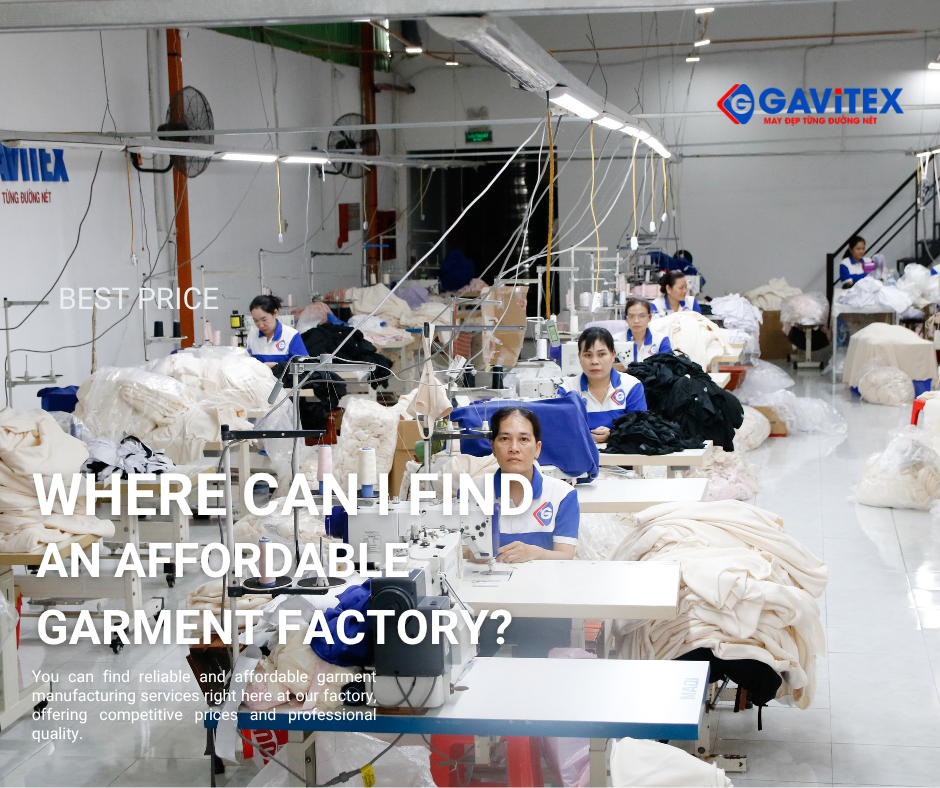
Building a Successful Partnership with a Garment Factory in Northern Vietnam
Establishing a successful partnership with a garment manufacturing factory in Northern Vietnam requires a multifaceted approach, encompassing clear communication, mutual understanding, and a commitment to long-term collaboration. For businesses looking to leverage the advantages of garment production in Northern Vietnam, carefully selecting and nurturing relationships with the right factories is paramount. This section delves into the essential aspects of building these partnerships, emphasizing transparency, shared goals, and continuous improvement.
Selecting the right garment factory is just the first step. A strong partnership thrives on open and consistent communication. This includes clearly defining expectations from the outset, covering everything from product specifications and quality standards to delivery schedules and payment terms. Regular communication channels, such as weekly calls or progress reports, help keep both parties informed and address any potential issues proactively. Consider implementing a system for tracking production progress and quality control to maintain transparency and accountability.
Furthermore, fostering a collaborative environment is crucial. This involves understanding the factory’s capabilities, limitations, and operational culture. Regular visits to the factory, when possible, can help build rapport and facilitate face-to-face discussions. Seeking feedback from the factory on designs, materials, and production processes can also lead to valuable insights and improvements. Building a relationship based on trust and mutual respect will ultimately lead to a more productive and sustainable partnership.
Ethical considerations are increasingly important in the garment industry. Ensuring that the factory adheres to fair labor practices, environmental regulations, and ethical sourcing standards is not only the right thing to do but also essential for protecting your brand’s reputation. Conduct regular audits to verify compliance and work with the factory to implement improvements where necessary. Demonstrating a commitment to social responsibility will strengthen the partnership and enhance your brand’s image.
Finally, view the relationship as a long-term investment. Explore opportunities for collaboration beyond simple manufacturing, such as joint product development or technology sharing. Providing the factory with consistent orders and fair pricing will incentivize them to invest in their operations and prioritize your business. By building a strong and mutually beneficial partnership, you can unlock the full potential of garment manufacturing in Northern Vietnam and achieve sustainable success.
Related services from Gavitex: garment suppliers in Vietnam, Vietnam clothing suppliers and top clothing manufacturers in Vietnam.
