
Absolutely! Here’s an opening paragraph designed to meet your specifications:
The landscape of Garment Manufacturing Factory in Binh Duong is rapidly evolving, demanding businesses to seek reliable and efficient partners. In the heart of Vietnam’s textile industry, Binh Duong province stands out as a hub for garment production, offering a wide array of Garment Processing services from cutting and sewing to finishing and packaging. This article delves into the key factors to consider when selecting a gavitex garment company in Binh Duong, examining their production capacity, quality control measures, ethical labor practices, and supply chain management. We will also explore the benefits of partnering with local manufacturers and provide insights into navigating the export regulations and investment opportunities in the region.
Finding the Right Garment Manufacturing Factory in Binh Duong: A Comprehensive Guide
Sourcing a reliable garment manufacturing factory in Binh Duong is a critical step for businesses looking to produce high-quality apparel. This comprehensive guide aims to provide you with the essential knowledge and strategies needed to navigate the garment manufacturing landscape in Binh Duong, ensuring you find a partner that aligns with your specific needs and goals. Successfully identifying and collaborating with the right manufacturing partner will directly impact your product quality, production costs, and overall supply chain efficiency.
Selecting a garment factory requires careful consideration of several factors, starting with clearly defining your product requirements. Are you seeking a factory specializing in woven fabrics, knitted garments, or a combination? Understanding your production volume needs – from small-batch production to large-scale manufacturing – is crucial. Further, identifying factories equipped with the necessary machinery and technology, such as automatic cutting machines or specialized sewing equipment, will ensure they can meet your quality and design specifications.
Beyond production capabilities, a crucial aspect of finding the right garment manufacturer lies in assessing their ethical and compliance standards. Ensure the factory adheres to fair labor practices, possesses relevant certifications (e.g., WRAP, BSCI), and demonstrates a commitment to sustainable manufacturing processes. Transparency in their supply chain and a strong focus on quality control are vital indicators of a trustworthy partner.
Finally, effective communication and relationship-building are foundational for a successful partnership with any Binh Duong garment factory. Establishing clear communication channels, understanding cultural nuances, and fostering mutual respect will pave the way for smooth collaboration, efficient production, and long-term success. This guide will delve deeper into these aspects, equipping you with the knowledge to make informed decisions and build strong, mutually beneficial relationships with your chosen manufacturing partner.
Binh Duong’s Garment Manufacturing Landscape: An Overview of Key Players and Specializations
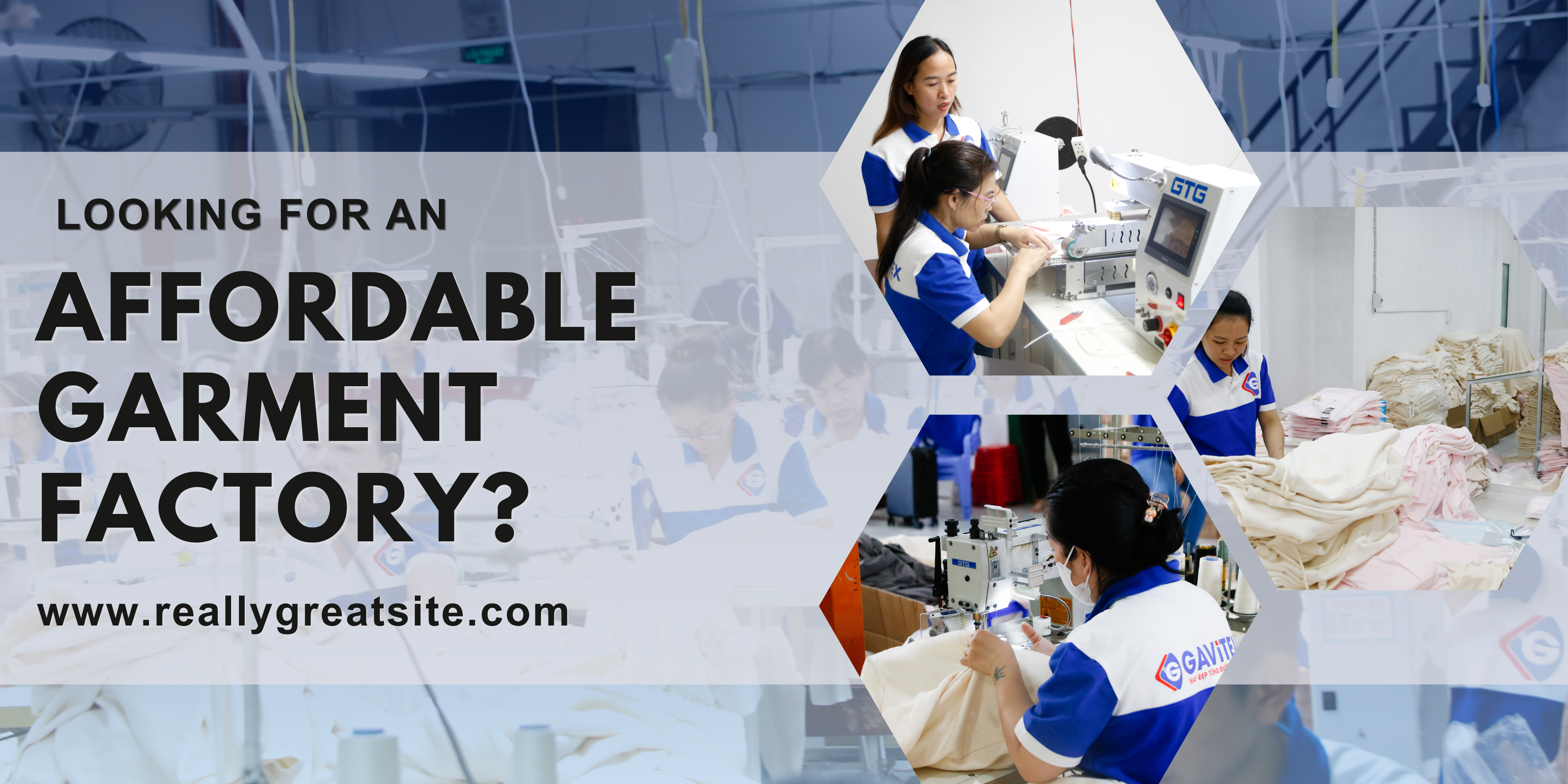
The garment manufacturing landscape in Binh Duong is a dynamic and diverse ecosystem, playing a pivotal role in Vietnam’s overall textile and apparel industry and holding immense potential for businesses seeking reliable garment manufacturing factories. This region has emerged as a significant hub for garment production, attracting both domestic and international players due to its strategic location, skilled workforce, and supportive infrastructure. Understanding the nuances of this landscape is crucial for businesses aiming to find the right garment manufacturing factory in Binh Duong to meet their specific needs.
Binh Duong’s rise as a garment manufacturing powerhouse can be attributed to several factors, including favorable government policies encouraging foreign investment and industrial development. The province boasts well-established industrial parks like Vietnam-Singapore Industrial Park (VSIP) and Song Than Industrial Park, which house a large concentration of garment factories, creating a conducive environment for supply chain integration and efficient logistics. This concentration fosters competition, driving factories to specialize and innovate to attract clients.
The key players in Binh Duong’s garment industry range from large-scale enterprises with advanced technology and extensive production capabilities to smaller, more specialized workshops. Foreign-invested enterprises (FIEs), particularly those from South Korea, Taiwan, and Japan, constitute a significant portion, bringing with them expertise in high-quality production and advanced management practices. In addition, numerous domestic companies contribute significantly, with some focusing on export-oriented manufacturing and others catering to the local market. Some notable companies include Phong Phu Corporation, known for its denim and yarn production, and Việt Tiến Garment Corporation, a major player in the domestic fashion market. Gavitex garment company is also playing important role in Binh Duong market.
Specializations within Binh Duong’s garment factories are diverse, reflecting the broad spectrum of apparel needs. Many factories specialize in specific product categories, such as:
- Knitwear: Producing t-shirts, polo shirts, and other knitted garments.
- Woven Garments: Focusing on shirts, trousers, jackets, and other woven apparel.
- Sportswear: Manufacturing athletic apparel with specialized fabrics and construction techniques.
- Workwear: Producing durable and functional clothing for various industries.
- Fashion Apparel: Creating trendy and stylish clothing for different demographics.
Moreover, within each category, factories may further specialize in specific processes like embroidery, printing, or washing. This specialization allows them to develop niche expertise and offer high-quality services in their chosen area. Therefore, businesses must identify factories with the specific skills and equipment required for their particular product needs.
Finding the right garment manufacturing factory in Binh Duong requires thorough research and assessment. By understanding the landscape, key players, and specializations, companies can make informed decisions and establish successful partnerships for long-term growth.
Assessing Factory Capabilities: Machinery, Technology, and Production Capacity for Your Garment Needs
Selecting a garment manufacturing factory in Binh Duong requires a thorough assessment of its capabilities, focusing on machinery, technology, and production capacity. This evaluation is crucial to ensure the factory can meet your specific garment needs and quality standards, leading to a successful and efficient manufacturing partnership. A comprehensive review allows you to identify whether the factory’s resources align with your project requirements, avoiding potential delays or quality compromises.
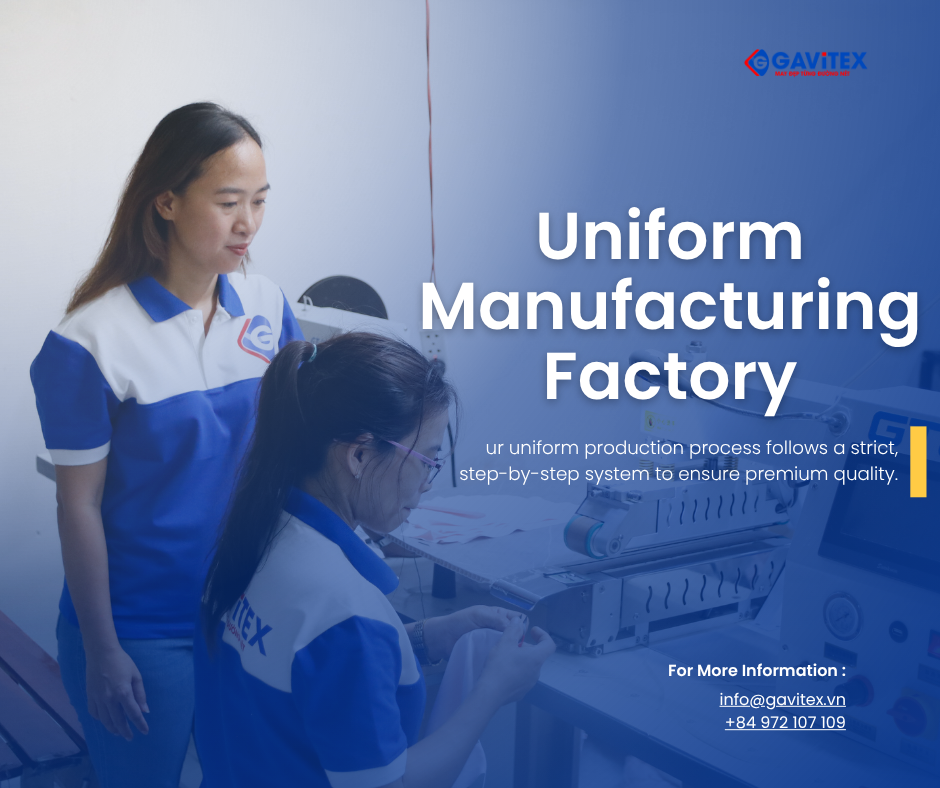
The machinery available at a garment factory is a direct indicator of its capability to handle diverse product types and production volumes. Consider the range and modernity of equipment such as cutting machines (automatic or manual), sewing machines (single needle, overlock, chain stitch), embroidery machines, and finishing equipment (ironing, pressing). For example, a factory equipped with automated cutting machines can offer greater precision and efficiency, particularly for large-scale orders. The technology adopted by the factory, including CAD/CAM systems for pattern making and production management software, also plays a critical role in streamlining processes, reducing errors, and improving overall productivity. Gavitex Garment Company prioritizes factories that invest in modern equipment and technology to ensure high-quality output.
Beyond machinery, production capacity is a key determinant of whether a factory can fulfill your order volume within your required timeframe. Factors influencing capacity include the number of sewing lines, the workforce size, and the factory’s operational efficiency. It’s important to inquire about the factory’s current workload and its maximum capacity to ensure they can accommodate your order without compromising quality or delivery schedules. A factory’s ability to scale up or down based on your needs is also a significant advantage. Before partnering with a manufacturing facility in Binh Duong, understand their capacity to prevent unexpected supply chain disruptions or compromises.
Quality Control and Compliance: Ensuring Ethical and Sustainable Practices in Binh Duong Garment Factories
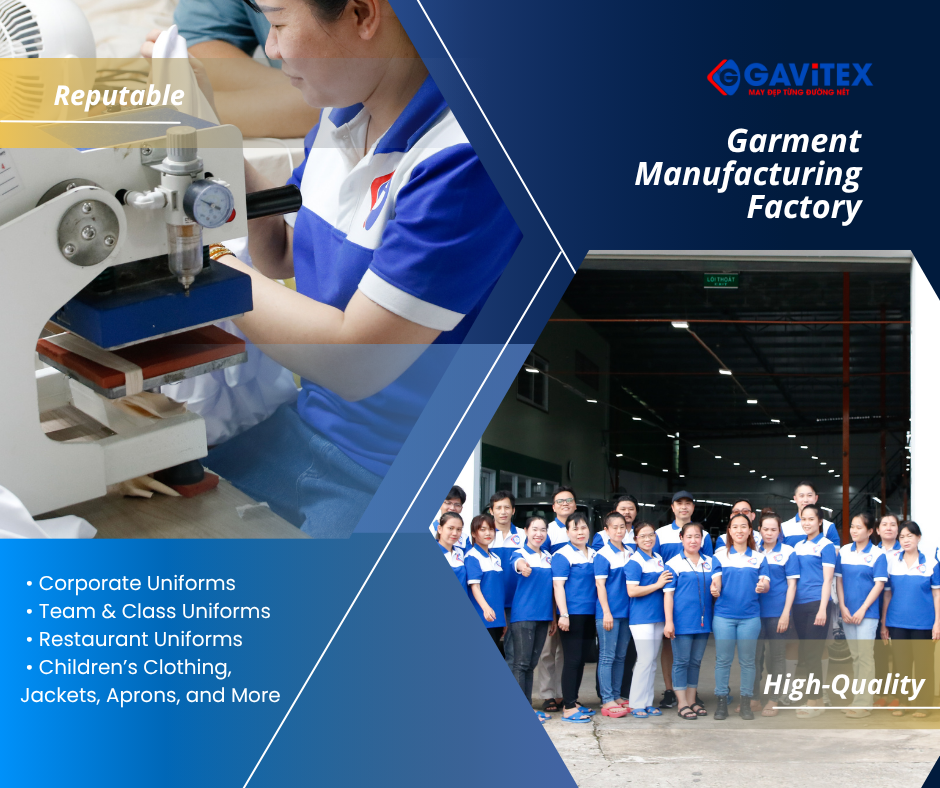
In the pursuit of sourcing reliable garment manufacturing factories in Binh Duong, quality control and compliance with ethical and sustainable practices are paramount considerations. These factors not only safeguard brand reputation but also contribute to a responsible and future-proof supply chain. By prioritizing factories committed to rigorous quality standards and ethical labor practices, businesses can forge lasting partnerships built on trust and mutual benefit.
- Robust Quality Management Systems: Look for factories implementing comprehensive Quality Management Systems (QMS) aligned with international standards such as ISO 9001. These systems should encompass every stage of production, from raw material sourcing to final inspection, minimizing defects and ensuring consistent product quality.
- Ethical Labor Practices: Verify that factories adhere to fair labor standards, including safe working conditions, fair wages, reasonable working hours, and the prohibition of child labor. Certifications such as WRAP (Worldwide Responsible Accredited Production) and SA8000 provide assurance of ethical sourcing.
- Environmental Stewardship: Prioritize factories actively reducing their environmental footprint through measures such as water conservation, waste reduction, energy efficiency, and the use of eco-friendly materials. Look for certifications like Oeko-Tex Standard 100, which ensures that textiles are free from harmful substances.
- Transparency and Traceability: Seek factories that demonstrate transparency in their operations and provide full traceability of their supply chain. This allows for accountability and facilitates the identification and resolution of any potential issues.
- Third-Party Audits and Inspections: Engage independent third-party auditors to conduct regular inspections of factories to verify their compliance with quality, ethical, and environmental standards. These audits provide an objective assessment of factory performance and identify areas for improvement.
Integrating sustainable practices into garment production goes beyond mere compliance; it represents a strategic move towards long-term viability and consumer appeal. By actively seeking out factories that prioritize ethical and environmental responsibility, businesses can cultivate a more resilient and reputable brand, resonating with increasingly conscious consumers. As a gavitex garment company, understanding that ethical and sustainable production is not just a trend but a fundamental shift in the industry landscape is necessary to establish a reliable and responsible supply chain in Binh Duong.
Cost Optimization Strategies: Negotiating Pricing, MOQ, and Supply Chain Efficiency in Garment Production
In the quest for a profitable garment business, cost optimization strategies are vital when partnering with a garment manufacturing factory in Binh Duong. This involves strategically negotiating pricing, understanding and managing Minimum Order Quantities (MOQs), and streamlining the supply chain to enhance overall efficiency. Effective cost management not only impacts the bottom line but also contributes to a competitive advantage in the dynamic fashion market.
Understanding Garment Factory Pricing Structures
Delving into the pricing models of garment factories unveils opportunities for cost savings. Typically, factories calculate costs based on factors such as fabric consumption, labor hours, embellishments, and overhead expenses. By understanding these components, businesses can identify areas for negotiation. For instance, exploring alternative fabric options that maintain quality while reducing costs can lead to significant savings. Gavitex garment company can assist in analyzing pricing breakdowns to pinpoint cost-saving possibilities, ensuring you get the best value without compromising on quality.
Negotiating Pricing and Minimum Order Quantities (MOQs)
Strategic negotiation is key to securing favorable pricing and MOQs. MOQs represent the minimum quantity of garments a factory is willing to produce in a single order. Negotiating lower MOQs can be particularly beneficial for small to medium-sized businesses or those testing new designs, reducing initial investment and inventory risk. Tactics for successful negotiation include:
- Consolidating orders: Combining multiple smaller orders into a larger one can often result in a lower per-unit price.
- Building long-term relationships: Establishing a strong partnership with the factory can lead to more favorable terms over time. Gavitex garment company prioritizes building these types of strong relationships to ensure we get the best prices for our customers.
- Offering flexibility: Being open to alternative materials or slight design adjustments can sometimes lead to cost reductions.
Optimizing Supply Chain Efficiency
A streamlined supply chain is crucial for minimizing costs and lead times. Efficient logistics, warehousing, and inventory management can significantly impact the overall cost of garment production. Consider the following strategies:
- Strategic Sourcing: Sourcing raw materials and components from cost-effective suppliers can reduce input costs.
- Efficient Logistics: Implementing efficient transportation and warehousing solutions can minimize delays and reduce transportation expenses.
- Technology Integration: Utilizing technology for inventory management and supply chain tracking can improve visibility and control, reducing waste and optimizing resource allocation.
By implementing these cost optimization strategies, businesses can significantly reduce expenses while maintaining quality and efficiency in their garment manufacturing processes in Binh Duong. Gavitex garment company can assist businesses to realize the cost-effective manufacturing of products.

Communication and Collaboration: Building Strong Relationships with Your Binh Duong Garment Manufacturer
Establishing robust communication and collaboration is paramount for success when partnering with a garment manufacturing factory in Binh Duong. Clear and consistent information exchange ensures that your design specifications, quality expectations, and production timelines are fully understood, leading to a smoother manufacturing process and minimizing potential errors. A collaborative spirit fosters mutual respect and trust, enabling proactive problem-solving and continuous improvement throughout the partnership.
Effective communication strategies are critical for navigating the complexities of international garment production.
- Firstly, establish clear channels of communication: Designate specific individuals or teams on both sides to be the primary points of contact for different aspects of the project, such as design, production, quality control, and logistics.
- Secondly, utilize multiple communication methods: Employ a combination of email, phone calls, video conferencing, and instant messaging to ensure timely and efficient information sharing.
- Thirdly, embrace transparency in communication: Encourage open and honest dialogue, even when addressing challenges or potential delays. Gavitex Garment Company believes that transparency is a foundation for mutual trust.
Building a strong relationship with your Binh Duong garment manufacturer extends beyond transactional interactions. Investing time in understanding their business culture, production processes, and challenges demonstrates respect and fosters a collaborative environment. For example, regular factory visits, when feasible, can provide valuable insights into the manufacturing process and allow for face-to-face discussions. Proactive communication regarding any changes in design, materials, or timelines is essential to avoid disruptions and maintain a positive working relationship. Furthermore, constructive feedback on their performance, both positive and negative, helps them improve their services and better meet your needs. By viewing your manufacturer as a strategic partner rather than just a service provider, you can unlock greater value and achieve long-term success in garment manufacturing.
Navigating Legal and Regulatory Requirements: Importing and Exporting Garments from Binh Duong
Successfully importing and exporting garments from Binh Duong requires a thorough understanding of the legal and regulatory landscape to ensure compliance and avoid costly delays. This section provides a guide to navigating these complex requirements, allowing businesses to effectively manage their supply chain and trade activities. Understanding these regulations is crucial for any company, including Gavitex Garment Company, aiming to establish a strong presence in the global market through Binh Duong’s garment industry.
Successfully engaging in garment trade with Binh Duong necessitates navigating a complex web of legal and regulatory stipulations. Understanding import and export duties, tariffs, and other trade barriers is critical for cost-effective operations. Compliance with Vietnamese laws regarding labor standards, environmental protection, and intellectual property rights is not only ethically sound but also essential for maintaining a positive business reputation.
To ensure seamless international trade of your garment products made in Binh Duong, there are several key legal considerations to keep in mind.
- Understanding Trade Agreements: Vietnam is part of numerous trade agreements, such as the Comprehensive and Progressive Agreement for Trans-Pacific Partnership (CPTPP) and the EU-Vietnam Free Trade Agreement (EVFTA). These agreements can significantly reduce or eliminate tariffs, so it’s vital to understand which agreements apply to your specific products and target markets.
- Customs Regulations: Familiarize yourself with Vietnamese customs regulations, including requirements for import and export licenses, certificates of origin, and other necessary documentation. Accurate and complete documentation is key to avoiding delays and penalties.
- Intellectual Property Protection: Protect your designs and trademarks by registering them in Vietnam and taking steps to prevent counterfeiting. Enforce your intellectual property rights through legal channels if necessary.
- Product Safety Standards: Ensure your garments meet the safety standards of your target markets, such as flammability requirements in the US or chemical restrictions in the EU. Compliance with these standards is crucial for avoiding recalls and maintaining consumer trust.
When exporting garments from Binh Duong, proper documentation and adherence to established procedures are paramount. This involves meticulously preparing commercial invoices, packing lists, bills of lading, and certificates of origin. Navigating customs clearance processes, both in Vietnam and the destination country, requires a clear understanding of import duties, taxes, and any specific trade regulations applicable to garment products. Accurate documentation ensures smooth transit and minimizes the risk of delays or penalties, contributing to efficient and reliable international trade operations.
Future Trends in Binh Duong’s Garment Industry: Automation, Sustainability, and Innovation
The garment manufacturing industry in Binh Duong is on the cusp of significant transformation, driven by the forces of automation, sustainability, and innovation. These trends are not merely aspirational goals but are becoming essential for maintaining competitiveness in the global marketplace and attracting international buyers. Embracing these advancements will be crucial for factories seeking to thrive and adapt to the evolving demands of consumers and the broader industry.
One of the most impactful trends is the increasing adoption of automation in garment production. This includes the integration of robotic systems for cutting, sewing, and finishing tasks, as well as the implementation of AI-powered quality control systems. For example, automated cutting machines can improve material utilization by up to 5%, while robotic sewing systems can increase production speed by 20-30%. Furthermore, the use of automated guided vehicles (AGVs) can streamline material handling and reduce labor costs.
Sustainability is another key driver of change, as consumers and brands alike demand more environmentally friendly and ethically produced garments. This encompasses various aspects, including the use of sustainable materials such as organic cotton, recycled polyester, and innovative fabrics derived from plant-based sources. The trend also involves adopting eco-friendly production processes, such as waterless dyeing techniques, closed-loop water recycling systems, and energy-efficient machinery. Gavitex Garment Company aims to implement these changes to reduce waste and improve overall sustainability in the supply chain.
Beyond automation and sustainability, innovation in materials, design, and production techniques is reshaping the garment industry. The development of smart textiles with integrated sensors and functionalities opens up new possibilities for wearable technology and personalized apparel. Moreover, 3D printing is emerging as a viable option for creating customized garments and prototypes, reducing lead times and minimizing waste. The rise of digital design and virtual prototyping tools is also accelerating the product development process, allowing manufacturers to respond more quickly to changing market trends.
Embracing sustainable practices in garment manufacturing is more than just a trend; it’s a responsibility. Factories in Binh Duong must invest in cleaner production technologies, reduce their carbon footprint, and ensure fair labor practices to meet the demands of socially conscious consumers and brands. This involves obtaining certifications such as GOTS (Global Organic Textile Standard), Oeko-Tex Standard 100, and Fair Trade certification to demonstrate a commitment to sustainability and ethical sourcing.
Case Studies: Success Stories of Companies Partnering with Garment Factories in Binh Duong
Discover how strategic partnerships with garment manufacturing factories in Binh Duong can unlock significant advantages. This section explores compelling case studies highlighting real-world success stories of companies that have thrived by collaborating with Binh Duong-based garment factories. By examining these examples, businesses can gain valuable insights into optimizing their sourcing strategies, enhancing product quality, and achieving sustainable growth within the dynamic Vietnamese garment industry.
Many international brands and retailers have established successful and enduring partnerships with manufacturers in Binh Duong. One noteworthy example involves a European fashion label that teamed up with a specialized sportswear producer in Binh Duong. By selecting the right partner in Binh Duong, the European fashion label could take advantage of the Vietnamese factory’s experience in producing sportswear that required advanced materials.
- Enhanced product quality: Partnering with a factory specializing in technical fabrics ensures superior performance and durability of the sportswear line.
- Streamlined production: Improved production speed due to the factory’s focus on sportswear and efficient supply chain management.
- Cost savings: Competitive manufacturing costs compared to European production, enabling better profit margins.
Another example focuses on an Australian retail company that partnered with a Binh Duong-based garment factory to produce a line of eco-friendly apparel. By partnering with a factory that met strict environmental guidelines and held certifications (such as GOTS or OEKO-TEX), the Australian brand could strengthen its commitment to sustainability. This collaboration resulted in:
- Enhanced brand reputation: Meeting consumer demands for sustainable fashion.
- Access to skilled labor: Binh Duong factories that possess advanced manufacturing and quality control expertise.
- Competitive pricing: Despite the higher standards for sustainable production, the brand was able to maintain competitive pricing due to cost-effective manufacturing in Vietnam.
These case studies highlight the potential benefits of carefully selecting and building strong relationships with garment manufacturers in Binh Duong. Success often hinges on identifying factories with the right expertise, technology, and commitment to ethical and sustainable practices, ultimately leading to enhanced product quality, optimized supply chains, and increased profitability.
Related services from Gavitex: garment suppliers in Vietnam, Vietnam clothing suppliers and top clothing manufacturers in Vietnam.
