
Absolutely! Here’s an opening paragraph designed to meet your specific requirements for SEO and reader engagement:
Garment Manufacturing Factory in Hanoi is a critical consideration for businesses seeking efficient and cost-effective apparel production in 2025. This article, categorized under Garment Processing, delves into the essential aspects of selecting the right garment factory in Hanoi, focusing on key factors such as production capacity, quality control standards, ethical labor practices, and supply chain management. We’ll also explore the advantages of outsourcing garment production to Hanoi, providing a data-driven analysis of cost savings, lead times, and market access. Finally, we will provide you with practical insights into factory auditing and compliance to ensure a successful and sustainable partnership with your chosen manufacturing partner.
Finding the Right Garment Manufacturing Factory in Hanoi: Key Considerations
Selecting the ideal garment manufacturing factory in Hanoi is a critical decision that significantly impacts the success of your clothing line. This decision goes beyond merely finding a supplier; it involves establishing a partnership with a company capable of consistently delivering high-quality products that align with your brand’s vision and operational requirements. To make a well-informed choice, you need to carefully evaluate several key factors, including production capacity, ethical compliance, quality control measures, and communication protocols.
The process of finding the right garment manufacturer requires a thorough understanding of your specific needs. Defining your desired styles, expected production volumes, and preferred fabric types will help you narrow down your options and identify factories that specialize in those areas. For instance, Gavitex Garment Company understands that a startup focusing on intricate, custom designs will have very different requirements than a large retailer seeking mass production of basic apparel.
Understanding factory certifications such as WRAP (Worldwide Responsible Accredited Production) and BSCI (Business Social Compliance Initiative) is crucial for ensuring ethical and socially responsible manufacturing practices. These certifications demonstrate a factory’s commitment to fair labor standards, safe working conditions, and environmental sustainability. Partnering with a certified factory not only protects your brand’s reputation but also contributes to a more ethical and sustainable fashion industry.
Next, it is vital to assess factory capabilities across the entire manufacturing process, from cutting and sewing to finishing and quality control. Consider factors such as the factory’s equipment, the skill level of its workforce, and its capacity to handle complex designs or specialized fabrics. A factory with robust quality control procedures, including pre-production checks, in-line inspections, and final inspections, will minimize the risk of defects and ensure that your garments meet your required standards.
Top Garment Manufacturing Factory Types in Hanoi: A Comparative Guide
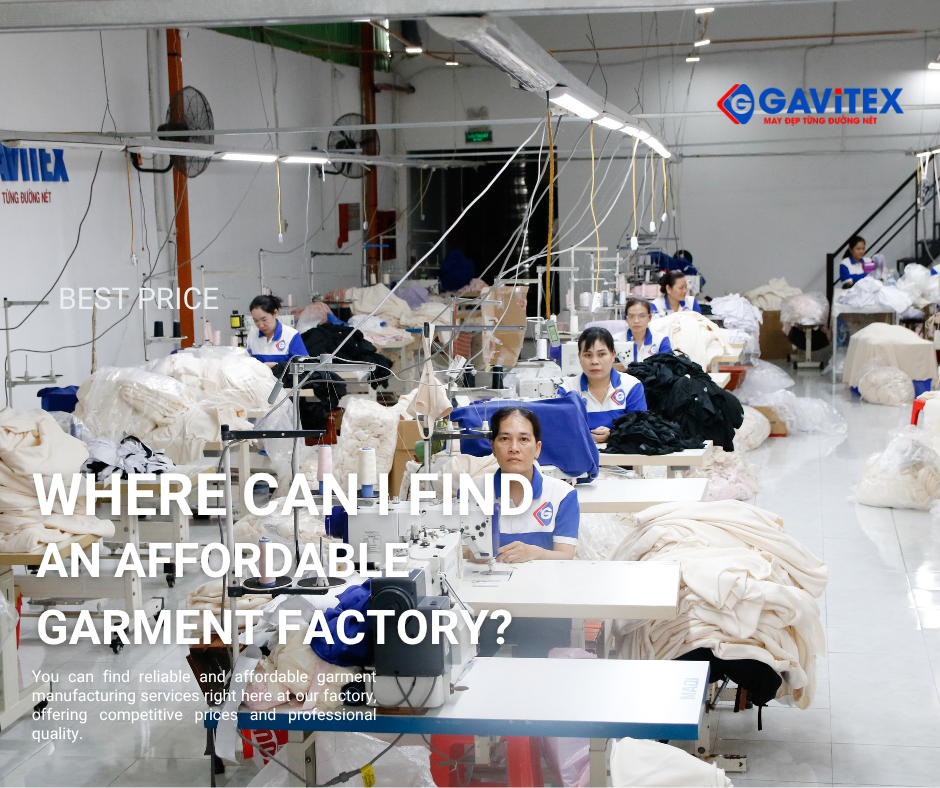
Finding the right garment manufacturing factory in Hanoi is a critical step for apparel businesses. This section provides a comparative guide to the top garment factory types available in Hanoi, helping you understand their strengths and weaknesses to make an informed decision. Exploring these different factory models – from CMT to Full Package – will empower you to align your production needs with the most suitable partner for your specific requirements as well as your brand, Gavitex Garment Company.
Hanoi’s garment manufacturing landscape offers diverse factory types, each specializing in different aspects of the production process. Understanding the nuances of each type is crucial for businesses seeking efficient and cost-effective solutions. The primary factory structures include: CMT (Cut, Make, Trim), OEM (Original Equipment Manufacturer), ODM (Original Design Manufacturer), and Full Package factories. Each brings a unique set of capabilities, which impacts the scope of your project, from initial design to final delivery.
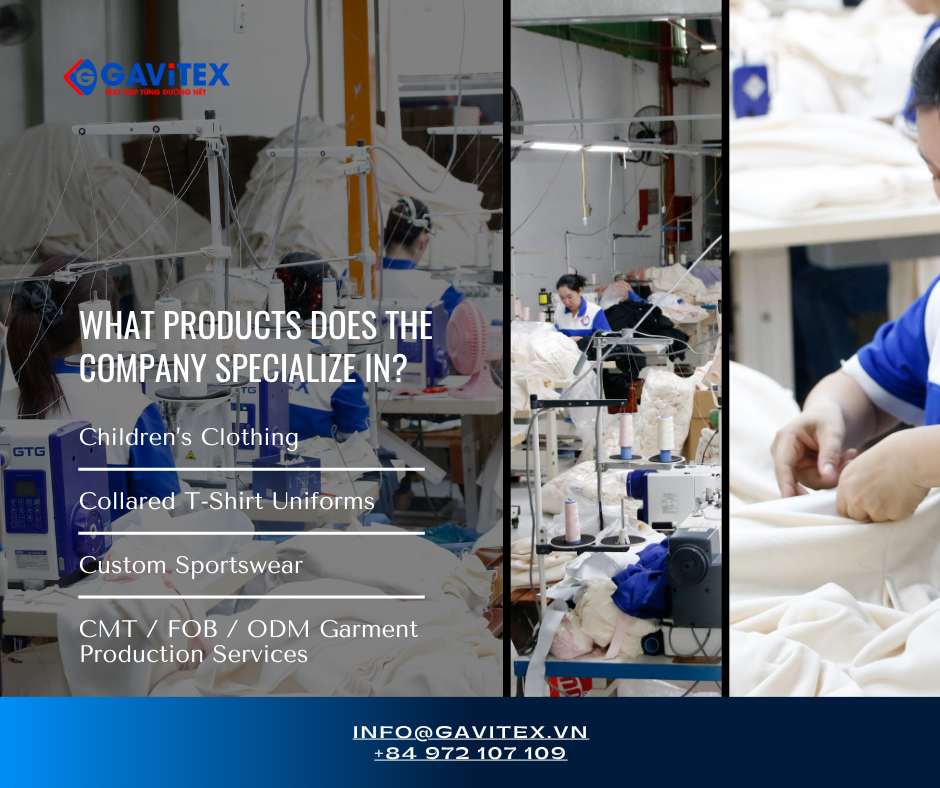
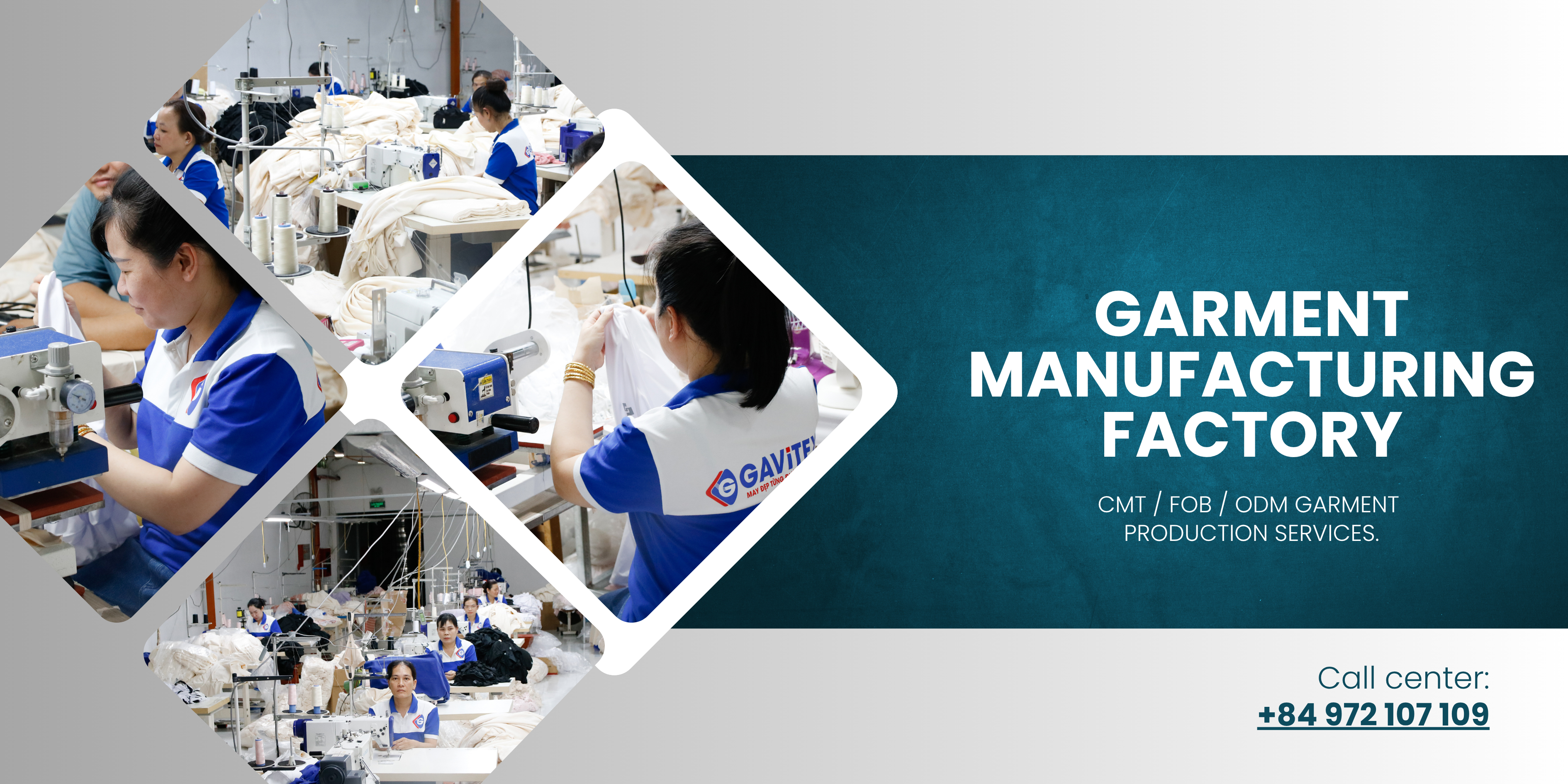
CMT (Cut, Make, Trim) factories are ideal for businesses that already have established designs and patterns. These factories focus on the core manufacturing processes: cutting fabric, sewing garments, and adding trims. OEM (Original Equipment Manufacturer) factories offer full-scale production based on your designs, handling everything from sourcing materials to manufacturing the final product. In contrast, ODM (Original Design Manufacturer) factories provide collaborative design and manufacturing solutions, assisting with both the design and production phases. Full Package factories offer comprehensive services, managing the entire process from initial design conceptualization to final delivery.
Choosing the appropriate factory type hinges on factors like the complexity of your designs, the scale of your production run, and the level of design support you require. For smaller, custom designs, CMT factories offer the flexibility needed to work with specific patterns. If you possess finalized designs and require large-scale production, OEM factories provide the necessary capacity. For a more collaborative approach where design expertise is needed, ODM factories can be a valuable asset. Lastly, companies seeking a hassle-free, end-to-end solution can benefit from the comprehensive services of Full Package factories.
Evaluating Garment Factory Quality Control Processes in Hanoi
When sourcing a garment manufacturing factory in Hanoi, a critical aspect often overlooked is evaluating the factory’s quality control processes. A robust quality control system ensures that the final products meet your specifications and standards, minimizing defects and maximizing customer satisfaction. Assessing these processes upfront is crucial for a successful and long-term partnership with any Hanoi-based garment manufacturer.
A comprehensive quality control strategy encompasses several key stages, starting from the pre-production phase. Pre-production quality checks are essential for verifying the quality of raw materials, including fabrics, trims, and accessories. For example, Gavitex Garment Company insists on lab testing all fabrics to ensure they meet colorfastness, shrinkage, and strength requirements before production begins. This proactive approach minimizes the risk of using substandard materials that could compromise the final product’s quality. These checks also involve confirming that all components match the approved samples and tech packs, guaranteeing consistency throughout the production run.
During the manufacturing process, in-line inspection plays a pivotal role in identifying and correcting defects early on. This involves stationing quality controllers along the production line to monitor various stages, such as cutting, sewing, and finishing. For example, at the sewing stage, inspectors examine stitch quality, seam strength, and overall construction to ensure that garments are assembled correctly and meet the required standards. Regular in-line inspections help to prevent minor issues from escalating into major problems, reducing the need for rework and minimizing production delays.
The final inspection is the last line of defense before shipment, where garments undergo a thorough examination to identify any remaining defects. This includes checking for issues such as misaligned seams, incorrect sizing, stains, and other imperfections. Factories often use AQL (Acceptable Quality Limit) standards to determine the acceptable number of defects per batch. For instance, an AQL of 2.5 means that no more than 2.5% of the garments in a batch should have major defects. By adhering to AQL standards, manufacturers can ensure that only high-quality products are shipped to customers.
Ultimately, understanding and evaluating a garment factory’s quality control processes in Hanoi is essential for mitigating risks, ensuring product quality, and building a successful partnership. From pre-production checks to in-line inspections and final assessments, a comprehensive quality control system helps to minimize defects and guarantee customer satisfaction.
Navigating Garment Manufacturing Costs in Hanoi: A Detailed Breakdown
Understanding garment manufacturing costs in Hanoi is crucial for businesses seeking to optimize their production budgets and maximize profitability when sourcing from garment manufacturing factories in Hanoi. This section provides a detailed breakdown of the key cost components involved in garment production, enabling you to navigate the complexities of pricing and make informed decisions for your brand. By examining the nuances of raw material sourcing, labor expenses, overhead, and minimum order quantities, you’ll gain a clearer picture of the financial landscape of garment manufacturing in Vietnam.
Raw Material Expenses: The Foundation of Garment Costing
The cost of raw materials, encompassing fabrics, trims, and accessories, forms a significant portion of the overall manufacturing expenses. Fabric selection directly impacts pricing, with premium materials like organic cotton or specialized technical textiles commanding higher prices than conventional options. Similarly, embellishments like zippers, buttons, labels, and packaging contribute to the total material costs. Sourcing strategies, such as establishing long-term relationships with suppliers or buying in bulk, can potentially mitigate these expenses.
Labor Costs: Weighing Expertise and Efficiency
Labor costs associated with sewing, cutting, and finishing operations represent another key factor influencing garment manufacturing pricing. Vietnam’s competitive labor market offers a cost-effective advantage compared to many other manufacturing hubs. However, variations in skill levels, factory efficiency, and complexity of the garment design can affect labor expenses. Factories specializing in intricate designs or requiring specialized sewing techniques may charge higher labor rates due to the increased time and expertise needed.
Overhead Costs: Understanding the Factory’s Operational Expenses
Overhead costs, encompassing factory rent, utilities, administrative expenses, and equipment maintenance, are factored into the overall garment production price. These fixed costs contribute to the operational expenses of the manufacturing facility. Factors such as the factory’s location, size, and investment in technology can influence overhead expenses. Understanding these costs helps buyers assess the overall financial stability and operational efficiency of a potential garment manufacturing partner.
Minimum Order Quantities (MOQs): Balancing Cost Efficiency and Flexibility
Minimum Order Quantities (MOQs) play a crucial role in determining the overall cost-effectiveness of garment manufacturing. Factories often establish MOQs to ensure they can cover their fixed costs and achieve economies of scale. Higher MOQs may translate to lower per-unit prices, but they can also pose a challenge for smaller brands or those testing new designs. Negotiating MOQs or seeking factories that specialize in smaller production runs is essential for businesses with limited order volumes. Gavitex Garment Company assists clients in navigating MOQ requirements by connecting them with factories suited to their production needs.

Sustainable and Ethical Garment Manufacturing Options in Hanoi
For businesses seeking garment manufacturing factories in Hanoi, embracing sustainable and ethical practices is not only a responsible choice but also a growing consumer demand. Choosing factories that prioritize environmental protection and fair labor practices enhances brand reputation and contributes to a more sustainable future for the fashion industry. This section delves into the various avenues for achieving sustainability and ethical production within Hanoi’s garment sector.
One crucial aspect is eco-friendly fabric sourcing. This involves opting for materials with a lower environmental impact compared to conventional options. Organic cotton, cultivated without synthetic pesticides and fertilizers, is a popular choice. Recycled materials, such as recycled polyester made from plastic bottles, also offer a sustainable alternative by reducing waste and conserving resources. Innovative textiles like Tencel (made from sustainably sourced wood pulp) and hemp are gaining traction due to their eco-friendly properties and versatility. Gavitex garment company actively promotes the use of these materials to minimize its environmental footprint.
Another critical area is ensuring fair labor practices. Factories committed to ethical manufacturing prioritize the well-being of their workers. This encompasses providing safe working conditions, adhering to regulated working hours, and paying fair wages that meet or exceed minimum wage standards. Regular audits and certifications, such as WRAP (Worldwide Responsible Accredited Production) and BSCI (Business Social Compliance Initiative), serve as indicators of a factory’s commitment to ethical labor practices. By partnering with factories that prioritize worker welfare, brands can ensure their products are made under humane and respectful conditions.
Waste reduction strategies are also paramount in sustainable garment manufacturing. Minimizing fabric waste through efficient cutting techniques and utilizing leftover fabric for smaller items can significantly reduce environmental impact. Implementing water-saving measures, such as using water-efficient dyeing and washing processes, is crucial in a water-intensive industry. Factories that actively seek to minimize their environmental footprint often invest in technologies and practices that reduce waste and conserve resources.
Finally, seeking out certifications for sustainable practices provides assurance of a factory’s commitment. Certifications like GOTS (Global Organic Textile Standard) verify the organic status of textiles, from harvesting of the raw materials to environmentally and socially responsible manufacturing. Oeko-Tex certification ensures that textiles are free from harmful substances, protecting both workers and consumers. Fair Trade certification guarantees fair wages and safe working conditions for farmers and workers involved in the production process. Prioritizing factories with these certifications demonstrates a commitment to sustainable and ethical production.
Communicating Effectively with Your Garment Factory in Hanoi: Overcoming Language and Cultural Barriers
Establishing effective communication is paramount when partnering with a garment manufacturing factory in Hanoi. Navigating language differences and cultural nuances requires a proactive and thoughtful approach to ensure clear understanding, prevent misunderstandings, and foster a strong, productive working relationship. This section will delve into strategies for bridging these gaps and building a successful partnership with your Vietnamese manufacturing partners.
One of the initial steps towards clear communication is establishing clear communication channels. This encompasses utilizing a mix of methods, including email for formal documentation and updates, phone calls for urgent matters or quick clarifications, and, when possible, in-person meetings to build rapport and address complex issues directly. It’s beneficial to identify key contacts within the factory’s management and production teams and designate corresponding contacts on your end to streamline communication and ensure accountability.
Another crucial element is preparing detailed tech packs. A tech pack serves as the blueprint for your garment designs and should include precise specifications for every aspect of the garment, from fabric type and color to measurements, stitching details, and labeling requirements. Providing comprehensive and unambiguous tech packs minimizes the risk of errors and ensures that the factory understands your exact vision. The more detailed and visually clear your tech pack, the less room there is for misinterpretation.
Furthermore, building strong relationships with factory management and staff is key to long-term success. Take the time to learn about the factory’s organizational structure, key personnel, and communication preferences. Showing respect for their expertise and valuing their contributions will foster a collaborative environment and encourage open dialogue. Regular communication, even beyond production-related matters, can help build trust and strengthen the partnership.
Finally, understanding and respecting Vietnamese business culture and etiquette is essential. Vietnamese culture places a high value on hierarchy, respect for elders, and maintaining harmony. Showing patience, avoiding direct confrontation, and communicating respectfully are crucial for building trust and rapport. Simple gestures like learning a few basic Vietnamese phrases can demonstrate your commitment to building a strong and respectful relationship with your garment factory in Hanoi.
Legal Considerations for Garment Manufacturing in Hanoi: Contracts, Intellectual Property, and Compliance
Navigating the legal landscape is crucial for any business venturing into garment manufacturing factory in Hanoi. From establishing legally sound contracts to protecting your intellectual property and ensuring full compliance with Vietnamese laws, a thorough understanding of these aspects is essential to safeguard your interests and foster a smooth and successful manufacturing process. Ignoring these legal considerations can lead to costly disputes, production delays, and even legal repercussions.
Drafting a Comprehensive Manufacturing Agreement: Protecting Your Interests
A well-drafted manufacturing agreement is the cornerstone of a successful partnership with a garment factory in Hanoi. This legally binding document should clearly outline the scope of work, including specific details about product specifications, quality standards, production timelines, payment terms, and dispute resolution mechanisms. Including clauses that protect your brand and designs is important. For instance, clearly stating the factory’s responsibilities regarding materials sourcing and ensuring they meet all safety and quality regulations are critical. This proactive approach helps prevent misunderstandings and ensures that both parties are aligned on expectations, significantly mitigating potential risks during the manufacturing process.
Safeguarding Your Intellectual Property: Design Patents and Trademarks
Protecting your intellectual property (IP) is paramount when manufacturing in Vietnam. This involves taking proactive steps to secure your designs, trademarks, and other proprietary information. Before sharing any sensitive information with a garment factory in Hanoi, consider filing for design patents or registering your trademarks in Vietnam. Implementing confidentiality agreements (NDAs) with the factory and its employees can provide an additional layer of protection. Regularly monitoring the market for potential infringements and taking swift action against any unauthorized use of your IP is also vital to maintaining your competitive edge and preventing counterfeiting.
Complying with Vietnamese Labor Laws and Regulations
Adhering to Vietnamese labor laws and regulations is not only a legal obligation but also an ethical imperative. Ensure that your chosen garment factory provides fair wages, safe working conditions, and reasonable working hours for its employees. Familiarize yourself with regulations related to minimum wage, overtime pay, social insurance, and workplace safety standards. Conducting regular audits of the factory’s labor practices can help ensure compliance and demonstrate your commitment to ethical garment manufacturing. By prioritizing fair labor practices, you not only minimize legal risks but also enhance your brand reputation and attract socially conscious customers.
Import and Export Regulations: Understanding Customs Procedures and Tariffs
Successfully navigating the import and export regulations is crucial for efficient garment manufacturing in Hanoi. Understanding customs procedures and tariffs is essential to avoid delays and unexpected costs. Work closely with your garment factory and a reputable freight forwarder to ensure that all necessary documentation is accurately prepared and submitted. Familiarize yourself with the relevant trade agreements between Vietnam and your country to potentially benefit from reduced tariffs. Staying informed about any changes in import and export regulations is essential for maintaining a smooth and cost-effective supply chain.
Managing Your Garment Production Timeline in Hanoi: From Sample to Shipment
Effectively managing your garment production timeline in Hanoi, from the initial sample to the final shipment, is crucial for success when working with a garment manufacturing factory in Hanoi. A well-defined and monitored timeline ensures that your production runs smoothly, meets deadlines, and adheres to your quality standards, ultimately impacting your profitability and customer satisfaction. Failing to do so can result in delays, increased costs, and potential damage to your brand reputation.
Creating a realistic production schedule is the foundation of successful timeline management. This involves considering several factors, including lead times for raw material sourcing (fabric, trims, and accessories), the complexity of your designs, the factory’s current workload, and potential delays due to holidays or unforeseen circumstances. For instance, Tet, the Vietnamese Lunar New Year, can significantly impact production schedules due to factory closures. A detailed schedule should outline each stage of production, from sample development to final inspection and packaging, assigning specific deadlines for each task.
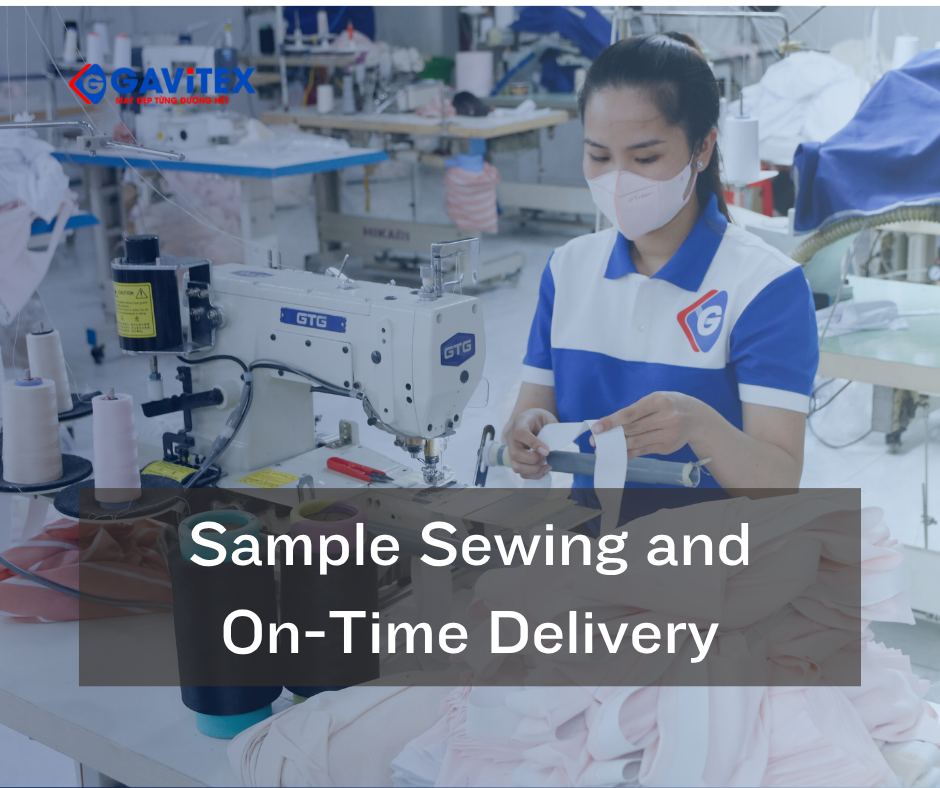
Sample development plays a pivotal role in refining your designs and selecting the most suitable fabrics. This stage involves creating prototypes based on your tech packs and specifications. It’s an iterative process where you review samples, provide feedback, and request modifications until you achieve the desired outcome. Expect multiple rounds of sampling, especially for complex designs or new fabric selections. The garment manufacturing factory in Hanoi will usually provide a detailed sampling schedule, which should be closely monitored.
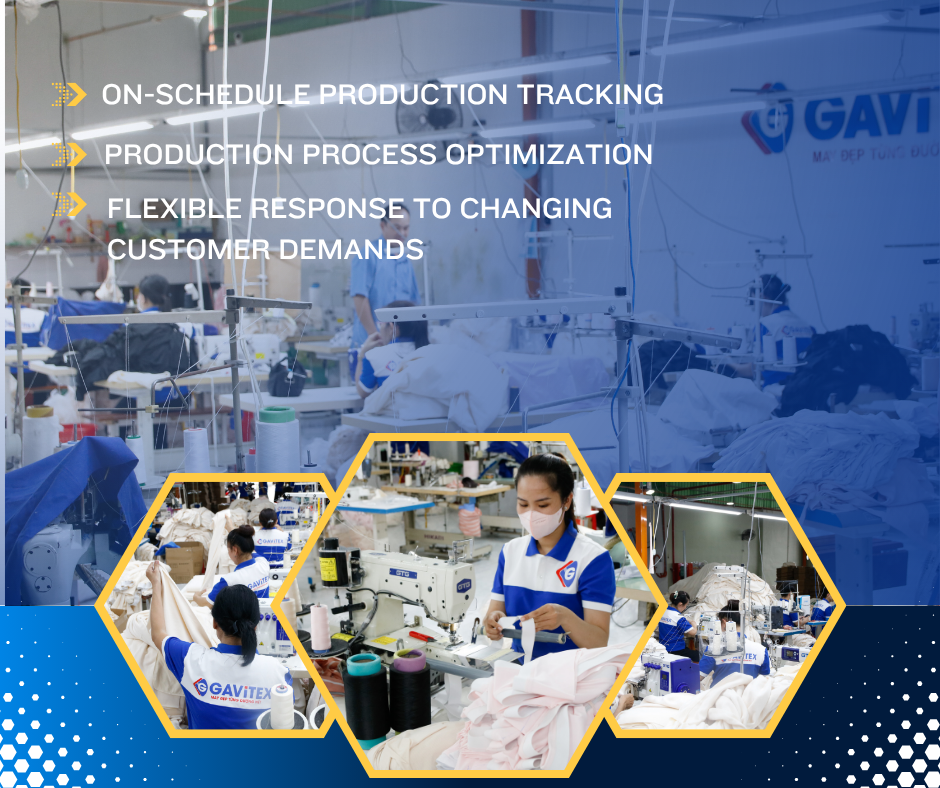
Production monitoring is essential for tracking progress and proactively addressing potential issues that may arise during the manufacturing process. Regular communication with the factory is key to staying informed about the status of your order. This includes receiving updates on cutting, sewing, finishing, and quality control. Consider implementing a system for tracking key milestones, such as fabric delivery, cutting completion, and sewing progress. Early detection of problems allows for timely intervention and minimizes the risk of delays.
Finally, logistics and shipping involve coordinating transportation and customs clearance to ensure that your finished garments arrive at their destination on time. This includes selecting a reliable shipping company, preparing necessary documentation (invoices, packing lists, certificates of origin), and understanding import/export regulations in both Vietnam and your destination country. A clear understanding of Incoterms (International Commercial Terms) is essential to define responsibilities and costs associated with shipping.
Overcoming Common Challenges in Garment Manufacturing in Hanoi
Successfully navigating garment manufacturing factory in Hanoi requires anticipating and mitigating potential hurdles. While Hanoi offers numerous advantages as a manufacturing hub, businesses often encounter challenges related to quality control, communication, production delays, and ethical sourcing. Understanding these common challenges and implementing proactive strategies is crucial for a smooth and profitable manufacturing experience.
One of the most frequently cited issues is quality control. Variability in fabric quality, inconsistencies in sewing, and defects in finishing are all potential problems. To mitigate these risks, implementing robust inspection processes at every stage of production is essential. This includes pre-production checks of raw materials, in-line inspections during the manufacturing process, and final inspections before shipment. For example, a detailed AQL (Acceptable Quality Limit) should be established and strictly enforced to ensure that the final products meet the required standards. Gavitex Garment Company recommends utilizing independent third-party inspection agencies to provide unbiased assessments and ensure objectivity.
Communication breakdowns are another significant obstacle, often stemming from language differences and cultural nuances. Establishing clear and consistent communication channels is vital. This involves utilizing email, phone calls, and in-person meetings to convey information accurately. Preparing detailed tech packs with precise specifications for your designs can minimize misunderstandings. Furthermore, investing in translation services and fostering strong relationships with factory management and staff can bridge the communication gap and promote a collaborative working environment. Remember that building trust and understanding Vietnamese business culture are key to long-term success.
Production delays can disrupt timelines and impact profitability. Proactive planning and effective management are critical to minimizing these disruptions. A realistic production schedule that accounts for lead times and potential delays should be created. Regular production monitoring is essential to track progress and address issues proactively. Establishing clear lines of communication with the factory and maintaining open dialogue about potential challenges can help to resolve issues quickly and efficiently. Gavitex Garment Company finds that having a dedicated project manager on the ground in Hanoi can provide valuable oversight and help to keep production on track.
Finally, ensuring ethical and sustainable practices is increasingly important for businesses. This involves conducting due diligence to ensure that factories adhere to fair labor standards and environmental regulations. Regularly monitoring working conditions and sourcing eco-friendly fabrics can help to promote ethical and sustainable practices throughout the supply chain. Certifications such as GOTS, Oeko-Tex, and Fair Trade can provide assurance that factories are committed to responsible manufacturing. By prioritizing ethical and sustainable practices, companies can enhance their brand reputation and contribute to a more responsible garment industry.
The Future of Garment Manufacturing in Hanoi: Innovation, Technology, and Sustainability
The future of garment manufacturing in Hanoi is inextricably linked to innovation, technology, and sustainability. As the gavitex garment company and other players in the industry seek to maintain competitiveness in the global market, embracing these pillars is no longer optional but a necessity. This means moving beyond traditional methods and actively integrating cutting-edge solutions to optimize production, minimize environmental impact, and ensure ethical practices.
The integration of automation and robotics will revolutionize production processes in Hanoi’s garment factories. This shift translates to increased efficiency and precision, minimizing errors, and accelerating production timelines. For example, automated cutting machines can drastically reduce fabric waste compared to manual cutting methods, and robotic sewing systems can handle repetitive tasks with greater speed and accuracy. Furthermore, these technologies can improve workplace safety by handling hazardous materials or performing physically demanding tasks.
3D printing and digital design are poised to streamline the sample development process significantly. Traditional sample creation is time-consuming and resource-intensive, often involving multiple iterations and physical prototypes. By leveraging 3D printing, designers can quickly create and evaluate physical samples of garments, allowing for faster feedback loops and reduced material waste. Digital design tools also enable virtual prototyping, where garments can be visualized and modified digitally before any physical sample is produced, leading to significant cost and time savings.
The adoption of circular economy models is crucial for sustainable garment manufacturing in Hanoi. This involves shifting from a linear “take-make-dispose” model to a closed-loop system where materials are reused and recycled. Strategies include designing garments for durability and recyclability, implementing take-back programs to collect used clothing for recycling, and utilizing recycled materials in production. Promoting recycling and upcycling not only reduces waste but also creates new business opportunities and reduces reliance on virgin resources. For instance, Gavitex garment company could partner with local organizations to collect textile waste and transform it into new fabrics or products.
The impact of technology on garment manufacturing extends beyond specific tools and processes. It encompasses a fundamental shift in how factories operate, manage data, and collaborate with stakeholders. Cloud-based platforms and data analytics tools enable real-time monitoring of production processes, allowing for proactive identification and resolution of issues. E-commerce platforms and digital marketing strategies enable factories to reach new markets and connect directly with customers. Embracing these technologies is essential for Hanoi’s garment industry to remain competitive and thrive in the evolving global landscape.

Related services from Gavitex: garment manufacturers in Vietnam, clothing manufacturers in Vietnam and custom clothing production.
