
Understanding the landscape of Garment Manufacturing Factory in Ho Chi Minh City is crucial for businesses seeking efficient and cost-effective production hubs in Southeast Asia. This article delves into the vibrant ecosystem of garment factories within Ho Chi Minh City, exploring their pivotal role in global supply chains, and connecting it to the Garment Processing category. We will provide a detailed analysis of the key players, their capabilities, and specializations. Furthermore, this piece will give you practical insights into navigating the local market, including understanding compliance standards, labor regulations, and sustainable manufacturing practices. Finally, we’ll touch on emerging trends shaping the future of garment production, such as technological advancements, supply chain optimization, and the increasing demand for ethical sourcing and sustainability.
Finding the Right Garment Manufacturing Partner in Ho Chi Minh City: Key Considerations
Selecting the ideal garment manufacturing factory in Ho Chi Minh City is a critical decision that can significantly impact your brand’s success. This process requires careful evaluation of various factors to ensure a beneficial and sustainable partnership. Beyond just finding a garment supplier, you’re seeking a collaborator who understands your brand, can meet your quality standards, and operate ethically.
Finding the right garment manufacturer in Ho Chi Minh City hinges on several key considerations:
-
Production Capabilities and Specialization: Determine if the factory’s expertise aligns with your specific product needs. Does the garment factory specialize in woven fabrics, knitted garments, or activewear? Confirm they possess the necessary equipment and skillset.
-
Quality Control Processes: A robust quality control system is crucial. Enquire about their quality assurance protocols at each production stage, from fabric inspection to final product assessment, to maintain consistent standards for your clothing production.
-
Ethical and Social Compliance: Ensure the garment manufacturing partner adheres to fair labor practices and environmental regulations. Look for certifications like WRAP, BSCI, or SEDEX to demonstrate their commitment to ethical sourcing and production.
-
Cost-Effectiveness: While price is a factor, prioritize overall value. Analyze pricing structures, including labor costs, material costs, and MOQs (Minimum Order Quantities), to evaluate the potential return on investment of your garment manufacturing factory.
-
Communication and Logistics: Efficient communication is vital for a smooth production process. Assess their communication style, responsiveness, and logistics capabilities to guarantee seamless supply chain management and timely delivery of your garments.
-
Long-Term Partnership Potential: Choose a garment manufacturing factory that values long-term relationships. A stable partner will be invested in your brand’s growth, adapting to your evolving needs and providing ongoing support to sustain a fruitful partnership.
A Deep Dive into Ho Chi Minh City’s Garment Manufacturing Landscape
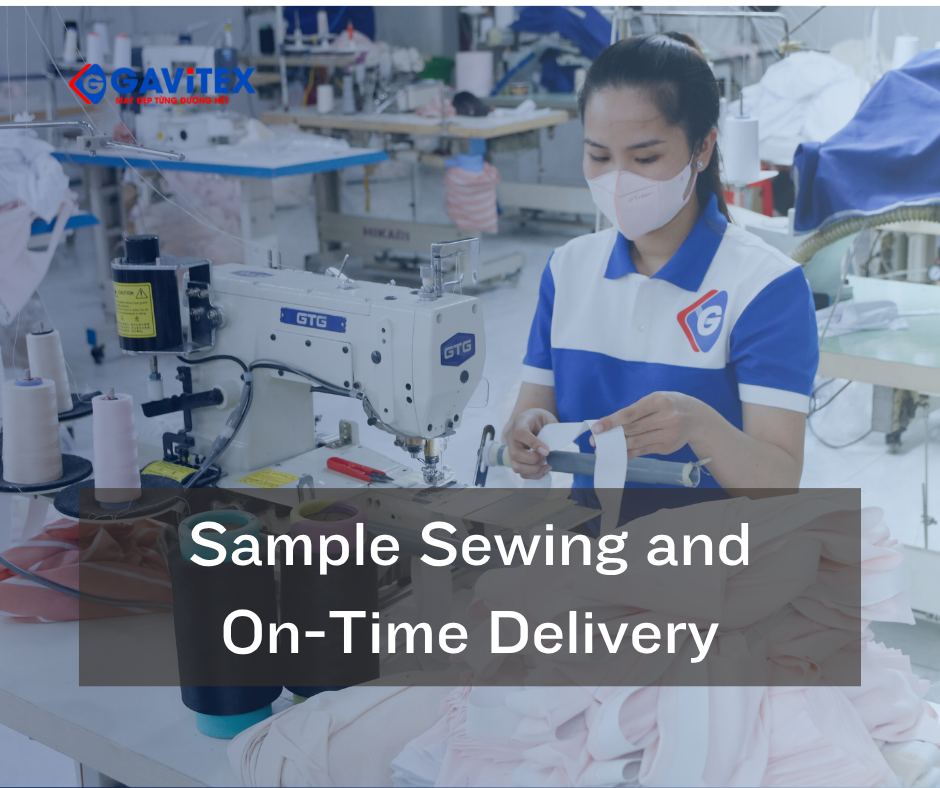
Understanding the garment manufacturing landscape in Ho Chi Minh City is crucial for any brand seeking a reliable production partner. This bustling metropolis has established itself as a major hub for textile and apparel production, attracting businesses from around the globe. Ho Chi Minh City, Vietnam possesses a unique combination of factors – skilled labor, strategic location, and a growing economy – that make it an attractive destination for garment manufacturing. To effectively navigate this complex environment, a comprehensive understanding of its key characteristics is essential.
The city’s garment industry is characterized by a diverse ecosystem, ranging from small, family-owned workshops to large-scale, export-oriented factories. These facilities offer a wide spectrum of services, from cut-make-trim (CMT) operations to full-package production, catering to varying client needs and order sizes. CMT focuses solely on cutting, making, and trimming garments, while full-package production includes everything from design and fabric sourcing to manufacturing and quality control. This range allows brands to select a partner best suited to their specific requirements and budget. Furthermore, the concentration of garment factories in and around Ho Chi Minh City fosters a competitive environment, incentivizing manufacturers to offer competitive pricing and maintain high-quality standards.
Beyond the sheer volume of factories, Ho Chi Minh City boasts a workforce with a strong tradition of textile craftsmanship. Decades of experience in garment production have cultivated a skilled labor pool adept at operating various types of machinery and executing intricate designs. The Vietnamese government has also invested in vocational training programs to further enhance the skills of garment workers, ensuring a steady supply of qualified personnel. This skilled workforce translates to higher quality products and reduced lead times for brands working with garment factories in Ho Chi Minh City.
Another key aspect of the landscape is the city’s strategic location, providing easy access to major shipping routes and international markets. Its proximity to key ports like Cat Lai facilitates efficient transportation of raw materials and finished goods, minimizing shipping costs and lead times. Moreover, Ho Chi Minh City’s well-developed infrastructure, including roads, airports, and logistics networks, further streamlines the supply chain. This geographic advantage makes it a prime location for brands seeking to manufacture garments for both domestic and international consumption.
Finally, the evolving regulatory framework plays a vital role in shaping the garment manufacturing sector. Vietnam’s commitment to international trade agreements, such as the Comprehensive and Progressive Agreement for Trans-Pacific Partnership (CPTPP), has created new opportunities for garment exporters. However, brands must also be aware of local labor laws, environmental regulations, and compliance standards to ensure ethical and sustainable production practices. Understanding these regulations is crucial for building long-term, successful partnerships with garment manufacturing factory in Ho Chi Minh City.
(349 words)
Production Capabilities & Specializations: Matching Your Needs with a HCM City Factory
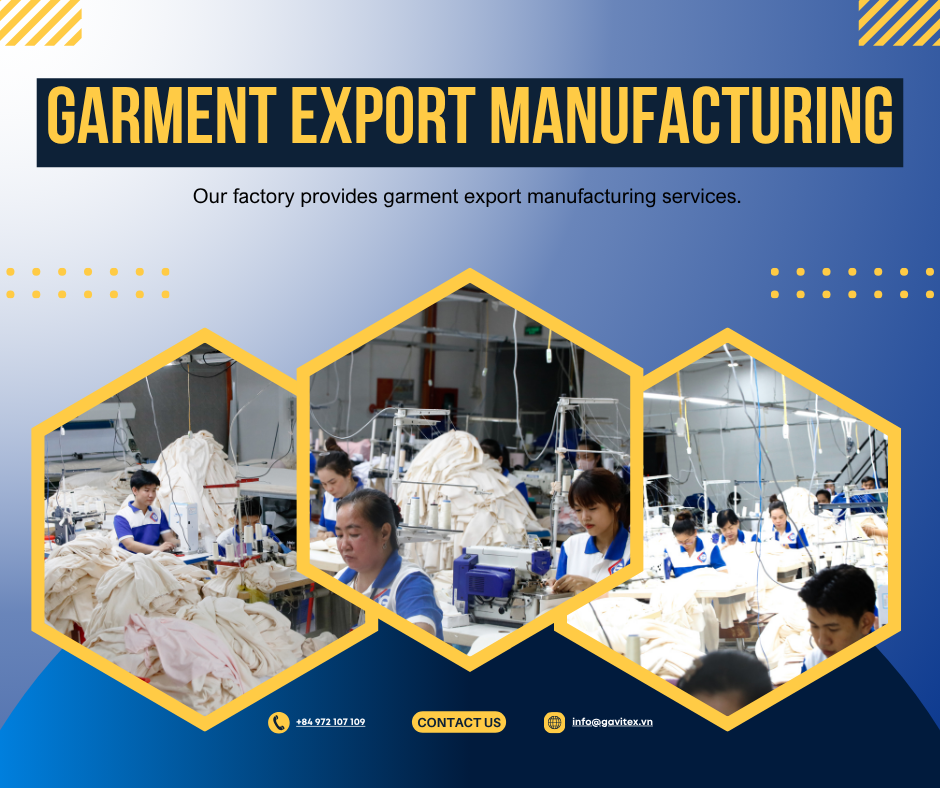
Selecting the right garment manufacturing factory in Ho Chi Minh City hinges on understanding their production capabilities and specializations. This involves carefully aligning your specific apparel needs with the factory’s expertise, equipment, and capacity to ensure a successful manufacturing partnership. Matching your requirements ensures efficient production, high-quality output, and ultimately, a successful product launch.
Ho Chi Minh City’s garment industry boasts a diverse range of factories, each possessing unique strengths. Some factories specialize in woven garments, excelling in the production of shirts, pants, and jackets. Others focus on knitted apparel, like t-shirts, sweaters, and sportswear. Identifying factories with relevant specializations—such as embroidery, printing, or specialized fabric handling—is critical. For instance, Gavitex Garment Company has built a strong reputation for handling complex designs and specialized fabrics, making us a preferred partner for brands seeking high-quality, fashion-forward apparel.
To effectively assess a factory’s capabilities, consider the following aspects:
- Production Capacity: Evaluate the factory’s ability to handle your order volume within your desired timeframe. Inquire about their machinery, workforce size, and production processes to gauge their throughput.
- Equipment and Technology: Ensure the factory possesses the necessary equipment for your specific garment types. This includes sewing machines, cutting machines, printing equipment, and any specialized machinery required for unique designs or fabric treatments.
- Fabric Expertise: Determine if the factory has experience working with your chosen fabrics. Certain materials require specialized handling and sewing techniques.
- Sampling and Prototyping: A factory with strong sampling capabilities can create accurate prototypes, allowing you to refine designs before mass production.
- Certifications: Look for certifications such as WRAP, BSCI, or SEDEX, which demonstrate the factory’s commitment to ethical and responsible manufacturing practices.
Ultimately, choosing a garment manufacturing partner in Ho Chi Minh City requires careful consideration of their production capabilities and specializations. By matching your needs with a factory’s strengths, you can ensure a successful and mutually beneficial partnership.
Quality Control and Ethical Practices: Ensuring Standards in Your HCM City Garment Production
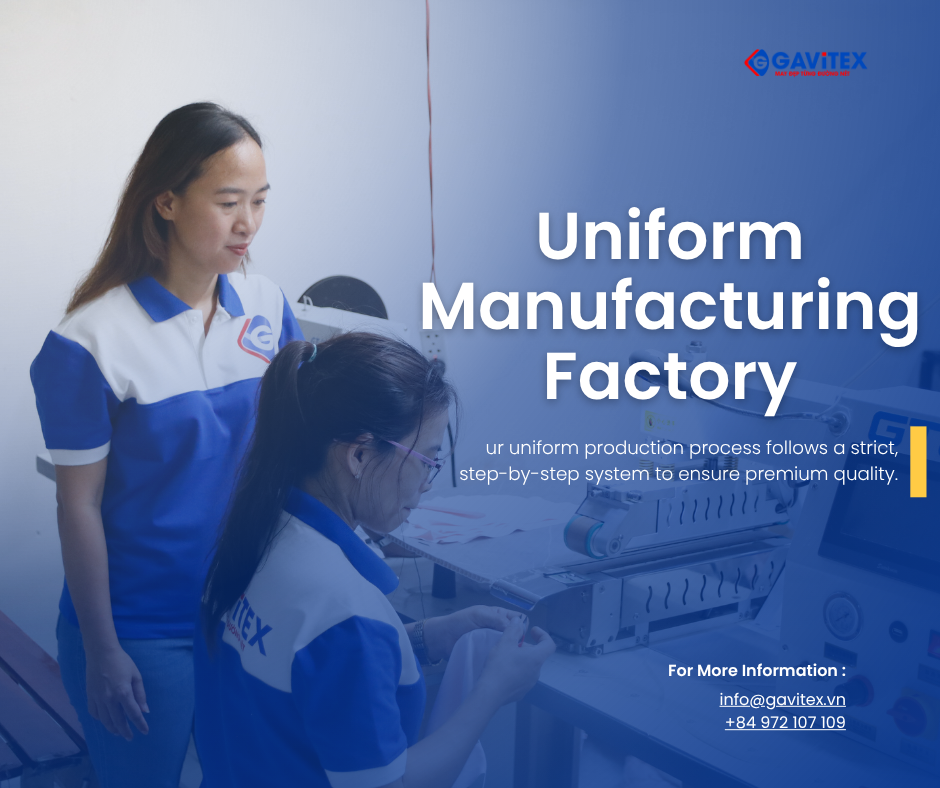
In the competitive landscape of garment manufacturing factory in Ho Chi Minh City, maintaining rigorous quality control and adhering to ethical practices are not merely optional extras, but essential pillars for building a sustainable and reputable business. These aspects directly impact product quality, brand image, and ultimately, customer satisfaction. Implementing robust quality control measures and prioritizing ethical labor standards are key to ensuring long-term success in the global apparel market.
Implementing stringent quality assurance procedures throughout the production process, from initial fabric inspection to final product assessment, is paramount. This encompasses several key stages, including:
- Pre-production checks: Evaluating fabric quality, color consistency, and pattern accuracy before cutting.
- In-line inspections: Monitoring sewing, stitching, and assembly processes to identify and rectify defects early on.
- Final inspections: Conducting thorough examinations of finished garments to ensure they meet specified quality standards regarding measurements, construction, and overall appearance.
- Utilizing AQL (Acceptable Quality Limit) standards: Defining the maximum number of defects that are acceptable in a sample size.
Beyond quality, ethical garment production is increasingly important to consumers and brands alike. This means ensuring fair wages, safe working conditions, and respect for workers’ rights. Partnering with garment factories that are certified by reputable organizations such as WRAP (Worldwide Responsible Accredited Production) or Fair Wear Foundation provides assurance of adherence to international labor standards. Transparency in the supply chain and regular social audits are also crucial for verifying ethical practices and promoting worker well-being. Choosing a garment manufacturing partner with a strong commitment to fair labor practices helps protect your brand’s reputation and fosters a positive impact on the local community.
Effective communication and collaboration between your brand and the garment factory are critical for maintaining quality standards and ethical accountability. Clearly defining your expectations, providing detailed specifications, and conducting regular factory visits enable you to monitor progress, address any concerns, and ensure that your values are being upheld throughout the production process. By actively engaging in open dialogue and fostering a collaborative relationship, you can establish a strong foundation for long-term success in Ho Chi Minh City’s garment industry.
Cost-Effectiveness & Pricing Models: Understanding Garment Manufacturing Costs in Ho Chi Minh City
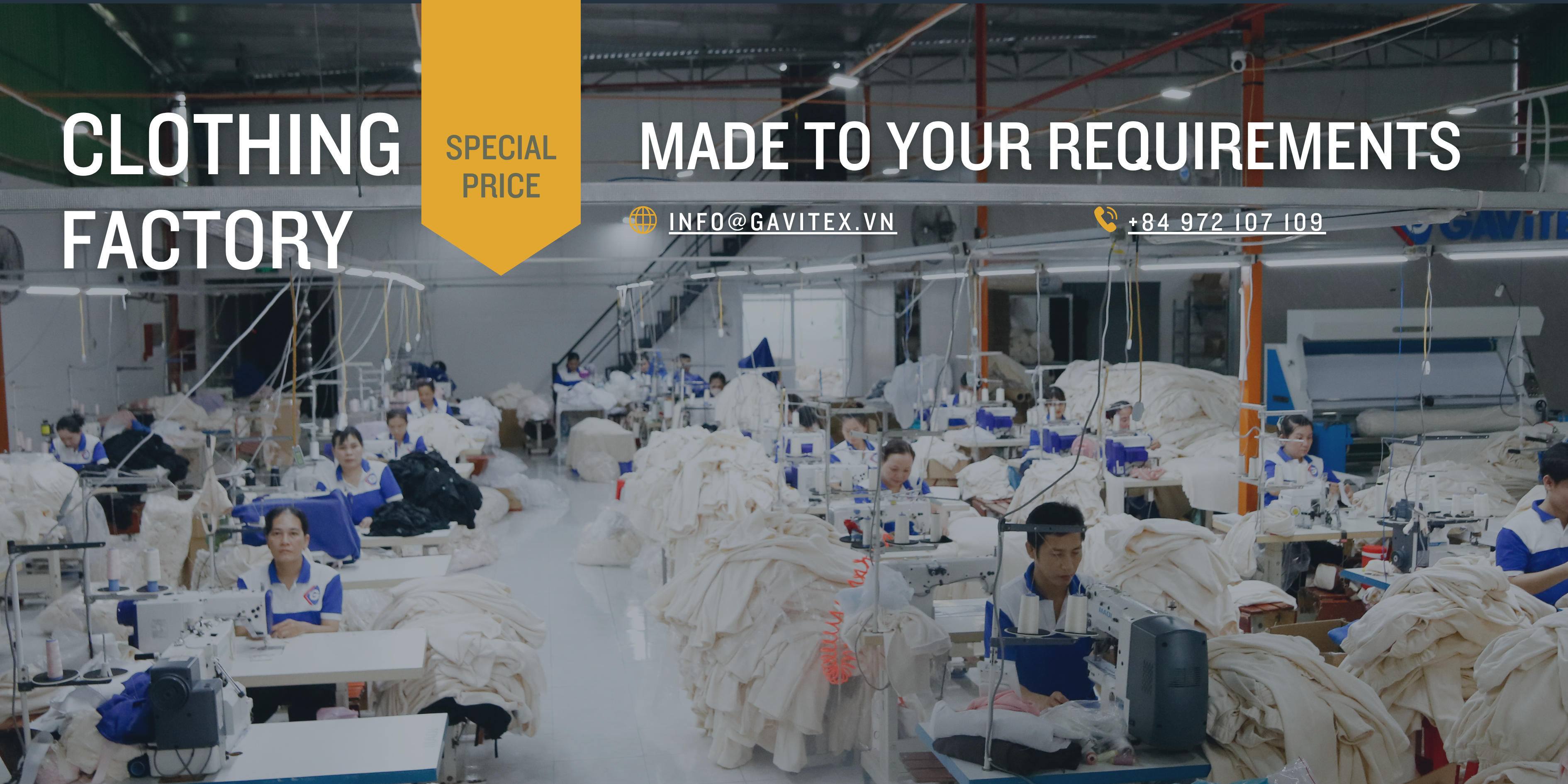
Navigating the complexities of garment manufacturing costs in Ho Chi Minh City is crucial for businesses seeking a competitive edge. Understanding the nuances of cost-effectiveness and various pricing models can significantly impact your bottom line when partnering with a garment manufacturing factory in Ho Chi Minh City. This section delves into the critical components that determine the overall cost of garment production, providing insights to help you make informed decisions.
Labor costs are a primary driver of garment manufacturing expenses in Ho Chi Minh City. While Vietnam offers relatively lower labor costs compared to other manufacturing hubs, factors such as skill level, experience, and benefits can influence the final price. Understanding minimum order quantities (MOQs) is equally important, as factories often have minimums to ensure profitability. Negotiating favorable MOQs that align with your production needs is essential for cost optimization.
Fabric sourcing and material costs constitute another significant portion of the total expenses. Ho Chi Minh City boasts a diverse textile industry, providing access to a wide range of fabrics and materials. However, prices can vary significantly based on quality, origin, and availability. Establishing reliable relationships with fabric suppliers and understanding material pricing trends are crucial for managing costs effectively. Gavitex Garment Company can assist in navigating these complexities, leveraging our established network to secure competitive material prices.
Beyond direct costs, overheads and other hidden expenses can impact the overall cost-effectiveness of garment manufacturing. These may include factory overheads, import/export duties, transportation costs, and quality control expenses. A comprehensive understanding of these hidden costs is crucial for accurate budgeting and avoiding unexpected expenses. Conducting thorough due diligence and seeking transparency from potential manufacturing partners are key to identifying and mitigating these costs.
Communication & Logistics: Streamlining Your Garment Production with a HCM City Factory
Effective communication and logistics are paramount for streamlining your garment production when partnering with a garment manufacturing factory in Ho Chi Minh City. In today’s globalized marketplace, clear lines of communication, efficient supply chain management, and robust logistical planning are essential to ensure timely delivery, maintain product quality, and ultimately, achieve cost-effectiveness. A strong understanding of these factors can dramatically impact the success of your manufacturing endeavors in Vietnam’s dynamic garment industry.
Establishing a robust communication framework is vital for overcoming language barriers and cultural differences. The ideal scenario involves factories that possess a dedicated English-speaking team to manage international client relationships, ensuring nuanced comprehension of design specifications, feedback, and evolving requirements. Furthermore, the adoption of project management tools and regular virtual meetings can foster real-time collaboration and facilitate the prompt resolution of potential challenges throughout the production cycle.
Beyond language proficiency, understanding the nuances of Vietnamese business culture is crucial. Directness, respect for seniority, and a preference for face-to-face interactions, where possible, are valuable insights that can enhance communication effectiveness. Proactive communication from the garment manufacturing partner regarding production timelines, potential delays, and quality control updates allows for agile decision-making and minimizes disruptions to your broader supply chain. For example, Gavitex Garment Company prioritizes transparency by providing clients with access to a secure online portal, enabling them to track production progress, review quality control reports, and communicate directly with the factory team.
Logistics encompasses the entire process of moving raw materials, components, and finished goods. Ho Chi Minh City benefits from a well-developed infrastructure, including major seaports like Cat Lai, and Tan Son Nhat International Airport. Strategic alliances with experienced freight forwarders and customs brokers are essential to navigate the complexities of international shipping, import/export regulations, and documentation. A reliable logistics partner can optimize shipping routes, negotiate favorable rates, and ensure compliance with all relevant trade laws, mitigating the risk of delays and unforeseen costs.
Efficient warehouse management and inventory control are also integral to a seamless supply chain. Look for factories that offer secure storage facilities and implement robust inventory tracking systems to minimize the risk of damage, loss, or theft. Furthermore, the ability to consolidate shipments and offer flexible delivery options can significantly reduce transportation costs and improve lead times.
Ultimately, effective communication and logistics are not merely operational considerations; they are strategic assets that can provide a competitive edge in the fast-paced garment manufacturing industry. By prioritizing clear communication channels, fostering cultural understanding, and leveraging the logistical advantages of Ho Chi Minh City, businesses can build strong, mutually beneficial partnerships with garment factories and achieve sustainable growth.

Legal Considerations & Compliance: Navigating the Regulatory Environment for Garment Manufacturing in Vietnam
Navigating the regulatory landscape is crucial for any business, and the garment manufacturing sector in Vietnam, especially concerning garment manufacturing factory in Ho Chi Minh City, is no exception. Understanding and adhering to Vietnamese laws and regulations is essential for ensuring smooth operations, avoiding penalties, and maintaining ethical and sustainable business practices. This section provides a comprehensive overview of the key legal considerations and compliance requirements that brands and manufacturers must be aware of when operating or partnering with factories in Ho Chi Minh City.
Successfully operating a garment manufacturing factory in Ho Chi Minh City requires careful adherence to Vietnamese law, encompassing investment regulations, labor laws, environmental protection standards, and trade regulations. Foreign brands must navigate the procedures for establishing a legal entity in Vietnam, often involving investment licenses and business registration certificates. Crucially, factories must obtain necessary permits, comply with fire safety regulations, and implement waste management systems to minimize environmental impact.
Labor law compliance is a significant aspect of legal adherence. It includes ensuring fair wages, reasonable working hours, and safe working conditions for employees. Vietnam’s labor code outlines provisions for minimum wages, overtime pay, social insurance, and workplace safety standards. Factories should implement comprehensive training programs to educate workers about their rights and responsibilities, while also conducting regular audits to identify and address any potential violations. Gavitex garment company, for instance, prioritizes labor rights and demonstrates this through transparent employment contracts, fair compensation, and a safe working environment, setting a positive example for the industry.
Trade regulations and customs compliance are vital for importing raw materials and exporting finished garments. Factories must accurately declare goods, pay applicable duties and taxes, and comply with customs procedures to avoid delays and penalties. Additionally, understanding and adhering to international trade agreements, such as the Comprehensive and Progressive Agreement for Trans-Pacific Partnership (CPTPP) and the EU-Vietnam Free Trade Agreement (EVFTA), can provide preferential market access and reduce trade barriers. Factories should invest in training for their staff on trade regulations and maintain thorough documentation of all import and export transactions.
Intellectual property protection is another critical legal consideration. Brands should take steps to protect their designs and trademarks to prevent counterfeiting and infringement. This includes registering trademarks in Vietnam, implementing security measures to safeguard design files, and enforcing their intellectual property rights through legal channels when necessary. Collaborating with reputable garment factories that respect intellectual property rights is essential for minimizing the risk of infringement.
By carefully navigating the regulatory environment and ensuring full compliance with Vietnamese laws and regulations, brands can establish a strong foundation for sustainable and ethical garment manufacturing operations in Ho Chi Minh City. This approach not only minimizes legal risks but also enhances their reputation, builds trust with stakeholders, and contributes to the long-term success of their business.
Building a Long-Term Partnership: Selecting a Garment Manufacturing Factory for Sustainable Growth in Ho Chi Minh City
Establishing a long-term partnership with a reliable garment manufacturing factory in Ho Chi Minh City is crucial for brands aiming for sustainable growth. This involves more than just finding a factory that can produce your designs; it requires identifying a partner whose values, capabilities, and vision align with your own, enabling a mutually beneficial and enduring relationship. Such a partnership will allow your company, like Gavitex Garment Company, to reduce risk, ensure consistent quality, and potentially innovate in your garment production.
The foundation of any successful long-term partnership lies in shared values and transparency. Look for a garment factory that prioritizes ethical labor practices, environmental sustainability, and open communication. A factory that is willing to share information about its processes, costs, and challenges is more likely to be a reliable and trustworthy partner. For instance, factories certified by organizations like WRAP (Worldwide Responsible Accredited Production) often demonstrate a commitment to ethical manufacturing.
Another critical aspect is the factory’s capacity for continuous improvement and innovation. The garment industry is constantly evolving, with new technologies, materials, and production methods emerging regularly. A factory that invests in research and development, embraces new technologies, and is willing to experiment with new ideas is more likely to help your brand stay ahead of the curve. Consider factories that are implementing lean manufacturing principles or investing in automation to improve efficiency and reduce waste.
Furthermore, a truly sustainable partnership necessitates clear communication channels and proactive problem-solving. Regular meetings, transparent reporting, and a willingness to address challenges head-on are essential for building trust and maintaining a healthy relationship. Your chosen garment manufacturer should be responsive to your needs, provide timely updates on production progress, and be willing to collaborate on solutions to any issues that may arise.
Finally, assess the factory’s commitment to environmental responsibility. With increasing consumer demand for sustainable products, partnering with a factory that prioritizes eco-friendly practices is crucial for building a brand that resonates with conscious consumers. Look for factories that use sustainable materials, minimize waste, conserve water, and reduce their carbon footprint. This not only aligns with ethical principles but also can contribute to long-term cost savings and enhanced brand reputation.
Case Studies: Success Stories of Brands Partnering with Garment Factories in Ho Chi Minh City
Exploring case studies that showcase success stories of brands effectively partnering with a garment manufacturing factory in Ho Chi Minh City can offer valuable insights into best practices and potential benefits for companies seeking to establish or expand their operations in Vietnam. These partnerships frequently demonstrate enhanced production capabilities, improved quality control, and optimized supply chain management, leading to increased profitability and market competitiveness. By examining these real-world examples, businesses can identify strategies for navigating the complexities of overseas manufacturing and building mutually beneficial relationships with their Vietnamese counterparts.
One compelling illustration involves a European fast-fashion retailer that collaborated with a HCM City factory to significantly reduce lead times. Prior to this partnership, the retailer struggled with lengthy production cycles and delayed shipments from other Asian suppliers. By leveraging the HCM City factory’s advanced technologies and efficient logistics network, the retailer experienced a 30% reduction in lead times, enabling them to respond more quickly to changing consumer demands and maintain a competitive edge. This achievement was largely attributed to the factory’s investment in automation, real-time data tracking, and streamlined communication channels.
Another notable instance features an American sportswear brand that teamed up with a garment manufacturing factory in Ho Chi Minh City to produce a line of sustainable activewear. Recognizing the growing consumer demand for eco-friendly products, the brand sought a partner with a commitment to ethical and environmentally responsible practices. The HCM City factory, which had invested heavily in water conservation technologies and renewable energy sources, proved to be an ideal match. Together, they developed a collection of activewear made from recycled materials, achieving both high-quality standards and a reduced environmental footprint. The partnership not only boosted the brand’s image but also opened doors to new markets and customer segments.
Finally, consider a Scandinavian outdoor apparel company that partnered with a specialized garment factory in Ho Chi Minh City experienced in technical outerwear to manufacture high-performance jackets. This factory offered specialized sewing techniques and bonding technologies that were essential for producing waterproof, breathable garments. The close collaboration allowed for continuous innovation in product design and engineering, leading to the creation of market-leading products with superior quality and functionality. The success resulted in a long-term contract and expansion of the brand’s product line.
Latest Trends and Innovations in Ho Chi Minh City’s Garment Industry: Sustainability, Technology, and the Future of Manufacturing
The garment industry in Ho Chi Minh City is undergoing a dynamic transformation, driven by the global need for sustainability, the integration of cutting-edge technology, and a vision for the future of manufacturing. This evolution extends beyond simple garment production, encompassing ethical practices, environmental consciousness, and advanced technological applications to enhance efficiency and product quality.
One of the most prominent trends is the increasing adoption of sustainable practices. Garment factories are actively seeking eco-friendly materials, such as organic cotton, recycled polyester, and innovative plant-based textiles. Furthermore, they are implementing water-saving techniques, reducing waste through optimized cutting processes, and embracing circular economy models that prioritize recycling and reuse. For example, some factories are partnering with textile recycling companies to transform fabric scraps into new yarns, minimizing landfill waste and reducing the reliance on virgin materials.
Technology is also playing a crucial role in modernizing garment manufacturing in Ho Chi Minh City. Factories are investing in automated cutting and sewing machines, 3D printing for prototyping, and advanced inventory management systems. These technological advancements not only increase production speed and accuracy but also enable greater customization and flexibility to meet diverse customer demands. In addition, AI-powered quality control systems are being implemented to identify defects early in the production process, minimizing waste and ensuring consistent product quality.
Looking ahead, the future of garment manufacturing in Ho Chi Minh City hinges on embracing Industry 4.0 principles. This involves integrating technologies such as the Internet of Things (IoT), cloud computing, and big data analytics to create smart factories that are more efficient, responsive, and sustainable. For instance, IoT sensors can be used to monitor energy consumption, track production progress, and predict equipment maintenance needs. By leveraging data analytics, factories can gain valuable insights into their operations, optimize production processes, and make informed decisions to improve their competitiveness in the global market.
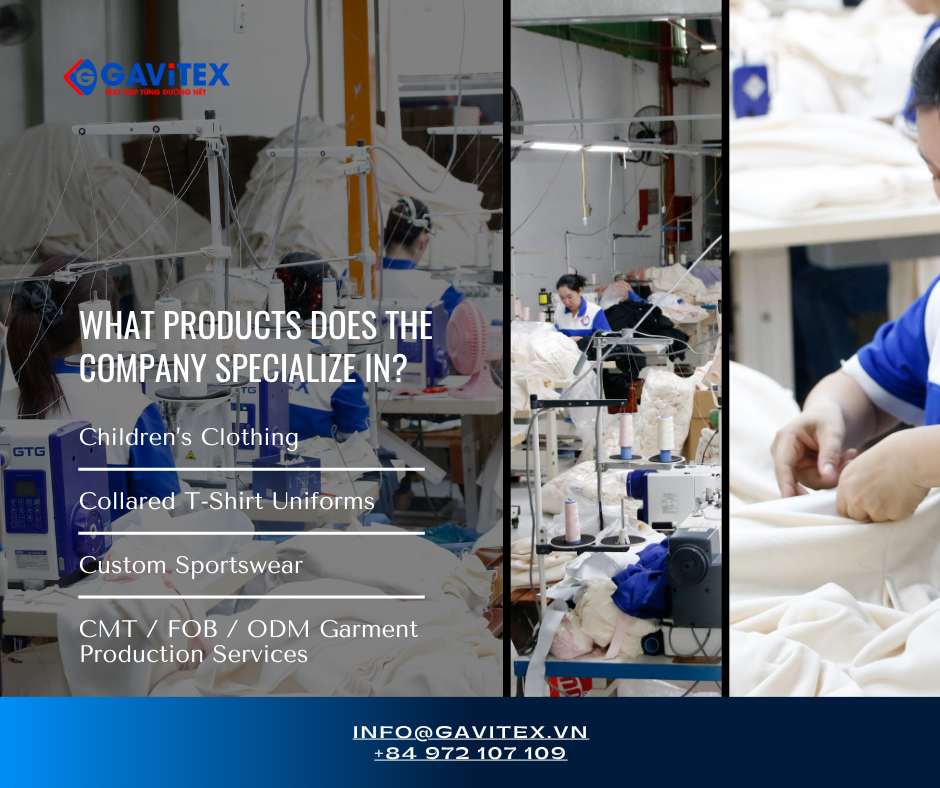
Related services from Gavitex: garment suppliers in Vietnam, Vietnam clothing suppliers and top clothing manufacturers in Vietnam.
