
Seamless Underwear Manufacturing Process for Private Label Brands
Seamless underwear is knitted largely in one piece on circular machines, giving smooth, invisible comfort [...]
French Terry vs Fleece for Hoodie Manufacturing
French terry and fleece are the two fabrics most hoodies are made from, and the [...]
Sports Bra Manufacturing Checklist: Support, Fabric, and Construction
A sports bra must deliver real support, comfort and moisture management across a wide range [...]
Vietnam Export-Quality Garment Factory: Sourcing High-Quality, Ethical Apparel From Vietnam
Gavitex supports export-quality garment manufacturing in Vietnam for international apparel brands, covering sampling, fabric coordination, [...]
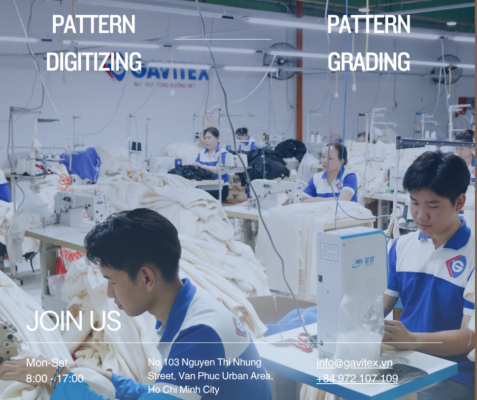
Vietnam Garment Production Factories: Sourcing, Manufacturers, Ethical Apparel & Compliance Guide
Gavitex provides garment production support in Vietnam for international apparel brands, covering sampling, fabric sourcing, [...]
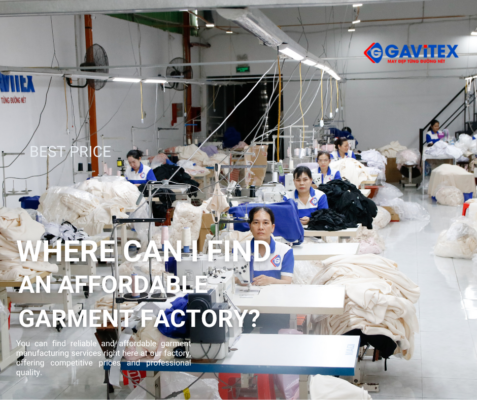
Vietnam Clothing Manufacturing For Export: Sourcing, Quality, And Sustainable Apparel
Unlocking the potential of Vietnam clothing manufacturing for export is critical for businesses seeking cost-effective [...]
Largest Garment Factory In Vietnam: Top Producer, Capacity, And Workforce Insights
The quest to pinpoint the largest garment factory in Vietnam is crucial for businesses seeking [...]
Garment Factories In Vietnam: Sourcing, Manufacturers, & Ethical Apparel Production
Understanding the landscape of garment factories in Vietnam is crucial for businesses seeking efficient and [...]
Fair trade garment manufacturing for responsible global brands
Global fashion is transforming. Consumers, investors, and retailers are asking tough questions about how clothes are made, how workers are treated, and how factories impact the environment. In this context, fair trade garment manufacturing is no longer a nice-to-have story for marketing campaigns; it is becoming a core requirement for serious brands that want to grow sustainably and protect their reputation.
Based in Vietnam, Gavitex supports international labels with ethical, factory-scale garment manufacturing, combining transparent labour practices, safe facilities, and efficient clothing production lines. This article explains what fair trade garment manufacturing really means in practice, how it compares to traditional models, and why Gavitex is a reliable partner for your next collection.
Table of contents
- 1. Understanding fair trade garment manufacturing
- 2. Fair trade vs conventional factory model
- 3. Gavitex capabilities in ethical, factory-scale production
- 4. Legal compliance and brand protection framework
- 5. Five reasons to choose Gavitex for fair trade production
- 6. Reference pricing table for export-quality orders
- 7. Market trends chart for ethical production demand
- 8. Frequently asked questions (FAQ)
- 9. Contact Gavitex – Get a quote
1. What is fair trade garment manufacturing in practice?
At its core, fair trade garment manufacturing is about balancing commercial performance with clear responsibilities toward workers, communities, and the environment. It is not a marketing slogan; it is a set of daily practices in sourcing, production, and partnership.
1.1. Core principles of fair trade production
The first principle is fair and transparent compensation. Workers involved in garment manufacturing should receive at least legal minimum wages, timely payment, and access to social insurance. Overtime must be limited and properly compensated. When Gavitex develops lines for international partners, these labour standards are embedded into factory rules and monitored through internal HR systems and external audits.
The second principle is safe and dignified working conditions. Modern clothing production lines rely on continuous movement of materials and people. Lighting, ventilation, noise levels, emergency exits, and machine guarding are not details; they are critical risk factors. In a fair trade model, management invests in safety training, regular drills, and preventive maintenance to minimise accidents and downtime.
1.2. Environmental and community responsibilities
Fair trade is also linked to environmental impact. From fabric sourcing to finishing, the factory must pay attention to water use, energy efficiency, and waste management. Gavitex collaborates with mills and partners that follow cleaner production practices, which support collections with eco-conscious positioning. For brands building lines of private label apparel or custom clothing production, this alignment between message and factory reality is essential.
Community engagement is another element. Responsible factories provide stable employment in local areas, support skill development, and respect local regulations. Instead of rapidly opening and closing facilities based only on short-term orders, fair trade garment manufacturing emphasises long-term growth with the communities around the factory.
1.3. How Gavitex interprets fair trade for B2B partners
For Gavitex, fair trade means integrating ethical commitments into everyday operations. Production planners balance lines to avoid excessive overtime. Compliance teams track documentation and audit results. Merchandisers communicate honestly about lead times and capacity, so brands can plan launches with realistic timelines. This approach turns fair trade into a stable business model rather than a one-time certification exercise.
Brands that already run large programs or plan to scale up can also connect our factory-scale garment production expertise with fair trade commitments, gaining consistency across thousands of pieces without sacrificing ethics.
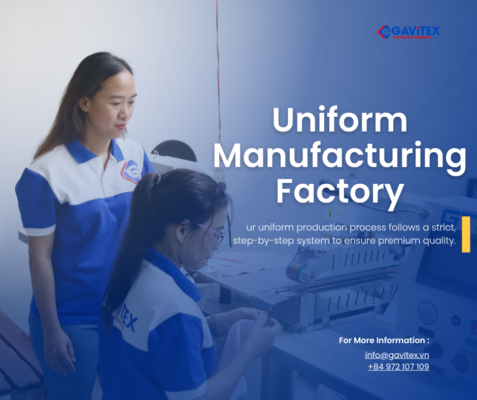
2. Fair trade garment manufacturing vs conventional production
2.1. Conventional production model
In a conventional model, the main goal is to secure the lowest possible FOB price. Factories compete primarily on cost, sometimes by pushing overtime, reducing investment in safety, or sourcing fabrics without full transparency. This can create an unstable supply base where quality varies from order to order and where brands face high reputational risks if issues are exposed in the media.
Under this model, the supply chain may include sub-contractors and small workshops that are difficult to monitor. Line efficiency in clothing production lines is often reactive rather than planned, and communication with buyers may focus on short-term problem solving instead of long-term improvement.
2.2. The fair trade model in comparison
In contrast, fair trade garment manufacturing builds the pricing structure from realistic labour, compliance, and quality management costs. The target is not the absolute lowest price, but the best value for durable, compliant, export-quality garments. Investments in training, modern machinery, and data-driven planning increase efficiency, reducing rework and waste.
For brands, this means fewer delays due to compliance issues, more predictable lead times, and smoother collaboration between design teams and production. When a project moves from sampling to bulk production, the same ethical framework stays in place, supporting long-run business instead of one-off deals.
2.3. Practical benefits of choosing fair trade
By choosing a partner specialising in fair trade garment manufacturing, brands reduce reputational risk, strengthen their sustainability story, and create a more resilient supply chain. Transparent costing, documented compliance, and stable product quality often result in better long-term margins than constantly changing suppliers to chase a lower price.
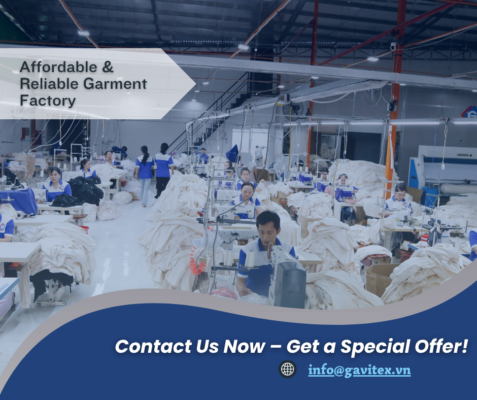
3. Gavitex capabilities in ethical, factory-scale garment manufacturing
3.1. Production scale and line setup
Gavitex operates efficient clothing production lines designed for both flexibility and volume. Lines can be configured for basics, fashion styles, or performance-oriented garments. Using industrial engineering methods, operators are trained to handle multiple steps, and bottlenecks are continuously analysed. This ensures that fair trade principles coexist with strong productivity, supporting competitive pricing for global buyers.
As an experienced OEM clothing manufacturer, Gavitex understands the requirements of retailers, e-commerce brands, and designers who need reliable large-scale runs with consistent fit and finishing.
3.2. Product categories and services
Services cover the full lifecycle: design support, pattern development, grading, sampling, bulk production, packing, and export documentation. Whether you are building a new private label apparel line or extending an existing one, Gavitex offers the flexibility to manage multiple fabric types and trims across categories such as T-shirts, polos, hoodies, joggers, dresses, uniforms, and more.
For brands seeking custom clothing production, the team can adapt to special printing, embroidery, wash effects, and packaging requirements while maintaining ethical standards in labour and environmental practices.
3.3. Integration with fair trade principles
Every production plan is assessed against fair trade criteria: capacity planning avoids unrealistic overtime; wage structures are monitored; and worker well-being programs are implemented. Internal audits are combined with external third-party assessments to ensure ongoing compliance. This integration allows clients to communicate confidently about their collections, knowing that the factory behind them applies the values described in brand campaigns.
4. Legal compliance and brand protection for fair trade garment manufacturing
4.1. Contracts, NDAs, and intellectual property
International brands often share sensitive information: design sketches, technical packs, proprietary patterns, and marketing plans. Gavitex signs detailed manufacturing contracts and non-disclosure agreements to protect that information. These documents clearly define responsibilities in fair trade garment manufacturing, covering confidentiality, data handling, and the use of brand assets.
For private labels and licensing projects, ownership of artwork and specific trims is carefully defined so that styles cannot be used for other buyers without written consent. This structured approach gives brands peace of mind when building distinctive collections.
4.2. Compliance with labour, safety, and export regulations
Gavitex complies with Vietnamese labour law and follows additional requirements from international customers, including codes of conduct and audits related to social compliance and safety. Documentation covers employment contracts, timekeeping, wage records, and health and safety training. This reduces risk for brands entering new markets or undergoing compliance assessments from major retailers.
Export regulations and certificates of origin are managed by experienced logistics and documentation teams, supporting smooth customs clearance for your shipments.
4.3. Brand protection beyond legal paperwork
True brand protection combines legal documentation with everyday behaviour on the production floor. In a fair trade garment manufacturing environment, supervisors respect workers, management encourages feedback, and quality teams treat defects as opportunities for improvement rather than issues to hide. This culture reduces the chances of incidents that could damage a brand’s reputation.
5. Five reasons to choose Gavitex for fair trade garment manufacturing
5.1. Ethical culture aligned with global standards
Gavitex has built an internal culture that emphasises fairness, transparency, and respect. Management communicates clearly about working hours, pays on time, and invests in training. These practices support the principles of fair trade garment manufacturing and help brands showcase real stories about the people who make their products.
5.2. Competitive pricing through efficiency, not shortcuts
Instead of cutting wages or ignoring compliance, Gavitex focuses on engineering efficiency: balanced clothing production lines, reduced changeover times, and standardised operations. Combining this with strong planning and material control allows the company to offer prices that are often 35–45% lower than typical retail price expectations for similar quality, while keeping factory wages and safety at responsible levels.
5.3. Flexible support for private label and custom programs
Whether you are an established retailer or a growing brand, Gavitex can support private label apparel and custom clothing production with flexible MOQs, sample development support, and clear communication. Teams are experienced in working with international time zones and digital collaboration tools, making the process smooth from initial idea to final shipment.
5.4. Strong technical and quality expertise
Pattern technicians, line supervisors, and quality controllers collaborate to translate tech packs into stable bulk production. As an OEM clothing manufacturer, Gavitex understands shrinkage, fabric behaviour, print limitations, and colour consistency. This technical strength supports fair trade commitments because fewer production errors mean less pressure on workers and a more relaxed production environment.
5.5. Long-term partnership mindset
Gavitex is not interested in one-off orders at any cost. The focus is on long-term cooperation through transparent pricing, realistic capacity planning, and honest communication. This is the foundation of sustainable fair trade garment manufacturing, enabling both parties to invest in better processes, new product categories, and larger programs over time.
6. Reference pricing table for fair trade, export-quality garments
The following table illustrates indicative FOB unit prices for common product types produced under a fair trade garment manufacturing model in Vietnam. Compared with average market levels, these reference prices are approximately 35–45% lower, thanks to efficient lines and optimised material usage, while maintaining responsible wage and compliance standards.
| Product type | Typical market FOB (USD) | Gavitex indicative FOB (USD) | Estimated saving |
|---|---|---|---|
| Basic cotton T-shirt | 2.80 | 1.70 | ≈ 39% lower |
| Premium jersey T-shirt | 3.60 | 2.10 | ≈ 42% lower |
| Fleece hoodie | 9.00 | 5.40 | ≈ 40% lower |
| Sweatpants / joggers | 8.20 | 4.90 | ≈ 40% lower |
| Polo shirt (piqué) | 4.50 | 2.80 | ≈ 38% lower |
| Lightweight dress | 10.50 | 6.30 | ≈ 40% lower |
These numbers are indicative and will vary depending on fabric, trims, print or embroidery, and final finishing requirements. However, they show how a well-organised fair trade garment manufacturing partner like Gavitex can deliver competitive pricing while respecting workers and the environment.
7. Market trends: demand for fair trade garment manufacturing
Demand for ethical products keeps growing as consumers become more aware of social and environmental issues in fashion. The simple chart below illustrates a hypothetical trend of how brands are shifting orders from conventional production to fair trade and ethical models over recent years.
Share of production volume by model (illustrative)
The chart demonstrates the direction of the market: more brands are allocating a growing share of their garment manufacturing programs to ethical, fair trade-oriented partners.
8. Frequently asked questions about fair trade garment manufacturing
1. What exactly makes a factory “fair trade” in garment production?
A factory practising fair trade garment manufacturing goes beyond basic legal obligations. It ensures fair wages, reasonable working hours, and safe conditions verified through internal monitoring and external audits. Management is transparent with workers, and grievance mechanisms are available without fear of retaliation. Environmental responsibilities are also taken seriously, from responsible fabric sourcing to waste control. For brands, this means they can trace how their products are made and demonstrate that workers are treated with respect, not only in marketing messages but in everyday operations on the factory floor.
2. Is fair trade garment manufacturing only for premium or luxury brands?
Fair trade principles can be applied to many market segments, not only luxury. While some premium brands use fair trade garment manufacturing as a key part of their storytelling, mainstream retailers and online brands also adopt this model to reduce risk and stay in line with consumer expectations. By improving efficiency and planning, a partner like Gavitex can maintain competitive prices for basics and mid-range products while respecting workers and the environment. This allows brands to offer ethical alternatives without making their collections unaffordable.
3. How does Gavitex verify compliance with fair trade principles?
Gavitex combines internal systems and external audits. HR records, timekeeping, and payroll data are digitally tracked and cross-checked. Health and safety inspections are carried out regularly, and corrective actions are followed up. On top of that, brand partners can request third-party social compliance audits or provide their own code of conduct, which Gavitex follows. This combination ensures that fair trade garment manufacturing commitments are not just written on paper but reflected in actual daily practices.
4. Can I combine fair trade requirements with complex design or performance garments?
Yes. Fair trade principles focus on how production is organised, not on limiting creativity. Gavitex can manage complex patterns, performance fabrics, and detailed trims under an ethical model. By using experienced technicians and optimised clothing production lines, the factory can handle performance sportswear, detailed casualwear, or workwear programs while maintaining fair conditions. The key is clear communication at the start of the project, balanced timelines, and realistic volume planning that keeps pressure manageable for everyone involved.
5. How can my brand start working with Gavitex on a fair trade project?
You can start by sharing basic information: product types, target FOB range, estimated volumes, and launch timelines. The Gavitex merchandising team will respond with feasibility feedback and suggestions aligned with fair trade garment manufacturing principles. After that, sampling and costing can begin, followed by clear agreements on lead times and compliance requirements. Throughout the process, communication remains transparent, so your team always knows where each order stands and how the factory is managing labour and environmental responsibilities.
9. Contact Gavitex – Start your fair trade garment manufacturing journey
Building a responsible supply chain is a long-term decision. Choosing the right partner for fair trade garment manufacturing helps you protect your brand, meet customer expectations, and offer collections that feel good to wear and good to buy. From ethical garment manufacturing to scalable programs and compliance support, Gavitex is ready to work with international labels that value both performance and responsibility.
Ready to discuss your next collection? Contact Gavitex today to explore ethical, competitive production solutions in Vietnam. Call our hotline 0972107109 for fast consultation and transparent costing.
Explore more about our capabilities here:
fair trade garment manufacturing and
factory-scale garment production. For broader sourcing insights and supportive services in garment manufacturing, you can also explore our partner platform.
Call for consultation & Get a quick quote