
Absolutely! Here’s a draft opening paragraph designed to meet your specific requirements, focusing on SEO best practices and user engagement:
[English Output]
In today’s competitive fashion landscape, securing reliable Garment Manufacturing Services is paramount for brands aiming to scale efficiently and maintain quality. This guide delves into the critical aspects of Garment Processing, exploring how to identify the right clothing manufacturers, navigate the complexities of apparel production, and optimize your supply chain management for maximum profitability. We’ll dissect key decision-making factors, including cost analysis, quality control, ethical sourcing, and the latest trends in sustainable garment manufacturing, equipping you with actionable insights to streamline your operations and achieve a competitive edge in 2025.
Understanding Garment Manufacturing Services: A Comprehensive Guide
Garment manufacturing services encompass the multifaceted processes involved in transforming designs into finished apparel, playing a crucial role in the global fashion industry. Understanding these services is essential for brands, designers, and retailers seeking efficient and cost-effective production solutions. This guide delves into the intricacies of apparel manufacturing, offering insights into the various stages, types of services available, and key considerations for successful sourcing.
The garment manufacturing landscape is diverse, ranging from small-scale workshops to large-scale factories, each offering varying levels of expertise and capabilities. These clothing production services are the backbone of the fashion supply chain, enabling brands to bring their creative visions to life. The process typically involves everything from fabric sourcing and pattern making to cutting, sewing, and finishing, highlighting the complexity and coordination required for successful garment production.
Several types of garment manufacturing services cater to different needs and scales of operation. Cut, Make, and Trim (CMT) services focus solely on the physical production process, while Full Package (FP) or Original Equipment Manufacturing (OEM) services encompass sourcing, production, and quality control. Original Design Manufacturing (ODM) goes a step further, offering design and development services alongside manufacturing. Brands also utilize private label manufacturing to create branded products from existing designs and contract manufacturing for specialized production needs.
Choosing the right garment manufacturing service partner requires careful evaluation of several factors. Minimum Order Quantities (MOQs), lead times, pricing structures (FOB, CIF), payment terms, and intellectual property protection are all critical considerations. Brands must also assess the manufacturer’s capabilities, production capacity, quality control processes, communication protocols, and commitment to ethical and sustainable practices.
The garment manufacturing process follows a structured sequence of steps. Design and pattern making are the initial stages, followed by fabric sourcing and selection. Sample development and approval are crucial for ensuring accuracy and quality before mass production. Production planning and scheduling, cutting and sewing, quality control and inspection, finishing and packaging, and shipping and logistics complete the cycle.
Geographic considerations and sourcing strategies are significant aspects of garment manufacturing. Manufacturing in Asia (China, Vietnam, Bangladesh, India) offers cost-effective solutions, while Europe (Portugal, Italy, Turkey) provides high-quality craftsmanship and faster turnaround times for some clients. Manufacturing in the Americas (USA, Mexico, Central America) allows for nearshoring opportunities, reducing lead times and improving communication.
Technologies are transforming the garment manufacturing industry. 3D printing and rapid prototyping facilitate faster design iterations, while automation and robotics enhance production efficiency. Supply chain management software improves visibility and coordination, and digital textile printing enables customized designs. Artificial Intelligence (AI) is also being implemented for quality control, ensuring consistent product standards.
Navigating compliance and regulations is essential for responsible garment manufacturing. Labor standards and fair wages, environmental regulations and sustainability, safety standards and certifications, and customs and import/export regulations must be adhered to. By prioritizing ethical and sustainable practices, brands can build trust with consumers and minimize their environmental impact. Gavitex garment company, for example, is committed to adhering to global labor standards and promoting fair wages in its manufacturing processes.
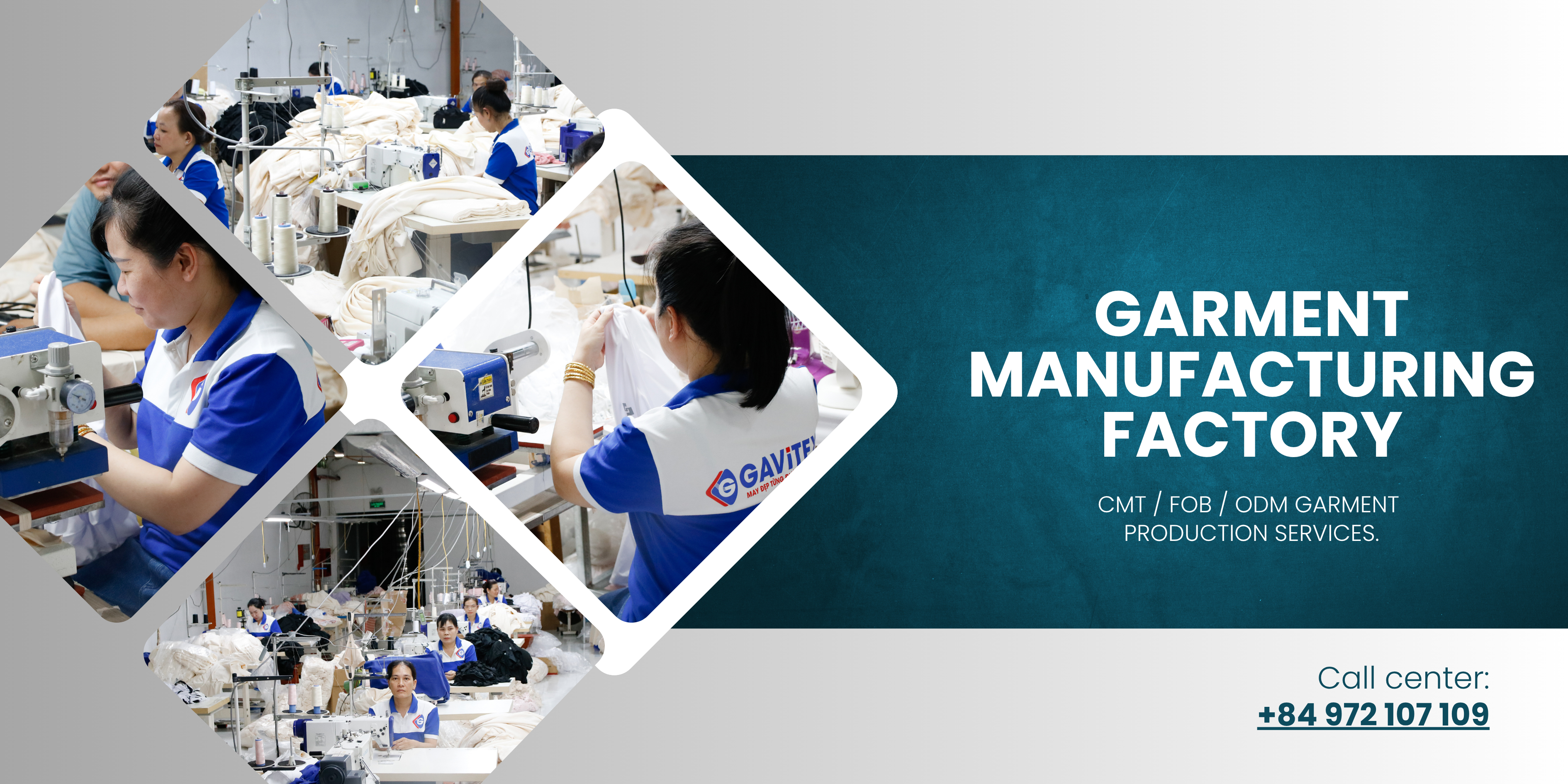
Choosing the Right Garment Manufacturing Service Partner
Selecting the right garment manufacturing service partner is a pivotal decision that significantly impacts the success of your fashion brand or clothing line. This choice extends beyond merely finding a supplier; it’s about establishing a strategic alliance that can ensure quality, reliability, and scalability in your production process. The ideal partnership aligns seamlessly with your brand’s vision, values, and long-term goals, ultimately contributing to a competitive edge in the market.
Evaluating a potential partner’s manufacturing capabilities and expertise is paramount. This involves scrutinizing their experience with similar product types, the range of services they offer (CMT, full package, etc.), and the technical proficiency of their team. A manufacturer with a proven track record in your specific niche and a deep understanding of fabrics, construction techniques, and finishing processes will be better equipped to meet your requirements and maintain consistent quality. For instance, Gavitex Garment Company prides itself on its extensive experience in producing high-quality knitwear, offering specialized expertise in intricate designs and technical fabrics.
Assessing production capacity and scalability is crucial, especially for brands anticipating growth. You need to determine if the manufacturer can handle your current order volume efficiently and if they have the resources to scale up production as your demand increases. Consider factors like the number of sewing lines, the availability of machinery, and the workforce size. A reliable partner should be able to provide realistic lead times and adapt to fluctuating order quantities without compromising quality or delivery schedules.
The quality control processes and standards implemented by a garment manufacturer are non-negotiable. Thorough quality checks at every stage of production, from fabric inspection to final packaging, are essential to minimize defects and ensure customer satisfaction. Look for manufacturers with certifications like ISO 9001, which demonstrates a commitment to quality management. Gavitex Garment Company, for example, employs a multi-tiered quality control system that includes in-line inspections, end-of-line audits, and AQL (Acceptable Quality Limit) sampling to guarantee that every garment meets the highest standards.
Effective communication and robust project management are vital for a smooth and successful partnership. The manufacturer should have a dedicated point of contact who is responsive, proactive, and fluent in your language. Clear communication channels, regular progress updates, and transparent problem-solving processes are essential for addressing any issues that may arise during production. Look for partners who utilize project management software and tools to track progress, manage timelines, and facilitate seamless collaboration.
Finally, reviewing ethical and sustainable practices is increasingly important for both your brand’s reputation and the well-being of the planet. Ensure that the manufacturer adheres to fair labor standards, provides safe working conditions, and minimizes its environmental impact. Look for certifications like WRAP (Worldwide Responsible Accredited Production) or SA8000, which demonstrate a commitment to ethical sourcing and responsible manufacturing. Consumers are increasingly conscious of the social and environmental impact of their clothing choices, and partnering with a manufacturer that shares your values can enhance your brand image and build customer loyalty.
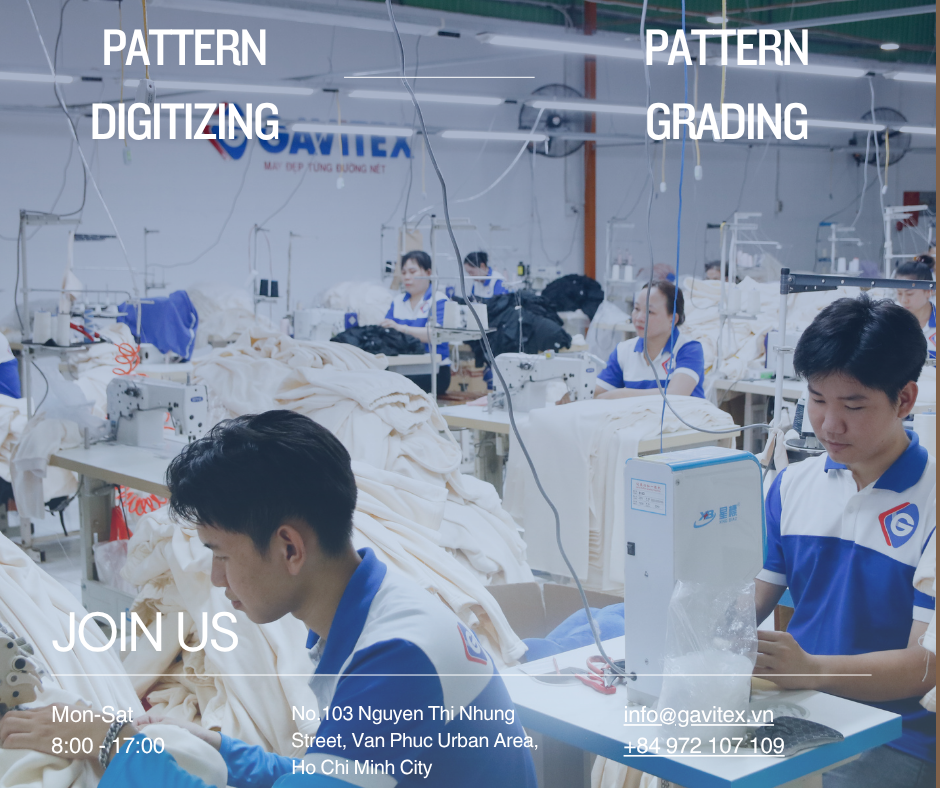
Types of Garment Manufacturing Services Offered
Understanding the diverse garment manufacturing services available is crucial for brands seeking efficient and effective production solutions. The apparel industry presents a range of service models, each catering to different needs and scales of operation, from startups to established fashion houses. This section will explore the most common types of clothing manufacturing services, shedding light on their specific characteristics and benefits.
Cut, Make, and Trim (CMT) Services: CMT is a foundational service where the client provides the designs, patterns, and fabrics. The manufacturer, in turn, handles the cutting, sewing, and trimming of the garments. This option gives brands greater control over the materials and design execution, while leveraging the manufacturer’s sewing expertise. CMT is often a good fit for companies with strong design capabilities and established sourcing relationships.
Full Package (FP) or Original Equipment Manufacturing (OEM) Services: Full Package (FP), also known as OEM, offers a comprehensive solution. The manufacturer takes charge of the entire production process, from fabric sourcing and sampling to manufacturing, quality control, and packaging. This is ideal for brands looking for a turnkey solution that minimizes their direct involvement in the production details. Choosing an FP manufacturer requires careful consideration of their sourcing network, quality standards, and overall expertise.
Original Design Manufacturing (ODM) Services: ODM goes a step further than FP, with the manufacturer also taking on the responsibility of designing the garments. This arrangement allows brands to leverage the manufacturer’s design team and trend insights. ODM is particularly useful for companies seeking to expand their product line quickly or enter new markets without investing heavily in in-house design capabilities. Brands need to communicate their target market and aesthetic preferences clearly to ensure the final product aligns with their brand identity.
Private Label Manufacturing: Private label manufacturing involves producing garments under a brand’s label using the manufacturer’s existing designs and patterns. This service provides a fast and cost-effective way for businesses to launch their own clothing line without the time and expense of developing original designs. The manufacturer may offer a catalog of available styles, which can then be customized with the brand’s logo, labels, and minor design modifications.
Contract Manufacturing: Contract manufacturing represents a broad category where a company outsources specific manufacturing tasks or processes to a specialized third-party. This can include anything from sourcing specialized fabrics to performing specific finishing operations. Contract manufacturing allows brands to tap into niche expertise and optimize their supply chain for greater efficiency and cost savings. This approach is particularly valuable for companies seeking to expand their production capabilities without significant capital investment.
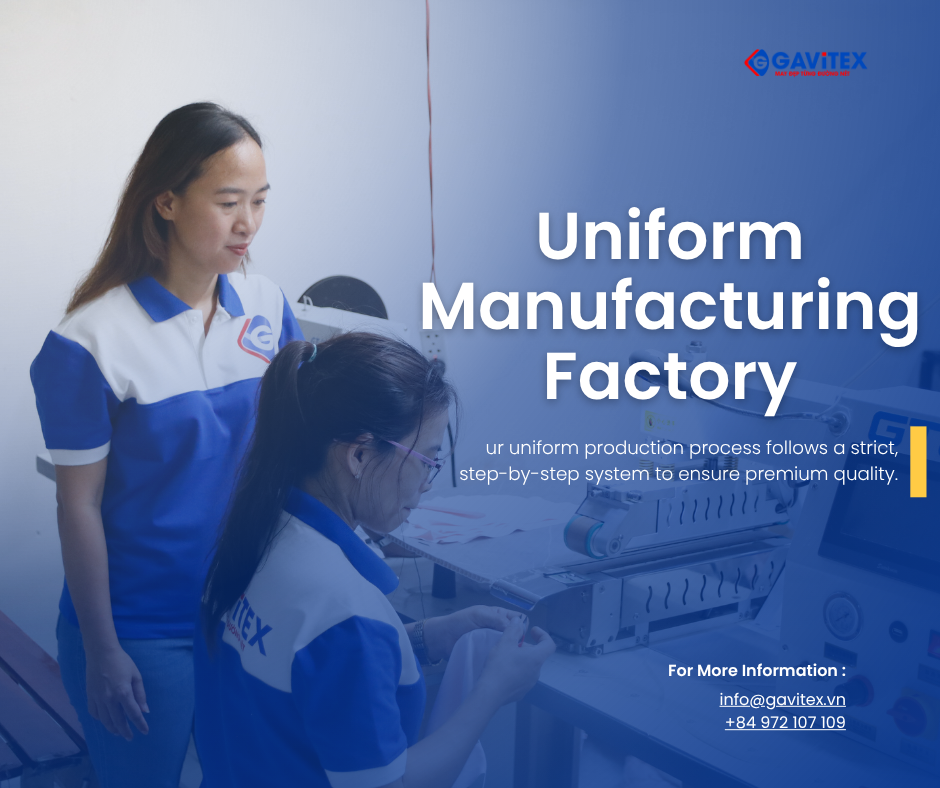
Key Considerations When Selecting Garment Manufacturing Services
Choosing the right garment manufacturing services partner is a critical decision that can significantly impact your brand’s success. Selecting suitable clothing manufacturing services requires careful evaluation of several key factors to ensure a successful and mutually beneficial partnership, including production capabilities, pricing, and ethical considerations. Ignoring these aspects can lead to quality issues, delays, increased costs, and damage to your brand reputation.
One of the first key considerations is the minimum order quantities (MOQs) required by the manufacturer. MOQs represent the smallest quantity of a particular product that a manufacturer is willing to produce in a single order. Understanding a manufacturer’s MOQs is crucial because it directly impacts your inventory management, cash flow, and ability to test new designs or cater to niche markets. For startups or small businesses, MOQs that are too high can create financial strain and limit flexibility. Conversely, larger companies may find that low MOQs offer greater agility in responding to market trends. Before committing, discuss your anticipated order volumes and negotiate MOQs that align with your business needs.
Lead times and production schedules are other key considerations that influence your time-to-market and ability to meet customer demand. Lead time refers to the total time required from placing an order to receiving the finished goods, encompassing fabric sourcing, production, quality control, and shipping. In the fast-paced fashion industry, delays in production schedules can have significant consequences, leading to missed seasonal opportunities, lost sales, and dissatisfied customers. Enquire about the manufacturer’s typical lead times for similar products and assess their ability to accommodate your specific deadlines. A reliable manufacturer should provide realistic production schedules, communicate proactively about any potential delays, and have systems in place to mitigate disruptions.
Understanding pricing and cost structures is essential for maintaining profitability and competitiveness. Different manufacturers may offer varying pricing models, such as FOB (Free on Board), CIF (Cost, Insurance, and Freight), or landed cost. Each model has its own implications for who is responsible for different costs, such as raw materials, labor, shipping, insurance, and duties. FOB typically means the buyer assumes responsibility once the goods are loaded onto the ship at the origin port, while CIF includes the cost of shipping and insurance to the destination port. Landed cost is the total cost of the product once it arrives at your warehouse, including all associated expenses. Be sure to obtain a detailed breakdown of all costs involved and compare pricing structures from different manufacturers to make an informed decision.
Negotiating favorable payment terms and conditions is crucial for managing your cash flow and protecting your financial interests. Payment terms specify the timing and method of payment, such as upfront deposits, milestone payments, or payment upon delivery. Manufacturers may require an initial deposit to cover raw material costs and secure production capacity, with the remaining balance due upon completion or shipment. It’s vital to carefully review payment terms and negotiate conditions that align with your financial capabilities and risk tolerance. For example, you may request a smaller initial deposit or negotiate extended payment terms to improve your cash flow.
Finally, intellectual property protection is a paramount key consideration to safeguard your designs and brand reputation. Before sharing any confidential information with a manufacturer, it’s essential to have a legally binding agreement in place that protects your intellectual property rights. This may include non-disclosure agreements (NDAs), non-compete agreements, and trademark registration. Clearly define the scope of the agreement, including the specific designs, patterns, and trademarks that are protected. Additionally, conduct due diligence on the manufacturer’s track record for intellectual property protection and ensure they have adequate measures in place to prevent unauthorized use or disclosure of your designs.
By carefully considering these key aspects, you can make an informed decision and establish a successful garment manufacturing partnership that supports your brand’s growth and profitability.
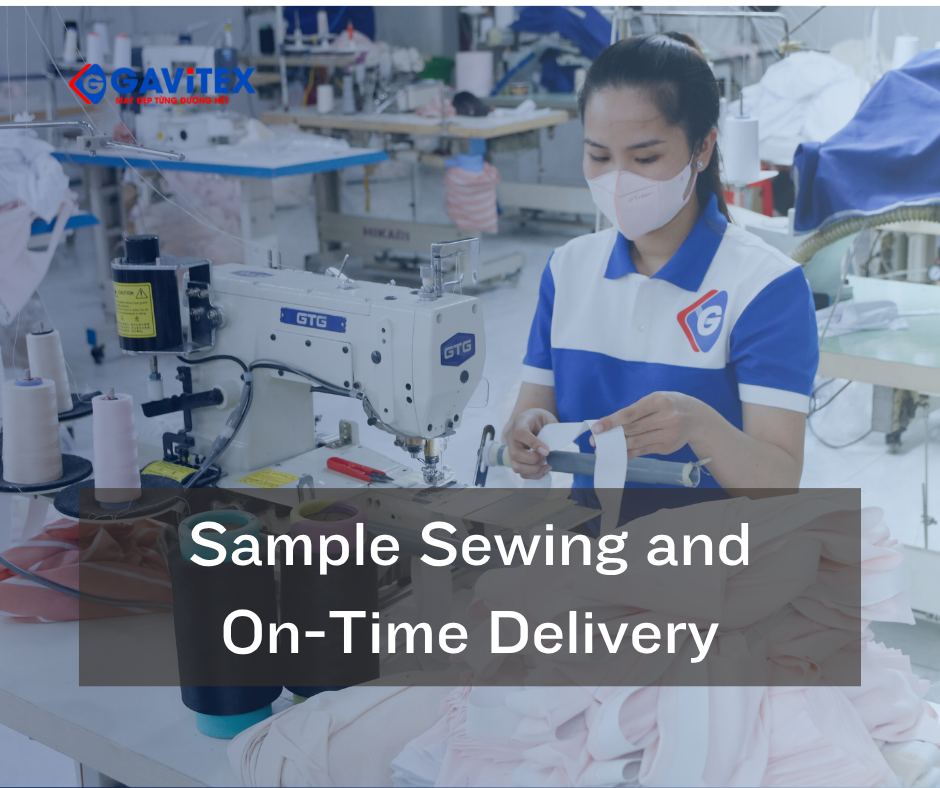
The Garment Manufacturing Process: A Step-by-Step Overview
Understanding the garment manufacturing process is crucial for anyone involved in the fashion industry, from designers and brands to retailers and consumers. This comprehensive overview will break down each stage, providing a clear picture of how raw materials transform into finished apparel through garment manufacturing services. From initial design concepts to final shipping and logistics, each step plays a vital role in ensuring the quality and timely delivery of apparel.
The journey begins with design and pattern making, where the initial concept takes shape. This involves creating detailed sketches, technical drawings, and patterns that serve as blueprints for cutting the fabric. CAD (Computer-Aided Design) software is increasingly used to create and modify patterns, improving accuracy and efficiency. The design phase is critical as it sets the foundation for the entire manufacturing process.
Next comes fabric sourcing and selection, a stage where the right material is chosen based on design requirements, budget, and target market. Factors like fiber content, weight, weave, and finish are carefully considered. Sourcing can involve working directly with fabric mills, using fabric agents, or attending trade shows. The chosen fabric significantly impacts the final product’s look, feel, and performance.
Sample development and approval is a crucial step that bridges the gap between design and mass production. Prototype garments are created using the selected fabric and patterns. These samples are rigorously tested for fit, construction, and aesthetics. Once approved, the sample serves as the benchmark for the entire production run.
Production planning and scheduling then takes over, where the manufacturing process is carefully organized. This involves determining the optimal production sequence, allocating resources, and setting timelines for each stage. Efficient planning ensures that the production process runs smoothly and meets the deadlines.
The actual fabrication begins with cutting and sewing. Here, fabric is cut according to the approved patterns, and the individual pieces are then sewn together to create the garment. This stage demands precision and skill to maintain consistent quality.
Quality control and inspection are integrated throughout the manufacturing process. Inspections occur at various stages, from fabric inspection to checking the finished garment for defects. Maintaining stringent quality standards guarantees that the final product meets the required specifications.
Once the garments pass inspection, they move to finishing and packaging. This involves adding finishing touches like buttons, zippers, and labels. Garments are then pressed, folded, and packaged for shipment.
Finally, shipping and logistics ensures the finished products reach their destination efficiently. This involves coordinating transportation, managing customs clearance, and handling inventory. Effective logistics are essential for timely delivery and customer satisfaction.
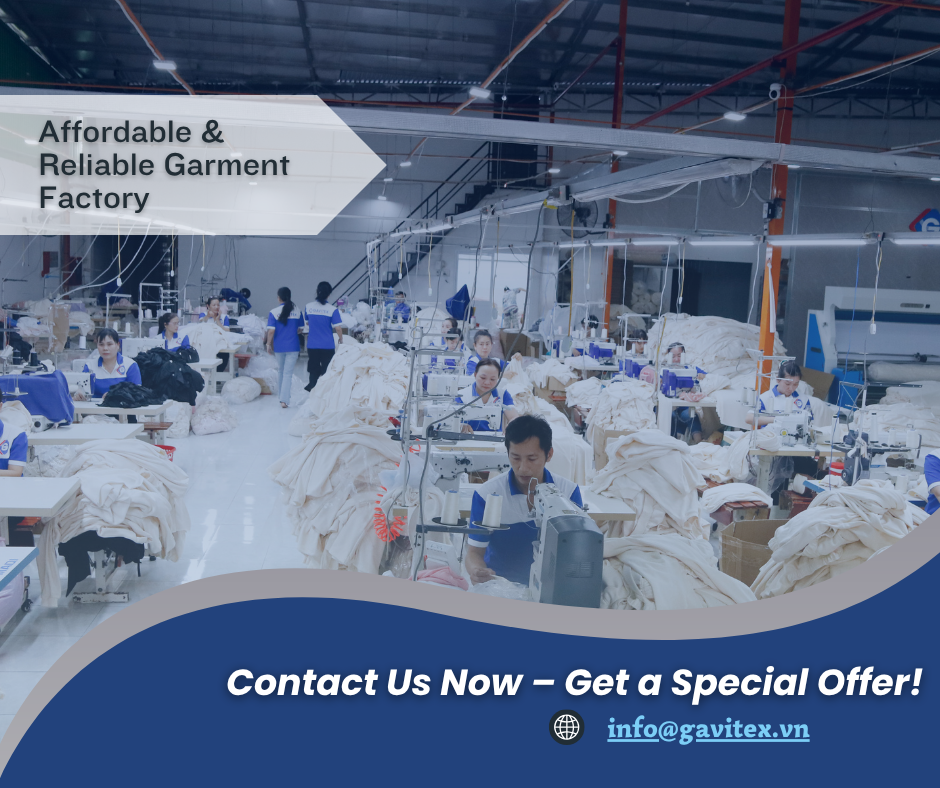
Garment Manufacturing Services: Geographic Considerations and Sourcing Strategies
Choosing the right location for garment manufacturing is a critical decision that significantly impacts cost, quality, lead times, and overall supply chain efficiency. This section delves into the strategic considerations involved in selecting a manufacturing location, examining the pros and cons of various regions and exploring different sourcing strategies that align with your business objectives in the apparel industry. A well-informed geographic strategy is paramount for companies seeking to optimize their garment manufacturing services.
When it comes to garment production, Asia has long been a dominant player, particularly China, Vietnam, Bangladesh, and India. These countries offer competitive labor costs and established infrastructure, making them attractive for mass production.
- China: Remains a manufacturing powerhouse, but rising labor costs and trade tensions are prompting companies to explore alternatives.
- Vietnam: Has emerged as a strong contender, with a growing textile industry, stable political environment, and favorable trade agreements.
- Bangladesh: Offers the lowest labor costs, but faces challenges in terms of worker safety and compliance.
- India: Possesses a large and diverse textile industry, but infrastructure and bureaucratic hurdles can be a concern.
Europe presents a compelling alternative, particularly Portugal, Italy, and Turkey, which are known for their expertise in high-quality fashion and technical textiles. While labor costs are higher than in Asia, these countries offer advantages in terms of design capabilities, shorter lead times, and proximity to European markets. Gavitex garment company should consider this when targetting high end customer base.
- Portugal: Specializes in knitwear, denim, and footwear, with a strong focus on sustainability.
- Italy: Renowned for its luxury fashion, leather goods, and high-end fabrics.
- Turkey: Offers a balance of quality and cost, with strengths in denim, knitwear, and ready-to-wear garments.
The Americas, including the USA, Mexico, and Central America, are gaining traction as nearshoring destinations. This strategy involves sourcing production closer to home, which can result in faster lead times, reduced shipping costs, and improved communication.
- USA: Focuses on specialized textiles, technical apparel, and quick-turn production.
- Mexico: Offers proximity to the US market and benefits from the USMCA trade agreement.
- Central America: Provides competitive labor costs and preferential access to the US market through trade agreements.
The decision between nearshoring vs. offshoring depends on a company’s priorities. Offshoring to Asia typically offers the lowest cost, while nearshoring to the Americas or manufacturing in Europe provides greater agility and responsiveness to market demands. By weighing these geographic considerations carefully, businesses can develop effective sourcing strategies that optimize their garment manufacturing services.
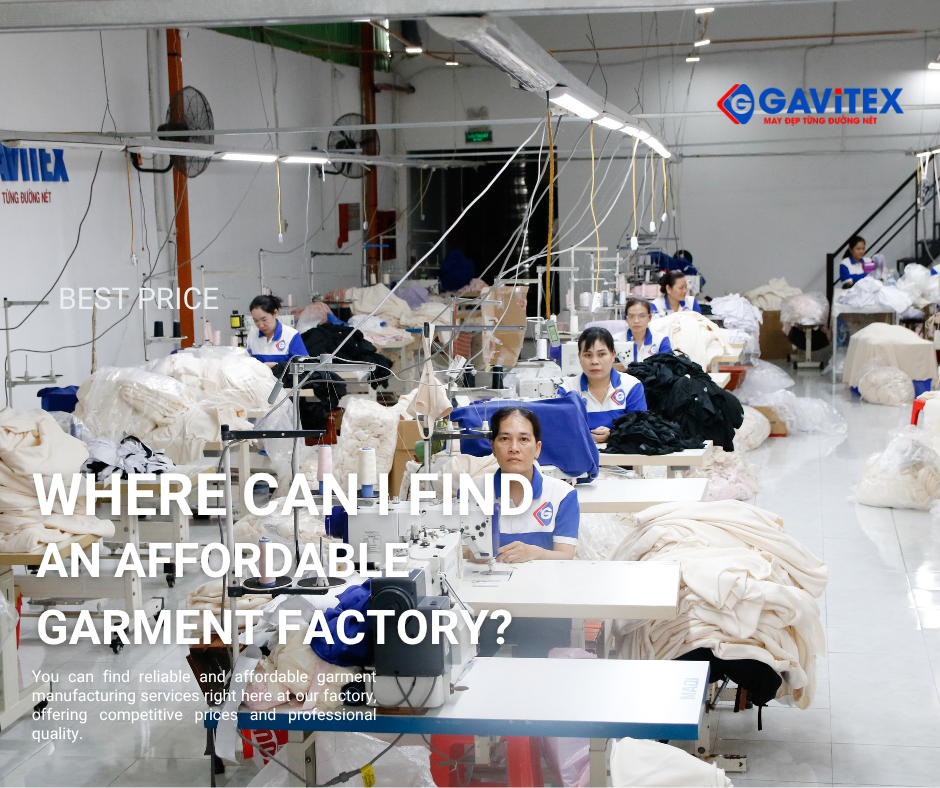
Technologies Transforming Garment Manufacturing Services
The garment manufacturing services landscape is undergoing a radical transformation, driven by technological advancements that are reshaping traditional processes. These innovative technologies are not only optimizing efficiency and reducing costs but also paving the way for more sustainable and personalized apparel production. This section explores the key technological drivers revolutionizing the apparel industry, impacting everything from design and production to supply chain management and quality control.
3D printing and rapid prototyping are revolutionizing the design and development phases. Designers can now create and visualize garment prototypes in a fraction of the time compared to traditional methods. These technologies enable faster iterations, reduced material waste, and enhanced design flexibility, leading to a more streamlined and efficient product development cycle for garment manufacturing.
Automation and robotics are significantly impacting production efficiency. Automated cutting machines, robotic sewing systems, and automated material handling equipment are streamlining operations, reducing labor costs, and enhancing accuracy. For instance, companies like SoftWear Automation have developed robotic sewing systems that can autonomously produce entire garments, leading to substantial improvements in productivity and consistency in garment manufacturing.
Supply chain management software is crucial for optimizing logistics and ensuring transparency. These platforms provide real-time visibility into inventory levels, production schedules, and shipping status, enabling better decision-making and reducing disruptions. Cloud-based solutions and blockchain technology are enhancing collaboration between stakeholders, improving traceability, and ensuring ethical sourcing practices within garment manufacturing services.
Digital textile printing offers unprecedented design flexibility and customization options. This technology enables intricate patterns, vibrant colors, and personalized designs to be printed directly onto fabrics, eliminating the need for traditional screen printing. Companies like Kornit Digital are at the forefront of this revolution, providing solutions that enable on-demand printing, reduced water consumption, and minimized waste in garment manufacturing.
Artificial Intelligence (AI) is revolutionizing quality control processes by automating defect detection and predictive maintenance. AI-powered vision systems can identify imperfections in fabrics, seams, and stitching with greater accuracy and speed than human inspectors. This not only enhances product quality but also reduces waste and improves overall efficiency in the apparel production process for Gavitex garment company.
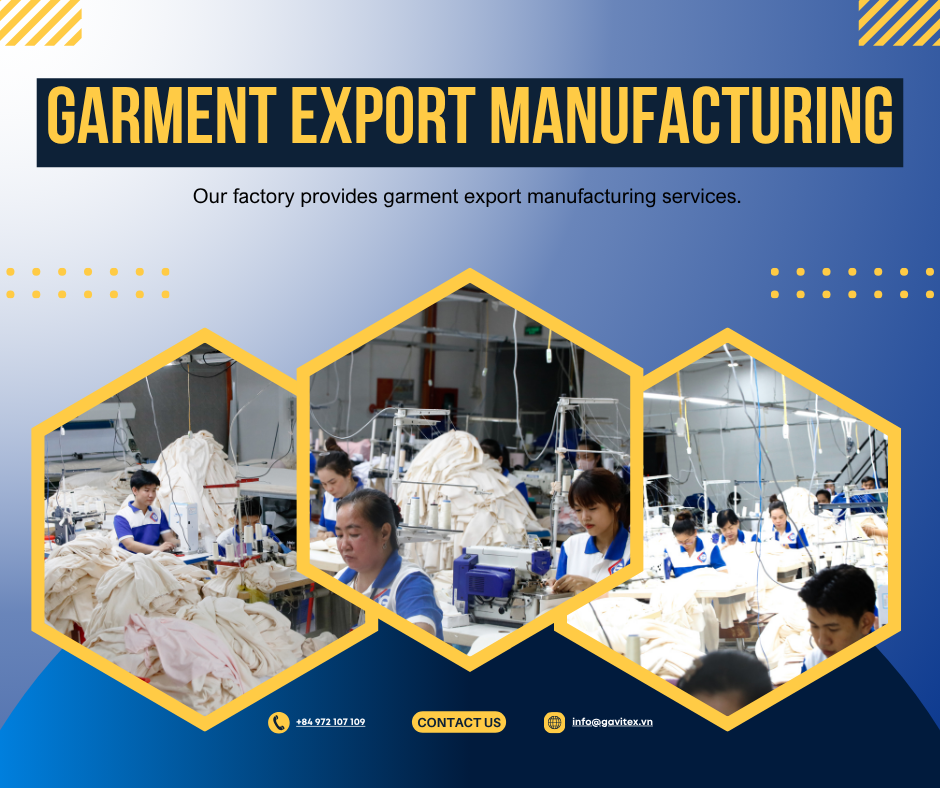
Navigating Compliance and Regulations in Garment Manufacturing
In the landscape of garment manufacturing services, understanding and adhering to compliance and regulations is not merely a legal obligation but a fundamental aspect of responsible business practice. The garment industry is subject to a complex web of local, national, and international laws and standards, making it imperative for brands and manufacturers alike to navigate these requirements effectively. This section delves into the critical compliance areas, helping you ensure your operations are ethical, sustainable, and legally sound.
Labor Standards and Fair Wages
Upholding fair labor practices is paramount in the garment industry, which has historically faced challenges related to worker exploitation. Compliance involves ensuring adherence to laws regarding minimum wage, working hours, overtime compensation, and the prohibition of child labor and forced labor. For example, many global brands now require their manufacturing partners to be certified by organizations like WRAP (Worldwide Responsible Accredited Production) or Fair Wear Foundation, demonstrating a commitment to ethical labor standards. Furthermore, transparency in the supply chain is increasingly expected, with initiatives like the Transparency Pledge pushing brands to disclose their factory lists, enabling greater scrutiny and accountability. Ignoring these standards can lead to significant reputational damage and legal repercussions.
Environmental Regulations and Sustainability
The garment industry is a significant contributor to environmental pollution, making environmental regulations and sustainability crucial considerations. Compliance in this area encompasses managing waste, reducing water and energy consumption, and using environmentally friendly materials. For example, manufacturers must adhere to regulations regarding the discharge of wastewater containing dyes and chemicals. Initiatives like the ZDHC (Zero Discharge of Hazardous Chemicals) program are driving the industry towards eliminating hazardous substances from the supply chain. Brands are also increasingly adopting sustainable materials such as organic cotton, recycled polyester, and innovative fabrics made from renewable resources. Ignoring environmental regulations not only harms the planet but can also lead to fines, legal action, and a loss of consumer trust. Gavitex Garment Company prioritizes sustainable practices by investing in water-efficient technologies and sourcing eco-friendly materials.
Safety Standards and Certifications
Ensuring a safe working environment is a non-negotiable aspect of garment manufacturing. Safety standards encompass a range of measures, including proper ventilation, fire safety protocols, and the provision of personal protective equipment (PPE) for workers. Compliance with these standards is often verified through certifications such as OHSAS 18001 (now ISO 45001), which demonstrates a commitment to occupational health and safety management. Regular inspections and audits are essential to identify and address potential hazards. Creating a culture of safety within the workplace not only protects workers but also reduces the risk of accidents, injuries, and legal liabilities.
Customs and Import/Export Regulations
Navigating customs and import/export regulations is essential for the smooth flow of goods across international borders. Compliance involves accurately classifying goods, paying applicable duties and taxes, and adhering to trade agreements and restrictions. For example, manufacturers must understand the rules of origin and labeling requirements for different countries. Failure to comply with these regulations can result in delays, fines, and even seizure of goods. Utilizing a knowledgeable customs broker and staying up-to-date on changes in trade laws are crucial for avoiding costly mistakes. Understanding Free on Board (FOB) and Cost Insurance Freight (CIF) are also important to consider for import and export.
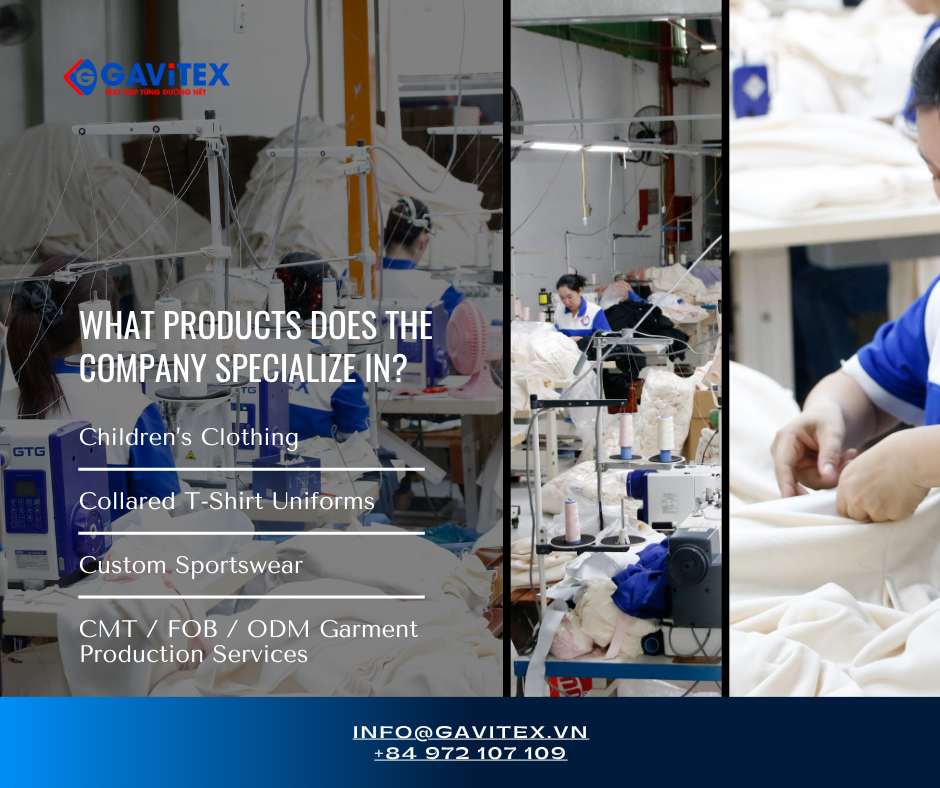
Trends Shaping the Future of Garment Manufacturing Services
The future of garment manufacturing services is being reshaped by several key trends, moving beyond traditional clothing production to embrace innovation, sustainability, and responsiveness to consumer demands. These emerging trends are revolutionizing how apparel is designed, produced, and distributed, impacting everything from fabric sourcing to retail strategies.
Sustainability and Ethical Sourcing
Sustainability and ethical sourcing are no longer optional extras but core values driving the future of apparel production. Consumers increasingly demand transparency and accountability, pushing garment manufacturers to adopt eco-friendly materials like organic cotton and recycled polyester, minimize waste through efficient cutting techniques, and ensure fair labor practices across the supply chain. This shift encompasses reducing water consumption in fabric dyeing, implementing circular economy principles like textile recycling, and investing in technologies that lower carbon footprint. For example, Gavitex Garment Company commits to using bluesign® certified materials wherever possible, ensuring environmentally responsible production.
On-Demand and Personalized Manufacturing
On-demand and personalized manufacturing are gaining traction as consumers seek unique and customized apparel. This trend leverages digital technologies such as 3D printing, digital textile printing, and advanced pattern-making software to enable garment manufacturers to produce clothes tailored to individual specifications and preferences. The integration of e-commerce platforms and AI-powered design tools further streamlines the process, allowing customers to co-create their garments and receive them quickly. The on-demand model also minimizes overproduction and inventory waste, aligning with sustainability goals.
Circular Fashion and Textile Recycling
The concept of circular fashion and textile recycling is transforming the linear “take-make-dispose” model of the fashion industry into a closed-loop system. Garment manufacturing services are actively exploring innovative ways to repurpose textile waste, such as using recycled fibers to create new fabrics or implementing take-back programs for end-of-life garments. Technologies like chemical recycling and mechanical recycling are being refined to efficiently process textile waste and minimize environmental impact. Furthermore, designing for durability and repairability contributes to extending the lifespan of garments and reducing the need for frequent replacements.
Reshoring and Local Manufacturing Initiatives
Reshoring and local manufacturing initiatives are gaining momentum, driven by factors such as rising labor costs in offshore locations, supply chain disruptions, and a growing desire to support local economies. Brands are increasingly seeking garment manufacturing partners closer to home, reducing lead times, improving responsiveness to market trends, and enhancing control over production processes. This shift creates opportunities for garment manufacturers in developed countries to leverage advanced technologies, skilled labor, and a focus on high-quality, sustainable production.

Frequently Asked Questions (FAQs) About Garment Manufacturing Services
Navigating the world of garment manufacturing services can be complex. This FAQ section addresses common inquiries surrounding apparel production, from understanding different service types to navigating the intricacies of pricing and ethical considerations, offering clarity for businesses seeking reliable clothing manufacturers. We aim to provide comprehensive answers about clothing production, textile sourcing, and overall supply chain management, ensuring you’re well-informed when choosing the right garment manufacturing partner.
What are the different types of garment manufacturing services available? The apparel industry offers a spectrum of services, each catering to specific needs. These include:
- Cut, Make, and Trim (CMT): Where the client provides designs and materials, and the manufacturer cuts, sews, and trims the garments.
- Full Package (FP) or Original Equipment Manufacturing (OEM): In this model, the manufacturer handles everything from design to production.
- Original Design Manufacturing (ODM): Similar to OEM, but the manufacturer also designs the product based on the client’s general ideas.
- Private Label Manufacturing: Creating products under your brand name using the manufacturer’s existing designs.
- Contract Manufacturing: Producing goods based on a specific contract and design.
What is the typical Minimum Order Quantity (MOQ) when working with garment manufacturers? MOQs vary significantly depending on the manufacturer, the complexity of the design, and the materials used. Some manufacturers may require hundreds or even thousands of units per style, while others, particularly those specializing in smaller production runs or on-demand manufacturing, might offer more flexible MOQs. Gavitex Garment Company, for instance, strives to balance cost-effectiveness with accessibility for emerging brands, potentially offering tiered pricing based on order volume.
How are pricing and costs determined in garment manufacturing, and what do terms like FOB and CIF mean? Pricing structures in clothing production are influenced by factors such as labor costs, fabric prices, order quantity, and complexity of the design. Common pricing terms include:
- FOB (Free on Board): The seller (manufacturer) is responsible for the goods until they are loaded onto a ship at the port of origin. The buyer assumes responsibility from that point onwards.
- CIF (Cost, Insurance, and Freight): The seller covers the cost of goods, insurance, and freight to the named port of destination.
Understanding these terms is crucial for accurate budgeting and cost analysis.
How can I ensure quality control throughout the garment manufacturing process? A robust quality control process is paramount. Look for manufacturers who have implemented rigorous inspection procedures at various stages of production, from fabric inspection to final garment checks. This includes:
- Initial quality control (IQC) to inspect incoming materials.
- In-process quality control (IPQC) to monitor production.
- Final quality control (FQC) to inspect finished garments.
Gavitex Garment Company prioritizes quality assurance, employing experienced inspectors and adhering to international standards.
What steps can I take to protect my intellectual property when working with a garment manufacturing service? Protecting your designs and brand is essential. This involves:
- Signing Non-Disclosure Agreements (NDAs) with the manufacturer.
- Registering your designs and trademarks.
- Clearly outlining intellectual property rights in the manufacturing contract.
Can garment manufacturers accommodate sustainable and ethical production practices? As consumer awareness grows, ethical and sustainable clothing production is increasingly important. Many manufacturers are adopting eco-friendly practices such as using sustainable materials (organic cotton, recycled polyester), reducing water consumption, and ensuring fair labor standards. In fact, a recent study by McKinsey found that 66 percent of consumers report that they consider sustainability when making a purchase. Look for certifications like GOTS (Global Organic Textile Standard) or Fair Trade to verify a manufacturer’s commitment to sustainability.
What are the lead times typically involved in garment manufacturing? Lead times can vary widely based on order complexity, quantity, and the manufacturer’s current workload. A typical production schedule includes sampling, fabric sourcing, cutting, sewing, and finishing. It’s essential to discuss production timelines with potential manufacturers upfront to ensure they align with your business needs.
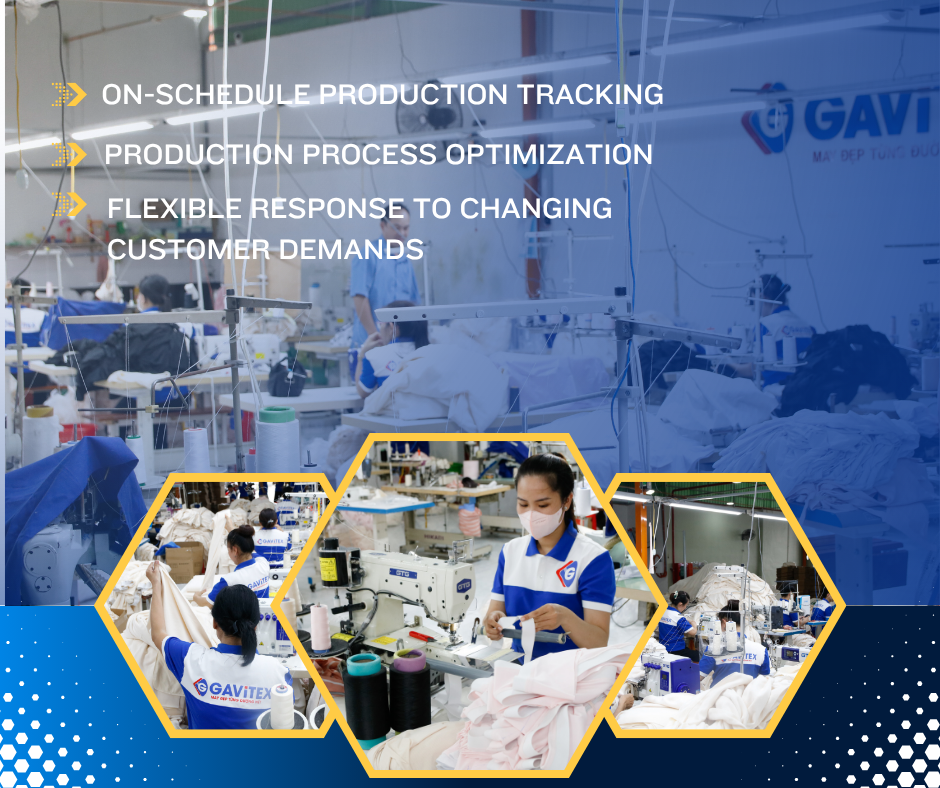
How To Protect Intellectual Property In Garment Manufacturing Services
Protecting your intellectual property (IP) is paramount when engaging in garment manufacturing services, and particularly crucial for brands like Gavitex Garment Company looking to maintain a competitive edge. This section details proactive strategies to secure your designs, trademarks, and other proprietary assets throughout the manufacturing process. Essentially, a robust IP protection plan helps prevent unauthorized reproduction, distribution, or sale of your products, safeguarding your brand’s reputation and revenue.
Several key measures can significantly mitigate the risk of intellectual property infringement during garment production.
- Non-Disclosure Agreements (NDAs): Before sharing any confidential information with a garment manufacturer, always establish a legally binding NDA. This agreement should clearly define what constitutes confidential information (designs, patterns, technical specifications, etc.) and prohibit the manufacturer from disclosing or using that information for any purpose other than fulfilling your order.
- Clearly Defined Contracts: Your manufacturing agreement should explicitly address intellectual property ownership. State clearly that you retain all rights to your designs, trademarks, and other IP. The contract should also outline the consequences of IP infringement, including potential legal action and financial penalties.
- Trademark and Copyright Registration: Register your trademarks and copyrights in relevant countries to establish legal ownership and facilitate enforcement against infringers. This registration provides a stronger legal basis for pursuing legal action against those who violate your IP rights.
- Secure Data Management: Implement secure data management practices to protect your digital designs and other sensitive information. Use strong passwords, encryption, and access controls to limit access to authorized personnel only. Regularly back up your data and store it in a secure location.
- Monitoring and Enforcement: Actively monitor the market for counterfeit products and be prepared to take swift legal action against infringers. This may involve sending cease and desist letters, filing lawsuits, or working with customs officials to seize counterfeit goods at the border.
- Due Diligence on Manufacturers: Thoroughly vet potential garment manufacturers to assess their reputation for IP protection. Check their track record, read reviews, and ask for references. Consider visiting their facilities to observe their security measures firsthand.
- Limit Information Sharing: Only share necessary information with the garment manufacturer. Break down designs into smaller components and provide information on a need-to-know basis. Avoid sending complete design packages unless absolutely necessary.
- Factory Audits: Conduct regular factory audits to ensure compliance with your IP protection policies. These audits can help identify potential security vulnerabilities and ensure that the manufacturer is taking adequate steps to protect your IP.
- Use Unique Product Markings: Incorporate unique markings or features into your products that make them difficult to counterfeit. This could include hidden watermarks, security threads, or other covert features.
- Build Relationships: Establishing a strong, trust-based relationship with your garment manufacturing services partner can be invaluable. Open communication and mutual respect can foster a culture of IP protection and discourage infringement.
By implementing these strategies, Gavitex Garment Company and other brands can significantly reduce the risk of IP infringement and safeguard their valuable assets within the garment manufacturing services landscape.
Case Studies: Successful Garment Manufacturing Partnerships
Understanding the dynamics of successful garment manufacturing partnerships is crucial for brands aiming to optimize their supply chain and achieve sustainable growth. These partnerships, when executed effectively, go beyond mere transactional relationships; they foster collaboration, innovation, and mutual benefit, creating a competitive edge in the dynamic fashion industry. The success of such collaborations often hinges on factors like clear communication, shared values, and a deep understanding of each partner’s strengths and weaknesses.
One compelling example involves a collaboration between Gavitex Garment Company and a well-known sustainable fashion brand focused on eco-friendly materials and ethical production practices. This partnership thrived because both parties shared a commitment to sustainability, leading to the development of innovative textile sourcing strategies and waste reduction methods throughout the manufacturing process. The brand benefited from Gavitex’s expertise in navigating complex supply chains and implementing sustainable manufacturing processes, while Gavitex gained valuable experience in working with eco-conscious materials and expanding its service offerings.
Another illustrative case involves a fast-fashion retailer partnering with a garment manufacturer specializing in quick-turnaround production. This collaboration centered on streamlining the design-to-delivery process, leveraging technology and efficient communication to minimize lead times and respond rapidly to emerging trends. The manufacturer invested in advanced automation and digital printing technologies to enhance production speed and flexibility, while the retailer provided real-time data on sales and demand to enable informed decision-making and optimized inventory management. The result was a significant reduction in time-to-market and increased responsiveness to consumer preferences.
Finally, a luxury apparel brand’s successful partnership with a garment manufacturing facility stemmed from a shared focus on quality and craftsmanship. The brand sought a manufacturing partner capable of executing intricate designs and maintaining the highest standards of quality control. Through close collaboration and meticulous attention to detail, the manufacturer consistently delivered garments that met the brand’s exacting specifications, reinforcing its reputation for luxury and excellence. This case underscores the importance of aligning values and priorities when selecting a garment manufacturing partner, particularly in the high-end fashion segment.
Related services from Gavitex: garment suppliers in Vietnam, Vietnam clothing suppliers and top clothing manufacturers in Vietnam.
