
Activewear Manufacturer in Vietnam for Private Label Brands
Gavitex supports international buyers who are developing custom activewear collections and need an organised manufacturing partner in Vietnam. Activewear programs typically include leggings, sports bras, training tops, shorts and matching sets, and each style carries its own fabric, fit and construction requirements. The brands that build successful ranges treat manufacturing as a structured process rather than a single transaction, and they prepare clear information before asking for a quote. To review a project properly, buyers should share a tech pack or reference samples, fabric expectations, target quantity, size range, branding details and the intended delivery market. With that information in hand, the suitable production scope is confirmed after reviewing your requirements rather than promised in advance, which keeps expectations realistic for both sides.
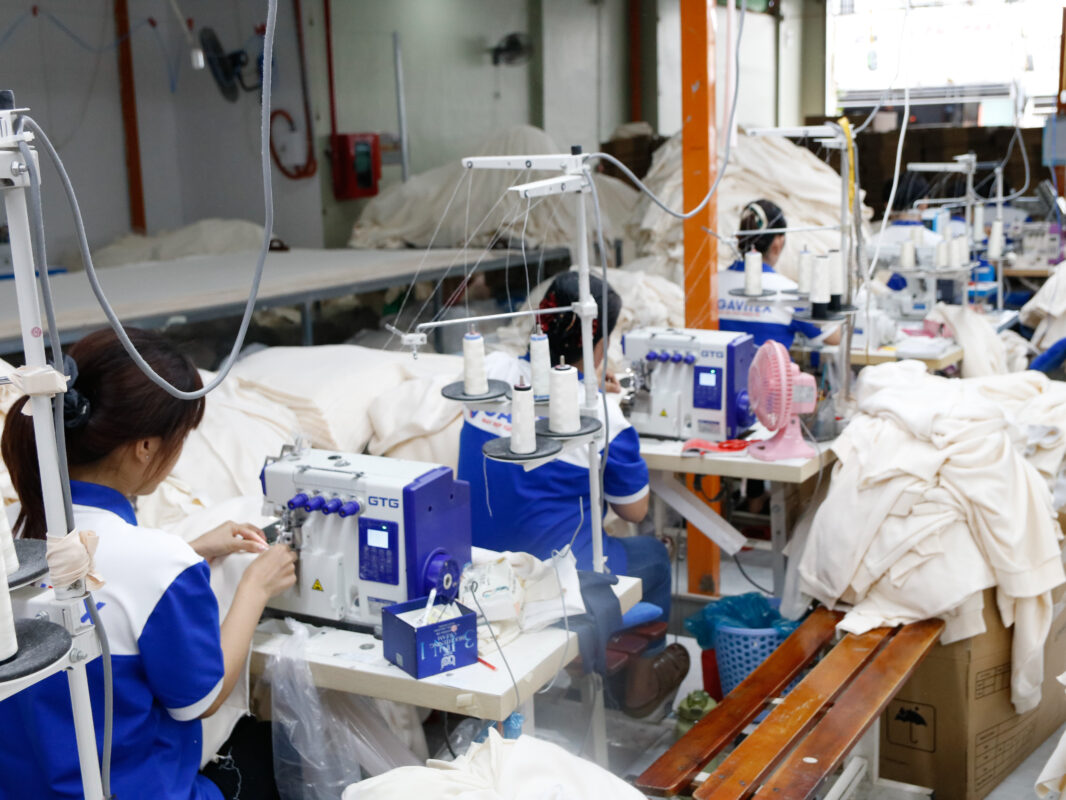
Activewear Products Gavitex Can Review with Buyers
Activewear covers a wide range of garments that share one demand: they must move, stretch and recover while keeping a clean appearance wash after wash. The categories below are the ones most private label brands build their ranges around, and defining them clearly at the briefing stage makes the rest of development far smoother.
Leggings and Training Bottoms
Leggings, biker shorts and training tights rely on stretch fabric, secure waistbands and seams that hold under repeated movement. Small details change both comfort and perceived quality: gusset construction reduces seam stress at the crotch, waistband height affects hold and silhouette, and pocket placement decides whether a phone stays secure during training. Because these features are easy to get wrong, they should be defined in the tech pack so they can be sampled, measured and reviewed consistently across the size range rather than left to interpretation on the production floor.
Sports Bras and Performance Tops
Sports bras and bralettes are judged on support, comfort and fit, and they are among the most technical pieces in any activewear range. Construction choices such as removable pads, elastic band width, strap design and back closure all influence the support level and have to be confirmed during sampling. Performance tops, tanks and long-sleeve training styles focus on breathability, freedom of movement and a flattering cut, often using lighter fabrics or mesh panels in high-sweat areas to improve ventilation without losing shape.
Shorts, Sets, and Custom Sportswear Programs
Training shorts, joggers and co-ordinated sets let a brand build a cohesive range from a small number of proven blocks, which keeps development efficient and inventory manageable. A complete sportswear program often combines a main body fabric with lighter mesh panels for ventilation and contrast trims for branding, so confirming the full fabric mix and colour story early keeps sampling focused and avoids repeated revisions later.
Planning the range as a system also helps at the production stage. A small number of proven bodies, a clear colour story and decoration that can be applied across styles keep fabric consumption efficient, simplify inspection and make quantities easier to forecast as the brand grows.

How to Select Fabric for Activewear Production
Fabric shapes most of the cost and most of the customer experience in activewear. Choosing it well means matching the fibre, weight and finish to the end use and the price you want to offer, then confirming those choices on a physical sample before committing to bulk.
Nylon Spandex vs Polyester Spandex
The two most common knit families are nylon-spandex and polyester-spandex. Nylon-spandex is valued for a soft, smooth hand feel and strong recovery, which suits premium leggings and compression styles where a buttery touch and shape retention matter. Polyester-spandex is valued for moisture management, colour retention and stable pricing, which suits everyday training wear and printed ranges. Neither is simply better than the other; the right choice depends on your style, target price and the wash performance you want to promise your customers.
| Fabric family | Typical GSM | Best suited to | Notable strengths |
|---|---|---|---|
| Nylon-spandex | 220–280 | Premium leggings, compression | Soft feel, strong recovery, coverage |
| Polyester-spandex | 190–260 | Training tops, everyday tights | Moisture management, colour retention |
| Poly micro-mesh | 120–170 | Linings and ventilation panels | Breathability, light weight |
Fabric Weight, Stretch, Recovery, and Coverage
Fabric weight in GSM influences opacity, durability and the way a garment feels in the hand. For leggings, coverage and the so-called squat-proof quality depend on both the GSM and the knit construction, so a heavier knit is not automatically more opaque if the construction is loose. Stretch direction and recovery decide how the garment holds its shape after wear: two-way stretch moves in one direction while four-way stretch moves in both, and recovery is what returns the fabric to its original shape after stretching. Specifying these clearly, and sharing reference garments, helps the team suggest practical options if you do not yet have a complete fabric specification.
Moisture Management and Surface Finish
Performance finishes such as moisture-wicking treatments and a smooth surface hand can be discussed based on the fabric you select, and they make a noticeable difference to how a garment performs during training. These properties vary by fabric and supplier, so they are best confirmed during fabric coordination and verified on a sample rather than assumed from a specification sheet. Buyers planning a technical range can combine fabric selection with fabric sourcing support to keep development organised and reduce the number of sampling rounds.
Wash testing is a practical way to turn vague quality promises into something measurable. Before bulk, it is worth confirming how the fabric and decoration behave after repeated washing so that colour holds, prints do not crack and seams keep their stretch, with any shrinkage staying within the agreed tolerance.
Construction Details That Affect Activewear Quality
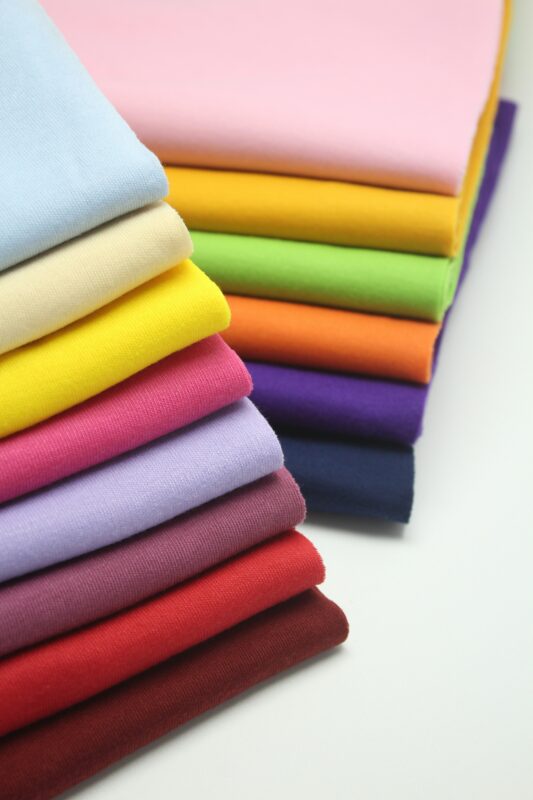
Activewear is defined by how it performs during movement, and most of that performance comes from construction rather than fabric alone. The following details are worth specifying and inspecting on every order, because they are where the difference between an average and a premium garment becomes visible.
Flatlock, Overlock, and Bonded Seam Options
Flatlock seams sit flat against the skin and reduce chafing on compression styles, making them a common choice for leggings and fitted tops. Overlock seams are efficient and durable for general construction, while bonded seams use heat and adhesive to give a clean, low-profile finish on premium pieces. The seam type should match the garment and the price point, and it should always be sampled so both sides agree on the standard, the stretch and the appearance before bulk production begins.
Waistbands, Gussets, and Fit Review
Waistband height and hold define how leggings feel during training, and a well-placed gusset improves comfort while reducing seam stress in a high-movement area. Fit review on an approved sample should check the waistband, gusset, inseam and rise on bottoms, and the band tension, strap length and support on sports bras. Documenting each of these decisions on the approved sample keeps repeat orders consistent and gives the factory a clear reference for future colours and drops.
Printing, Heat Transfer, Embroidery, and Labels
Decoration on activewear has to survive stretch, sweat and repeated washing, so the method matters as much as the artwork. Sublimation suits all-over prints on polyester because it bonds the design into the fabric, heat transfer suits crisp logos on smaller areas, and embroidery is used sparingly because dense stitching can reduce stretch and create pressure points. Branded waistbands, woven labels and care labels are confirmed during sampling, and sharing artwork and any colour references early helps the factory match your brand identity. Many activewear projects sit within broader cut and sew manufacturing scopes that cover cutting, sewing and finishing together.

A Practical Activewear Development Workflow
A predictable program follows a clear sequence, and skipping steps is the most common reason bulk does not match the approved sample. Working through the stages below keeps quality measurable and avoids costly surprises late in production.
- Share product brief or tech pack. Provide measurements, construction notes, artwork and reference garments so the project can be reviewed accurately.
- Review fabric and construction requirements. Confirm fabric, GSM, seams and trims against the specification and raise any questions early.
- Develop and review samples. A fit sample is made and revised until measurements and construction are approved.
- Confirm measurements and workmanship. A pre-production sample in the correct bulk fabric and colours confirms the final standard.
- Prepare bulk production plan. Production is organised against the approved sample and a graded size set.
- Review finishing, packing, and delivery requirements. Pressing, tagging, packing and inspection are completed before shipping.
Treating the pre-production sample as the single point of reference, rather than an earlier fit sample, is what keeps the first bulk run aligned with what was approved.
Once a core legging or sports bra fit is approved, that block can be reused for new colours, prints and seasonal drops, which shortens development time on repeat orders. Keeping a tidy library of approved tech packs, graded specs and pre-production samples means each new cycle starts from a known standard rather than a blank page.

Buyer Checklist Before Requesting a Quote
Sending complete information speeds up the review and leads to a more realistic production plan, because it lets the team assess fabric, construction and quantity together instead of in fragments. A useful checklist includes:
- Product category and intended use
- Reference images or a tech pack
- Target quantity per style and colour
- Fabric composition and GSM expectations
- Size range and target fit
- Branding details such as labels and artwork
- Packaging requirements
- Delivery market and any compliance needs
- Quality expectations and inspection points
If some of these points are still being decided, that is normal at an early stage. Sharing what you already have lets the review begin and highlights the few decisions that need to be made before sampling can start, which keeps the project moving instead of waiting for a perfect brief. A short, honest conversation about quantities and timing at this stage usually saves time later.
Why Work with a Vietnam-Based Activewear Manufacturer?
Vietnam has a developed garment ecosystem with access to knit fabrics, trims and experienced sewing operators, which makes it a practical base for activewear development. A capable partner coordinates fabric, sampling, sewing and finishing, communicates clearly when a decision is needed, and keeps documentation organised so repeat orders start from a known standard. None of this removes the buyer’s responsibility to carry out due diligence: requesting samples, agreeing quality checkpoints and starting with a manageable order are sensible steps before committing to large volumes. Gavitex works as a reviewing partner across custom clothing production in Vietnam and supports brands that want a structured path from idea to delivery, including those operating as a private label clothing manufacturer in Vietnam, with the scope of each project confirmed after the requirements are reviewed.

Frequently Asked Questions
What information should I send for an activewear quote?
Share your product category, a tech pack or reference garments, target quantity, fabric and GSM expectations, size range, branding details and delivery market. Gavitex reviews these and outlines a practical production plan based on what you need.
Can Gavitex review leggings and sports bra projects?
Yes. Leggings, sports bras and related activewear can be reviewed, with construction details such as waistbands, gussets, pads and straps confirmed during sampling against your specification.
Can fabric options be discussed before sampling?
Yes. If you do not have a fabric specification, Gavitex can review reference garments and suggest practical fabric and GSM options before sampling begins, which helps reduce revisions.
Can I request samples before bulk production?
Yes. Sample development can be discussed before bulk. Providing design files and clear requirements helps the team assess the most suitable sampling process for your range.
What branding options can be reviewed for activewear?
Depending on the garment, options such as sublimation prints, heat transfer logos, limited embroidery, branded waistbands and woven labels can be reviewed and confirmed during sampling.
Discuss Your Activewear Project with Gavitex
Send your tech pack, target quantity, fabric requirements, branding details and delivery market to the Gavitex team for review, and contact the Gavitex team to start the conversation.
Email: info@gavitex.vn
Phone / Zalo / WhatsApp: +84 972 107 109