

Seamless Underwear Manufacturing Process for Private Label Brands
Seamless underwear is knitted largely in one piece on circular machines, giving smooth, invisible comfort [...]
Aug
French Terry vs Fleece for Hoodie Manufacturing
French terry and fleece are the two fabrics most hoodies are made from, and the [...]
Aug
Sports Bra Manufacturing Checklist: Support, Fabric, and Construction
A sports bra must deliver real support, comfort and moisture management across a wide range [...]
Aug
Vietnam Export-Quality Garment Factory: Sourcing High-Quality, Ethical Apparel From Vietnam
Gavitex supports export-quality garment manufacturing in Vietnam for international apparel brands, covering sampling, fabric coordination, [...]
Feb
Vietnam Garment Production Factories: Sourcing, Manufacturers, Ethical Apparel & Compliance Guide
Gavitex provides garment production support in Vietnam for international apparel brands, covering sampling, fabric sourcing, [...]
Feb
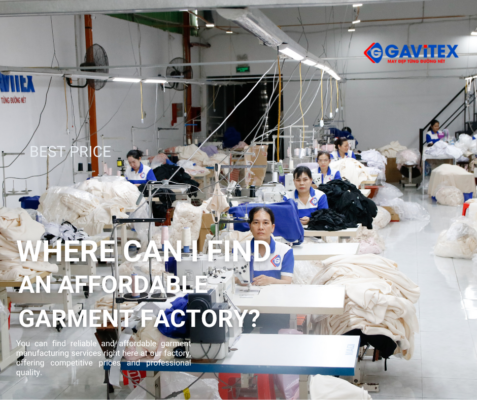
Vietnam Clothing Manufacturing For Export: Sourcing, Quality, And Sustainable Apparel
Unlocking the potential of Vietnam clothing manufacturing for export is critical for businesses seeking cost-effective [...]
Feb
Largest Garment Factory In Vietnam: Top Producer, Capacity, And Workforce Insights
The quest to pinpoint the largest garment factory in Vietnam is crucial for businesses seeking [...]
Feb
Garment Factories In Vietnam: Sourcing, Manufacturers, & Ethical Apparel Production
Understanding the landscape of garment factories in Vietnam is crucial for businesses seeking efficient and [...]
Feb
A practical guide to CMT vs full package production with Gavitex
For a long time I thought choosing a factory was simply about getting the best unit price. Only when I started comparing CMT vs full package production in real sourcing projects did I realise how deeply this choice affects cash flow, fabric control, quality, and even the speed of decision–making. Everything changed the day I walked into Gavitex in Vietnam and saw how clearly they explain the trade–offs between cut–make–trim and fully packaged programs. In this article, I want to share that journey and show how a smart mix of CMT vs full package production can become one of your most powerful levers in global apparel sourcing.
☰ Table of contents
- My sourcing story around CMT vs full package production
- Core features and value of CMT vs full package production
- In–depth comparison: CMT vs full package production vs FOB sourcing
- Gavitex capabilities for both models
- Legal frameworks and brand protection
- Five reasons to let Gavitex balance CMT vs full package production
- FAQ on CMT vs full package production
- Contact Gavitex & next steps
How I learned to think strategically about CMT vs full package production
Jumping between suppliers without a clear model
When my brand was young, we picked suppliers in a very fragmented way. Some offered cut–make–trim, others quoted an all–inclusive price with fabric, trims and logistics combined. We made decisions based on small price differences without truly understanding CMT vs full package production. The result was chaos: complicated communication, stock risks we had not anticipated and serious variation in quality. I remember one season when a full package partner switched fabric without telling us to protect their own margin. The garments arrived looking okay but failed our internal lab tests. That was the moment I realised I needed a deeper grasp of the production models behind the numbers.
First encounter with Gavitex in Vietnam
My turning point came during a sourcing trip to Vietnam. A colleague recommended Gavitex, known for its structured approach to garment manufacturing. When I visited, what struck me was how openly they explained CMT vs full package production. They drew diagrams on a whiteboard showing who owns fabric, who manages sourcing risk, and how each model flows through their clothing production lines. Instead of pushing me into one fixed format, they asked detailed questions about our brand, our cash cycle and our channel mix. Only then did they recommend how to combine both models.
From confusion to a coherent sourcing map
After working with Gavitex for several seasons, we now use a deliberate mix of CMT vs full package production. For fabrics where we have strong mill relationships and want tight control, we use CMT and leverage Gavitex as a disciplined execution partner. For certain complex programs where we value convenience more, we rely on well–defined full package arrangements. The difference is that these decisions are no longer random. Gavitex manages both streams under one roof, with aligned quality standards and planning tools. Instead of spending time fighting fires, we spend time analysing margins and building new collections, supported by a partner that truly understands modern custom clothing production.
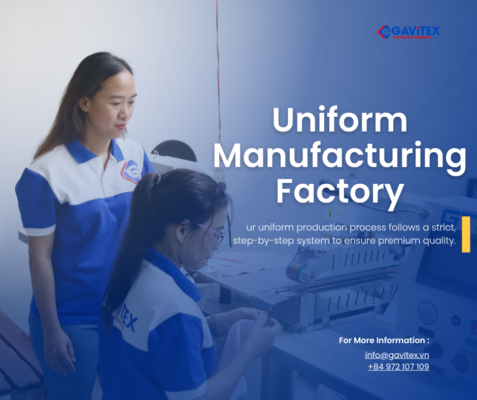
Core features and value of CMT vs full package production
Understanding the two ends of the spectrum
At its simplest, CMT vs full package production describes who is responsible for which parts of apparel creation. In a CMT model, the buyer supplies fabric and trims, while the factory focuses on cutting, sewing and finishing garments. This gives brands high control over materials and often better visibility on costing. In a full package model, an OEM clothing manufacturer handles fabric sourcing, trim purchasing and most logistics, delivering finished goods at a single price. This shifts many decisions and risks to the supplier, offering convenience but less transparency. Both approaches can sit comfortably inside professional garment manufacturing operations, but they serve different strategic goals.
Why the discussion matters for modern brands
For omnichannel retailers, direct–to–consumer labels and private label apparel programs, the choice between CMT vs full package production is much more than a technical detail. It shapes how quickly new fabric stories can be introduced, how much control you have over mill relationships and how your finance team manages inventory risk. A well–designed CMT arrangement allows you to centralise fabric purchasing and split it across several factories, increasing negotiation power. Meanwhile, full package models can simplify operations when internal teams are small or when specific product categories require specialist sourcing knowledge. Gavitex spends time with each client to map these needs before recommending the right blend.
How Gavitex turns concepts into daily practice
At Gavitex the conversation about CMT vs full package production is never theoretical. Their industrial engineers and merchandisers translate abstract models into concrete clothing production lines, planning systems and contract frameworks. For CMT programs, they focus on efficient cutting, clear bundle management and stable garment manufacturing quality, fully aligned with your fabric strategy. For full package programs, they integrate mill selection, lab testing and lead–time management into one streamlined workflow. What impressed me most is that both formats run on the same disciplined floor, with shared quality standards and a common culture of continuous improvement. The model adapts, but the professionalism remains constant.
If you want to go deeper into how CMT is structured, Gavitex provides a detailed overview of their CMT manufacturing process, which sits at the core of their service offering and complements their approach to CMT vs full package production.

In–depth comparison: CMT vs full package production vs FOB sourcing
Cost structure and price negotiations
When comparing CMT vs full package production, cost visibility is one of the biggest differences. Under CMT, you see processing and material costs separately. You can negotiate fabric prices directly with mills and treat factory costs as labour and overhead rates linked to garment manufacturing efficiency. Full package and FOB sourcing, on the other hand, bundle most elements into one price. This can feel simpler, but it also makes it harder to understand what is driving cost increases or where savings are possible. Gavitex helps decode these structures, showing how line efficiency, fabric utilisation and trim selection affect total cost in both formats.
Risk, control and supplier behaviour
Another important dimension of CMT vs full package production is risk allocation. In CMT, the buyer carries fabric risk but retains full control over material quality and mill relations. In full package and typical FOB models, the supplier owns that risk and may react by choosing mills or substituting components that protect their margin, sometimes without full transparency. That is why trust and clear agreements are vital when outsourcing these responsibilities. Gavitex addresses this by documenting fabric standards and mill choices even in full package programs, providing far more visibility than many traditional OEM clothing manufacturer arrangements.
When to use which model – and how to mix them
In practice, most mature brands do not choose purely between CMT vs full package production or FOB; they design a portfolio of models. Core basics with stable fabrics often work best in CMT, giving maximum control and economies of scale on raw materials. Highly technical performance wear or niche categories may be better suited to full package or FOB, where a specialist partner controls complex supply chains. Gavitex uses its experience across garment manufacturing to propose the right mix. They may run your basics in CMT while managing selected programs as integrated packages, all coordinated through the same dedicated team so you don’t feel like you are working with a patchwork of unrelated vendors.

Call for consultation & Get a quick quote
Gavitex capabilities across CMT vs full package production
Modular clothing production lines for different product families
Gavitex structures its factory around product clusters: T–shirts, fleece, woven shirts, bottoms and sportswear. Each cluster can run either in CMT or full package mode, depending on what suits the customer. This modular design is the core of their approach to CMT vs full package production. For CMT programs, the focus is on tight line balancing, accurate cutting and consistent sewing operations, using detailed operation bulletins. For full package programs, the same clothing production lines are supplied with pre–approved fabrics and trims that have passed Gavitex’s internal sourcing and testing criteria, ensuring stable garment manufacturing quality whichever model you choose.
Planning systems and data–driven performance
Behind the scenes, software tools support planning across CMT vs full package production. Capacity plans link incoming fabric shipments, line availability and delivery windows. Daily efficiency charts on the floor show target vs actual output for each style, helping supervisors adjust staffing and workflows in real time. These tools are especially important for brands running mixed models of custom clothing production. Without them, CMT and full package orders can easily compete for the same resources. At Gavitex, a central planning team ensures that all streams are harmonised so that no single program blocks the rest.
Dedicated project management for global clients
Every client working with Gavitex on CMT vs full package production is assigned a core team: merchandiser, technician and quality contact. This trio coordinates sampling, testing, bulk approvals and booking schedules across all programs. Whether a style runs under CMT or full package, communication flows through the same people. That continuity simplifies life for sourcing teams who no longer have to keep separate contact lists for different models. It also allows Gavitex to spot synergies in garment manufacturing, such as using similar constructions or trims across multiple collections to save time and cost.
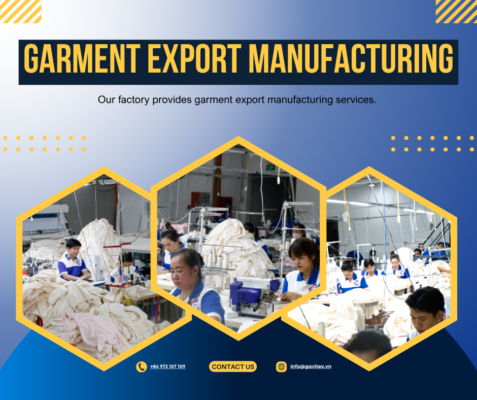
Legal frameworks and brand protection in CMT vs full package production
Clear contracts for each production model
When brands evaluate CMT vs full package production, legal clarity is just as important as technical capability. Gavitex works with clients to ensure that contracts accurately reflect responsibilities for each model. CMT agreements define quality standards, inspection methods and liabilities while recognising that the buyer owns fabric and trims. Full package contracts go further by detailing sourcing standards, test requirements, and approval processes for mills and components. By aligning documentation with the chosen model of garment manufacturing, both parties know exactly how success will be measured and how disputes will be resolved if something goes wrong.
Non–disclosure, sample protection and intellectual property
Whether you lean more toward CMT or full package, your styles and branding must be protected. Gavitex treats intellectual property as a non–negotiable priority across CMT vs full package production. Non–disclosure agreements cover technical drawings, specifications and digital files. Access to sensitive styles is limited to authorised staff, and sample rooms operate under clear check–in and check–out procedures. For brands building distinctive private label apparel, this protection allows design teams to share evolving prototypes without fear of unauthorised duplication. The result is a healthier collaboration, where creativity and industrial garment manufacturing can develop side by side.
Compliance, documentation and local expertise
Compliance demands from retailers and regulators are increasing every year. Gavitex responds by maintaining meticulous documentation for every style and order, regardless of whether it runs under CMT or full package. Lab test reports, inspection logs and fabric certificates are stored in organised systems and can be retrieved quickly when needed. When specialised local knowledge is required, Gavitex works closely with partners such as GOCY Vietnam, a sourcing and compliance expert that understands both international buyer expectations and domestic regulations. This ecosystem makes CMT vs full package production at Gavitex not only efficient but also legally robust.
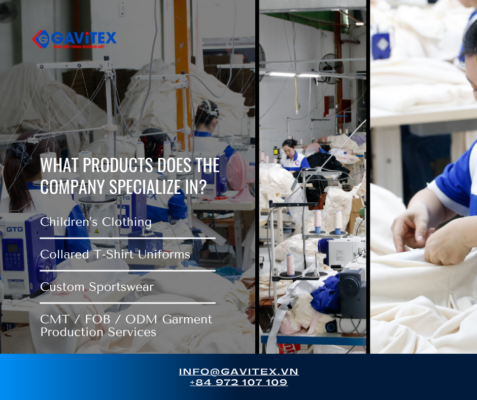
Five reasons to choose Gavitex for balancing CMT vs full package production
1. Strategic understanding of sourcing models
Many suppliers simply present price lists, but Gavitex starts with a conversation about your business. They explore how CMT vs full package production influences cash flow, price positioning, and the expectations of your retail partners. This strategic perspective helps you design a sourcing map that supports your brand identity rather than merely chasing low costs. It also shows where garment manufacturing efficiencies can be unlocked by clustering similar products or consolidating fabric demand, making the whole network more resilient.
2. Proven performance across garment manufacturing categories
Over time Gavitex has built strong expertise across T–shirts, fleece, shirts, bottoms and selected sportswear categories. This experience spans both CMT vs full package production models. They know which constructions are risky under CMT because they depend heavily on fabric behaviour, and which ones are ideal for full package because sourcing complexity is high. This nuanced knowledge allows them to advise on the best combination of garment manufacturing techniques and sourcing models for each product, rather than applying a one–size–fits–all solution.
3–5. Cost efficiency, innovation support and partnership culture
Third, Gavitex delivers competitive processing costs thanks to disciplined clothing production lines and continuous improvement programs; when combined with the right choice of CMT vs full package production, this can yield savings of 35–45% compared with less organised setups in higher–cost markets. Fourth, they actively support innovation, helping brands test new silhouettes, fabrics and finishing methods inside a structured custom clothing production environment. Finally, the partnership culture is real. Challenges are discussed openly, and both sides work together to refine the balance between CMT and full package models as business needs evolve. For me, this long–term attitude is the main reason Gavitex has become a cornerstone of our sourcing strategy.
FAQ – common questions about CMT vs full package production
Sourcing teams often ask similar questions when they first explore CMT vs full package production. Below are some of the most frequent topics, with answers based on real discussions I have had with Gavitex and other industry professionals.
1. How do I decide whether a style should run under CMT vs full package production?
Start by looking at three main dimensions: fabric strategy, internal resources and product complexity. If you already have strong mill relationships and want to control yarn, finishing and colour continuity across multiple programs, CMT is often a smart choice. You can buy fabric centrally and send it to factories like Gavitex that specialise in disciplined garment manufacturing. If your team is small, or the style requires technical materials or components you do not want to manage, full package production may be more appropriate. In many cases the best answer is a mix: run core basics under CMT, where efficiencies are high, and use full package for more complex or niche ranges. Gavitex can review your line plan and propose where each model would support your margins and timelines best.
2. Does CMT vs full package production change how I should plan timelines?
Yes, the choice between CMT and full package has a direct impact on planning. Under CMT, you are responsible for making sure fabric and trims arrive on time at the factory. This means your internal calendar needs to include development, testing, booking and shipping to the plant. The benefit is that you can often consolidate shipments across several programs. In full package production, the supplier plans those steps but also needs enough lead time to secure raw materials, especially when using specialist mills. In both models, Gavitex builds timelines that connect material availability with line capacity, and they share clear milestones so your buying and design teams know when decisions must be final. This transparency helps prevent last–minute rushes that could jeopardise garment manufacturing quality.
3. How does CMT vs full package production affect quality control?
Quality control principles should remain the same regardless of whether you choose CMT or full package production. You still need clear standards for measurements, appearance and performance. The difference lies in where responsibilities sit. In CMT, your team usually takes the lead on fabric approval and testing before materials reach the factory. Gavitex then focuses on inline and final inspections as part of their garment manufacturing process. In full package production, Gavitex also handles lab tests, mill approvals and incoming inspection of raw materials, reporting results back to you. In both models, they use layered checkpoints on the sewing lines and during finishing, but the information flow and documentation structure are adapted to the model so that nothing falls between the cracks.
4. Is full package always more expensive than CMT?
At first glance full package prices may look higher than CMT, because the supplier includes fabric, trims and often logistics. But when you compare CMT vs full package production, you need to consider internal costs too. Managing fabric libraries, booking yardage, coordinating shipments and handling customs all require time and expertise. For some brands, especially smaller ones, outsourcing these tasks to a trusted partner like Gavitex can ultimately be more efficient, even if the unit price appears higher. For larger brands with strong sourcing teams and volumes, CMT can unlock major savings, particularly when combined with disciplined garment manufacturing. Gavitex can help you model total landed cost in both scenarios so the comparison is fair and grounded in real numbers.
5. How can I transition existing styles from one model to another?
Transitioning a style between CMT and full package requires planning but is entirely possible. If you move from full package to CMT, you will need to set up fabric sourcing, negotiate with mills and ensure all technical information is ready for factories like Gavitex. They can support this by sharing fabric consumption data, advising on suitable mills and confirming which aspects of garment manufacturing may require pattern or construction tweaks. If you move from CMT to full package, the main task is to transfer mill references, standards and testing protocols into a new framework where Gavitex manages both sourcing and production. In both directions, it is best to start with a few pilot styles, verify performance, and then expand the change once you are confident that the new balance of CMT vs full package production serves your business goals.
Work with Gavitex to design your mix of CMT vs full package production
From theory to a concrete sourcing roadmap
Choosing between CMT vs full package production is not an academic exercise; it shapes how your brand grows over the next five years. My own experience with Gavitex has shown that when you work with a partner who truly understands both models, it becomes much easier to build a stable, scalable sourcing structure. Instead of reacting to crises, you can make proactive choices about where to use CMT for maximum control and where full package adds genuine value. On the production floor, the same disciplined approach to garment manufacturing supports both, so you don’t have to compromise on quality or reliability when you shift from one model to another.
Contact Gavitex today
If you are reviewing your sourcing mix or planning a move into Vietnam, now is the right time to speak with Gavitex. Share your product categories, current challenges and target prices, and their team will help you map an intelligent balance of CMT vs full package production. You can explore their wider capabilities by visiting their dedicated pages on the structured CMT manufacturing process and their analytical view of CMT vs full package production. When you are ready, a focused conversation with their experts can turn complex decisions into a clear, actionable roadmap.
Call for consultation & Get a quick quote
Hotline: 0972107109