
Seamless Underwear Manufacturing Process for Private Label Brands
Seamless underwear is knitted largely in one piece on circular machines, giving smooth, invisible comfort [...]
Aug
French Terry vs Fleece for Hoodie Manufacturing
French terry and fleece are the two fabrics most hoodies are made from, and the [...]
Aug
Sports Bra Manufacturing Checklist: Support, Fabric, and Construction
A sports bra must deliver real support, comfort and moisture management across a wide range [...]
Aug
Vietnam Export-Quality Garment Factory: Sourcing High-Quality, Ethical Apparel From Vietnam
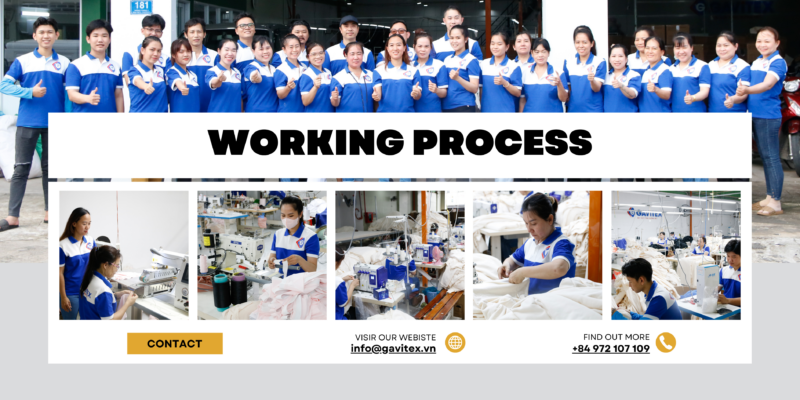
Gavitex supports export-quality garment manufacturing in Vietnam for international apparel brands, covering sampling, fabric coordination, [...]
Feb
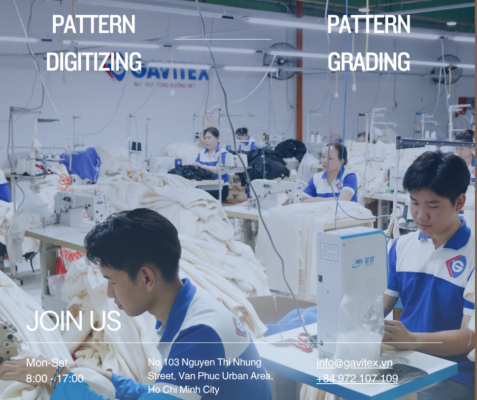
Vietnam Garment Production Factories: Sourcing, Manufacturers, Ethical Apparel & Compliance Guide
Gavitex provides garment production support in Vietnam for international apparel brands, covering sampling, fabric sourcing, [...]
Feb
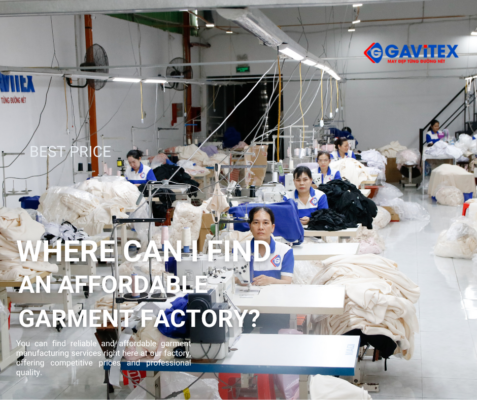
Vietnam Clothing Manufacturing For Export: Sourcing, Quality, And Sustainable Apparel
Unlocking the potential of Vietnam clothing manufacturing for export is critical for businesses seeking cost-effective [...]
Feb
Largest Garment Factory In Vietnam: Top Producer, Capacity, And Workforce Insights
The quest to pinpoint the largest garment factory in Vietnam is crucial for businesses seeking [...]
Feb
Garment Factories In Vietnam: Sourcing, Manufacturers, & Ethical Apparel Production
Understanding the landscape of garment factories in Vietnam is crucial for businesses seeking efficient and [...]
Feb
A strategic guide to CMT vs OEM apparel with Gavitex Vietnam
When I first started placing orders in Vietnam, the choice between CMT vs OEM apparel felt like a simple price comparison. Only after several seasons, delayed deliveries and a few painful fabric mistakes did I realise that this decision actually shapes cash flow, brand control and long–term competitiveness. Everything changed when I visited Gavitex and a senior merchandiser calmly drew two diagrams on a whiteboard: one for CMT and another for OEM clothing manufacturer programs. In less than an hour, the trade–offs behind CMT vs OEM apparel finally became clear, and my sourcing strategy has been different ever since.
☰ Table of contents
- My sourcing journey with CMT vs OEM apparel
- Core features and value of CMT vs OEM apparel
- Comparing CMT vs OEM apparel with full package production
- Gavitex capabilities and production lines
- Legal framework and brand protection
- Five reasons to choose Gavitex
- FAQ on CMT vs OEM apparel
- Contact Gavitex & next steps
How I learned to choose between CMT vs OEM apparel
From scattered decisions to a structured sourcing map
In the early days of our brand, we bounced between factories with very little structure. Some partners offered pure CMT, asking us to ship all fabric and trims. Others presented themselves as a complete OEM clothing manufacturer, willing to develop, source and deliver finished garments at an all–inclusive price. We made decisions based on which spreadsheet looked cheaper, not on a real understanding of CMT vs OEM apparel. The results were mixed: a few great seasons, but also late deliveries, quality surprises and difficult negotiations whenever costs changed on the supplier’s side.
The first conversation with Gavitex
My perspective changed when I met the team at Gavitex in Vietnam. Instead of jumping straight to unit prices, they asked about our brand positioning, retail channels and cash–flow expectations. Then they walked me through a simple but powerful comparison of CMT vs OEM apparel. On one side: CMT as a focused service inside disciplined garment manufacturing, where we control fabric and branding assets. On the other side: OEM as a broader partnership where the factory develops and sources more components, shouldering additional responsibility and risk. The Gavitex team explained that success isn’t about choosing one model forever, but about building the right mix for each product family.
Living the difference season after season
After two or three seasons of working with Gavitex, we could clearly feel the impact of a smarter balance between CMT vs OEM apparel. Core basics with simple constructions moved into CMT on optimised clothing production lines, giving us tighter control over fabrics and better visibility on costs. More complex items, and some innovative custom clothing production projects, ran successfully under OEM programs where Gavitex managed sourcing and technical details. The mood in our team changed from constant fire–fighting to structured planning, and Gavitex became a long–term partner instead of just another vendor.
Core features and value of CMT vs OEM apparel
What CMT really means in modern garment manufacturing
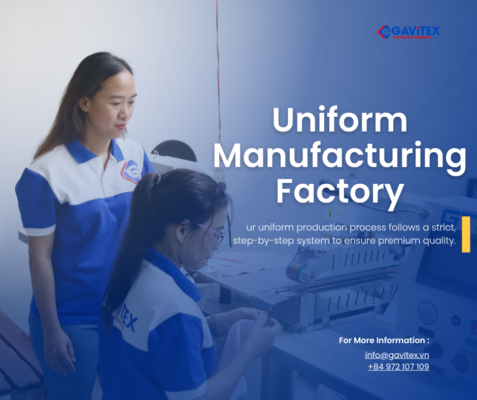
In a CMT model, the buyer supplies fabrics, trims and usually patterns, while the factory focuses on cutting, sewing and finishing. This might sound basic, but when it is supported by strong industrial engineering and disciplined garment manufacturing practices, CMT becomes a powerful tool. It allows brands to centralise fabric purchasing, leverage volume with strategic mills and keep technical ownership of materials while using specialised factories like Gavitex for production. Within the debate of CMT vs OEM apparel, CMT is the format that maximises material control and separates processing cost from fabric cost, giving merchandisers and finance teams a clearer picture of where money is really spent.
How OEM apparel expands the partnership
In an OEM clothing manufacturer model, the factory does more than stitch fabric. It develops samples, proposes materials, sources components and often manages logistics. For many brands, this is the most convenient way to run private label apparel, especially when internal teams are small or when products use specialised fabrics that require local knowledge. In the context of CMT vs OEM apparel, OEM can be seen as a way to outsource design translation and sourcing execution. The buyer still owns the brand, but the supplier becomes a key partner in how the finished product is created, tested and shipped.
Why the CMT vs OEM balance matters for global brands
The real value in studying CMT vs OEM apparel lies in understanding which model supports each part of your assortment. Basics with predictable volumes often fit a CMT format, where precise clothing production lines can deliver high efficiency. Trend–driven capsules or technical sportswear may be better suited to OEM setups, where the factory’s development team and sourcing network add significant value. Gavitex is one of the rare partners that comfortably serves both ends of this spectrum. They also connect clients to deeper resources, including strategic content such as their analysis of CMT vs full package production and a dedicated page on CMT vs OEM apparel, helping brands make more informed decisions.
Comparing CMT vs OEM apparel with full package production
Cost transparency vs convenience
When brands compare CMT vs OEM apparel with full package production, cost structure is usually the first topic. CMT separates processing from materials, giving clear visibility on how line efficiency and construction choices influence the factory charge. OEM and full package models appear as a single number that includes fabrics, trims and sometimes freight. That single number is convenient, but it can hide important details, such as fabric yield, sourcing decisions or margin buffers added by the supplier. Working with Gavitex, I learned how to interpret these structures, using their data from different garment manufacturing programs to build more realistic cost comparisons.
Control, risk and creative freedom
Another important dimension is control. Under CMT, brands own materials, select mills and manage lab testing directly. This is ideal when you want a consistent fabric story across several collections or markets. Under OEM and full package setups, suppliers coordinate more of the decisions and carry more risk, especially when raw material prices fluctuate. In the discussion of CMT vs OEM apparel, this means deciding where you want creative freedom and where you prefer to rely on a specialised partner. Gavitex offers flexible model combinations, so a brand can keep control for signature fabrics while leveraging OEM support for newer or more experimental ranges.
How Gavitex orchestrates multiple models on the same floor
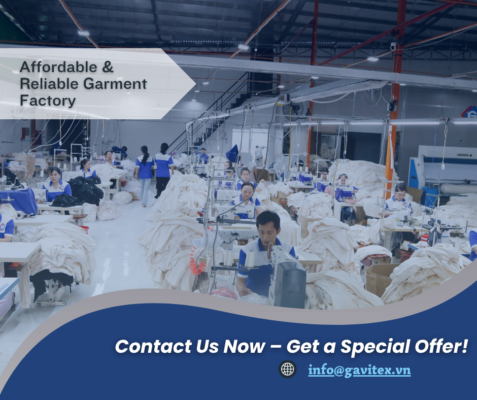
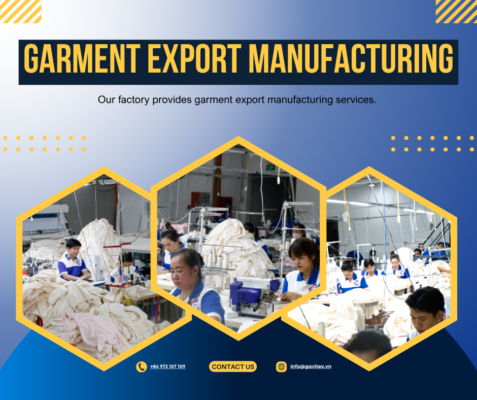
The most impressive part, in my experience, is how Gavitex manages different models on the same production floor. They run CMT orders, OEM programs and even some full package projects on adjacent clothing production lines, while maintaining consistent quality standards and documentation. The team uses shared planning tools, common quality protocols and a unified communication style, so the buyer does not feel like they are dealing with several disconnected suppliers. Instead, Gavitex becomes a hub where garment manufacturing expertise, sourcing knowledge and flexible service models all come together under one roof.
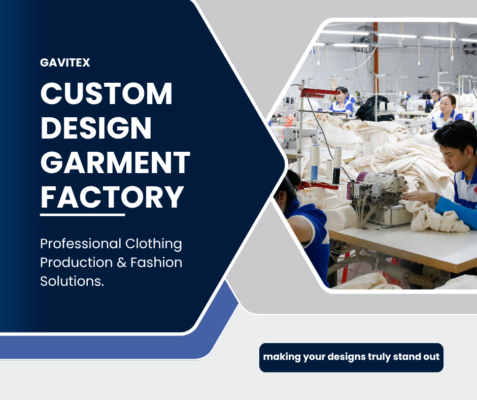
Gavitex capabilities in CMT vs OEM apparel
Modular clothing production lines for different product types
Gavitex organises its factory into focused modules: knit tops, fleece, woven shirts, bottoms and selected sportswear. Each module has production lines engineered for specific product families, which is vital for both CMT and OEM programs. In a pure CMT setup, these modules act as high–efficiency execution engines inside broader garment manufacturing strategies defined by the buyer. In OEM programs, the same lines are fed with materials sourced and tested by Gavitex, turning them into integrated solutions for custom clothing production. The flexibility to run both formats side by side is what makes Gavitex stand out in the landscape of CMT vs OEM apparel.
Technology, data and continuous improvement
Modern tools support everything from planning to real–time performance tracking. Line efficiency boards, digital work instructions and centralised planning systems help Gavitex teams coordinate multiple clients and models. Whether the order is CMT or OEM, the same metrics drive improvement: output per machine, defect rates and lead–time adherence. For brands comparing CMT vs OEM apparel, this means you can expect consistent reporting and predictable performance regardless of the service format. These systems also enable transparent discussions about cost and lead times, which is essential for long–term partnerships in international garment manufacturing.
Collaboration with local sourcing and compliance experts
Gavitex is not alone in this ecosystem. They collaborate with specialist partners such as GOCY Vietnam, who bring deep experience in sourcing, compliance and vendor evaluation. This partnership helps brands navigate local realities while designing the right balance of CMT vs OEM apparel. For example, GOCY may assist in mapping potential mills for a fabric that will be used under CMT, while Gavitex leads OEM development and garment manufacturing execution. The result is a network that feels like an extended in–house team for international brands, rather than a fragmented set of unrelated suppliers.
Legal structure and brand protection in CMT vs OEM apparel
Contract clarity for each model
A professional discussion about CMT vs OEM apparel must include clear contracts. CMT agreements focus on processing quality, lead times and responsibilities for cut, make and trim operations, acknowledging that the buyer owns fabrics and trims. OEM contracts go further, defining obligations for material development, sourcing, testing and sometimes logistics. Gavitex works with brands to align expectations for each model, ensuring that every aspect of garment manufacturing is supported by written commitments. This clarity reduces misunderstandings and makes it easier to scale volumes with confidence.
Protecting styles, data and brand identity
Intellectual property is a serious topic in CMT vs OEM apparel. Patterns, technical drawings, size sets and branding assets must be safeguarded whether the relationship is narrowly defined as CMT or broadly defined as OEM. Gavitex implements non–disclosure agreements with clients and uses strict sample–room controls so that sensitive garments and digital files are only accessible to authorised teams. For brands building distinctive private label apparel, this approach makes it possible to share creative concepts and confidential details without constant worry. The same respect for IP carries through to every stage of garment manufacturing, from development to packing.
Compliance, documentation and local insight
Documentation is another pillar of trust. Gavitex maintains organised archives of test reports, inspection records and style histories, which is particularly important when switching a style between CMT and OEM formats. Having detailed records allows both sides to track what changed and why. When local regulations or customer–specific standards are complex, Gavitex and partners like GOCY help interpret them and build compliant processes into everyday garment manufacturing. That way, compliance becomes part of the normal routine for both CMT vs OEM apparel, instead of a stressful last–minute activity before shipment.
Five reasons to rely on Gavitex for CMT vs OEM apparel
1. Strategic understanding of sourcing models
The first reason is mindset. Gavitex does not treat CMT vs OEM apparel as a simple menu of services; they see it as a spectrum of partnership options. During onboarding, they ask your team about margin targets, assortment architecture and channel mix, then propose how CMT and OEM should be used for each category. This strategic conversation is rare and extremely valuable for brands that feel stuck in legacy sourcing patterns. By combining factory knowledge with a clear view of retail realities, Gavitex helps reframe garment manufacturing as part of your brand’s wider business plan.
2. Proven execution across multiple product groups
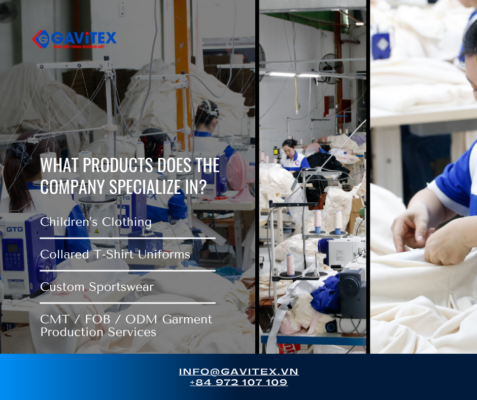
Second, Gavitex has real track records. Their lines regularly produce knit tops, fleece, shirts and bottoms for various international clients. This experience translates into realistic lead times and robust quality processes for both CMT and OEM programs. When we tested new styles and new fabrics, Gavitex teams listened carefully and proposed practical solutions instead of quick fixes. That reliability is crucial when juggling CMT vs OEM apparel models, because one weak link can disrupt the entire sourcing plan. At Gavitex, the same culture of discipline supports everything from basic T–shirts to sophisticated custom clothing production.
3. Competitive cost structure and efficiency
Third, their cost structure is genuinely competitive. Well–engineered CMT programs, running on stable clothing production lines, often deliver processing cost reductions of 35–45% compared with less organised facilities. OEM programs are built on the same foundation, with additional value from sourcing and development. Within the broader conversation about CMT vs OEM apparel, Gavitex focuses on total value: efficiency on the factory floor, smart material choices and a realistic balance between cost and risk. This allows brands to invest more in fabric, design or marketing while protecting margins.
4. Support for innovation and private label apparel
Fourth, Gavitex actively supports innovation. Development teams and technicians welcome challenges like new silhouettes or performance fabrics. For some projects, we started under an OEM program to resolve technical questions quickly, then shifted to CMT once the style became stable and volumes grew. This flexible approach helps brands expand their private label apparel portfolios while keeping manufacturing grounded in reality. It is a practical demonstration of how CMT vs OEM apparel can complement each other instead of competing.
5. Partnership culture and transparent communication
Finally, the atmosphere of collaboration is real. Challenges are addressed openly and solutions are co–created. Whether the topic is a revised cost target, a new garment manufacturing method or a shift from CMT into OEM apparel, the Gavitex team communicates clearly and documents decisions. This partnership culture builds trust over time, making it easier to increase volumes, explore new categories and adjust the balance of CMT vs OEM apparel as your brand evolves.
FAQ – common questions about CMT vs OEM apparel
Buyers exploring CMT vs OEM apparel often raise similar questions. Below are five frequent topics, with detailed answers based on real discussions with Gavitex and other industry experts.
1. How do I decide whether a style should use CMT vs OEM apparel?
The best starting point is to analyse product type, volume and internal capacity. Basic products with stable demand, like T–shirts or simple fleece, are often ideal for CMT because fabrics can be consolidated across multiple styles and sent to a partner like Gavitex for efficient garment manufacturing. OEM works well when a style involves unfamiliar materials, limited internal resources or a need for strong local development. In that case the factory acts as a broader solution provider. Rather than choosing a single permanent model, many brands map their assortment and assign formats accordingly, creating a balanced blend of CMT vs OEM apparel that evolves as business needs change.
2. Does CMT vs OEM apparel change how I should plan lead times?
Yes, because responsibility for sourcing and approvals shifts between parties. In CMT, your team must manage fabric development, testing and shipping to the factory early enough for cutting to begin on time. The factory focuses on scheduling clothing production lines and controlling capacity. In OEM setups, Gavitex handles more of the upstream tasks, such as sampling with mills and organising inbound materials, but needs sufficient lead time to do so properly. The overall calendar may look similar, yet task ownership is different. Clear critical paths and milestone dates help avoid confusion, especially when you are running both CMT vs OEM apparel models in parallel.
3. How does quality control differ between CMT and OEM?
Quality expectations should be the same, but tasks are split differently. Under CMT, brands typically approve fabrics before shipment and send clear specifications to the factory. Gavitex then focuses on inline inspections, final audits and packaging quality as part of routine garment manufacturing. In OEM programs, Gavitex also leads fabric and trim approvals, working with mills, labs and sometimes retailers’ standards. They still use layered checkpoints on sewing lines, but now the responsibility for material performance is also tied to their internal systems. From the buyer’s point of view, CMT vs OEM apparel should both deliver consistent results; the difference lies in who manages each step and how information flows between teams.
4. Is OEM always more expensive than CMT?
On paper, OEM unit prices are usually higher because they include fabrics, trims and sometimes freight. But a fair comparison must include internal overhead. If your team spends many hours sourcing materials, chasing deliveries and managing multiple vendors, those costs should be added to the CMT scenario when evaluating CMT vs OEM apparel. For some brands with strong sourcing departments, CMT can be the most economical choice. For others, especially smaller or fast–growing labels, OEM through a reliable partner like Gavitex can reduce hidden costs and free managers to focus on design and sales. The right answer depends on your structure, not just on the ex–factory number.
5. Can I move a successful style from OEM to CMT later?
Yes, many brands follow exactly this path. A new style might launch under OEM so that the factory handles development and early sourcing decisions. Once sales are proven and volumes increase, the brand may decide to centralise fabric purchasing and shift toward CMT. Gavitex supports this by documenting patterns, fabrics and consumption data from the OEM phase, then helping buyers negotiate with mills if they wish. The style can then run as CMT on highly efficient clothing production lines, while the supplier maintains the same workmanship quality. This kind of transition shows how flexible CMT vs OEM apparel can be when both sides share information and plan ahead.
Work with Gavitex to design your CMT vs OEM apparel strategy
Turning concepts into a concrete sourcing roadmap
Understanding CMT vs OEM apparel on paper is helpful, but the real value comes from translating those concepts into a live sourcing plan. Gavitex is well placed to support that journey: a flexible factory in Vietnam, strong garment manufacturing fundamentals, and a network of local experts like GOCY that can guide fabric sourcing and compliance. Together they help brands map which categories should run as CMT, which should remain OEM, and how to adjust the mix as business grows. For me, this collaborative approach turned a confusing set of options into a clear, manageable roadmap.
Contact details and next steps
If you are evaluating CMT vs OEM apparel for your next sourcing move, now is a good moment to schedule a conversation with Gavitex. Share your product range, target markets and pricing goals, and their team will propose practical scenarios with transparent assumptions. You can explore more about their thinking by visiting their in–depth pages on the relationship between CMT and full package production and their specialised article on CMT vs OEM apparel. From there, a focused call can turn insights into concrete orders and long–term cooperation.
Call for consultation & Get a quick quote
Hotline: 0972107109