Turn ideas into scalable products with design for manufacturing (DFM) in apparel
Beautiful sketches are only the beginning. Real success comes when each style is easy to make, stable in quality and profitable at
scale. That is exactly what design for manufacturing (DFM) does for your fashion business. It connects creative
design with real production capabilities on the factory floor.
Gavitex in Vietnam applies design for manufacturing (DFM) methods to modern garment manufacturing,
optimizing patterns, constructions and clothing production lines so that your styles move smoothly from concept to
custom clothing production and long-term private label apparel programs.
1. Understanding design for manufacturing (DFM) in garment production
1.1 How design for manufacturing (DFM) works in fashion
In apparel, design for manufacturing (DFM) means that patterns, details and materials are developed with real
production conditions in mind from day one. Instead of finalizing styles and then asking factories to “make it work”, designers and
engineers collaborate early to ensure that each style can run efficiently on clothing production lines.
For Gavitex, design for manufacturing (DFM) involves analyzing every element that affects manufacturability: seam
types, stitch density, panel shapes, trim placement, fabric behavior and even the training level required for operators. We look at
how a style behaves not just on a single sample, but across thousands of pieces in industrial garment manufacturing.
1.2 Why design for manufacturing (DFM) is critical for brands
Without design for manufacturing (DFM), brands often face delays, hidden costs and inconsistent quality. A style
may look great in the design room but cause problems in the factory: difficult sewing angles, unstable necklines, high rejection
rates or slow output. DFM identifies these risks early and proposes smarter constructions that preserve the look while making
production smoother.
For private label apparel and long-term custom clothing production programs, this is essential.
Every extra minute per piece or avoidable defect erodes margins. Design for manufacturing (DFM) protects your
profitability while keeping your customers happy with consistent fits and finishes.
1.3 Why Gavitex brings design for manufacturing (DFM) into your projects
Gavitex is more than a sewing supplier. As an experienced OEM clothing manufacturer in Vietnam, we have seen what
works—and what consistently causes trouble—on the production floor. We embed design for manufacturing (DFM) into our
services so you avoid repeating typical mistakes and can scale successful styles confidently across seasons and markets.
You can explore the technical side of our operations in the article on
cutting and sewing operations, and see how those
capabilities are combined with design for manufacturing (DFM)
to create a complete solution for serious apparel brands.
2. Features, characteristics and value of design for manufacturing (DFM)
A strong design for manufacturing (DFM) approach turns every style into a repeatable, profitable product that your
factory can run reliably season after season.
2.1 Collaboration between design and manufacturing teams
The first characteristic of design for manufacturing (DFM) is collaboration. Instead of working in separate silos,
designers, pattern makers and industrial engineers discuss the product at early stages. They review sketch details, trims and
fabric choices together, so that creative ideas align with realistic production routes on clothing production lines.
For example, a designer might propose a particular sleeve shape or panel combination. Through
design for manufacturing (DFM), Gavitex engineers can suggest alternative seam placements or construction details
that maintain the look but reduce sewing difficulty. This prevents a situation where the sample looks perfect, but bulk orders
become slow and expensive to make.
2.2 Standardization where it makes sense
Another powerful feature of design for manufacturing (DFM) is smart standardization. Not every part of a garment must
be unique. By reusing proven necklines, plackets, waistbands or pocket constructions across multiple styles, brands simplify
training, reduce defects and make spare parts (like buttons or zippers) easier to manage.
Gavitex uses design for manufacturing (DFM) to map which details can be standardized without hurting brand identity.
Over time, your collections benefit from a toolbox of reliable constructions that can be mixed and matched across categories,
especially in large private label apparel programs.
2.3 Measurable business value: cost, quality, speed and sustainability
The true value of design for manufacturing (DFM) is visible in real numbers:
- Reduced cost per piece thanks to fewer operations, shorter cycle times and less rework.
- Higher, more consistent quality because risky construction details are addressed before bulk production.
- Faster development and production lead times, as fewer surprises appear during sampling or first shipments.
- Less fabric and trim waste, supporting more sustainable garment manufacturing practices.
For brands investing in long-term custom clothing production, these benefits compound over time. A collection built
on design for manufacturing (DFM) principles is easier to scale to new regions and sales channels, because the
underlying products behave predictably in every factory and warehouse.
3. Market trends and colorful adoption chart for design for manufacturing (DFM)
3.1 How global brands are using design for manufacturing (DFM)
Around the world, apparel brands are under pressure to release more collections, faster, with fewer mistakes. This has pushed many
companies to adopt design for manufacturing (DFM) across categories. Instead of treating factories as late-stage
receivers of tech packs, sourcing and product teams now invite production engineers into early design discussions.
In Vietnam and other major sourcing hubs, factories like Gavitex are asked not only to sew garments but also to consult on
design for manufacturing (DFM), layout of clothing production lines and integration with existing
garment manufacturing networks. This is especially important when volumes are large or when products must meet
strict performance standards.
3.2 Colorful bar chart: indicative adoption of DFM in apparel segments
The illustrative chart below shows a possible distribution of how strongly different apparel segments may adopt
design for manufacturing (DFM). Values are indicative but highlight the trend toward higher DFM adoption in
performance and high-volume basics.
Indicative adoption of design for manufacturing (DFM) by segment
Performance & sportswear
(very high DFM)
High-volume basics
(T-shirts, fleece)
Casual fashion
(mid–high DFM)
Streetwear & collabs
(selective DFM)
Experimental capsules
(emerging DFM)
As complexity and volume increase, design for manufacturing (DFM) becomes a key success factor for
garment manufacturing partners.
3.3 Gavitex and Vietnam within the DFM landscape
Vietnam has become one of the most dynamic centers for garment manufacturing, supported by skilled workers and
robust export infrastructure. Gavitex positions itself at the intersection of design, industrial engineering and production. We
apply design for manufacturing (DFM) both in our own factories and across partner facilities connected through
networks like garment manufacturing platforms such as GOCY.
This means your brand receives DFM-informed solutions that are grounded in real factory conditions, not just theory. As a result,
new programs transition faster from idea to stable custom clothing production.
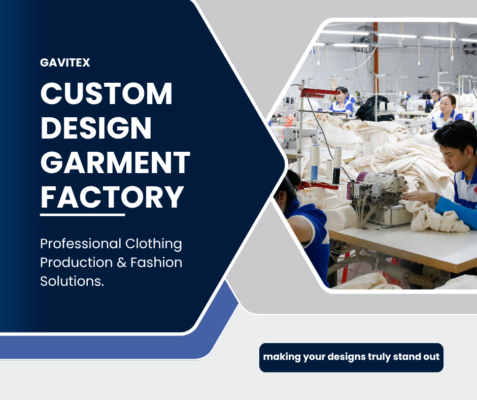
4. design for manufacturing (DFM) vs. late-stage optimization in apparel
4.1 Traditional “design then fix later” approach
In a traditional process, design teams finalize styles, marketing approves them, and then factories are asked to produce. When
issues appear on the line—difficult seams, unstable measurements, poor drape—engineers must improvise solutions while deadlines
are already tight. This reactive model often leads to overtime, rushed changes and uneven quality.
Even when the factory has strong cutting and sewing operations,
starting optimization so late makes it harder to preserve the exact design vision. Designers may feel frustrated, and the final
garment may differ from the original intention.
4.2 Proactive design for manufacturing (DFM) approach
With design for manufacturing (DFM), optimization begins before patterns are locked. Gavitex engineers review design
details, simulate how they will behave across thousands of units and suggest adjustments before bulk fabric is even ordered. Small
changes in seam direction, stitch type or panel geometry can dramatically improve line flow.
Instead of firefighting, everyone works from a shared understanding of how the garment will move through
clothing production lines. This proactive design for manufacturing (DFM) mindset supports stable
costings, predictable lead times and consistent performance across repeat orders.
4.3 Why brands are shifting from reactive fixes to DFM
The difference between these two models is not just technical—it is strategic. Brands that rely on late-stage fixes constantly
absorb hidden costs: extra sample rounds, air freight, rework and customer complaints. Those that embrace
design for manufacturing (DFM) build collections that are easier to scale and easier to replicate across multiple
OEM clothing manufacturer partners if needed.
Gavitex helps brands make this shift by integrating DFM into daily discussions, not just special “engineering projects”. Over time,
your product library becomes a portfolio of well-behaved, production-friendly designs that support your growth in
private label apparel and multi-country custom clothing production.
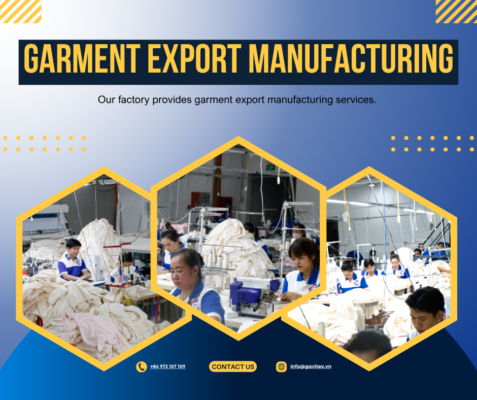
5. Gavitex capabilities built around design for manufacturing (DFM)
Gavitex applies design for manufacturing (DFM) at every stage—from tech pack review and pattern engineering to
line balancing and final inspections.
5.1 Technical development and pattern engineering
Our development team starts each project with a DFM-oriented review. We check patterns for symmetry where possible, assess seam
directions, consider fabric stretch and evaluate the number of operations. When needed, we propose pattern tweaks that make
garment manufacturing smoother, while respecting your brand’s fit and silhouette guidelines.
This is where design for manufacturing (DFM) brings immediate benefit. Problems that would only appear during bulk
stitching are prevented in the development room. As an experienced OEM clothing manufacturer, Gavitex documents every
decision so future repeats remain consistent.
5.2 Production planning and clothing production lines
On the factory floor, design for manufacturing (DFM) translates into well-structured operation breakdowns and
balanced clothing production lines. We assign operations to workstations so that no single step becomes a bottleneck,
and we design visual aids or jigs when they can make the work more stable.
Because styles are developed with DFM principles, line balancing is easier, and operators can reach stable output faster. This
reliability is especially valuable for large custom clothing production programs where even small delays can have
significant downstream impacts.
5.3 Quality management and continuous improvement
DFM at Gavitex is not a one-time exercise. We collect data from each style—defect profiles, rework reasons, paces at each workstation—
and feed this information back to development teams. This continuous loop strengthens our design for manufacturing (DFM)
recommendations over time.
As your brand increases volumes or introduces new categories, we apply lessons learned from earlier styles to reduce risk. The
result is a robust partnership where DFM is woven into how we think, plan and execute, not just a label on a PowerPoint slide.
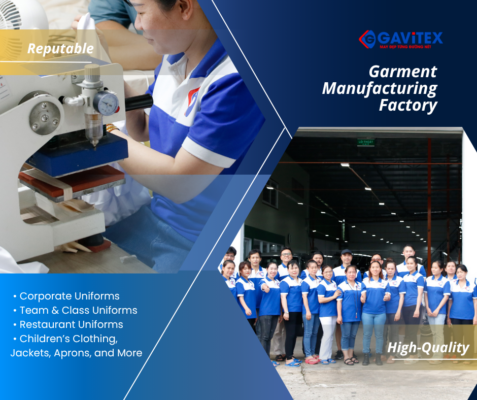
6. Legal structure, NDA and brand protection in design for manufacturing (DFM) projects
6.1 Contracts that define how DFM cooperation works
When you engage Gavitex for design for manufacturing (DFM), we formalize the cooperation in clear contracts. These
agreements describe scope (development only, or development plus bulk production), ownership of patterns and tech packs, timelines,
confidentiality rules and financial terms. This structure protects both sides and allows your teams to work with confidence.
As a professional OEM clothing manufacturer, Gavitex is used to working with global brands that require detailed
documentation of responsibilities and performance indicators. This legal foundation supports long-term partnerships in
garment manufacturing, not just short-term orders.
6.2 NDA and handling of technical information
design for manufacturing (DFM) projects often involve sensitive technical information: unique pattern libraries,
proprietary fits, signature constructions and sometimes confidential fabric technologies. Gavitex signs non-disclosure agreements
(NDAs) as required and maintains strict control over who can access which documents and samples inside the factory.
Digital files are stored securely; printed documents and physical samples are labeled and stored in controlled areas. When styles
are retired, we can archive or, based on your policy, dispose of physical and digital records in a controlled way. This disciplined
handling of information is central to trust-based DFM cooperation.
6.3 Protecting your brand identity throughout the DFM process
In addition to technical data, design for manufacturing (DFM) touches your brand visually. Decisions about seam
locations, label positions and trim usage influence how your garments look and feel to customers. Gavitex works with your brand
books, fit blocks and packaging guidelines to ensure that every DFM optimization respects your identity, not dilute it.
We also control access to labels, hangtags and branded packaging in our facilities. These items are used only for your products and
tracked during each custom clothing production run. This protects your reputation and keeps unauthorized use risks
low while still letting you benefit from industrial-scale design for manufacturing (DFM).
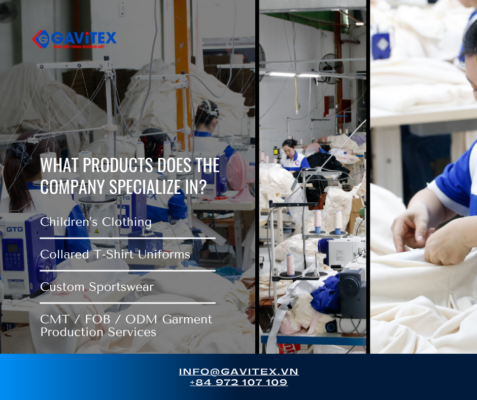
7. Five reasons to choose Gavitex for design for manufacturing (DFM)
Selecting the right partner for design for manufacturing (DFM) can transform the way your collections are built,
costed and delivered.
7.1 Real-world factory experience, not only theory
Gavitex applies design for manufacturing (DFM) from a factory perspective. Our engineers spend their days on the
shop floor, not only in meetings. This gives us a practical understanding of how garments behave under real conditions—variation in
fabric lots, operator fatigue, machine settings and more. Our DFM advice is grounded in this reality, so it delivers measurable
improvement, not just attractive diagrams.
7.2 Integrated view across categories and production models
Because Gavitex supports both CMT and more complete solutions, we see how design for manufacturing (DFM)
improvements play out in different business models. A change that helps one category might create challenges in another; our team
balances these trade-offs with you. This integrated view is especially valuable for diversified private label apparel
programs that span basics, performance wear and fashion.
7.3 Transparent communication and shared decision-making
We see design for manufacturing (DFM) as a joint effort, not a black box. Gavitex explains why particular changes
are recommended, shares expected benefits and invites your designers to comment. When needed, we offer options—one that optimizes
cost, another that prioritizes aesthetics—so you can decide what best fits your brand positioning.
7.4 Focus on long-term partnerships
DFM yields the greatest benefits when projects repeat and evolve over time. Gavitex aims to be your long-term partner in
design for manufacturing (DFM), not just a one-season vendor. As we learn your customer feedback and sales patterns,
we refine your product blocks and constructions, helping you build a stronger core range and more agile seasonal capsules.
7.5 Connection to a wider garment manufacturing ecosystem
Through our presence in Vietnam and links to platforms like garment manufacturing networks such as GOCY,
Gavitex can support design for manufacturing (DFM) not only within our own facilities, but also when you need
additional capacity or specialized processes. This gives your brand more options without sacrificing the DFM standards that keep your
collections stable across factories and regions.
Discuss your next collection with the Gavitex DFM team
Share your styles, volumes and target markets. Together we can embed design for manufacturing (DFM) into your
development process and build a more resilient supply chain.
8. Reference pricing for design for manufacturing (DFM) support at Gavitex
8.1 Example DFM package costs vs. typical market levels
Exact pricing for design for manufacturing (DFM) depends on style complexity, the number of sizes and the depth of
engineering needed. The table below illustrates indicative service packages compared with representative market levels. Gavitex
positions its DFM offerings approximately 35–45% lower than many comparable consulting and engineering options while integrating
them directly into garment manufacturing.
| DFM service package | Typical market price (USD / style) |
Indicative Gavitex price (USD / style) |
Approx. saving |
|---|---|---|---|
| Basic T-shirt & fleece top DFM review | 260 | 155 | ≈ 40% lower |
| Woven pants / shorts DFM optimization | 340 | 195 | ≈ 43% lower |
| Sportswear set (top & bottom) DFM package | 420 | 240 | ≈ 43% lower |
| Multi-style capsule DFM review (5–8 styles) | 1,950 | 1,150 | ≈ 41% lower |
8.2 How design for manufacturing (DFM) quickly pays for itself
A single well-executed design for manufacturing (DFM) project can save many times its cost by preventing production
issues, reducing rework and improving fabric usage. When DFM is applied across your core range, the combined effect on profitability,
delivery reliability and brand reputation becomes substantial.
8.3 Request a custom DFM proposal
To receive a tailored quotation for design for manufacturing (DFM), share your tech packs, planned volumes and target
markets with the Gavitex team. We will outline the DFM scope, expected benefits and pricing options, helping you decide where to
start and how fast to roll out DFM across your collection.
9. FAQ about design for manufacturing (DFM) with Gavitex
9.1 Common questions from brands and sourcing teams
Below are five frequently asked questions about how design for manufacturing (DFM) works in practice at Gavitex.
Click each item to expand the detailed answer.
1. What information do you need to start a design for manufacturing (DFM) review?
To start a design for manufacturing (DFM) review, we first need a clear set of design materials. Ideally you
provide tech packs with measurements, construction sketches, fabric specifications, size ranges and target price points. If you
already have prototype garments or previous production history for similar items, those are extremely valuable as well. Our team
studies how the garment is currently assembled and how it behaves in real use. We then map this against factory capabilities,
line organization and operators’ skill levels. Based on this information, Gavitex identifies potential risks—such as difficult
seams, sensitive materials or unnecessary operations—and suggests improvements. Throughout the process, we keep your brand’s
visual identity and fit standards at the center, so design for manufacturing (DFM) becomes an enhancement, not a
compromise.
2. How does design for manufacturing (DFM) affect lead times?
At first glance, adding a design for manufacturing (DFM) step may seem like it could extend timelines. In
reality, DFM usually reduces total time from concept to shipment. By addressing potential production issues before fabric is
ordered or markers are made, we avoid repeated sample rounds and last-minute firefighting on the lines. The development phase
may include one extra discussion or prototype, but bulk production often runs more smoothly, with fewer interruptions and
quality problems. For ongoing programs, many brands find that once DFM is integrated into their workflow, calendars become more
predictable, and teams spend far less time on urgent fixes during manufacturing and inspection.
3. Can small or emerging brands benefit from design for manufacturing (DFM)?
Absolutely. design for manufacturing (DFM) is not reserved only for large retailers. Smaller and emerging brands
often have limited budgets for mistakes, which makes DFM even more valuable. When your first production runs are optimized for
manufacturability, you reduce the risk of costly delays, cancellations or unsellable stock. Gavitex can scale DFM support to
match your size, focusing on the styles that matter most for your cash flow. As your custom clothing production
volumes grow, the same DFM principles can be expanded across more categories, helping you build a robust product base step by
step.
4. How does design for manufacturing (DFM) work when we use multiple factories?
Many brands work with several factories across countries or regions. In this context, design for manufacturing (DFM)
provides a common technical language that all partners can follow. Gavitex can lead DFM work for the styles we produce and help
you document recommended constructions and processes. These guidelines can then be shared with other facilities in your network.
Because DFM focuses on universal principles—such as operation sequence, seam types and tolerances—it travels well across
different garment manufacturing locations. This means that once DFM improvements are established, they can
support more consistent quality and efficiency throughout your broader supply chain.
5. How do we measure the success of design for manufacturing (DFM) over time?
The impact of design for manufacturing (DFM) can be measured through both technical and commercial indicators.
On the technical side, we look at cycle times per operation, defect rates, rework levels, sample approval rounds and line
startup speed. On the commercial side, we track on-time delivery performance, cost stability, margin improvements and customer
satisfaction metrics such as returns related to fit or quality. Gavitex works with your team to define which indicators are most
important for your business and to collect data from each season. By comparing pre-DFM and post-DFM results, the value of the
approach becomes visible, making it easier to justify expanding DFM to more products and categories.
10. Contact Gavitex – your partner for design for manufacturing (DFM) in apparel
10.1 Turn your next collection into a DFM success story
If you are ready to move beyond trial-and-error production and build collections that manufacture smoothly from day one, Gavitex is
prepared to help. As a Vietnam-based OEM clothing manufacturer with a strong focus on
design for manufacturing (DFM), we combine creative understanding with industrial discipline to support brands and
retailers around the world.
You can learn more on the dedicated
design for manufacturing (DFM) page at Gavitex, and
explore our technical strengths in cutting and sewing operations.
Together, these services provide a robust foundation for sustainable garment manufacturing and profitable growth.
10.2 Call today for a detailed consultation and quote
Our specialists are ready to review your tech packs, understand your challenges and design a realistic roadmap for integrating
design for manufacturing (DFM) into your workflow. Whether you manage established
private label apparel programs or are building a brand from scratch, Gavitex can help you reduce risk, protect your
margins and strengthen your reputation with reliable products.
Ready to embed design for manufacturing (DFM) into your next collection?
Call our hotline 0972107109 or click the button below to connect directly with the Gavitex
design for manufacturing (DFM) team and receive a tailored proposal.