
Medical Scrubs Manufacturer in Vietnam for Custom Uniform Programs
Gavitex supports healthcare suppliers, scrubs brands and institutions that are developing custom medical scrubs and want an organised manufacturing partner in Vietnam. Scrubs are uniform workwear with specific demands: they are washed frequently at high temperatures, worn through long shifts and expected to keep a clean, professional appearance over time. That makes fabric performance, durable construction and consistent sizing more important than in ordinary apparel. To review a project clearly, buyers should share a tech pack or reference samples, the intended setting, fabric expectations, the size range, branding details and the target quantity and delivery market, and the suitable production scope is confirmed after reviewing the project requirements rather than promised in advance.

Medical Scrubs Products Buyers Can Review with Gavitex
Scrubs ranges include several garments that work together as a uniform system, and defining the set early keeps sampling efficient. The cut, the pocket layout and the fabric all shift depending on whether scrubs are for general clinical use, a modern fitted look or a specific department.
Scrub Tops and V-Neck Styles
The scrub top is the centrepiece of the uniform, usually a V-neck for easy wear, with chest and side pockets sized for everyday clinical tools. The fit can be classic and relaxed or modern and tailored, and the pocket layout should be defined in the tech pack because it is central to how practical the garment is.
Scrub Trousers and Jogger Styles
Scrub trousers balance comfort and function, with elastic or drawcord waistbands and practical pockets. Modern jogger-style scrub trousers add a fitted ankle for a contemporary look. The waistband construction and pocket placement should be confirmed during sampling for comfort across long shifts.
Warm-Up Jackets and Layered Pieces
Many scrubs programs include a warm-up jacket or layering piece for cooler clinical environments. These add a professional, coordinated look and should match the main range in fabric and colour, so planning them alongside the core scrubs keeps the uniform consistent.

How to Choose Fabric for Medical Scrubs Production
Fabric is the most important decision in scrubs because it has to survive frequent, hot industrial laundering while staying comfortable. Choosing it well means matching durability, comfort and easy care to the clinical setting, then confirming the choice on a physical sample before bulk.
Poly-Cotton and Poly-Cotton-Spandex Blends
Poly-cotton blends are common for scrubs because they balance durability, comfort and easy care, while adding a small amount of spandex gives stretch and freedom of movement for modern fitted styles. The blend and weight should match how often the scrubs are washed and the look you want. Sharing reference garments helps the team suggest practical options if you do not have a specification yet, and the programme can be planned alongside fabric sourcing support.
| Fabric | Typical use | Notable strengths |
|---|---|---|
| Poly-cotton | General clinical scrubs | Durability, easy care, value |
| Poly-cotton-spandex | Modern fitted scrubs | Stretch, comfort, movement |
| Brushed poly twill | Warm-up jackets | Soft hand feel, structure |
Durability, Comfort, and Wash Performance
Scrubs fabric should hold its colour and strength through repeated hot washing, while staying soft enough for long shifts. Finishes such as easy-care or fluid-resistant treatments can be discussed depending on the fabric and the setting. These properties vary by fabric and supplier, so they are best confirmed during fabric coordination and checked on a washed sample rather than assumed.

Construction Details That Affect Medical Scrubs Quality
Most of the durability and comfort a buyer needs in scrubs comes from construction. The details below are worth specifying and inspecting on every order.
Necklines, Pockets, and Functional Layout
The neckline finish, the number and placement of pockets and any loops or tabs for clinical tools all affect how practical the scrubs are. These details should be confirmed on a sample, since the pocket layout in particular is central to daily use and easy to get wrong if left unspecified.
Seams, Reinforcement, and Waistbands
Strong seams, bartacks at stress points and a comfortable, secure waistband extend the working life of scrubs and keep them comfortable through long shifts. Reinforcement at pockets and side splits is simple but important, and it should be sampled so the bulk matches the intended durability.
Colour Coding, Branding, and Labels
Many institutions use colour coding to identify roles or departments, so colour consistency across a range and across reorders is essential. Embroidered logos, woven labels and care labels complete the uniform. Sharing artwork and any colour-coding requirements early helps the factory plan the range accurately. Many scrubs programs sit within broader custom uniform manufacturing scopes.
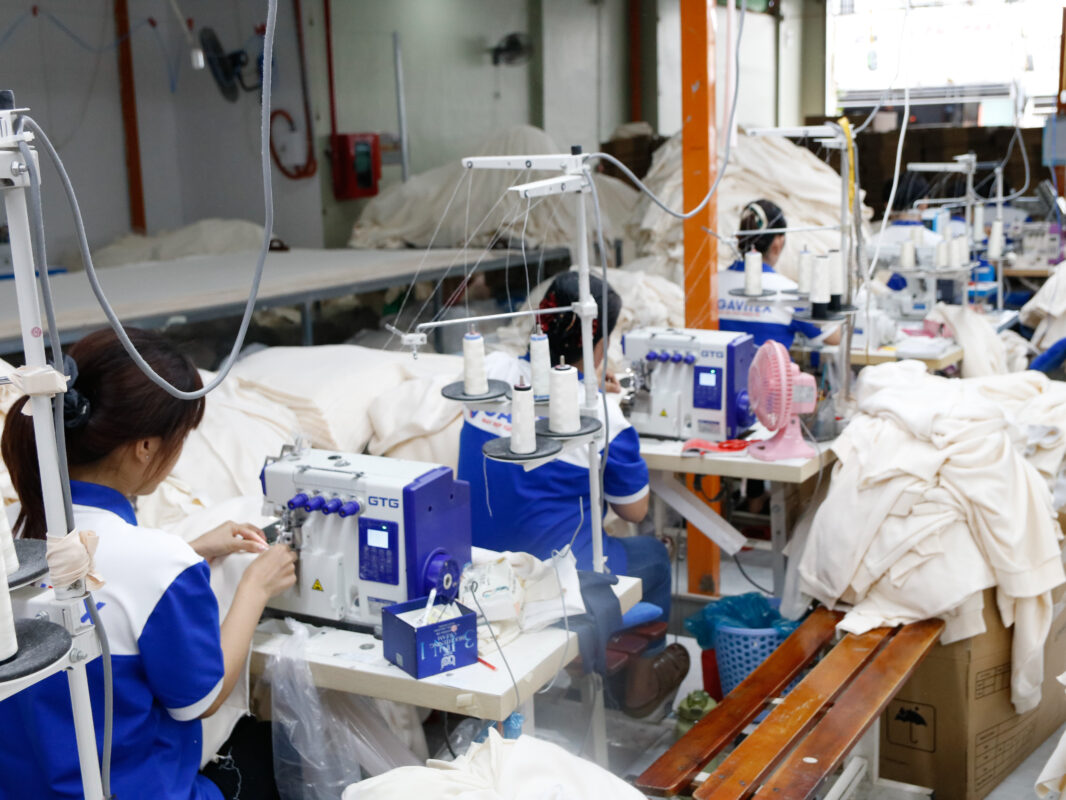
A Practical Medical Scrubs Development Workflow
A predictable program follows a clear sequence, and skipping steps is the most common reason bulk does not match the approved sample.
- Share your product brief or tech pack. Include measurements, the clinical setting, pocket layout, artwork and reference garments.
- Review fabric, durability, and wash requirements. Confirm the blend, weight and finish against the laundering routine.
- Agree fit, pockets, and colour coding. Decide on the cut, pocket layout and colour system before sampling.
- Develop and review samples. A fit and durability sample is made and revised until approved.
- Confirm measurements and workmanship. A pre-production sample confirms the standard in the correct bulk fabric and colours.
- Prepare a practical bulk production plan. Production runs against the approved sample and a graded size set.
- Review packing and delivery requirements. Pressing, folding, tagging, packing and inspection are completed before shipping.
Buyer Checklist Before Requesting a Scrubs Quote
Complete information leads to a faster review and a more realistic production plan. A useful checklist includes:
- Garment set (tops, trousers, jackets) and the clinical setting
- Reference images or a tech pack
- Fabric blend and weight expectation
- Fit (classic or modern fitted)
- Pocket layout and functional features
- Colour-coding or colour standard
- Branding method and logo placement
- Size range across the team
- Washing and care expectations
- Target quantity and delivery market
If some of these points are still being decided, that is normal early on. Sharing what you already have lets the review begin and highlights the few decisions needed before sampling can start, which keeps the project moving rather than waiting for a perfect brief.
Quality Considerations for Medical Scrubs
Quality in scrubs is measurable when the right checkpoints are agreed before bulk. The areas below are the ones buyers most often need to protect, and agreeing them in writing gives both sides a fair basis for inspection.
Wash Durability and Colour Retention
Scrubs are laundered often and at high temperatures, so confirming colour retention and fabric strength on a washed sample is essential. This turns durability from a promise into something both sides can check before bulk.
Sizing Consistency Across the Range
Every size should match the approved spec so a team can order with confidence. A clear size chart and graded set keep fit consistent, which matters when many garments are ordered across many staff at once.
Seam Strength and Pocket Durability
Pockets and seams take daily stress in clinical use, so secure stitching and reinforcement are important. These are simple signs of good workmanship that buyers can inspect on a sample before approving bulk.

Planning Quantities, Packing, and Repeat Orders
Cost and lead time for scrubs are shaped by fabric, garment mix and order quantity. A simple poly-cotton scrub set and a modern stretch range can sit at different price points from the same factory, so it helps to look at the whole picture rather than unit price alone. Sharing the target quantity per garment, colour and size lets the production scope be reviewed realistically; consolidating around core colours and sizes keeps production efficient, while a long list of colour-coded variants raises complexity and cost.
Packing and distribution decisions also matter for institutional orders that ship to several departments or sites. Folded packing, polybag and size labelling, and carton markings should be agreed before bulk so goods arrive ready to distribute. Repeat orders then become faster and more predictable: keeping the approved tech pack, embroidery file, colour reference, graded specs and pre-production sample on file means a follow-up order starts from a known standard rather than fresh sampling, which is exactly what institutional buyers need as staff numbers change through the year.
Why Work with a Vietnam-Based Scrubs Manufacturer?
Vietnam has a developed garment ecosystem with access to durable uniform fabrics, trims and experienced sewing and embroidery operators, which makes it a practical base for scrubs production. A capable partner coordinates fabric, sampling, sewing, branding and finishing, and communicates clearly when a decision is needed. Buyers should still carry out their own due diligence, request samples and agree quality checkpoints before committing to bulk. Gavitex works as a reviewing partner across medical and service uniforms, including within broader custom clothing production in Vietnam, with the scope of each project confirmed after the requirements are reviewed. Starting with a manageable first order is a sensible way to confirm durability, fit and colour before scaling to a full institutional rollout.
Sampling Questions to Prepare for a Scrubs Program
Scrubs benefit from a precise brief because they are washed often and worn through long shifts. Before sampling, confirm the garment set and the clinical setting, then decide the fabric blend and whether a small amount of stretch is wanted for a modern fitted look. The pocket layout deserves particular attention, since it is central to how practical the scrubs are in daily use and is easy to get wrong if left unspecified.
For institutional buyers, two points matter most. First, agree a colour-coding system and a colour tolerance so departments stay easy to identify and shades stay consistent across reorders. Second, confirm reinforcement at pockets and seams, because these take the most stress in clinical use. Planning the size range across many staff also helps the production scope be reviewed realistically, and the suitable approach is confirmed after the requirements are reviewed rather than estimated in advance.
Frequently Asked Questions
What information should I send for a medical scrubs quote?
Share the garment set, the clinical setting, a tech pack or reference garments, fabric and wash expectations, pocket layout, colour requirements, branding and delivery market. Gavitex reviews these and outlines a practical production plan.
Can Gavitex review stretch scrubs programs?
Yes. Modern stretch scrubs using poly-cotton-spandex can be reviewed, with fit, comfort and wash durability confirmed during sampling against your specification so comfort and durability are right for long clinical shifts.
Can colour coding for departments be discussed?
Yes. Colour-coded ranges can be reviewed, with a colour standard and tolerance agreed so shades stay consistent across the range and across future reorders.
Can I request samples before bulk production?
Yes. Fit and durability samples can be discussed before bulk. Providing design files and clear requirements helps the team assess the most suitable sampling process and the number of sample rounds your range is likely to need.
How do you keep scrubs durable through frequent washing?
By confirming the right fabric blend and reinforced construction, and by checking colour retention and seam strength on a washed sample before bulk so the scrubs hold up to repeated laundering.
Choosing the Right Scrubs Manufacturer
Beyond price, the manufacturers worth keeping are the ones that ask informed questions, sample carefully and communicate clearly when a decision is needed. For a scrubs program specifically, look for a partner comfortable with durable uniform fabrics, practical pocket layouts and the colour consistency that institutions depend on, because these are where a clinical uniform proves itself over months of frequent washing. A short trial order is a practical way to confirm durability, fit and colour before committing to a full rollout, and it gives both sides a shared reference for the standard expected in bulk. As staff numbers change through the year, a tidy library of approved tech packs, colour references and graded specs is what lets a buyer reorder consistently without re-sampling each time, keeping a department looking coordinated season after season.
Discuss Your Medical Scrubs Project with Gavitex
Send your tech pack, target quantity, fabric and wash expectations, pocket and branding details, size range and delivery market to the Gavitex team for review, and contact the Gavitex team to start the conversation.
Email: info@gavitex.vn
Phone / Zalo / WhatsApp: +84 972 107 109