Your trusted export garment supplier from Vietnam – Gavitex
Gavitex is a Vietnam-based export garment supplier combining professional planning, efficient
garment manufacturing, strict compliance and flexible solutions for international brands, retailers and
private label apparel programs.
Call for consultation & Get a quick quote
Hotline / WhatsApp / Zalo: 0972107109
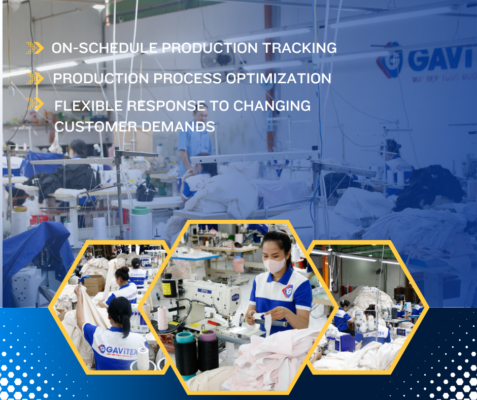
custom clothing production, testing, packing and export documentation under one roof, helping clients reduce risk and total cost.
1. What an export garment supplier really does today
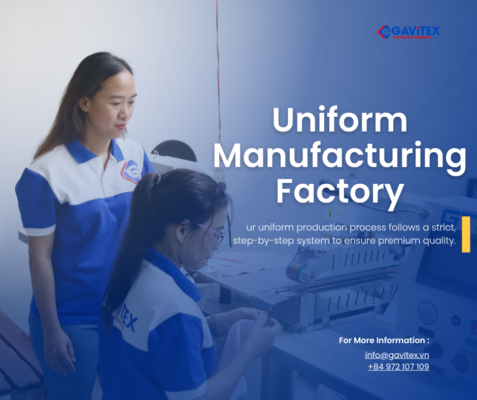
1.1 Beyond basic cutting and sewing
In the past, many factories mainly focused on cutting and sewing orders placed by buying offices. Today, international buyers expect an
export garment supplier to do far more. The role includes fabric and trim sourcing, technical development, production planning,
quality control, social compliance and export documentation. Without this broad skill set, it is difficult to support modern retail,
e-commerce and omnichannel models.
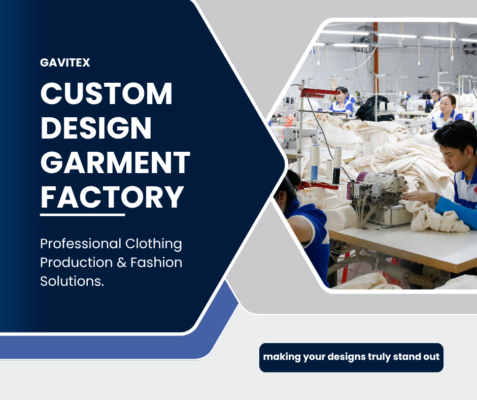
Gavitex positions itself exactly in this wider role. The company combines efficient clothing production lines with experienced
merchandisers, technicians and logistics coordinators who understand what brands and retailers need from initial concept to final container.
1.2 Vietnam as a strong base for export garment supply
Vietnam offers a mature ecosystem of mills, trim suppliers and logistics providers, making it an ideal location for an
export garment supplier. Gavitex leverages this ecosystem to deliver knit and light woven apparel for clients worldwide. By
working as an OEM clothing manufacturer, the company supports different price points and style levels, from value basics to more
premium private label apparel programs.
1.3 Gavitex as a long-term partner for brands
Rather than chasing only short-term orders, Gavitex focuses on building stable cooperation with brands and retailers that want a reliable
export garment supplier in Asia. The factory takes time to understand each client’s product direction, quality standards and
delivery calendar. Over time, this knowledge allows Gavitex to anticipate needs, suggest improvements and react faster when the market changes.
You can explore more about Gavitex’s export services on the dedicated
export garment supplier page and the
export garment manufacturing overview.
2. Core features and value of a professional export garment supplier
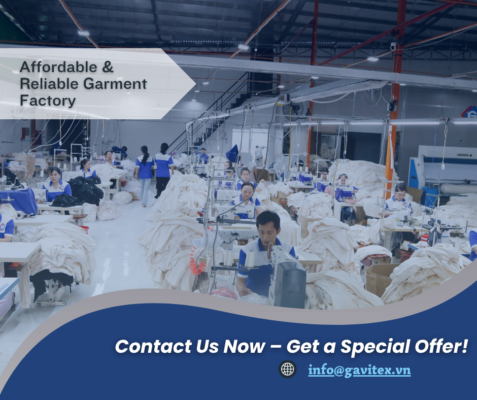
2.1 Single contact point from development to export
One of the biggest advantages of working with a full-service export garment supplier is simplicity. Instead of managing separate
agents for fabrics, trims, factories and forwarders, buyers have one accountable partner. Gavitex receives the design brief, coordinates
custom clothing production in the factory, supervises quality checks and aligns with shipping partners to meet the agreed
delivery windows.
This integrated model reduces communication loops and misunderstandings. Questions can be solved quickly within the same organization, which is
particularly important when dealing with tight launching calendars or complex assortments with many colorways and sizes.
2.2 Reliable quality and fit across seasons
The best strategy, marketing and store design cannot compensate for garments that do not fit or perform properly. A strong
export garment supplier protects your brand by maintaining stable quality and fit from season to season. Gavitex uses technical
files, graded size sets and clear workmanship standards to ensure consistency. When needed, the team adjusts patterns and construction based on
real feedback from the market.
This approach is particularly valuable for private label apparel programs, where customers expect similar sizing and comfort
no matter which season or store they buy from.
2.3 Cost optimization through engineering and planning
A professional export garment supplier is not simply a price taker. By analyzing how garments move along the
clothing production lines, the Gavitex engineering team can suggest adjustments that save time and material without changing the
customer-facing design. Examples include smarter seam constructions, optimized marker plans for cutting and balanced operation sequences for
sewing.
These improvements often reduce total cost by several percentage points, which adds up quickly across large orders. At the same time, buyers
receive detailed explanations so that decisions remain transparent and fully aligned with brand positioning.
2.4 Better risk management and supply stability
Working with an experienced export garment supplier also improves risk management. Gavitex monitors lead times for fabrics and
trims, tracks potential bottlenecks and creates contingency plans where possible. Because the company understands export rules and logistics
realities, it can highlight potential issues early – for example, capacity peaks, holiday periods or new regulatory requirements.
partner that actively works to protect your quality, timing and margins.
3. export garment supplier vs local domestic manufacturer – what is the difference?
3.1 Focus of domestic manufacturers
Domestic manufacturers often concentrate on serving their home market. They may provide good sewing quality, but export procedures, compliance
and international customer service are not always their priority. For foreign buyers, this can mean more work: arranging their own forwarders,
solving customs issues alone or dealing with time zone communication gaps.
Domestic-focused factories might also be less familiar with detailed testing standards, product safety rules or social audits required by large
international retailers.
3.2 Responsibilities of a true export garment supplier
A genuine export garment supplier like Gavitex builds its entire operation around international trade. This includes clear
English communication, transparent documentation, experience with multiple Incoterms and cooperation with efficient forwarders. Quality,
compliance and delivery performance are tracked carefully, because they directly influence long-term relationships with overseas clients.
In addition, an export-focused partner understands that buyers may need to coordinate several regions and channels at once, from European
retail to Asian online marketplaces. The factory’s planning logic, reporting style and flexibility are aligned with this reality.
3.3 Key differences at a glance
| Aspect | Domestic manufacturer | Gavitex as export garment supplier |
|---|---|---|
| Core focus | Local market, limited export experience. | International clients and long-term export programs. |
| Compliance & audits | Basic or ad-hoc. | Aligned with global brand and retail requirements. |
| Communication | Local language, limited time overlap. | Structured English communication and reporting. |
| Export handling | Buyer arranges many steps alone. | Gavitex manages export documents and shipment coordination. |
For brands and retailers that plan to scale across borders, a well-organized export garment supplier is usually the more robust
and predictable choice.
4. Capacity, technology and process at Gavitex – a structured export garment supplier
4.1 Product categories and line setup
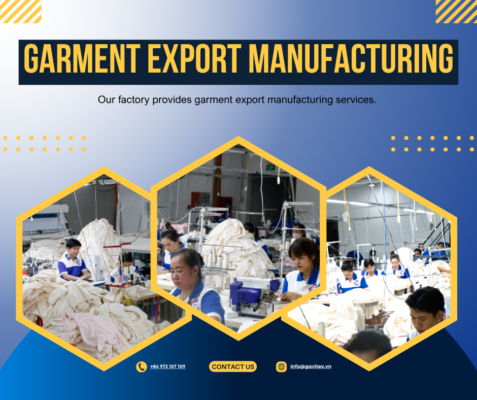
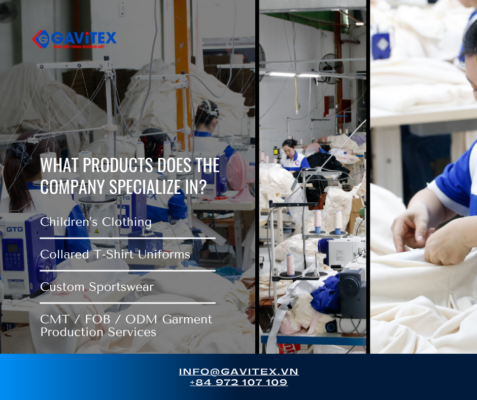
Gavitex focuses on knit and light woven items such as T-shirts, polos, hoodies, sweatshirts, joggers, shorts and casual shirts. These products
are manufactured on well-balanced assembly lines designed for export needs. Industrial engineers analyze each style, define operation sequences
and arrange machines so that garments flow smoothly from cutting to packing.
This structured approach allows the factory to deliver stable quality while keeping lead times competitive – a key expectation when acting as an
export garment supplier for demanding markets.
4.2 Technology in development and production
CAD systems support pattern making, grading and marker planning, improving consistency and fabric utilization. Time and motion studies help
balance operations, while quality checkpoints are defined at each stage. The factory’s planning system gives real-time visibility on running and
upcoming orders, allowing merchandisers to answer buyers’ questions quickly.
As an experienced OEM clothing manufacturer, Gavitex also offers input on fabric selection, construction details and finishing
options so that styles are both attractive to customers and efficient on the lines.
4.3 Cooperation with sourcing and support partners
When helpful, Gavitex cooperates with sourcing partners such as
garment manufacturing platform GOCY to expand fabric or trim options while keeping control of the
core custom clothing production work in-house. This hybrid approach can shorten development time and increase flexibility for
brands with diverse collections.
4.4 Export logistics and documentation
As a committed export garment supplier, Gavitex manages commercial invoices, packing lists, certificates of origin and other
export documents according to buyer and country requirements. The logistics team coordinates with nominated or recommended forwarders, organises
booking, container loading and handover, and shares updates with clients in a clear, structured way.
5. Legal compliance, NDA and brand protection with an export garment supplier
5.1 Contracts that reflect the full value chain
Contracts with an export garment supplier should address more than just unit prices and delivery dates. They need to describe
responsibilities across development, sourcing, garment manufacturing, quality control, compliance, testing and logistics.
Gavitex works with buyers to build agreements that match their corporate requirements and operating style.
Clear terms help avoid misunderstandings, especially when working across several time zones and legal systems. They also support long-term
continuity, as both parties understand how to handle changes in volume, colorways or schedules.
5.2 NDAs and management of sensitive information
To develop successful collections, brands must share detailed design information with their export garment supplier. Gavitex
operates under signed non-disclosure agreements and applies role-based access to project files. Only authorized team members can view tech packs,
costing details and development samples. Separate project codes are used so that data from one client is not mixed with another.
This disciplined handling of information is particularly important for innovative private label apparel concepts and
collaborations, where timing and exclusivity play a big role.
5.3 Compliance with social and environmental expectations
Global brands increasingly connect with customers through responsible sourcing. As a responsible export garment supplier,
Gavitex supports this direction with social and environmental compliance programs. Processes can be aligned with buyers’ own codes of conduct and
with international frameworks. When products are linked to specific campaigns – for example, eco initiatives or cause-related collections – the
factory helps document the relevant practices.
effective ways to reduce reputational risk while expanding in new markets.
6. Five reasons to choose Gavitex as your export garment supplier
6.1 Direct factory expertise
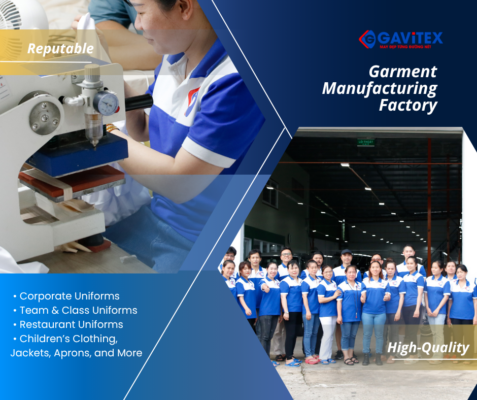
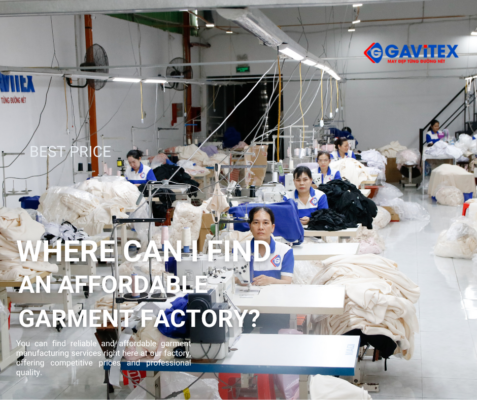
Gavitex is not only a merchandising office – it is a working factory. Engineers, pattern makers and line supervisors operate on site every day.
When you work with Gavitex as an export garment supplier, your questions are answered by people who understand exactly how a
garment is built, which machine operations are used and how small changes affect efficiency and quality.
6.2 Competitive cost structure
By combining sourcing, custom clothing production and export coordination, Gavitex removes multiple layers of cost that often
exist in fragmented supply chains. At the same time, engineering and planning improvements on the
clothing production lines reduce waste and rework. The result is a cost structure that can be 35–45% lower than alternatives
offering similar quality and service.
6.3 Transparent communication and planning
Each client works with a stable account team that provides clear production status, capacity forecasts and risk assessments. Because the factory
controls the full garment manufacturing process, it can give realistic answers rather than passing messages along a complex chain
of intermediaries. This transparency helps brands plan launches and promotions more confidently.
6.4 Flexibility for basics and fashion items
Many buyers need high-volume basics plus smaller runs of seasonal or trend-led garments. Gavitex designs its line setup and sourcing strategies
to support both categories. Core items are produced on highly efficient flows, while more complex or experimental pieces receive additional
technical attention. This balance is essential for modern private label apparel programs and branded assortments.
6.5 Long-term partnership mindset
Gavitex aims to be a long-term export garment supplier, not just a temporary option. The team invests time to understand your
markets, sales channels and internal processes. As cooperation grows, the factory can proactively suggest new ideas, fabric options or
efficiencies that support your strategy.
Discuss your export roadmap with Gavitex
Share your main categories, target markets and volumes, and Gavitex will prepare a tailored plan as your
export garment supplier.
9. Frequently asked questions about choosing an export garment supplier
1. What information do we need to start working with an export garment supplier?
framework is important. The team will ask about your brand positioning, target customers, price ranges and launch calendar. Any design
sketches, mood boards or reference garments are extremely useful, together with approximate order volumes and key markets. You should
also share performance requirements, testing standards and preferred delivery terms. Based on this information, Gavitex can propose
suitable fabrics and trims, outline a development and sampling plan, and provide initial price indications. As cooperation moves
forward, more detailed topics such as grading, size curves, labeling and packing instructions are defined step by step within the same
structured process.
2. How does an export garment supplier differ from a buying agent?
technical details or internal processes. An export garment supplier like Gavitex, by contrast, operates its own
garment manufacturing facilities and takes responsibility for development, production and export. This means that
technical questions can be answered quickly, and process improvements can be implemented directly on the lines. It also simplifies
accountability: if quality or timing issues arise, you are dealing with the organization that runs the factory, not an intermediary. For
many brands, this integrated structure provides greater transparency, more stable quality and better long-term cost control.
3. What minimum order quantities apply when working with Gavitex?
volumes are often more flexible, while more complex woven garments or pieces with many special trims may require higher thresholds.
Gavitex reviews each style and suggests practical options that balance cost efficiency with your need for flexibility. Because the
factory controls both sourcing and custom clothing production, it can sometimes pool demand across several launches or
seasons to reach fabric minimums. Instead of applying a rigid rule, Gavitex tries to find a realistic MOQ structure that fits the way
your business grows.
4. Can Gavitex work with our nominated mills and still act as export garment supplier?
while still acting as your main export garment supplier. In this model, fabrics are ordered from the nominated mills
under your existing agreements, and Gavitex manages development, sampling and bulk production in Vietnam. The factory coordinates
delivery schedules, quality approvals and line loading so that garments are ready to ship on time. This approach allows you to keep the
benefits of established mill relationships while enjoying the advantages of a single, accountable partner for cutting, sewing,
finishing, packing and export documentation.
5. How does Gavitex protect our brand identity and confidential information?
NDAs and clear internal rules about who can access project information. Digital files and physical samples are stored under specific
project codes, and access is limited to the team directly working on your orders. Over-runs and seconds are handled according to your
policies to avoid uncontrolled sales that could weaken your positioning. When collections involve special campaigns or certifications,
Gavitex provides documentation on processes and standards so that your marketing and compliance teams can communicate with confidence in
all markets.
10. Contact Gavitex – your reliable export garment supplier in Vietnam

If you are searching for a long-term export garment supplier with real factory expertise, Gavitex offers a strong combination:
experienced engineering, reliable garment manufacturing, and structured export coordination. The company can support value,
mid-price and more premium programs, from basics to more distinctive collections.
You can learn more about export capabilities on the
export garment manufacturing overview and on the
export garment supplier service page. For sourcing support and
additional regional options, Gavitex can also interface with garment manufacturing partner GOCY
when useful.
Ready to talk about your next export collection?
- Share your target markets, main categories and planned launch dates.
- Receive a customized proposal from Gavitex as your export garment supplier.
- Build a stable production base in Vietnam that grows with your business.
Hotline: 0972107109 (WhatsApp / Zalo available)