

An Amazing responsive and Retina ready theme.
Lorem ipsum dolor sit amet, consectetur adipiscing elit. Nam sed eleifend risus, sit amet porttitor [...]
Aug
Sportswear Manufacturing: Guide To Performance Apparel, Sustainable Production & Trends
Here’s a draft opening paragraph designed to meet your SEO and user engagement requirements: (Opening) [...]
Feb
ODM: What Is Original Design Manufacturing? Services, Benefits & Selection
Here’s an opening paragraph tailored for an article on ODM, designed with SEO best practices [...]
Feb
Custom T-Shirt Manufacturing: Design, Print & Order Your Personalized Apparel Online
Here’s an opening paragraph designed to meet your SEO specifications: Unlocking the potential of Custom [...]
Feb
Garment Manufacturing Services: Your Guide To Apparel Production, Sourcing, & Quality Control
Absolutely! Here’s a draft opening paragraph designed to meet your specific requirements, focusing on SEO [...]
Feb
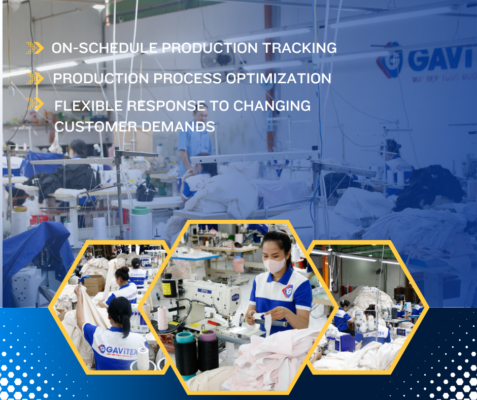
Vietnam Garment Manufacturing Workshop: Your Guide To Sourcing Apparel In Vietnam
Here’s a draft of an opening paragraph designed for SEO and reader engagement, focusing on [...]
Feb
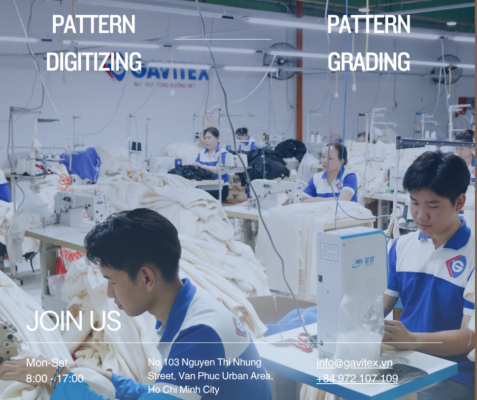
Garment Factories In Vietnam: Sourcing, Manufacturers, & Ethical Apparel Production
Here’s an opening paragraph designed for your SEO-focused article on Garment factories in Vietnam, keeping [...]
Feb
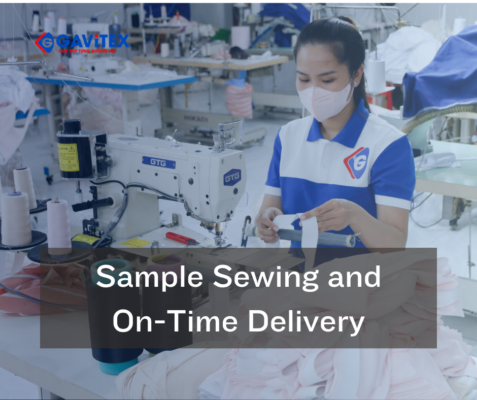
Small Order Garment Processing: Custom, Ethical, And Sustainable Apparel Production
Small Order Garment Processing is no longer a future trend, but an immediate necessity for [...]
Feb
From idea to finished garment: my journey with CMT apparel production at Gavitex
A few years ago I was a small fashion brand owner, constantly juggling designs, suppliers and delivery dates. My biggest headache was turning sketches into consistent, reliable products. When I discovered how structured CMT apparel production works at Gavitex in Vietnam, the way I run my brand completely changed. Instead of worrying about every stitch, I finally had a professional team handling pattern cutting, sewing lines and finishing, while I focused on brand, sales and clothing sourcing strategy for the long term.
☰ Table of contents
- My story of shifting to professional CMT apparel production
- Core features and value of CMT apparel production
- Comparing CMT apparel production vs FOB full–package model
- Gavitex production capacity & technology in CMT
- Legal framework & brand protection with CMT
- Five reasons to choose Gavitex for CMT apparel production
- Market insights & colorful demand chart
- Sample pricing table for CMT garment manufacturing
- FAQ about working with a CMT partner in Vietnam
- Contact Gavitex & get a tailored quote
How I discovered the power of structured CMT apparel production
From scattered workshops to one reliable CMT apparel partner
I used to work with several small workshops, each handling a different style. Lead times slipped, sizes were inconsistent and quality issues showed up at the worst possible moment. When a friend in the industry mentioned a specialist in CMT apparel production called Gavitex, I decided to visit their factory in Vietnam. Walking through the organized clothing production lines, seeing clear work instructions, in–line inspection and professional finishing areas, I realized this was a different level of garment manufacturing. Instead of fighting daily fires, I could plug my styles into a proven system.
Why CMT apparel production made sense for my brand
My brand already had a strong design team and access to good fabrics. What I needed was a partner who could execute cutting, making and trimming at scale. With CMT apparel production, I keep control of fabrics, trims and branding while Gavitex provides expertise in patterns, markers and industrial sewing. This hybrid setup suits many private label apparel brands: you keep ownership of sourcing, but rely on an experienced OEM clothing manufacturer to convert materials into consistent finished garments.
Meeting the Gavitex team for the first time
At Gavitex, the production manager walked me through the entire CMT apparel production flow for my category: from receiving fabrics, relaxing, spreading and cutting, to sewing, inline quality control and packing. We sat down with technical staff to review my tech packs and discuss where they could improve stitch types, seam allowances and thread choice. That mix of friendly communication and technical depth convinced me I had found the right partner. It felt less like “outsourcing” and more like plugging my brand into an efficient engine.
Core features and value of professional CMT apparel production
What CMT apparel production really means in practice
In the simplest terms, CMT apparel production means the factory is responsible for Cutting, Making and Trimming. You, as the brand or importer, usually supply fabrics, main trims and branding components, while the factory provides labor, machinery, technical know–how and space. With a partner like Gavitex, this goes far beyond basic sewing. Their team reviews technical packs, optimizes patterns for industrial cutting, creates efficient markers to reduce fabric waste and uses well–balanced clothing production lines to achieve stable output. For many buyers, especially those with existing fabric supply chains, this model offers the right mix of control and flexibility.
Advantages for brands using CMT over fragmented outsourcing
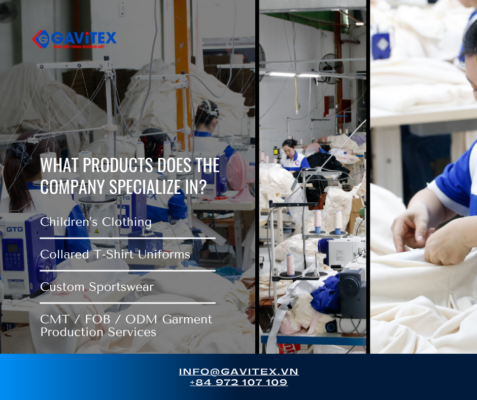
Working with a single specialist in CMT apparel production simplifies life compared with managing several small workshops. You get one schedule, one production tracking system, one set of quality standards. A structured CMT plant can handle a broad range of categories, from basic T–shirts to fashion woven items, depending on the machinery in place. For Gavitex, this includes knitwear, athleisure and casual woven garments. When I moved my orders there, I immediately saw fewer quality claims, smoother logistics and a more predictable cashflow, because confirmed delivery dates were finally realistic.
How CMT interacts with other garment manufacturing models
In the garment industry, CMT apparel production often sits between fully outsourced full–package models and in–house manufacturing. Compared with a full package OEM clothing manufacturer who pays for fabrics, CMT partners focus on processing. That means you can tap into specialized mills, niche fabric developers or your own preferred suppliers, then send the rolls to a CMT plant. For brands experimenting with new collections, this hybrid setup supports agile custom clothing production: test small runs with new fabrics while keeping long–term bestsellers running on stable lines. It also gives you more power when negotiating fabric prices, because you are the one buying the textile.
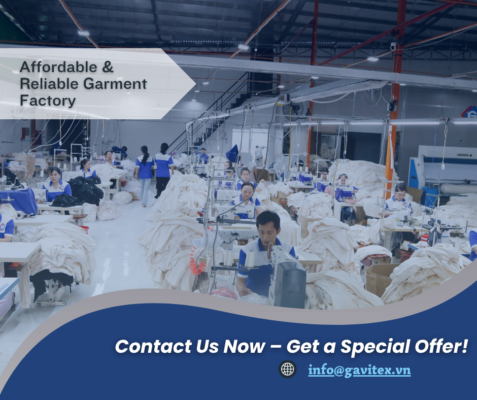
Comparing CMT apparel production with FOB / full–package models
Cost structure: where value is created
One of my first questions for Gavitex was how CMT apparel production compares to FOB or full–package manufacturing. Under FOB, the factory purchases fabrics, trims and packaging, calculates all costs into a single unit price and sells the finished garment to you. Under CMT, you purchase and own the fabrics and most trims, while paying the factory a processing charge per piece. This means the CMT unit price looks lower, but you also take responsibility for material costs. For brands with good sourcing networks, this can unlock major savings, especially when combined with a strong clothing sourcing strategy across regions and seasons.
Risk and flexibility: who carries which responsibilities
With FOB, the factory shoulders more risk: if fabric prices fluctuate or a mill delivers late, the supplier absorbs some of the pain. In a CMT apparel production model, you take on material risks but gain flexibility. You can redirect fabrics between styles, change color mixes or even move stock to a different CMT partner if needed. This is valuable for private label apparel brands working with fast–changing trends. When I worked with Gavitex, we used CMT for ‘evergreen’ styles where I sourced long–term fabrics, while occasionally testing new textiles on smaller orders with clear cost visibility.
When CMT apparel production is the smarter choice
FOB makes sense when you want a simple “all–in” price and minimal operational work. But when you want more control over materials, tighter cost management and the ability to scale quickly across markets, CMT apparel production is often a better fit. It also pairs well with omnichannel strategies: you can run base fabrics for several seasons and adjust silhouettes according to online feedback. For me, CMT became the foundation for building a flexible supply chain: Gavitex manages the industrial side of garment manufacturing, while my team works on design, marketing and forecasting.
Gavitex capabilities in structured CMT apparel production
Production lines designed for efficiency and quality
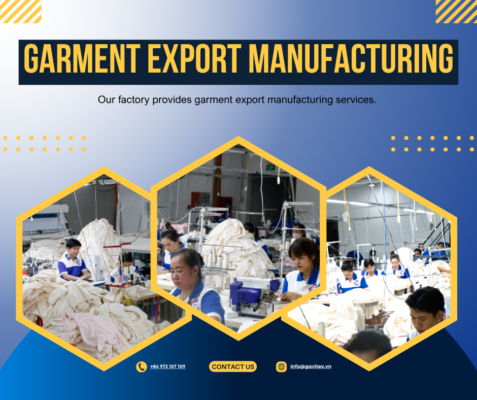
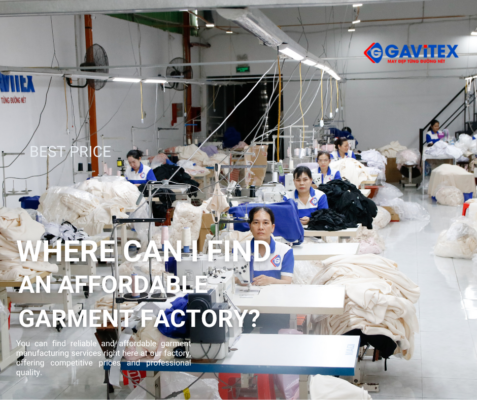
At Gavitex, CMT apparel production is organized into balanced lines with clear takt times. Operators are trained on specific operations but can also rotate to avoid fatigue. For B2B clients, this means more predictable output and easier planning. The factory uses modular clothing production lines for small batches and straight lines for large orders, supported by inline QA checkpoints. When I placed my first orders, we agreed on daily output targets, sample size for inspections and reporting formats. That level of clarity is crucial for international buyers who need visibility across multiple collections.
Technology and tools supporting garment manufacturing
Gavitex uses CAD systems for pattern development and marker making, ensuring fabric yield is optimized for every style. This matters a lot in CMT apparel production because you are paying for fabrics yourself. Better utilization immediately reduces cost per piece. Layers are spread with automatic or semi–automatic spreaders, cut on efficient cutting tables and labeled clearly before moving to sewing. The sewing floor is equipped with lockstitch, overlock, coverstitch and special machines, enabling a broad range of garment manufacturing categories from knit basics to more advanced sportswear.
Serving private label and custom clothing production
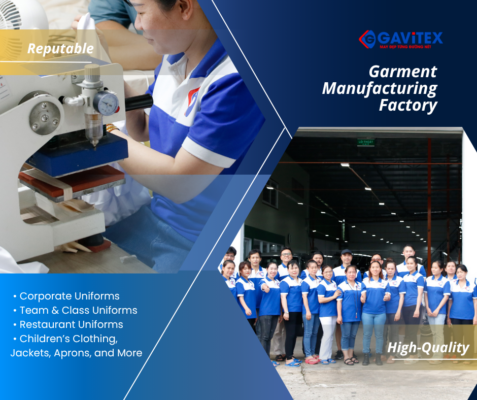
Beyond pure capacity, what impressed me was how Gavitex supports private label apparel brands of different sizes. They can handle repeat programs for big retailers and more customized ranges for smaller labels. In both cases, the same disciplined CMT apparel production process is applied: clear critical path, sample approval, size set, pre–production meetings and pilot runs. For more specialized custom clothing production, the technical team works closely with designers to translate ideas into industrially feasible patterns and construction, reducing risk of surprises during bulk production.
Legal framework and brand protection in CMT apparel production
Clear contracts defining roles and responsibilities
For international buyers, a structured legal framework is as important as sewing skills. With Gavitex, every CMT apparel production project starts with a contract that defines roles for both sides: who buys fabrics, who insures goods in transit, how quality standards are defined and what happens if there are delays. This clarity avoids misunderstandings and protects both the factory and the brand. Payment terms, tolerances for measurements and allowed defect rates are all agreed in writing, making communication straightforward for overseas partners.
NDA and protection of designs, patterns and labels
Many of my collections include unique details developed by our design team. I needed a CMT apparel production partner who respects intellectual property. Gavitex signs non–disclosure agreements (NDA) and implements practical safeguards: limited access to digital patterns, controlled sample rooms, and internal guidelines about not sharing sensitive private label apparel designs. They understand that long–term relationships depend on trust. If you also work with design agencies, these protections make it easier to convince them to share tech packs directly with the factory.
Brand reputation, compliance and labeling
As brands expand into new markets, compliance rules on fiber content, care labeling and origin marking become stricter. A responsible partner in CMT apparel production keeps up with these requirements. Gavitex helps check that care labels, country of origin and fiber compositions match the actual construction. For buyers working with multi–brand retail platforms, this reduces the risk of returns or penalties. Protecting the brand also means consistency: cartons, polybags and hangtags are applied exactly as specified, so the unboxing experience is the same whether garments are shipped to Europe, the US or Asia. For some projects, Gavitex even collaborates with external partners such as garment manufacturing support platforms to align documentation and logistics.
Five reasons I recommend Gavitex for CMT apparel production
1. Expert guidance for brands new to CMT apparel production
When I first approached Gavitex, I was not an expert in industrial CMT apparel production. Their team patiently walked me through each step, from how to ship fabrics to how to structure size breakdowns and buffer quantities. For B2B clients who are new to offshore garment manufacturing, this kind of guidance is invaluable. Instead of simply quoting a price, they help you design a practical process, which reduces risk for both sides.
2. Transparent costing and competitive pricing
Because you provide the materials in a CMT apparel production model, processing charges must be transparent. Gavitex breaks down costs by operation, complexity and volume, making it easier to benchmark against other suppliers. Compared with typical market prices I saw, their rates were 35–45% more competitive for the same quality level, especially once we optimized line layouts. This allowed my brand to reinvest savings into better fabrics and marketing, making the overall product more attractive without raising retail prices.
3. Strong quality culture and continuous improvement
Every factory says they care about quality, but not all show it in daily practice. At Gavitex, quality staff are visible on the floor, checking seams, measurements and appearance during CMT apparel production, not only at the end. They use clear defect codes, hold short daily meetings at line boards and analyze recurring issues. Over time, this culture of continuous improvement has a big impact on consistency, which is what retailers and online platforms care about. My claims rate dropped sharply after moving to their lines.
4. Flexibility for private label apparel brands of different sizes
Some CMT factories focus only on very big orders. Gavitex is different: they manage capacity in a way that allows them to serve both established retailers and growing private label brands. Smaller clients can start with moderate volumes while still benefiting from structured CMT apparel production. As orders grow, Gavitex can add capacity, replicate successful lines and keep the same quality level. This scalability is especially important for brands selling online, where demand can change quickly after a product goes viral.
5. Long–term partnership mindset
What convinced me to stay with Gavitex was their attitude when things became difficult. During one season, demand dropped unexpectedly and I had to reduce order quantities. Instead of reacting defensively, the team suggested which styles to prioritize and how to adjust CMT apparel production plans. We shared information about stock levels and forecasts, and found a solution that protected both my cash flow and their line utilization. That long–term mindset is what every international buyer hopes to find in a partner.
Market insights and colorful chart for CMT apparel production demand
Growing demand for agile CMT partners
Global fashion cycles have become shorter, and brands are under pressure to react quickly. Instead of locking everything into long full–package contracts, many companies combine fabric sourcing with flexible CMT apparel production in hubs like Vietnam. This allows them to react faster to market signals, while still benefiting from competitive labor and strong technical skills. Buyers are also diversifying, using multiple OEM clothing manufacturer and CMT partners across the region to reduce geopolitical risk.
Illustrative chart: demand for CMT apparel production services
The following simple column–style chart illustrates how demand for CMT apparel production has grown in recent years, based on the mix of inquiries I have seen and conversations with other brands. Each bar represents a year and its relative interest level.
Sample pricing for CMT apparel production at Gavitex
How we approached fair and competitive CMT pricing
When I benchmarked processing charges across several suppliers, I found a wide range of rates for similar styles. By comparing those market references, we designed a pricing structure with Gavitex that is typically 35–45% lower than many comparable offers, while still maintaining sustainable wages and investment in quality. The table below shows indicative price bands for standard CMT apparel production orders. Actual prices depend on style complexity, fabric type and order volume, but this gives a realistic starting point for discussion.
Colorful comparison table for key CMT categories
| Garment type | Typical market CMT price | Gavitex CMT apparel production price (approx.) | Estimated saving |
|---|---|---|---|
| Basic knit T–shirt | 0.90 – 1.10 USD / pc | 0.55 – 0.65 USD / pc | ≈ 40 – 45% lower |
| Fleece hoodie / sweatshirt | 1.80 – 2.10 USD / pc | 1.10 – 1.30 USD / pc | ≈ 35 – 40% lower |
| Sports leggings / activewear bottom | 1.70 – 1.90 USD / pc | 0.95 – 1.15 USD / pc | ≈ 40 – 45% lower |
| Casual woven shirt | 1.50 – 1.80 USD / pc | 0.90 – 1.10 USD / pc | ≈ 35 – 40% lower |
These figures are for illustration, but they reflect the philosophy behind Gavitex: use efficient CMT apparel production processes and lean garment manufacturing methods so that both the brand and the factory can grow sustainably.
FAQ about working with Gavitex for CMT apparel production
Below are some of the most frequent questions I hear from other brands considering CMT apparel production in Vietnam. Click each question to reveal a detailed answer.
1. What information do I need to start a CMT apparel production project with Gavitex?
To start efficiently, you should prepare clear tech packs: measurements, construction details, artwork placement and packing instructions. For CMT apparel production, you also define which materials you supply, such as fabrics, main trims and branded labels. Gavitex can help refine this information, but the clearer your initial documentation, the smoother the process will be. They will ask about target FOB or retail price range, planned volumes, delivery windows and whether you already work with specific mills. With that, the technical team can estimate sewing complexity, suggest improvements and provide a realistic capacity plan. Even if you are new to offshore garment manufacturing, Gavitex guides you step by step so that the learning curve is manageable.
2. Can Gavitex support both basic and more complex garment manufacturing styles?
Yes. One of the strengths of Gavitex is the ability to handle a wide spectrum of products under the same structured CMT apparel production framework. On the simpler side, they produce large volumes of T–shirts, polos and basic fleece styles with highly efficient lines. On the more complex side, they support athleisure, leggings and fashion woven garments that require more operations and tighter tolerances. Their equipment includes different machine types and attachments, allowing them to adapt clothing production lines to each category. For brands managing a mixed portfolio, this means you can consolidate several programs in one place instead of spreading them across many small factories.
3. How does quality control work in CMT apparel production at Gavitex?
Quality control is integrated into every stage of CMT apparel production at Gavitex. Incoming fabrics are checked for shade, width and major defects. During cutting, markers are verified and cut panels are randomly inspected. On the sewing lines, in–line inspectors monitor seams, label placement and measurements using agreed checkpoints. Final inspection follows international standards, combining visual checks with measurement charts. If you have your own procedures, Gavitex is willing to align their quality plans and reporting format. Over time, recurring defects are analyzed so that root causes can be eliminated rather than simply repaired. This systematic approach is one of the reasons my brand’s claims rate dropped after switching to Gavitex.
4. Is CMT apparel production suitable for private label apparel and smaller brands?
Absolutely. In many cases, CMT apparel production is ideal for private label apparel and growing brands that already have access to fabrics. Because you control material purchasing, you can start with modest quantities while still benefiting from professional lines. Gavitex works with realistic minimum order quantities and can suggest how to combine sizes and colors to reach efficient batch sizes. As your sales grow, the same team can expand capacity and standardize best–selling blocks. For smaller labels, this model avoids being locked into large full–package contracts, while still enjoying the technical expertise of an experienced OEM clothing manufacturer.
5. How long does it usually take from sampling to bulk shipment in CMT projects?
Timelines depend on style complexity and how quickly materials are delivered, but Gavitex typically follows a clear roadmap. After receiving full technical information, they prepare first samples within an agreed time frame. Once you approve fit and construction, they move to size sets and pre–production samples. During this stage, the CMT apparel production line is also prepared and operators are trained on key operations. For repeat programs with confirmed fabrics, lead times can be relatively short, because patterns and markers are already optimized. For new developments, it is wise to plan some extra weeks for refinement and shipping. Throughout the process, Gavitex shares a critical path document so you can coordinate launches and deliveries across your sales channels.
Partner with Gavitex for your next CMT apparel production project
Turn your designs into reliable production with a trusted Vietnamese partner
Looking back, choosing Gavitex as my partner in CMT apparel production was a turning point. Instead of fighting with scattered workshops, I now work with a well–structured factory that understands international expectations. Their mix of technical depth, transparent costing and long–term mindset makes them a strong ally for brands, retailers and sourcing offices seeking dependable garment manufacturing in Vietnam. Whether you manage a large retail network or a fast–growing online label, Gavitex can adapt capacity and processes to match your needs.
Next step: share your project and get a tailored proposal
If you are exploring new suppliers or want to restructure your existing CMT apparel production, you can start with a simple conversation. Share your product categories, typical volumes and timelines, plus a few sample tech packs. The Gavitex team will review feasibility, suggest process improvements and provide a realistic price and capacity proposal. You can also visit their page dedicated to CMT apparel production to see more information and case studies. For broader sourcing decisions, the article on clothing sourcing strategy offers additional context.
Call for consultation & Get a quick quote – Hotline 0972107109