Here’s an opening paragraph designed to meet your SEO specifications:
Unlocking the potential of Custom T-shirt manufacturing is paramount for businesses seeking to boost brand visibility and cater to specific customer needs in 2025. This guide, categorized under Garment Processing, delves into the intricacies of creating impactful apparel, exploring key aspects such as design customization, fabric selection, printing techniques (including DTG, screen printing, and sublimation), and cost-effective production strategies. Furthermore, we will analyze the impact of supply chain optimization and quality control measures on the final product, as well as strategies to navigate minimum order quantities (MOQs) and pricing negotiations with manufacturers. Whether you’re a startup or an established brand, this article provides the practical insights needed to master the art of custom apparel creation and achieve measurable ROI.
Understanding Custom T-Shirt Manufacturing: A Comprehensive Guide
Custom t-shirt manufacturing is more than just slapping a design on a blank tee; it’s a multifaceted process involving design, material selection, printing techniques, and ethical considerations. This guide delves into the intricacies of custom t-shirt production, offering a comprehensive overview for businesses, individuals, and organizations looking to create unique and personalized apparel. Whether you’re aiming to build a brand, commemorate an event, or simply express your creativity, understanding the manufacturing process is crucial for achieving optimal results and maximizing your investment.
The process starts with a clear understanding of your vision. What message do you want to convey? Who is your target audience? A well-defined concept forms the foundation for the entire custom apparel journey. From there, decisions about fabric type, printing method, and manufacturer selection will shape the final product. This guide will walk you through each step, empowering you to make informed choices that align with your goals and budget.
Navigating the world of custom t-shirt creation requires careful consideration of various factors. From selecting the right fabric—balancing comfort, durability, and printability—to choosing the most suitable printing technique, each decision impacts the final product’s quality and cost. Understanding the capabilities and expertise of different manufacturers, along with their pricing structures and minimum order quantities, is essential for finding the perfect partner. Furthermore, implementing robust quality control measures throughout the manufacturing process ensures that your personalized t-shirts meet your expectations and reflect your brand’s values.
This guide also addresses crucial aspects such as cost optimization strategies, including bulk ordering and design simplification, and explores the latest trends and innovations in the industry, such as sustainable manufacturing practices and on-demand production. By understanding common challenges and implementing effective solutions, you can navigate the manufacturing process smoothly and create high-quality custom t-shirts that resonate with your target audience. Finally, this guide emphasizes the importance of ethical considerations, ensuring copyright compliance, fair labor practices, and responsible sourcing.
(Approximate word count: 290)
Design Considerations for Custom T-Shirts: From Concept to Creation
Creating custom t-shirts that resonate with your audience requires careful consideration of various design elements, transforming an initial idea into a tangible, wearable product. This section delves into the crucial aspects of t-shirt design, ensuring that your custom apparel effectively communicates your message and achieves the desired aesthetic. The process demands a blend of artistic vision and practical knowledge.
Effective t-shirt design goes beyond simply slapping an image onto fabric; it involves a holistic approach that considers the target audience, the message being conveyed, and the overall aesthetic appeal. The following aspects should be thoughtfully evaluated:
- Target Audience: Understanding who you’re designing for is paramount. Are you targeting a specific age group, demographic, or interest group? Tailor your design to resonate with their preferences.
- Concept and Message: Clearly define the message you want to communicate. Is it a promotional design for a brand, a statement of personal expression, or a representation of a specific event? The design should effectively convey this message.
- Visual Elements: Carefully select visual elements such as typography, imagery, and color palettes. These elements should work in harmony to create a cohesive and visually appealing design. Consider the use of negative space, contrast, and balance to enhance the overall impact.
- Placement and Size: The placement and size of the design on the t-shirt are crucial. Consider the different areas where the design can be placed (front, back, sleeves) and choose the most effective location. Ensure the design is appropriately sized for the garment and doesn’t appear too small or overwhelming.
Choosing the right design software and understanding design principles are crucial steps in the custom t-shirt design process. Popular software options include Adobe Photoshop and Illustrator, each offering unique tools and capabilities for creating compelling visuals. Furthermore, mastering design principles like color theory, typography, and composition can significantly enhance the effectiveness of your designs. These principles provide a framework for creating visually appealing and balanced designs that capture attention and communicate your message effectively. For example, using contrasting colors can make a design pop, while a well-chosen font can enhance readability and convey the desired tone.
Choosing the Right Fabric and Printing Technique for Your Custom T-Shirt Project
Selecting the appropriate fabric and printing technique is paramount for successful custom T-shirt manufacturing. The right choices can significantly impact the final product’s look, feel, durability, and overall appeal, aligning it with your design vision and target audience. Understanding the interplay between different fabric types and printing methods is crucial for achieving optimal results in your custom T-shirt project.
The selection of fabric for custom T-shirts involves a careful balance of comfort, durability, and printability. Factors like breathability, weight, and texture play a significant role in the wearer’s experience. Simultaneously, the chosen fabric must be compatible with the selected printing technique to ensure vibrant colors, sharp details, and long-lasting designs.
The market offers a diverse array of printing techniques, each with its own set of advantages and limitations.
- Screen printing, a popular method, is known for its durability and cost-effectiveness for large quantities.
- Direct-to-garment (DTG) printing excels at reproducing intricate designs and gradients on demand.
- Sublimation is ideal for all-over prints on polyester fabrics, offering exceptional color vibrancy.
The choice depends on factors like design complexity, order size, fabric type, and budget.
Finding the Right Custom T-Shirt Manufacturer: Key Factors to Consider
Selecting the right custom t-shirt manufacturer is a critical decision that significantly impacts the quality, cost, and overall success of your custom t-shirt project. This decision goes beyond simply finding someone who can print on a shirt; it involves partnering with a manufacturer who understands your vision, can meet your specific needs, and deliver a product that aligns with your brand’s standards. To ensure a smooth and successful process of custom t-shirt manufacturing, understanding key considerations becomes paramount.
Choosing the appropriate custom t-shirt manufacturer involves evaluating several critical factors. Key considerations revolve around the manufacturer’s capabilities and expertise in handling your specific design and printing requirements. This assessment includes evaluating their equipment, experience with different fabrics and printing techniques, and ability to manage the scale of your order. Understanding their pricing structure, including any minimum order quantities, also influences your budget planning. Furthermore, a robust quality control process is vital to ensure the final product meets your expectations, aligning with the product quality standards that your customers expect.
When evaluating potential custom t-shirt manufacturers, it is imperative to delve into their capabilities and expertise. Consider these points:
- Printing Technology: Does the manufacturer offer the printing methods that align with your design requirements (e.g., screen printing, DTG, sublimation)?
- Fabric Options: Does the manufacturer have access to a wide variety of fabrics that meet your comfort, durability, and style expectations?
- Production Capacity: Can they handle your order volume within your required timeframe, scaling with your potential future growth?
- Design Assistance: Can the manufacturer assist you with design refinement or offer design services if needed, making sure the final design is print-ready?
Navigating the pricing and order requirements is a practical step in choosing a custom t-shirt manufacturer. Comparing quotes from different manufacturers can help you understand the average market price and identify the most cost-effective options. Note any discounts for bulk orders, as these can significantly reduce your overall expenses. Also, it’s important to know whether the manufacturer has minimum order quantities (MOQs) and whether these align with your needs, especially if you’re a small business or just testing the market.
Quality control and assurance should be a deciding factor when vetting a suitable custom t-shirt manufacturer. Inquire about their quality control procedures, ensuring that the manufacturer has a robust system in place to catch any defects or inconsistencies. Confirm whether the manufacturer conducts thorough inspections at various stages of the production process, from fabric inspection to print quality checks. Furthermore, asking about their return or refund policy in case of defective products ensures that you are protected and can maintain your own high standards.
The Custom T-Shirt Manufacturing Process: A Step-by-Step Breakdown
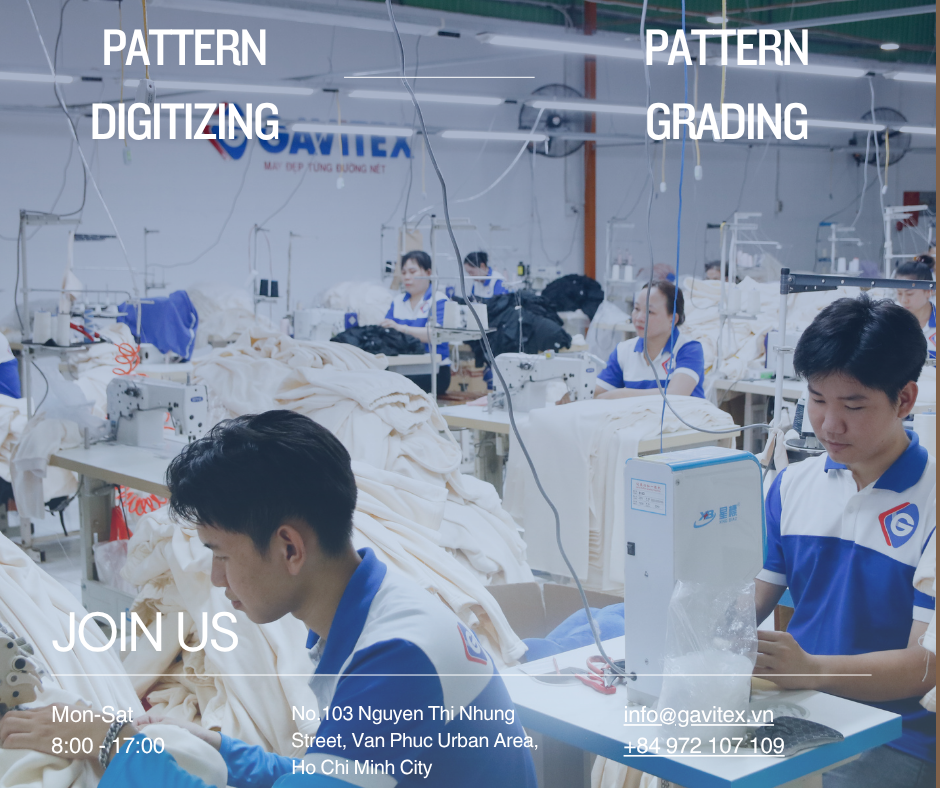
Understanding the custom t-shirt manufacturing process is crucial for businesses and individuals alike, allowing for a smoother, more efficient production journey, and ultimately, a better final product. This process involves a series of well-defined steps, from initial design submission to the final delivery of your personalized apparel, each requiring careful attention to detail. Gavitex, as a leading provider in the textile industry, understands the nuances of this process and strives to provide seamless and transparent manufacturing solutions.
The journey of creating custom t-shirts can be broken down into distinct stages, each contributing to the final quality and overall success of the project.
-
Design Submission and Proofing: The process begins with the submission of your design, ideally in a high-resolution vector format. (AI, EPS, PDF). The manufacturer then creates a digital proof, allowing you to visualize the final product and make any necessary adjustments to colors, placement, and size before production begins. [Chú ý]: This step is crucial for ensuring your vision is accurately translated onto the fabric.
-
Production and Quality Checks: Once the design is approved, the manufacturer proceeds with the selected printing technique, whether it’s screen printing, DTG (Direct-to-Garment), or sublimation. Throughout the production process, rigorous quality checks are implemented to identify and rectify any defects, ensuring that each t-shirt meets the established standards for print quality, color accuracy, and overall construction. Gavitex prioritizes quality control at every stage to deliver exceptional results.
-
Shipping and Delivery Options: The final step involves carefully packaging the finished t-shirts and arranging for shipping and delivery. Manufacturers typically offer a variety of shipping options, including standard and expedited services, to meet your specific deadlines. Tracking information is usually provided, allowing you to monitor the progress of your order until it reaches your destination.
By understanding each step of the custom t-shirt manufacturing process, customers can navigate the process effectively, collaborate successfully with manufacturers, and ensure they receive high-quality, customized apparel that meets their specific needs and expectations.
Cost Optimization Strategies for Custom T-Shirt Production
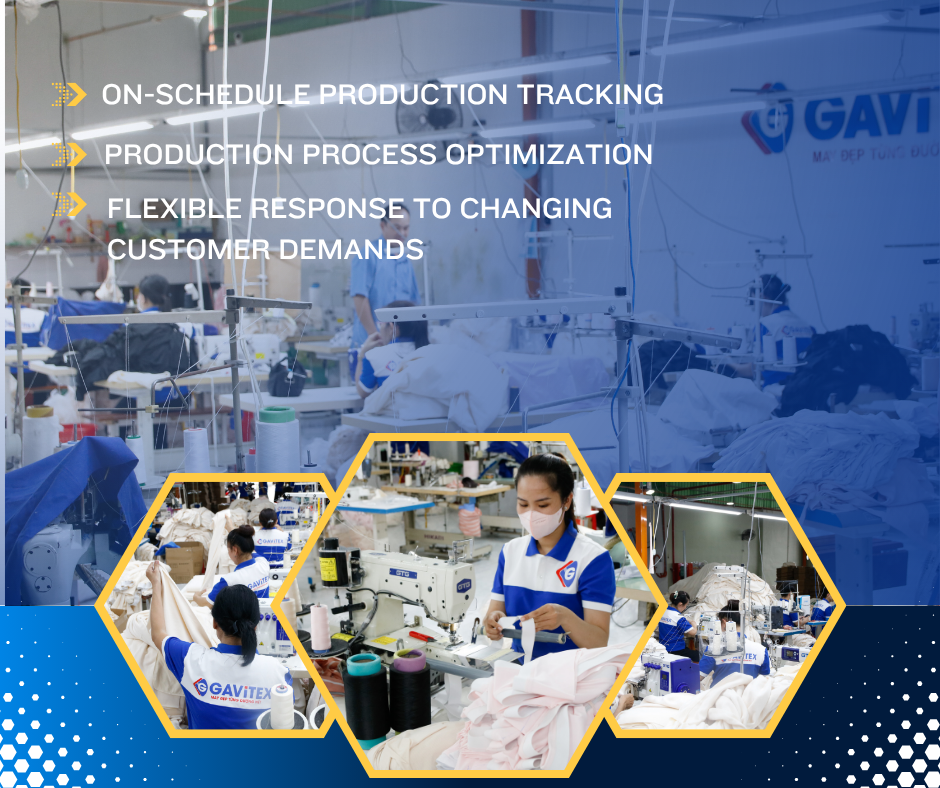
Creating custom t-shirts can be a cost-effective branding or promotional tool, but strategic planning is crucial for cost optimization. The process of custom t-shirt manufacturing involves various factors that influence the final price, from fabric selection to printing techniques. Understanding these factors and implementing effective strategies can significantly reduce expenses without compromising quality.
Several avenues exist for lowering custom t-shirt production costs. One of the most impactful methods is bulk ordering, which leverages economies of scale to reduce the per-unit price. Careful consideration of design complexity and ink colors is also essential, as simplified designs and fewer colors can lead to substantial savings. By exploring these strategies, businesses and individuals can achieve their desired custom t-shirt results while staying within budget.
Bulk Ordering and Discount Opportunities
One of the most straightforward methods for reducing the cost per shirt is bulk ordering. Manufacturers often provide tiered pricing, where the price per shirt decreases as the order volume increases. This is because larger orders allow manufacturers to optimize their production processes, reducing setup costs and material waste per unit. For instance, Gavitex, as a potential custom t-shirt manufacturer, may offer significant discounts on orders exceeding 500 or 1000 pieces. Businesses should therefore consider consolidating their custom t-shirt needs into larger orders to maximize cost savings.
Design Simplification and Ink Color Reduction
The complexity of the design significantly impacts the overall cost of custom t-shirt production. Intricate designs with multiple colors require more setup time, specialized equipment, and higher ink consumption. Simplifying the design by reducing the number of colors used and opting for simpler graphics can lead to considerable savings. For example, using a one-color design instead of a multi-color design for screen printing can drastically reduce the cost per shirt. Similarly, avoiding gradients and complex patterns can streamline the printing process and minimize material waste.

Trends and Innovations in Custom T-Shirt Manufacturing
The custom t-shirt manufacturing industry is constantly evolving, driven by advancements in technology and shifting consumer demands. These trends and innovations are reshaping how t-shirts are designed, produced, and delivered, offering exciting new possibilities for businesses and individuals alike.
One significant trend is the rise of sustainable and eco-friendly manufacturing practices. As consumers become more environmentally conscious, there’s a growing demand for custom t-shirts made from organic cotton, recycled materials, and produced using water-based inks. Gavitex, recognizing this shift, actively explores partnerships with suppliers committed to sustainable sourcing and production methods.
Another key innovation lies in personalized and on-demand t-shirt production. Direct-to-garment (DTG) printing technology allows for highly detailed, full-color prints on individual shirts, making it easier than ever to create unique, one-of-a-kind designs. This capability fuels the growth of online platforms that cater to individual customization, enabling customers to design and order single shirts with ease. The demand for small quantity printing has increased significantly, leading manufacturers like Gavitex to invest in DTG printing.
Common Challenges and Solutions in Custom T-Shirt Manufacturing
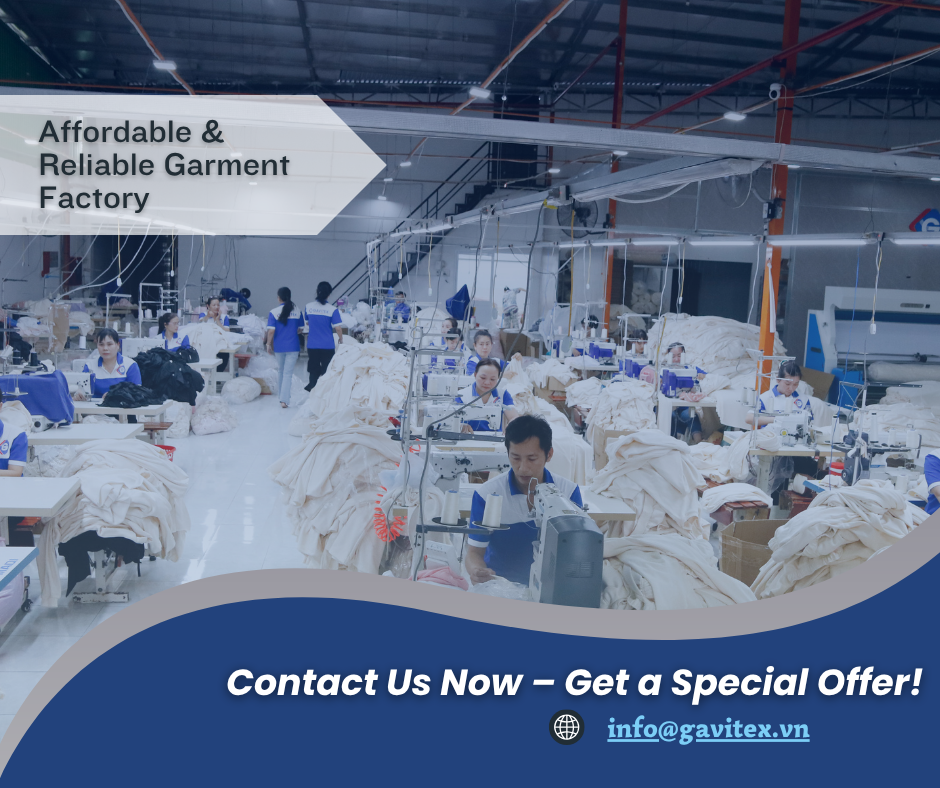
Successfully navigating the world of custom t-shirt manufacturing requires anticipating and addressing potential hurdles, ensuring a smooth and satisfactory outcome for both manufacturers like Gavitex and their clients. These challenges can range from intricate design complexities to unforeseen production delays, but with proactive planning and strategic solutions, these obstacles can be effectively overcome. Understanding these common pitfalls and implementing effective resolution strategies is essential for achieving high-quality results and maintaining customer satisfaction in the competitive custom apparel market.
One of the primary challenges lies in artwork issues, particularly when dealing with low-resolution images or intricate designs that don’t translate well onto fabric. A robust solution involves implementing a thorough design review process, utilizing professional graphic design software to optimize artwork for printing, and providing clients with clear guidelines on image resolution and file formats. Employing a pre-production proofing system, where clients approve a physical or digital sample before mass production begins, can help identify and rectify potential design flaws early on, minimizing errors and reducing waste.
Production delays can be another significant pain point in custom t-shirt manufacturing, often stemming from factors such as equipment malfunctions, material shortages, or unexpected surges in demand. To mitigate these risks, manufacturers should invest in well-maintained equipment, establish strong relationships with multiple suppliers to ensure a consistent supply of materials, and implement efficient production scheduling systems. Developing a comprehensive contingency plan, which outlines alternative production strategies and communication protocols in the event of unforeseen disruptions, is crucial for minimizing the impact of delays and keeping clients informed.
Legal and Ethical Considerations in Custom T-Shirt Manufacturing
Navigating the landscape of custom T-shirt manufacturing requires a keen understanding of legal and ethical considerations, ensuring both compliance and responsible business practices. This is crucial for protecting your brand, fostering positive relationships, and contributing to a sustainable and equitable industry. Understanding these factors allows businesses to create custom apparel responsibly, building trust with customers and contributing to a more ethical supply chain within the garment industry.
Copyright and Trademark Compliance
Copyright and trademark compliance are paramount in custom T-shirt production to avoid legal repercussions and uphold intellectual property rights. This involves ensuring all designs, logos, and slogans used on custom tees do not infringe on existing copyrights or trademarks held by others. For instance, using a popular character from a movie or a company’s logo without permission constitutes copyright infringement. Manufacturers should implement procedures to verify the legality of submitted artwork and provide clients with clear guidelines on acceptable use. Gavitex, as a responsible manufacturer, should guide customers on verifying the origin and ownership of their designs, steering clear of designs that resemble existing brands or artistic creations.
Fair Labor Practices and Ethical Sourcing
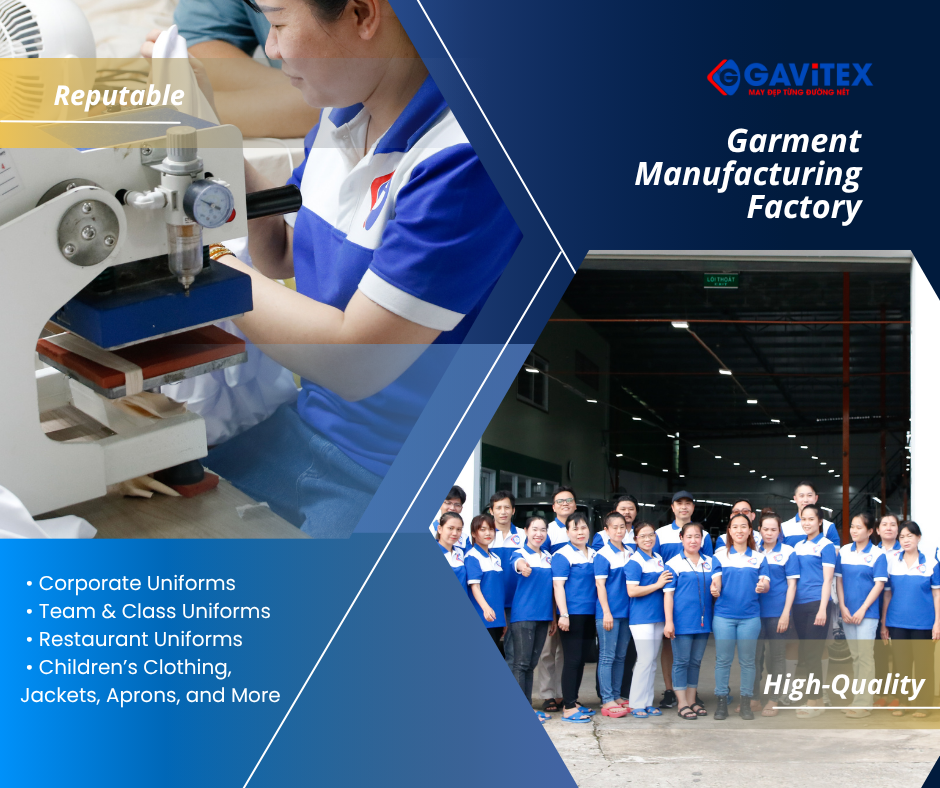
Fair labor practices and ethical sourcing are fundamental to responsible custom T-shirt manufacturing, reflecting a commitment to the well-being of workers and sustainable production methods. This involves ensuring that all workers involved in the production process, from fabric mills to printing facilities, are treated fairly, with safe working conditions, reasonable wages, and the right to organize. Sourcing organic cotton or recycled materials also contributes to ethical production, reducing environmental impact and promoting sustainable practices. Gavitex can champion ethical sourcing by partnering with suppliers who have third-party certifications such as Fair Trade or SA8000, showcasing their dedication to fair labor standards and environmental responsibility.
Marketing and Selling Your Custom T-Shirts: A Comprehensive Guide
Effectively marketing and selling custom t-shirts requires a strategic approach that blends branding, target audience identification, and savvy online marketing tactics. In the competitive landscape of custom apparel, simply offering a great product isn’t enough; you need to actively reach potential customers and build a brand that resonates with them. This guide provides a comprehensive overview of how to successfully market and sell your custom t-shirts, covering essential aspects from establishing your brand identity to leveraging online platforms for sales and promotion.
Building a Brand and Target Audience
Defining your brand and identifying your target audience is the cornerstone of any successful marketing strategy. Begin by articulating your brand’s unique value proposition: What makes your custom t-shirts stand out from the competition? Are you focused on sustainable materials, unique designs, or catering to a specific niche? Understanding your brand’s identity will guide your marketing messaging and attract customers who share your values. Next, delve into identifying your ideal customer. Consider demographics like age, gender, location, and income, as well as psychographics such as interests, values, and lifestyle. For instance, if Gavitex, known for its quality textile manufacturing, aims to target environmentally conscious consumers, the brand messaging should emphasize the use of sustainable materials and ethical production processes. This focused approach allows you to tailor your marketing efforts, ensuring that your message reaches the right people.
Online Sales Platforms and Marketing Strategies
Leveraging online platforms and implementing effective marketing strategies are crucial for driving sales and building brand awareness. Consider establishing a presence on popular e-commerce platforms like Shopify, Etsy, or Amazon Marketplace, which provide readily available infrastructure for managing online sales. Optimize your product listings with high-quality images, detailed descriptions, and relevant keywords to improve visibility in search results. Social media marketing is another powerful tool for reaching potential customers. Create engaging content that showcases your designs, highlights customer testimonials, and promotes special offers. Platforms like Instagram, Facebook, and Pinterest are particularly effective for visual marketing. Paid advertising, such as Google Ads and social media ads, can further amplify your reach and drive targeted traffic to your online store. According to Statista, e-commerce sales are projected to reach $6.3 trillion in 2024, underscoring the immense potential of online platforms for selling custom t-shirts. Email marketing also plays a vital role in nurturing customer relationships and driving repeat purchases. Build an email list by offering incentives like discounts or exclusive content, and use it to announce new designs, promotions, and company updates. Gavitex can leverage its expertise in textile manufacturing to create informative content about fabric quality and printing techniques, establishing itself as a trusted source of information and further solidifying its brand image.

Related services from Gavitex: T-shirt manufacturers in Vietnam, private label clothing manufacturing in Vietnam and custom clothing production.
