Here’s an opening paragraph tailored for a blog post on “Custom garment manufacturing workshop,” designed with SEO best practices in mind:
Unlocking the potential of your brand starts with understanding the intricacies of custom garment manufacturing workshop, a critical process for businesses seeking unique and high-quality apparel. This guide delves into the world of Garment Processing, exploring key aspects such as sourcing sustainable materials, optimizing cutting and sewing techniques, and implementing effective quality control measures to ensure superior finished products. We’ll break down the steps involved in creating your own custom line, from design conceptualization and pattern making to fabric selection and sample production, empowering you to make informed decisions and achieve exceptional results in your garment manufacturing endeavors.
What is Custom Garment Manufacturing and Why Choose a Workshop?
Custom garment manufacturing refers to the process of creating clothing and apparel according to specific designs, measurements, and requirements, offering a personalized alternative to mass-produced items. Unlike purchasing standardized sizes and styles, custom garment manufacturing empowers businesses and individuals to bring their unique visions to life, ensuring a perfect fit, desired aesthetic, and brand alignment. This process often involves working with a specialized custom garment manufacturing workshop to handle everything from initial design and pattern making to fabric sourcing, cutting, sewing, and finishing.
Choosing a custom garment manufacturing workshop, like Gavitex, offers significant advantages compared to traditional manufacturing or in-house production. First and foremost, workshops provide access to specialized equipment, skilled labor, and industry expertise that may be unavailable or cost-prohibitive for smaller businesses or individual designers. Secondly, workshops typically offer greater flexibility and scalability, allowing clients to produce smaller quantities or scale up production as needed, mitigating the risks associated with large minimum order quantities often required by larger factories. Thirdly, by outsourcing production to a reputable workshop, brands can focus on core competencies such as design, marketing, and sales, optimizing their resources and maximizing efficiency.
Here’s why partnering with a workshop is beneficial:
- Expertise and Skill: Garment manufacturing workshops employ experienced pattern makers, sewers, and quality control specialists who possess the technical skills and knowledge to bring complex designs to fruition.
- Quality Control: Reputable workshops implement rigorous quality control measures throughout the production process, ensuring that garments meet the highest standards of construction, fit, and finish.
- Cost-Effectiveness: While custom manufacturing may initially appear more expensive than mass production, workshops can offer cost-effective solutions by optimizing material usage, streamlining production processes, and reducing waste.
- Flexibility and Scalability: Workshops can accommodate a wide range of order sizes, from small batch production for sample collections to larger runs for retail distribution, providing businesses with the flexibility to adapt to changing market demands.
- Time Savings: Outsourcing manufacturing to a workshop frees up valuable time and resources for businesses to focus on other critical aspects of their operations, such as design, marketing, and sales.
Ultimately, opting for a custom garment manufacturing workshop is a strategic decision for businesses and individuals seeking high-quality, personalized apparel solutions that align with their specific needs and brand identity. Gavitex, with its commitment to quality and innovation, stands ready to assist you in bringing your garment visions to life.
Identifying the Right Custom Garment Manufacturing Workshop for Your Needs
Selecting the ideal custom garment manufacturing workshop is crucial for businesses aiming to produce high-quality, unique apparel. The process involves careful consideration of several factors to ensure the chosen workshop aligns with your specific requirements and business goals. Finding a reliable garment manufacturer is not just about production capacity; it’s about establishing a partnership built on trust, quality, and mutual understanding.
The journey to finding the right fit begins with a thorough assessment of your needs. This includes:
- Defining your product niche: Are you specializing in high-fashion items, sportswear, or everyday apparel? Understanding your target market and the specific demands of your product line is fundamental.
- Determining your budget: Cost is a significant factor. Establish a realistic budget that accounts for design, materials, manufacturing, and shipping.
- Estimating production volume: Will you be producing small batches, or do you require large-scale manufacturing capabilities?
Next, consider the key qualities of a suitable custom clothing manufacturer. A reputable workshop should possess:
- Experience and Expertise: Look for workshops with a proven track record and a deep understanding of garment construction, fabrics, and printing techniques. Consider their experience in manufacturing similar products to yours.
- Quality Control: Robust quality control measures are essential to ensure consistent and high-quality output. Ask about their quality assurance process and request samples of their work.
- Communication and Collaboration: Effective communication is vital for a successful partnership. The workshop should be responsive, transparent, and willing to collaborate with you throughout the design and production process.
- Ethical Practices: Ensure the workshop adheres to ethical labor practices and environmental standards. This is increasingly important for brand reputation and consumer trust.
- Location and Logistics: Consider the workshop’s location and its proximity to your target market. Evaluate their shipping and logistics capabilities to ensure timely delivery of your products. Gavitex, for example, is strategically located to optimize supply chain efficiency.
Finally, conduct thorough research and due diligence. Request quotes from multiple workshops, compare their pricing and services, and read reviews from other clients. Visiting the workshop in person, if possible, can provide valuable insights into their operations and capabilities. By carefully evaluating these factors, you can identify a custom garment manufacturing workshop that is the perfect fit for your business, enabling you to create high-quality, unique apparel that meets the demands of your target market.
Key Services Offered by Custom Garment Manufacturing Workshops: A Detailed Overview
Custom garment manufacturing workshops provide a comprehensive suite of services, acting as a one-stop-shop for businesses seeking bespoke apparel solutions. These workshops distinguish themselves from standard apparel manufacturers by offering tailored services, from initial design conceptualization to final product delivery, accommodating diverse needs and specifications. Understanding the breadth of these services is crucial for businesses aiming to leverage the benefits of custom garment creation.
The core service offering of any custom garment manufacturing workshop is garment design and pattern making. This involves close collaboration with clients to translate their ideas into tangible designs, which may include sketching, technical drawings, and 3D modeling. The workshop’s design team often provides expertise on fabric selection, embellishments, and garment construction techniques. Subsequently, skilled pattern makers create precise patterns, either manually or using CAD software, ensuring accurate fit and scalability across different sizes.
Fabric sourcing and procurement are also vital services. Gavitex, for example, can leverage its established network of textile suppliers to source a wide range of materials, from sustainable organic cotton to high-performance technical fabrics. The workshop handles all aspects of fabric procurement, including sampling, testing for quality and compliance, and negotiating prices to optimize cost-effectiveness for the client. Workshops can also assist in developing custom fabric blends or prints to create truly unique garments.
Furthermore, cutting and sewing are fundamental steps in the garment manufacturing process. Utilizing both automated and manual cutting techniques, workshops ensure precise fabric cutting to minimize waste and maximize material utilization. Skilled sewing operators then assemble the garment pieces, paying close attention to detail and quality craftsmanship. Many workshops offer specialized sewing capabilities, such as intricate stitching, embellishment application, and the incorporation of hardware like zippers and buttons.
Beyond basic manufacturing, many custom garment manufacturing workshops provide value-added services, including:
- Sampling and Prototyping: Creating sample garments for client approval before mass production, allowing for design refinements and fit adjustments.
- Private Labeling and Branding: Adding custom labels, tags, and packaging to garments, reinforcing brand identity.
- Quality Control: Implementing rigorous quality checks throughout the manufacturing process to ensure garments meet specified standards and are free from defects.
- Logistics and Fulfillment: Handling warehousing, packaging, and shipping of finished garments to designated locations.
In essence, custom garment manufacturing workshops offer a complete solution for businesses seeking to create unique and high-quality apparel. By understanding the range of services available, businesses can select a workshop that best aligns with their specific needs and objectives.

Understanding the Custom Garment Manufacturing Process: From Design to Delivery
The custom garment manufacturing process represents a comprehensive journey, transforming initial concepts into tangible apparel, and opting for a specialized custom garment manufacturing workshop, like Gavitex, ensures meticulous control and quality throughout each stage. This journey encompasses several key steps, from the initial design and pattern making to fabric selection, cutting, sewing, quality control, and ultimately, delivery of the finished product.
The initial stage involves design development and pattern creation, where your vision takes shape. This phase starts with detailed sketches, technical specifications, and material preferences. For example, you might provide Gavitex with a design for a custom-branded hoodie, specifying the fabric type (e.g., organic cotton), color (e.g., Pantone 292C), and logo placement (e.g., embroidered left chest). Based on your input, our team creates precise patterns, either manually or using CAD software, ensuring accurate dimensions and fit.
Next comes fabric selection and sourcing, a critical determinant of the final product’s quality and feel. The choice of fabric depends on factors such as desired drape, durability, and cost. Gavitex offers a wide range of fabrics, including cotton, polyester, linen, and blends, sourced from reputable suppliers. Consider a scenario where you need a durable, water-resistant fabric for outdoor jackets. We would recommend options like nylon or treated polyester, providing samples and technical data sheets for your evaluation.
The subsequent phases include cutting, sewing, and assembly, where the individual fabric pieces are meticulously cut according to the patterns and then sewn together to form the garment. Skilled technicians operate specialized sewing machines, ensuring precise stitching and seam finishes. This process might involve techniques like overlocking, flatlocking, or blind hemming, depending on the garment’s design and construction.
Quality control is integrated throughout the entire custom clothing manufacturing process, guaranteeing that each garment meets the specified standards. Gavitex implements rigorous inspections at every stage, from fabric inspection to final product assessment. For example, we check for defects in the fabric, misaligned seams, loose threads, and incorrect sizing. Statistical process control (SPC) methods may be used to monitor key quality metrics and identify potential issues early on.
Finally, the finished garments undergo packaging and delivery. Each item is carefully folded, tagged, and packaged according to your requirements. Gavitex offers various packaging options, including individual polybags, custom boxes, and branded labels. We then arrange for secure and timely delivery to your desired location, using reliable logistics partners.
Factors Affecting the Cost of Custom Garment Manufacturing: A Comprehensive Breakdown
Understanding the intricacies of custom garment manufacturing costs is crucial for businesses seeking to produce unique apparel through a custom garment manufacturing workshop. Several elements contribute to the final price tag, influencing budgeting and profitability when collaborating with a garment production workshop.
Several factors can significantly affect the cost of custom garment manufacturing. These factors range from the complexity of the design and the materials used to the order volume and the location of the custom clothing manufacturer.
Here’s a breakdown of the key cost drivers:
-
Design Complexity: Intricate designs with numerous pattern pieces, embellishments (such as embroidery or intricate screen printing), and specialized cuts necessitate more labor and time, leading to increased costs. Simple designs, in contrast, are often more economical to produce. For instance, a basic t-shirt design will be significantly cheaper to manufacture than a tailored jacket with multiple pockets and detailed stitching.
-
Material Selection: The type and quality of fabric drastically impact the final cost. High-end fabrics like silk, cashmere, or organic cotton are inherently more expensive than synthetic alternatives like polyester or rayon. Furthermore, sourcing unique or imported fabrics can also add to the expense. Gavitex, for example, works with a variety of materials, each with its own cost implications, and can advise clients on selecting materials that balance quality and budget.
-
Order Quantity (MOQ): Minimum Order Quantities (MOQ) play a crucial role in determining pricing. Most custom garment manufacturers offer lower per-unit costs for larger orders due to economies of scale. Smaller orders often incur higher setup fees and per-unit prices. Businesses like Gavitex can sometimes offer flexibility in MOQ depending on the complexity of the design and material.
-
Labor Costs: Labor costs vary significantly depending on the location of the apparel manufacturing workshop. Countries with lower labor costs, like Vietnam or Bangladesh, may offer more competitive pricing than those with higher labor costs, such as the United States or Europe. However, it’s important to consider factors like ethical labor practices and quality control when choosing a garment factory based solely on labor costs.
-
Sampling and Pattern Making: The process of creating samples and patterns is essential for ensuring the final product meets the desired specifications. This process involves skilled labor and specialized equipment, which contribute to the overall cost. More complex designs may require multiple rounds of sampling and pattern adjustments, increasing the expense.
-
Manufacturing Location & Shipping Costs: The geographical location of the garment manufacturer affects shipping costs and lead times. Domestic manufacturing may have higher production costs but can result in faster turnaround times and lower shipping expenses compared to overseas production. Gavitex, for example, being located in Vietnam, offers a balance of competitive pricing and strategic location for efficient shipping within Asia and to other global markets.
-
Customization Options: The level of customization requested also influences the price. This includes custom labeling, packaging, hang tags, and other value-added services. More elaborate customization options will naturally lead to higher costs.
By carefully considering these factors, businesses can work with a custom garment manufacturing workshop like Gavitex to optimize costs and achieve their desired apparel production goals.
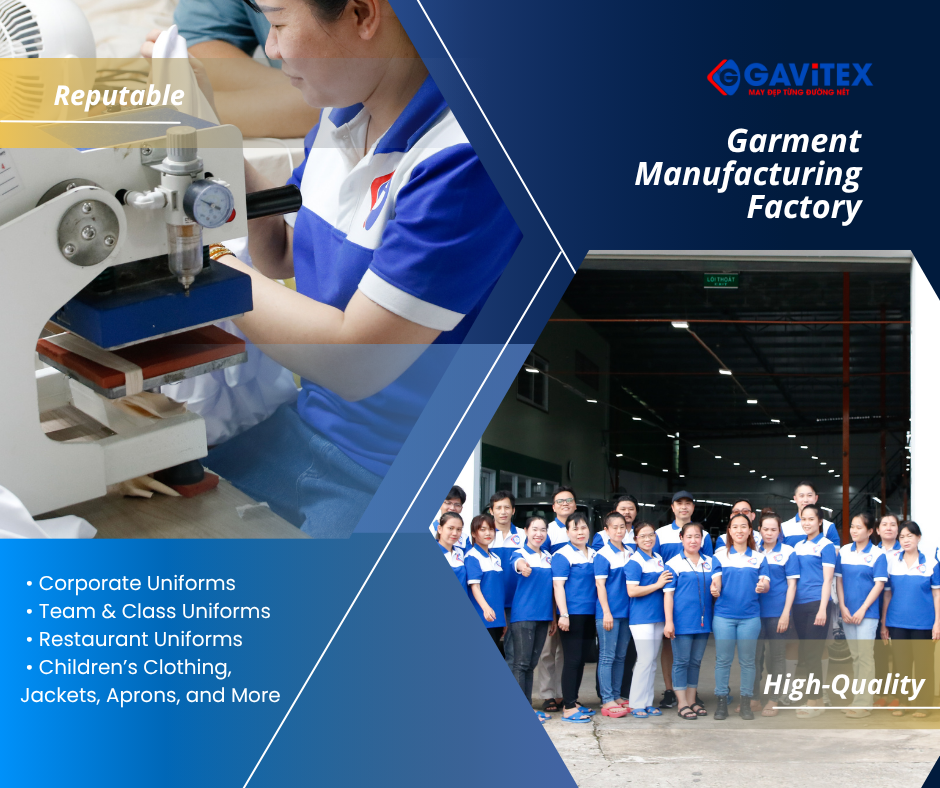
Ensuring Quality and Ethical Practices in Custom Garment Manufacturing
In the realm of custom garment manufacturing, ensuring quality and ethical practices is paramount for building a sustainable and reputable brand. It’s about more than just producing garments; it’s about establishing trust with customers, fostering fair labor conditions, and minimizing environmental impact. This commitment requires a multi-faceted approach, encompassing stringent quality control measures, transparent sourcing, and adherence to ethical labor standards throughout the entire production process, from design to delivery with custom garment manufacturing workshop.
Quality control is the backbone of any successful garment manufacturing operation. Implementing rigorous inspection protocols at every stage—from fabric selection and cutting to sewing and finishing—helps to identify and rectify defects early on. For example, Gavitex can implement AQL (Acceptable Quality Limit) standards, where random samples are inspected based on pre-defined defect levels, to ensure consistent quality across large production runs. This proactive approach minimizes waste, reduces the risk of customer returns, and enhances brand reputation.
Ethical sourcing involves selecting suppliers who adhere to fair labor practices and environmental standards. This includes ensuring workers receive fair wages, safe working conditions, and the right to organize. Transparency in the supply chain is crucial; Gavitex, as a garment manufacturer, should actively seek out suppliers who can provide verifiable certifications, such as Fair Trade or GOTS (Global Organic Textile Standard), demonstrating their commitment to ethical and sustainable practices. By prioritizing ethical sourcing, brands can contribute to a more equitable and environmentally responsible garment industry.
Furthermore, promoting fair labor practices within the manufacturing workshop itself is essential. This includes providing employees with adequate training, fair compensation, safe working conditions, and opportunities for advancement. Regular audits and inspections can help to identify and address any potential issues related to worker welfare. Gavitex can partner with organizations like the Fair Labor Association (FLA) to conduct independent assessments and ensure compliance with international labor standards. Such initiatives not only benefit workers but also enhance brand image and consumer trust.
Finally, environmental responsibility should be a core principle of custom garment manufacturing. This encompasses minimizing waste, conserving resources, and reducing pollution throughout the entire production cycle. Utilizing eco-friendly materials, implementing energy-efficient technologies, and adopting water conservation practices can significantly reduce the environmental footprint of garment manufacturing. Gavitex can also explore options for recycling or repurposing fabric scraps and other waste materials to minimize landfill waste. By embracing sustainable practices, brands can contribute to a healthier planet and appeal to environmentally conscious consumers.
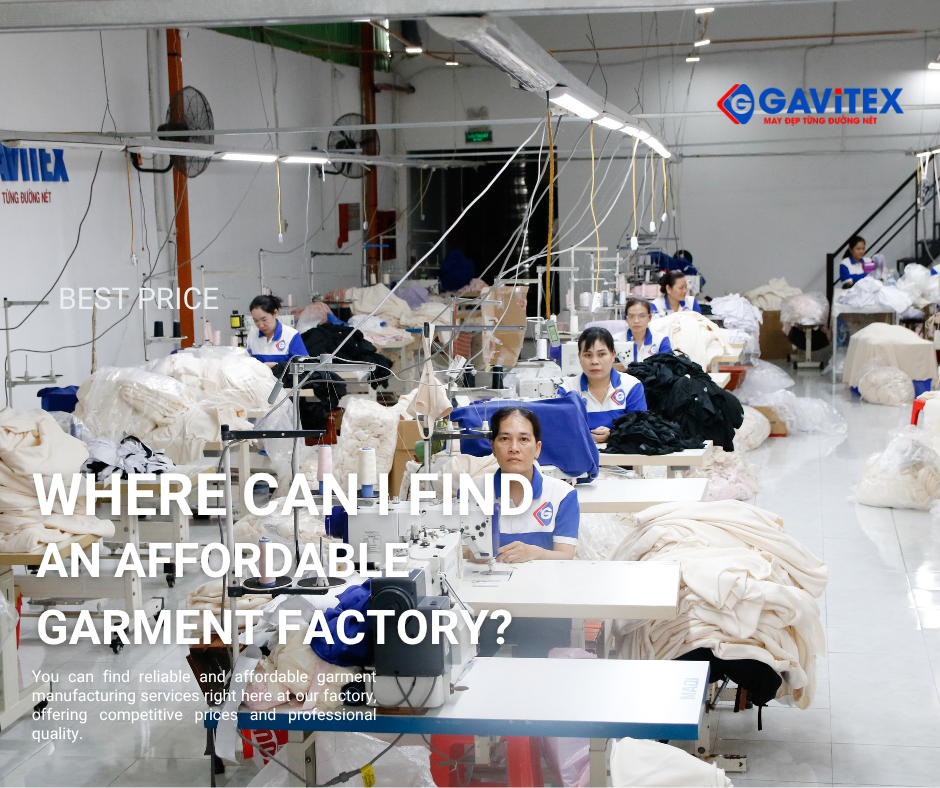
Common Challenges and Solutions in Custom Garment Manufacturing: A Practical Guide
Navigating the world of custom garment manufacturing can be complex, and understanding the challenges and knowing the solutions is crucial for success when partnering with a custom garment manufacturing workshop. This section serves as a practical guide to help you anticipate potential hurdles and implement effective strategies to overcome them, ensuring a smoother and more profitable journey with your custom clothing line.
One of the most prevalent issues is communication breakdown between the client and the workshop. This can manifest as misunderstandings regarding design specifications, fabric choices, or production timelines.
- Solution: Establish clear and consistent communication channels from the outset. This includes utilizing detailed tech packs, conducting regular meetings (virtual or in-person), and employing project management software to track progress and address concerns promptly. Visual aids like prototypes and samples can significantly reduce ambiguity.
Another significant challenge lies in maintaining quality control throughout the entire manufacturing process. Variations in fabric, stitching, and finishing can lead to inconsistencies and ultimately impact customer satisfaction.
- Solution: Implement a rigorous quality assurance system. This involves inspecting garments at various stages of production, from raw materials to finished products. Clearly define acceptable quality standards and provide workshops with detailed checklists to ensure adherence. Partnering with workshops that possess certifications like ISO 9001 can also provide added assurance.
Managing costs effectively is another common pain point. Unexpected expenses can arise due to material price fluctuations, production delays, or alterations to the original design.
- Solution: Obtain detailed cost breakdowns from workshops upfront, including all potential expenses. Negotiate pricing terms and establish clear procedures for handling changes or unforeseen circumstances. Consider using fabric sourcing services to access competitive pricing and ensure material availability.
Ethical considerations are becoming increasingly important in the garment industry. Consumers are demanding greater transparency and accountability from brands regarding labor practices and environmental impact.
- Solution: Partner with workshops that adhere to ethical manufacturing standards. Conduct thorough due diligence to ensure compliance with labor laws, fair wages, and safe working conditions. Request documentation and certifications related to social and environmental responsibility. Gavitex, for instance, prioritizes ethical sourcing and sustainable practices in its custom garment manufacturing processes.
Finally, scaling production can present challenges as your business grows. Workshops may struggle to accommodate increased order volumes while maintaining quality and meeting deadlines.
- Solution: Establish a long-term partnership with a workshop that has the capacity and resources to support your growth. Discuss your future production plans and ensure they can scale their operations accordingly. Consider diversifying your manufacturing base by working with multiple workshops to mitigate risks.
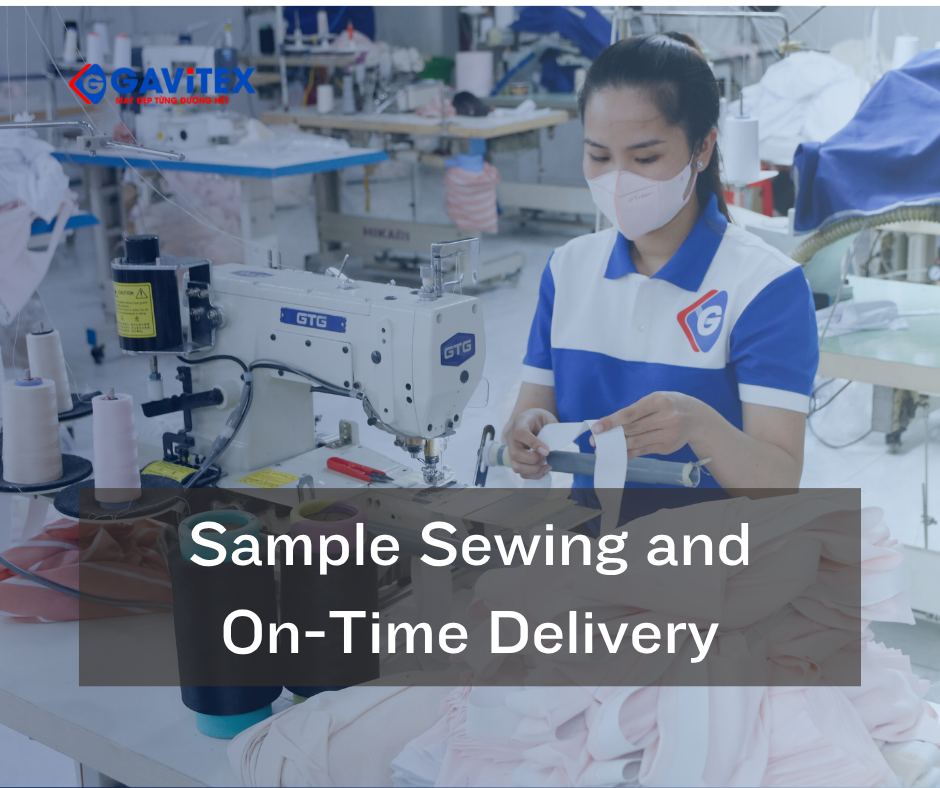
Scaling Your Garment Business with a Custom Manufacturing Workshop: Strategies for Growth
For garment businesses looking to scale operations and achieve significant growth, partnering with a custom garment manufacturing workshop presents a strategic advantage. Custom workshops provide not just production capacity, but also flexibility, specialized expertise, and the potential for innovation crucial for expanding your brand. This section will delve into actionable strategies for leveraging these workshops to fuel sustainable growth in your garment business, moving beyond simple order fulfillment to a true partnership.
One of the most impactful strategies for scaling involves leveraging the workshop’s capabilities to diversify your product offerings. Instead of solely relying on existing designs, collaborate with the workshop’s design and development team to explore new styles, materials, and even entirely new product categories. Gavitex, for instance, could work with a workshop to expand from basic t-shirts to include more complex garments like custom-designed jackets or performance wear, attracting a wider customer base. This proactive approach to product development ensures your business remains competitive and appeals to evolving market demands.
Another key area is optimizing your supply chain for efficiency and cost-effectiveness. A reliable custom workshop can streamline the manufacturing process, reducing lead times and minimizing waste. Consider implementing strategies like Just-in-Time (JIT) manufacturing, where materials are only ordered when needed, minimizing storage costs and reducing the risk of obsolescence. Negotiating favorable pricing agreements based on volume commitments is also crucial. By optimizing your supply chain through your chosen workshop, you can significantly improve your profit margins and free up capital for reinvestment in other areas of your business, such as marketing and sales.
Furthermore, focusing on building a strong brand identity through consistent quality and unique designs is paramount. Use the custom workshop’s capabilities to create exclusive collections that differentiate your brand from competitors. This might involve using unique fabrics, custom prints, or innovative construction techniques. By consistently delivering high-quality, distinctive garments, you can cultivate brand loyalty and attract a premium customer base willing to pay more for your products. This brand building, enabled by your custom garment manufacturing workshop, forms a solid foundation for sustainable, long-term growth.
Finally, expanding your market reach through strategic partnerships and online channels is essential. Your manufacturing workshop can assist with drop shipping services, enabling you to sell directly to customers worldwide without managing inventory or fulfillment. Explore collaborations with influencers and retailers to promote your brand and reach new audiences. By combining a streamlined supply chain with effective marketing and distribution strategies, your garment business can achieve significant revenue growth and establish a strong presence in the global market.
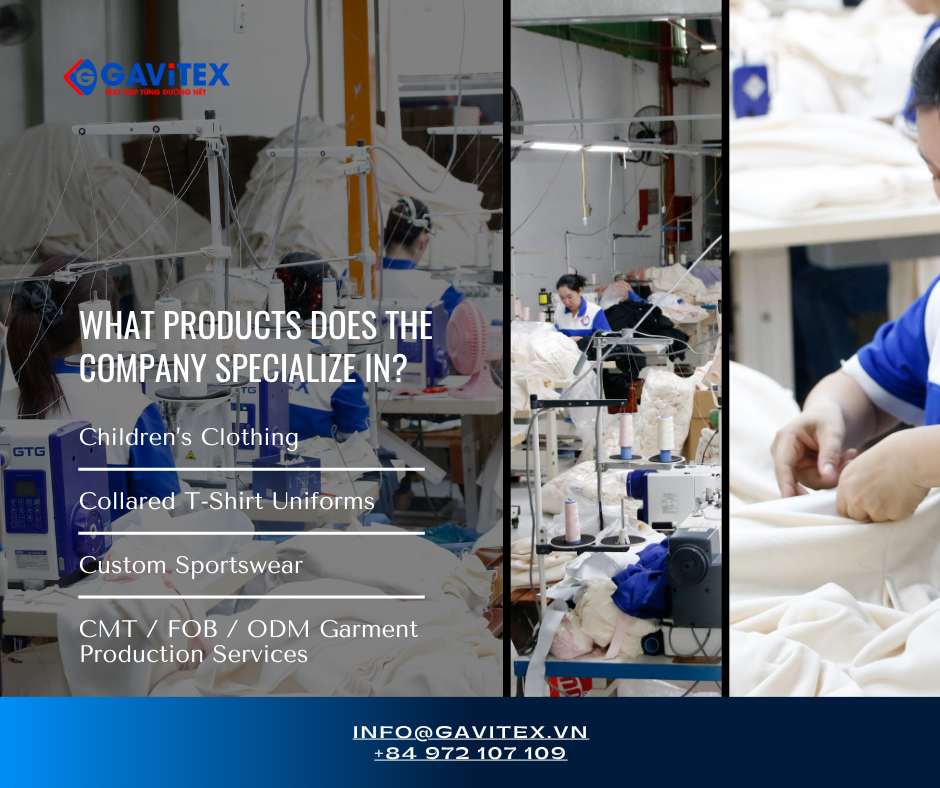
The Future of Custom Garment Manufacturing: Trends and Innovations
The future of custom garment manufacturing is poised for significant transformation, driven by technological advancements and evolving consumer demands, impacting the operations of custom garment manufacturing workshops. The convergence of innovative technologies and shifts in consumer behavior are reshaping the landscape, offering both opportunities and challenges for businesses like Gavitex.
Several key trends are expected to define the trajectory of custom garment production in the coming years.
- Automation and Robotics: Automation is revolutionizing various stages of garment manufacturing, from design and cutting to sewing and finishing. The integration of robotics enhances efficiency, reduces labor costs, and minimizes errors, leading to faster turnaround times and improved product quality. Workshops can leverage automated systems for repetitive tasks, freeing up skilled workers for more complex operations.
- 3D Printing and Digital Design: 3D printing technology is making inroads into the fashion industry, enabling the creation of intricate designs and customized apparel with unparalleled precision. Digital design tools, such as CAD/CAM software, streamline the design process, allowing for faster prototyping and easier modifications. Businesses that embrace 3D printing and digital design can offer customers truly unique and personalized garments.
- Sustainable and Ethical Practices: Consumers are increasingly conscious of the environmental and social impact of their purchasing decisions. This trend is driving demand for sustainable and ethically produced garments. Workshops that prioritize eco-friendly materials, fair labor practices, and transparent supply chains can gain a competitive advantage and appeal to environmentally conscious customers.
- On-Demand Manufacturing and Personalization: The rise of e-commerce and the demand for personalized products are fueling the growth of on-demand manufacturing. Custom garment manufacturing workshops are well-positioned to capitalize on this trend by offering customized clothing tailored to individual customer preferences. On-demand manufacturing minimizes waste, reduces inventory costs, and allows for greater flexibility in design and production.
- Smart Fabrics and Wearable Technology: The integration of technology into clothing is creating new possibilities for functionality and performance. Smart fabrics with sensors and connectivity can monitor vital signs, track fitness activities, or even adjust to environmental conditions. Garment manufacturers that can incorporate smart fabrics and wearable technology into their products can tap into a growing market for innovative and high-tech apparel.
By embracing these trends and investing in innovative technologies, custom apparel manufacturing workshops can enhance their competitiveness, meet evolving customer needs, and drive sustainable growth in the years to come.
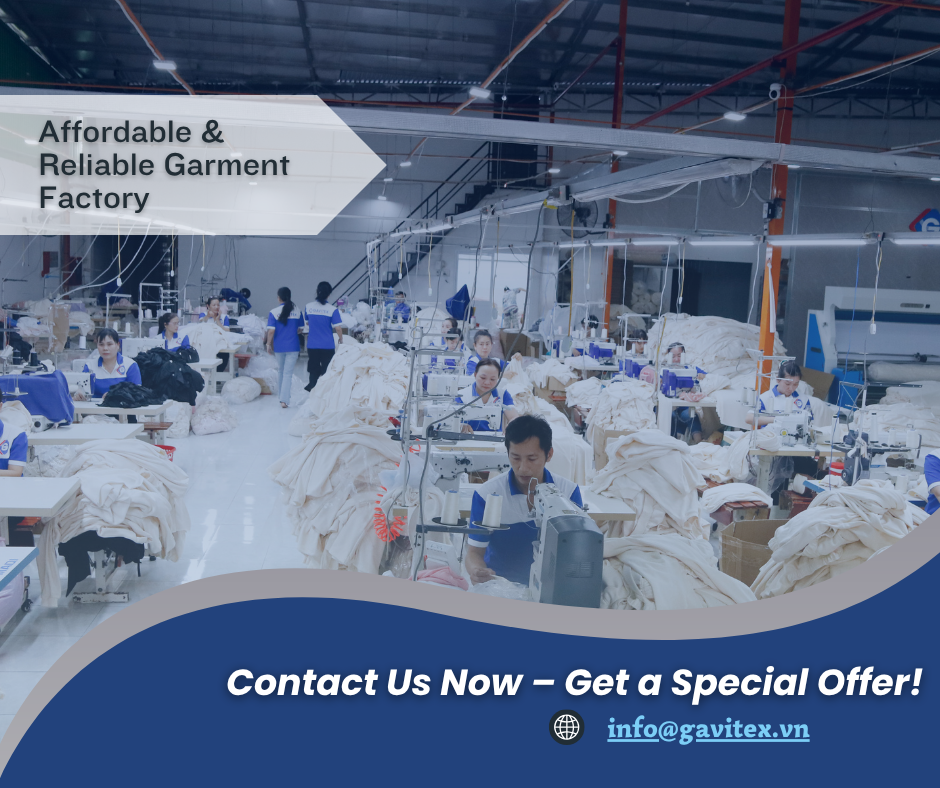
Related services from Gavitex: bulk garment manufacturing, boutique production services and garment manufacturers in Vietnam.
