


Seamless Underwear Manufacturing Process for Private Label Brands
Seamless underwear is knitted largely in one piece on circular machines, giving smooth, invisible comfort [...]
Aug
French Terry vs Fleece for Hoodie Manufacturing
French terry and fleece are the two fabrics most hoodies are made from, and the [...]
Aug
Sports Bra Manufacturing Checklist: Support, Fabric, and Construction
A sports bra must deliver real support, comfort and moisture management across a wide range [...]
Aug
Vietnam Export-Quality Garment Factory: Sourcing High-Quality, Ethical Apparel From Vietnam
Gavitex supports export-quality garment manufacturing in Vietnam for international apparel brands, covering sampling, fabric coordination, [...]
Feb
Vietnam Garment Production Factories: Sourcing, Manufacturers, Ethical Apparel & Compliance Guide
Gavitex provides garment production support in Vietnam for international apparel brands, covering sampling, fabric sourcing, [...]
Feb
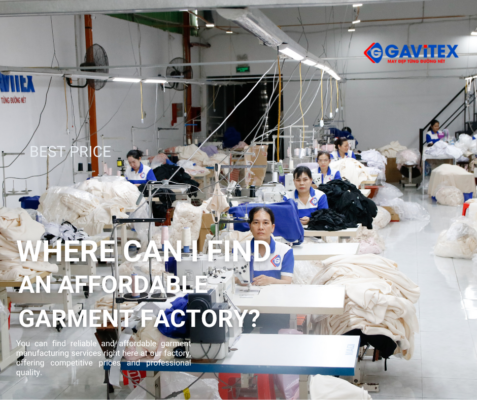
Vietnam Clothing Manufacturing For Export: Sourcing, Quality, And Sustainable Apparel
Unlocking the potential of Vietnam clothing manufacturing for export is critical for businesses seeking cost-effective [...]
Feb
Largest Garment Factory In Vietnam: Top Producer, Capacity, And Workforce Insights
The quest to pinpoint the largest garment factory in Vietnam is crucial for businesses seeking [...]
Feb
Garment Factories In Vietnam: Sourcing, Manufacturers, & Ethical Apparel Production
Understanding the landscape of garment factories in Vietnam is crucial for businesses seeking efficient and [...]
Feb
Celebrating craftsmanship in garment production at Gavitex Vietnam
In an era of fast fashion and compressed lead times, many brands feel forced to choose between speed and quality. Yet the most loved garments in your customer’s wardrobe are rarely the cheapest or the fastest. They are the pieces where every seam, stitch and detail has been thought through carefully. That is the power of real craftsmanship in garment production – and it is exactly what Gavitex in Vietnam is built to deliver at scale.
Instead of treating garments as anonymous units on a spreadsheet, Gavitex combines human skill, modern technology and disciplined processes to keep garment manufacturing both efficient and beautiful. This page explores how craftsmanship in garment production works in practice, how it compares with purely volume‑driven models, and how Gavitex protects your designs, brand and budget from the first sketch to the final carton.
Ready to turn thoughtful designs into consistent quality?
Share your tech packs and timelines – the Gavitex team will help you build a supply chain where craftsmanship in garment production and commercial targets work together.
1. What craftsmanship in garment production means for modern brands
1.1 Defining craftsmanship in garment production
At its core, craftsmanship in garment production is the combination of skilled hands, thoughtful design choices and rigorous quality habits applied to every stage of making a garment. It is not only about decorative hand‑stitching or complex finishes. It is about understanding how fabric behaves, how patterns affect fit, and how each step on the line contributes to comfort and durability. In a professional factory like Gavitex, this attitude is embedded in every decision, from marker making to final pressing.
When brands talk about premium private label apparel, they are often describing the end result of consistent craftsmanship in garment production. Seams lie flat, necklines recover well, prints stay vibrant after washing, and garments feel balanced on the body. These results do not happen by accident. They come from well‑trained people working on tuned machines, following clear standards and caring about the outcome for the wearer.
1.2 Features and value of craftsmanship for garment manufacturing
Key characteristics of strong craftsmanship in garment production at Gavitex:
- Careful fabric selection and testing, including strong know‑how in cotton fabric in Vietnam.
- Balanced clothing production lines where operations are matched to worker skill and machine capability.
- Thoughtful pattern and grading decisions to keep fit consistent across sizes.
- Precise control of seam allowances, stitch density and thread types.
- Final finishing that respects both appearance and comfort for the end user.
The business value of craftsmanship in garment production is clear: fewer returns, better reviews, higher repeat purchase and stronger brand loyalty. When your customers feel the difference the moment they touch a garment, they are more willing to pay for perceived value. For sourcing teams, this means fewer disputes and less firefighting, because the factory’s attention to detail prevents problems before they appear in stores.
1.3 How Gavitex nurtures craftsmanship every day
Gavitex treats craftsmanship in garment production as a habit, not a slogan. Supervisors coach operators on how small adjustments – such as thread tension or needle choice – affect the look and lifespan of a garment. Pattern technicians work closely with sewing lines to translate paper specifications into reality. Quality controllers check not only measurements but also drape, hand‑feel and symmetry. This balanced approach ensures that custom clothing production for your brand feels consistently “on brand”, even as styles and fabrics evolve.
While many factories focus only on efficiency metrics, Gavitex tracks indicators that reflect real craftsmanship in garment production: redo rates, shrinkage results, feedback from fitting sessions, and comments from long‑term buyers. By listening carefully and adjusting systems accordingly, Gavitex keeps improving the way garments are built, one production run at a time.
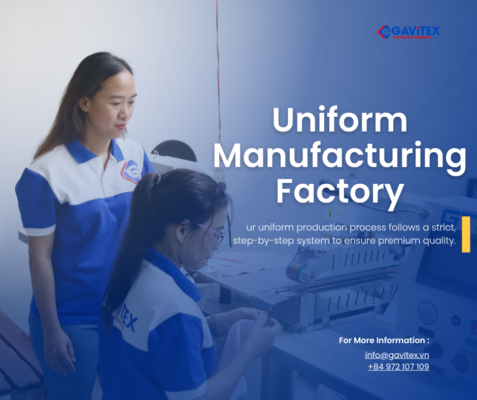
2. Craftsmanship in garment production vs volume‑only mass production
2.1 Two different mindsets in garment manufacturing
To understand the value of craftsmanship in garment production, it helps to compare it with a purely volume‑driven model of garment manufacturing. In a typical low‑cost, volume‑only setup, speed and unit cost dominate every decision. Lines run at maximum pace, complex styles are simplified aggressively, and training focuses mainly on hitting output numbers. Quality is often reactive, catching problems only at the end of the line.
In a craftsmanship‑led model like Gavitex, productivity still matters, but not at the expense of brand reputation. The focus shifts from “How many pieces per hour?” to “How many great garments per hour?”. This subtle change dramatically affects decisions around fabric choice, pattern details, machine settings and quality checks. Over time, it leads to a radically different customer perception, even if the garments are produced on similar equipment.
2.2 Impact on fit, durability and brand story
When craftsmanship in garment production guides decisions, fit becomes more consistent. Patterns are validated through sample fittings, and operators understand why certain areas need extra care – for example, shoulders, necklines or waistbands. Seams are reinforced where tension is highest, and garments are pressed to enhance shape rather than simply flatten them. In a mass‑only model, these nuances may be overlooked if they slow down the line.
Durability is another area where craftsmanship in garment production stands out. Choices like stitch length, thread quality and seam construction directly influence how garments behave after repeated wear and washing. Brands that commit to craftsmanship can build stories around longevity, responsible consumption and emotional attachment to clothes – a clear contrast to disposable fashion. Gavitex helps translate those stories into well‑made garments that support your positioning.
2.3 Finding the right balance at Gavitex
Of course, brands must remain commercially competitive. Gavitex therefore balances craftsmanship in garment production with smart industrial engineering. Line layouts are optimised, bottlenecks identified, and non‑value‑adding steps removed. Technology such as digital pattern systems and automated spreaders support people rather than replace them. The result is an environment where lines achieve strong efficiency without sacrificing detail.
For sourcing teams, this means you do not have to choose between artisanal quality and reliable delivery. With Gavitex as an experienced OEM clothing manufacturer, you can access professional clothing production lines that respect your design vision while hitting your cost and lead‑time targets. This balanced model is ideal for both long‑running basics and more intricate private label apparel.
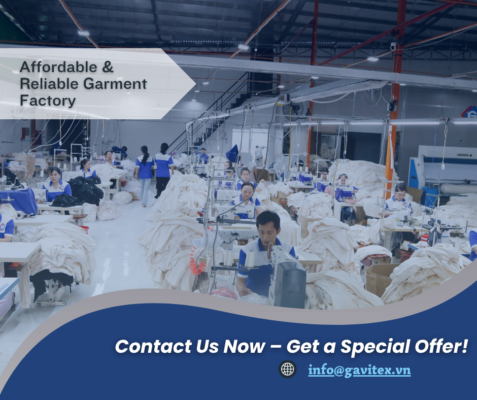
3. Gavitex capabilities built around craftsmanship in garment production
3.1 Scalable clothing production lines with a craft mindset
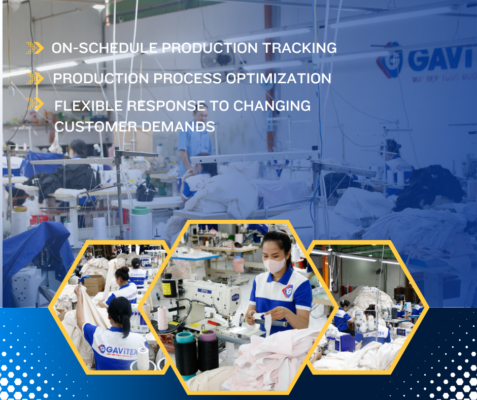
Gavitex operates organised clothing production lines in Vietnam, designed to support both volume and detail. Each line is configured according to product type – knit tops, hoodies, workwear or kidswear – with special attention to operations that need experienced hands. While the facility can handle substantial monthly output, the atmosphere is far from anonymous. Team leaders know which operators excel at delicate necklines, which ones thrive on topstitching, and who is best suited for complex assembly.
This knowledge is critical for maintaining strong craftsmanship in garment production as volumes grow. Instead of rotating workers randomly, Gavitex builds teams that complement each other’s strengths. For brands, this means smoother style launches, fewer production surprises and more consistent quality from one shipment to the next.
3.2 Technology that supports, not replaces, craftsmanship
Modern garment manufacturing requires technology – but technology alone does not guarantee great garments. At Gavitex, tools such as CAD pattern systems, automated spreading and precise cutting are used to create a stable foundation for craftsmanship in garment production. Accurate cutting means operators can focus on clean seams and alignment instead of fighting mismatched panels. Digital grading ensures that size runs behave predictably across markets.
The factory invests in machines suited to each product category, from flatlock machines for sportswear to heavy‑duty units for workwear. Preventive maintenance keeps downtime low and stitch quality high. By combining reliable equipment with skilled operators, Gavitex offers custom clothing production that feels refined without becoming unaffordable.
3.3 Structured processes from sample to shipment
Behind visible craftsmanship in garment production there is always a disciplined process. Gavitex follows a clear path from initial tech pack to final shipment: development samples, fit comments, pre‑production samples, pilot runs, inline checks and final inspections. At every stage, feedback is documented and used to refine both the product and the process.
For brands that need a dependable OEM clothing manufacturer, this structure is reassuring. It means that your requirements are not only understood, but embedded into standard operating procedures. As repeat orders grow, these procedures make it easier to add new styles, new colours and new markets without losing the essence of your brand’s craftsmanship in garment production.
Call for consultation & Get a quick quote
4. Legal assurance and brand protection around craftsmanship in garment production
4.1 Contracts that capture quality expectations
When you work with Gavitex, craftsmanship in garment production is not only a nice idea; it is reflected in formal agreements. Manufacturing contracts clearly define specifications, testing requirements, defect thresholds and handling of rework. These documents turn expectations into measurable standards, so that both sides know what success looks like.
Commercial terms such as payment conditions, Incoterms and liability are also set out transparently. This clarity reduces the risk of disputes later, allowing your sourcing team to focus on product and planning instead of negotiations. Combined with detailed tech packs, the contract becomes a reference point that protects the quality you associate with your brand.
4.2 NDA, sample security and confidential information
Protecting design is essential when you invest in craftsmanship in garment production. Gavitex is prepared to sign non‑disclosure agreements covering samples, patterns, graphics and brand strategies. Internally, access to your documents is restricted to staff directly involved in your projects, and physical samples are stored and labelled separately.
Development pieces, print screens and unique trims are handled under controlled procedures so that your signature looks do not appear in unexpected places. These habits make Gavitex a reliable partner not only for large retailers, but also for growing brands that are building their private label apparel identity and cannot afford leakage of their ideas.
4.3 Brand protection, labelling and traceability
Beyond designs, Gavitex also protects the integrity of your brand in the market. Labels, hangtags and packaging for garments produced under craftsmanship in garment production programs are carefully managed. Shipments are executed strictly according to your instructions, with documentation that supports traceability by style, colour, batch and destination.
If your brand participates in certification programs or sustainability initiatives, Gavitex can help provide the necessary production data. This transparency reinforces the value of craftsmanship in garment production by showing that great garments are not only beautiful, but also responsibly made.
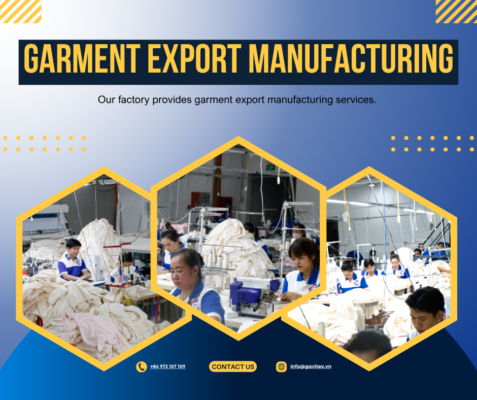
5. Five reasons to choose Gavitex for craftsmanship in garment production
Five practical advantages when you work with Gavitex:
- Deep craft culture combined with industrial discipline.
- Competitive pricing compared with many other sourcing options.
- Flexible collaboration for both basics and fashion pieces.
- Consistent quality backed by stable teams and systems.
- Clear communication and respect for your brand road map.
5.1 Deep craft culture, proven in daily operations
Gavitex was built by professionals who understand that craftsmanship in garment production is a long‑term investment, not a one‑season trend. Many supervisors and technicians have grown with the factory over years, refining how lines are set up, how patterns are tested and how new materials are introduced. This collective experience becomes part of every order you place.
When your buyers or designers visit the factory, they see operators who understand why a collar must roll a certain way or why a cover‑stitch must sit at a specific distance from the edge. These details build confidence that Gavitex can translate complex briefs into reliable outcomes for your custom clothing production.
5.2 Cost optimisation without sacrificing detail
Brands often worry that focusing on craftsmanship in garment production will make garments too expensive. Gavitex addresses this by applying lean principles and smart sourcing. Marker efficiency, realistic sewing methods and well‑planned clothing production lines reduce waste and downtime. Local networks for trims and fabrics, including strong access to cotton fabric in Vietnam, help keep material costs competitive.
As a result, Gavitex can offer pricing that is often 35–45% lower than many high‑cost regions, while still delivering the level of finish you expect from a professional OEM clothing manufacturer. This combination of cost and quality is especially attractive for brands positioning themselves as “accessible premium” or “elevated basics”.
5.3 Flexible collaboration, consistent quality and dependable timelines
Every brand works differently. Some send highly detailed tech packs and ready fabrics, others need more guidance at each step. Gavitex adapts to your way of working while maintaining a backbone of craftsmanship in garment production. You can start with smaller volumes for new styles, then scale up as you gather market feedback.
Production planning teams build realistic schedules based on material lead times and shipping routes. Regular updates keep you informed without information overload. Over time, as styles repeat and processes stabilise, lead times can improve further. The result is a dependable partnership where your private label apparel launches on time and on standard, season after season.
Call for consultation & Get a quick quote
6. Market trends for craftsmanship in garment production – colorful column chart
6.1 Rising interest in quality and responsible consumption
Globally, consumers are paying closer attention to how their clothes are made. They want garments that feel good, last longer and reflect thoughtful values. This shift supports brands that invest in craftsmanship in garment production instead of racing to the absolute lowest price. Premium basics, comfort‑driven workwear and lifestyle collections all benefit from a story grounded in quality and care.
For sourcing teams, this trend changes the brief given to suppliers. It is no longer enough to deliver the cheapest option; factories must balance cost with detail, comfort and reliability. Gavitex helps you ride this wave by providing a production base where craft and efficiency reinforce each other.
6.2 Colorful bar chart – positioning craftsmanship vs fast fashion
The simple chart below illustrates an approximate shift in the share of consumer interest between purely price‑driven fast fashion and more deliberate, craftsmanship‑oriented apparel lines. The numbers are illustrative, but the direction reflects what many brands experience in the market today.
2015
Fast fashion 70
2015
Craft focus 30
2024
Fast fashion 55
2024
Craft focus 65
Conceptual chart showing how interest in thoughtful, well‑made garments can grow relative to pure price focus.
6.3 What this means for your sourcing strategy
As interest in craftsmanship in garment production grows, brands that align their supply chains accordingly will stand out. Working with a partner like Gavitex allows you to position your collections as reliable, comfortable and responsibly made – while still keeping pricing competitive. You can also benchmark Gavitex against other partners listed on resources such as OEM clothing manufacturer directories to see how its culture of craftsmanship compares.
The main takeaway: investing in real craft does not slow you down. With the right partner, it becomes a long‑term advantage that strengthens your brand story and customer loyalty.
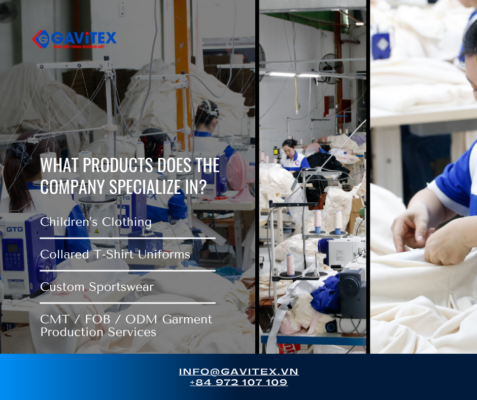
7. Reference pricing for craftsmanship in garment production at Gavitex
7.1 How craftsmanship influences cost
Thoughtful craftsmanship in garment production often means investing slightly more time at specific steps – for example, at fitting, pattern adjustment or critical seams. However, when this work is planned properly, the overall cost impact is far less than the value it creates. Garments with fewer returns and stronger customer satisfaction ultimately support healthier margins.
Thanks to Vietnam’s competitive environment and Gavitex’s efficient clothing production lines, many clients find that they can upgrade quality while still paying 35–45% less than producing in high‑cost regions. The sample price table below illustrates how this can look in practice for typical garment manufacturing programs.
7.2 Sample price table (illustrative)
| Product type | Typical market price (USD/pc) | Gavitex price from* (USD/pc) | Approx. saving |
|---|---|---|---|
| Premium cotton jersey T‑shirt | 3.20 – 3.80 | 1.90 – 2.20 | ≈ 35–40% lower |
| Brushed fleece hoodie with rib details | 8.50 – 9.80 | 4.80 – 5.40 | ≈ 40–45% lower |
| Performance sports T‑shirt (poly/spandex) | 4.80 – 5.40 | 2.80 – 3.20 | ≈ 35–42% lower |
| Kidswear set (top + bottom) | 7.20 – 8.20 | 4.10 – 4.80 | ≈ 35–43% lower |
| Durable twill workwear pants | 10.50 – 12.50 | 6.20 – 7.40 | ≈ 35–40% lower |
*Prices are indicative for medium volumes and standard specifications. Your final quote will depend on fabric, trims, print/embroidery, testing and logistics.
7.3 How to request a tailored quote
To receive a detailed offer aligned with your craftsmanship in garment production goals, simply share your tech packs, target quantities and destination markets. Gavitex will review construction, propose efficient sewing methods and suggest fabric options where needed. Together, you can refine the balance between price, look and durability for each style.
Many brands start with a limited set of “hero” products – for example a signature T‑shirt or hoodie – and then expand their private label apparel range once they see the response from customers. Gavitex is ready to support this journey from first trial order to a fully established program.
Call for consultation & Get a quick quote
8. Frequently asked questions about craftsmanship in garment production
8.1 Practical questions from sourcing teams
Before committing to a new partner, sourcing and buying teams often ask very similar questions: What information do we need to prepare? How will you protect our design work? Can you handle both basics and fashion pieces? The FAQ below addresses these topics in the context of craftsmanship in garment production at Gavitex.
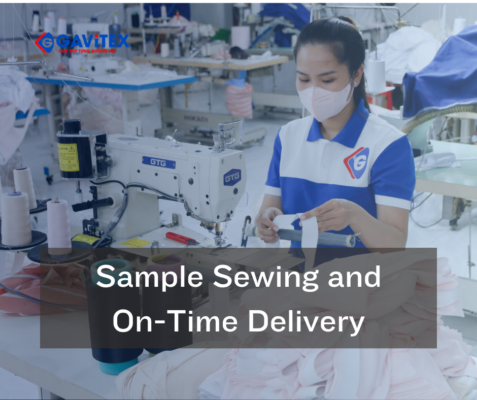
Click each question to reveal the answer.
1. What information should we prepare before discussing craftsmanship in garment production with Gavitex?
2. How does Gavitex maintain consistent craftsmanship in garment production across repeat orders?
3. Can a factory focused on craftsmanship in garment production still meet tight deadlines?
4. How does Gavitex protect our designs and label under a craftsmanship‑driven model?
5. Is Gavitex suitable only for premium collections, or also for basics?
9. Contact Gavitex – bring craftsmanship in garment production into your next collection
9.1 Start a project with Gavitex
If you are looking for a partner that treats craftsmanship in garment production as seriously as you do, Gavitex is ready to help. The team works with international brands, retailers and online labels that want professional garment manufacturing without losing the human touch. From first meeting to final shipment, you will have a clear contact window for sampling, technical discussions and production follow‑up.
9.2 What happens after you reach out
After you share your styles and volume expectations, Gavitex reviews your requirements and proposes a plan: sampling timeline, indicative costing, and capacity allocation on the most suitable clothing production lines. Together, you refine fits and construction until everyone is comfortable that the garments express your brand’s desired level of craftsmanship in garment production. Once bulk starts, you receive regular updates and, if needed, photos or video from the line.
9.3 Building a long‑term partnership
Many clients choose Gavitex not just for one season, but as a long‑term base for custom clothing production. Over time, both sides build a shared language around fit, hand‑feel and finishing. New ideas become easier to implement because the factory already understands your standards. This close collaboration allows your brand to evolve collections confidently, knowing that the production side is handled by a team that truly believes in craftsmanship in garment production.
Talk to Gavitex today
Call 0972107109 now or tap the button below to connect with the Gavitex team, discuss your next collection and receive a clear, fast quotation tailored to your brand’s needs.