

Seamless Underwear Manufacturing Process for Private Label Brands
Seamless underwear is knitted largely in one piece on circular machines, giving smooth, invisible comfort [...]
French Terry vs Fleece for Hoodie Manufacturing
French terry and fleece are the two fabrics most hoodies are made from, and the [...]
Sports Bra Manufacturing Checklist: Support, Fabric, and Construction
A sports bra must deliver real support, comfort and moisture management across a wide range [...]
Vietnam Export-Quality Garment Factory: Sourcing High-Quality, Ethical Apparel From Vietnam
Gavitex supports export-quality garment manufacturing in Vietnam for international apparel brands, covering sampling, fabric coordination, [...]
Vietnam Garment Production Factories: Sourcing, Manufacturers, Ethical Apparel & Compliance Guide
Gavitex provides garment production support in Vietnam for international apparel brands, covering sampling, fabric sourcing, [...]
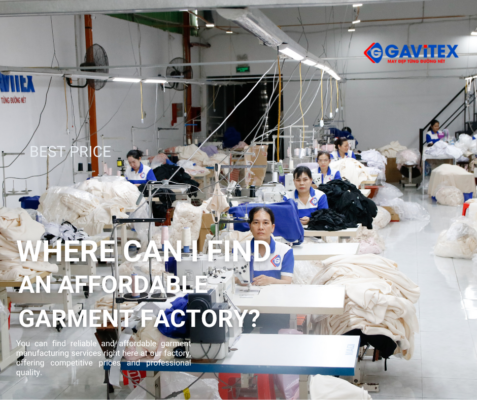
Vietnam Clothing Manufacturing For Export: Sourcing, Quality, And Sustainable Apparel
Unlocking the potential of Vietnam clothing manufacturing for export is critical for businesses seeking cost-effective [...]
Largest Garment Factory In Vietnam: Top Producer, Capacity, And Workforce Insights
The quest to pinpoint the largest garment factory in Vietnam is crucial for businesses seeking [...]
Garment Factories In Vietnam: Sourcing, Manufacturers, & Ethical Apparel Production
Understanding the landscape of garment factories in Vietnam is crucial for businesses seeking efficient and [...]
CMT Garment Suppliers in Vietnam for Reliable Apparel Production
As my fashion brand expanded across new markets, the real bottleneck was not design or demand – it was production stability. I worked with several CMT garment suppliers in different countries, but quality varied, lead times slipped and communication was inconsistent. Everything changed when I started partnering with Gavitex in Vietnam. Instead of treating my styles as one–off jobs, they integrated them into disciplined garment manufacturing systems and well–organised clothing production lines. In this article I want to share that experience, explain how strong CMT garment suppliers can support your brand, and show why Gavitex has become my long–term partner of choice.
☰ Table of contents
- My story: selecting reliable CMT garment suppliers
- Features and value of modern CMT garment suppliers
- Comparing CMT garment suppliers with full–package OEM
- Gavitex capabilities and production systems
- Legal certainty and brand protection
- Five reasons to choose Gavitex among CMT garment suppliers
- FAQ about working with CMT garment suppliers
- Get a quote and contact Gavitex
My story: discovering the power of committed CMT garment suppliers
From fragmented sourcing to one coherent partnership
In the beginning, I placed orders wherever capacity was available. A few CMT garment suppliers in different regions handled my T–shirts, hoodies and casual bottoms. Each factory promised on–time delivery and good prices, yet production meetings told another story: cartons arriving late, measurements drifting away from specs, styles being quietly adjusted because operators were not properly prepared. My team spent more time firefighting than planning the next collection. I realised I didn’t just need factories; I needed strategic partners specialised in garment manufacturing with modern clothing production lines and a long–term view.
Visiting Vietnam and meeting Gavitex
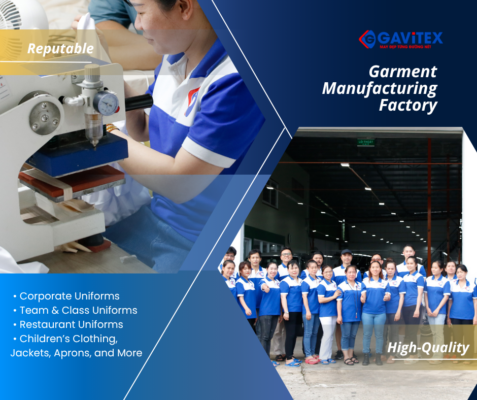
During a sourcing trip to Vietnam I visited several CMT garment suppliers, but Gavitex stood out immediately. The production floor looked structured, supervisors talked confidently about takt time and line balancing, and the sampling room communicated fluently with the engineering department. Instead of giving a generic factory tour, the Gavitex team asked about my collection architecture, price ladders and target markets. They explained how they position themselves among Vietnamese CMT garment suppliers: strong technical support, transparent costing and a clear focus on long–term relationships. It felt less like interviewing a vendor and more like designing a shared plan for my brand.
From first trial to stable seasons
We started with a trial capsule – a small series of basics and a few more complex pieces. Gavitex handled the entire flow like a full program: pattern checks, pre–production samples, carefully staged ramp–up on the lines and data–driven quality checks. When the shipment arrived, the difference was obvious. Sizes were consistent, stitching was neat, and packaging followed our instructions exactly. That trial convinced me that working with the right CMT garment suppliers can change the rhythm of a brand. Today Gavitex is responsible for a major share of my custom clothing production, and those lines have become the heart of my global supply chain.
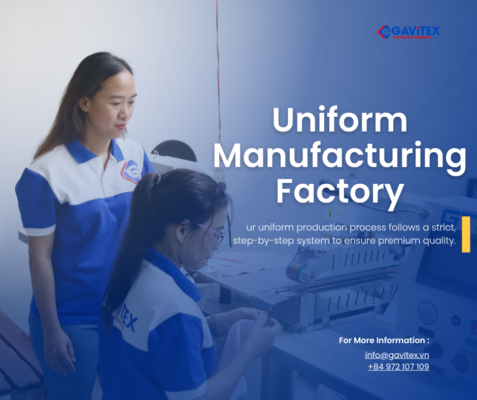
Key features and value that strong CMT garment suppliers bring
Clear division of roles and cost transparency
The first advantage of working with experienced CMT garment suppliers is clarity. Brands and retailers handle fabric and trims, while the supplier focuses on labour, technology, and process control. With this structure, processing charges are separated from material costs, so it becomes easier to see where value is created. At Gavitex, every style goes through a detailed operation breakdown. The team calculates realistic times for each step of garment manufacturing, then builds the line accordingly. This method makes quotations transparent and helps buyers understand how design choices affect the efficiency of clothing production lines.
Technical depth that supports demanding brands
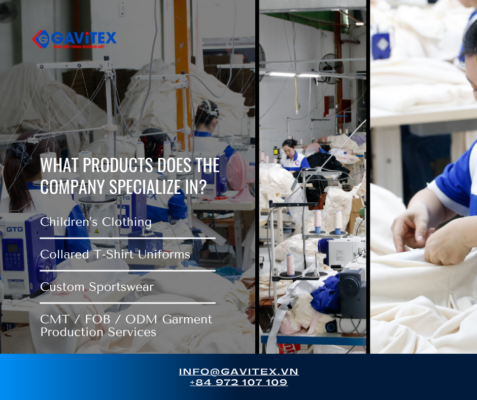
Strong CMT garment suppliers do much more than simply follow instructions. At Gavitex, pattern technicians, industrial engineers and quality controllers work together to convert fashion ideas into industrial reality. They suggest seam constructions that reduce bulk, identify operations that can be combined, and design workflows that keep operators productive without overloading them. This technical backbone is particularly valuable for private label apparel and brands expanding their categories: instead of guessing whether a new design is feasible, you receive concrete feedback based on years of hands–on garment manufacturing experience.
Flexibility for custom clothing production and omnichannel retailers
Modern retail demands more than simple volume. Online channels, capsule drops and regional collections require flexible partners. The best CMT garment suppliers combine large–scale efficiency with the ability to handle smaller batches. Gavitex accomplishes this by setting up modular clothing production lines that can be dedicated to stable basics or adapted for short–run programs. This agility allows them to support both mass–market programs and more experimental custom clothing production. For my brand, it means we can test new silhouettes without destabilising our core business, while still benefiting from the same disciplined garment manufacturing standards.
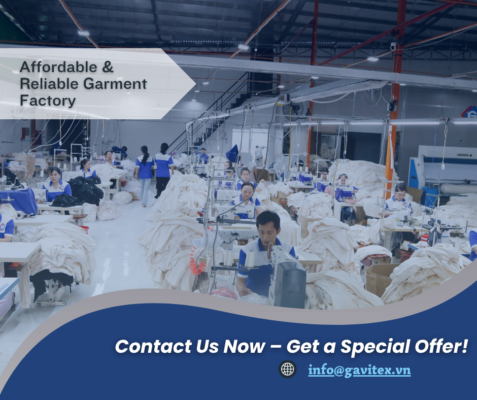
How CMT garment suppliers compare with full–package OEM models
Different cost structures, different sourcing freedom
In full–package setups, an OEM clothing manufacturer usually purchases fabric, manages trims and provides a single price for finished garments. This is convenient but can hide the real drivers of cost. By contrast, cooperating with CMT garment suppliers separates material and processing costs. You can negotiate fabric prices directly with mills while relying on partners like Gavitex to convert those materials into finished products. This model gives experienced buyers more control and makes it easier to optimise each part of the garment manufacturing process. It also opens the door to long–term mill relationships and more sustainable sourcing strategies.
Risk distribution, fabric ownership and quality visibility
When working purely with an OEM clothing manufacturer, the factory owns much of the material risk. That can be attractive in early stages, but it also means limited transparency in fabric selection. With CMT garment suppliers, brands own the materials and can decide how to allocate them between programs or vendors. At Gavitex this structure is supported by disciplined inventory control and fabric inspection. The factory cooperates closely with mills and buyers, making sure fabric quality and shade consistency are validated before cutting. This blend of material ownership and technical garment manufacturing capability creates a balanced and flexible supply chain.
When to use CMT garment suppliers and how to mix models
In practice, most sophisticated brands use a combination of both models. Complex, fabric–intensive garments may stay with full–package providers, while basics, knits and repeat items are ideal for CMT garment suppliers. Gavitex plays a central role in this blended strategy, offering guidance on how to move styles between models without disrupting quality or delivery. For a deeper view of their methodology you can explore their overview of CMT garment manufacturing in Vietnam. Over time, this mix of approaches gives sourcing managers more tools to manage cost, lead time and product risk across the full portfolio.
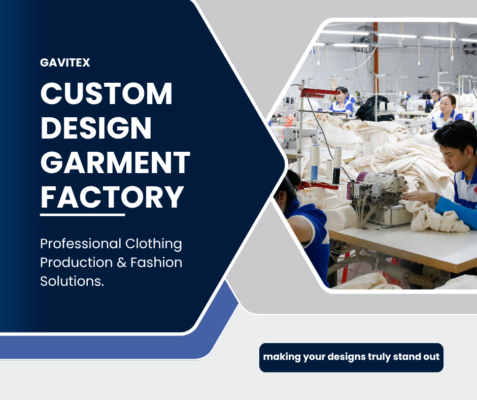
Gavitex capabilities as one of Vietnam’s trusted CMT garment suppliers
Engineered clothing production lines for different categories
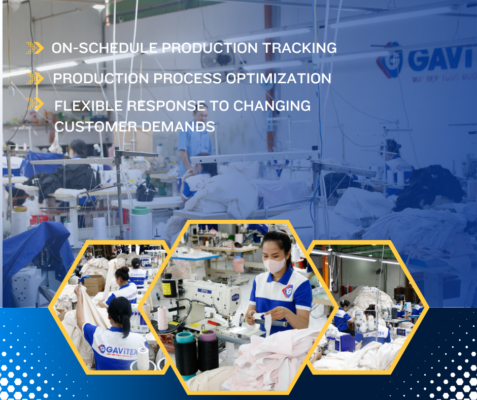
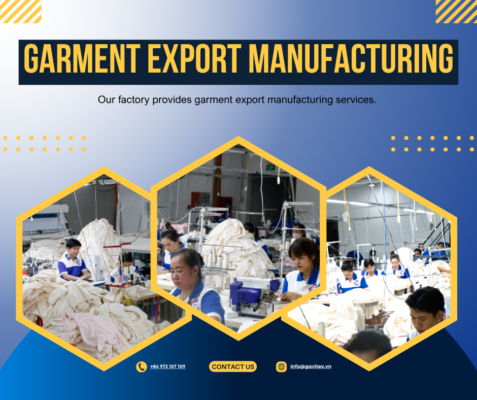
Inside Gavitex, each product family is matched with its own approach to clothing production lines. Light knits, heavier fleece, woven shirts and performance wear are all treated differently. Every line is engineered with a clear sequence of operations and standard times, allowing supervisors to track efficiency and quality in real time. This is where Gavitex truly stands out among CMT garment suppliers: they treat each program as an industrial system rather than a random collection of operators. For buyers this means more stable output, predictable handling of repeats and the capacity to scale when a particular style becomes a bestseller.
Technology, planning and data–driven garment manufacturing
Gavitex uses digital tools where they create real value. CAD systems optimise markers, planning software aligns production with shipment windows, and dashboard–style boards display key line metrics. The result is a dynamic but controlled garment manufacturing environment where decisions are based on data rather than guesswork. When there is a potential delay, the reason is clear and the recovery plan is transparent. For a sourcing manager coordinating multiple CMT garment suppliers, this level of visibility is invaluable: it allows you to integrate Gavitex output into your bigger supply chain picture with confidence.
Project management and communication with global clients
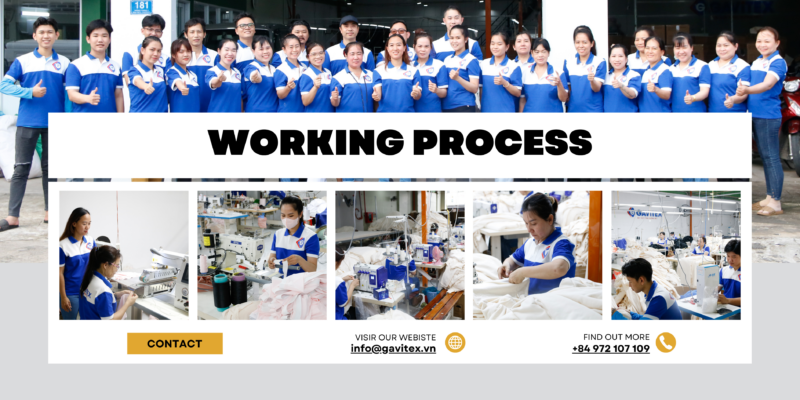
Another strength that sets Gavitex apart from many other CMT garment suppliers is project management. Dedicated merchandisers and technicians follow each program from development to shipment. They bring together design, tech packs, sample feedback, fabric delivery, and production updates into one coherent communication stream. For international brands this means dealing with a partner who understands both the technical side of garment manufacturing and the commercial realities of retail calendars. It is this combination of structured production and clear communication that convinced me to move more styles to Gavitex season after season.
Legal frameworks and brand protection with reliable CMT garment suppliers
Contracts that clarify responsibilities and standards
When working internationally, trust must be supported by documentation. Professional CMT garment suppliers like Gavitex operate with clear contracts that define quality levels, measurement tolerances, inspection methods, and responsibilities for materials. These agreements protect both sides: buyers know what to expect, and the factory understands how garment manufacturing performance will be evaluated. Because the structure is based on transparency, it becomes easier to resolve issues and refine future seasons. Instead of relying on informal promises, both partners work inside a defined, professional framework.
Non–disclosure, sample security and design protection
Creative brands worry – rightly – about how their designs are treated by CMT garment suppliers. Gavitex addresses this concern with non–disclosure agreements, controlled access to developments and clear rules for sample handling. Sensitive private label apparel designs are only shared with relevant teams, and physical samples are stored and moved according to documented procedures. For my own label, this has been crucial. I can send new concepts and detailed custom clothing production requirements to Gavitex early in the season, knowing that the information is handled with respect. That trust speeds up the whole sampling and approval cycle.
Compliance, documentation and local partners
Modern brands also face requirements from retailers, auditors and regulators. Leading CMT garment suppliers must maintain organised records and cooperate with reliable local experts. Gavitex keeps detailed documentation for each program – from fabric certificates and test reports to packing specifications. When needed, they coordinate with regional sourcing platforms such as specialised partners in Vietnam to support logistics or regulatory matters. This combination of careful documentation and local know–how provides a secure framework for garment manufacturing that can withstand external scrutiny and support long–term brand growth.
Five reasons Gavitex stands out among global CMT garment suppliers
1. Strategic understanding of brand positioning
First, Gavitex takes time to understand where a label sits in the market. They ask about price architecture, channels, and long–term plans. Many CMT garment suppliers focus only on filling capacity, but Gavitex approaches projects as part of a bigger business picture. For my brand this meant building sourcing plans that align with launching dates, margin expectations and product lifecycles. Their senior team has seen different models of garment manufacturing around the world, so they can suggest realistic, experience–based improvements instead of theoretical ideas.
2. Balance of cost, quality and speed
Second, their performance triangle of cost, quality and delivery is remarkably balanced. Through efficient garment manufacturing, careful line design and strict in–process control, Gavitex keeps processing rates competitive – often 35–45% lower than comparable operations in some other regions for similar products. At the same time, defect rates remain low and on–time delivery is treated as a non–negotiable target. Not all CMT garment suppliers manage this balance. Many are cheap but unreliable, or precise but slow. Gavitex has invested in systems that align all three dimensions so brands don’t have to choose between them.
3–5. Scalability, innovation and partnership culture
Third, Gavitex scales smoothly. When a style performs better than expected, the factory can expand capacity within its network of lines, keeping quality intact. Fourth, they actively share ideas drawn from a wide range of custom clothing production programs: smarter seam placements, more efficient packing methods, or construction tweaks that improve fit while reducing operations. Finally, the fifth reason is culture. From top management to line leaders, the company behaves like a partner, not just another member of a long list of CMT garment suppliers. Problems are discussed openly, information flows freely, and both sides look for solutions that protect long–term cooperation rather than short–term wins.
- Strategic view of sourcing and brand development.
- Competitive processing costs through efficient garment manufacturing.
- Stable quality and on–time shipment performance.
- Support for both basics and innovation–driven ranges.
- Partnership mindset focused on long–term growth.
FAQ – practical questions about working with CMT garment suppliers
Below are some of the questions I hear most often from sourcing teams and founders exploring cooperation with professional CMT garment suppliers such as Gavitex.
1. What information do I need to request a quotation from CMT garment suppliers?
When you approach CMT garment suppliers for the first time, the quality of information you provide determines the quality of the quote. At a minimum you should share tech packs with full measurement charts, clear construction notes, fabric type and GSM, trim list, size split, and approximate order volume. Packing requirements and target delivery windows are also essential because they influence line planning and capacity. Gavitex, for example, uses this information to build a realistic operation breakdown, design the right clothing production lines and estimate processing rates for each style. Even if some details will change later, sharing an honest starting point allows the supplier to highlight potential risks and suggest improvements before garment manufacturing begins.
2. How do CMT garment suppliers handle quality control?
Reliable CMT garment suppliers follow a layered approach to quality. At Gavitex, incoming materials are checked for shade, width, defects and key physical properties. During spreading and cutting, marker efficiency and tension are monitored to prevent distortion. On the sewing floor, inline inspections focus on critical operations such as neck seams, armholes or waistband attachments. Finally, finished garments are measured and audited according to agreed AQL levels. Because garment manufacturing data is recorded at each step, it is possible to trace issues and implement corrective actions quickly. This structured system means that quality is not a last–minute inspection event but an integral part of everyday production.
3. Are CMT garment suppliers suitable for private label apparel and smaller brands?
Yes, many CMT garment suppliers are ideal partners for private label apparel and growing brands, as long as minimums and expectations are aligned. Because fabric and trims are usually owned by the buyer, smaller companies can negotiate directly with mills or use nominated suppliers from their retail partners. Gavitex supports this by creating modular production setups that can handle both larger replenishment programs and smaller design–driven capsules. For young labels, this approach offers access to structured garment manufacturing and experienced technicians without forcing them into oversized order quantities. Over time, volumes can grow organically while the underlying processes remain stable.
4. How can I reduce risk when starting with new CMT garment suppliers?
A sensible way to start with new CMT garment suppliers is to launch a pilot project. Choose a limited but representative group of styles and volumes that allow you to test communication, sampling, lead times and quality controls. Gavitex often proposes a structured pilot phase that includes detailed pre–production meetings, clear milestones and joint review of results. By treating this first phase as a learning process rather than a one–off transaction, both sides understand how to adapt specifications and improve cooperation. Once you see that garment manufacturing performance is consistent, you can increase the share of production with more confidence and fewer surprises.
5. Why choose CMT garment suppliers in Vietnam instead of other regions?
Vietnam has become a preferred base for many CMT garment suppliers thanks to its skilled labour force, stable business environment and strong logistics connections. The country has built a deep ecosystem around garment manufacturing, with mills, accessory providers and technical experts that understand the needs of international brands. Gavitex leverages this ecosystem to offer reliable lead times and competitive costs while maintaining high quality standards. For brands seeking a long–term sourcing hub rather than a short–term bargain, Vietnam – and partners like Gavitex in particular – offer a compelling mix of professionalism, resilience and growth potential across many categories of custom clothing production.
Work with Gavitex – your long–term partner among CMT garment suppliers
From idea to finished cartons with one committed team
Looking back at several seasons, partnering with Gavitex has been one of the most impactful choices I made for my brand. Instead of constantly switching between different CMT garment suppliers, I now rely on one factory that understands our identity, price structure and growth plans. Their disciplined garment manufacturing, transparent pricing and thoughtful communication free my team to focus on design, marketing and customer experience. Whether you manage a large retail organisation or a fast–growing digital label, Gavitex can help you design a sourcing model that supports your ambitions.
Take the next step with CMT garment suppliers you can trust
If you are exploring new CMT garment suppliers or want to rebalance your global sourcing network, sharing a few representative styles and target volumes is a great place to start. The Gavitex team will analyse feasibility, suggest optimisations and propose a tailored plan covering development, sampling and bulk production. You can learn more about their methodology on CMT garment manufacturing insights and review their positioning among leading CMT garment suppliers in Vietnam. With additional support from regional experts such as Vietnam sourcing partners, you can build a resilient production base designed for the realities of modern fashion.
Call for consultation & Get a quick quote
Hotline: 0972107109