Scale your label with expert bespoke garment production by Gavitex
Why bespoke garment production is redefining fashion sourcing
From generic goods to signature pieces
In every market, racks are overflowing with similar garments: the same cuts, the same color stories, the same fabrics. The brands that stand out are those that treat product as their strongest message. Bes
poke garment production lets you do exactly that. Instead of squeezing ideas into a limited catalog, you develop silhouettes that reflect your brand DNA, while a capable factory partner turns them into reliable, scalable products. The result is a range that customers recognize and return to season after season.
Built for brands, retailers, and digital labels
Whether you run a growing label, a multi-store retailer, or a digital-first platform, bespoke garment production gives you the freedom to shape collections around your audience instead of generic averages. It aligns perfectly with modern garment manufacturing strategies that combine data from sell-through, social feedback, and merchandising insight. You can test smaller capsules, refine shapes quickly, and scale what works — all while protecting your brand identity.
Connecting creative teams with industrial know-how
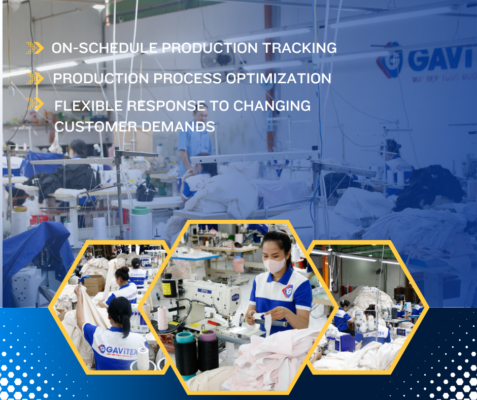
Many design teams are full of ideas but lack a partner that truly understands construction, industrial feasibility, and global lead times. Gavitex steps into that gap. By combining flexible clothing production lines, experienced technicians, and English-speaking merchandisers, the company transforms bespoke garment production from a risky experiment into a dependable supply route. Your designers stay in control of the vision, while Gavitex manages the machinery, labor, and quality behind the scenes.
Gavitex – a trusted specialist in bespoke garment production
A factory culture shaped around brands
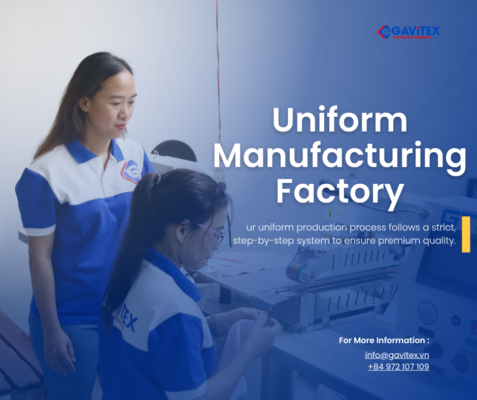
Gavitex is a Vietnam-based apparel producer that has grown by focusing on long-term brand partnerships rather than one-off orders. The company is structured to support bespoke garment production as well as larger volume runs. Dedicated account managers, pattern experts, and line supervisors collaborate closely, so your ideas are not just translated into tech packs but into garments that behave the way you expect in store and on body.
Flexible yet disciplined production setup
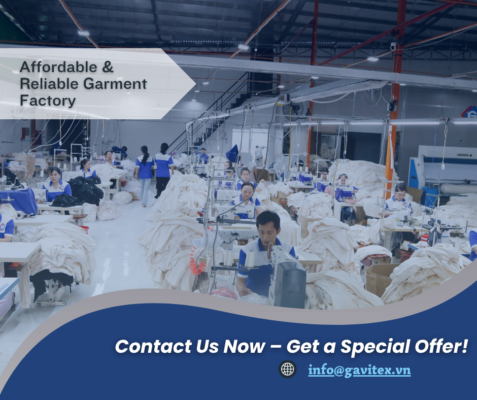
Many factories can handle simple basics, but fewer can manage variety without losing control. Gavitex uses the same planning discipline you would expect from a strong OEM clothing manufacturer, while keeping enough flexibility to adapt lines for new constructions and shapes. That makes it possible to run capsule collections, uniforms, and core programs side by side. For brands investing in bespoke garment production, this balance between creativity and operational order is critical.
Part of a broader ecosystem that supports growth
As your brand expands, you may want to diversify into related product categories or refine different tiers within your range. Gavitex connects your bespoke garment production projects with complementary services such as bespoke fashion manufacturing. For home and lifestyle extensions, partners like Gocy can complement your apparel, giving you a broader brand world supported by specialists at every stage.
Core features and value of bespoke garment production
End-to-end development from sketch to shipment
With bespoke garment production, development does not stop at a first prototype. Gavitex works from the first sketch or reference garment through digital pattern creation, grading, size balance review, and construction optimization. The team checks how your design behaves in different sizes, where to reinforce seams, and how to keep drape and comfort consistent. This rigorous approach, built on solid garment manufacturing know-how, reduces costly surprises later in production.
Material selection that supports your brand story
Fabrics and trims influence not only feel and performance but also perceived value. Within bespoke garment production, material choices are driven by your positioning and target customer rather than a generic factory catalog. Gavitex sources from a network of mills and accessory suppliers, offering options for premium basics, high-fashion pieces, and special uniform programs. Whether you pursue sustainability, performance, or luxury, the team proposes practical combinations that match your price architecture.
Lines configured around clothing architecture
A soft knit dress, a structured blazer, and a technical trouser cannot run effectively through the same standardized setup. True bespoke garment production requires clothing production lines that are shaped around the architecture of the garment. Gavitex configures modules, allocates skilled operators, and positions inspection steps where they deliver the greatest impact. This keeps quality stable even when styles involve complex paneling, layered facings, or special stitch types commonly seen in higher-end collections.
Finishing and packing integrated into brand experience
Labels, hangtags, packing, and presentation all influence how your garments are perceived. Gavitex embeds these details directly into bespoke garment production workflows. You can define the layout of woven labels, care labels, branded trims, and packing standards for e-commerce or retail. This is particularly powerful for private label apparel programs, where the same visual language must be maintained across many stores and regions.
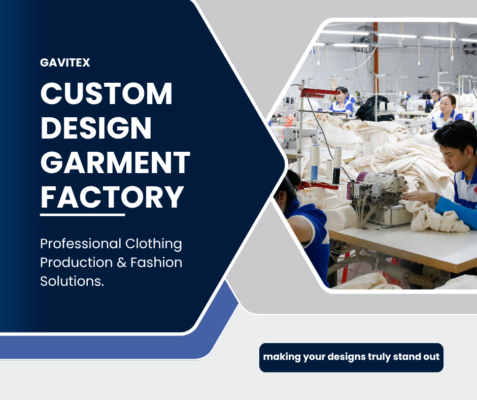
Bes
poke garment production
vs. conventional mass production
Differentiation vs. uniformity
Conventional mass production concentrates on high repetition of similar garments. It is efficient for simple basics but tends to generate uniform products that struggle to stand out. Bespoke garment production, by contrast, is built to reinforce your brand signature. You decide fit blocks, fabric stories, and finish levels, and the factory follows. In the store or online, that difference is visible: customers feel they are buying into a specific brand world, not just generic stock.
Inventory risk vs. agile order planning
Large, early commitments are common in standard models and can become a heavy burden when demand changes. With bespoke garment production, flexibility is built into planning. Gavitex helps you structure smaller first drops, then scale successful items quickly on prepared lines. This approach lowers risk while still benefiting from the efficiency of established garment manufacturing practices. It works especially well for brands driven by online data and fast feedback from consumers.
Limited style variety vs. managed complexity
Traditional systems often resist variety because it complicates planning and quality control. The strength of a well-run bespoke garment production model is that complexity is managed at factory level. Gavitex uses line balancing, modular setups, and clear documentation so that a broader range of garments can flow without chaos. This allows you to maintain a dynamic assortment and still rely on predictable lead times and quality standards, similar to those of a strong OEM clothing manufacturer.
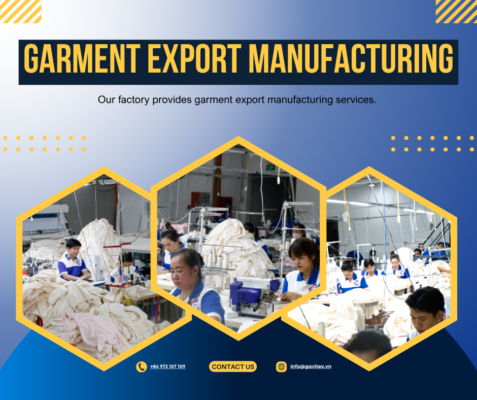
Gavitex capabilities supporting serious bespoke garment production
Wide product range with tuned line setups
Gavitex operates multiple lines dedicated to woven, knit, and stretch garments. These lines can be configured for shirts, blouses, dresses, trousers, coordinated sets, uniforms, and light outerwear. For each bespoke garment production project, supervisors evaluate style complexity and assign the right machines and skill mix. Some flows are streamlined for simpler items, while others are more detailed to handle structured or multi-layer garments.
Sampling studio and technical refinement loop
A dedicated sampling area allows patterns and prototypes to be tested thoroughly before bulk cutting starts. Gavitex pattern makers work closely with your design team to refine fit, adjust construction details, and validate fabric behavior. This loop is crucial to successful bespoke garment production, as it catches potential issues early and ensures that production files truly reflect your expectations. Once approved, tech packs and digital patterns feed directly into bulk custom clothing production.
Project management and transparent lead times
Complex programs become manageable when they are structured clearly. Gavitex treats every bespoke garment production run as a project with defined milestones: specification freeze, fabric booking, sample rounds, approvals, bulk scheduling, and shipping. Clients receive realistic lead-time estimates, and any risk points are highlighted early. This level of transparency gives buyers and planners the confidence to commit to launch windows and marketing campaigns.
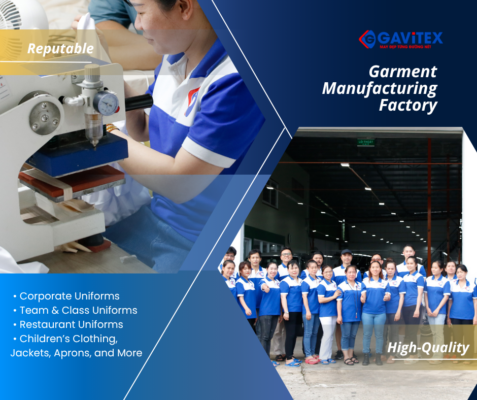
Legal assurance and brand protection in bespoke garment production
Contracts and NDAs tailored to fashion brands
Sharing future designs, signature fits, and branding assets requires trust. For bespoke garment production programs, Gavitex uses clear contracts and non-disclosure agreements that define confidentiality, ownership, and permitted use of assets. These documents confirm that your patterns, artwork, labels, and packaging are produced only for you and are not reused across other clients or markets.
Strict control over samples, patterns, and branded components
Intellectual property protection is not just legal; it is operational. Digital patterns are stored securely with restricted access. Physical samples are archived with tracking, and branded labels or trims are kept in controlled areas and issued based on documented counts. This consistent handling of materials ensures that every bespoke garment production run respects your brand’s identity and commercial strategy.
Compliance, testing, and documentation for global markets
Many retail partners and platforms require proof of compliance with safety and quality standards. Gavitex is used to collaborating with laboratories and certification bodies. For bespoke garment production, the company can support testing related to color fastness, dimensional stability, fiber content, and more. Documentation can be organized to align with your internal compliance processes, making onboarding new styles smoother across different countries.
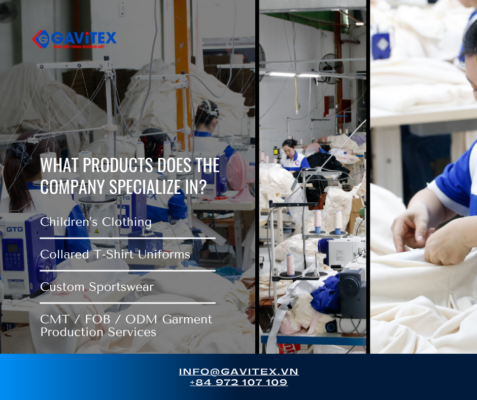
Five reasons to choose Gavitex for bespoke garment production
1. Strong understanding of modern fashion business
Gavitex collaborates with brands and retailers across different channels: multi-brand shops, mono-brand stores, and online platforms. The team understands price ladders, markdown pressure, and the importance of speed. When you discuss bespoke garment production with Gavitex, you are talking to people who know that a garment is not just a product, but part of a sell-through and margin story.
2. Balance of creativity and industrial reliability
The company invests in technology, training, and methods so that creative projects do not become unstable. Complex garments can still be produced with the same reliability as simpler lines. This balance allows you to explore advanced details, fabrics, and shapes within bespoke garment production while keeping quality, timing, and cost under control.
3. Competitive cost structure vs. many traditional regions
Thanks to its location and efficient garment manufacturing practices, Gavitex often delivers costs around 35–45% lower than many high-labor-cost markets, at comparable or higher quality levels. For labels moving away from expensive sourcing hubs, shifting a portion of their range into bespoke garment production with Gavitex can significantly improve gross margins and free budget for marketing or product development.
4. Integrated service from sketch to packed cartons
Instead of dealing with separate vendors for pattern work, sampling, and bulk production, you can centralize operations with one partner. Gavitex handles design interpretation, technical development, sampling, bulk custom clothing production, finishing, and logistics coordination. This integration simplifies communication and creates a clear line of accountability for your bespoke garment production projects.
5. Access to a broader product ecosystem
Many brands want to expand into lifestyle, accessories, or home categories that complement apparel. Gavitex works smoothly with specialized partners such as Gocy so that your core bespoke garment production is supported by a wider product network. This lets you build complete collections around your brand story while keeping technical and quality standards aligned.
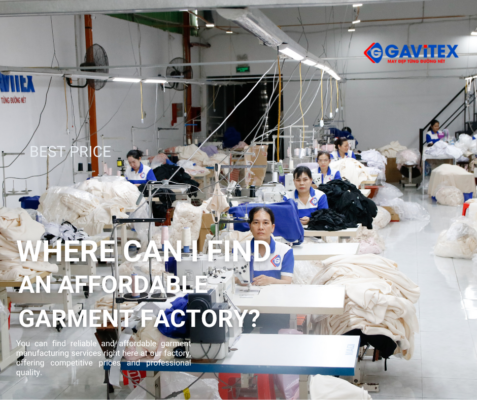
Market insights and chart for bespoke garment production
Why more brands are shifting to tailored production models
Fashion calendars are getting faster, yet consumers demand more authenticity. Small, focused collections, limited drops, and region-specific capsules have become common tools to stay relevant. These dynamics favor bespoke garment production, where you can develop targeted styles in manageable volumes, then repeat or extend them once demand is confirmed. Brands that embrace this model can reduce waste, increase responsiveness, and maintain a sharper brand message in the market.
Colorful chart – how different client types use bespoke services
The table below illustrates, in simplified form, how various client segments typically integrate bespoke garment production into their sourcing portfolios with Gavitex.
| Client segment | Share of bespoke projects | Typical focus |
|---|---|---|
| Digital-native labels | 60–85% | Limited drops and collaborations built through agile bespoke garment production. |
| Retail chains | 30–50% | Hero products and premium tiers, complemented by volume-friendly garment manufacturing basics. |
| Emerging designers | 70–100% | High-identity pieces developed via flexible bespoke garment production flows. |
| Corporate & uniform clients | 40–60% | Tailored uniforms and integrated private label apparel with consistent branding. |
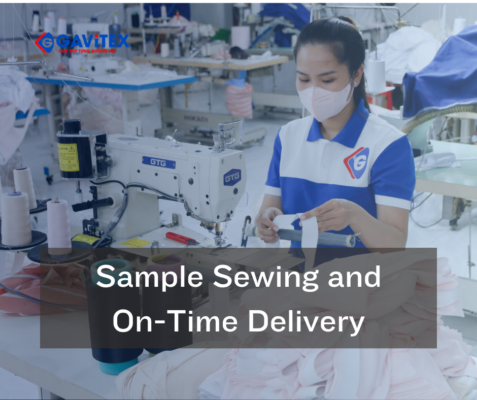
Pricing overview for bespoke garment production
How Gavitex reaches 35–45% savings vs. many traditional hubs
By combining efficient planning, competitive sourcing, and optimized labor structures, Gavitex often offers total garment costs significantly below those of high-cost production regions. The table below shows indicative FOB ranges for typical categories handled under bespoke garment production. Actual quotes will be tailored to your designs, fabrics, trims, and volumes.
| Garment category | Typical market FOB | Indicative Gavitex FOB | Approx. saving |
|---|---|---|---|
| Shirts & blouses | 8.0 – 10.0 USD | 4.8 – 6.5 USD | ≈ 35–40% |
| Trousers & skirts | 12.0 – 16.0 USD | 7.0 – 9.5 USD | ≈ 40–45% |
| Dresses & sets | 18.0 – 24.0 USD | 11.0 – 15.0 USD | ≈ 35–40% |
| Light jackets & outerwear | 25.0 – 32.0 USD | 14.0 – 19.0 USD | ≈ 40–45% |
Request a detailed quotation
To obtain an accurate quote for your own bespoke garment production project, send your tech packs or sketches, target price points, and desired delivery windows to the Gavitex team. They will review the technical construction, recommend appropriate materials, and propose realistic timelines. You can also explore more on their dedicated page for bespoke garment production services and related bespoke fashion manufacturing options.
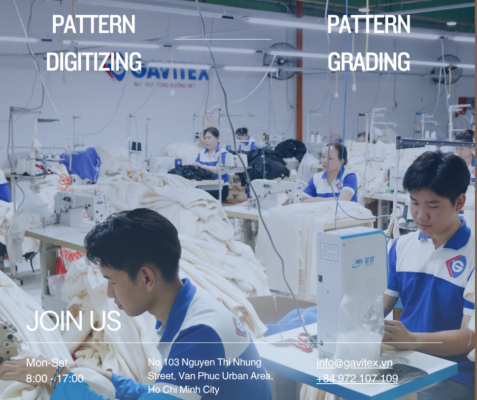
FAQ about bespoke garment production with Gavitex
Practical answers for sourcing and planning teams
The following questions reflect what fashion brands, retailers, and uniform buyers often ask before they start a bespoke garment production program. Use them as a checklist when preparing your internal discussions and briefing documents.
1. What minimum order quantities does Gavitex require?
Minimum order quantities depend on several factors: fabric type, color count, trim usage, and garment complexity. For many bespoke garment production projects, Gavitex can work with moderate units per color and size to help brands test new concepts without over-committing. When styles prove successful, volumes can be increased in follow-up orders using the same patterns and line setups, which keeps fit and quality consistent. The team will review your collection plan and propose practical MOQs for each group of styles, explaining where consolidating fabrics, linings, or accessories can unlock better prices. This approach allows you to enjoy the efficiencies of professional garment manufacturing while maintaining enough flexibility to respond to market feedback.
2. How long does development and bulk production usually take?
Timelines vary depending on style complexity, material sourcing, and testing requirements. A typical bespoke garment production flow includes style alignment, fabric and trim selection, prototype creation, fit corrections, size set approval, pre-production samples, and bulk production. Simple garments using stock fabrics can move relatively quickly, while engineered silhouettes, special treatments, or custom fabrics need more time. Gavitex prepares a milestone schedule showing when your input is required and when key steps happen on the lines. This clarity allows your merchandising, marketing, and supply chain teams to synchronize photoshoots, lookbooks, deliveries, and launches, turning custom clothing production into a predictable rhythm rather than a stressful race.
3. Can Gavitex support both bespoke lines and basic programs at the same time?
Yes. Many clients rely on Gavitex to run expressive lines and stable basics together. High-identity pieces typically follow a bespoke garment production route with more design input and sampling, while evergreen items flow through more standardized clothing production lines. Both streams are coordinated by the same planning and quality teams, which means capacity, lead times, and performance are visible in one place. For buyers, this simplifies vendor management: instead of juggling multiple factories, they can centralize planning and still enjoy the benefits of flexible, brand-specific garments alongside reliable core styles produced by an experienced OEM clothing manufacturer.
4. How are our designs and brand assets protected during production?
Design and brand protection are core priorities for Gavitex. For every bespoke garment production project, the company works under formal agreements and non-disclosure commitments that define how patterns, artwork, labels, and packaging may be used. Access to digital files is restricted to relevant staff; physical samples are tracked; branded trims and packaging are stored securely and issued only against approved orders. The factory does not reproduce a client’s designs for other buyers. This combination of legal safeguards and daily operational discipline means your creative assets remain under tight control while still flowing efficiently through the production process.
5. What should we prepare before requesting a quotation?
To receive a detailed quotation for bespoke garment production, it is helpful to prepare sketches or technical sheets, approximate target prices, expected volumes by style, and preferred delivery windows. Reference garments, notes on desired fit, and information about your sales channels also provide valuable context. Using these inputs, Gavitex can estimate material consumption, labor content, and logistics, then propose realistic costs and lead times. Even if your documents are not fully complete, the team can guide you through missing elements and transform early ideas into production-ready projects. The clearer your objectives, the more precisely Gavitex can shape a bespoke garment production solution that fits your brand.
Start your next bespoke garment production project with Gavitex
Talk directly with experienced production specialists
If you are planning a new collection, refreshing your core range, or launching a completely new label, this is an ideal time to explore bespoke garment production with Gavitex. Share your designs, price expectations, and timelines, and the team will help you decide which styles should go through fully tailored flows and which can run via more standardized garment manufacturing setups. You will receive clear, practical advice instead of generic promises.
Take action today
You can learn more through Gavitex’s dedicated pages for bespoke garment production and bespoke fashion manufacturing. For the fastest response, call the hotline or send your tech packs so the team can prepare a concrete proposal that matches your brand positioning and budget.
Hotline / WhatsApp: 0972107109 (international: +84 972107109)