Gavitex – Vietnam hub for strategic brand-manufacturer collaboration
In today’s fashion market, the brands that win are not just the best at design or marketing. They win because they build strong, long-term brand-manufacturer collaboration that turns factories into thinking partners, not just suppliers. That is exactly where Gavitex, a Vietnam-based apparel specialist, steps in.
Why modern apparel needs stronger brand-manufacturer collaboration
From buying “units” to building shared value
For years, many fashion labels treated factories as interchangeable suppliers. They sent tech packs, haggled on price, and moved on. Today, that mindset is too risky. Fast trends, complex regulations, and demanding customers require stable, intelligent brand-manufacturer collaboration. Brands need partners who can translate creative direction into reliable garment manufacturing, protect identity, and support growth across seasons and channels.
What brand-manufacturer collaboration really means
Genuine brand-manufacturer collaboration is more than “good communication”. It is a structured partnership where the producer understands your segment, target consumer, margin structure, and launch calendar. The two sides agree on fit standards, fabric platforms, and quality benchmarks. Development teams, planners, and quality controllers work in sync with your design, merchandising, and sourcing teams. Instead of starting from zero for every style, both sides build on a shared library of patterns, components, and processes.
How this collaboration shows up on the rack
When brand-manufacturer collaboration is strong, customers feel it. Jeans fit consistently from drop to drop. T-shirts keep their shape after many washes. Dresses arrive in stores on time for campaigns. Labels, trims, and packaging reinforce the same brand story. Behind these visible results is a disciplined industrial engine: tuned clothing production lines, trained operators, and well-managed material flows – all coordinated around your brand rather than around one-off orders.
Gavitex – a Vietnam partner built on brand-manufacturer collaboration
From classic OEM clothing manufacturer to strategic partner
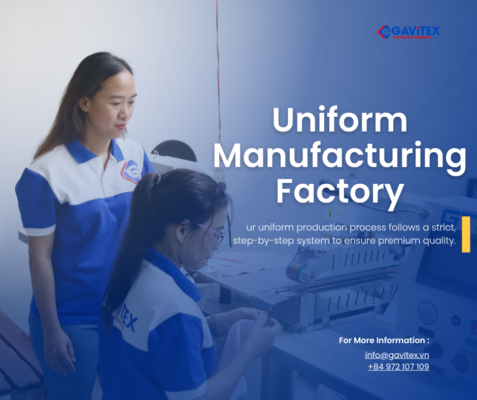
Gavitex began as a solid OEM clothing manufacturer in Vietnam, serving global buyers with competitive pricing and reliable garment manufacturing. As the market matured, leading labels asked for more: fit consistency, speed to market, insight into customer feedback, and stronger protection of their identity. In response, Gavitex reshaped its model around deep, long-term brand-manufacturer collaboration, turning factory floors into an extension of each client’s brand office.
Brand-exclusive setups when you need extra focus
For brands that require dedicated capacity, Gavitex can configure solutions close to a
brand-exclusive garment factory.
Selected lines, cutting rooms, and quality specialists concentrate on one label or a small group of complementary labels. This arrangement amplifies brand-manufacturer collaboration, ensuring your team works with the same technicians and planners season after season. Knowledge accumulates instead of being lost when orders move between factories.
Connecting production with the market
Strong brand-manufacturer collaboration also requires understanding how products live in the market. Gavitex follows performance data, returns, and store feedback where clients share it, helping refine patterns and construction details. Partnerships with fashion and retail partners such as
Gocy
illustrate how manufacturing insight and market proximity can work together, especially for private label apparel and targeted custom clothing production programs.
Key features and value of strong brand-manufacturer collaboration
Shared product architecture and clear roles
One of the most powerful aspects of brand-manufacturer collaboration is the creation of a shared product architecture. Together, brand and factory define core styles, seasonal highlights, and experimental pieces. Each layer has clear expectations regarding volume, risk level, and margin. The brand leads on storytelling, assortment, and price ladders, while Gavitex designs supporting industrial strategies: fabric platforms, trim libraries, and line layouts. This joint structure reduces confusion and makes every development brief easier to execute.
Integrated development and industrialisation
In a strong brand-manufacturer collaboration model, development and bulk production are not separate worlds. Pattern makers, sample machinists, and line leaders collaborate from the beginning. Fit comments and construction notes are documented in a unified system, so when samples move into industrial clothing production lines, nothing is lost. This integration speeds up approvals, reduces surprises in bulk, and improves the long-term reliability of garment manufacturing for every style family.
Continuous learning cycle based on real performance
True brand-manufacturer collaboration does not end when cartons leave the factory. It includes a feedback loop based on sell-through, returns, and customer comments. When clients share this data, Gavitex can adjust patterns, fabric specs, or construction methods. Over time, this continuous learning cycle protects both the customer experience and your profit. The result is a smarter, more responsive supply base that treats each season as an opportunity to improve, not just to repeat.
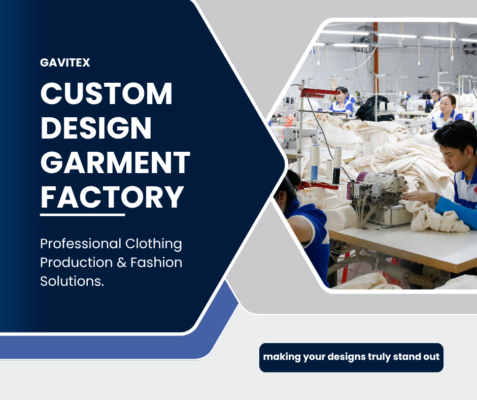
brand-manufacturer collaboration vs. “price-only” factory sourcing
Price-only sourcing: chasing quotes, losing control
In a price-only model, sourcing teams send tech packs to multiple factories, collect quotations, and award orders to whoever is cheapest or fastest. At first glance this seems efficient, but it often weakens long-term results. Factories have little incentive to invest in knowledge about your fit or quality preferences because orders may never return. Styles bounce between suppliers, creating inconsistent garment manufacturing standards and unpredictable lead times. When issues appear, responsibility is fragmented.
This model also limits innovation. Without strong brand-manufacturer collaboration, factories rarely propose smarter construction methods, more efficient material choices, or new ways of configuring clothing production lines. They simply respond to each request in isolation. Over time, your brand can become stuck with outdated production methods and fragile supply relationships that are difficult to scale.
Collaboration model: aligned incentives and compounding value
By contrast, a structured brand-manufacturer collaboration approach aligns incentives on both sides. Brands commit a meaningful share of their program to partners like Gavitex, and in return the factory invests in understanding the collection, training operators, and refining processes. Because future volumes are linked to mutual success rather than just the latest quote, Gavitex is motivated to improve efficiency, propose design-friendly solutions, and support new categories of custom clothing production.
Over several seasons, this collaboration model builds compounding value. Fit blocks become more accurate, standard components are optimised, and fabric platforms deliver better pricing. Many clients find that total cost – including returns, delays, and internal firefighting – is lower with strong brand-manufacturer collaboration than under a purely price-driven approach. At the same time, customer satisfaction and brand reputation improve, because products feel more consistent and well designed.
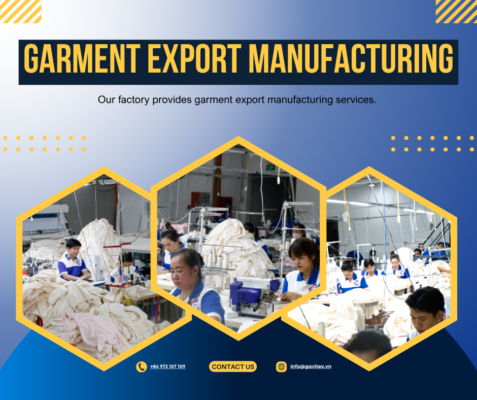
Gavitex capacity and processes behind effective brand-manufacturer collaboration
Dedicated development rooms and sample lines
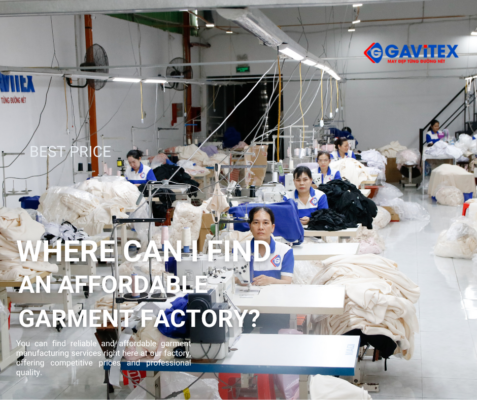
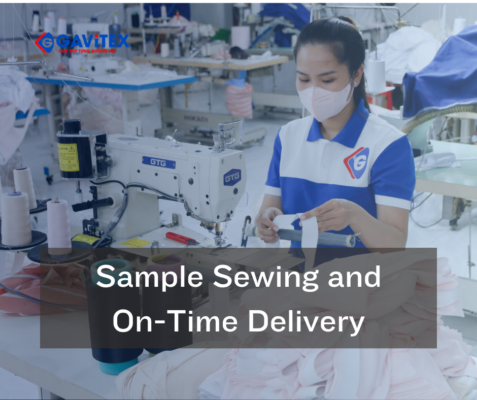
Collaboration starts in the development phase. Gavitex operates pattern rooms and sample lines that are configured around strong brand-manufacturer collaboration. Technicians sit down with your team – physically or remotely – to analyse silhouettes, fabrics, and finishing expectations. They create base blocks and then extend them into style families. Early prototypes are built on industrial machines similar to those on bulk clothing production lines, so that fit and construction decisions translate smoothly into large-scale garment manufacturing.
Segmented production lines for different product universes
To keep collaboration efficient across categories, Gavitex organises lines into specialised zones: jersey, woven, outerwear, and more technical or performance products. Within each zone, operators are trained on the brands they serve and the specific details those brands value. For example, a lifestyle label might prioritise soft handfeel and delicate topstitching, while a workwear client demands reinforcement and durability. brand-manufacturer collaboration ensures these expectations are captured in work instructions, operator training, and in-line quality checks.
Planning, quality, and logistics linked to brand priorities
Planning teams coordinate fabric arrival, cutting, sewing, finishing, and shipping in line with each brand’s calendar. Quality controllers use specifications created jointly with clients, not generic factory standards. Logistics teams configure packing, labelling, and documentation so that goods slot directly into your distribution system. All of this is guided by ongoing brand-manufacturer collaboration, with regular reviews to adjust capacity, lead times, or service levels as your business evolves.
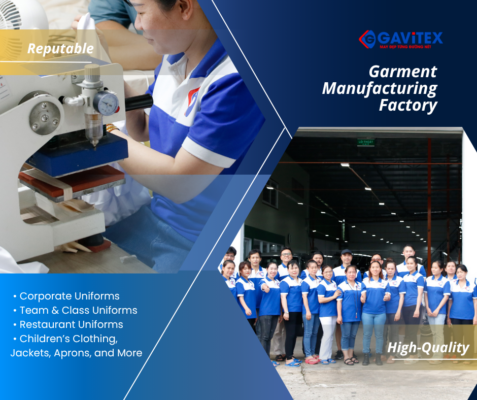
Legal framework and brand protection in brand-manufacturer collaboration
Clear contracts defining roles and ownership
When brand-manufacturer collaboration becomes deep, the brand’s intellectual property and commercial information must be protected. Gavitex works under clearly structured manufacturing agreements that define ownership of designs, patterns, prints, and logos. The brand retains full rights; the manufacturer is authorised to use these assets only for agreed programs. Responsibilities for quality, delivery, and communication are described in detail, so that both sides know what to expect and how to handle exceptions.
Non-disclosure and secure handling of branded elements
Confidentiality is another pillar of safe brand-manufacturer collaboration. Non-disclosure undertakings cover not only designs and tech packs, but also commercial data like cost structures and long-term planning. Within the factory, branded labels, buttons, and packaging are stored in controlled areas and issued according to strict procedures. This reduces the risk of unauthorised goods entering the market and protects your private label apparel from misuse.
Compliance, testing, and traceability for reputation protection
Increasing regulation makes compliance vital. Gavitex integrates testing requirements, chemical restrictions, and labelling rules into its standard work. Documentation is maintained at fabric, trim, and finished-garment levels, supporting full traceability. When combined with structured brand-manufacturer collaboration, this system helps brands avoid recalls and reputational damage. You gain confidence that your custom clothing production programs are not only commercially successful, but also legally and ethically sound.
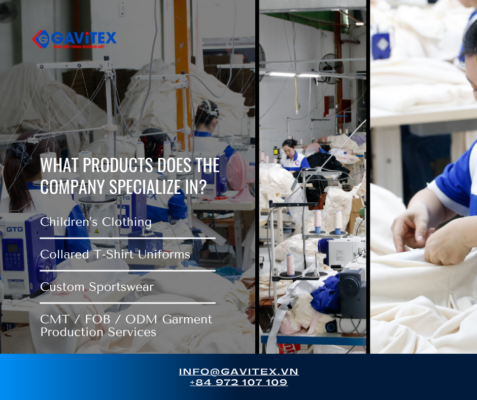
Five reasons to choose Gavitex for brand-manufacturer collaboration
1. Strategic thinking, not just factory capacity
Gavitex approaches brand-manufacturer collaboration with a strategic mindset. Teams look at your assortment, region mix, and channel strategy before discussing units. They help structure programs into basics, volume drivers, and hero products, and then design industrial solutions for each layer. This way, you gain a partner who thinks beyond the next order and helps you shape a long-term roadmap for garment manufacturing.
2. Deep technical background across product types
After many years as an OEM clothing manufacturer, Gavitex has accumulated strong know-how in jersey, woven, outerwear, and more specialised categories. When this technical base is combined with true brand-manufacturer collaboration, the result is a factory that can support both your daily bread-and-butter lines and your most ambitious custom clothing production projects, without losing control of quality or lead time.
3. Realistic flexibility for brands of different sizes
Some partners bring high volumes; others want curated capsules or regional pilots. Gavitex designs brand-manufacturer collaboration models that fit each situation. Larger brands may anchor entire categories at Gavitex, while smaller or younger labels might start with a few carefully chosen programs. As trust grows, the partnership can expand. This flexibility makes it easier to move from opportunistic buying to a more coherent supply strategy.
4. Clear communication and single-point ownership
Every client is supported by dedicated merchandisers and project leaders who coordinate development, materials, clothing production lines, and shipments internally. Because information flows through defined channels, problems are surfaced early and discussed constructively. Regular check-ins and season reviews are built into the brand-manufacturer collaboration model, so both sides stay aligned on goals, risks, and upcoming opportunities.
5. Long-term commitment to continuous improvement
Finally, Gavitex invests in improving systems, people, and technology over time. Efficiency projects, quality upgrades, and digital tools are implemented in ways that directly support brand-manufacturer collaboration. As your brand grows, you benefit from these improvements without having to build factories yourself. This long-term commitment turns Gavitex from a simple vendor into a core part of your competitive advantage.
Market insight – who benefits most from brand-manufacturer collaboration?
Client segments and typical priorities
The brands that gain most from strong brand-manufacturer collaboration are those that need both creativity and reliability. Premium lifestyle labels require perfect fits and finishes. Retail groups depend on high-performing private label apparel. Digital-first brands look for speed and transparency. Workwear and uniform specialists need rock-solid performance and repeatability. All of these segments can use collaboration with Gavitex to stabilise quality, control cost, and accelerate growth.
Colorful chart – collaboration focus by segment
The chart below summarises how different segments typically approach brand-manufacturer collaboration with Gavitex.
| Client segment | Primary product focus | Main collaboration priority |
|---|---|---|
| Premium fashion & lifestyle brands | Tailored and casual garment manufacturing | Consistent fits, refined finishes, aligned brand-manufacturer collaboration. |
| Retail groups & chains | Core private label apparel, seasonal ranges | Capacity, on-time delivery, and compliance. |
| Digital-first and D2C labels | Agile drops, data-led custom clothing production | Short lead times, transparent costing, flexible MOQs. |
| Workwear & uniforms | Durable, high-consistency lines | Robust quality, testing, and stable long-term brand-manufacturer collaboration. |
Indicative pricing – how brand-manufacturer collaboration improves total cost
Beyond unit price: total cost of ownership
Many brands initially focus on unit price, but true savings come from total cost of ownership. Strong brand-manufacturer collaboration with Gavitex helps reduce returns, late deliveries, and emergency airfreight, while stabilising margins. Vietnam’s cost base, combined with efficient clothing production lines, means that FOB levels are often 35–45% lower than similar garments produced in high-cost regions, even before considering hidden savings.
Colorful comparison table – illustrative FOB ranges
The examples below are indicative only, based on typical fabrics and commercially reasonable quantities. Final prices will depend on your specific program, but the pattern shows how structured brand-manufacturer collaboration can reshape your cost base.
| Garment type | FOB in high-cost market | Indicative FOB with Gavitex | Approximate saving |
|---|---|---|---|
| Premium jersey T-shirt | 14 – 18 USD | 8 – 11 USD | ≈ 35–40% |
| Casual chino trouser | 26 – 32 USD | 15 – 19 USD | ≈ 35–45% |
| Tailored blazer | 60 – 75 USD | 33 – 45 USD | ≈ 40–45% |
When you combine FOB advantages with fewer mistakes, smoother garment manufacturing, and reliable delivery, brand-manufacturer collaboration becomes a key financial lever – not just an operational decision.
FAQ about brand-manufacturer collaboration with Gavitex
1. What makes brand-manufacturer collaboration different from a normal supplier relationship?
In a normal supplier relationship, the factory often receives tech packs, negotiates price, and delivers goods without much context. In a true brand-manufacturer collaboration, both sides share responsibility for long-term success. The brand provides insight into customers, channels, and pricing strategy; the manufacturer like Gavitex contributes technical expertise, capacity planning, and ideas for industrial optimisation. Together, you define fit standards, fabric platforms, and quality benchmarks, and you review performance after each season. This shared approach makes it easier to manage complexity, expand into new categories, and keep garment manufacturing aligned with brand identity as the business grows.
2. How can a growing brand start collaborating with Gavitex?
The best way to begin a brand-manufacturer collaboration with Gavitex is to start focused and realistic. Many brands select a limited program – for example a jersey line, a denim capsule, or a set of key styles – and share clear information: target volumes, price expectations, launch windows, and positioning in the assortment. Gavitex reviews this data and proposes a collaboration roadmap, including sampling, test production, and possible material platforms. After a few cycles, performance data and experience help fine-tune the model. From there, you can gradually extend the relationship to more categories or regions, building a scalable industrial base instead of juggling many short-term suppliers.
3. What if we already work with other factories – can we still benefit?
Yes. brand-manufacturer collaboration does not require you to abandon existing suppliers immediately. Many brands use Gavitex as a strategic anchor factory for sensitive or high-potential categories while gradually upgrading the rest of their network. For example, you might consolidate core private label apparel or more complex custom clothing production with Gavitex, while maintaining simpler programs elsewhere. As collaboration deepens and benefits become visible – better quality, smoother deliveries, clearer communication – some brands choose to shift additional categories to Gavitex to gain even more stability and leverage.
4. How does Gavitex protect our intellectual property and sensitive data?
IP protection is a core element of responsible brand-manufacturer collaboration. Gavitex works under clear manufacturing agreements and non-disclosure commitments that recognise your ownership of designs, patterns, logos, and other brand elements. Sensitive documents are shared with designated teams, and branded materials such as labels and packaging are stored in controlled areas with strict issuing procedures. Traceability systems link materials and finished lots to specific orders, which supports control and transparency. Combined with compliance routines and quality checks, this structure safeguards your brand image while still allowing efficient garment manufacturing and development work at scale.
5. Is brand-manufacturer collaboration suitable for both fashion and non-fashion segments?
Absolutely. While the language often comes from fashion, a strong brand-manufacturer collaboration model is equally relevant for lifestyle, workwear, uniforms, and other textile-based industries. Any organisation that depends on consistent quality, reliable delivery, and clear identity can benefit from a deeper partnership with a producer like Gavitex. The details will differ – a fast fashion label might prioritise speed and flexibility, while a uniform supplier focuses on durability and compliance – but the underlying principles remain the same. Shared goals, transparent communication, and aligned processes make your supply base more resilient and your offer more compelling for end customers.
Start your brand-manufacturer collaboration journey with Gavitex
If you are ready to move beyond short-term, price-only sourcing and turn production into a real competitive advantage, Gavitex is ready to help. With disciplined garment manufacturing in Vietnam, experienced teams, and a clear focus on brand-manufacturer collaboration, the company can support you from first sketch to final shipment.
Share your key products, target markets, and growth ambitions, and explore how a collaboration model – up to and including a
brand-manufacturer collaboration
framework or even a tailored
brand-exclusive garment factory
setup – can stabilise your supply chain and free your team to focus on brand building.
Hotline / WhatsApp: 0972107109 (international: +84 972107109)
Call now to discuss your first project and discover how structured brand-manufacturer collaboration with Gavitex can support the next stage of your brand’s growth.