
Bulk Textile Manufacturing Partner for Global Fashion Brands | Gavitex
When your styles move from sampling to thousands of meters of fabric and tens of thousands of garments, the old way of buying fabric here and sewing there stops working. You need a strategic partner in bulk textile manufacturing who understands both material engineering and finished product realities. Gavitex in Vietnam combines fabric sourcing, yarn and fabric know-how, and modern garment manufacturing capabilities to turn your ideas into scalable, profitable programs.
From mass-market T-shirts to technical workwear, from private label apparel to branded collections, Gavitex is set up to deliver reliable bulk textile manufacturing and downstream custom clothing production under one coordinated project team. This gives brands, retailers, and sourcing offices a single point of control across material and garment flows.
Call for consultation & Get a quick quote
Contents
- 1. Understanding bulk textile manufacturing in today’s supply chain
- 2. Core features and value of bulk textile manufacturing with Gavitex
- 3. Bulk textile manufacturing vs small-batch apparel production
- 4. Capacity, technology and processes at Gavitex
- 5. Legal assurance & brand confidentiality
- 6. Five reasons to choose Gavitex for bulk textile manufacturing
- 7. Market trends & colorful demand chart
- 8. Sample pricing table & savings
- 9. FAQ about bulk textile manufacturing with Gavitex
- 10. Contact Gavitex & start your project
1. Understanding bulk textile manufacturing in today’s supply chain
1.1 What bulk textile manufacturing really means for brands
In simple terms, bulk textile manufacturing is the ability to turn yarns and fibers into large volumes of fabrics that are consistent in shade, handfeel, performance, and availability over time. For fashion brands and retailers, this is the foundation on which reliable garment manufacturing and clothing production lines are built. Without stable fabrics, it is almost impossible to keep sizes, colors, and silhouettes aligned from one delivery to the next.
Gavitex focuses on linking upstream fabric decisions with downstream custom clothing production. Instead of treating fabric as a separate purchase, we view bulk textile manufacturing as a strategic lever to control cost, quality, and speed in the entire product lifecycle.
1.2 Why Vietnam is a strategic hub for bulk textile manufacturing
Vietnam has become one of the most dynamic textile and apparel hubs in the world. Mills, knitters, dye houses and factories form a dense ecosystem that supports efficient bulk textile manufacturing and downstream assembly. Gavitex leverages this ecosystem to offer flexible sourcing of yarns and fabrics, access to specialized finishes, and competitive pricing for global customers.
By partnering with Gavitex and its network, you can consolidate fabric and garment needs into one coordinated plan. For some brands, this includes collaboration with a Vietnam sourcing office or partners like Vietnam garment sourcing partner GOCY to synchronize material booking, compliance, and logistics.
1.3 How Gavitex positions itself in bulk textile manufacturing
Gavitex was built as a hybrid between a fabric-driven and garment-driven organization. We understand how fiber blends, yarn counts, knitting and weaving parameters affect shrinkage, drape and performance in private label apparel. At the same time, we operate modern clothing production lines able to transform these fabrics into ready-to-ship products.
To learn more at any time, you can also explore our dedicated page about bulk textile manufacturing solutions for international brands.
2. Core features and value of bulk textile manufacturing with Gavitex
2.1 Consistent materials at industrial scale
In bulk textile manufacturing, the biggest enemy of brands is inconsistency: one shipment that feels softer, another that shrinks differently, another that does not match in color. Gavitex tackles this by defining clear fabric standards for each program and aligning mills around those standards. Shade bands, shrinkage parameters, and physical tests are agreed in advance and monitored during production.
This means your garment manufacturing teams can focus on fit and silhouette, rather than constantly firefighting fabric problems. Over time, the result is less rework, fewer complaints, and a more stable perception of your brand quality in the market.
2.2 Integration with garment manufacturing and clothing production lines
While some suppliers only sell fabrics by the roll, Gavitex connects bulk textile manufacturing directly to cutting rooms and clothing production lines. Fabric width, lay plans, and shrinkage are considered when planning marker efficiency and size sets. This integrated thinking is particularly important for large programs produced under an OEM clothing manufacturer model.
For example, when we run a long-term T-shirt program, the same fabric quality is used for multiple colors and fits. This allows us to reserve greige and dye to forecast, shorten lead times, and lower cost per piece across your custom clothing production pipeline.
2.3 Cost optimization and responsible sourcing
Large-volume bulk textile manufacturing makes it possible to negotiate better yarn and fabric prices, streamline dyeing and finishing, and reduce wastage in cutting. Gavitex studies each program to propose constructions, GSM ranges, and finishes that balance price, performance, and sustainability expectations.
For brands with environmental goals, we can explore options such as organic cotton, recycled polyester, or blended yarns that reduce impact without compromising the economics of private label apparel. Because textile and garment decisions are taken together, trade-offs are transparent instead of hidden in separate supply chains.
Value summary of bulk textile manufacturing with Gavitex:
- Stable fabrics for long-running programs and repeat orders.
- Integrated planning from yarn to finished garments.
- Optimized costs through scale and better material utilization.
- Options for responsible fibers and finishes that fit your brand story.
3. Bulk textile manufacturing vs small-batch apparel production
3.1 Capacity, forecast and risk management
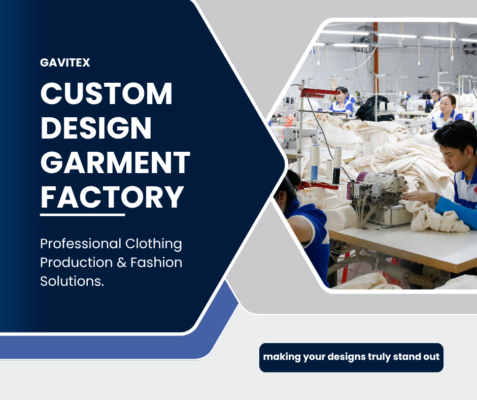
Many brands start with small studios or batch-based suppliers. This is perfect for testing silhouettes and creating limited capsules. However, as volumes grow, the lack of structured bulk textile manufacturing becomes a bottleneck. Mills prioritize bigger customers, colors are produced in small lots, and the result is unstable lead times and mixed quality.
In contrast, a partner like Gavitex, focused on bulk textile manufacturing, plans fabric demand months ahead, often based on your sales forecasts. Greige fabric can be booked and allocated for your brand, allowing flexible dyeing by color closer to delivery dates. This reduces the risk of stock-outs and late deliveries compared with purely small-batch apparel production.
3.2 Cost structure and total product economics
On paper, small-batch suppliers sometimes look cheap, especially when they do not factor in all the overheads of fabric testing, logistics, and rework. But once you account for hidden costs – late airfreight, rejected lots, high fabric wastage – the total landed cost may be far higher than working with an industrial bulk textile manufacturing partner.
Because Gavitex manages large fabric runs and clothing production lines together, we can cut lay lengths and markers for maximum efficiency, lowering cost per piece. For a brand operating through an OEM clothing manufacturer model, this difference can make or break margins when expanding into new markets.
3.3 Brand consistency and long-term growth
Customers notice when a favorite T-shirt feels different from one season to another, even if they cannot explain why. Inconsistent fabrics and fit erode trust. Industrial-scale bulk textile manufacturing makes it much easier to keep your styles consistent and to scale them to new geographies or sales channels.
Gavitex builds long-term programs that allow you to maintain core styles across seasons while layering on new colors, prints and limited drops. Compared with small-batch approaches, this gives you a stronger base for growth and a more robust platform for private label apparel or branded programs sold through retail and e-commerce.
4. Capacity, technology and processes at Gavitex
4.1 Scalable capacity for fabrics and garments
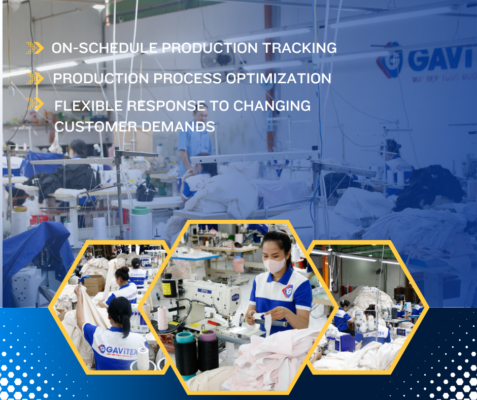
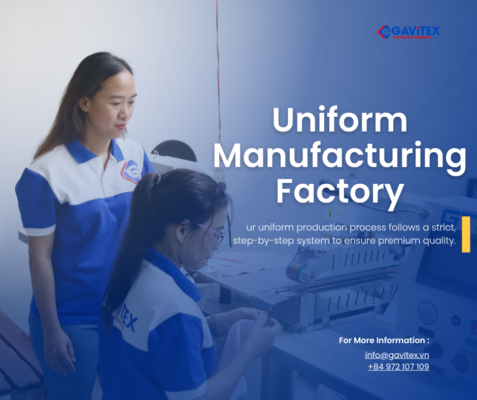
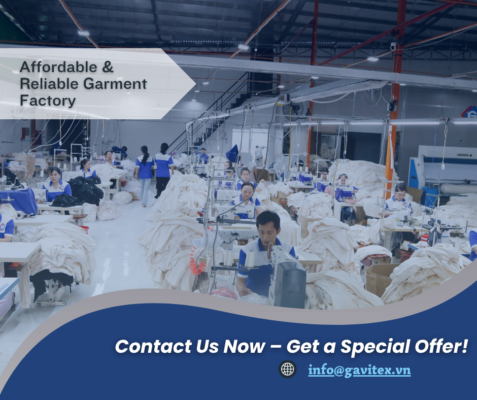
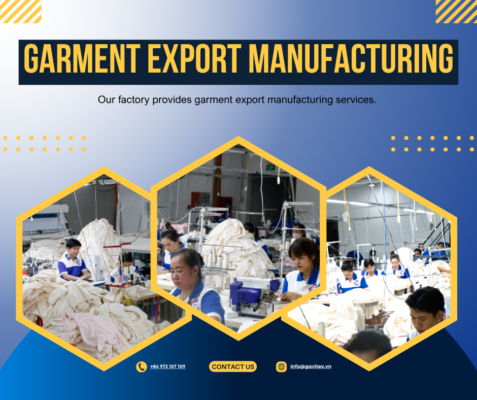
Gavitex operates as a coordinated hub, connecting mills, dye houses and our own garment manufacturing facilities. For each program, we design a capacity roadmap that starts at bulk textile manufacturing and ends at finished cartons. This may include reserved greige capacity, nominated dyeing partners, and dedicated clothing production lines in our sewing plants.
Volumes can range from several thousand to hundreds of thousands of pieces per season. Because capacity is mapped across the full chain, we can scale up or down with less disruption than isolated suppliers, while keeping quality standards stable.
4.2 Technology and automation supporting bulk textile manufacturing
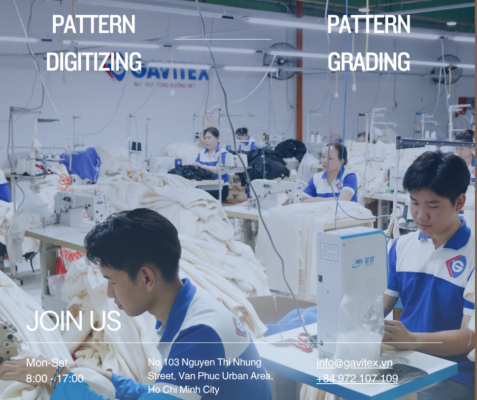
We combine proven machinery with modern tools. Automatic spreaders and cutting tables ensure that fabrics produced through bulk textile manufacturing are used efficiently, with less wastage and better alignment. Pattern systems and grading tools help maintain consistent measurements across sizes and reorders.
On the fabric side, mills in our network use controlled dyeing recipes and finishing processes to maintain consistency. Lab dips and bulk approval swatches are documented so that every new order can be checked against clear standards. This is critical when running long-term custom clothing production for global brands.
4.3 Process control and quality assurance
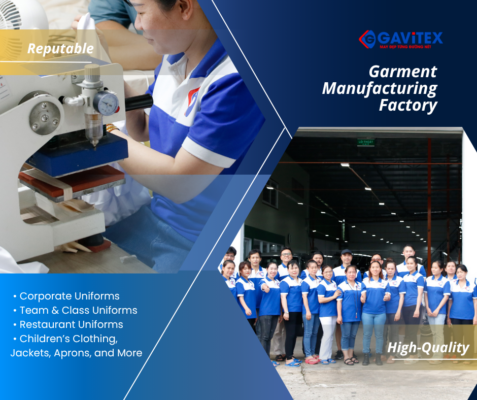
Quality is built into the process rather than checked only at the end. Gavitex sets control points at fabric inspection, cutting, sewing, and finishing. Shade, weight, and physical properties coming out of bulk textile manufacturing are verified before fabric is released to cutting. During sewing, inline QC teams monitor workmanship and measurements.
For certain customers, we integrate their own requirements – such as specific test protocols or brand audit standards – into our operating procedures. This combination of textile and garment controls is what gives our clients confidence to place repeat orders and multi-season programs.
5. Legal assurance & brand confidentiality in bulk textile manufacturing
5.1 Clear contracts and commercial framework
When you place large orders and rely on bulk textile manufacturing for your main styles, trust must be supported by clear agreements. Gavitex works under written contracts that define commercial terms, quality expectations, tolerances, and dispute resolution mechanisms. This gives both sides a stable framework for long-term cooperation.
For brands working through an OEM clothing manufacturer model, we also align on responsibilities towards your end customers, including delivery windows, compliance obligations, and specific documentation needed for customs or retailers.
5.2 NDA, data protection and confidential handling of assets
Your designs, fabric recipes, labeling, and supplier lists are valuable assets. Gavitex signs non-disclosure agreements upon request covering tech packs, measurements, fit blocks, and any proprietary information shared. Internally, access to your brand data related to bulk textile manufacturing and custom clothing production is restricted to teams working directly on your projects.
Digital files are stored in controlled systems, while physical samples and counter-samples are archived or destroyed according to agreed policies. This approach minimizes the risk of confidential information leaking into the wider market.
5.3 Label, packaging and brand protection
Branded labels, heat transfers, hangtags and packaging are handled in designated areas. Surplus branded materials from bulk textile manufacturing and garment programs are either stored securely for next orders or destroyed, depending on your policy. This helps prevent unauthorized sales or misuse of your brand identity.
We also respect your pricing and channel strategies. Gavitex does not divert stock into parallel markets. Our role is to deliver high-quality products as your manufacturing partner, not to compete with you in any commercial channel.
6. Five reasons to choose Gavitex for bulk textile manufacturing
6.1 Competitive cost and clear savings
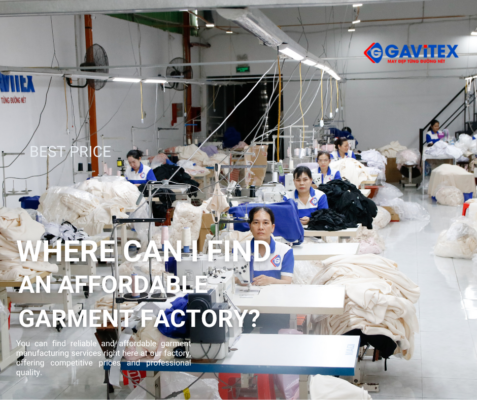
By operating in Vietnam and coordinating bulk textile manufacturing with efficient garment manufacturing, Gavitex can often deliver end products 35–45% below many alternative supply routes. We achieve this through scale, improved material utilization, and realistic overhead calculations rather than shortcuts that would damage quality.
6.2 Integrated textile–garment know-how
Many vendors are strong either in fabrics or in finished garments, but not both. Gavitex bridges this gap. Our team understands how yarn choices and fabric constructions translate into cutting efficiency, sewing methods and fit. This integrated view is especially useful for private label apparel and brands expanding across multiple product categories.
6.3 Speed and responsiveness
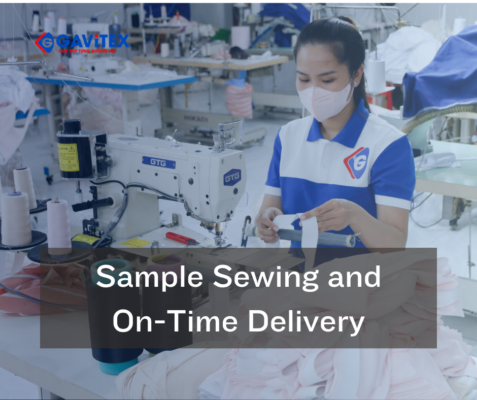
Once standards are in place, our bulk textile manufacturing partners can quickly replenish greige and dye new colors, while our sewing lines adjust to your sales trends. We can arrange partial shipments, top-ups, and fast-track orders when you have winners that need immediate replenishment.
6.4 Partnership mindset and transparency
Gavitex positions itself as a long-term partner, not a spot supplier. You receive clear visibility on fabric and garment status, potential risks, and mitigation plans. If a particular shade, finish or accessory presents difficulties, we share options proactively so your merchandising and sourcing teams can take informed decisions.
6.5 Proven experience in B2B manufacturing
Our clients include brands, retailers, wholesalers and companies using a full OEM clothing manufacturer approach. We are used to working with technical files, compliance lists, and complex packing instructions. The combination of bulk textile manufacturing, organized clothing production lines, and clear communication is what keeps these clients returning season after season.
7. Market trends & colorful demand chart
7.1 How demand for bulk textile manufacturing is evolving
Demand for bulk textile manufacturing is shifting as brands balance core programs with faster fashion cycles. Long-running basics and uniforms still rely on large, stable fabric orders, while seasonal capsules and collaborations require smaller, more varied runs. Gavitex supports this reality by combining high-volume fabrics for basics with flexible options for trend-driven items.
The chart below illustrates a typical distribution of demand segments handled by a partner like Gavitex, mixing core, seasonal and specialized custom clothing production.
Illustrative demand segments in bulk textile manufacturing
35%
25%
18%
12%
10%
A diversified mix of segments helps Gavitex keep bulk textile manufacturing and sewing lines active throughout the year.
8. Sample pricing table & savings with Gavitex
8.1 Market benchmarks vs Gavitex offer
While every program needs a tailored offer, the table below gives indicative comparisons between typical market prices and Gavitex prices when bulk textile manufacturing and garment production are combined. The examples demonstrate how brands can often achieve 35–45% savings while maintaining or improving quality.
| Program type (fabric + garment) | Average market price (USD / piece) |
Gavitex price with bulk textile manufacturing (USD / piece) |
Saving vs market |
|---|---|---|---|
| Cotton jersey T-shirt, 180gsm (core program) | 3.80 | 2.25 | ≈ 41% |
| Piqué polo with collar & placket | 5.40 | 3.30 | ≈ 39% |
| Brushed fleece hoodie, 300gsm | 9.80 | 5.40 | ≈ 45% |
| Workwear pants with reinforced panels | 12.50 | 7.50 | ≈ 40% |
| Performance sports set (top & shorts, moisture-management fabric) | 15.20 | 9.60 | ≈ 37% |
These figures are indicative but show how coordinating bulk textile manufacturing and garment production through Gavitex can unlock substantial savings. Once you share your specifications, our team will prepare a detailed costing based on real fabric constructions, trims and packing requirements.
If you are also working with a bulk order clothing factory strategy, Gavitex can align textile and garment decisions so that both cost and capacity are optimized across your portfolio.
9. FAQ about bulk textile manufacturing with Gavitex
Below are answers to common questions from brands, retailers and sourcing offices exploring bulk textile manufacturing with Gavitex. Click on a question to expand the detailed explanation.
1. What minimum order quantities do you require for bulk textile manufacturing programs?
For bulk textile manufacturing, we typically work from around 5,000–8,000 meters per fabric quality and color, depending on yarn composition and machine setup. However, we look at the full picture, not only meters. If the same fabric will be used for multiple garments in your custom clothing production program – such as T-shirts, polos and sweatshirts – we can combine those needs into one larger textile run, which reduces unit costs and makes minimums easier to reach. For newer brands, we discuss realistic volumes for first seasons, then design a ramp-up plan that keeps your inventory risk under control while still unlocking the benefits of industrial garment manufacturing and consistent fabrics across styles.
2. How do you keep fabric quality consistent from one bulk production to the next?
Consistency is one of the main reasons to work with a dedicated bulk textile manufacturing partner. At Gavitex, every fabric program begins with clearly defined standards: fiber blend, yarn count, knitting or weaving structure, GSM, shrinkage limits, and test protocols. Mills produce lab dips and bulk swatches that are compared to master standards before approval. During production, we monitor key parameters such as shade, handfeel and dimensional stability, then inspect fabric lots before they move into clothing production lines. Because we also manage the downstream garment manufacturing, feedback from finished garments is fed back into fabric settings, creating a continuous improvement loop that keeps long-running programs stable across seasons.
3. Can Gavitex produce both fabric and finished garments for private label apparel?
Yes. One of our core strengths is coordinating bulk textile manufacturing with downstream private label apparel production under a single project team. For many clients, we handle everything from fabric development and testing to pattern making, grading, cutting, sewing and packing in export-ready cartons. This reduces the complexity of working with separate fabric mills, dye houses and sewing units that may not communicate well with each other. You can place orders with an integrated OEM clothing manufacturer partner, receive one consolidated status update, and rely on us to align textile and garment schedules. The result is smoother lead times, fewer surprises, and a clearer understanding of your total cost structure.
4. How long does a typical bulk textile manufacturing and garment cycle take?
Timelines vary depending on whether we are developing a new fabric or repeating an existing one, but a common pattern for bulk textile manufacturing plus garment production is around 60–90 days from fabric order to finished goods ready to ship. New developments require time for lab dips, approvals and sometimes physical testing, while repeats can move faster because standards are already in place. Within that window, we schedule fabric knitting or weaving, dyeing and finishing, inspection, cutting and sewing across our clothing production lines. For time-sensitive programs, we may overlap some steps, such as preparing trims and patterns while fabric is still in process. Our team will propose a detailed critical path once your styles and delivery windows are known.
5. What information should we prepare to get an accurate quotation from Gavitex?
To build a reliable costing for bulk textile manufacturing and garment production, we ask for tech packs or detailed sketches, including fabric type, GSM, composition, color range, sizing, and estimated volumes. Any information on performance requirements, such as pilling resistance, colorfastness or special finishes, also helps us select the right constructions and partner mills. For the custom clothing production part, we review stitching details, trims, print or embroidery placements and packaging instructions. With this information, our team models fabric consumption, cutting efficiency and sewing time on our clothing production lines. We then present a transparent quotation that highlights cost drivers and suggests options to meet your target price without compromising the quality standards your brand needs.
10. Contact Gavitex & start your bulk textile manufacturing project
As international brands grow, they need more than isolated suppliers. They need a partner that understands how bulk textile manufacturing, garment manufacturing and brand strategy work together. Gavitex offers this combination from Vietnam, serving clients across Europe, North America, Asia and beyond with reliable custom clothing production and material flows that match real market demand.
Whether you are consolidating existing suppliers, launching a new private label apparel line, or exploring new product categories, our team is ready to help. You can also review our detailed solutions for bulk textile manufacturing and related services at any time.
Next steps:
- Share your tech packs or reference samples for the styles you want to scale.
- Indicate expected volumes, target prices and preferred delivery windows.
- Discuss fabric options, finishes and packaging with the Gavitex team.
- Receive a transparent quotation leveraging bulk textile manufacturing efficiencies.
- Approve samples, confirm orders and let Gavitex manage the full production cycle.
For fast support, reach out directly via our hotline:
Hotline: 0972107109
Partnering with Gavitex means securing a dependable, knowledgeable and cost-effective ally in bulk textile manufacturing and apparel production. Share your next project with us and turn your concepts into commercially successful fabric and garment programs that delight your customers around the world.