
End‑to‑end clothing design development for modern fashion brands
From first sketch to a production‑ready tech pack, professional clothing design development is the engine behind timely launches and consistent quality. At Gavitex, we combine creative pattern engineering, materials expertise, and factory‑floor know‑how to translate ideas into garments that make commercial sense. Whether you manage a global retail program or a fast‑moving label, our team in Vietnam streamlines fit, construction, and cost decisions so your collections land on time.
As an experienced partner in garment manufacturing, we connect design decisions directly to industrial realities—marker efficiency, stitch choices, tolerances, and testing—so nothing gets lost between studio and line. Together with synchronized clothing production lines and the option to scale through an OEM clothing manufacturer model, Gavitex gives you a single, accountable path from concept to bulk.
Have sketches or a draft tech pack?
Share them and get expert feedback on fit, construction, and costing pathways.
📚Contents
- 1. What clothing design development really includes
- 2. Design development vs. pure cut‑make (CMT)
- 3. Gavitex capabilities & workflow
- 4. Legal protection & brand confidentiality
- 5. Five reasons to choose Gavitex
- 6. Market insights & colorful chart
- 7. Reference pricing (save 35–45%)
- 8. Contact Gavitex / Get a quote
- 9. Frequently asked questions
1. What professional clothing design development includes
1.1 From sketch to spec: translating creativity into engineering
Great aesthetics only become great products when they’re engineered for consistent production. In clothing design development, Gavitex converts sketches and references into robust technical assets: a master spec, graded size charts, stitch and seam maps, BOMs, and construction notes that manufacturers can execute without guesswork. We benchmark fit against your brand’s block library—or help you create one—so silhouettes feel familiar season after season.
Fabric selection and testing also live inside clothing design development. Our team evaluates shrinkage, stretch recovery, pilling, colorfastness, and hand feel, then proposes constructions and finishing that meet both the design intent and the realities of bulk sewing. When needed, we source alternatives or engineer trims so the garment achieves performance goals without inflating cost.
1.2 Fit, prototyping, and risk‑reduction loops
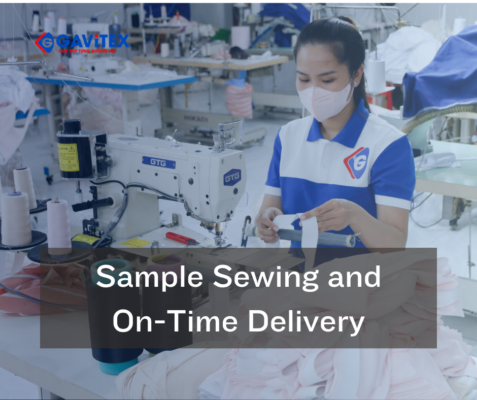
Rapid feedback cycles keep risk low. We build proto samples, review fit on live models or forms, and adjust patterns before creating sales or pre‑production samples. During clothing design development, tolerance windows are defined, critical seams are reinforced where needed, and embellishment placements are digitized for accuracy. This ensures that when your styles hit the line, there are no surprises that cause rework or delays.
1.3 Value for brands of every size
For enterprise retailers, formalized clothing design development protects brand DNA across product families and vendors. For growth‑stage labels, it unlocks access to industrial custom clothing production without the overhead of an in‑house technical team. Either way, you get clarity on cost drivers, lead‑time levers, and quality risks—insights that pay for themselves across seasons.
2. Clothing design development vs. CMT (cut‑make‑trim) only
2.1 How a CMT‑only approach works
In a CMT model, a factory sews based on whatever you provide: fabrics, trims, and tech packs. If your specifications are light, operators and supervisors must interpret details on the fly. The result can be inconsistency, longer ramp‑up, and post‑production fixes. CMT can suit experienced brands with airtight spec systems, but it leaves little margin for ambiguity.
2.2 Why clothing design development changes the outcome
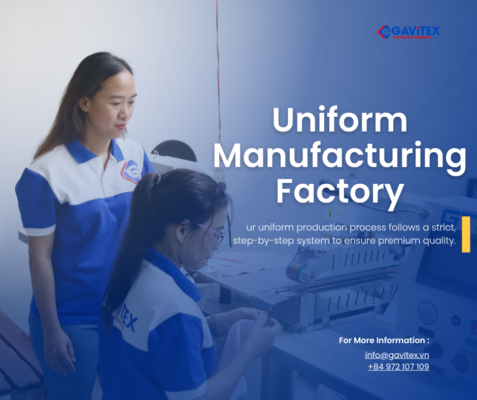
By contrast, a structured clothing design development phase eliminates ambiguity before bulk. It defines seam allowances, SPI targets, stitch types, pressing steps, and testing protocols; it codifies workmanship standards with photos and sketches; and it establishes a clear sample approval ladder. When the style hits synchronized clothing production lines, operators follow repeatable methods, inline checks catch defects early, and efficiency stabilizes faster.
2.3 The bottom line for decision makers
- Cost control: Clear specs and proven construction reduce rework and claim rates, protecting margin.
- Speed: Fewer back‑and‑forths during bulk; lines reach target output sooner.
- Brand consistency: Fit and finish remain stable across colors, vendors, and seasons.
That’s why many buyers pair development with disciplined execution at an clothing assembly services partner for a seamless hand‑off.
3. Gavitex capabilities for clothing design development
3.1 Integrated studio-to-factory workflow
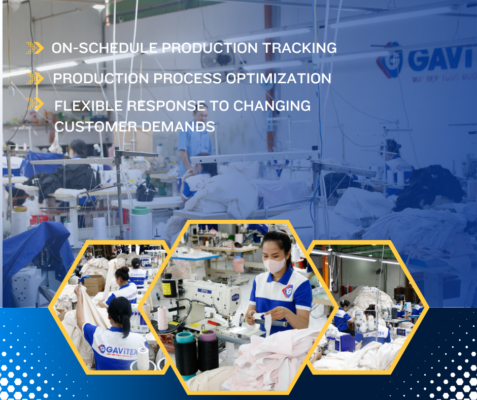
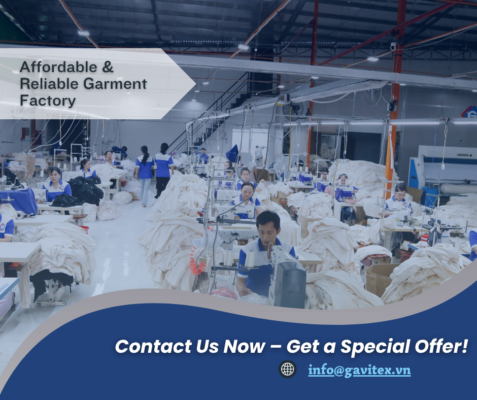
Gavitex connects a product studio with a structured manufacturing floor. Designers, pattern engineers, and industrial engineers collaborate so clothing design development decisions translate directly into line layouts and machine selections. For knits and wovens alike, our teams prepare stitch libraries, seam libraries, and finishing standards to ensure repeatability at scale.
3.2 Technology stack and sample rooms
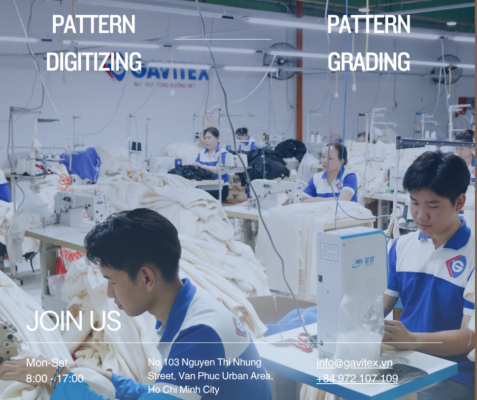
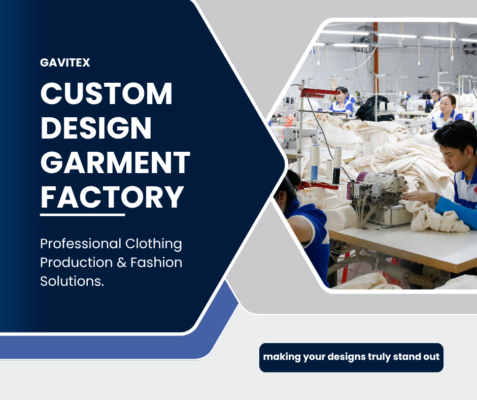
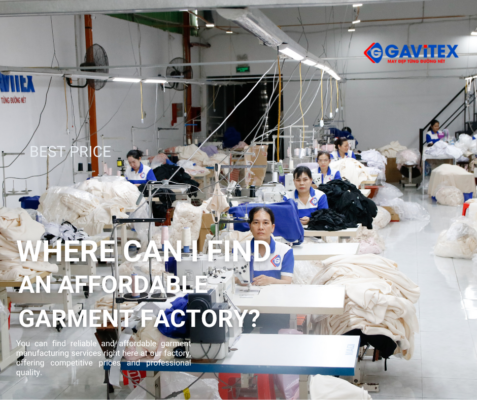
Digital pattern systems, 2D grading, and marker planning sit beside specialized machines—auto pocket setters, buttonhole and bartack units, seam sealing for technical outerwear, and accurate cutting. This toolkit supports both high‑volume basics and complex prototypes. It means your OEM clothing manufacturer can move from concept to pilot lines quickly while keeping data intact.
We also maintain focused modules for private label apparel and custom clothing production, where short runs, new silhouettes, or unusual fabrics require closer engineering attention. These modules operate within the same quality framework as our bulk lines but allow faster iteration.
3.3 Process map from intake to PP sample
- Brief intake: design intent, target FOB, hand‑feel, and testing goals.
- Pattern & spec: blocks, measurements, tolerances, seam & stitch maps.
- Proto & fit: rapid samples; adjustments captured in controlled revisions.
- BOM & sourcing: fabric/trims validated; alternatives proposed when needed.
- Pre‑production: PP sample signs off the approved method of make and workmanship.
Throughout, teams share progress transparently. That’s one reason brands choose a single partner who can develop and then execute inside the same ecosystem—Gavitex.
4. Legal clarity & brand protection within clothing design development
4.1 Contracts that define responsibilities
Every substantial engagement starts with a written manufacturing and development agreement outlining responsibilities for quality, sampling timelines, change management, and claims. When clothing design development sits under this framework, expectations are explicit: artwork usage, pattern ownership, testing protocols, and escalation paths are documented so both sides move faster.
4.2 NDA, data security, and sample custody
Gavitex signs NDAs covering sketches, blocks, digitized patterns, and brand assets. Digital files are stored on secure servers with access limited by role; physical patterns and salesman samples are tagged and stored in controlled rooms. Development samples generated during clothing design development are segregated from bulk materials to prevent leaks before launch.
4.3 Intellectual property and audit support
Your IP stays yours. Our agreements confirm non‑reuse of patterns, prints, or trims across accounts. For retailers requiring audits, we support social, safety, and environmental reviews as part of responsible garment manufacturing. Traceability for fabric and trims can be maintained when programs need documented chain of custody.
Brand protection checklist at Gavitex:
- Signed NDA for each major program.
- Controlled access to digital and physical patterns.
- Documented return or destruction of obsolete samples.
- Clear ownership and usage rules for prints, artwork, and trims.
5. Five reasons to choose Gavitex for clothing design development
5.1 Technical depth that shortens the path to “right first time”
Our pattern engineers, sewing technicians, and industrial engineers speak the same language. This reduces translation errors and accelerates approvals. The payoff: fewer mid‑production changes and a smoother jump from PP to bulk.
5.2 Cost clarity without cutting corners
Because clothing design development is tied directly to the factory floor, we price with real cycle times and construction choices in mind. That enables competitive, transparent quotes—and real savings when methods are optimized.
5.3 Flexibility for basics and innovation
Stable lines handle evergreen programs; dedicated modules support experimentation for private label apparel and custom clothing production. You can test new shapes, fabrics, or finishes while protecting your core replenishment business.
5.4 Communication that reduces uncertainty
You’ll work with a dedicated merchandiser and development lead who keep your team updated on milestones, risks, and decisions. Structured reports give visibility on where each style sits in the path from brief to PP to ship.
5.5 A long‑term partner mindset
Gavitex invests in learning your fit philosophy and quality language so each season moves faster than the last. As we progress toward greener operations, you also gain an industrial ally committed to continuous improvement.
6. Market insights and colorful chart
6.1 Why development capacity matters now
Shorter seasons, omni‑channel launches, and higher testing standards are pushing brands to front‑load precision. Investing in clothing design development reduces late‑stage fire‑fighting, prevents waste, and stabilizes lead times. It’s not a cost center; it’s a margin‑protection tool.
6.2 Where Gavitex typically deploys development effort
The chart below illustrates an indicative distribution of our development hours by customer type. It varies by season but shows how we balance established retail programs with emerging labels that need intensive support.
7. Reference pricing for development & indicative FOB savings
7.1 How pricing is structured
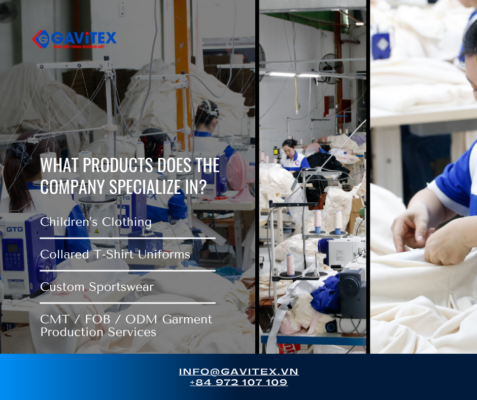
Development is scoped by category complexity, sampling rounds, and required testing. Because our clothing production lines are optimized, downstream FOBs often land 35–45% below typical market levels for comparable export quality. Below is an indicative view for common items.
Illustrative FOB comparison (per piece, USD)
| Product type | Market average range | Gavitex indicative price | Estimated saving |
|---|---|---|---|
| Basic cotton T‑shirt | $2.90 – $3.30 | $1.70 – $1.95 | ≈ 40% lower |
| Knitted polo shirt | $4.10 – $4.80 | $2.40 – $2.90 | ≈ 40–45% lower |
| Fleece hoodie | $7.20 – $8.20 | $4.30 – $4.90 | ≈ 35–40% lower |
| Denim jeans | $9.20 – $10.80 | $5.40 – $6.40 | ≈ 35–40% lower |
| Sports leggings | $6.60 – $7.70 | $3.90 – $4.50 | ≈ 40% lower |
| Corporate shirt (woven) | $7.60 – $8.60 | $4.30 – $5.10 | ≈ 35–45% lower |
| Workwear jacket | $16.20 – $18.20 | $9.70 – $11.10 | ≈ 35–40% lower |
Numbers are indicative. Share your tech packs for a precise quote from Gavitex clothing design development & production teams.
8. Work with Gavitex
8.1 What to prepare
Send sketches, reference samples, mood boards, or existing packs; include target FOBs, launch dates, and volumes. We’ll map a clothing design development plan and guide materials/testing choices that fit your business case.
8.2 Where to learn more
Explore our service page for assembly execution here: clothing assembly services. For this topic specifically, visit our detailed page: clothing design development. We also collaborate with Vietnam partners such as garment manufacturing specialists to scale categories when needed.
Ready to brief your next collection?
Hotline (Vietnam): 0972107109
9. Frequently asked questions
1. What deliverables are included in Gavitex clothing design development?
A complete package typically includes a master tech pack (style summary, materials, trims), graded size charts, tolerances, stitch and seam maps, construction notes, measurement methods, labeling instructions, and a BOM. Depending on category, we add testing plans (e.g., shrinkage, colorfastness), printing/embellishment placements in vector or high‑resolution formats, and packaging specs. You also receive a clear sample ladder—proto, fit, salesman, and pre‑production (PP)—with documented approvals. The goal is simple: when bulk starts, operators can execute without guesswork, and your brand can scale across vendors if needed.
2. How does development reduce total cost and lead time?
Upfront engineering identifies the cheapest way to achieve the intended look and performance. During clothing design development, we optimize seam types, SPI, and attachments so cycle times drop without hurting quality. Marker efficiency improves via smarter pattern shapes and shrink allowances, while inline checklists prevent late rework. Because ambiguity is removed early, lines reach steady output sooner, samples require fewer revisions, and logistics planning becomes predictable. Over a full season, those savings outweigh the development effort many times over.
3. Can Gavitex help with both basics and fashion‑forward pieces?
Yes. Our process scales. For basics, we leverage block libraries and proven construction methods to move quickly and keep costs low. For fashion‑forward or technical items, clothing design development adds deeper prototyping and testing to de‑risk novelty—bonded seams, laser cut edges, performance knits, or garment‑wash effects. Dedicated modules for custom clothing production allow smaller runs to iterate without disturbing high‑volume lines, so you can explore new aesthetics while maintaining reliable core programs.
4. How is confidentiality handled during development?
We sign NDAs covering all creative and technical assets. Digital files are stored with role‑based access; physical patterns and samples are housed in controlled rooms. Salesman samples and prototypes produced during clothing design development are segregated from bulk stock to reduce visibility. Our contracts confirm that your patterns, prints, and trims are your property and will not be reused for other accounts. If required, we follow documented return or destruction procedures at end‑of‑life for a style.
5. What information should my team send to get started?
Share any sketches, references, or existing packs, plus target audience, price points, delivery window, and initial volumes. If you have brand blocks or fit notes, include them. We’ll propose a clothing design development plan with milestones and sampling rounds. If you also need production, we’ll map the hand‑off to our synchronized clothing production lines so your styles flow from PP to bulk without a fresh learning curve—ideal if you want an integrated OEM clothing manufacturer solution.