Custom Clothing Contracts: Secure, Scalable Production | Gavitex
Built for international brands, retailers, and startups who want reliable production, consistent quality, and strong brand protection.
If you’re evaluating custom clothing contracts, you’re not just buying garments—you’re securing a repeatable system: predictable costs, stable lead times, protected designs, and consistent fit.
The right contract turns production from “hope it works” into “we know what happens next.”
- Brand protection first: NDA, sample control, and anti-leak workflows.
- Production clarity: measurable KPIs, QC checkpoints, and delivery milestones.
- Scale-ready: from pilot drops to repeat bulk runs using clothing production lines.
- What custom clothing contracts really include
- Features, characteristics & value for B2B buyers
- Comparison: custom clothing contracts vs open-market sourcing
- Market snapshot (multi-color bar chart)
- Production capability: scale, process, technology
- Legal framework & brand confidentiality
- Pricing table: below-market quote guidance
- 5 reasons to choose Gavitex
- FAQ (expand to read)
- Get a quote / Contact Gavitex
What Custom Clothing Contracts Really Include
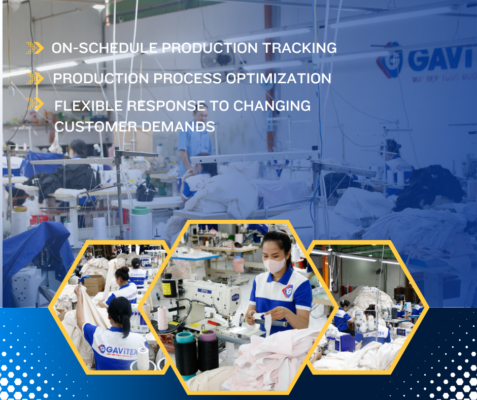
A contract is a production system—written down
In modern garment manufacturing, the difference between a smooth season and a stressful one often comes down to one document: custom clothing contracts. A strong contract does more than confirm your order. It defines what “success” looks like—fabric standards, pattern ownership, QC checkpoints, delivery milestones, and what happens when reality changes (material delays, size-range updates, or design revisions). For B2B buyers, custom clothing contracts are a way to lock clarity into the relationship so teams on both sides can execute with confidence.
Typical scope sections you should expect
Well-built custom clothing contracts typically include: (1) product specifications tied to a tech pack, (2) fabric and trim approval standards, (3) sampling stages and sign-off rules, (4) production planning with measurable lead times, (5) quality metrics and inspection points, (6) packaging, labeling, and compliance requirements, and (7) pricing and payment terms. When these parts are written precisely, both brand and factory can plan the right clothing production lines, allocate skilled operators, and reduce rework.
How contracts support repeat orders and scaling
Brands rarely want one-and-done production. They want repeatable consistency: the same fit, the same shade, the same stitch quality—across seasons and reorder cycles. That’s why custom clothing contracts should define how patterns are stored, how approved samples are referenced, and how changes are documented. With the right structure, your next drop becomes faster and safer, because the factory is following a validated playbook for custom clothing production, not reinventing the workflow every time.
Features, Characteristics & Value for B2B Buyers
Why brands use contracts instead of “simple POs”
A purchase order is a transaction. custom clothing contracts are relationship infrastructure. They’re designed for complex production—multiple colors, size grading, multiple fabrics, strict tolerance ranges, and brand-sensitive details like trims, embroideries, or special washes. When you’re building private label apparel for retail shelves or DTC launches, you can’t afford ambiguity. The contract converts ambiguous conversations into measurable commitments: exact bill of materials, test requirements, and a defined acceptance process.
Key features you should insist on (and why they matter)
- Specification lock: ties custom clothing contracts to a tech pack and approved sample set, reducing interpretation errors.
- Sampling roadmap: defines proto, fit, PP sample, and TOP sample steps, so your team knows when feedback is “final.”
- Material approval rules: ensures fabric hand-feel, GSM, color fastness, shrinkage, and shade bands are agreed before bulk.
- QC checkpoints: in-line, end-line, and final inspections with measurable AQL or defect thresholds.
- Delivery milestone planning: protects launch dates with pre-defined cut-off times for changes.
- Escalation & remedy: what happens if lead times shift, defects appear, or packaging deviates from spec.
The real value: predictable cost, time, and brand integrity
The top reason international buyers invest in custom clothing contracts is predictability. Predictable cost means fewer surprise charges for trims, labeling, or rework. Predictable time means a stable path from approved sample to cutting, sewing, finishing, and packing along organized clothing production lines. Predictable brand integrity means consistent sizing and appearance so your reviews, returns, and customer trust stay healthy. That’s why custom clothing contracts are often the “invisible product” behind the visible product.
At Gavitex, we treat custom clothing contracts as a shared management tool. The contract is supported by factory SOPs: sample tracking, material traceability, QC reports, and shipment documentation. For brands who want a partner—not just a supplier—this is the difference between scrambling and scaling.
Comparison: Custom Clothing Contracts vs Open-Market Sourcing
The “open-market” model: flexible, but risky
Many buyers start with open-market sourcing: you find a factory, request a quote, place an order, and hope the relationship stays stable. This model can work for basic items or one-off needs, but it often struggles when you’re building a brand. Without custom clothing contracts, sampling timelines can drift, materials can be substituted without proper sign-off, and quality disputes become harder to resolve. Open-market sourcing also increases the chance of miscommunication when you’re coordinating multiple stakeholders (design, merchandising, compliance, logistics).
Contract-based production: structured freedom
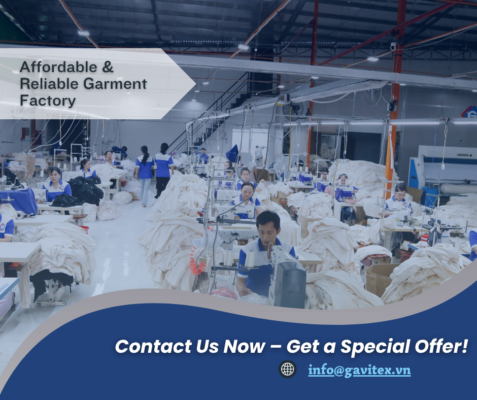
In contrast, custom clothing contracts create a shared “rulebook” that keeps flexibility while protecting outcomes. You still have room for changes—color updates, revised labels, improved fit—but those changes follow a defined process and timeline. When you integrate custom clothing contracts with professional clothing production lines, you gain stable planning and consistent operator training, leading to fewer defects and faster repeat orders.
Easy decision guide for B2B buyers
- Fast to start, minimal paperwork
- Works for simple items or limited runs
- Higher risk for quality, timing, and consistency
- Harder to protect patterns and brand details
- Clear process for sampling and approvals
- Better for scaling and reorder stability
- Defined QC, packaging, compliance standards
- Built-in brand confidentiality for custom clothing production
If your goals include stable sizing, reliable restocks, and long-term margin control, custom clothing contracts tend to outperform open-market sourcing. You get a clearer supplier relationship, higher repeatability, and less operational noise—especially when working with an experienced OEM clothing manufacturer like Gavitex.
Market Snapshot: What Buyers Prioritize Today
A practical view of decision drivers in manufacturing partnerships
Based on common B2B sourcing behavior, brands evaluating custom clothing contracts usually weigh five factors: price stability, lead-time reliability, quality consistency, confidentiality, and communication. The chart below illustrates a realistic “priority index” (0–100) for typical international buyers when selecting partners for garment manufacturing and repeatable custom clothing production.
Production Capability: Scale, Process, Technology
From prototype to bulk: a controlled manufacturing path
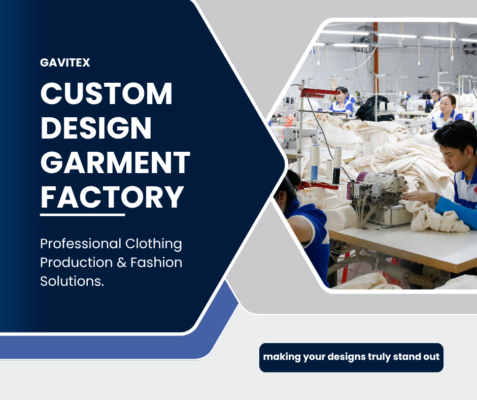
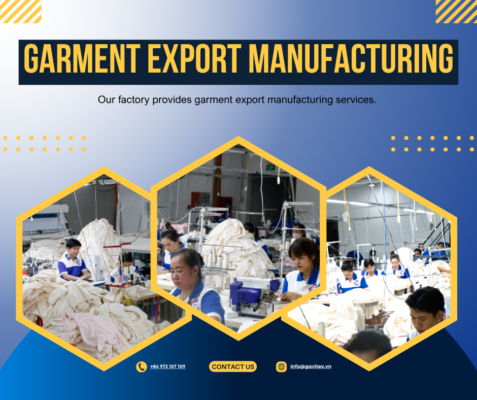
To make custom clothing contracts work, a factory needs more than machines—it needs a disciplined workflow. At Gavitex, we structure development and bulk production as a single pipeline: (1) inquiry & feasibility review, (2) tech pack alignment, (3) prototyping and fit sample iteration, (4) material sourcing and lab testing when required, (5) pre-production (PP) review, (6) bulk cutting and sewing, (7) finishing, packing, and final inspection, and (8) shipping documentation. This flow reduces the hidden chaos that can appear in cross-border apparel sourcing.
Production lines that match your product complexity
Different products demand different line setups. Basic jersey tees might run efficiently on balanced lines with tight takt-time control. More complex products—hoodies with heavy fleece, technical jackets, or multi-panel activewear—need specialized operations and strong in-line QC. With custom clothing contracts, we define which operations are critical (stitch type, seam strength, wash outcome, print placement) and align those needs with the right clothing production lines. This is how we protect both speed and quality without cutting corners.
Technology, documentation, and measurable QA
Buyers often ask: “How do we keep quality stable across batches?” The answer is simple but disciplined: documented standards + consistent training + checkpoints. Gavitex supports custom clothing contracts with production documentation such as measurement spec sheets, critical-to-quality lists, in-line inspection records, and final audit summaries. For private label apparel, these records matter because they reduce return rates, protect brand reviews, and build trust for long-term partnership.
- Clear pre-production meeting (PPM) before bulk, aligned with custom clothing contracts
- Stable material control and shade band review for consistent appearance
- Line balancing for speed without sacrificing stitch accuracy
- Defined defect categories and corrective action loop
- Packaging, labeling, and carton spec compliance for international shipping
If you’re comparing suppliers, ask them to explain how custom clothing contracts connect to real factory execution. A confident partner will show you the sampling map, QC points, and how they manage repeat orders—because that’s what professional garment manufacturing looks like.
Legal Framework & Brand Confidentiality
How contracts protect your IP, patterns, and brand assets
For brands building signature designs, confidentiality isn’t optional—it’s survival. Effective custom clothing contracts define who owns the patterns, who can access the tech pack, how samples are stored, and how production information is shared. In practice, this means limiting access to essential staff only, labeling samples clearly, controlling photography, and using secure channels to transfer files. If you’re producing private label apparel, these details prevent “copycat” risk and protect your launch advantage.
NDA, sample security, and anti-leak workflow
A well-managed NDA is a strong start, but it’s not enough by itself. Real protection is a system. In Gavitex’s approach to custom clothing contracts, confidentiality is supported by operational controls: sample logbooks, controlled sample rooms, restricted access for high-sensitivity styles, and clear rules about external sharing. We also recommend that brands use a staged information release: only share finalized artwork or premium trims after key milestones are confirmed. This keeps your custom clothing production agile while reducing unnecessary exposure.
Quality disputes, remedies, and accountability
Contracts should also protect you when something goes wrong. The best custom clothing contracts include objective definitions of defects, tolerance limits, and inspection rules. They also define the remedy pathway: rework, replacement, discount, or credit. This clarity matters because cross-border manufacturing can involve multiple steps—cutting, sewing, washing, printing, packing—and issues can happen at any stage. A mature contract makes problems solvable, not emotional.
- NDA + non-circumvention where appropriate
- Pattern & tech pack ownership terms
- Restrictions on sample sharing and photography
- Controlled access to sensitive styles and materials
- Clear policy for surplus materials and rejects
When you choose a partner for custom clothing contracts, you’re selecting the level of protection your brand receives. Gavitex is built for B2B buyers who want clarity, control, and confidence—not loose promises.
Pricing Table: Below-Market Quote Guidance
How to read pricing in contract-based manufacturing
Pricing for custom clothing contracts is influenced by fabric complexity, trims, printing/embroidery, washing, packaging, and order volume. The “market range” below reflects common B2B expectations for overseas production of typical styles. To make your sourcing more attractive, the “Gavitex target” column is positioned about 35%–45% lower than the market range in a realistic, balanced way. Final quotes still depend on your exact tech pack, order size, and compliance needs.
| Product Type | Typical Market Range (USD) | Gavitex Target (USD) | Notes |
|---|---|---|---|
| Basic jersey T-shirt | $3.40 – $4.20 | $2.10 – $2.65 | Ideal for repeat runs under custom clothing contracts. |
| Polo shirt (piqué) | $5.80 – $7.20 | $3.55 – $4.55 | Collar structure and QC defined in custom clothing contracts. |
| French terry hoodie | $11.50 – $14.80 | $7.00 – $8.95 | Includes drawcord, rib, and finishing controls. |
| Fleece sweatshirt | $9.80 – $12.60 | $5.95 – $7.55 | Great for private label apparel capsules. |
| Woven shirt (poplin/twill) | $8.50 – $10.90 | $5.20 – $6.75 | Button quality + stitch density defined in contracts. |
| Workwear pants (woven) | $13.80 – $17.60 | $8.20 – $10.35 | Reinforcement and seam strength checkpoints included. |
| Activewear set (top + bottom) | $16.50 – $22.00 | $10.10 – $13.90 | Best with clear custom clothing contracts for fit tolerances. |
| Caps / basic headwear | $3.10 – $4.10 | $1.95 – $2.55 | Embroidery quality measured via sample sign-off. |
Share your tech pack (or even a reference sample) and your target MOQ. We’ll recommend the right custom clothing contracts structure, timeline, and cost plan.
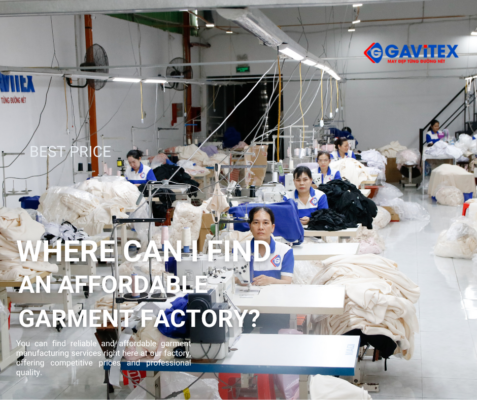
5 Reasons to Choose Gavitex for Contract-Based Production
1) A contract-first mindset that reduces hidden risk
Gavitex is built for brands who value clarity. Our approach to custom clothing contracts emphasizes documented approvals, clear responsibilities, and measurable QC. That means fewer surprises and faster decision-making—especially when you’re running multiple SKUs and colorways. When your production plan is written clearly, your internal team spends less time chasing updates and more time growing sales.
2) Organized sewing lines for stable output and lead times
Many factories can sew. Not all can deliver consistently at scale. Gavitex uses structured clothing production lines and process discipline to keep output stable through peak seasons. For custom clothing contracts, this matters because your timeline is not a “guess”—it’s a planned sequence supported by line balancing, operator skill allocation, and defined inspection points.
3) Cost optimization without sacrificing quality
In contract-based manufacturing, the best savings come from planning—fabric yield, efficient operations, and reduced rework. Our team helps you optimize patterns, recommend suitable materials, and avoid over-complicated construction that inflates cost without adding customer value. That’s why custom clothing contracts with Gavitex often feel “smoother” financially: the process is designed to avoid waste and protect your margin.
4) Quality you can verify, not just hear about
We support custom clothing contracts with tangible evidence: samples, measurement reports, inspection records, and clear change logs. For international buyers, visibility is everything. You should always be able to trace: what was approved, what was produced, and what was shipped. This is how professional OEM clothing manufacturer partnerships reduce returns and improve repeat purchase rates.
5) Brand confidentiality and long-term partnership focus
Your patterns, prints, and packaging are your competitive edge. Gavitex treats confidentiality as part of execution, not a slogan. We integrate NDA practices, sample management, and controlled sharing protocols into custom clothing contracts. The goal is simple: you feel safe building your brand while we deliver consistent production—season after season.
Explore related pages to understand Gavitex services and solutions:
- Custom brand clothing manufacturer (internal link)
- Custom clothing contracts (internal link)
- Garment manufacturing insights (partner/resource)
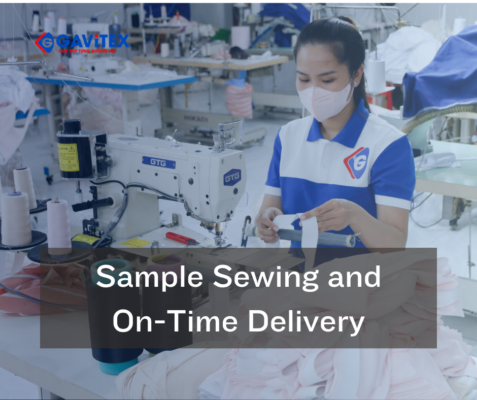
FAQ: Common Questions (Click to Expand)
These answers are written for brands and retailers evaluating custom clothing contracts with an overseas manufacturing partner.
What information should I prepare before signing custom clothing contracts?
“`
How do custom clothing contracts help with quality control?
Can I start with a small order under custom clothing contracts?
How does Gavitex protect my design and brand information?
What’s the fastest way to get a quote and timeline?
“`
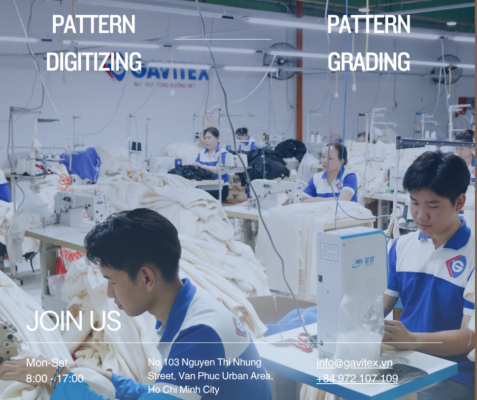
Get a Quote / Contact Gavitex
A simple next step for international B2B buyers
If you’re ready to discuss custom clothing contracts, share your product details and timeline goals. We’ll help you choose a practical contract structure, map your sampling schedule, and plan bulk production with stable lead times. Whether you’re launching a new private label apparel line or expanding SKUs for retail, Gavitex can support you with dependable garment manufacturing and repeatable custom clothing production.
Call 0972107109 to discuss sampling, lead time, and the right custom clothing contracts setup for your brand.
Looking for additional context? Visit the related service pages:
Note: Final terms for custom clothing contracts depend on style complexity, compliance requirements, and order volume. Gavitex will recommend a practical plan aligned with your brand goals.