
Eco-Conscious Apparel Manufacturing with Gavitex
Fashion is changing. Today, brands are expected to deliver style, value, and responsibility all at once. Eco-conscious apparel manufacturing gives you a structured way to reduce impact while keeping garments commercially viable. At Gavitex, sustainability is integrated into fabric choices, garment manufacturing processes, clothing production lines, and daily decision-making—not treated as a marketing label.
Ready to make your collections more responsible? Share your styles, volumes, and goals and we will help you turn eco-conscious apparel manufacturing into a practical roadmap for your brand.
1. Overview: what eco-conscious apparel manufacturing means
“`
Beyond slogans: a structured production approach
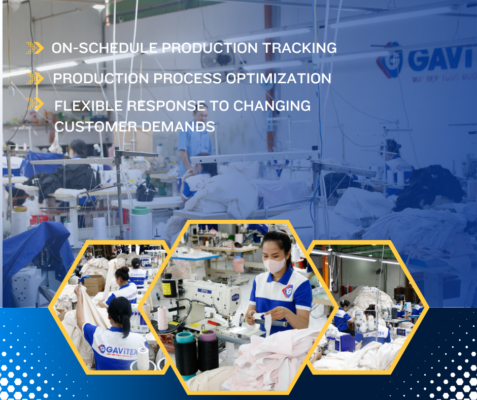
For serious brands, eco-conscious apparel manufacturing is not a tagline—it is a structured approach to designing, producing, and delivering garments with lower environmental impact and higher transparency. It touches everything: material choices, energy use, water consumption, waste streams, and worker well-being. The goal is not perfection on day one, but continuous improvement that you can measure and explain to your customers and partners.
How it connects to garment manufacturing and supply chains
In practical terms, eco-conscious apparel manufacturing integrates sustainability into core garment manufacturing steps: yarn and fabric selection, clothing production lines layout, cutting optimisation, sewing efficiency, and finishing. It also reaches upstream into dye houses and print partners. Processes such as dyeing and printing processes play a huge role in water use and chemical management. A responsible manufacturer works closely with these partners and aligns on standards.
Where Gavitex fits as an OEM clothing manufacturer
Gavitex is an experienced OEM clothing manufacturer in Vietnam, working with brands and retailers that want to grow responsibly. Instead of treating sustainability as an add-on, Gavitex embeds it into daily operations, from sourcing more responsible fabrics to managing waste and energy on the floor. For brands with private label apparel programs, this combination of technical capability and environmental awareness is essential to protect both reputation and margins.
Key idea:
eco-conscious apparel manufacturing does not replace commercial logic. Instead, it helps you design a supply chain that is financially sustainable and environmentally responsible at the same time.
“`
2. Features, characteristics, and value for brands
“`
Core features of eco-conscious apparel manufacturing
A mature eco-conscious apparel manufacturing program combines material, process, and management features. On the material side, that means prioritising recycled or responsibly sourced fibres where they make sense, and choosing dyeing and finishing options that minimise hazardous substances. On the process side, it means optimising markers, reducing offcuts, and designing clothing production lines that reduce idle time and energy waste. On the management side, it involves traceability, data-driven decisions, and transparent communication with buyers.
Characteristics that differentiate responsible manufacturers
Responsible manufacturers do more than talk. They measure. In eco-conscious apparel manufacturing, that often means monitoring water and energy use per garment or per kilogram, tracking waste streams, and recording defect and rework rates. They can explain how they handle fabric offcuts, rejected garments, and obsolete stock. For buyers, this level of detail is a strong signal that sustainability is embedded in the company culture, not just a brochure line.
Business value for custom clothing production and brands
Brands that build collections with eco-conscious apparel manufacturing gain more than environmental benefits. They also reduce volatility in their supply chains. Better planning, lower waste, and stable garment manufacturing processes translate into fewer surprises, more predictable costs, and stronger stories to share with consumers. For custom clothing production and private label apparel, this can be a key differentiator in crowded marketplaces.
Summary of value
- Reduced waste and more efficient use of raw materials.
- Improved brand story and customer trust.
- More predictable quality and deliveries.
- Better long-term alignment with regulations and market expectations.
Gavitex integrates these benefits into daily eco-conscious apparel manufacturing decisions so they become part of business as usual.
“`
3. Comparison: eco-conscious vs conventional manufacturing
“`
Conventional high-volume manufacturing
Traditional high-volume factories often focus primarily on speed and lowest apparent unit cost. Material selection may prioritise price over impact; processes may rely on older machinery or high resource consumption; documentation may be limited. This approach can still work for some segments, but it increasingly exposes brands to risk—regulatory pressure, consumer criticism, and unforeseen costs from waste, rework, and returns.
How eco-conscious apparel manufacturing changes the equation
In contrast, eco-conscious apparel manufacturing treats environmental performance as part of the business model, not a separate project. It still cares deeply about efficiency and competitiveness, but it asks: How can we cut fabric with less waste? Which clothing production lines designs reduce energy use? Can we adjust garment manufacturing parameters so fewer pieces are rejected and fewer shipments are air-freighted at the last minute? These questions yield decisions that are better for both the planet and the P&L.
Choosing the right model for your brand
Brands that depend only on conventional models may find it harder to meet future regulations or customer expectations. Those that shift to eco-conscious apparel manufacturing gain flexibility and resilience: they can adapt to new reporting rules, respond to customer questions, and differentiate in a crowded market. Gavitex supports this shift by combining its experience as an OEM clothing manufacturer with concrete sustainability practices on the ground.
Quick comparison
- Conventional: optimises for short-term cost, limited visibility.
- Eco-conscious: optimises for cost, impact, and long-term viability.
- Gavitex: helps you build a realistic, step-by-step transition path.
You do not have to change everything overnight—starting with one collection or line is often the most practical way to adopt eco-conscious apparel manufacturing.
“`

4. Market snapshot: colourful bar chart
“`
How different manufacturing models share the market
In global sourcing, brands work with a mix of suppliers: some fully conventional, some in transition, and some strongly committed to eco-conscious apparel manufacturing. The illustrative chart below is designed to help teams visualise this mix—not as strict statistics, but as a guide when planning long-term sourcing strategies.
Illustrative chart: share of manufacturing approaches
Manufacturing Approach Mix (Illustrative)
production
apparel manufacturing
eco brands
These segments illustrate why partnering with manufacturers that prioritise
eco-conscious apparel manufacturing gives brands a long-term edge.
Takeaway for sourcing teams: planning capacity with partners like Gavitex helps you gradually shift more volume into eco-conscious apparel manufacturing while keeping pricing and delivery realistic.
“`
5. Pricing table: market vs Gavitex
“`
How responsible processes influence cost
A common myth is that eco-conscious apparel manufacturing must always be more expensive. In reality, better markers, smart energy use, improved yields, and stable garment manufacturing processes can offset part of the material premium. Gavitex builds quotes around this principle, often delivering pricing that is 35%–45% below typical market baselines for comparable quality and service.
Illustrative price table (eco-conscious services)
Note: Values below are indicative. Actual pricing depends on fabric, construction, sustainability level, and order size.
Fabric and trims may be sourced by Gavitex or supplied by the buyer, depending on the project model.
By using eco-conscious apparel manufacturing principles to reduce waste and improve yields, Gavitex can offer competitive pricing while maintaining high quality and reliable delivery.
“`
6. Gavitex capabilities in eco-conscious apparel manufacturing
“`
Production scale and flexible lines
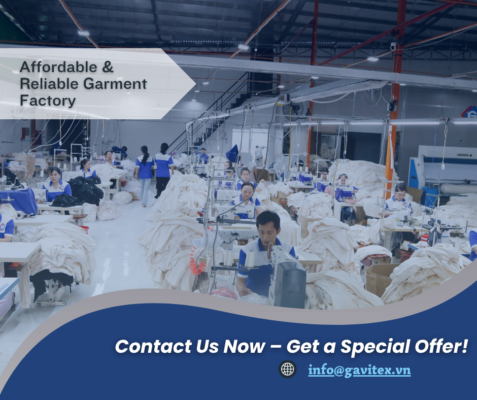
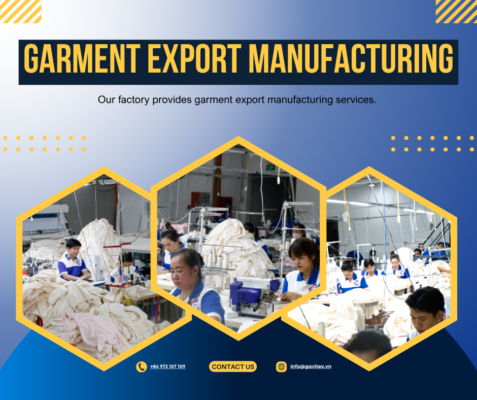
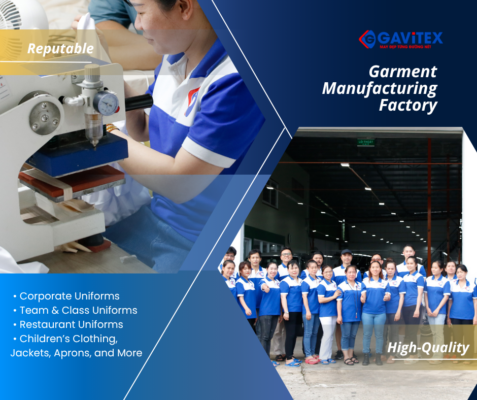
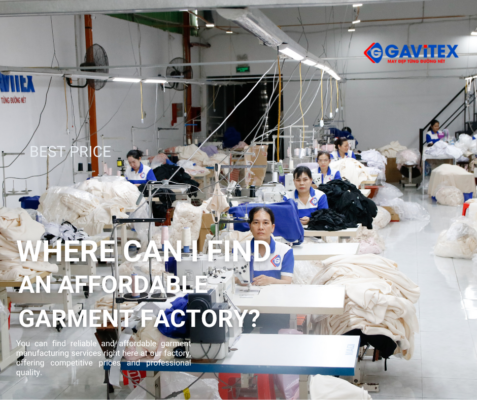
Gavitex structures its eco-conscious apparel manufacturing capacity around flexible yet disciplined clothing production lines. Basic styles can run on high-efficiency lines, while more complex collections use layouts that balance quality and productivity. This allows the company to support both stable, evergreen products and seasonal or capsule drops for private label apparel and brand programs.
Technology, data, and process control
As an experienced OEM clothing manufacturer, Gavitex uses practical technology—pattern and marker software, digital approvals, and structured work instructions—to support eco-conscious apparel manufacturing. Instead of buying tools for show, the team focuses on systems that directly reduce waste, improve fits, and minimise errors. Data from sampling and production cycles is reused to refine subsequent orders, making each season smarter than the last.
Support for brand storytelling and packaging
Gavitex helps brands connect production decisions with customer-facing stories. If you choose specific fabrics or finishing options for environmental reasons, those decisions can be documented and summarised for your marketing and retail teams. Packaging options—from recycled polybags to carton-only solutions—are considered alongside cost and logistics constraints. In this way, eco-conscious apparel manufacturing becomes tangible throughout the entire product life cycle.
What you can expect from Gavitex
- Clear communication on feasibility and trade-offs.
- Flexible support for custom clothing production and repeat programs.
- Continuous improvement based on real production data.
- Integration of sustainability considerations into daily decisions.
These capabilities help brands turn sustainability objectives into day-to-day practice in eco-conscious apparel manufacturing.
To see how Gavitex positions itself, visit the dedicated eco-conscious apparel manufacturing page when planning your next collection.
“`
7. Legal, compliance, and brand protection
“`
Contracts that reflect real responsibilities
Legal frameworks should match how production actually works. Contracts with Gavitex clarify who supplies which materials, what quality levels are expected, how timelines are defined, and how responsibilities are shared if something changes. In eco-conscious apparel manufacturing, contracts can also reference relevant environmental standards or reporting requirements, ensuring that commercial terms and sustainability commitments support each other.
NDA, confidentiality, and data protection
Brands share sensitive information when they work with an OEM clothing manufacturer: tech packs, measurement rules, artwork, marketing concepts, and sometimes proprietary fabric or finish details. Non-disclosure agreements (NDAs) support the legal side, while internal controls protect information in daily operations. At Gavitex, access to these materials is limited to staff who need them to manage eco-conscious apparel manufacturing on specific lines. This protects both your intellectual property and your reputation.
Protecting brand identity in private label apparel
For private label apparel programs, brand integrity is critical. That means controlled handling of labels and trims, clear separation of different customers’ components, and defined procedures for reject handling and destruction when necessary. Within eco-conscious apparel manufacturing, these controls also extend to how defective items and waste are treated, supporting responsible disposal or recycling instead of untracked leakage into markets.
Checklist for safe and responsible partnerships
- Contracts that reflect real production flows and responsibilities.
- NDA and confidentiality measures for documents and data.
- Clear policies for waste and defect handling.
- Alignment between environmental claims and actual factory practices.
Gavitex uses this structure to support brands that want both protection and progress in their eco-conscious apparel manufacturing journey.
“`
8. Five reasons to choose Gavitex
“`
1) Integrated eco-conscious mindset
Gavitex does not treat eco-conscious apparel manufacturing as a separate product line. Instead, environmental thinking is integrated into discussions about fabric, process, and packaging from the start. This means you are not forced into a one-size-fits-all solution; you can decide where sustainability delivers the most value for each collection.
2) Strong technical base in garment manufacturing
Sustainability is only credible when technical execution is strong. As an experienced OEM clothing manufacturer, Gavitex brings deep knowledge of garment manufacturing, pattern engineering, and line management. This technical base ensures that your custom clothing production can scale smoothly while maintaining consistent quality.
3) Competitive pricing through process optimisation
Rather than relying solely on low labour costs, Gavitex focuses on efficiency: better markers, fewer defects, stable clothing production lines, and intelligent material usage. This is how eco-conscious apparel manufacturing at Gavitex can be priced 35%–45% below typical market levels while delivering strong, repeatable performance.
4) Support for marketing and brand positioning
Sustainability stories only resonate when they are grounded in facts. Gavitex can help you document the practical elements of your eco-conscious apparel manufacturing program so your marketing and e-commerce teams can share them accurately. For strategic insights on brand building and global retail, many teams also refer to external resources such as private label apparel resources to complement factory-based information.
5) Partnership mindset and long-term planning
Gavitex approaches every project as the start of a long-term partnership. That means transparent communication on capacity, timelines, and risk, and a step-by-step approach to raising sustainability performance over time. Whether you are launching your first responsible capsule collection or restructuring an entire private label apparel program, Gavitex can help you map out realistic next steps in eco-conscious apparel manufacturing.
“`
9. Contact Gavitex / Get a quote
“`
Information that speeds up your quotation
To prepare a realistic plan for eco-conscious apparel manufacturing, Gavitex will typically request: sketches or tech packs, approximate quantities by style and colour, preferred fabrics or sustainability targets, size breakdowns, and your delivery windows. If you already have existing baseline styles, sharing them helps estimate which actions will have the most impact—fabric changes, process tweaks, or packaging revisions.
Building a roadmap, not just a price
Rather than offering a simple unit price, Gavitex focuses on building a roadmap that connects sampling, approvals, pilot runs, and bulk production. This roadmap shows how eco-conscious apparel manufacturing decisions affect timing, cost, and communication. It also helps your merchandising and marketing teams plan launches with more confidence.
Let’s build your eco-conscious supply chain
For clear guidance, transparent pricing, and reliable execution in eco-conscious apparel manufacturing, contact Gavitex today. Hotline: 0972107109.
“`
FAQ
“`
What does eco-conscious apparel manufacturing actually cover?
garment manufacturing methods, electricity and water use, waste handling, worker conditions, and packaging. The goal is to identify where changes have the biggest effect without compromising commercial viability. For some styles, that might mean switching to a different dyeing method; for others, it might involve redesigning patterns to reduce offcuts. A responsible partner like Gavitex helps you prioritise these improvements step by step so you can move forward without overwhelming your teams.
Is eco-conscious apparel manufacturing always more expensive?
eco-conscious apparel manufacturing can operate at competitive price levels. Gavitex focuses on process efficiency inside
clothing production lines so buyers are not paying for avoidable waste. When you compare total landed cost—including returns, delays, and reputational risk—responsible production can be the more economical option in the medium term, especially for private label apparel programs.
Can Gavitex use my nominated mills and still run eco-conscious production?
eco-conscious apparel manufacturing plan by coordinating lead times, quality standards, and documentation. The factory then focuses on efficient
garment manufacturing, cutting and sewing, and finishing. This model lets you preserve existing relationships while raising the environmental performance of your final products.
How can I communicate eco-conscious manufacturing to my customers?
eco-conscious apparel manufacturing, you can document specific elements: which fibres you use and why, how waste is reduced, or what improvements were made to
clothing production lines to cut energy use. These facts can be translated into simple messages for product pages, hangtags, and in-store communication. The result is a credible story that supports your brand without overstating what has been achieved.
Can I start small with eco-conscious apparel manufacturing?
eco-conscious apparel manufacturing with Gavitex. This allows both sides to refine fabric choices, fits, and processes before scaling volumes. Once the first wave proves successful, you can extend the same principles to additional styles or programs. Because Gavitex plans for long-term cooperation, the lessons learned from each season are used to strengthen the next one, turning sustainability into a natural part of your sourcing culture.
“`