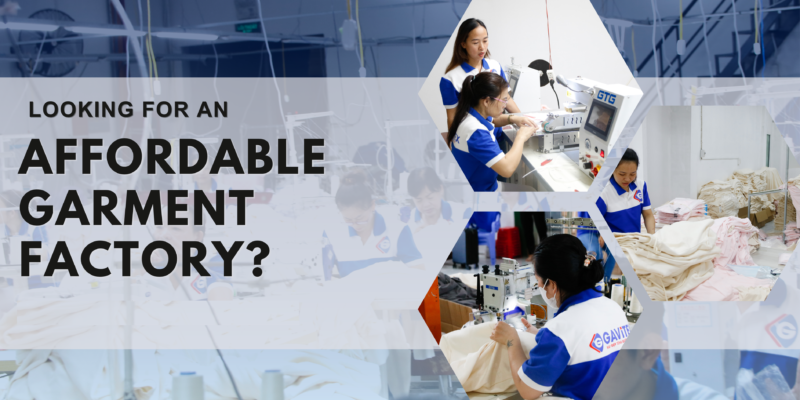
garment factories in Vietnam by GAVITEX for modern brands
Sourcing from the right garment factories can decide your margin, calendars, and customer reviews. GAVITEX connects engineering, quality, and export know‑how so global buyers get reliable capacity instead of daily fire‑fighting.
Why global brands re‑map their garment factories network
From fragmented sourcing to orchestrated supply
Many brands grew by adding suppliers one season at a time, ending up with scattered garment factories and little visibility. Today, calendars are tighter, collections are more frequent, and sustainability rules are stricter. Buyers no longer need the most factories; they need the right ones. That means integrated planning, stable clothing production lines, and transparent communication from brief to shipment. GAVITEX represents this new generation of garment manufacturing in Vietnam: engineered lines, clear data, and a friendly team that speaks in solutions rather than excuses.
Where GAVITEX fits among Vietnam garment factories
As one of the focused garment factories serving international programs, GAVITEX combines lean layouts, digital patterning, and disciplined quality control. We handle custom clothing production for private labels, licensed programs, and omnichannel retailers. From T‑shirts and polos to hoodies, leggings, and casual bottoms, we adjust needle, thread, and finishing to the product’s purpose. For export context, you can also review our role as a Vietnam garment exporter delivering to multiple regions.
One flow from idea to export dock
In practice, buyers want garment factories that feel like an extension of their own planning desks. Our teams align fabric sourcing, cutting, sewing, printing, packing, and documentation into a single visible flow. That reduces friction between design, merchandising, and logistics departments inside your business—and turns each season’s range into a predictable project instead of a series of emergencies.
How modern garment factories create value for fashion brands
Reliability beyond unit cost
Unit price is visible on the quote, but the hidden cost of poor performance is felt in delays, markdowns, and customer returns. High‑performing garment factories protect your calendar and reputation by combining strong technical foundations with transparent communication. For GAVITEX, that means documented tolerances, test plans, and decision gates that keep everyone aligned. The ability to maintain consistent quality across repeats is just as valuable as a low initial price.
Engineering comfort and durability
Serious garment factories understand fabrics as systems, not just materials. Yarn, knitting or weaving structure, finishing, and construction must support the garment’s purpose. Our teams balance softness and strength through stitch density, reinforcement at stress points, and appropriate thread. For performance lines we pair engineered knits with moisture‑control finishes; for lifestyle pieces we prioritize handfeel while stabilizing collars, waistbands, and hems. This is where GAVITEX connects garment manufacturing know‑how with brand identity.
Serving multiple brand models
Whether you run your own designs or adapt existing concepts, you still need garment factories that can handle different collaboration modes. GAVITEX supports classic OEM programs, concept‑supporting ODM work, and scalable private label apparel ranges. We help new brands refine specs and established retailers refresh evergreen items—all using the same disciplined backbone of planning, production, and quality control.
Garment factories vs. small workshops: which is right for your brand?
Scale and repeatability
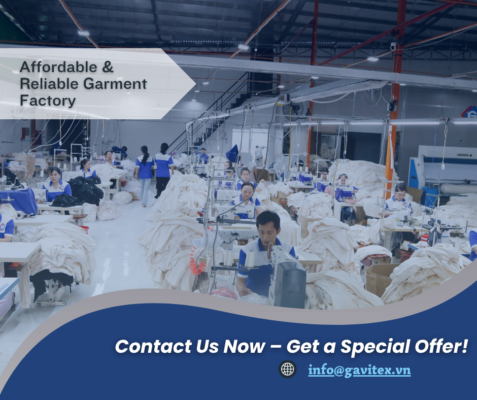
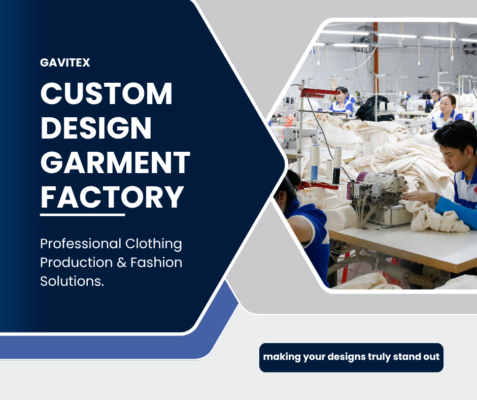
Small workshops can be flexible for micro lots, but they often lack documented processes and stable clothing production lines. Once orders grow, repeatability becomes a challenge: fit drifts, shade control varies, and timelines become harder to trust. In contrast, well‑structured garment factories operate with clear line layouts, method engineering, and capacity plans that ensure every batch follows the same rules. For brands planning multi‑store or multi‑market distribution, this stability is not optional.
Technical depth and testing
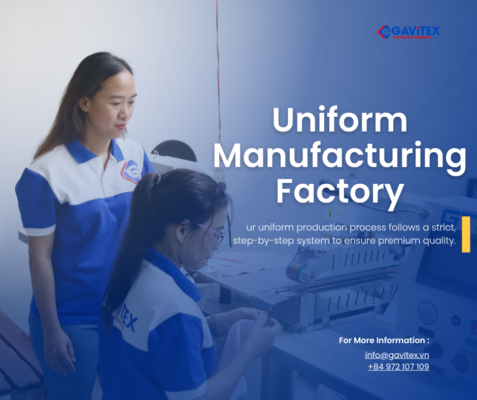
Another key difference lies in technical resources. Workshops may rely on a few experienced operators, while professional garment factories employ pattern engineers, IE specialists, and dedicated QA teams. At GAVITEX we apply fabric shrinkage controls, torque checks, seam strength tests, and wash trials before approving a style for bulk. This technical depth is what makes an experienced OEM clothing manufacturer safe for complex ranges, special prints, and demanding performance claims.
Compliance, documentation, and brand fit
Large retailers and international marketplaces require social audits, safety compliance, and documentation that many workshops cannot provide. Certified garment factories like GAVITEX maintain traceability, worker safety standards, and clear documentation for each lot. We operate as both a capable OEM clothing manufacturer and an export‑ready partner, ensuring that your legal and brand requirements are met, not just your unit price expectations.
Capacity, technology & production control at GAVITEX garment factories
Configurable lines for basics and fashion
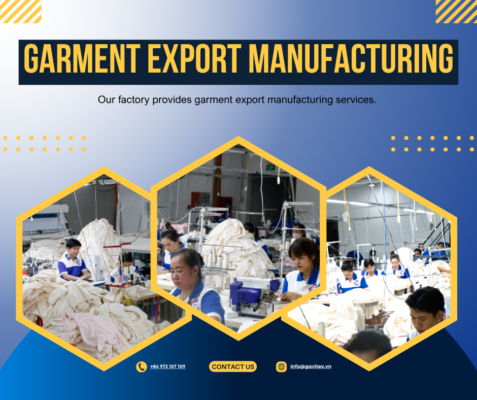
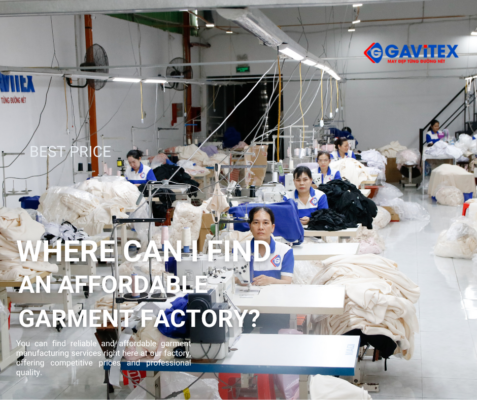
GAVITEX designs its garment factories around modules that can be rebalanced between basics and fashion capsules. Long‑term programs such as T‑shirts, polos, and hoodies use tuned line layouts, while trend‑driven items rotate through flexible modules. Our approach to garment manufacturing blends industrial engineering with practical experience so each style gets the right combination of speed and care.
Digital tools and data visibility
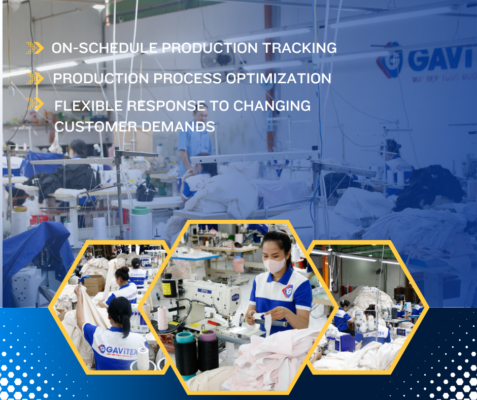
We apply digital patterning, marker optimization, and real‑time line tracking so buyers can see how their orders are progressing. This is where mature garment factories differ from legacy models. Efficiency gains reduce fabric waste, improve labor utilization, and shorten lead times. Data also supports better planning between your merchandising, buying, and logistics teams, especially when coordinating launches or replenishments.
Category coverage and specialization
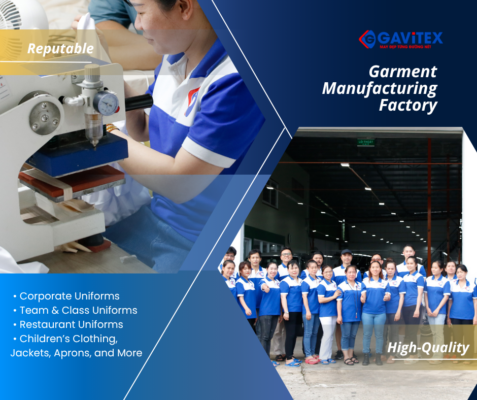
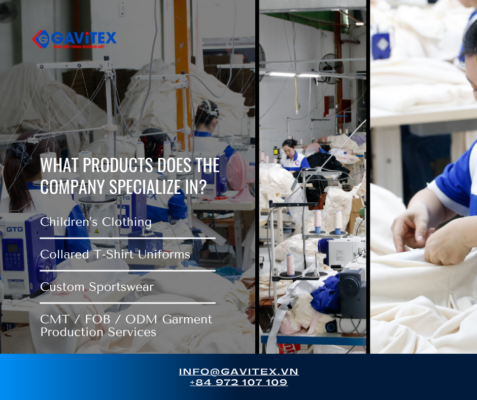
Our garment factories cover categories such as tees, polos, sweatshirts, hoodies, joggers, leggings, shorts, and casual bottoms. We also support custom clothing production for brand collaborations and limited drops. For buyers seeking a long‑term OEM clothing manufacturer, this mix of breadth and depth allows you to consolidate suppliers while still experimenting with new categories and silhouettes.
Legal assurance & brand protection when working with garment factories
Contracts that protect both sides
For international buyers, trust in garment factories must be supported by clear documents. GAVITEX uses structured contracts defining quality standards, delivery terms, and liability for defects or delays. These agreements help both parties anticipate scenarios and resolve issues without damaging long‑term relationships. Our export experience as a Vietnam garment exporter means we are familiar with Incoterms, documentation for customs, and retailer‑specific requirements.
NDA, sample security & IP care
Brands investing in design and marketing cannot risk leakage of styles or concepts. That is why disciplined garment factories implement non‑disclosure agreements, sample tracking, and restricted access to sensitive areas. At GAVITEX, new styles, packaging concepts, and prints are handled under controlled procedures. Digital files are stored securely, and physical samples are labeled and stored according to client rules. This protects IP for both mass‑market lines and premium private label apparel capsules.
Compliance, audits & traceability
Markets continue to tighten compliance expectations. Responsible garment factories therefore maintain social audits, health and safety standards, and material traceability. We document fabric origins, dye lots, and process steps, enabling clearer communication with end retailers and regulators. For broader discussions on regulation trends and sourcing strategies, you can also refer to garment manufacturing insights from the wider industry.
Five reasons brands choose GAVITEX among Vietnam garment factories
1. Practical guidance from brief to bulk
Many teams need more than a quote—they need practical guidance on fabric choice, construction options, and risk points. GAVITEX explains trade‑offs clearly, helping you position each style in terms of comfort, durability, and margin. This advisory role is what sets us apart from transactional garment factories that only discuss unit price.
2. Configurable lines and flexible quantities
We understand that brands must balance test orders with core programs. Our modules allow for both pilot lots and scale‑up on the same floor. This flexibility lets you trial new fits or fabrics without locking into oversized commitments—a valuable advantage compared with rigid garment factories that only favor very large orders.
3. Clear communication and proactive issue solving
From the first tech pack discussion to final shipment, you receive structured updates instead of scattered messages. Potential issues are raised early with options, not just alerts. This culture of proactive communication is one reason many buyers move programs to GAVITEX after trying multiple garment factories that lacked transparency.
4. Cost optimization without cutting corners
We optimize yield through smart markers, sensible fabric selection, and balanced line layouts. Savings come from engineering, not shortcuts. By treating garment manufacturing as a discipline, we help you reduce waste while preserving the customer’s experience of the garment.
5. Export‑ready documentation & logistics support
As a Vietnam garment exporter, GAVITEX manages packing lists, carton markings, and compliance documents according to your destination markets. We coordinate with forwarders and 3PL partners so goods leave the factory on schedule. For buyers comparing multiple garment factories, this end‑to‑end support often becomes the deciding factor.
Ready to benchmark GAVITEX against your current garment factories?
Call for consultation & Get a quick quote
We will review your brief, propose options, and map a realistic calendar.
Frequently asked questions about working with garment factories
Capacity planning
Technical advisory
Export support
1) How do I choose the right country and city before shortlisting garment factories?
Start by mapping your customers and sales channels. Lead time expectations, compliance obligations, and shipping lanes will guide which regions make sense. Vietnam has become a strong hub because its garment factories combine competitive labor with well‑developed textile clusters and export experience. When assessing locations, review port access, stability of infrastructure, and availability of skilled operators. Then compare candidate partners on their technical depth, audit history, and communication culture. Visiting at least some garment factories—physically or via detailed video calls—helps you understand layout, cleanliness, and worker conditions. A partner like GAVITEX can also share perspectives from existing export programs, so you build a sourcing map that suits your own channels and risk tolerance.
2) What information should I prepare before asking garment factories for a quote?
Clear inputs help you receive accurate and comparable quotations. At minimum, prepare reference images or sketches, size range, fabric preferences, estimated order quantities by color, and target delivery windows. If available, share technical details such as GSM, fabric blend, measurement charts, and print positions. Good garment factories like GAVITEX will ask clarifying questions on shrinkage expectations, care labels, packaging requirements, and testing standards. Providing this information early reduces back‑and‑forth and protects your timeline. It also shows which partners think beyond price and pay attention to the full journey—from garment manufacturing to final delivery at your DC or fulfillment centers.
3) How do serious garment factories manage quality and consistency over time?
Consistency does not happen by accident. Disciplined garment factories work with written procedures, fabric and trim checks, inline inspections, and pre‑shipment audits. At GAVITEX, every new style goes through a pilot phase where we validate shrinkage, torque, seam strength, and colorfastness. Once the pattern and process are proven, we lock in specifications and use them across repeats and colorways. Data from inspections is logged so recurring issues can be prevented rather than repeatedly fixed. This approach protects your brand’s reputation, especially when you manage multiple drops per year or run permanent collections through omnichannel platforms.
4) Can one partner cover both basics and fashion capsules, or do I need multiple garment factories?
It depends on your scale and range complexity, but many brands find it efficient to work with a small group of strong partners instead of many small ones. GAVITEX structures its garment factories into modules that can run large basic programs alongside smaller fashion capsules. This configuration lets us share learning across categories and simplify your communication lines. For example, a core T‑shirt program can share fabric and trims with capsule prints or collabs, improving yield and negotiating power. When assessing any partner, ask how they balance stable programs with innovation—this reveals whether they are built only for volume or also for agility.
5) How can I reduce risk when starting with new garment factories?
Risk reduction starts with starting small but structured. Begin with a limited style range or capsule that still reflects your quality expectations. Define clear acceptance criteria and testing protocols, and agree on communication routines during development and bulk. Reliable garment factories will welcome structured pilots, because they create shared understanding and prepare both sides for future scale. At GAVITEX, we use pilot orders to fine‑tune patterns, fabric choices, packaging, and documentation. Once results meet expectations, subsequent seasons benefit from this proven foundation, allowing you to gradually increase volumes with confidence.
Contact GAVITEX – your friendly partner among Vietnam garment factories
Share your brief and timeline
Hotline: 0972107109 Fast sampling Stable quality Export‑ready
If you are mapping or refreshing your network of garment factories, GAVITEX is ready to help. Send us your range overview, target prices, and launch windows. We will respond with fabric options, suggested constructions, and a realistic calendar. Together we can design a sourcing model where your brand is not limited by capacity or poor communication.
Call for consultation & Get a quick quote
Priority slots for new projects are limited each month—contact us early to secure development time.
Learn more about our export role at garment exporter and our position among Vietnam garment factories. For wider market context, explore curated articles at industry insights.