
Sports Bra Manufacturing Checklist: Support, Fabric, and Construction
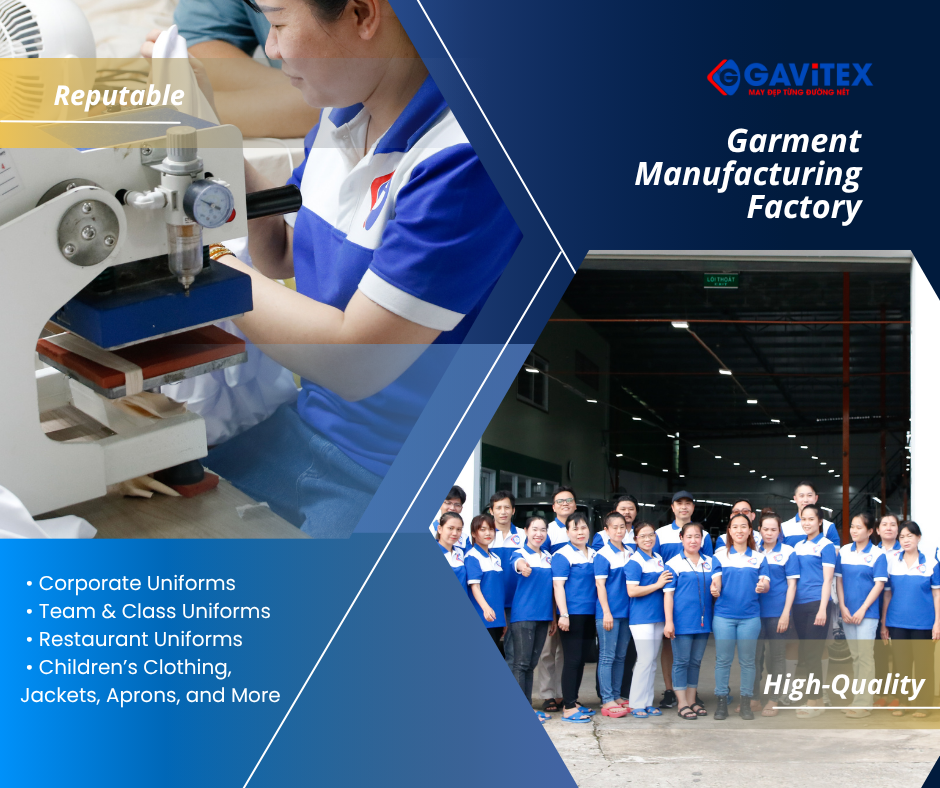
A sports bra is one of the most technically demanding garments in activewear. It has to deliver real support during movement, stay comfortable through a workout, manage moisture and fit a wide range of body shapes, all at once. Producing one well means making careful decisions about the level of support, the construction approach, the fabric and the fit, and confirming them through testing. For a brand developing sports bras, understanding these elements is what separates a product women trust from one that gets returned. Gavitex supports brands producing activewear, and this guide is a support, fabric and construction checklist for sports bra manufacturing, so the suitable production scope is confirmed after reviewing the project requirements rather than assumed from a style reference.

Start With the Level of Support
The most important decision in a sports bra is the level of support it provides, because everything else follows from it. Support is usually described by impact level: low, medium and high. A low-impact bra suits activities like yoga or walking, a medium-impact bra suits training and cycling, and a high-impact bra is built for running and intense activity where support matters most. Defining the intended activity and impact level first sets the direction for the construction, fabric and fit.
Getting the support right is what a sports bra is ultimately judged on, so it is confirmed not just in design but through wear testing during movement. A bra that looks supportive but is not tested in activity has not really been proven.
Support by Impact Level
- Low impact: yoga, walking, gentle activity
- Medium impact: training, cycling, general fitness
- High impact: running and intense activity
Construction: Compression and Encapsulation
Sports bras achieve support through two main approaches, often combined.
Compression
Compression bras hold the bust against the body to limit movement, which suits lower and medium-impact activity and is common in simpler pull-on styles. They are comfortable and straightforward, and the support comes from the fit and the fabric working together.
Encapsulation
Encapsulation designs support each cup individually, which provides more structured support and suits higher-impact activity and a wider range of sizes. Many high-support bras combine compression and encapsulation for the best of both, which is a decision matched to the impact level and the target customer.
Supporting Components
Straps, band and closures all contribute to support and comfort. Wider or adjustable straps, a supportive underband and a secure closure are matched to the impact level, since they carry much of the load during movement.

Fabric for Sports Bras
The fabric has to provide stretch, support, comfort and moisture management together.
| Property | Why it matters |
|---|---|
| Stretch and recovery | Support that returns to shape after movement |
| Moisture management | Keeps the wearer dry and comfortable |
| Breathability | Comfort during intense activity |
| Power mesh / support panels | Targeted support where needed |
| Soft hand | Comfort against the skin |
Most sports bras use polyester or nylon blended with elastane for stretch and recovery, often with moisture-wicking properties, and higher-support styles may use power mesh or support panels for targeted control. The fabric and any support panels are matched to the impact level and confirmed on a sample.

Padding, Cups, and Finishing
Padding and cups affect both support and appearance, and the choices are matched to the style. Removable pads offer flexibility and a smooth shape, while moulded cups give structure and a defined form. The finishing, including how the cups are held and how edges are bound, affects comfort and the clean look of the bra. These details are specified and confirmed on a sample so the finished garment is both supportive and comfortable.

Fit, Sizing, and Seams
Fit is especially important and especially complex for sports bras.
Sizing Across Body Shapes
Sports bras must fit a wide range of body shapes and sizes, and the fit directly affects both support and comfort. A careful, well-graded size range is essential, and confirming fit on real bodies across sizes is far more reliable than grading on paper alone.
Seam Construction
Flatlock and bonded seams are common because they lie flat and reduce chafing during movement, which matters for a garment worn close to the skin during activity. The seam approach is matched to the fabric and the support needed.
Testing the Fit and Support
The fit and support are confirmed through wear testing during movement, not just on a form. This is the only reliable way to know a sports bra performs as intended.
A Practical Workflow for Sports Bra Development
- Define the impact level. Decide the activity and the support required.
- Choose the construction. Select compression, encapsulation or a combination.
- Select the fabric. Match stretch, moisture management and support panels to the impact level.
- Specify components. Confirm straps, band, closure, padding and cups.
- Sample and wear-test. Check support, comfort and fit during movement.
- Grade and wash test. Confirm fit across sizes and performance after washing.
- Lock the standard. Approve a reference so bulk and reorders match.
Quality Considerations for Sports Bras
Quality is measurable when the right checkpoints are agreed before bulk.
Support During Movement
The bra should deliver its intended support tested in real activity, not just look supportive. Wear testing during movement is the key check, especially for higher-impact styles.
Stretch Recovery and Durability
The fabric and elastic components should recover their shape and hold up to repeated stretching and washing. Confirming recovery after washing protects the support over the garment’s life.
Comfort and Seam Smoothness
Seams should lie flat and the bra should be comfortable through a workout. Reviewing comfort on a worn sample confirms it before bulk.
Sports Bra Buyer Checklist
- Intended activity and impact level
- Construction: compression, encapsulation or both
- Fabric stretch, moisture management and support panels
- Straps, band and closure
- Padding or moulded cups
- Seam construction for comfort
- Size range and grading across body shapes
- Wear and wash testing
- Target quantity and delivery market
If some of these answers are still forming, that is normal. Sharing what you have, or a reference bra, lets the review begin, and the suitable production scope is confirmed after the requirements are reviewed rather than estimated in advance.
Common Mistakes in Sports Bra Development
A few recurring mistakes undermine sports bra development. The first is designing for appearance and approving on a form without wear testing, so a bra that looks supportive fails to deliver during real movement. The second is choosing one impact level and assuming it suits every customer, when the right support depends on the activity and the body. The third is underestimating sizing, since sports bras must fit a wide range of shapes and a narrow size range or poor grading leaves many customers unsupported or uncomfortable. Avoiding these issues means wear testing during movement, matching the support to the intended use, and offering a careful, well-graded size range confirmed on real bodies.
Another common mistake is neglecting how the bra performs over time. Elastic components and fabric lose support if they do not recover well, so a bra that performs when new but bags out after washing disappoints customers. Building stretch-recovery and wash testing into development confirms the support lasts, which is what protects a brand from returns once the product is in use.

Branding and Customisation
Branding on a sports bra is usually kept subtle and comfortable, since the garment sits close to the skin during movement. Logos are often small and placed where they will not chafe, such as the underband or a strap, and applied with methods suited to stretch fabric so they move with the garment. Colour and design are part of the appeal, and coordinating a bra with matching leggings or other pieces is common in activewear ranges. Confirming any branding on a stretched, worn sample keeps it comfortable and durable, so the customisation enhances the product rather than compromising comfort.
Sustainability Options for Sports Bras
Many activewear brands now ask about more responsible options, such as recycled polyester or recycled nylon blends engineered for performance and support. These exist for sports bra fabrics but vary by supplier, so they are best raised at the fabric stage rather than after sampling. If a bra must meet specific fibre-content labelling or testing for a market, sharing those needs early lets them be planned into the specification. Gavitex can review standard and more responsible performance fabrics together and confirm what is realistic after the requirements are reviewed.
Planning a Sports Bra Range
For brands building an activewear range, it helps to plan across styles rather than developing each bra in isolation. Offering a few impact levels lets a brand serve different activities, while keeping a consistent approach to fabric, fit and branding keeps the range cohesive and simplifies production and quality control. Coordinating bras with leggings and other pieces in matching fabrics and colours strengthens the collection. Keeping the approved fabric, construction and fit references on file then means future styles and reorders start from a known standard rather than fresh development, which protects the support and comfort customers associate with the brand and keeps reorders consistent across seasons.
Choosing the Right Activewear Manufacturer
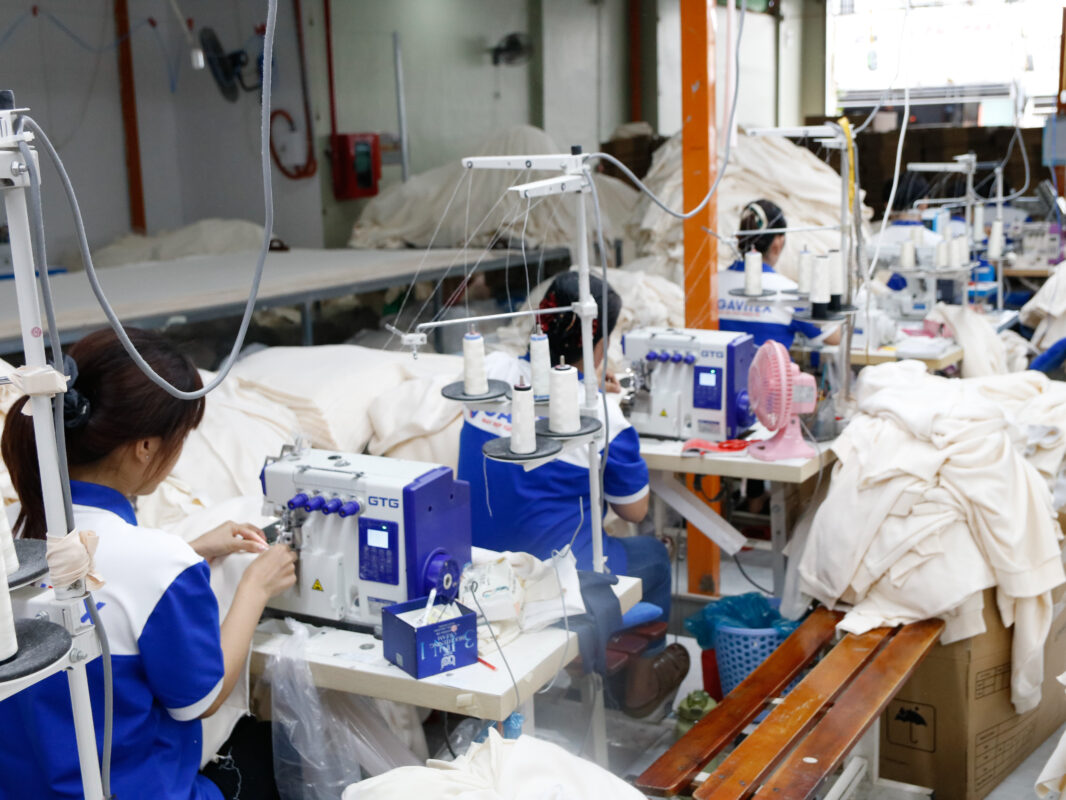
Beyond the fabric, the manufacturers worth keeping are the ones that understand sports bra construction, wear-test as a matter of course and treat fit and support as something to prove rather than assume. A partner comfortable with compression and encapsulation construction, performance fabrics, support panels and the seam work a bra relies on can guide development rather than simply quote what is asked. A short trial order is a practical way to confirm support, fit and comfort before committing to a larger run, and it gives both sides a shared reference for the standard expected in bulk. As a range grows across impact levels and sizes, keeping approved references on file lets a brand scale while keeping the support and comfort that earned its reputation.
Lead Time, Sampling Rounds, and Cost
Because a sports bra is technical and fit-critical, it usually takes more development than a simpler garment, and planning for that keeps a project realistic. Reaching the right support and fit often needs more than one round of sampling and wear testing, so allowing time for refinement avoids rushing the very things the bra is judged on. The construction, components such as moulded cups or support panels, and the fit work all influence cost, which reflects the engineering that goes into a supportive, comfortable garment. Discussing the impact level, components and quantity early lets a manufacturer give a clearer quote and a realistic timeline, rather than discovering cost or schedule surprises once development is underway. Treating sampling and testing as a necessary investment, not a delay, is what produces a sports bra customers trust, and it is confirmed on an approved sample before any bulk begins so the standard is set in a real, tested garment.
Frequently Asked Questions
What is the most important decision in a sports bra?
The level of support, described by impact level, since it sets the direction for the construction, fabric and fit. A low-impact bra suits yoga or walking, while a high-impact bra is built for running and intense activity.
What is the difference between compression and encapsulation?
Compression holds the bust against the body to limit movement, suiting lower and medium impact, while encapsulation supports each cup individually for more structured, higher-impact support. Many bras combine both.
What fabric is used for sports bras?
Most use polyester or nylon blended with elastane for stretch and recovery, often with moisture-wicking properties, and higher-support styles may add power mesh or support panels for targeted control.
Why is wear testing so important?
Because support and fit can only be truly judged during movement, wear testing confirms the bra performs as intended rather than just looking supportive on a form.
Can Gavitex manufacture sports bras for my brand?
Yes. Gavitex can review the impact level, construction and fabric, refine the fit through sampling and wear testing, and confirm the result before bulk, with the scope confirmed after the requirements are reviewed.
Develop Your Sports Bra with Gavitex
Share your target impact level, fabric preferences and sizing for a practical review. Gavitex can review the project across sports bra manufacturing in Vietnam, activewear production and sportswear, with support on performance fabric sourcing, and you can contact the Gavitex team to start the conversation.
Email: info@gavitex.vn
Phone / Zalo / WhatsApp: +84 972 107 109
