Vietnam–based artisan garment manufacturing for premium and niche brands
Blend the soul of handmade craft with the reliability of modern production. Gavitex connects you to curated workshops and factories in Vietnam, delivering artisan garment manufacturing that respects detail, story and scale.
What artisan garment manufacturing means in a modern fashion world
From anonymous production lines to meaningful craft
In many supply chains, clothes are treated like anonymous units on a spreadsheet. Fabrics, trims and stitches are counted, but story and craft disappear. Artisan garment manufacturing brings soul back into the process. It focuses on small, specialised workshops and carefully managed factories where makers still know how to handle complex details by hand: delicate stitching, hand–finished hems, traditional embroidery, subtle pleating and precise pattern matching. For brands, this approach transforms garments from simple products into pieces that carry narrative, heritage and a recognisable touch.
Why Vietnam is a natural home for crafted apparel
Vietnam has a long tradition of textile skills, from hand–woven fabrics in rural areas to urban workshops specialising in detailed handcrafted garments. Over the last decades, this heritage has been combined with export–oriented production, creating a unique environment for artisan garment manufacturing. You can source capsule collections, premium basics and statement pieces from a single country, working with partners that blend modern planning tools with inherited craftsmanship. When a local coordinator like Gavitex stands in the middle, you gain access to this ecosystem without the complexity of building your own office on the ground.
Gavitex – your bridge to curated artisan workshops
Gavitex is a Vietnam–based garment company that specialises in linking international brands to trusted suppliers. For premium labels and niche makers, we design dedicated programs around artisan garment manufacturing. Our team screens workshops and factories for both technical skills and mindset: steady hands, patient work and pride in the final piece. We also understand that craft must coexist with calendars and commercial targets, so our planners and merchandisers integrate artisan garment manufacturing into realistic delivery windows and price structures. You get the poetry of handmade detail with the control and clarity your business requires.
Key traits and benefits of artisan garment manufacturing with Gavitex
Slow–crafted detail with professional planning
At first, artisan garment manufacturing sounds like something that lives only in tiny ateliers. In reality, the most successful brands combine artisan methods with professional planning. Gavitex builds calendars that respect the extra time needed for hand processes while keeping the overall schedule realistic. We integrate finishing steps such as hand–stitching, delicate hand–embroidery or custom dyeing into fabric booking and cutting plans. This way, artisan garment manufacturing does not become an unpredictable side project but a structured part of your wider supply strategy.
Our team connects creative and technical sides of your organisation. Designers explain the story they want to tell; technicians translate that story into stitch types, construction details and tolerances; planners turn it into timelines for workshops. This multi–layered approach turns artisan garment manufacturing from a romantic idea into a repeatable, scalable service.
Flexible volumes, from capsules to ongoing programs
One of the strengths of artisan garment manufacturing in Vietnam is flexibility. Gavitex works with workshops and factories that can handle small MOQ clothing production for limited drops as well as larger volumes for successful styles. You might test a new silhouette with a few hundred pieces and, once it proves itself, move into a more stable program without losing the crafted touch. Because we manage a varied network of suppliers, we can scale volumes up or down while preserving the character of the garment.
For some brands, artisan garment manufacturing focuses on hero pieces – jackets, dresses or hand–finished knitwear that anchor the collection. For others, the same philosophy is applied to premium basics, using elevated fabrics, refined stitching and thoughtful trims. Gavitex helps you decide where craft adds the most value and designs the supply base around those choices.
Connecting craft with sustainable thinking
Many brands link artisan garment manufacturing with more responsible practices. Smaller lots, careful handling and slower processes often reduce waste and support better working conditions. Gavitex strengthens this connection by working with vendors that understand long–term relationships, fair labour and environmental care. We can integrate elements of sustainable fashion manufacturing into your programs, such as recycled or organic fabrics, low–impact dyeing or better packaging choices.
At the same time, we remain honest about what is realistic at your price level and volume. Artisan garment manufacturing does not automatically mean luxury pricing; with smart design and vendor selection, we can protect your margin while still delivering craftsmanship that your customers can see and feel.
Artisan garment manufacturing vs mass garment production – two different paths
Product identity vs pure volume
Mass garment production is built to maximise volume and minimise cost per unit. It is powerful for basics and high–volume commodity items, but it often compresses uniqueness. By contrast, artisan garment manufacturing is built around identity. Every detail is a chance to express your brand: hand–tacked pleats, contrast hand–stitching, special lining touches, visible mending, artisanal washes. When customers pick up a piece made under an artisan garment manufacturing model, they can feel a difference that goes beyond the label. For brands that sell a narrative – not just fabric – this difference is crucial.
That does not mean moving everything away from industrial systems. In many cases, the best strategy combines both: use mass garment production for core items and reserve artisan garment manufacturing for impact pieces that carry your story into the world.
Lead time and flexibility trade–offs
It is true that artisan garment manufacturing can require slightly longer lead times because of hand processes and smaller workshops. However, it also brings surprising flexibility. Smaller units can sometimes react faster to design tweaks or special requests, especially when guided by a local partner. Gavitex balances this by building calendars that combine the predictability of modern planning with the human rhythm of craft. We help you decide which styles are better placed in larger industrial lines and where artisan garment manufacturing can become a unique selling point worth a few extra days.
Through our related
apparel vendor services
, we coordinate both types of partners, so you can run hybrid strategies without doubling your workload.
Perceived value and long–term brand positioning
A garment produced purely through mass processes can still be good, but it might be easy to copy. Artisan garment manufacturing adds layers of subtlety that are much harder to replicate. Consumers notice how a collar sits, how embroidery catches the light, how a hand–finished hem moves. Over time, these small differences build your reputation. Customers start to associate your name with care, texture and emotion. This long–term positioning is one of the main reasons brands invest in artisan garment manufacturing even when they could technically deliver similar silhouettes through standard lines.
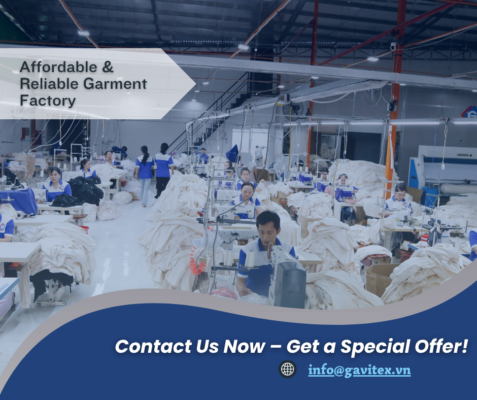
Gavitex capabilities in artisan garment manufacturing
Curated network of artisan and semi–artisan vendors
Gavitex has spent years building a network of workshops and factories in Vietnam that can support artisan garment manufacturing. Some focus on hand–embroidered dresses, others on high–end streetwear with special washes, others on tailored jackets with hand–finished interiors. We classify vendors by strengths, technical specialties and capacity. For each new project, our team matches your styles with the most suitable makers, balancing creativity, quality and cost.
Because we also manage larger industrial partners, we can orchestrate programs where artisan garment manufacturing is combined with more standard production. The same season might include carefully crafted capsule collections and volume lines – all coordinated by Gavitex under one set of standards and communication channels.
Integrated development, sourcing and vendor management
Our services do not stop at finding a workshop. Gavitex coordinates the entire chain around artisan garment manufacturing: fabric and trim sourcing, sample development, fit sessions, lab testing, approvals and bulk follow–up. We can connect your crafted projects with broader sourcing activities through our pages on
apparel vendor services
and
artisan garment manufacturing
.
For packaging, labels or additional accessories, we also cooperate with trusted partners such as
Vietnam production ecosystem partner GOCY
, giving you a broader creative toolkit while keeping a single point of coordination.
Communication style and transparency
Working with artisan garment manufacturing requires empathy and clear communication. Gavitex invests time in understanding your aesthetic language: references, mood boards, past collections. Our English–speaking team translates these into practical instructions for workshops and factories. We share frequent updates, photos and videos so that you can follow progress without being physically present at every step.
We are transparent about challenges too. If a hand process will add time or cost, we explain it clearly and propose alternatives. If a vendor is not the right fit for a style, we say so early. This openness is central to how Gavitex manages artisan garment manufacturing – as a partnership, not as a mystery.
Legal assurance and brand protection in artisan garment manufacturing
Protecting your designs and stories
Working with artisan garment manufacturing means sharing more than measurements and fabric qualities. You share stories, artwork, patterns, unique constructions and sometimes community collaborations. Gavitex takes this seriously. We use clear agreements that define how your information is stored, who can access it and how it may be used. Tech packs, embroidery files, print artworks and proprietary patterns remain your intellectual property. They are only shared with workshops and vendors directly involved in your orders, and always under confidentiality obligations.
If we identify any risk that a design produced through artisan garment manufacturing is being reproduced outside agreed orders, we investigate, escalate and take action according to contracts. Our role is to defend your creative investment and maintain trust across the supply base.
Responsible labour and community respect
Many clients choose artisan garment manufacturing specifically because they want a closer, more respectful link to makers. Gavitex works with vendors that treat their teams fairly and respect national regulations. We pay attention to working hours, safe facilities and transparent communication. When production involves rural or community–based groups, we encourage long–term partnerships over short–term exploitation, so that skills are valued rather than used as a cheap marketing story.
This is closely connected to our approach to sustainable fashion manufacturing. Better conditions and thoughtful planning support quality and reliability, which in turn protect your brand reputation. Customers increasingly ask where and how garments are made; artisan garment manufacturing gives you a positive narrative to share – as long as the legal and ethical foundations are strong.
Data, contracts and long–term collaboration
Beyond creative assets, artisan garment manufacturing projects generate sensitive commercial data: target price structures, forecast volumes, margin expectations and performance indicators. Gavitex keeps this information confidential and uses it only to improve your programs. We do not share your commercial details with other clients, and we do not use your brand name to negotiate with suppliers unless agreed.
Our contract structures and everyday behaviour are aligned: we aim for long–term collaboration where you feel safe sharing honest challenges and plans. This mutual trust allows us to tune artisan garment manufacturing around your future vision, not just this season’s orders.
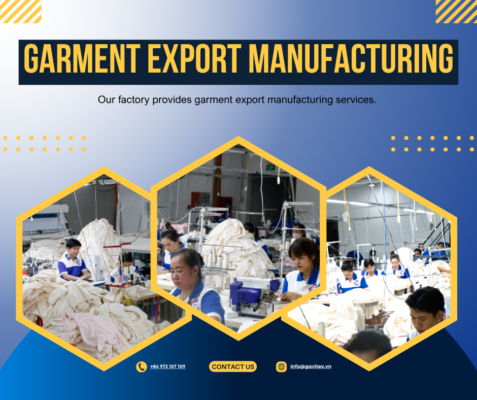
Market insights: where artisan garment manufacturing fits in your brand strategy
Why crafted apparel is gaining ground
Customers are increasingly tired of disposable garments. They look for pieces that feel special, last longer and say something about the brand behind them. This shift creates space for artisan garment manufacturing – not just for luxury labels, but also for mid–market and niche brands that want to stand out. Capsule collections, limited drops and collaboration projects are natural vehicles for artisan approaches. At the same time, crafted details are moving into everyday wardrobes: hand–touched stitching on sweatshirts, subtle embroidery on denim, refined finishing on T–shirts.
Vietnam sits at the intersection of this demand and supply. With experienced workers, fabric access and a culture of practical problem solving, it is a strong base for artisan garment manufacturing that can scale as your audience grows.
Colorful snapshot: complexity and value index
The simplified chart below shows how different product types typically map in terms of complexity and perceived value when produced through artisan garment manufacturing. Values are index–based for easy comparison rather than strict market numbers.
This visual helps clarify where to concentrate artisan garment manufacturing efforts. High–impact categories, such as dresses and outerwear, often justify more intricate handwork, while elevated basics can carry subtle artisan touches at accessible price points.
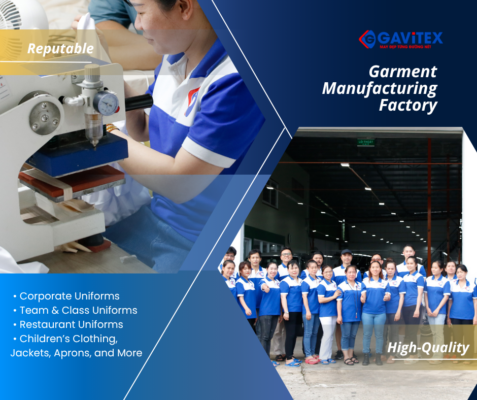
Colorful price guide for artisan garment manufacturing with Gavitex
How our pricing remains competitive for crafted work
Many brands assume that artisan garment manufacturing must always be dramatically more expensive. In reality, smart design, efficient planning and a lean management structure can keep prices under control. Because Gavitex operates directly in Vietnam and avoids unnecessary layers, our quotations for artisan garment manufacturing are often around thirty–five to forty–five percent lower than some traditional intermediaries – while still including close follow–up and quality checks.
The table below uses indicative values to show how this difference might look. Final prices will depend on fabric, trims, complexity and volume, but the relative savings remain a useful guide.
What is included in a typical Gavitex offer
A standard quotation for artisan garment manufacturing from Gavitex includes vendor matching, price negotiation, sampling coordination, order follow–up and basic quality inspections. Depending on your needs, we can add extended services such as extra lab tests, more frequent inspections or special packaging projects. Because everything is managed locally, communication stays fast and direct even when multiple artisan workshops and factories are involved.
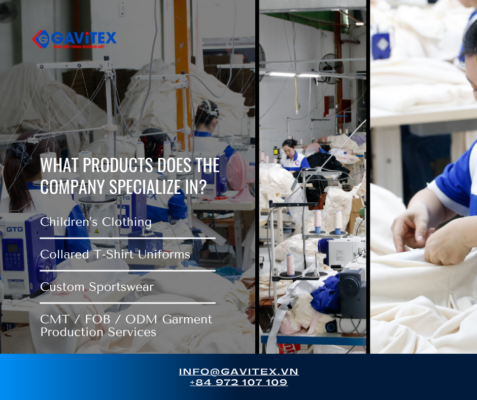
Five reasons to choose Gavitex for artisan garment manufacturing
1. Local roots, global brand understanding
Gavitex operates in Vietnam, close to the people who actually sew, embroider and finish your garments. At the same time, our team understands international retail and online environments. When we design programs around artisan garment manufacturing, we think about launch dates, marketing campaigns, content creation and margin targets – not just production. This combination allows us to be a practical, solution–oriented partner rather than a purely technical one. You can talk with us about mood boards and brand positioning as easily as about threads and stitches.
2. Transparency and data–driven decisions
Craft should not mean chaos. Gavitex tracks lead times, quality levels and claims across artisan and industrial partners. We share this data in a clear format so your team can see which projects run smoothly and where we need to adjust. Over time, this transparency turns artisan garment manufacturing from an experiment into an optimised system. You can confidently scale successful lines, refine less effective ones and build a vendor portfolio that fits both your aesthetic and your financial goals.
3. Flexibility for brands at different stages
Some clients are well–known retailers; others are small but ambitious creative labels. Gavitex adapts its artisan garment manufacturing approach to each situation. If you are just starting, we focus on small capsules, realistic investments and careful testing. If you are an established brand, we can integrate artisan processes into broader supply chains, ensuring that crafted pieces fit existing size tables, quality standards and price ladders. In both cases, we maintain the same objective: turn artisan garment manufacturing into a reliable tool that supports your long–term brand story.
4. Quality culture and respect for makers
Quality is not only about checking finished garments. It starts with the way we brief workshops, the time we allow for hand processes and the respect we show for makers. Gavitex builds this culture into every artisan garment manufacturing project. Our technicians work closely with artisans, making sure they have clear reference samples and understand the vision behind each style. Inspections then focus on supporting this vision, not just rejecting pieces at the end. This creates a healthier loop where skills improve and your garments become more consistent season after season.
5. Simple communication and partnership mindset
Finally, brands choose Gavitex because working with us feels human. We believe that artisan garment manufacturing should be inspiring, not exhausting. Our communication style is friendly, quick and honest. If something is not realistic, we say so; if we see a better idea, we share it. We look for long–term collaboration where both sides grow together. When you call or write, you reach real people who already know your collections, your challenges and your plans for the next seasons – and who are ready to turn those plans into garments your customers will remember.
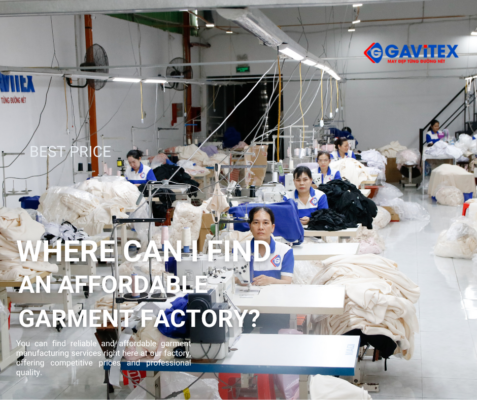
Frequently asked questions about artisan garment manufacturing with Gavitex
Getting started and project flow
1. How do new projects for artisan garment manufacturing usually begin?
Most collaborations around artisan garment manufacturing start with an exploratory call and a look at your existing collection. We want to understand what makes your brand special, which pieces you want to elevate and what price levels you are targeting. After that, you share tech packs, sketches or sample references for the styles you would like to develop. Gavitex analyses these materials and proposes a first concept: suggested artisan workshops or factories, indicative prices, lead time estimates and potential risks. Once this framework is clear, we move into sampling and fit development, keeping you involved at each decision point. The goal of this structured start is simple – transform artisan garment manufacturing from a vague idea into a concrete project plan that you can present internally and confidently approve.
2. What types of brands benefit most from artisan garment manufacturing in Vietnam?
A wide range of brands can benefit from artisan garment manufacturing. Premium and luxury labels often use it for flagship pieces that define the season, while small independent designers rely on it to express their personality through detail and finishing. Mid–market retailers can also gain a competitive edge by introducing crafted capsules into their offer, such as embroidered dresses, hand–finished denim or limited artist collaborations. Vietnam is particularly attractive for these projects because it combines skilled makers with export know–how and strong fabric access. With Gavitex as a local partner, even brands that are new to the region can tap into this potential without building their own team in the country, making artisan garment manufacturing both accessible and manageable.
Volumes, timing and flexibility
3. What minimum order quantities are realistic for artisan garment manufacturing?
Minimum order quantities for artisan garment manufacturing depend on the complexity of the style, the type of handwork involved and the capacity of each workshop. In general, crafted pieces require more time per unit, so vendors prefer stable, well–planned orders. However, Gavitex works with partners who are familiar with small MOQ clothing production and can support limited runs for testing or special drops. For simple knit styles with artisan details, quantities might start at a few hundred pieces per colour, while heavily hand–worked dresses or outerwear may require higher levels to remain economically viable. During the quotation stage, we discuss these thresholds openly and, when possible, propose clever ways to combine colours, sizes or related styles so that you can still benefit from artisan garment manufacturing without over–committing to inventory.
4. How do lead times for artisan garment manufacturing compare with standard production?
Lead times for artisan garment manufacturing are usually slightly longer than for purely industrial production, simply because handwork takes time and workshops may have limited capacity. That said, the difference is often smaller than expected when the process is well planned. At Gavitex, we build calendars that align fabric procurement, sampling, approvals and artisan steps in a realistic way. For many projects, development might require several extra weeks to fine–tune hand details, while bulk production can range from moderate to extended timelines depending on the complexity of craft. We always share clear estimates and highlight which steps are the most sensitive. By understanding these dynamics early, your team can integrate artisan garment manufacturing into seasonal calendars without last–minute stress or rushed decisions.
Pricing and collaboration model
5. How are prices and fees structured for artisan garment manufacturing with Gavitex?
Our goal is to keep pricing simple and transparent. When you work with Gavitex on artisan garment manufacturing, you normally receive a single FOB figure per style that already includes the cost of materials, production and the service elements required to manage artisan vendors. This approach allows you to compare offers easily with other options in your range. Only when you request very specific additional services – such as extra testing rounds, intense prototyping or special packaging projects – do we discuss separate fees, and those are always agreed in advance. In many cases, our direct presence in Vietnam and lean structure mean that we can offer artisan garment manufacturing at total price levels that are still thirty–five to forty–five percent lower than some multi–layered trading set–ups, while giving you closer contact with the teams that actually make your clothes.
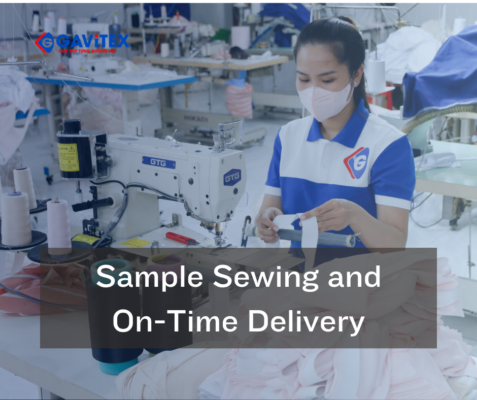
Ready to explore artisan garment manufacturing in Vietnam with Gavitex?
Share your ideas and receive a tailored proposal
Whether you plan a small capsule, a seasonal highlight or a complete shift towards more crafted pieces, Gavitex can design a program that fits. Send us your tech packs, sketches or sample images and we will prepare a proposal for artisan garment manufacturing including suggested workshops, indicative prices and lead time options. You can also visit our dedicated page on
artisan garment manufacturing
to see how other brands collaborate with our Vietnam team.
Talk directly with a specialist today
A short conversation is often the easiest way to clarify how artisan garment manufacturing can work for your specific situation. Our experts can walk you through concrete examples of projects we manage, explain how we coordinate artisan and industrial partners and show how this approach can coexist with your current vendor base and price structure. Together, we can map the first season and outline a longer roadmap where crafted garments become a consistent, recognisable part of your brand.
Call for consultation & Get a quick quote