

Carbon-neutral Garment Factory Partner for Forward-thinking Brands | Gavitex
Fashion is changing fast. Consumers, investors and regulators now expect brands to reduce emissions and prove it with real data, not just slogans. That pressure moves straight into your supply chain. The easiest way to act is to work with a trusted carbon-neutral garment factory that understands both climate responsibility and commercial reality. From Vietnam, Gavitex supports brands, retailers and sourcing offices that need reliable garment manufacturing, competitive pricing and measurable environmental impact in one integrated solution.
Instead of simply offsetting emissions on paper, Gavitex focuses on practical steps inside the factory: cleaner energy, smarter clothing production lines, better material usage and transparent reporting. For partners that also rely on upstream bulk textile manufacturing, we help align fabric and garment decisions with your climate targets. The goal is simple: make it easier to say “yes” to a carbon-neutral garment factory without losing speed, quality or margin.
Call for consultation & Get a quick quote
Contents
- 1. What a carbon-neutral garment factory means for your brand
- 2. Features and value of a carbon-neutral garment factory
- 3. Carbon-neutral garment factory vs conventional factory
- 4. Gavitex capabilities, technology and processes
- 5. Legal assurance & brand confidentiality
- 6. Five reasons to choose Gavitex
- 7. Market insights & colorful sustainability chart
- 8. Sample pricing & savings overview
- 9. FAQ about carbon-neutral garment factory partnerships
- 10. Contact Gavitex & start your project
1. What a carbon-neutral garment factory means for your brand
1.1 From emissions problem to competitive edge
A carbon-neutral garment factory is one that measures its greenhouse gas emissions, reduces them aggressively and then balances the remainder with credible offsets or insetting projects. For brands, this means your products are made in facilities where energy, materials and logistics are regularly reviewed through a climate lens. Done well, this is not just a compliance exercise. It becomes a genuine competitive advantage when negotiating with retailers, investors and sustainability-conscious consumers.
Gavitex is actively aligning its garment manufacturing operations with carbon reduction pathways: optimizing electricity usage, improving cutting yields, and deploying more efficient machinery. The ambition is to build a practical, scalable model of a carbon-neutral garment factory that still delivers the speed and reliability global fashion requires.
1.2 How Gavitex links carbon neutrality to everyday operations
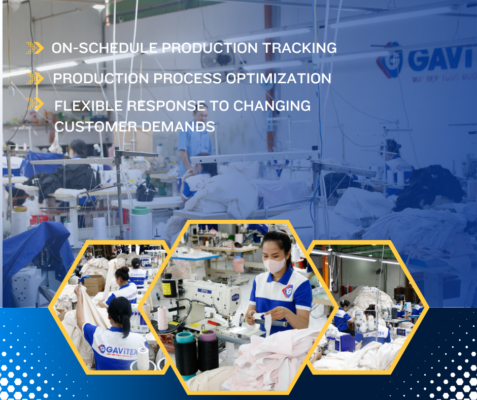
Instead of treating climate commitments as a separate project, Gavitex embeds them into everyday routines. Line supervisors track not only output but also waste. Maintenance teams prioritize energy-efficient settings on machines. Production planning looks at how loading clothing production lines and finishing equipment can minimize idle time and unnecessary overtime. These operational details are where a carbon-neutral garment factory becomes real, not just a headline.
1.3 Why international brands are asking for carbon-neutral partners
Regulations like extended producer responsibility, eco-design rules and mandatory reporting are moving quickly. Large retailers and platforms already ask for emissions data by tier, especially for OEM clothing manufacturer relationships. By working with a carbon-neutral garment factory like Gavitex, you position your brand ahead of these regulatory curves while building a credible story for your audience.
2. Features and value of a carbon-neutral garment factory
2.1 Deep measurement and reduction of emissions
The first defining feature of a serious carbon-neutral garment factory is measurement. Gavitex maps emissions from electricity use, boilers, compressed air, cutting, sewing, finishing, packaging and on-site logistics. This allows us to identify where real gains are possible, from lighting upgrades to better scheduling of dryers and presses. Step by step, the factory’s carbon intensity per garment can be reduced without compromising production targets.
Once reductions are implemented, residual emissions are balanced with high-quality climate projects. This combination turns climate action from an abstract idea into measurable improvements that can be shared with your teams, your customers and your stakeholders.
2.2 Cleaner energy, smarter lines and less waste
A carbon-neutral garment factory also looks different on the production floor. Machines are chosen for efficiency as well as speed. Layouts are optimized to avoid unnecessary movement. Cutting rooms use markers and nesting strategies that reduce fabric waste, which is critical in any custom clothing production program. Where possible, Gavitex works with energy-efficient finishing equipment and explores options to integrate more renewable electricity into its operations.
2.3 Transparency that supports your brand story
Brands increasingly need concrete stories, not slogans. An authentic carbon-neutral garment factory provides data and narratives that your marketing, CSR and investor relations teams can use. Gavitex shares information on reduction measures, energy mix, waste reduction and worker training programs. Because we also handle private label apparel for some clients, these stories can be tailored to different collections or channels without losing credibility.
The value is not just environmental. By connecting resource efficiency, process control and emissions reduction, Gavitex builds a platform where climate responsibility and lean garment manufacturing reinforce each other. You benefit in cost, in compliance and in customer trust.
Key value of partnering with a carbon-neutral garment factory:
- Measurable emissions reduction integrated into everyday production.
- Cleaner, more efficient clothing production lines and cutting rooms.
- Better use of fabrics and trims in custom clothing production.
- Credible stories and data to back your sustainability claims.
3. Carbon-neutral garment factory vs conventional garment factory
3.1 Emissions, energy and resource use
A conventional factory typically optimizes for speed and basic cost, with less focus on energy sources, leakages in compressed air, or scrap collection systems. In a carbon-neutral garment factory model, these topics move to the center of management attention. Electricity consumption is tracked, leaks are fixed, idle machines are switched off, and waste streams are separated so they can be recycled where possible.
Over time, the difference becomes significant. The carbon footprint per garment from a carbon-neutral garment factory can be noticeably lower than that of a similar facility using older approaches, even before offsets are applied. For brands setting science-based targets, that difference is critical.
3.2 Compliance risk and audit readiness
Conventional facilities may pass basic social audits but struggle when customers request climate-related data or environmental certifications. A carbon-neutral garment factory is built with such requests in mind. Processes, meters, and documentation systems are configured so that data can be extracted when your compliance team or retail partners ask for it.
For brands that operate as or work with an OEM clothing manufacturer, having a partner like Gavitex reduces the risk of failed audits and last-minute surprises. Carbon and environmental aspects become part of a broader compliance framework rather than an afterthought.
3.3 Brand value, premiums and access to new markets
In some markets, buyers are willing to pay a premium or prioritize vendors that can demonstrate climate responsibility. In others, it simply determines who qualifies to supply large chains or corporate programs. A carbon-neutral garment factory status can open doors to new tenders for uniforms, workwear and private label apparel where sustainability is explicitly scored.
Gavitex combines this positioning with the practical strengths of a modern garment manufacturing facility: flexible capacity, good lead times and solid quality levels. You do not need to choose between sustainability credentials and operational performance—you can have both in one supply partner.
4. Gavitex capabilities, technology and processes
4.1 Production capacity and flexible clothing production lines
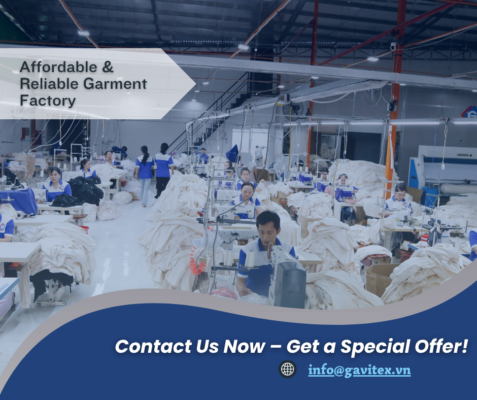
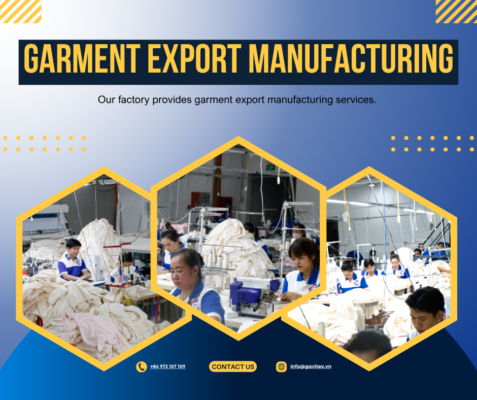
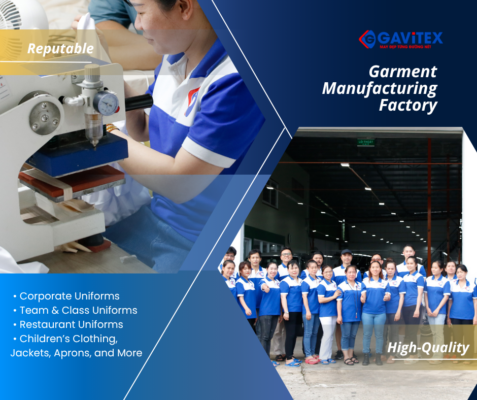
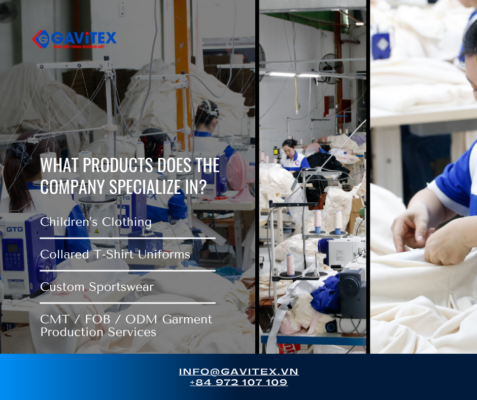
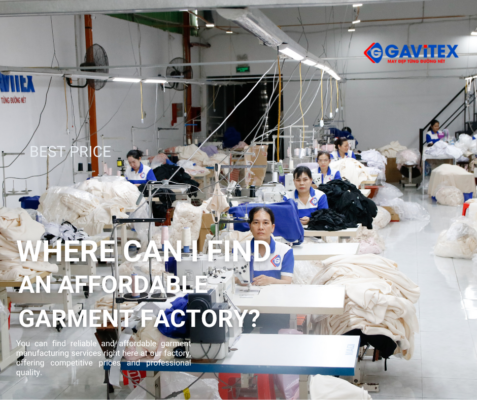
Gavitex combines the discipline of a carbon-neutral garment factory approach with the flexibility expected from a modern production hub. Our modular clothing production lines can be configured for T-shirts, polos, hoodies, uniforms or fashion tops with relatively short changeover times. This allows us to run stable core programs alongside faster, trend-driven items without compromising efficiency.
Capacity planning takes into account both production volume and carbon impact. When we build line plans and capacity charts, we also consider how to minimize overtime, optimize machine utilization and reduce energy peaks. This dual lens keeps your orders on schedule and aligned with environmental goals.
4.2 Technology and digital tools supporting low-carbon production
Gavitex uses a combination of modern machinery and digital tracking systems. Cutting is supported by automated spreaders and nesting software that maximize fabric utilization. Sewing lines are monitored for output and quality, while maintenance schedules ensure machines run efficiently. These investments support both cost competitiveness and the carbon reduction objectives of a carbon-neutral garment factory.
For many clients, we manage end-to-end custom clothing production programs, from fabrics to finished cartons. This means digital tools also track orders across stages, helping us plan energy-hungry operations and avoid bottlenecks that could increase emissions or lead times.
4.3 Process control, quality and continuous improvement
Gavitex maintains standard operating procedures across cutting, sewing and finishing. Inline and final inspections ensure garments meet specifications before packing. Feedback loops, including operator suggestions and root-cause analysis of defects, feed into continuous improvement projects. In a carbon-neutral garment factory context, these projects often link quality gains to resource and energy savings.
For brands that require consistency across large, multi-season programs, this combination of process discipline and improvement mindset is key. It supports the reliability expected from serious garment manufacturing partners while building a pathway to lower-impact production year after year.
5. Legal assurance & brand confidentiality
5.1 Contracts that reflect climate and quality commitments
Large orders and long-term programs depend on trust built into contracts. Gavitex structures agreements so they cover not only price, lead time and quality, but also environmental and reporting expectations relevant to a carbon-neutral garment factory. This may include data sharing on energy use, waste, and agreed improvement targets over time.
For brands working through an OEM clothing manufacturer model, we can align contract language with your commitments to retailers or corporate clients, ensuring that climate-related obligations are clearly assigned and understood.
5.2 NDAs, sample protection and intellectual property
Your tech packs, fabric recipes, fits, branding and packaging are critical assets. Gavitex signs non-disclosure agreements on request, covering developments related to your private label apparel or branded collections. Access to confidential documents and samples is restricted to teams directly involved in your projects.
In a carbon-neutral garment factory setting, sample and prototype work is also managed with efficiency in mind: we seek to minimize unnecessary iterations without cutting corners on fit or performance. This saves time, cost and emissions, while protecting your designs from unauthorized use.
5.3 Certification, audits and traceability
Many clients require third-party audits or certifications linked to social and environmental performance. Gavitex welcomes such assessments and uses them as benchmarks for improvement. As we develop our carbon-neutral garment factory model, we also work with partners to build traceability across materials, processing and logistics where feasible.
This means your compliance and sourcing teams can access a clearer view of what happens inside the factory and across key steps of your garment manufacturing chain. When combined with your own data systems, this supports more credible reporting to retailers, regulators and end customers.
6. Five reasons to choose Gavitex as your carbon-neutral garment factory
6.1 Competitive cost despite added sustainability value
A common concern is that choosing a carbon-neutral garment factory will significantly increase unit costs. Gavitex challenges that assumption. By connecting energy efficiency, capacity planning and material optimization, we often unlock savings that offset the investments needed for climate measures. In many cases, we can deliver prices 35–45% below some higher-cost regions while still supporting your low-carbon objectives.
6.2 Proven garment manufacturing expertise
Sustainability means little if the product itself is not right. Gavitex has years of experience in garment manufacturing for international brands, covering jersey, fleece, uniforms, promotional wear and more. Our teams understand pattern making, grading, construction methods and quality standards expected in demanding markets. The carbon-neutral garment factory approach is layered on top of this existing expertise, not added instead of it.
6.3 Reliable timelines and responsive communication
Deadlines still matter in a carbon-neutral garment factory. Gavitex uses clear production plans, milestones and communication routines to keep orders on track. If challenges arise—such as material delays or sudden changes in demand—we discuss options transparently, from line rebalancing to partial shipments. This responsiveness is essential when your collections depend on synchronized deliveries across multiple regions.
6.4 Strategic partnerships and sourcing network
As a Vietnam-based hub, Gavitex is embedded in a strong ecosystem of yarn and fabric mills, printers, embroidery units and logistics providers. For some customers, we also coordinate with external sourcing partners such as Vietnam garment sourcing partner GOCY to synchronize material booking, compliance and shipping. Together, we can design programs where custom clothing production is supported by low-impact materials and efficient upstream processes.
6.5 Future-proof, flexible and ready to scale
Climate expectations, materials and regulations will continue to evolve. Gavitex is investing in systems and skills that allow our carbon-neutral garment factory model to adapt—whether that means integrating new traceability tools, responding to new standards, or working with more circular business models. For brands planning multi-year growth, this future readiness is a crucial reason to select us as a long-term supply partner.
To explore Gavitex’ vision in more detail, you can also visit our dedicated page on carbon-neutral garment factory services for global partners.
7. Market insights & colorful sustainability chart
7.1 Demand for low-carbon production in fashion
Demand for a credible carbon-neutral garment factory partner comes from multiple directions: large retailers with climate targets, DTC brands wanting transparent storytelling, corporate buyers needing sustainable uniforms, and NGOs or institutions requiring low-impact merchandise. Each segment has its own expectations and constraints, but all share a need for reliable data and real reductions, not just offsets.
The illustration below shows a typical split of demand segments a supplier like Gavitex might serve in the transition toward low-carbon garment manufacturing.
Illustrative demand segments for a carbon-neutral garment factory
30%
25%
20%
15%
10%
A diversified customer base helps Gavitex keep its carbon-neutral garment factory busy year-round while spreading best practices across sectors.
7.2 What this means for your sourcing strategy
For sourcing managers, this evolving landscape means that choosing a carbon-neutral garment factory is not only about price and capacity. It is about future readiness. As more customers and regulators demand low-carbon supply chains, the brand–factory relationship will increasingly be judged on its ability to provide data, adapt and scale improvements. Gavitex is building its systems and skills with that future in mind.
8. Sample pricing & savings overview
8.1 How cost works in a carbon-neutral garment factory
A carbon-neutral garment factory must invest in better equipment, monitoring and sometimes offsets. However, many of these investments reduce operating costs too: lower energy bills, less waste and fewer defects. At Gavitex, we use this logic to keep our offer competitive, especially when we manage complete custom clothing production programs rather than isolated styles.
8.2 Indicative pricing comparison
The table below compares typical market prices with prices achievable when working with Gavitex under a carbon-neutral garment factory model. Figures are illustrative but show how savings of 35–45% versus some high-cost alternatives are often possible.
| Product type (sustainable program) | Average market price (USD / piece) |
Gavitex price in carbon-neutral model (USD / piece) |
Saving vs market |
|---|---|---|---|
| Organic cotton T-shirt, 180gsm | 4.20 | 2.60 | ≈ 38% |
| Piqué polo with low-impact dye | 5.80 | 3.50 | ≈ 40% |
| Recycled polyester sports tee | 7.60 | 4.20 | ≈ 45% |
| Workwear trousers with reinforced panels | 13.20 | 7.90 | ≈ 40% |
| Sustainable hoodie (organic cotton / recycled poly blend) | 11.80 | 7.10 | ≈ 40% |
8.3 Turning numbers into action
Actual pricing will depend on your chosen fabrics, trims, print or embroidery, packaging and order volumes. However, these examples show that working with a carbon-neutral garment factory does not have to mean paying more. In many cases, it can reduce your total landed cost once rework, delays and compliance risks are considered. Share your project details with Gavitex and we will prepare a tailored costing and timeline proposal.
Discuss your next low-impact program with our team and see how a carbon-neutral garment factory can fit into your broader sourcing strategy.
9. FAQ about carbon-neutral garment factory partnerships
Here are some common questions from brands and buyers exploring collaborations with a carbon-neutral garment factory like Gavitex. Click each question to see the full answer.
1. What exactly does “carbon-neutral garment factory” mean in practice?
In practical terms, a carbon-neutral garment factory is one that measures its greenhouse gas emissions across core activities, implements concrete reduction measures and then balances any remaining emissions through credible compensation projects. At Gavitex, this starts with energy and resource mapping: we look at electricity, fuel, compressed air, fabric waste and other relevant areas inside our garment manufacturing operations. Based on that data, we implement improvements such as more efficient machinery, better cutting yields and smarter scheduling. Only after these steps do we look at offsets for the residual footprint. For your brand, this means that when you place orders with Gavitex, you are working with a partner that treats climate impact as a management topic, not just a marketing phrase, and that can provide meaningful information to support your reporting and storytelling.
2. Will working with a carbon-neutral garment factory increase our product costs?
It is natural to assume that a carbon-neutral garment factory will be more expensive, but the full picture is more nuanced. Some improvements, like efficient lighting or better cutting techniques, actually reduce operating costs as well as emissions. Others, like high-quality offsets, do add a small cost. At Gavitex, we work to balance these elements so that overall pricing remains competitive against other sourcing regions, and often significantly lower when you compare total landed cost. We also consider savings derived from fewer quality issues, more predictable lead times and lower compliance risk. In many cases, our clients find that choosing a climate-conscious partner improves their margin resilience while helping them meet sustainability targets.
3. Can Gavitex support both private label apparel and branded collections?
Yes. Gavitex works with both retailers running private label apparel programs and independent brands looking for strategic partners. In each case, the carbon-neutral garment factory approach is adapted to the project’s scale and complexity. For private labels, we often coordinate multiple styles across categories using shared fabrics, while ensuring that environmental data can be aggregated at program level. For branded collections, we may focus more on story-driven elements such as specific materials, finishing techniques or traceability features that match your positioning. Regardless of the mix, our custom clothing production and clothing production lines are planned so that climate actions and production efficiency move in the same direction.
4. What information do you need from us to estimate emissions and prepare a proposal?
To prepare a meaningful proposal from a carbon-neutral garment factory perspective, we request your tech packs or sketches, expected materials, approximate volumes and desired delivery windows. The more clarity you can share on fabric composition, GSM, colors, trims and packaging, the more accurately we can model both cost and climate impact within our garment manufacturing system. If you already have internal emissions factors or reporting formats, we can explore how Gavitex data might align with them. We then combine this information with our own measurements and reduction plans to outline a transparent offer: unit pricing, lead times, potential emission ranges and ideas to improve both commercial and environmental performance over time.
5. How does Gavitex coordinate with other partners in our supply chain?
Many brands work with multiple partners: mills, dye houses, logistics providers and sometimes a regional sourcing office. A carbon-neutral garment factory must fit coherently into that network rather than act on its own. Gavitex is used to collaborating with nominated fabric suppliers and external partners such as regional sourcing agents or logistics companies. We are happy to coordinate with your upstream bulk textile manufacturing sources and downstream freight partners to align materials, production schedules and shipping plans. Our aim is to be a transparent, solution-oriented node in your network, providing both strong garment manufacturing capabilities and climate-aware insights that help everyone involved move in the same direction.
10. Contact Gavitex & start your carbon-neutral program
10.1 How to begin working with Gavitex
Moving toward a carbon-neutral garment factory partnership does not need to be complicated. Start by sharing your current or upcoming styles, expected volumes and timelines. Our team will review your needs, suggest realistic options and design a step-by-step plan that combines emissions reduction, strong garment manufacturing performance and competitive pricing.
10.2 Information to prepare for a focused discussion
To make the first conversation productive, prepare tech packs or sketches, approximate quantities per style, preferred materials and any sustainability requirements you already have in place. If you operate multiple labels or regions, let us know which lines are most suitable to pilot production with a carbon-neutral garment factory. Based on this, Gavitex will propose sampling, costing, timing and reporting options tailored to your organization.
10.3 Call to action
If you are ready to align climate responsibility with strong commercial performance, Gavitex is here to help. As a Vietnam-based carbon-neutral garment factory partner, we combine technical know-how, flexible capacity and a clear vision for the future of apparel production. Together, we can build programs that make sense for your customers, your teams and the planet.
Get in touch today:
- Send us your project details and sustainability expectations.
- Receive a tailored proposal from our carbon-neutral garment factory team.
- Launch pilot styles, review results and then scale with confidence.
For immediate support, call our hotline:
Hotline: 0972107109
Partnering with Gavitex means gaining a reliable, future-ready ally that treats the idea of a carbon-neutral garment factory as a concrete roadmap, not just a label. Share your next collection with us and let’s design a smarter, lower-impact way to bring it to life.