

Seamless Underwear Manufacturing Process for Private Label Brands
Seamless underwear is knitted largely in one piece on circular machines, giving smooth, invisible comfort [...]
Aug
French Terry vs Fleece for Hoodie Manufacturing
French terry and fleece are the two fabrics most hoodies are made from, and the [...]
Aug
Sports Bra Manufacturing Checklist: Support, Fabric, and Construction
A sports bra must deliver real support, comfort and moisture management across a wide range [...]
Aug
Vietnam Export-Quality Garment Factory: Sourcing High-Quality, Ethical Apparel From Vietnam
Gavitex supports export-quality garment manufacturing in Vietnam for international apparel brands, covering sampling, fabric coordination, [...]
Feb
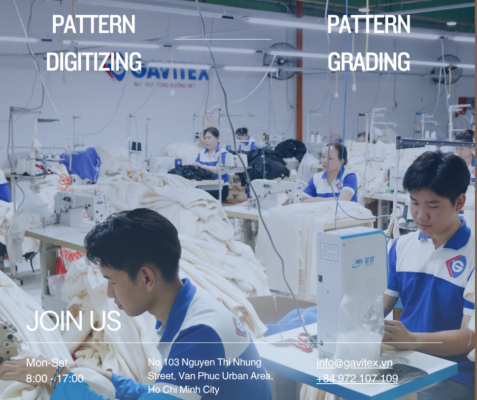
Vietnam Garment Production Factories: Sourcing, Manufacturers, Ethical Apparel & Compliance Guide
Gavitex provides garment production support in Vietnam for international apparel brands, covering sampling, fabric sourcing, [...]
Feb
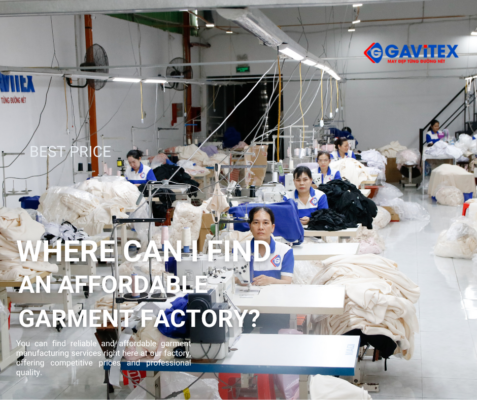
Vietnam Clothing Manufacturing For Export: Sourcing, Quality, And Sustainable Apparel
Unlocking the potential of Vietnam clothing manufacturing for export is critical for businesses seeking cost-effective [...]
Feb
Largest Garment Factory In Vietnam: Top Producer, Capacity, And Workforce Insights
The quest to pinpoint the largest garment factory in Vietnam is crucial for businesses seeking [...]
Feb
Garment Factories In Vietnam: Sourcing, Manufacturers, & Ethical Apparel Production
Understanding the landscape of garment factories in Vietnam is crucial for businesses seeking efficient and [...]
Feb
Contract clothing manufacturer for global fashion brands – Gavitex Vietnam
For modern fashion brands, retailers and private labels, the right contract clothing manufacturer is more than a sewing facility. It is a strategic partner that turns ideas into well-made garments, keeps calendars realistic and protects your brand reputation in every box that leaves the factory. Instead of coordinating many small workshops and freelancers, more companies now choose one experienced contract clothing manufacturer to manage development, sourcing and garment manufacturing in a single, transparent flow.
Gavitex is a Vietnam-based contract clothing manufacturer specialising in fashion basics, lifestyle apparel and sporty silhouettes. With organized clothing production lines, English-speaking merchandisers and a culture built around long-term partnerships, Gavitex supports international clients that need reliable quality and honest communication. You can also explore the broader profile of Gavitex as a cong ty may mac Vietnam when planning your sourcing network.
If your brand is searching for a dependable contract clothing manufacturer to handle development and bulk production, Gavitex is ready to help. Call 0972107109 for direct consultation and a tailored quotation.
1. What is a modern contract clothing manufacturer?
Role in global garment manufacturing
A professional contract clothing manufacturer is a factory or group of factories that takes responsibility for producing garments on behalf of brands. Instead of building their own plants, labels and retailers outsource production to these specialists. The manufacturer handles sourcing support, garment manufacturing, quality control and often packaging and logistics coordination. This structure lets brands focus on design, marketing and sales while their partner manages the complexities of factory operations and clothing production lines.
In practice, a strong contract clothing manufacturer does much more than simply sew garments. The team interprets tech packs, optimizes markers, selects the right machines for each operation and sets up balanced lines. For brands, this means fewer errors, better repeatability and more predictable lead times compared with ad hoc suppliers or scattered workshops.
Key characteristics and added value
The best contract clothing manufacturer partners tend to share five characteristics: technical competence, stable capacity, transparent communication, financial reliability and a long-term mindset. At Gavitex, pattern makers, technicians and merchandisers work closely to translate each style into efficient custom clothing production. Buyers benefit from fabric suggestions, construction improvements and realistic time-and-action plans that match their calendars.
For brands running private label apparel programs, this partnership model is particularly attractive. Instead of paying for large internal technical teams, they can rely on the expertise of a seasoned contract clothing manufacturer that already understands industrial processes and international compliance standards.
Why location matters: Gavitex in Vietnam
Geography plays an important strategic role. Gavitex operates from Vietnam, a leading sourcing destination with competitive labor costs, a young workforce and a dense network of mills and accessory suppliers. This allows the company to offer attractive pricing while maintaining strong quality. As both a contract clothing manufacturer and an established garment company in Vietnam, Gavitex connects the advantages of its location with disciplined internal processes.
For buyers, this means access to regional material markets, efficient shipping routes and a mature ecosystem of washing plants, printers and embellishment specialists. All of these elements are coordinated through a single contract clothing manufacturer, making sourcing smoother and more predictable.
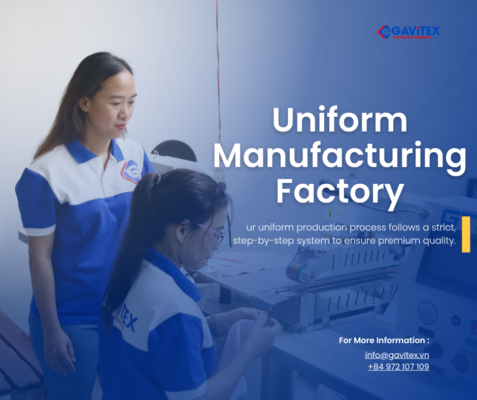
2. Market overview and colorful chart for contract clothing manufacturer services
Growing demand for integrated partners
Global brands are under pressure to launch more collections, shorten lead times and maintain quality while controlling risk. As a result, demand for a reliable contract clothing manufacturer with integrated services has grown significantly. Rather than splitting development, sourcing and production across multiple vendors, more sourcing managers prefer one accountable partner who can manage the full flow of garment manufacturing.
Vietnam and surrounding regions host a broad mix of factories, but not all of them operate as structured contract partners. Gavitex focuses specifically on this model, combining stable capacity with professional project management. For brands, this reduces the complexity of handling separate sampling units, fabric agents and small workshops.
Segments using contract clothing manufacturers
Different industry segments leverage a contract clothing manufacturer in slightly different ways. Emerging labels rely on the factory’s experience to build sizing, finishing and packing standards. Established retailers use the partner’s clothing production lines to execute recurring core programs and seasonal capsules. Sports brands look for factories that can manage performance fabrics and functional details in their custom clothing production.
Gavitex serves all three groups, offering flexible order quantities and a structured process that keeps projects under control. When needed, the company collaborates with partners such as OEM clothing manufacturer networks in Vietnam to extend capacity or access specialized technologies.
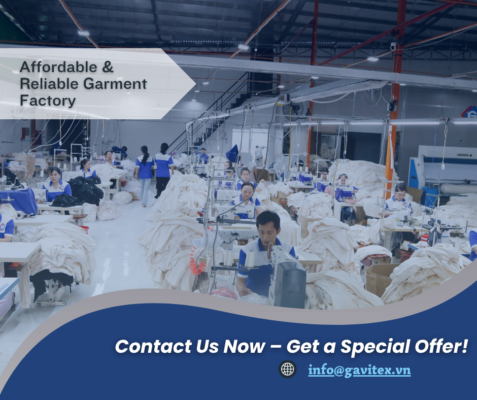
Colorful bar chart: adoption of contract manufacturing
The illustrative chart below shows how different buyer types allocate a rising share of production to integrated contract clothing manufacturer partners.
using contract partners
with contract strategies
using contract production
turning to contract factories
The chart underlines how a trusted contract clothing manufacturer has become central to sourcing strategies across different buyer categories.
3. Contract clothing manufacturer vs traditional CMT workshop
How a traditional CMT workshop operates
In a classic CMT model (cut, make, trim), the factory receives fabrics, trims and complete tech packs from the buyer, then focuses only on cutting and sewing. Many smaller facilities still operate this way. They may have some experience, but they typically do not take responsibility for sourcing, pattern development or fabric optimization. For brands with large internal teams, this can work, but it demands heavy involvement in every detail of garment manufacturing.
A basic CMT workshop may not have sophisticated planning systems or modern clothing production lines. Quality and lead time depend on the experience of a few supervisors, and documentation is limited. When something goes wrong in a CMT environment, the brand often carries most of the risk.
How a contract clothing manufacturer changes the picture
By contrast, a full-service contract clothing manufacturer like Gavitex assumes much broader responsibility. The team supports pattern development and grading, advises on fabric choices, prepares markers and plans production. Sourcing support, sample flows and quality systems are all integrated into a single structure. Instead of just “doing what the tech pack says”, the contract partner actively helps make the product more manufacturable and commercially viable.
This is especially valuable for private label apparel where internal technical resources may be limited. A strong contract clothing manufacturer becomes an extension of the brand’s product team, catching potential problems at the sampling stage and preventing them from turning into large-scale issues during mass custom clothing production.
Side-by-side comparison
| Aspect | Full contract clothing manufacturer | Traditional CMT workshop |
|---|---|---|
| Scope | Development, sourcing support, garment manufacturing, packing and documentation | Cut, sew, trim based on materials and tech packs provided |
| Risk ownership | Shared responsibility for quality and timelines | Brand carries most technical and sourcing risk |
| Process control | Documented procedures, data tracking and standardized clothing production lines | Limited documentation, highly dependent on individuals |
| Ideal for | Brands seeking reliability, scalability and collaboration on product improvements | Brands with large in-house technical teams and high tolerance for daily coordination |
4. Gavitex capabilities as a contract clothing manufacturer
Production capacity and flexible lines
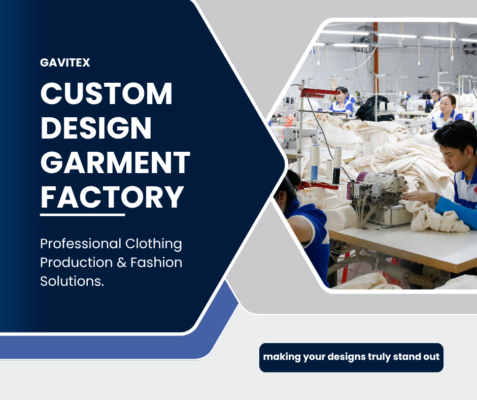
Gavitex runs modular clothing production lines that can be configured for T-shirts, polos, hoodies, joggers, dresses and more. Each line is arranged according to lean principles to minimize motion, defects and waiting time. This gives the contract clothing manufacturer the flexibility to handle both repeat programs and high-mix style assortments.
Line leaders monitor efficiency and quality in real time, adjusting staffing and work balance when necessary. For buyers, this translates into realistic output levels and reliability in peak seasons when demand for garment manufacturing is especially high.
Technology and quality systems
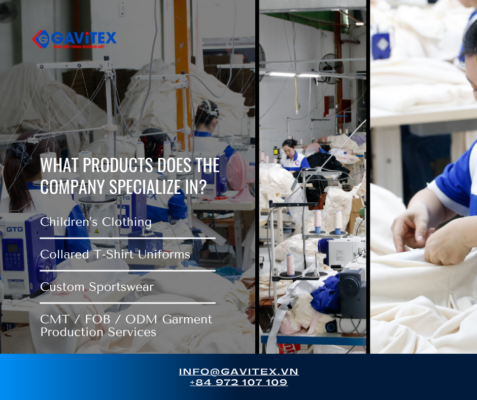
As an experienced OEM clothing manufacturer, Gavitex uses CAD systems for pattern development, grading and marker optimization. Fabric utilization is monitored carefully to reduce waste without compromising fit. Automated cutting and standardized machine settings support repeatable custom clothing production. In-line and end-of-line quality checks follow documented procedures and agreed AQL levels.
These systems ensure that working with Gavitex as a contract clothing manufacturer feels structured and predictable. Brands receive clear size specs, defect classifications and inspection reports that support internal quality requirements.
Development support and communication
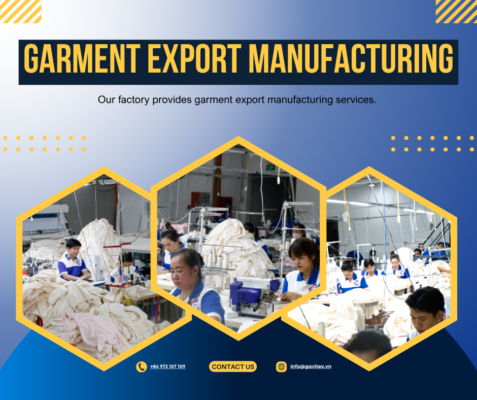
Gavitex assigns English-speaking merchandisers and project managers to each core client. They coordinate sampling, time-and-action plans and daily communication. For brands, this means one clear point of contact that orchestrates the internal technical and production teams of the contract clothing manufacturer.
When needed, Gavitex can extend services through its contract clothing manufacturer service page, where brands explore more details and share project briefs. This digital touchpoint complements direct calls, online meetings and on-site visits.
5. Legal framework and brand protection with a contract clothing manufacturer
Contracts that define responsibilities clearly
A trustworthy contract clothing manufacturer treats legal structure as part of the service. Gavitex signs written agreements that describe scope, timelines, pricing principles and quality expectations. These documents define who does what, when and how performance will be measured. For sourcing managers, this clarity makes it easier to integrate the factory into internal planning and reporting.
In addition, the contract confirms that all brand names, logos, artwork and distinctive elements remain the property of the client. Gavitex, acting as a professional contract clothing manufacturer, uses this information only to execute the agreed projects.
NDA and confidentiality processes
Many collections involve sensitive creative concepts and commercial information. To protect this information, Gavitex uses non-disclosure agreements that cover both digital and physical materials. Only staff directly involved with a project can access relevant tech packs, price lists and planning details. Files are stored in structured systems, and revision history is maintained to reduce the risk of confusion.
This disciplined approach is particularly important for premium private label apparel and brand collaborations, where early leaks could harm marketing plans. By choosing a contract clothing manufacturer with serious confidentiality practices, brands can share detailed information without sacrificing security.
Protecting samples, molds and brand assets
Physical samples, patterns and molds are an important part of the intellectual property landscape. Gavitex stores them securely and does not reuse them for other clients without written permission. Labels, hangtags and packaging that show the brand’s identity are tracked carefully, from receiving through production to the handling of leftovers. This prevents products made by the contract clothing manufacturer from entering unauthorized channels.
Combined with transparent audits and the ability to host client inspections, these measures make Gavitex a safe partner for long-term cooperation and large-scale garment manufacturing programs.
6. Five reasons to choose Gavitex as your contract clothing manufacturer
Reason 1 – Integrated project team
At Gavitex, merchandisers, pattern makers, planners and line supervisors work as one integrated project team. This allows the contract clothing manufacturer to respond quickly when styles change, quantities shift or feedback arrives from your design department. Instead of forwarding messages through several layers, the responsible team is already aligned and can implement decisions directly on the production floor.
Reason 2 – Transparent cost structure and savings
Costings at Gavitex separate fabric, trims, labor, printing, washing and overheads clearly. As a professional contract clothing manufacturer, the company uses marker optimization, smart line layouts and realistic sampling flows to reduce hidden costs. For brands shifting from fragmented sourcing to a consolidated model, these improvements can result in savings of roughly thirty five to forty five percent across development and custom clothing production.
Reason 3 – Consistent quality and on-time delivery
With documented procedures, trained inspectors and standardized clothing production lines, Gavitex maintains consistent quality across seasons. Time-and-action calendars include buffers for approvals and potential fabric delays, reducing last-minute pressure. For buyers, this means that working with a contract clothing manufacturer like Gavitex feels stable and predictable, even when calendars are tight.
Reason 4 – Flexibility for different business models
Gavitex supports brands selling through wholesale, own retail or direct-to-consumer channels. The contract clothing manufacturer can handle both evergreen basics with regular repeats and fashion capsules where demand is less certain. Cooperation with other OEM clothing manufacturer partners in Vietnam also helps the company accommodate peak seasons while protecting quality for each client.
Reason 5 – Partnership mindset and strategic input
Over time, Gavitex becomes more than a supplier. The team builds a deep understanding of your fit blocks, fabric preferences and target margins. This allows the contract clothing manufacturer to suggest fabric consolidation, shared trim concepts and smarter packaging ideas that simplify your overall supply chain. For sourcing directors and brand owners, this strategic input is as valuable as short-term unit cost reductions.
7. Illustrative price table and cost advantage with a contract clothing manufacturer
Understanding market price levels
Apparel prices vary widely depending on fabric, construction, volume and region. The values below are indicative examples comparing average international market levels with approximate offers from Gavitex as a contract clothing manufacturer. They show how integrated planning and efficient garment manufacturing can create meaningful savings while maintaining quality.
Example savings achieved with Gavitex
The table assumes standard quality levels, typical volumes of 1,000 pieces per style and similar packing specifications. Precise quotes will always depend on your actual project, but the pattern of thirty five to forty five percent savings is realistic for many clients moving from fragmented sourcing to one structured contract clothing manufacturer.
| Product example (1,000+ pcs) | Typical market total (USD) | Gavitex offer (USD) | Approx. saving |
|---|---|---|---|
| Classic cotton crew-neck T-shirt | 6.50 | 4.10 | ≈37% |
| Piqué polo shirt with logo embroidery | 8.40 | 5.20 | ≈38% |
| Women’s woven blouse | 13.80 | 7.60 | ≈45% |
| Sports leggings with flatlock seams | 12.90 | 8.00 | ≈38% |
| Brushed fleece hoodie | 15.70 | 9.20 | ≈41% |
These figures combine development, sampling and bulk garment manufacturing at one contract clothing manufacturer, highlighting how efficient planning reduces total sourcing cost.
8. Step-by-step cooperation flow with Gavitex contract clothing manufacturer
Step 1 – Brief and feasibility check
Cooperation typically begins when your team shares style ideas, reference garments or existing tech packs. Gavitex reviews this information, checks material availability and proposes constructions that fit your target prices. At this stage, the contract clothing manufacturer prepares an initial cost range and lead-time indication so you can evaluate the business case before committing further.
Step 2 – Development and sampling
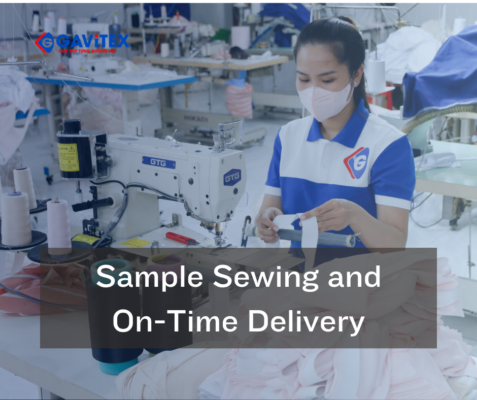
Once you confirm styles and price levels, Gavitex develops patterns, grading and detailed construction notes. Fit samples and pre-production samples are produced on representative clothing production lines to reflect real production conditions. Feedback is incorporated into revised samples if needed. When both sides approve fit, quality and appearance, technical data and markers are locked so that bulk custom clothing production runs smoothly.
Step 3 – Bulk production, packing and logistics
Bulk production follows the agreed time-and-action plan, with fabric, trims and accessories scheduled accordingly. The contract clothing manufacturer manages cutting, sewing, finishing, packing and labeling. In-line and final inspections confirm that products match approved standards. Gavitex then coordinates with nominated forwarders or supports export documentation, completing the full cycle from brief to shipment.
When you are ready to move from design to production, Gavitex stands beside you as a reliable contract clothing manufacturer, helping your team keep control of cost, quality and schedules.
9. Frequently asked questions about working with a contract clothing manufacturer
Sourcing managers and brand owners often raise similar questions before starting with a new contract clothing manufacturer. The answers below are designed to give more clarity on volumes, timelines, quality and project preparation.
What exactly does a contract clothing manufacturer do for my brand?
How much control will my team keep when working with Gavitex?
What minimum order quantities should we expect?
How does Gavitex ensure consistent quality across different styles and seasons?
What should we prepare before starting a project with Gavitex contract clothing manufacturer?
10. Contact Gavitex – your trusted contract clothing manufacturer
Selecting the right contract clothing manufacturer has a direct impact on your profitability, delivery performance and brand reputation. With organized clothing production lines, experienced technical teams and a partnership mindset, Gavitex helps you manage risk while growing your collections. Whether you are building a new private label apparel range or rethinking your existing supplier base, the team is ready to discuss options that match your goals.