Custom Print Clothing Manufacturing: Quality Prints at Scale with Gavitex
For modern brands, printing is not just decoration—it’s brand identity, repeat sales, and product credibility. With custom print clothing manufacturing, you control garment fit and fabric, then lock in print sharpness, color consistency, and wash durability across bulk runs. This guide explains print methods, production workflow, pricing, legal safeguards, and why Gavitex is a trusted partner for global garment manufacturing programs.
Need fast guidance? Share your artwork + product references and get a practical plan for custom print clothing manufacturing.
1) What custom print clothing manufacturing includes
“`
It’s not “just printing”—it’s a controlled production system
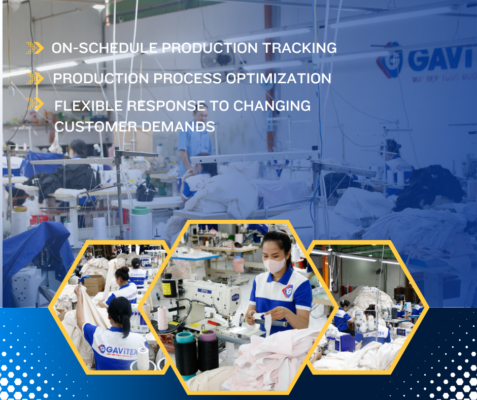
At the B2B level, custom print clothing manufacturing combines two disciplines: (1) stable garment manufacturing and (2) repeatable decoration with verified durability. A professional program covers fabric selection, pattern and grading, cutting, sewing, finishing, and packaging—plus the print method that matches your product goal. The factory must translate artwork into production-ready files, confirm color expectations, run tests for wash fastness, and execute bulk with consistent placement and opacity. When brands scale, small changes become expensive; the purpose of a controlled system is to make every unit match the approved benchmark.
Common product categories that rely on printed identity
Many categories benefit from custom print clothing manufacturing: fashion tees with graphic front prints, hoodies with oversized back artwork, uniforms with chest logos, activewear with heat transfers, and streetwear with specialty inks. Buyers often combine printing with private label apparel details such as woven labels, neck tape, branded hangtags, and custom packaging. The most important point is alignment: fabric choice, print method, and finishing must work together. For example, a heavily textured fabric may reduce DTG sharpness, while certain silicone softeners can impact ink adhesion if not managed properly.
Where an OEM clothing manufacturer adds value
A strong OEM clothing manufacturer helps brands choose methods that fit budget and performance goals. If you’re launching a new line, you may start with a simpler spec to validate sales, then upgrade inks, techniques, and finishing after you confirm demand. With the right partner, custom print clothing manufacturing becomes a repeatable playbook: approved artwork, locked color standards, stable placement, and predictable bulk output over time.
Decision shortcut: If your brand’s “look” depends on print clarity and repeatable colors across seasons, choose custom print clothing manufacturing instead of fragmented printing steps.
“`
2) Print methods: how to choose the right technique
“`
Screen printing: the classic choice for bulk efficiency
Screen printing is a workhorse in custom print clothing manufacturing because it delivers strong opacity and durable results for bulk quantities. It’s especially effective for bold graphics, limited-color designs, and high-volume programs. Your cost per unit typically drops as quantity increases because screens are a one-time setup cost. For brands, the big advantage is consistency: once ink mixing and screen settings are approved, bulk can run through stable clothing production lines with repeatable output. A professional factory will manage underbase for dark garments, cure temperatures, and wash testing to protect print longevity.
DTG printing: high detail, great for multi-color artwork
Direct-to-garment (DTG) works like an advanced inkjet system for garments. It excels at complex gradients and photo-like designs, making it a popular option in custom print clothing manufacturing when you want high detail. DTG can be ideal for smaller runs or wide design variety without screen setup. However, the best results depend on fabric composition (often cotton-rich), pre-treatment quality, and controlled curing. For B2B, DTG is strongest when your factory has consistent pretreat procedures and quality checks to prevent banding, dull colors, or uneven handfeel.
Heat transfer & embroidery: performance and premium branding
Heat transfers (including DTF and other film-based methods) often offer strong color vibrancy and placement flexibility, useful for activewear, uniforms, and mixed materials. Embroidery is not “printing,” but it’s frequently combined with custom print clothing manufacturing to elevate brand perception—think chest logos, caps, and premium detailing. The right mix depends on your customer expectations: streetwear might prioritize bold screen prints, while corporate apparel might favor embroidery or transfers that hold up under repeated washing.
A practical selection guide
- High volume, limited colors: screen printing.
- Photo-like detail, many colorways: DTG.
- Mixed fabrics, athletic performance: heat transfer / DTF.
- Premium logo look: embroidery (alone or combined).
For most brands, the best solution is the one that makes custom print clothing manufacturing repeatable—not just impressive on one sample.
If you’re building a full branded program, you may also want to explore custom order apparel manufacturing for broader sourcing, trims, and packaging support.
“`
3) Features, characteristics, and value for B2B buyers
“`
A feature set that supports scale: color, placement, durability
What makes custom print clothing manufacturing valuable is the ability to scale a consistent “look” without quality drift. That starts with color expectations: Pantone or visual references, lab dips for fabric, and print swatches or strike-offs for ink. Next is placement: print size, coordinates from key seams, and rules for tolerance. Finally, durability: curing standards, wash tests, and abrasion resistance where relevant. When these elements are defined and measured, the factory can maintain consistency even when volume increases. This is a major difference between professional garment manufacturing programs and ad-hoc production where each batch looks slightly different.
Business value: fewer returns, stronger brand trust
For ecommerce and retail, print quality directly affects customer perception. Cracking prints, off-center graphics, or color shifts can trigger returns and negative reviews. With custom print clothing manufacturing, you can reduce these risks through controlled approvals and QC gates. A reliable partner supports your long-term operations: repeat orders maintain the same look, and customers feel confident buying again. That trust can be more valuable than a small savings on unit cost.
Strategic value: a canvas for storytelling and product drops
Print allows brands to communicate quickly—limited drops, collaborations, seasonal themes, and storytelling graphics. When you pair custom print clothing manufacturing with stable clothing production lines, you can run consistent drops without chaos. Buyers can plan assortments, coordinate packaging and labeling, and execute retail-ready shipments. For private label apparel, prints can be combined with branded trims to create a premium experience that customers recognize immediately.
What smart buyers specify for printed products
- Artwork files (vector where possible), print size, and placement coordinates.
- Ink type, handfeel expectations, and acceptable color tolerance.
- Wash test expectations (e.g., after multiple wash cycles).
- Packaging requirements to protect prints during shipping.
This documentation makes custom print clothing manufacturing repeatable across seasons.
“`
4) Market snapshot + colorful bar chart
“`
What brands expect from print-focused manufacturing partners
Across B2B sourcing, buyers increasingly want one partner who can manage both garment build and decoration. That shift supports faster approvals, fewer logistics steps, and better consistency. In custom print clothing manufacturing, the strongest partners are those who control key variables: fabric selection, pretreat/ink process, curing, QC gates, and packaging protection. Brands also expect clearer communication on lead time drivers like screen setup, color matching, and wash test confirmation.
Illustrative method preference chart (B2B print programs)
The chart below is an illustrative view of how print methods are commonly selected for brand programs. It’s designed to help you compare tradeoffs within custom print clothing manufacturing rather than represent a single country’s exact data.
Print Method Selection (Illustrative Share)
Note: Illustrative shares to explain common sourcing decisions.
Takeaway: The “best” method is the one that keeps your brand look consistent across bulk. That’s the real advantage of custom print clothing manufacturing.
“`
5) Pricing table: market vs. Gavitex advantage
“`
What drives cost in print-focused production
Pricing in custom print clothing manufacturing depends on garment base cost (fabric, trim, sewing minutes) plus decoration costs (screen setup, pretreat, ink, transfer film, embroidery stitches). Complexity matters: large prints, multiple placements (front + back + sleeve), specialty inks, or high stitch counts increase cost. Quantity also matters because setup costs can be spread across more units. The most efficient factories reduce cost by stabilizing flow across clothing production lines and minimizing rework through early approvals and inline checks.
Illustrative price table (market baseline vs. Gavitex)
Guide only: The numbers below are illustrative B2B ranges. Gavitex targets pricing approximately 35%–45% lower than typical baselines for comparable specs through efficiency and stable sourcing—helping brands scale custom print clothing manufacturing without sacrificing consistency.
How to keep cost predictable without sacrificing print quality
To keep custom print clothing manufacturing pricing stable, reduce unnecessary variation: fewer garment colors, fewer placements, and a clear print method per design. Approve one standard for print size and placement, and keep artwork files production-ready. When the factory can plan screens, ink mixes, and line flow in advance, waste drops and quality stays consistent.
“`
6) Comparison: integrated custom print vs. blanks + local printing
“`
The “blanks + local printer” model
Many brands start by buying blank garments and printing locally. This can be convenient for very small batches, quick tests, or event merch. However, as volume grows, the model often becomes harder to control. Blanks may change fabric or sizing without notice, print shops may vary by operator, and coordinating shipping between locations adds risk. If your brand relies on consistent fit and consistent artwork, the fragmentation can lead to noticeable differences between batches.
Why custom print clothing manufacturing wins for brand consistency
With custom print clothing manufacturing, you lock garment specs and print standards in one workflow. That means fewer handoffs and fewer opportunities for drift. The same team controls fabric, cut-and-sew, print setup, curing, and final inspection. For global brands, integrated production also simplifies packaging and compliance steps. The result is a more scalable system: repeat orders match the approved sample, and your brand look stays consistent across seasons.
When each approach makes sense
- Use blanks + local printing: for early testing, micro drops, or one-time projects.
- Use custom print clothing manufacturing: when you need repeatability, stable fit, consistent color, and scalable production planning.
- Hybrid approach: validate designs locally, then move bestsellers into factory production for better cost and consistency.
To see how Gavitex structures integrated production, visit custom print clothing manufacturing and review the workflow for samples and bulk.
“`
7) Capabilities: scale, technology, and workflow at Gavitex
“`
Production capacity built for consistent bulk execution
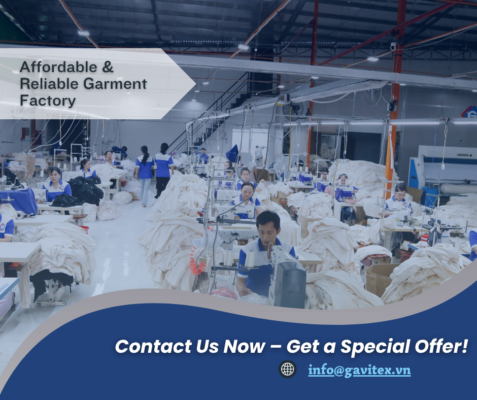
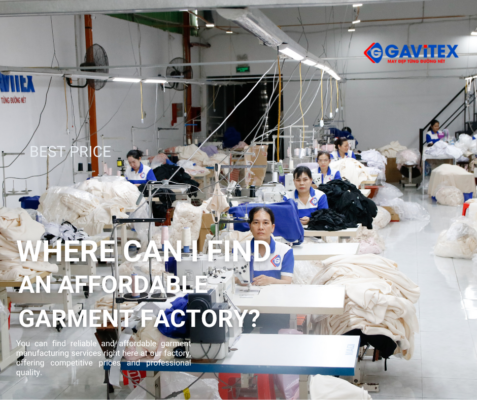
Gavitex supports international programs where printed products must remain consistent across repeated orders. The production approach is designed around disciplined clothing production lines and documented approvals. For custom print clothing manufacturing, that means the process is not improvised: it follows a flow of artwork confirmation, print testing, sample approval, and bulk production with inspection checkpoints. This reduces risk for brands that cannot afford inconsistency—especially when selling at scale across retail and ecommerce channels.
Technology and quality systems that protect prints
Print quality is influenced by many variables: fabric absorbency, pre-treatment, ink mix, screen tension, curing temperature, and operator handling. Gavitex focuses on practical controls that protect results in custom print clothing manufacturing: consistent setup routines, verification samples, and inspection for placement and appearance. When buyers provide clear artwork and standards, the team can keep results stable across different sizes and colorways—one of the biggest challenges in bulk print programs.
Full-program support: trims, labels, and retail-ready packing
Many B2B customers need more than decoration—they need product ready for sale. Gavitex supports woven labels, neck prints, hangtags, folding, polybags, and carton marks. For private label apparel, packaging details are part of the brand experience. As an OEM clothing manufacturer, Gavitex helps you align printing, garment build, and packaging into one reliable output.
What you can expect in a professional bulk workflow
- Clear approvals: artwork, color reference, print size/placement, and PP sample sign-off.
- Inline checks for measurements and print placement during production.
- Final inspection for print appearance, finishing quality, and packing accuracy.
- Documentation for repeat custom print clothing manufacturing orders.
“`
8) Legal safeguards & brand confidentiality
“`
Contracts that define quality, delivery, and responsibility
For international sourcing, the legal foundation protects both sides. A clear agreement for custom print clothing manufacturing should define product scope, approved samples, tolerance expectations, print method and appearance requirements, packaging standards, shipping terms, payment milestones, and claim procedures. When standards are documented, the factory can execute confidently and the buyer can evaluate results fairly. This clarity also reduces delays because decisions are referenced against agreed benchmarks instead of personal opinions.
NDA and safe sharing: artwork files, patterns, and packaging designs
Printed apparel often involves valuable creative assets: vector artwork, brand marks, limited-release graphics, pattern blocks, and packaging designs. An NDA (non-disclosure agreement) helps formalize confidentiality and is a common step before sharing sensitive materials. In custom print clothing manufacturing, safe handling means controlling access to production files, using clear version control, and limiting distribution to the teams directly responsible for printing and QC. When you combine legal agreements with disciplined operational practices, you reduce the risk of misuse or accidental leakage.
Operational brand protection: trim control and sample handling
Beyond paperwork, brand protection is operational. For private label apparel, factories should control branded labels, hangtags, and packaging to prevent unauthorized use. Samples should be managed carefully, and print screens or transfer files should be tied to approved orders. Gavitex emphasizes structured documentation and controlled handling to support brands that treat custom print clothing manufacturing as a long-term program, not a one-time run.
Questions worth asking your factory
- How are artwork files stored, and who can access them?
- Can the factory sign an NDA before development begins?
- How are branded labels and packaging controlled?
- What is the process for corrective actions if prints fail durability checks?
“`
9) Five reasons brands choose Gavitex
“`
1) Print consistency that protects brand reputation
In printed apparel, inconsistency is visible immediately. Gavitex focuses on repeatable standards—artwork confirmation, color references, placement guides, and inspection steps—so custom print clothing manufacturing stays aligned with the approved sample. This helps brands reduce returns, protect customer trust, and maintain a consistent identity across repeated launches.
2) Efficient clothing production lines that keep schedules realistic
Delivery performance matters as much as print quality. Gavitex works with structured clothing production lines and practical scheduling so bulk production and decoration steps remain coordinated. This coordination reduces bottlenecks—one of the most common causes of delays in custom print clothing manufacturing.
3) Cost optimization through process—not quality shortcuts
Many factories compete on price by cutting corners. Gavitex focuses on efficiency: better line planning, clearer approvals, and fewer reworks. This approach helps deliver custom print clothing manufacturing pricing that is competitive while protecting the details customers notice—print sharpness, color strength, and garment finishing.
4) Integrated support for private label apparel
Printed products often sell best when the entire presentation looks intentional: labels, hangtags, folding, and packaging. Gavitex supports retail-ready packing and private label apparel requirements so you can ship directly to warehouses or fulfillment partners with fewer issues. Integrated workflows make custom print clothing manufacturing smoother and more scalable.
5) Clear communication and brand confidentiality practices
Printed designs are sensitive brand assets. Gavitex prioritizes structured communication, version control, and confidentiality practices to help brands feel safer sharing artwork, patterns, and packaging details. This reduces risk and improves decision speed—both essential in custom print clothing manufacturing programs with frequent drops and seasonal launches.
Extra resource: If you want insights for building private label apparel programs and scaling apparel brands, you can also explore private label apparel resources used by many teams.
“`
10) Contact Gavitex / Get a quote
“`
What to send for a fast, accurate plan
To receive a practical quotation for custom print clothing manufacturing, send: product category, target fabric, size range, quantity by color, print method preference (or ask for recommendation), and artwork files (vector or high-resolution). Include print placement notes (front/back/sleeve), approximate print size, and your packaging needs. The clearer your inputs, the faster the factory can confirm feasibility, lead time, and stable cost.
A simple next step: align on a benchmark sample
The best way to avoid surprises is to approve one benchmark sample that captures your expected print look: color, opacity, handfeel, and placement. Once that benchmark is approved, custom print clothing manufacturing becomes repeatable and scalable. Gavitex supports this approach so your bulk runs match the expectation you set during development.
Let’s produce your next print program
For reliable quality and realistic lead times in custom print clothing manufacturing, contact Gavitex. Hotline: 0972107109.
“`
FAQ
“`
Which print method is best for my brand?
How do I prevent cracking or fading after washing?
What files should I send for printing?
Can you handle branded labels and retail-ready packing?
How fast can you quote and make a first sample?
“`