
Build responsible fashion with eco-conscious garment manufacturing at Gavitex
Consumers are asking tougher questions: where was this made, under what conditions, and with what impact? Brands that can answer
confidently—backed by real eco-conscious garment manufacturing practices—earn long-term trust, not just clicks.
From fabric selection to clothing production lines, Gavitex in Vietnam brings eco-conscious garment manufacturing
into practical daily operations: energy use, chemical management, waste reduction and traceable reporting for
private label apparel and high-volume custom clothing production.
Discover how a partnership grounded in eco-conscious garment manufacturing can support your brand story and your margins.
1. Understanding eco-conscious garment manufacturing for modern brands
1.1 What eco-conscious garment manufacturing means in practice
At its core, eco-conscious garment manufacturing goes beyond a few “green” product claims. It looks at the full life
of a garment: fibers, dyes, fabric mills, garment manufacturing facilities, logistics and end-of-life. The goal is
not perfection overnight, but measurable reduction of negative impact while maintaining quality, fit and commercial viability.
For Gavitex, eco-conscious garment manufacturing involves responsible material selection, careful chemical control,
efficient energy and water management, smart cutting to minimize waste, and well-organized clothing production lines
that reduce rework and overproduction. These practices are integrated into how we design, plan and execute every order.
1.2 Why eco-conscious garment manufacturing matters for your brand
Consumers and retailers increasingly expect proof, not promises. Brands without a credible story in
eco-conscious garment manufacturing risk losing shelf space and loyalty, especially in high-growth segments such as
private label apparel. At the same time, simply chasing certifications without improving real processes can be
expensive and unsatisfying.
By partnering with a grounded OEM clothing manufacturer like Gavitex, you can turn
eco-conscious garment manufacturing into a competitive advantage: more efficient custom clothing production,
better compliance and more transparent reporting for your stakeholders.
1.3 How Gavitex frames eco-conscious initiatives
Gavitex approaches eco-conscious garment manufacturing as a journey of continuous improvement. We focus on actions
that deliver both environmental and business benefits: reduced fabric waste, smarter packaging, longer-lasting garments and safer
working conditions. You can explore more about our philosophy in the dedicated page on
eco-conscious apparel manufacturing and our
technical implementation described in eco-conscious garment manufacturing.
2. Features, characteristics and value of eco-conscious garment manufacturing
A strong eco-conscious garment manufacturing strategy connects sustainability objectives with the daily realities
of industrial garment manufacturing.
2.1 Responsible inputs and smarter product design
One of the first features of eco-conscious garment manufacturing is responsible material choice. This may include
organic cotton, recycled polyester, certified viscose or innovative blends, but it also includes minimalistic trims and smarter
pattern design. By simplifying constructions, sharing components across styles and designing for longevity, brands reduce resource
use while improving customer satisfaction.
Gavitex helps translate these choices into clear specifications for mills and clothing production lines. We check
that materials perform well in real production and everyday wear, so your eco-conscious garment manufacturing
program delivers garments that look good, last longer and generate fewer returns.
2.2 Efficient processes and reduced waste
Another defining characteristic of eco-conscious garment manufacturing is process efficiency. Every minute of
machine time, every off-cut and every rejected piece has an environmental footprint. By improving cutting markers, line balancing
and operator training, Gavitex reduces defects and rework. This means less wasted fabric, energy and packaging—and more stable
costings for custom clothing production.
These improvements are especially powerful in private label apparel programs, where recurring volumes amplify the
benefits. With each style cycle, eco-conscious garment manufacturing becomes more refined, combining operational
data with your sustainability roadmap.
2.3 Transparency, traceability and brand story
Finally, eco-conscious garment manufacturing supports better communication with your customers and stakeholders.
Clear documentation of fiber origins, processing steps, certifications and factory practices allows your brand to share authentic
stories instead of vague claims. This goes hand in hand with improved compliance and risk management.
Gavitex works with your sourcing and sustainability teams to define what information is most important to track. By combining
structured data from our garment manufacturing operations with your own reporting tools, we help you create a
credible narrative around eco-conscious garment manufacturing that stands up to scrutiny.
4. eco-conscious garment manufacturing vs. conventional production models
4.1 Conventional manufacturing: hidden costs and risks
Conventional garment manufacturing often focuses primarily on price and short-term delivery. Materials may be
chosen mainly for low cost, with less attention to lifecycle impact. Waste levels can be high, energy efficiency low, and
worker-related aspects not always optimized. In this model, brands may achieve initial savings, but they carry risks: reputational
damage, compliance challenges, unpredictable quality and potential disruption as regulations tighten.
When the market demands traceability, a purely conventional approach can leave brands unprepared. Retrofitting sustainability onto
existing processes is far harder than building from an eco-conscious garment manufacturing mindset from the start.
4.2 Eco-conscious garment manufacturing: integrated and proactive
In contrast, eco-conscious garment manufacturing integrates environmental and social criteria into daily decisions.
Mills are selected for better chemical management; cutting and sewing are organized to reduce waste; and clothing production lines
are tuned for efficiency rather than pushed to compensate for poor planning. Gavitex looks at each style with both sustainability and
productivity in mind.
This approach does not mean unlimited cost increases. Instead, Gavitex uses experience as an OEM clothing manufacturer
to prioritize actions that offer solid returns: lower rework, fewer emergency shipments, more durable products and more stable
partnerships, all within a framework of eco-conscious garment manufacturing.
4.3 Why the market is moving toward eco-conscious garment manufacturing
As regulations and consumer expectations rise, the business case for eco-conscious garment manufacturing becomes
clearer. Brands that embrace this shift early can shape their supplier base, refine their reporting and attract new customers.
Those who delay may face rushed, expensive changes driven by external pressure.
By choosing a partner like Gavitex that already embeds eco-conscious garment manufacturing into its operations,
you can transition at a realistic pace, without losing focus on quality and commercial performance.
5. Gavitex capabilities in eco-conscious garment manufacturing
As a Vietnam-based OEM clothing manufacturer, Gavitex integrates eco-conscious garment manufacturing
into product development, production and long-term support for private label apparel.
5.1 Production capacity and technology aligned with eco goals
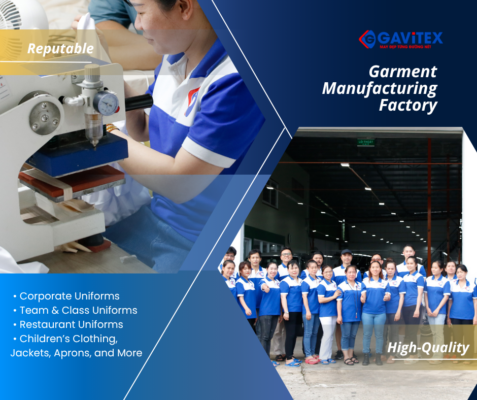
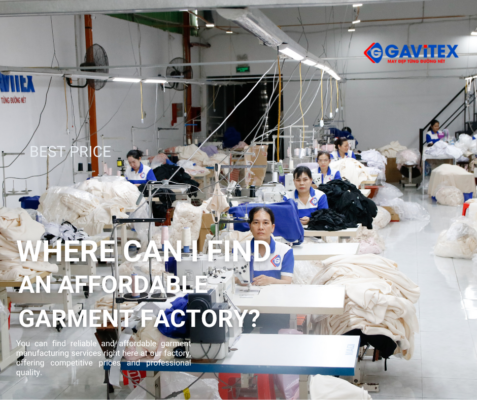
Gavitex operates modern facilities with organized clothing production lines for knit and woven categories. We invest
in machinery that supports quality and efficiency, including automated cutting, programmable sewing machines and digital pattern
tools. These technologies are used to support eco-conscious garment manufacturing through better marker efficiency,
repeatable stitching and consistent fits.
Capacity is managed carefully to avoid overcommitment. This is critical for eco-conscious garment manufacturing,
because rushed production is rarely responsible production. Our planning team balances volumes, seasonality and line specialties
so that custom clothing production runs consistently with high first-pass quality.
5.2 Processes and workflows focused on impact reduction
Within the factory, Gavitex applies practices that support eco-conscious garment manufacturing: waste segregation,
careful handling of chemicals, continuous monitoring of utilities and training programs for supervisors and operators. Where
possible, we work with mills and finishing partners that follow recognized environmental standards and gradually increase the share
of preferred fibers in your collections.
Our industrial engineering team designs operation breakdowns that minimize unnecessary handling and rework. Each improvement in
line organization contributes to a more responsible garment manufacturing footprint and more reliable service for
your brand.
5.3 Support for development, testing and long-term programs
Gavitex also supports eco-conscious garment manufacturing during product development. We review tech packs, suggest
adjustments that reduce waste or improve durability, and coordinate testing where needed. For long-term private label apparel
programs, we track performance data across seasons, using it to refine constructions and material choices.
This combination of development support and production strength makes Gavitex a reliable base for brands building
eco-conscious garment manufacturing roadmaps across categories and countries.
6. Legal framework, certifications and brand protection in eco-conscious garment manufacturing
6.1 Contracts that define responsibilities and data sharing
As brands deepen their eco-conscious garment manufacturing commitments, contracts must clearly describe how data is
collected and shared. Gavitex works with your teams to define responsibilities around traceability, testing and reporting.
Agreements specify which metrics will be tracked, how they are verified and how results will be communicated.
This structure ensures that sustainability promises made in your marketing are supported by robust information from your
garment manufacturing partners, including Gavitex as an experienced OEM clothing manufacturer.
6.2 NDA, confidential information and proprietary developments
Many eco-conscious garment manufacturing initiatives involve proprietary know-how: custom blends, exclusive prints,
special finishes or unique constructions designed to improve durability. Gavitex signs non-disclosure agreements (NDAs) and applies
strict controls on who can access sensitive information, samples and digital files within our facilities.
This careful handling of your intellectual property allows you to explore innovative sustainable concepts without compromising your
competitive edge, while still benefiting from Gavitex’s practical experience in garment manufacturing.
6.3 Protecting brand reputation in eco-conscious communication
Misaligned claims can damage brand trust. Gavitex is committed to supporting honest, evidence-based communication around
eco-conscious garment manufacturing. We help you understand which statements can be substantiated with factory data
and certifications, and which require additional verification before use.
Together, we ensure that your eco-conscious garment manufacturing story is both compelling and credible, reducing
the risk of greenwashing accusations and reinforcing long-term relationships with customers, investors and regulators.
7. Five reasons to choose Gavitex for eco-conscious garment manufacturing
Choosing a partner for eco-conscious garment manufacturing is not only about certificates—it is about alignment in
mindset, capabilities and transparency.
7.1 Balance between sustainability and commercial viability
Gavitex understands that brands must balance environmental goals with cost, lead time and product appeal. Our
eco-conscious garment manufacturing recommendations prioritize solutions that work in real business conditions. For
example, we may suggest fabric and construction combinations that reduce impact while keeping prices competitive and quality high,
instead of promoting options that are beautiful on paper but unworkable at scale.
7.2 Proven experience with private label apparel and custom programs
As an experienced OEM clothing manufacturer, Gavitex manages complex private label apparel programs
and tailored custom clothing production lines for international clients. This experience allows us to fold
eco-conscious garment manufacturing into complex multi-style calendars without disrupting your deliveries.
7.3 Practical, data-driven improvements
We analyze markers, defect rates, energy usage and material flows to identify where eco-conscious garment manufacturing
steps can bring the most benefit. Instead of generic “green” suggestions, we provide concrete actions for specific styles or
categories, and we measure results over time. This data-driven approach helps build internal buy-in within your own organization.
7.4 Long-term partnership mindset
eco-conscious garment manufacturing is a long journey, not a one-season campaign. Gavitex aims to grow with your
brand, refining collections, expanding preferred fibers and strengthening reporting season after season. Our teams are available to
discuss roadmaps, pilot innovations and share insights from the broader garment manufacturing community.
7.5 Clear communication and accessible support
Sustainability topics can be complex, but conversations should not be. Gavitex explains eco-conscious garment manufacturing
options in clear, practical terms—helping designers, buyers and leadership understand trade-offs and benefits. With responsive
communication and dedicated contacts, your teams always know who to call for updates, technical clarifications or new project ideas.
Ready to explore eco-conscious garment manufacturing with Gavitex?
Share your collection plans and sustainability objectives. Together we can design a realistic, data-backed
eco-conscious garment manufacturing roadmap for your brand.
9. FAQ about eco-conscious garment manufacturing with Gavitex
9.1 Common questions from sourcing and sustainability teams
Below are five frequently asked questions about how eco-conscious garment manufacturing works in practice at
Gavitex. Click each item to see the detailed answer.
1. What information does Gavitex need to start an eco-conscious garment manufacturing project?
To begin an eco-conscious garment manufacturing project, we first need clarity on your brand’s priorities. This
includes target markets, certifications or standards you follow, budget boundaries and the product categories involved. On the
technical side, we review existing tech packs, material specifications, color palettes and forecasted volumes. If you already
use preferred fibers, we map them against available mills and finishing partners. Where information is missing, our team will
highlight gaps and propose realistic options that fit your positioning. By combining your sustainability goals with Gavitex’s
experience in garment manufacturing, we build a structured plan that gradually increases the share of
eco-conscious garment manufacturing in your supply chain without overwhelming your internal teams.
2. Will eco-conscious garment manufacturing always increase my product cost?
Not necessarily. Some actions in eco-conscious garment manufacturing can even reduce overall cost. For example,
improved markers lower fabric consumption; better process control cuts rework; and more durable garments reduce returns. While
certain preferred fibers or certified components may be more expensive, Gavitex looks for combinations where added material cost
is offset by operational savings or higher perceived value. We work transparently with your buying and finance teams to model
scenarios, so you can choose the right balance of impact reduction and margin protection. Over time, data from
eco-conscious garment manufacturing projects helps prove that responsibility and profitability can support each
other instead of being in conflict.
3. Can eco-conscious garment manufacturing work for small or mid-size brands?
Yes. eco-conscious garment manufacturing is not limited to global giants. In fact, smaller brands often move
faster because decision chains are shorter. Gavitex can scale support to your size: focusing on key styles, choosing a limited
set of preferred materials and implementing simple but powerful process improvements. We help you avoid common pitfalls, such as
choosing very complex solutions that your volumes cannot support yet. Instead, we co-create a roadmap where each season adds a
new layer of eco-conscious garment manufacturing, allowing your team and your customers to grow with the
initiative step by step.
4. How does Gavitex verify eco-conscious garment manufacturing claims?
Verification is a critical part of eco-conscious garment manufacturing. Gavitex works with certified mills and
trims suppliers where possible and maintains documentation for materials, processes and tests. We share relevant certificates,
audit reports and lab results with your compliance and sustainability teams. Internally, we track process data such as waste
levels, utility usage and defect rates, and can integrate these metrics into your reporting templates. When a claim requires
third-party validation, we coordinate with accredited labs or certification bodies. This structured approach helps ensure that
your communication around eco-conscious garment manufacturing remains accurate and defensible in demanding
markets.
5. How long does it take to see results from eco-conscious garment manufacturing initiatives?
Results from eco-conscious garment manufacturing can appear at different speeds depending on the actions you
choose. Some improvements, such as better markers or reduced rework, show benefits in the first production cycles through lower
waste and smoother deliveries. Others, like shifting fiber mixes or implementing new certifications, may take several seasons as
supply chains adapt. Gavitex recommends starting with a mix of quick wins and medium-term projects so your organization can see
progress both in numbers and in culture. Over time, eco-conscious garment manufacturing becomes part of how you
evaluate new designs, select suppliers and plan investments, leading to compounding benefits.
10. Contact Gavitex – your partner for eco-conscious garment manufacturing
10.1 Turn your sustainability goals into practical production steps
If you are ready to move from intentions to implementation, Gavitex is prepared to partner with you. As a Vietnam-based
OEM clothing manufacturer experienced in eco-conscious garment manufacturing, we support brands,
retailers and private label apparel programs with realistic roadmaps that align ambition, timing and budget.
You can explore more about our approach on
eco-conscious apparel manufacturing and
eco-conscious garment manufacturing. From
there, our team can guide you into concrete discussions about styles, volumes and timelines.
10.2 Call for a detailed consultation and quote
Our specialists are ready to review your product plans, understand your current challenges and propose a structured
eco-conscious garment manufacturing program tailored to your needs. Whether you are launching a new collection or
upgrading an existing one, Gavitex can help you combine impact reduction with strong commercial performance.
Start your eco-conscious garment manufacturing journey today
Call our hotline 0972107109 or use the button below to connect directly with the Gavitex team and receive a
tailored proposal for your eco-conscious garment manufacturing projects.