Build real impact with Eco-friendly garment production at Gavitex Vietnam
Gavitex supports brands worldwide with Eco-friendly garment production, combining responsible materials, efficient
garment manufacturing and transparent project management for long-term sustainable partnerships.
Call for consultation & Get a quick quote
Hotline / WhatsApp / Zalo: 0972107109
eco-conscious garment manufacturing principles, Gavitex helps
brands cut environmental impact while staying competitive on price, quality and lead time.
1. What Eco-friendly garment production really means today
1.1 Beyond buzzwords – a practical factory perspective
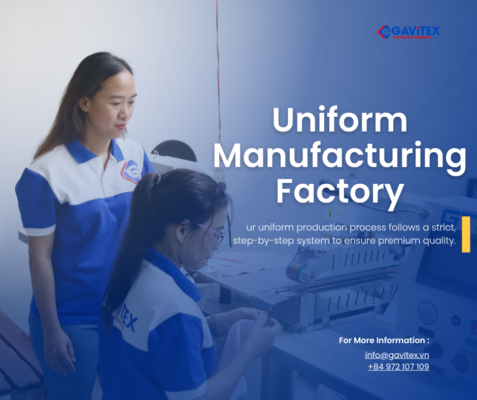
In a factory context, Eco-friendly garment production means more than using a few organic fabrics. It is a system that covers how
materials are selected, how water and energy are used, how waste is managed, how workers are treated and how products are designed for longevity.
At Gavitex, this system is woven into everyday work on the shop floor, not treated as a marketing add-on.
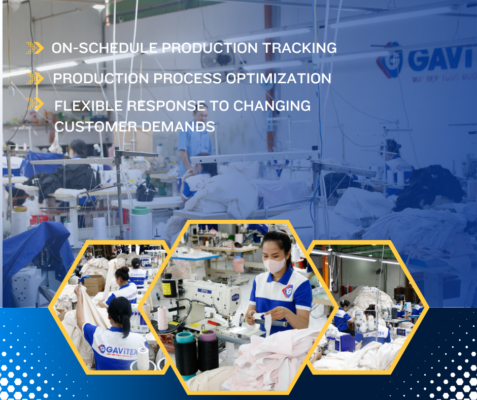
The company’s clothing production lines are organized so that fabric utilization is high, rework is kept low and processes are
continually improved. These small improvements, repeated across thousands of garments, make a real difference to the footprint of
custom clothing production for global brands.
1.2 From fiber choice to packing decisions
Eco-friendly garment production touches every step: from choosing low-impact fibers, to optimizing markers in cutting, to
selecting energy-saving equipment and more responsible packing. For many clients, Gavitex proposes fabric and trim options that fit their
sustainability roadmap, while still matching price and performance needs.
For private label apparel programs, the team supports long-term material strategies, so that core fabrics can be recycled across
seasons, reducing complexity and waste. In parallel, industrial engineers review construction details that can be simplified without changing
the look or feel of the garment.
1.3 Gavitex as an eco-conscious partner in Vietnam
Gavitex is a Vietnam-based OEM clothing manufacturer that has deliberately aligned its growth with more sustainable methods. The
factory invests in process efficiency and partner networks rather than simply chasing volume. For brands looking for
Eco-friendly garment production, this means a stable partner that understands both technical requirements and commercial
realities.
By working with Gavitex, sourcing and sustainability teams can build programs that respond to consumer expectations, retailer standards and
regulatory changes, all within one coordinated supply base.
2. Features and value of structured Eco-friendly garment production
2.1 Reduced impact without losing performance
The first benefit of Eco-friendly garment production is obvious: lower environmental impact per garment. By using better fibers,
smarter dyeing and finishing options and efficient garment manufacturing methods, brands can significantly reduce water, energy
and chemical use. However, this is only valuable when performance is maintained or improved.
Gavitex works closely with material suppliers and testing labs to ensure that more responsible choices still pass the real-world checks that
matter: color fastness, dimensional stability, pilling resistance and comfort. Buyers gain collections that align with sustainability promises
while still satisfying customers on quality and price.
2.2 Less waste, more value over the product life cycle
Eco-friendly garment production is also about minimizing waste across the entire life cycle. On the shop floor, this means
optimizing markers, cutting carefully and monitoring defect trends so that fabric loss and rework are kept under control. In design, it means
creating garments that are easier to repair, reuse or recycle.
For brands running long-term custom clothing production programs, small improvements in material use can translate into huge
savings over time. Gavitex industrial engineers track these improvements and feed them back into development, so that each new season becomes
slightly more efficient than the last.
2.3 Transparency and trust for buyers and consumers
Another crucial feature of Eco-friendly garment production is transparency. Retailers and end consumers increasingly ask where
garments are made, under what conditions, and with which materials. Gavitex provides clear documentation on processes and sourcing choices, so
that brands can communicate honestly about their products.
For private label apparel, this transparency can become a competitive advantage. When buyers trust that environmental claims are
backed by real factory practices, they are more likely to commit to long-term programs and broader assortments.
reduce risk, add value and future-proof your apparel supply chain.
3. Eco-friendly garment production vs conventional mass production
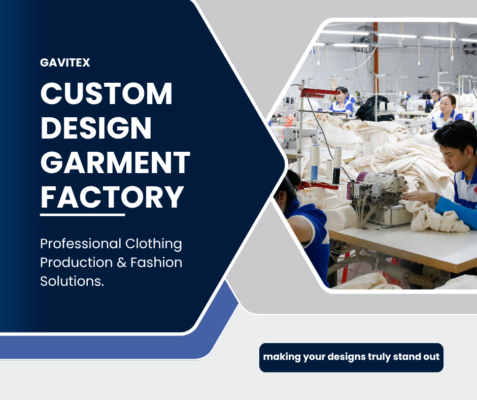
3.1 How conventional production usually works
In a conventional model, factories aim primarily at maximizing volume and minimizing unit labor cost. Material choices may be driven solely by
price and availability, and waste is often accepted as an unavoidable cost of doing business. Environmental impacts, such as water use or energy
intensity, receive limited attention unless buyers request specific standards.
This approach can deliver low prices in the short term, but it creates hidden risks: exposure to changing regulations, reputational damage if
issues are exposed, and inflexible
garment manufacturing setups that are hard to adapt when consumer expectations shift.
3.2 Where Eco-friendly garment production changes the equation
Under a structured Eco-friendly garment production model, Gavitex looks at total cost and total impact instead of only labor
minutes. The factory works with buyers to choose fibers and finishing routes that balance footprint, performance and price. It reviews
construction choices to find smart ways of reducing stitching time or material waste.
Because Eco-friendly garment production is embedded in line planning and quality control, it becomes part of everyday decision
making rather than a separate initiative. This integration brings benefits to brands, retailers and end consumers, while still allowing
competitive pricing for large-volume custom clothing production.
3.3 Side-by-side comparison
| Aspect | Conventional mass production | Gavitex Eco-friendly garment production |
|---|---|---|
| Material selection | Price first, limited view on impact. | Balance of cost, impact and performance. |
| Process efficiency | Focus on speed, waste often unmeasured. | Continuous improvement, reduced waste and rework. |
| Regulatory resilience | Higher risk under tightening rules. | Better prepared for future standards. |
| Brand perception | Harder to tell a credible story. | Solid basis for responsible branding. |
For many companies, the real question is no longer whether to adopt Eco-friendly garment production, but how quickly they can
reorganize their sourcing networks to support it.
4. Gavitex capacity, technology and processes for Eco-friendly garment production
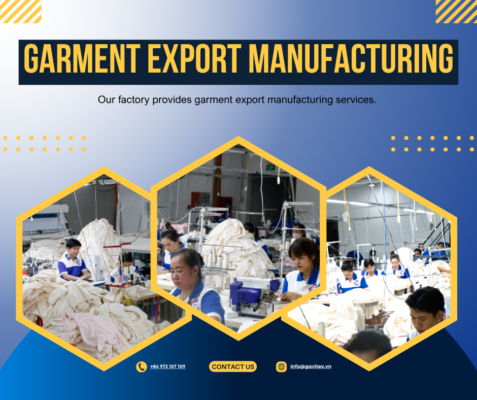
4.1 Production scale and product mix
Gavitex operates multiple clothing production lines dedicated to knitwear and light woven products, including T-shirts, polos,
sweatshirts, hoodies, joggers, shorts, dresses and casual shirts. These lines are organized to run both basic programs and more fashion-driven
capsules, all under the umbrella of Eco-friendly garment production.
The factory can handle small pilot runs as well as larger contracts. Capacity is planned so that existing partners retain priority while still
leaving room to onboard new sustainable collections.
4.2 Technology and engineering focus
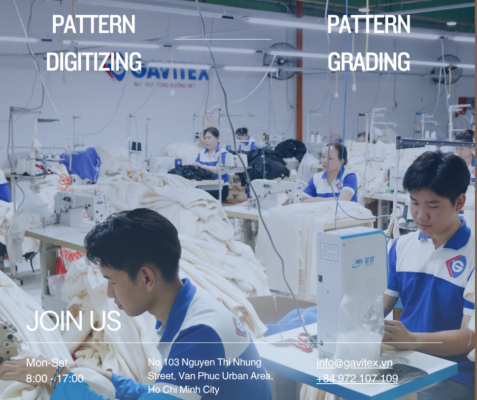
CAD systems support pattern making, grading and marker optimization. By reducing fabric losses, Gavitex strengthens the environmental and
economic case for Eco-friendly garment production. Cutting rooms follow clear rules on lay heights, shrinkage and grain direction
to protect fabric performance.
On the lines, industrial engineers monitor efficiency and quality indicators, adjusting layouts and operation sequences to avoid bottlenecks.
This disciplined approach to garment manufacturing allows Gavitex to offer competitive pricing even when clients choose
higher-performing or certified fabrics.
4.3 Integrated end-to-end process
Working with Gavitex on Eco-friendly garment production typically follows a structured path:
- Brief and goal setting: Brand and Gavitex align on sustainability priorities, product types and target price levels.
- Material and design development: Fabrics, trims and constructions are selected, reviewed and tested with a focus on impact
and durability. - Sampling and approvals: Proto, fit and sales samples are produced; feedback from design and sustainability teams is used to
refine both aesthetics and practicality. - Bulk production: Lines are loaded according to plan, with
Eco-friendly garment production checkpoints integrated into daily management. - Finishing, packing and shipment: Final inspection, eco-conscious packing options and shipping coordination are handled under
one umbrella.
For some specialized programs, Gavitex also collaborates with trusted partners such as
garment manufacturing specialists, while keeping responsibility for coordination and quality.
5. Legal, compliance and brand protection in Eco-friendly garment production
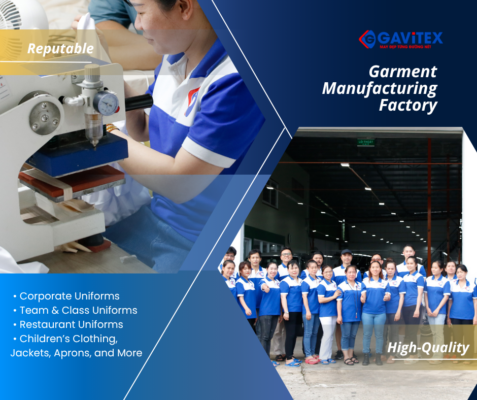
5.1 Contracts that reflect sustainability commitments
When brands talk about responsibility, they need partners who reflect those promises in formal agreements. Gavitex uses contracts that define
not only price and delivery, but also expectations around material origins, testing, restricted substances and documentation. This is especially
important when promoting Eco-friendly garment production to consumers and retail partners.
Clear contracts help both sides manage risk, plan capacity and respond to changing regulations without losing sight of business objectives.
5.2 NDAs and protection of design and sustainability strategies
As a partner in Eco-friendly garment production, Gavitex has access to sensitive information: design roadmaps, material
strategies, testing protocols and marketing claims. Non-disclosure agreements protect this information, ensuring that it is not shared with
competitors or used inappropriately.
Access to tech packs, measurement tables, artwork and sustainability documentation is limited to teams directly involved with each account.
Samples are not displayed to other buyers, and internal training avoids identifying client-specific solutions. This approach protects the value
of your private label apparel and mainline ranges.
5.3 Control over eco-claims, labels and over-runs
Claims about Eco-friendly garment production must be accurate. Gavitex supports brands by supplying clear process information and
test results, helping them verify statements about materials, processes or certifications. Branded labels and eco-related tags are tracked and
used only for authorized orders.
Over-runs and seconds are handled according to agreed rules. There is no uncontrolled sale of branded eco-collections into local markets. For
strategic programs, additional safeguards such as unique labels or codes can be built into garment manufacturing and packing,
providing extra traceability.
Eco-friendly garment production, instead of constantly worrying about risks and misunderstandings.
6. Five reasons to choose Gavitex for Eco-friendly garment production
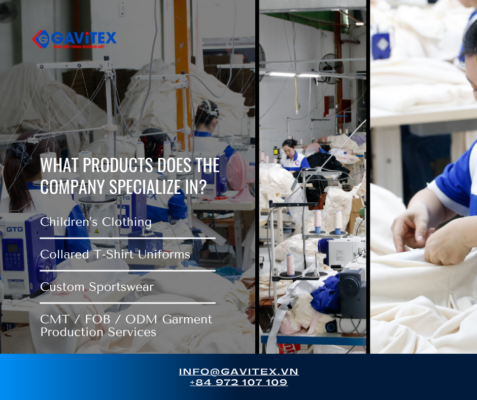
6.1 Real factory know-how, not just green slogans
Gavitex has years of experience exporting apparel and running efficient lines. The move toward Eco-friendly garment production
builds on this foundation instead of replacing it. Clients work with engineers and managers who understand both cost and sustainability, making
discussions concrete and actionable.
6.2 Competitive pricing through efficiency
Responsible materials and processes do not automatically mean higher prices. By improving efficiency, balancing product mixes and planning
capacity carefully, Gavitex often delivers Eco-friendly garment production at total cost levels that are 35–45% lower than many
intermediary-based solutions. The company focuses on engineering out waste and unnecessary complexity in custom clothing production.
6.3 Clear communication and project management
Each client is supported by dedicated merchandisers and coordinators who manage timelines from development to shipment. Sustainability-related
topics – such as testing schedules, material documentation or audit plans – are integrated into regular updates. This structured communication
style is essential when Eco-friendly garment production needs to feed multiple markets and sales channels.
6.4 Flexibility for basics and innovation
Brands need both stable basics and innovative pieces. Gavitex designs its
clothing production lines to support both categories. Basics run in well-optimized flows, while innovative eco-fabrics or special
constructions receive careful engineering attention. This mix lets buyers experiment with new concepts without sacrificing reliability in existing
programs.
6.5 Long-term partnership mindset
Eco-transformation is not a one-season project. Gavitex sees Eco-friendly garment production as a long journey shared with its
customers. Management invests time in understanding each brand’s roadmap, sustainability metrics and financial structure. That knowledge guides
yearly improvements, cost-optimization plans and capacity investments.
Ready to bring real sustainability into your supply chain?
Share your collection plan and environmental targets, and Gavitex will propose a tailored
Eco-friendly garment production roadmap aligned with your brand positioning and budgets.
9. Frequently asked questions about Eco-friendly garment production with Gavitex
1. What information do we need to start an Eco-friendly garment production project with Gavitex?
you should have a clear view of your brand identity, target customers and sustainability goals. Typically, brands share design boards or
sketches, reference garments, approximate volumes, target price brackets and desired delivery windows. It is also helpful to describe
which certifications or environmental standards are most important for your company. Based on this information, the Gavitex team can
suggest suitable fabrics, trims and production routes for custom clothing production, estimate lead times and calculate
initial prices. As the project moves forward, Gavitex works with your team to refine fits, materials and packing so that the final
collection balances impact, quality and commercial performance.
2. Can Eco-friendly garment production be cost-competitive with regular lines?
manufacturing. In reality, the total cost depends on many factors: design choices, fabric strategies, process efficiency and logistics.
By using smart engineering, optimizing clothing production lines and building long-term material programs, Gavitex often
keeps price differences much smaller than expected, sometimes even beating conventional offers that include multiple intermediary
margins. The factory also helps clients consider total value: better sell-through, lower return rates and stronger brand loyalty can more
than offset small additional costs. In many cases, responsible methods and competitive pricing can go hand in hand when production is
planned holistically instead of focusing only on single cost items.
3. What minimum order quantities apply for Eco-friendly garment production?
of colorways and sizes. Gavitex usually offers more flexible minimums for knit basics, such as T-shirts and fleece products, and higher
minimums for complex jackets or styles with special trims. Rather than enforcing a single fixed MOQ, the factory evaluates each style
and looks for ways to combine demand across programs or seasons. This approach supports brands that want to test sustainable concepts in
smaller volumes before scaling up. Over time, as orders become more predictable and garment manufacturing flows stabilize,
MOQs and prices can often be optimized further.
4. Can Gavitex work with our existing mills and still ensure Eco-friendly garment production?
integrate these mills into a coherent Eco-friendly garment production flow. In such cases, fabrics and trims may be
sourced by the brand or its agents, while Gavitex coordinates development, sampling and bulk garment manufacturing in
Vietnam. The same calendars and monitoring tools are used to align fabric deliveries with line capacity. This allows your company to
keep the benefits of existing material strategies while gaining the speed, clarity and accountability of a single factory partner for
cutting, sewing, finishing and packing.
5. How does Gavitex protect our brand and eco-claims in the market?
contracts and internal controls to ensure that designs, technical data and sustainability strategies are kept confidential. Branded
labels, eco-related hangtags and packaging are stored securely and applied only to authorized orders. Over-runs and seconds are handled
according to your policies, with no uncontrolled sales into local markets. The factory also provides documentation on processes and test
results so that your marketing and compliance teams can support claims about materials and methods. When needed, additional safeguards
such as unique label codes or specific packing instructions can be added, giving you extra assurance that the story you tell about your
Eco-friendly garment production is accurate and reliable.
10. Contact Gavitex – your partner for Eco-friendly garment production in Vietnam

If your brand is serious about responsibility and long-term value, choosing the right partner for Eco-friendly garment production
is critical. Gavitex combines industrial expertise, transparent communication and a genuine sustainability mindset. As a specialized
OEM clothing manufacturer in Vietnam, the company helps international clients build reliable, efficient and future-ready apparel
programs.
You can learn more about Gavitex’s approach to responsible manufacturing through its
eco-conscious garment manufacturing resources and dedicated
Eco-friendly garment production service page, then share your
next project brief. Together, you can design collections that deliver both commercial success and measurable environmental improvements.
Take the next step toward responsible production
- Share your designs, target markets and sustainability goals.
- Receive a clear proposal for Eco-friendly garment production with realistic timelines and pricing.
- Build a long-term collaboration that supports profitable and responsible growth.
Hotline: 0972107109 (WhatsApp / Zalo available)