Building environmentally friendly fashion collections with a trusted Vietnam manufacturer
Consumers, retailers and regulators are all asking the same question: how can brands move toward real environmentally friendly fashion without losing control of cost or delivery? From Vietnam, Gavitex supports labels, retailers and private label apparel programs by turning sustainability goals into clear, industrialised practices across garment manufacturing, fabrics and logistics.
Hotline: 0972107109
What Environmentally Friendly Fashion Means for Modern Apparel Brands
In daily operations, environmentally friendly fashion is much more than using one recycled fabric. It is a complete way of working: choosing better fibres, controlling water and energy, planning transport, and collaborating with an OEM clothing manufacturer that takes these questions seriously. For B2B clients, it also means translating these actions into clear data that buyers, compliance teams and consumers can trust.
From sustainability slogans to measurable action
Many collections already use words like eco, conscious or green. The challenge is to prove that these promises mean something concrete. With Gavitex, environmentally friendly fashion starts from fibre and fabric selection: organic cotton, certified recycled polyester, blends designed for durability, and printing techniques with reduced chemical impact. We then connect this to how clothing production lines run day by day, limiting waste and improving efficiency instead of just compensating emissions on paper.
The role of garment manufacturing in climate commitments
Studies consistently show that a large share of fashion's environmental impact happens during garment manufacturing and material production. For brands, the most effective way to reduce footprints is to work with factories that measure and manage this impact. Gavitex brings environmentally friendly fashion into everyday decisions: how many styles share the same fabric, how cutting markers reduce offcuts, which machines are upgraded to save energy and how packaging is simplified without harming the unboxing experience.
Connecting sustainability with custom clothing production and branding
Responsible choices should strengthen brand identity, not make it harder to sell. That is why Gavitex links environmentally friendly fashion with custom clothing production and private label apparel. We help you build storylines around traceable fabrics, long-lasting constructions and transparent production in Vietnam. These stories can appear on hangtags, online product pages or retailer marketing, backed by the data we provide from the factory floor.
Key Features and Business Value of Environmentally Friendly Fashion
Reduced environmental footprint along the value chain
The most visible feature of environmentally friendly fashion is lower impact on water, chemicals and emissions. For example, switching to organic cotton reduces pesticide use, while recycled polyester cuts demand for virgin oil-based fibres. At plant level, Gavitex works with partners to optimise dyeing and finishing, invest in better wastewater treatment and monitor energy use. The result is clothing that carries a demonstrably lighter footprint without compromising performance or appearance.
Better long-term cost stability
Contrary to old assumptions, environmentally friendly fashion does not always mean higher cost. While individual sustainable fibres may be more expensive than conventional ones, the total cost picture includes waste, returns, rework and reputational risk. With carefully designed clothing production lines, improved yields and reduced claims, brands often see net savings in large programs. Gavitex focuses on this full picture so financial teams can justify responsible choices with hard numbers.
Stronger brand relevance and partner relationships
Retailers increasingly expect their suppliers to bring credible sustainability options. By building environmentally friendly fashion with Gavitex, you strengthen your conversations with key accounts: you can offer collections that answer customer concerns about climate and waste, backed by transparent documentation. At the same time, your own relationship with Gavitex deepens as we collaborate across several seasons, aligning environmental action with your brand positioning.
How brands typically apply environmentally friendly fashion with Gavitex
- Start with a capsule line using traceable fabrics and clear impact stories.
- Extend successful concepts into broader private label apparel ranges.
- Integrate better materials into core garment manufacturing programs over time.
- Use factory data to communicate progress in sustainability reports and pitches.
Environmentally Friendly Fashion vs Conventional Fast Fashion
How conventional fast fashion operates
Conventional fast fashion focuses on speed and volume, often using the cheapest available materials and quickly shifting production between factories. While this model can create aggressive price points and rapid trend response, it also leads to high waste, inconsistent working conditions and increasing regulatory pressure. It becomes harder to explain to customers why garments are so cheap and what happens to them after use.
Why environmentally friendly fashion is a different mindset
In contrast, environmentally friendly fashion plans from the start for resource efficiency, product longevity and responsible sourcing. It does not necessarily reject speed, but it demands a clearer view of impacts at each step. Fabrics are chosen for durability and recyclability, factory partners like Gavitex are evaluated on transparency and long-term collaboration, and collections are designed to remain relevant beyond a few weeks. The focus shifts from extracting maximum margin per season to building a resilient, respected brand.
Finding a practical balance in real assortments
Most brands do not need to choose between two extremes. Gavitex helps create a blend: core programs built on environmentally friendly fashion principles alongside a smaller number of faster experimental styles. We link this mix to broader sourcing strategies such as
environmentally friendly clothing manufacturing in Vietnam, ensuring that the majority of volume is handled in a responsible, well-documented way, while leaving room for innovation.
In short, environmentally friendly fashion is not just a marketing line. It is a redesign of how collections are planned, produced and communicated so they can stand up to scrutiny over the coming decade.
Gavitex Capacity and Processes for Environmentally Friendly Fashion
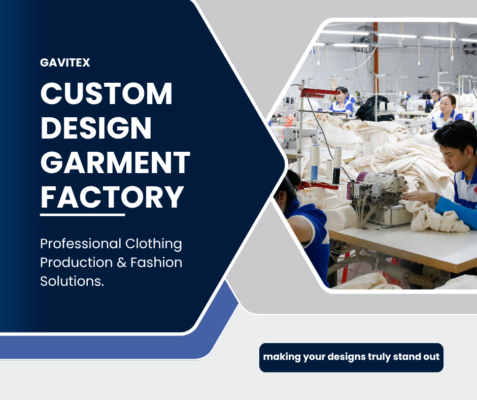
Integrated supply chain from fabrics to finished garments
Gavitex coordinates a network of mills, dye houses and sewing facilities so that environmentally friendly fashion programs are supported at each stage. We prioritise partners with responsible chemical management and effluent treatment, then connect them to our clothing production lines. For clients, this means one point of contact is accountable for turning sustainable material choices into high-quality garments delivered on time.
Production lines adjusted for reduced waste and energy
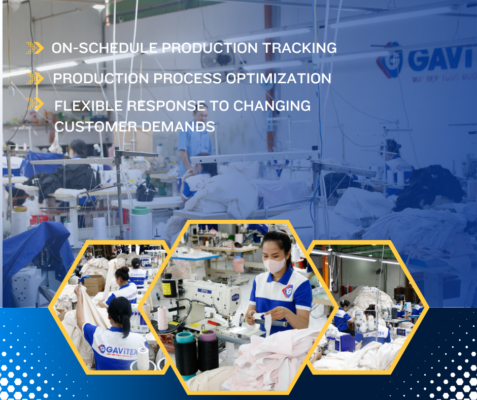
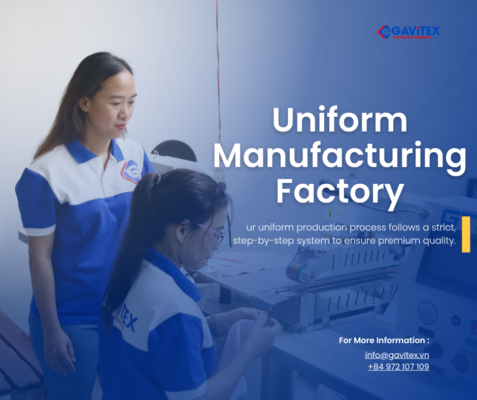
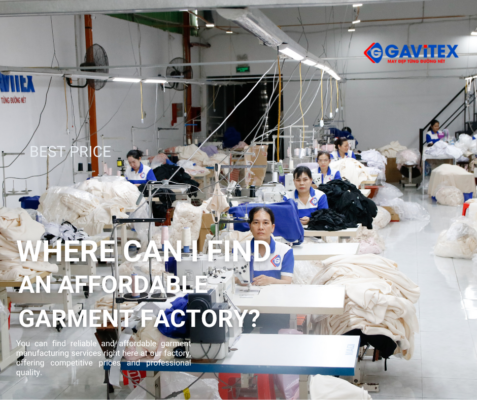
On the sewing floor, garment manufacturing practices are adjusted for impact as well as efficiency. Cutting markers are optimised to minimise offcuts; line balancing reduces idle time and unnecessary machine use; lighting and equipment are upgraded over time to increase energy efficiency. By treating these measures as part of standard custom clothing production rather than special projects, Gavitex embeds responsibility into day-to-day operations.
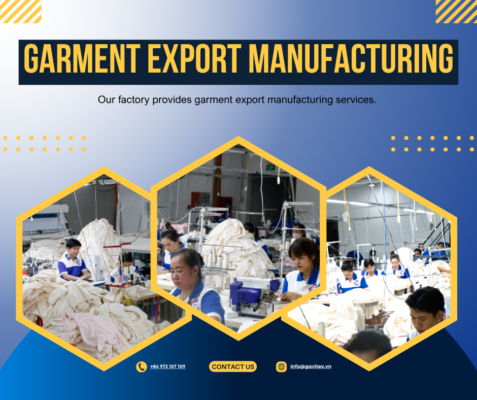
Data, reporting and continuous improvement
To support sustainability claims, brands need data. Gavitex works with clients to collect and structure information on materials, processes and certifications. Over time, we use this data to improve how environmentally friendly fashion lines are designed: switching to better fabrics where available, refining specs to reduce waste, and identifying opportunities to consolidate programs for stronger impact and lower costs.
What working with Gavitex looks like in practice
- Joint review of current collections and sustainability goals.
- Selection of fabrics and trims suitable for environmentally friendly fashion.
- Definition of production plans, quality standards and reporting formats.
- Seasonal reviews to measure impact and refine next steps.
Legal Frameworks, NDAs and Brand Protection for Sustainable Programs
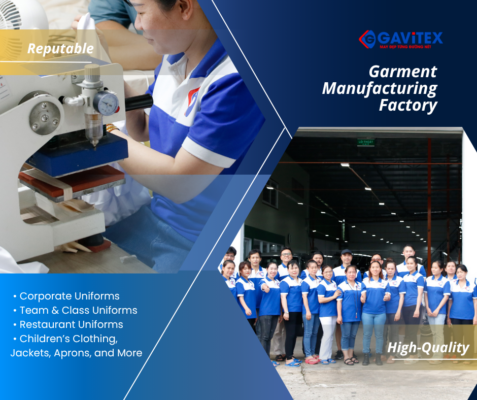
Contracts and long-term commitments
Sustainable collections depend on stability. Contracts for environmentally friendly fashion with Gavitex typically define volume expectations, forecast windows, pricing mechanisms and review points. This ensures both sides can plan investments in fabrics, equipment and training. For brands, these agreements translate ambitious climate and social targets into concrete capacity secured on the ground in Vietnam.
Non-disclosure agreements and design confidentiality
Environmental strategies often include unique design details, fabric combinations and storytelling. Gavitex protects this competitive advantage with NDAs and controlled access to your technical files. Staff working on other clients' orders cannot freely access your patterns or sustainability roadmaps. As your OEM clothing manufacturer, we separate confidential information while still applying general learning about responsible practice across the factory.
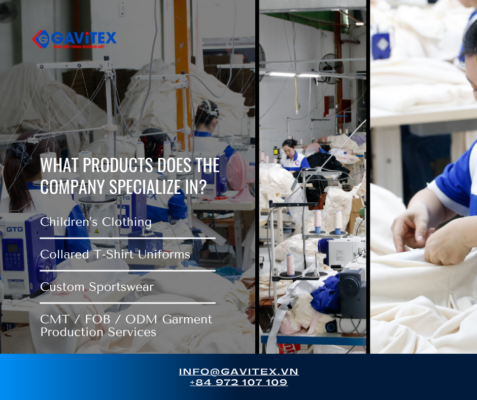
Traceability, testing and communication
With growing regulations around green claims, traceability has become essential. Gavitex works with clients to label lots, record fabric batch information and maintain test reports for key programs. This supports your need to demonstrate that environmentally friendly fashion commitments are real: audits, retailer questionnaires and consumer-facing communication can all be backed by documented proof from the supply chain.
When legal frameworks, NDAs and traceability work together, sustainable collections become a strategic asset instead of a reputational risk.
5 Reasons to Choose Gavitex for Environmentally Friendly Fashion
1) Strategic guidance, not just production slots
Gavitex does more than receive tech packs. We help you map assortment structure, margin architecture and sustainability targets into a practical roadmap. Together we identify where environmentally friendly fashion can start (for example, basics in organic cotton or recycled polyester) and how it can expand across channels. This consultative approach saves time for sourcing teams and reduces trial-and-error in supplier selection.
2) Proven garment manufacturing experience
Our background in garment manufacturing and custom clothing production means we understand efficiency, quality and technical constraints. When we integrate environmentally friendly fashion requirements, we do so with respect for deadlines and cost targets. Clients benefit from realistic solutions rather than theoretical ideas that fail in the sewing room.
3) Cost optimisation with sustainable materials
Sustainable fabrics can be combined creatively with smart patterning and volume planning. Gavitex uses its position as an OEM clothing manufacturer to negotiate with mills, group similar programs and design garments with efficient fabric yields. This makes environmentally friendly fashion commercially viable even for price-sensitive channels, such as hypermarkets or entry-level private labels.
4) Transparent communication for internal and external stakeholders
Sustainability teams, merchandisers and financial controllers all need different levels of information. Gavitex provides structured updates on material choices, certifications, production status and potential risks. This clarity makes it easier to present environmentally friendly fashion projects to boards, investors and retail partners who are increasingly attentive to environmental claims.
5) Long-term collaboration and learning
As seasons pass, we refine fits, fabric standards and working methods side by side with your teams. Data from one year feeds decisions the next year, whether that means extending successful programs, adjusting colour palettes or upgrading packaging. Over time, environmentally friendly fashion becomes embedded in your brand DNA rather than a one-off marketing project.
Call for consultation & Get a quick quote
Frequently Asked Questions about Environmentally Friendly Fashion
Click each question below to reveal detailed explanations of how Gavitex manages
environmentally friendly fashion for international clients.
What does environmentally friendly fashion mean in practical factory terms?
In practical terms, environmentally friendly fashion means that each step in development and production is examined for impact, not just price. At Gavitex this starts with fibre choices, such as organic cotton or recycled polyester, and continues with responsible dyeing, efficient cutting and well-organised clothing production lines. We work to reduce offcuts, energy use and unnecessary transport while still meeting your quality and timing expectations. The goal is not perfection overnight, but continuous, documented improvement. Every season we assess where the biggest gains can be made, helping your brand tell an honest story about progress instead of claiming to be instantly perfect.
Is environmentally friendly fashion always more expensive than conventional options?
Some sustainable fibres cost more per kilogram than conventional materials, but that is only part of the story. When environmentally friendly fashion is designed well, it can reduce waste in cutting, improve durability, lower return rates and strengthen customer loyalty. Gavitex looks at total cost of ownership: fabric, labour, logistics, quality issues and the reputational risk of poor environmental performance. By consolidating programs with one experienced OEM clothing manufacturer, brands often see net savings of 35–45% compared with scattered eco-experiments across multiple suppliers. In other words, cost and responsibility do not have to be enemies when planning is done properly.
How can smaller or mid-size brands start with environmentally friendly fashion?
Smaller and mid-size brands sometimes assume that environmentally friendly fashion is only realistic for very large retailers. In reality, many have repeating styles and fabrics that can form the base of a responsible program. With Gavitex, you can begin by converting a limited group of key products – for example, basic T-shirts or core sweats – to certified fabrics and improved production practices. We help you design clear labels and communication so these items stand out without confusing customers. As demand grows, we extend this approach to additional categories, gradually embedding better standards across your garment manufacturing portfolio without overwhelming your team.
What kind of documentation can Gavitex provide for our sustainability reporting?
Reporting is a crucial part of any environmentally friendly fashion strategy. Gavitex can provide certificates for fabrics where applicable, test reports for colour fastness and safety, and production records for key lots. For larger programs we can also outline process descriptions, such as how cutting waste is handled or how particular dye houses manage effluent. These documents support your work on sustainability reports, retailer questionnaires and investor communication. Because we operate as a coordinated OEM clothing manufacturer, we can gather information from different stages of the chain and present it in a consistent format that your teams can easily reuse.
How quickly can we move existing programs to more environmentally friendly fashion standards?
The speed of change depends on your current materials, contracts and calendars, but there are often quick wins. For example, fabrics that already have alternative certified versions can be upgraded relatively fast as mills confirm availability. Trims, packaging and hangtags can also shift to better options without major design changes. For more structural steps – such as rethinking fits for longer wear or consolidating suppliers – we normally align with your seasonal cycles so that design and buying teams have time to adjust. The guiding principle is to move steadily, making sure each step toward environmentally friendly fashion is operationally realistic and clearly communicated to all departments.
Get a Quote for Environmentally Friendly Fashion with Gavitex
If your brand is ready to move from basic compliance toward meaningful environmentally friendly fashion, Gavitex is ready to support you. From sustainable fabrics to coordinated clothing production lines in Vietnam, we connect all the pieces into one practical solution.
Hotline: 0972107109
You can also explore the dedicated Gavitex pages on
environmentally friendly fashion and
environmentally friendly clothing manufacturing. For a wider view of Vietnam's apparel ecosystem, regional resources on
garment manufacturing can help you plan long-term sourcing.
© Gavitex. Vietnam-based partner for brands and retailers that need reliable, transparent
environmentally friendly fashion integrated into efficient custom clothing production programs.