
Here’s a draft of an opening paragraph tailored for your “Export Garment Manufacturing Factory” article, focusing on SEO best practices and semantic richness:
(Opening Paragraph)
In today’s competitive global market, understanding the intricacies of an Export Garment Manufacturing Factory is no longer optional but a necessity for businesses aiming for sustainable growth and profitability. This article, categorized under Garment Processing, delves into the core aspects of establishing and optimizing such a factory, providing actionable insights into key areas like production capacity planning, supply chain management, quality control processes, and export compliance regulations. We will dissect effective strategies for achieving cost optimization, leveraging technology integration, and building strong international partnerships. Furthermore, we will explore real-world case studies and examine the future trends shaping the export garment manufacturing landscape in 2025, equipping you with the knowledge to make informed decisions and gain a competitive edge in the global arena.
Finding the Right Export Garment Manufacturing Factory: A Strategic Guide
The selection of the right export garment manufacturing factory is a critical decision that can significantly impact your brand’s success in the global market. This strategic guide from Gavitex Garment Company offers a framework for navigating the complexities of finding a reliable and capable partner for your apparel production needs. Choosing a suitable manufacturer is not merely about finding the lowest price; it’s about establishing a collaboration that aligns with your business goals, quality standards, and ethical values.
Identifying a factory that can consistently deliver high-quality garments, adhere to international regulations, and meet your specific production requirements demands careful evaluation. This process involves assessing their technical capabilities, understanding their compliance with labor standards, and ensuring they possess the infrastructure to handle your desired production volume. Furthermore, effective communication and a shared commitment to sustainability are vital elements in forging a successful and enduring partnership. Let’s explore the essential steps to help you secure a dependable apparel manufacturing alliance.
When initiating your search for the ideal garment export manufacturer, it’s crucial to define your specific needs and requirements. Start by clearly outlining the types of garments you intend to produce, the desired quality level, and your target price point. Consider the factory’s specialization; some factories excel in producing specific types of apparel, such as knitwear, woven garments, or outerwear. For instance, if you’re focusing on high-fashion items, a factory with experience in intricate designs and embellishments will be a better fit than one specializing in basic T-shirts. This initial assessment will narrow your search and help you focus on factories that align with your core product offerings.
Conduct thorough research to identify potential garment factories. Utilize online resources such as industry directories (e.g., ThomasNet, Alibaba) and trade associations, and attend international trade shows. Gavitex Garment Company recommends leveraging referrals from other brands or industry professionals, as they can provide valuable insights and firsthand experiences. During your research, pay close attention to the factory’s certifications, such as ISO 9001 for quality management or WRAP for social compliance, as these indicate a commitment to industry best practices. Also, analyze their client portfolio to understand the types of brands they work with and their experience in your specific market segment.
Finally, before committing to a long-term partnership, conduct a factory audit to verify their capabilities and compliance. This audit should cover areas such as production capacity, quality control processes, labor practices, and environmental sustainability efforts. It’s beneficial to engage a third-party auditing firm for an objective assessment. Moreover, visit the factory in person to observe their operations firsthand and meet with their management team. This personal interaction provides invaluable insights into their organizational culture, communication style, and overall commitment to your project, laying the foundation for a lasting and fruitful business relationship.
Key Capabilities to Evaluate in an Export Garment Factory
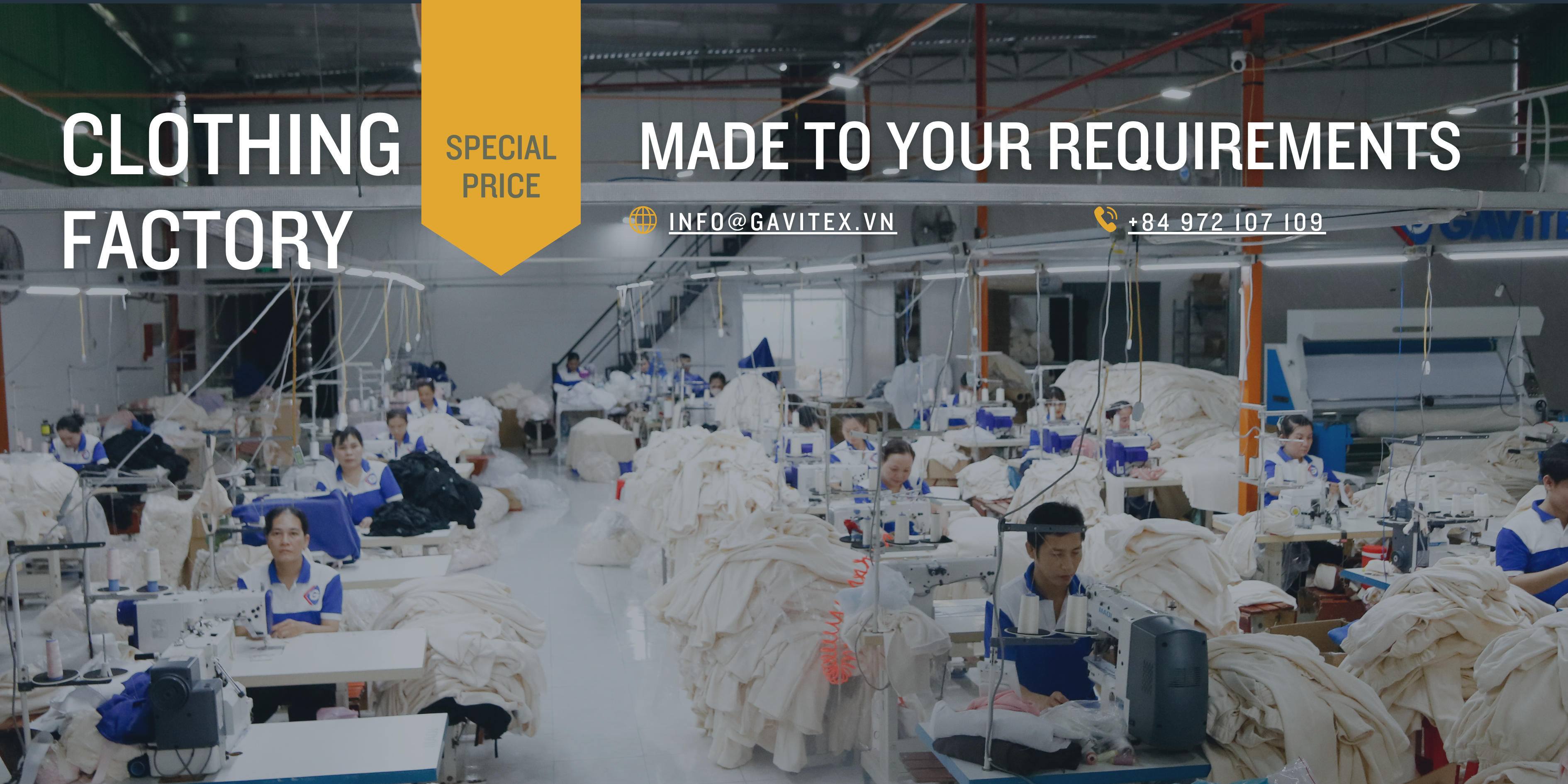
When selecting an export garment manufacturing factory, it’s crucial to thoroughly evaluate their core competencies to ensure they align with your brand’s requirements and quality standards. These key capabilities encompass everything from fabric sourcing and handling to advanced manufacturing techniques and adherence to ethical practices. Identifying a factory with the right skillset is paramount for producing high-quality garments, meeting deadlines, and ultimately, achieving success in the competitive global market. Gavitex Garment Company understands the importance of these factors and emphasizes them in our partnerships.
Fabric sourcing and handling are foundational to garment quality. A capable factory, like Gavitex Garment Company, demonstrates proficiency in sourcing a diverse range of fabrics, understanding their properties, and implementing proper storage and handling procedures to prevent damage or degradation. This includes establishing strong relationships with reliable fabric suppliers and possessing the expertise to assess fabric quality against specific product requirements.
Another critical area is cutting and sewing expertise. Look for a factory that employs skilled technicians and utilizes appropriate equipment to ensure precise cutting and accurate sewing. Effective cutting processes minimize fabric waste, while proficient sewing techniques guarantee durable and well-constructed garments. Gavitex Garment Company prioritizes continuous training and investment in advanced machinery to maintain excellence in these areas.
Finally, embellishment and finishing techniques can significantly enhance the value and appeal of garments. A capable export garment manufacturing factory should offer a range of embellishment options, such as embroidery, printing, and embellishments, and possess the expertise to apply them flawlessly. Furthermore, meticulous finishing processes, including pressing, ironing, and packaging, contribute to the overall presentation and customer satisfaction.
Navigating International Regulations and Export Compliance for Garments
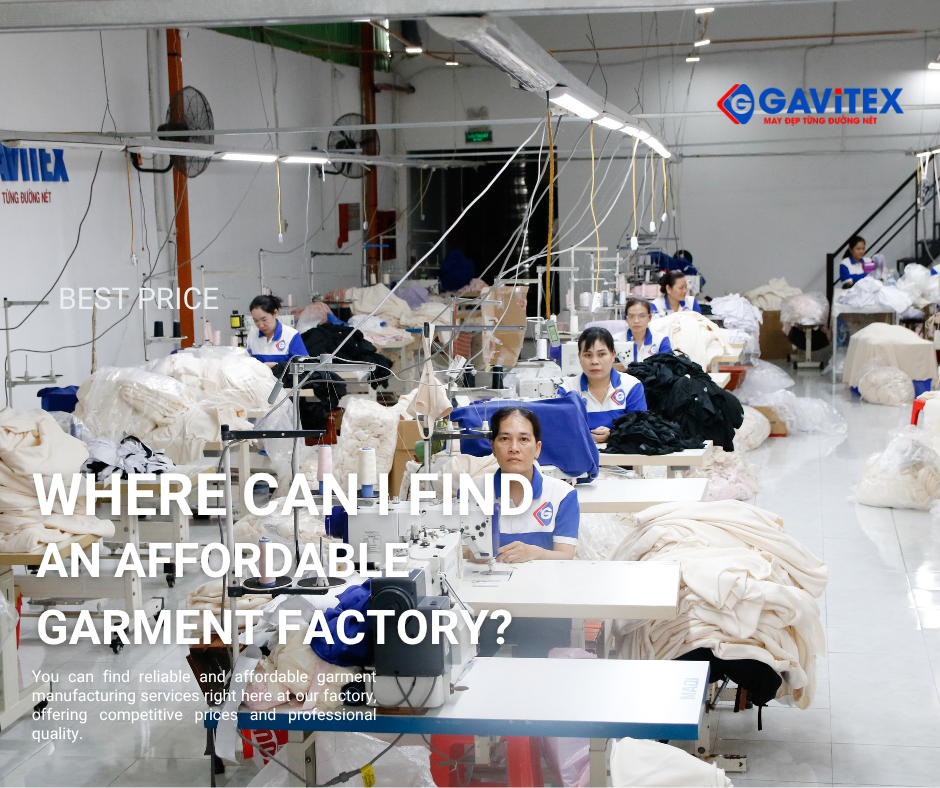
Effectively navigating international regulations and ensuring export compliance is critical for any export garment manufacturing factory aiming to operate successfully in the global market. This involves a comprehensive understanding of various import/export laws, textile labeling guidelines, and adherence to international labor standards to avoid costly penalties and maintain a positive brand reputation. Let’s delve into the specifics of these crucial elements to ensure smooth and ethical operations for your garment export business.
Understanding import and export duties and tariffs is the first step in ensuring compliance. Each country has its own set of regulations that govern the flow of goods across its borders. Gavitex garment company needs to be aware of the Harmonized System (HS) codes that classify garments for tariff purposes. These codes determine the duty rates applied to your products. Staying updated on trade agreements and any changes in tariffs is crucial for accurate cost calculations and avoiding unexpected expenses. For instance, the USMCA (United States-Mexico-Canada Agreement) impacts trade regulations between these three countries, providing specific guidelines for textile and apparel goods.
Complying with textile labeling requirements is another essential aspect. Most countries require garments to be labeled with information such as the country of origin, fiber content, and care instructions. Failure to comply with these regulations can result in goods being rejected at customs or hefty fines. For example, the Federal Trade Commission (FTC) in the United States has strict rules about textile labeling, requiring accurate and conspicuous disclosure of information. Ensuring your labels meet these standards protects your brand and avoids legal issues.
Adhering to international labor standards and ethical production is not only a legal requirement but also a moral imperative. Many countries and international organizations have established guidelines to protect garment workers’ rights. The International Labour Organization (ILO) sets standards for working conditions, including minimum wages, working hours, and safety regulations. Buyers are increasingly demanding that export garment manufacturers demonstrate a commitment to ethical practices, and compliance with these standards enhances your company’s reputation and attracts socially conscious consumers.
Cost Optimization Strategies in Export Garment Manufacturing
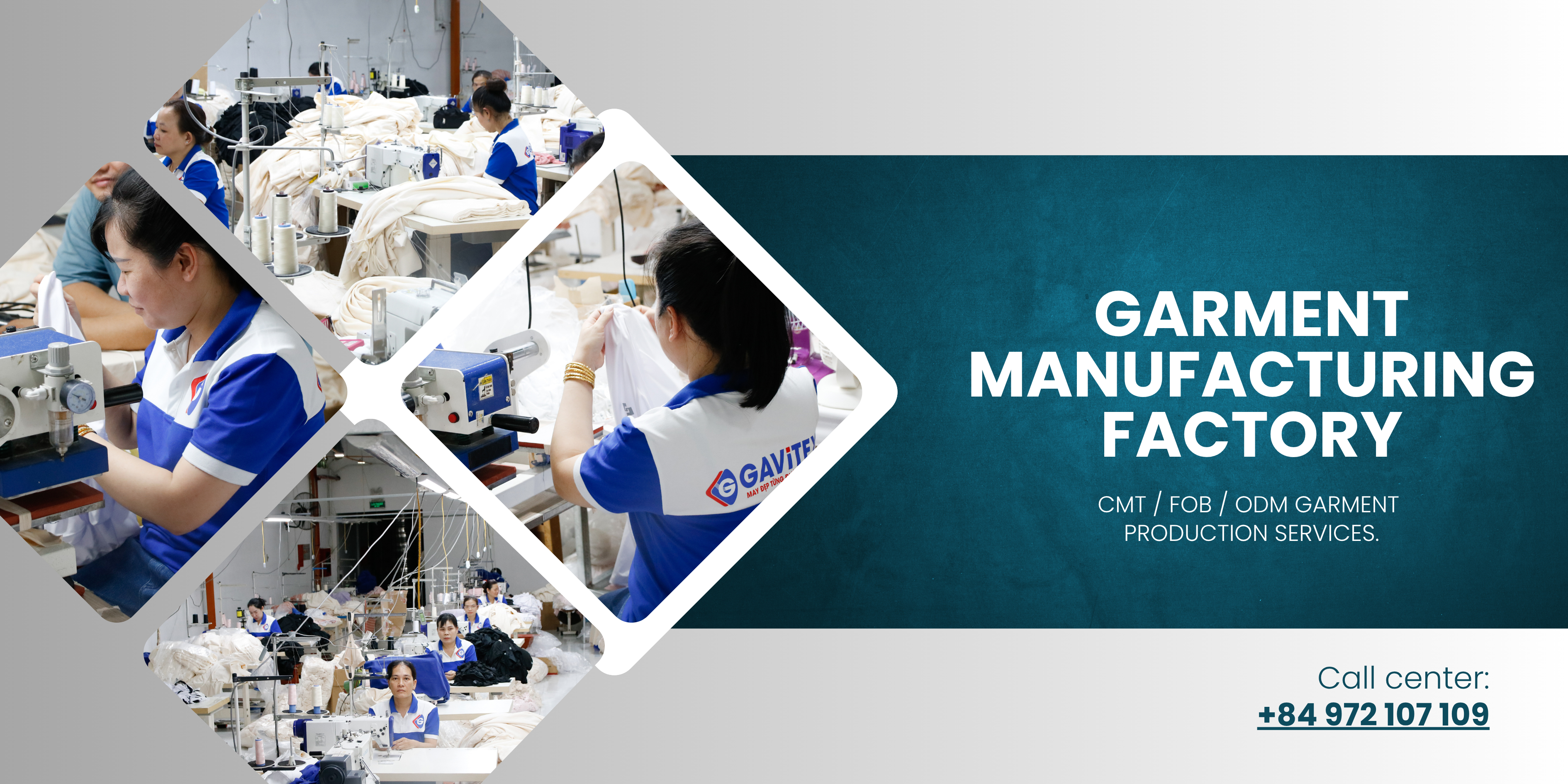
In the competitive landscape of the export garment manufacturing factory, implementing robust cost optimization strategies is not just beneficial but essential for sustained profitability and market competitiveness. Gavitex Garment Company, like many others, constantly seeks innovative methods to reduce expenses without compromising quality, ensuring they can offer competitive pricing to international buyers. These strategies encompass various aspects of the production process, from raw material sourcing to streamlined operations and waste reduction.
One of the most impactful areas for cost optimization lies in strategic sourcing and efficient inventory management. Establishing strong relationships with fabric suppliers allows Gavitex to negotiate better prices and secure favorable payment terms. Furthermore, implementing a Just-in-Time (JIT) inventory system minimizes storage costs and reduces the risk of obsolete materials, contributing significantly to overall cost savings. For instance, negotiating annual contracts with suppliers based on projected volume can yield discounts of up to 10-15% on raw materials.
Optimizing production processes is another key area. This involves investing in modern machinery and automation to increase efficiency and reduce labor costs. Implementing Lean Manufacturing principles, such as value stream mapping and Kaizen (continuous improvement), helps identify and eliminate waste in the production line. For example, automating the cutting process can reduce fabric waste by 5-7% and increase cutting speed by up to 20%, leading to substantial cost savings over time.
Effective energy management plays a crucial role in reducing operational expenses. Implementing energy-efficient lighting, optimizing air conditioning systems, and utilizing renewable energy sources can significantly lower energy consumption. Furthermore, investing in energy-efficient machinery and equipment reduces long-term operating costs. A comprehensive energy audit can identify areas for improvement and help Gavitex implement targeted energy-saving measures.
Finally, minimizing transportation and logistics costs is critical for export-oriented businesses. Negotiating favorable shipping rates with logistics providers, optimizing packaging to reduce volume, and consolidating shipments can lead to substantial savings. Utilizing incoterms strategically can also help allocate transportation costs and responsibilities effectively.
- Strategic Sourcing: Negotiate better prices and favorable payment terms with fabric suppliers
- Efficient Inventory Management: Implement Just-in-Time (JIT) inventory system
- Modern Machinery and Automation: Invest to increase efficiency and reduce labor costs
- Lean Manufacturing Principles: Implement value stream mapping and Kaizen
- Effective Energy Management: Implement energy-efficient lighting, optimizing air conditioning systems, and utilizing renewable energy sources
- Minimize Transportation Costs: Negotiate favorable shipping rates with logistics providers, optimizing packaging to reduce volume, and consolidating shipments
Quality Control and Assurance Processes in Garment Export
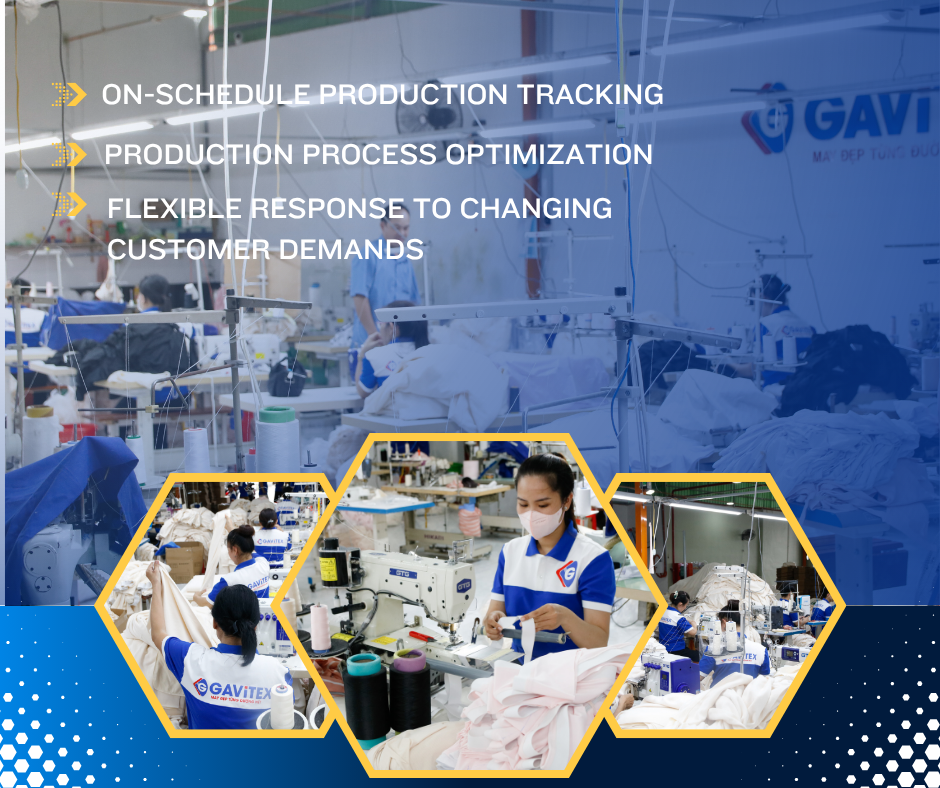
In the landscape of garment export, robust quality control and assurance processes are not merely procedural steps, but cornerstones of success for businesses like Gavitex Garment Company. A comprehensive system ensures that every exported garment aligns with stringent international standards, minimizes defects, and ultimately, bolsters customer satisfaction.
Effective quality control starts long before the first stitch is sewn, with meticulous planning and risk assessment. This includes establishing clear Acceptable Quality Limits (AQL), defining critical defects (e.g., open seams, holes) versus minor defects (e.g., loose threads), and outlining the inspection criteria for each stage of production. For example, a defect rate exceeding 2.5% might trigger corrective actions, ensuring the entire batch meets expectations. Understanding AQL is essential in setting the standards of what is deemed acceptable within a sample size.
The journey of quality assurance in garment export is a multi-faceted process, encompassing every stage from initial sampling to final shipment.
- Pre-Production Sampling and Testing: This vital stage involves creating samples to test fabric quality, color fastness, shrinkage, and overall garment construction. According to industry benchmarks, investing in thorough pre-production testing can reduce defects by up to 20% in the final product.
- In-Line Inspection and Monitoring: Implementing regular inspections during the cutting, sewing, and embellishment processes enables early detection of deviations from specifications. Employing techniques such as Statistical Process Control (SPC) helps monitor key metrics and identify potential issues before they escalate.
- Final Inspection and Audit Procedures: A comprehensive final inspection is conducted on finished garments to verify compliance with all specified requirements. This often involves AQL sampling, where a statistically significant number of garments are inspected to assess the overall quality of the batch.
By prioritizing quality control and assurance at every phase of garment export, Gavitex Garment Company can not only meet but exceed customer expectations, build a strong brand reputation, and achieve sustainable growth in the global market.
Sustainability and Ethical Practices in Garment Export Manufacturing
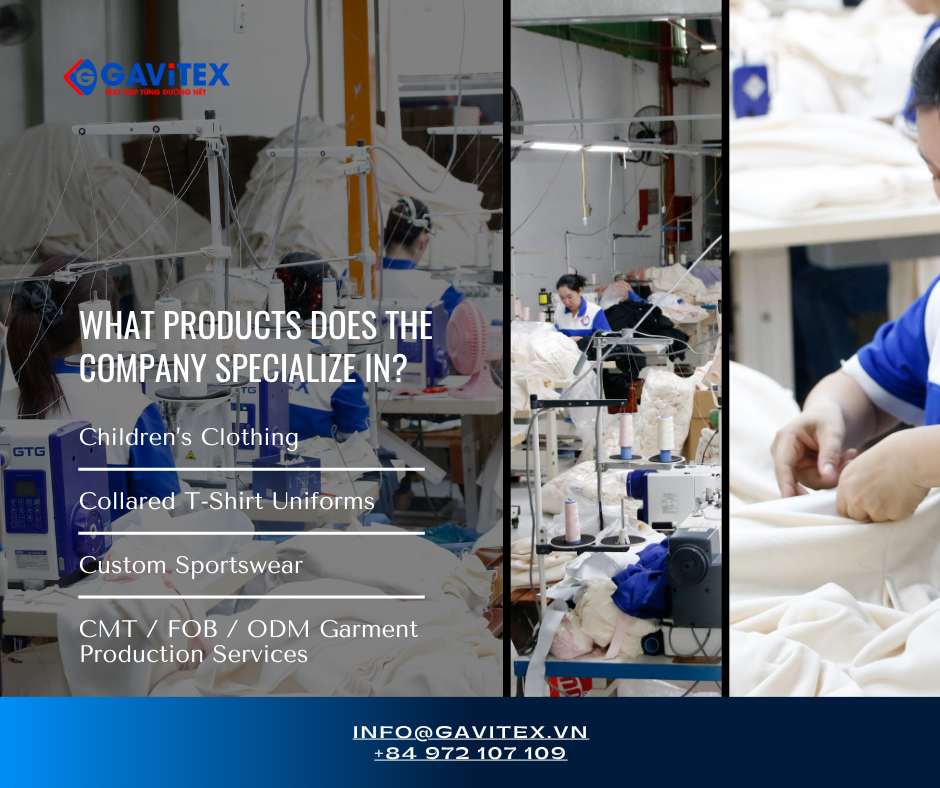
In today’s world, sustainability and ethical practices are no longer optional extras but essential components of responsible garment export manufacturing. Meeting consumer demand for ethically produced clothing while minimizing environmental impact is paramount for the long-term success of any export garment manufacturing factory. Gavitex Garment Company recognizes that incorporating sustainable materials and ethical labor practices enhances brand reputation and fosters consumer trust.
Integrating sustainable solutions into the garment export industry involves a multifaceted approach encompassing material sourcing, production processes, and waste management. Prioritizing eco-friendly fabrics such as organic cotton, recycled polyester, and innovative plant-based textiles reduces the industry’s reliance on resource-intensive conventional materials. Implementing water-saving technologies, like low-impact dyeing and waterless finishing processes, is crucial for minimizing water consumption and pollution. Furthermore, embracing circular economy principles through garment recycling programs and waste reduction strategies can significantly decrease environmental impact.
Ethical production centers on protecting worker rights and promoting fair labor conditions throughout the supply chain. This includes:
- Ensuring fair wages and benefits that meet or exceed local standards.
- Providing safe and healthy working environments that comply with international safety regulations.
- Eliminating child labor and forced labor in any form.
- Promoting freedom of association and collective bargaining rights for workers.
- Supporting worker empowerment programs that provide training and opportunities for skill development.
Supply chain transparency is also critical for ensuring ethical practices within garment export. Traceability systems that track the origin of materials and manufacturing processes enable brands and consumers to make informed purchasing decisions. Regular social audits and independent certifications, such as Fair Trade and SA8000, provide assurance that factories adhere to ethical labor standards. By prioritizing environmental stewardship and social responsibility, Gavitex Garment Company aims to set a new standard for sustainable and ethical garment export manufacturing, building a more responsible and resilient industry.
Technology Integration in Modern Garment Export Factories
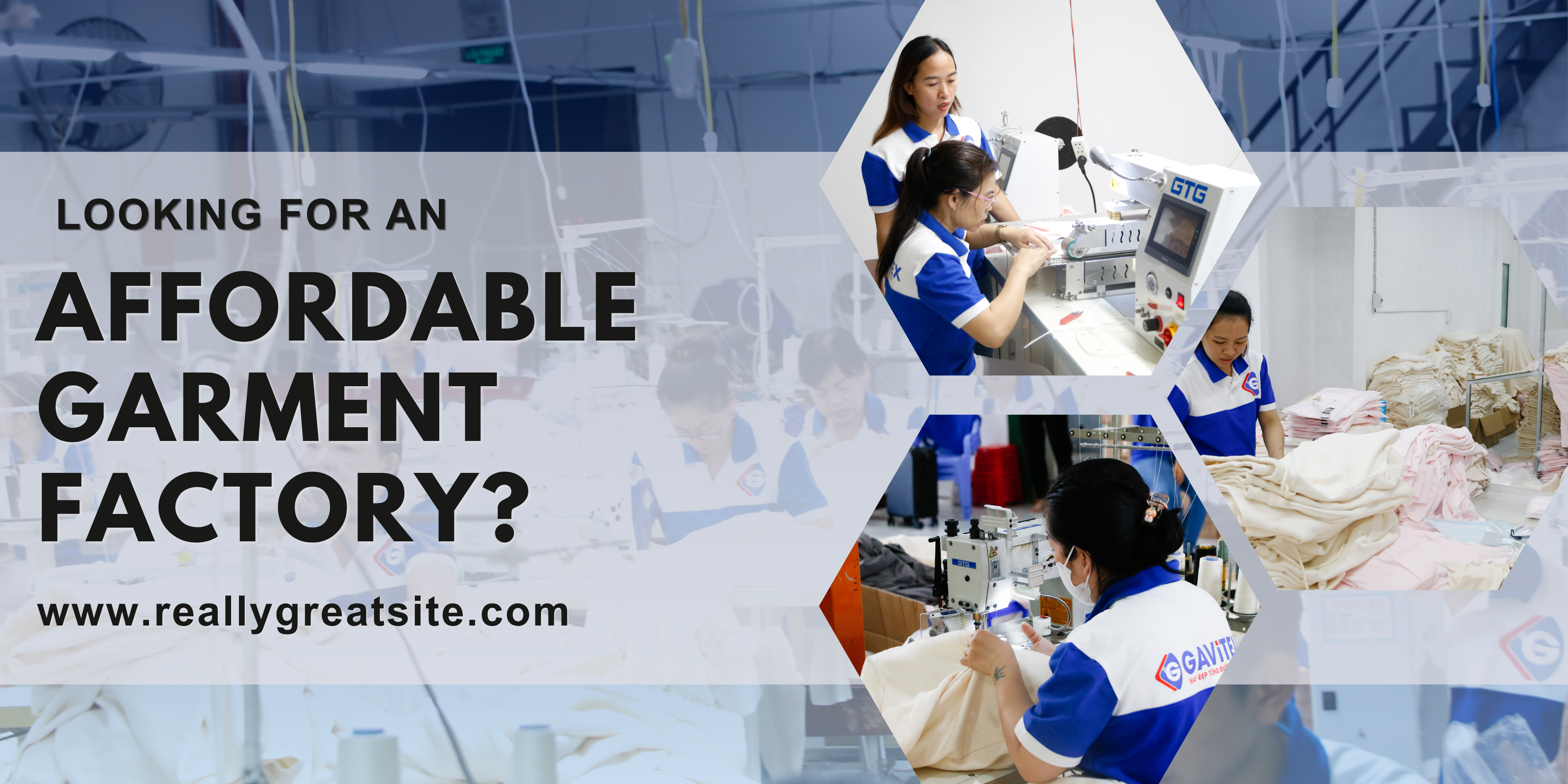
Technology integration is revolutionizing modern garment export factories, driving efficiency, precision, and sustainability across the entire production lifecycle. The adoption of advanced technologies like CAD/CAM systems, automated machinery, and ERP software is no longer a luxury but a necessity for factories seeking to compete in the global market. This technological transformation enables garment manufacturers to optimize processes, reduce costs, improve quality, and meet the ever-increasing demands of international buyers.
The cornerstone of technological advancement in garment manufacturing lies in CAD/CAM Systems. These systems are transforming pattern making and design processes, offering enhanced precision and efficiency. CAD (Computer-Aided Design) software enables designers to create and modify patterns digitally, eliminating the need for manual drafting and reducing the risk of errors. CAM (Computer-Aided Manufacturing) systems then use these digital patterns to automate the cutting process, ensuring accurate and consistent cuts, minimizing fabric waste and optimizing material utilization. For example, Gavitex Garment Company has observed a 15% reduction in fabric waste after implementing CAD/CAM systems, contributing significantly to cost savings and sustainability.
Furthermore, automated cutting and sewing machines are integral to modern garment factories. These machines enhance productivity and reduce labor costs. Automated cutting machines, often equipped with laser or ultrasonic technology, can cut multiple layers of fabric simultaneously with exceptional accuracy. Similarly, automated sewing machines can perform complex stitching operations with speed and precision, reducing cycle times and improving the overall quality of finished garments. The implementation of automated sewing machines can increase production output by as much as 30%, allowing garment factories to meet tight deadlines and handle larger orders efficiently.
Finally, ERP Systems are revolutionizing production management in garment export factories. Enterprise Resource Planning (ERP) systems integrate all aspects of the manufacturing process, from supply chain management and inventory control to production scheduling and financial accounting. By providing real-time visibility into all operations, ERP systems enable manufacturers to optimize resource allocation, reduce lead times, and improve overall efficiency. For instance, Gavitex Garment Company utilizes an ERP system to track inventory levels, monitor production progress, and manage orders, resulting in a 20% improvement in on-time delivery performance.
Building Long-Term Partnerships with Your Garment Export Manufacturer
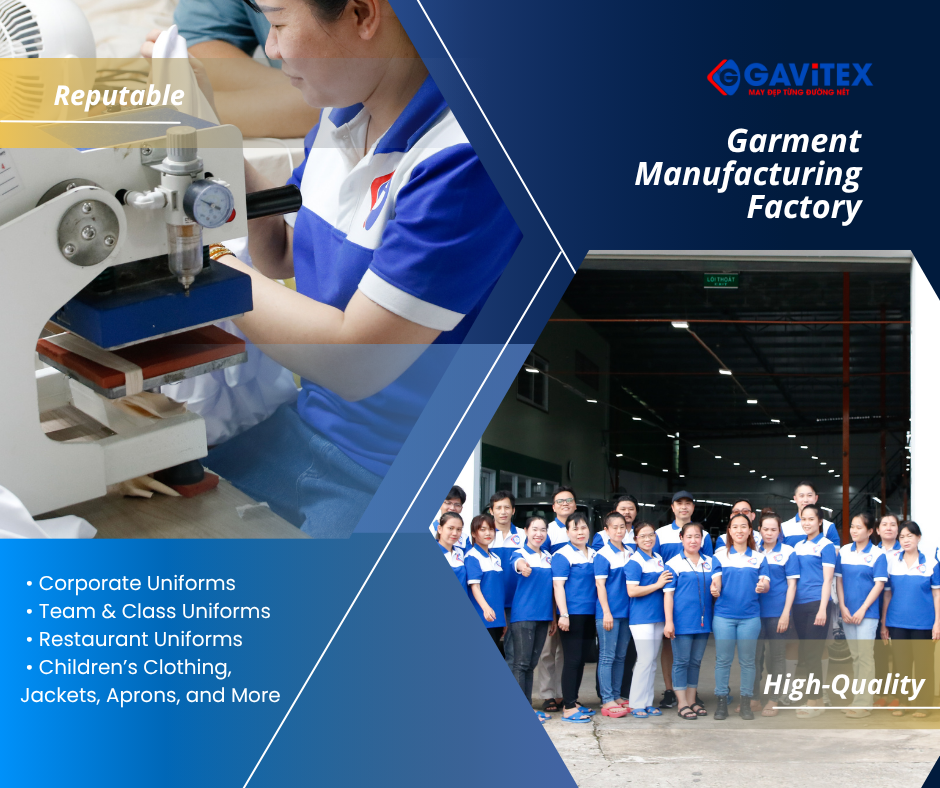
Establishing long-term partnerships with your export garment manufacturing factory is crucial for ensuring consistent quality, reliable production, and sustainable growth. This approach moves beyond transactional interactions to foster a collaborative environment built on trust and mutual benefit, which ultimately strengthens your brand and streamlines your supply chain.
For businesses like Gavitex Garment Company, cultivating strong relationships with manufacturing partners translates directly into enhanced operational efficiency and improved product outcomes. This section explores the essential elements of building such enduring partnerships in the garment export industry.
- Open Communication: Foster a culture of transparency and regular communication to address issues promptly and maintain a clear understanding of expectations. Regular updates, feedback sessions, and site visits (when possible) can help bridge potential communication gaps.
- Mutual Respect and Trust: Treat your manufacturer as a valued partner, recognizing their expertise and contributions. This involves honoring agreements, providing fair compensation, and showing appreciation for their efforts.
- Shared Goals and Objectives: Align your business goals with those of your manufacturing partner. This includes agreeing on quality standards, production timelines, and ethical practices, creating a unified vision for success.
- Fair Pricing and Payment Terms: Establish transparent and equitable pricing that allows the manufacturer to invest in quality, innovation, and fair labor practices. Timely payments are essential for building trust and ensuring continued commitment.
- Continuous Improvement: Work collaboratively to identify areas for improvement in production processes, quality control, and supply chain management. This can involve sharing best practices, investing in training, and adopting new technologies.
Investing in building long-term partnerships yields significant returns, including increased stability, reduced risks, and a more resilient supply chain, which are essential for success in the competitive garment export market.
Common Challenges and Solutions in Garment Export Manufacturing
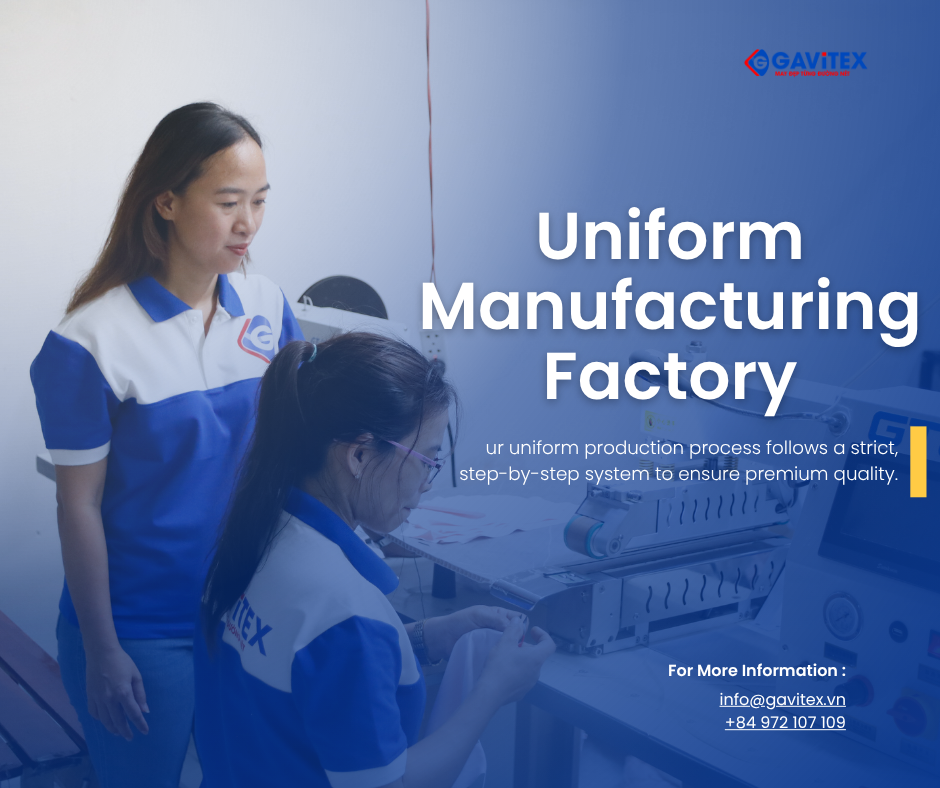
The garment export manufacturing industry, while lucrative, faces a myriad of common challenges that can impact profitability and sustainability; recognizing these hurdles and implementing effective solutions are critical for success. These difficulties range from communication breakdowns and quality control lapses to supply chain disruptions, demanding proactive strategies for mitigation. Understanding these potential pitfalls allows companies like Gavitex Garment Company to develop robust systems and build resilience in a competitive global market.
Communication barriers frequently arise in garment export manufacturing, particularly when dealing with factories located in different countries and cultures. Language differences, varying time zones, and disparate communication styles can lead to misunderstandings and delays. To mitigate these communication barriers, implement strategies such as employing multilingual staff, utilizing clear and concise communication channels (e.g., project management software), scheduling regular video conferences, and establishing culturally sensitive communication protocols. This can ensure everyone involved in the manufacturing process is aligned.
Quality control issues represent a significant challenge in garment export, impacting brand reputation and customer satisfaction. These problems can stem from substandard materials, inconsistent workmanship, or inadequate inspection processes. Remedial actions include implementing rigorous pre-production sampling and testing procedures, establishing clear quality standards, providing comprehensive training to factory workers, and conducting frequent in-line inspections. For instance, implementing AQL (Acceptable Quality Limit) standards can help identify and rectify defects early in the manufacturing cycle.
Supply chain disruptions pose a constant threat to the garment export industry, potentially leading to production delays and increased costs. These disruptions can result from natural disasters, political instability, or logistical bottlenecks. Contingency plans should include diversifying sourcing options, building buffer stocks of critical materials, establishing alternative transportation routes, and developing strong relationships with multiple suppliers. For example, Gavitex Garment Company might consider maintaining a dual-sourcing strategy for key fabrics to minimize the impact of potential disruptions at a single supplier.
Future Trends in the Export Garment Manufacturing Industry
The export garment manufacturing industry is on the cusp of significant transformation, driven by technological advancements, evolving consumer demands, and a growing emphasis on sustainability; staying ahead of these future trends is critical for businesses like Gavitex Garment Company to maintain a competitive edge. The industry is predicted to move towards greater efficiency, transparency, and responsiveness, demanding a shift in strategies from traditional manufacturing models.
One key trend is the increasing adoption of digitalization and automation. Factories are investing in CAD/CAM systems, robotic sewing, and 3D printing to enhance productivity, reduce lead times, and minimize errors. These technologies enable faster prototyping, customized production, and improved quality control, allowing manufacturers to cater to rapidly changing fashion trends and personalized customer preferences. For instance, automated cutting machines can reduce fabric waste by up to 5% compared to manual methods, contributing to significant cost savings.
Sustainability is no longer a niche concern but a mainstream imperative, with consumers increasingly demanding eco-friendly and ethically produced clothing. This trend is pushing manufacturers to adopt sustainable practices such as using recycled materials, reducing water consumption, and implementing closed-loop production systems. Furthermore, brands are seeking greater transparency in their supply chains to ensure fair labor practices and environmental responsibility. Certifications like GOTS (Global Organic Textile Standard) and Fair Trade are becoming increasingly important for demonstrating commitment to sustainability.
Another significant trend is the rise of on-demand manufacturing and personalization. Consumers are seeking unique, customized products that reflect their individual style and preferences. This demand is driving the growth of direct-to-garment (DTG) printing, laser cutting, and other technologies that enable manufacturers to produce small batches of customized clothing quickly and efficiently. This shift towards mass customization requires factories to be more agile and responsive, with robust digital platforms for managing orders and coordinating production.
Finally, the geopolitical landscape is reshaping the global garment industry, with brands diversifying their sourcing strategies to mitigate risks associated with trade tensions and supply chain disruptions. While China remains a dominant player, countries in Southeast Asia, Africa, and Latin America are emerging as attractive alternatives due to their competitive labor costs, growing manufacturing capabilities, and favorable trade agreements. This diversification requires manufacturers to be adaptable and proactive in exploring new markets and building relationships with suppliers and customers across different regions.
Related services from Gavitex: garment suppliers in Vietnam, Vietnam clothing suppliers and top clothing manufacturers in Vietnam.
