
Absolutely! Here’s a draft opening paragraph designed with SEO best practices, NLP considerations, and the specific requirements you’ve outlined:
Opening Paragraph
In today’s competitive landscape, understanding the intricacies of a Garment Manufacturing Factory is crucial for businesses seeking efficiency and profitability. This comprehensive guide, tailored for the Garment Processing category, delves into the core components of a successful factory, exploring key aspects such as production optimization, supply chain management, quality control processes, and the implementation of sustainable manufacturing practices. By analyzing industry benchmarks and real-world case studies, we’ll equip you with actionable insights to enhance your factory’s performance in 2025, focusing on cost reduction strategies, technology integration, and workforce development to achieve a competitive edge.
Finding the Right Garment Manufacturing Factory: A Comprehensive Guide
Choosing the right garment manufacturing factory is a critical decision that can significantly impact your brand’s success. This comprehensive guide will provide you with a strategic roadmap to navigate the complexities of garment production, ensuring you partner with a factory that aligns with your specific needs, quality standards, and ethical values. Selecting a suitable clothing manufacturer involves careful consideration of numerous factors, from production capabilities to ethical considerations.
Finding the perfect apparel manufacturing partner requires a systematic approach. Start by clearly defining your brand’s needs and priorities. What types of garments do you specialize in? What are your required production volumes? What is your budget? Answering these questions will help you narrow down your search and identify factories that are a good fit. For example, a startup focusing on sustainable fashion will have very different criteria than a large retailer seeking cost-effective mass production.
Ultimately, finding the right garment manufacturing factory is an investment in your brand’s future. By carefully evaluating your options and prioritizing factors like quality, ethics, and communication, you can forge a lasting partnership that drives growth and success. Gavitex Garment Company is committed to providing transparent and ethical manufacturing solutions to meet your specific needs.
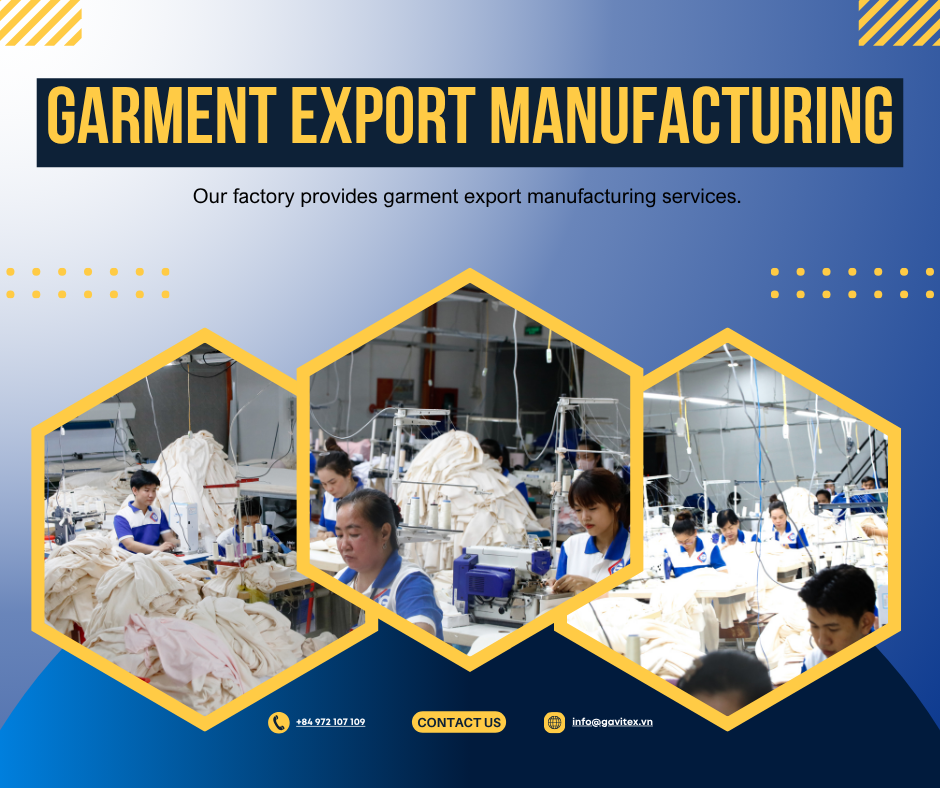
What to Look for in a Garment Manufacturing Factory: Key Capabilities and Services
Selecting the right garment manufacturing factory is crucial for businesses aiming to produce high-quality apparel efficiently and ethically. This decision hinges on assessing a range of capabilities and services that align with your specific needs and brand values. By carefully evaluating potential partners, businesses can establish a strong foundation for successful and sustainable apparel production.
The capabilities of a garment factory are critical in determining if they can meet the specific demands of your project. Here are some essential factors to consider:
-
Manufacturing Capabilities and Equipment: Assess the factory’s range of manufacturing techniques, from basic sewing to specialized processes like embroidery or digital printing. Determine if they possess the necessary equipment to handle diverse fabrics and complex designs, including automated cutting machines, specialized sewing machines, and finishing equipment. For example, if your designs involve intricate beading or custom dye techniques, ensure the factory has the expertise and equipment to execute these details accurately.
-
Minimum Order Quantities (MOQs): Understand the factory’s minimum order quantity. Many factories have MOQs to ensure profitability. Confirm whether their MOQs align with your production volume needs, especially if you’re a small or medium-sized business. Factories that offer lower MOQs often cater to emerging brands and specialized production runs.
-
Quality Control Procedures: Rigorous quality control is essential to ensure consistent product quality. Look for factories with established quality control systems at each stage of the garment manufacturing process, from fabric inspection to final product assessment. Find out about their AQL (Acceptable Quality Limit) standards and whether they use internationally recognized quality control methods.
-
Communication and Project Management: Efficient communication and effective project management are crucial for a smooth production process. The factory should have a dedicated project management team that is responsive to your inquiries and provides regular updates on the progress of your order. Assess their ability to handle communication in your preferred language and their commitment to meeting deadlines. Gavitex garment company, for instance, prides itself on transparent communication, ensuring all stakeholders are well-informed throughout the manufacturing journey.
Choosing a garment manufacturing factory requires careful assessment of its capabilities and services, considering both technical proficiency and ethical standards.

Ethical and Sustainable Garment Manufacturing: Ensuring Responsible Production
In today’s world, ethical and sustainable garment manufacturing is no longer a niche trend but a crucial aspect of the apparel industry. Consumers are increasingly demanding transparency and accountability from brands, seeking assurance that their clothing is produced responsibly and with minimal impact on the environment and workers. Choosing a garment manufacturing factory committed to ethical and sustainable practices is not just a matter of corporate social responsibility, but a strategic advantage that can enhance brand reputation and foster customer loyalty.
One of the primary facets of responsible production lies in adherence to certifications and standards. Organizations like Fair Trade and GOTS (Global Organic Textile Standard) provide frameworks for ensuring fair labor practices, environmentally friendly production processes, and the use of organic materials. For instance, a factory holding GOTS certification guarantees that the entire supply chain, from raw material sourcing to finished product, meets stringent environmental and social criteria, offering consumers a level of trust and assurance.
Minimizing environmental impact through waste reduction is also a cornerstone of sustainable garment manufacturing. This includes implementing strategies such as utilizing water-efficient dyeing techniques, recycling textile waste, and adopting closed-loop production systems where materials are continuously reused. Forward-thinking factories are investing in innovative technologies like digital printing and 3D knitting to reduce fabric waste and minimize water consumption, showcasing their commitment to environmental stewardship.
Furthermore, upholding fair labor practices and providing fair wages are essential components of ethical manufacturing. This entails ensuring safe working conditions, providing access to healthcare, and respecting workers’ rights to organize and bargain collectively. Reputable garment manufacturing factories prioritize worker well-being, recognizing that a happy and healthy workforce is more productive and contributes to higher quality products. For example, some factories offer on-site childcare facilities or educational programs for workers and their families, demonstrating a commitment to long-term social impact. These considerations are key factors to evaluate when choosing your garment manufacturing factory.
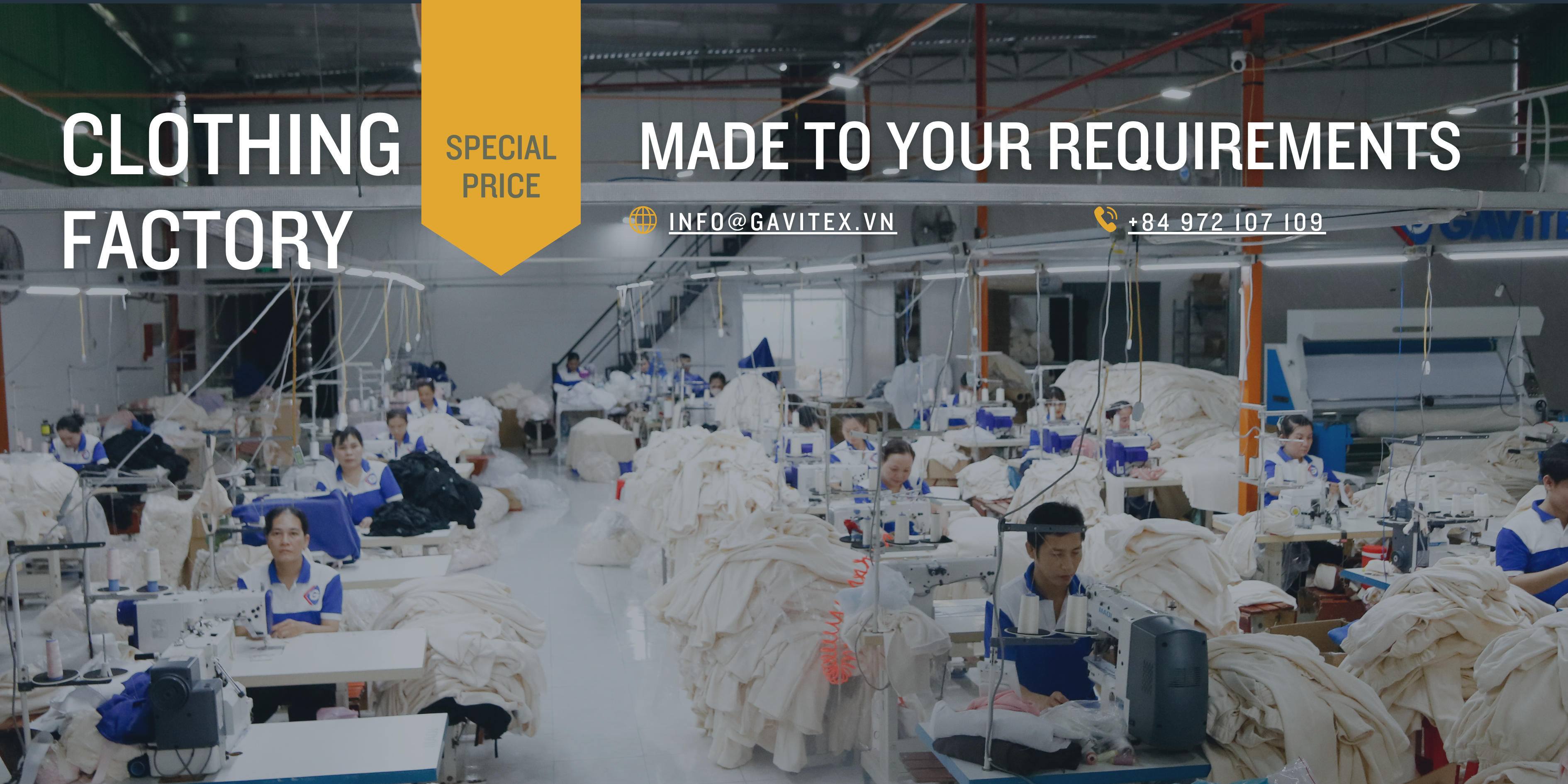
Cost Considerations for Garment Manufacturing: Balancing Quality and Price
Navigating the complexities of cost considerations for garment manufacturing is crucial for businesses seeking to balance quality and price effectively. Understanding the different factors influencing garment production costs, from fabric selection to labor expenses, is essential for making informed decisions and achieving profitability in the competitive apparel market. This section will delve into the pricing models, key cost drivers, and negotiation strategies that can help you optimize your budget without compromising on the desired quality of your products.
When sourcing a garment manufacturing factory, it’s important to evaluate different pricing models to determine which best aligns with your business needs and budget. CutMakeTrim (CMT), where you provide the fabric and designs, is typically the most affordable option, while full package production, where the factory handles everything from sourcing to shipping, offers convenience but comes at a higher price point. Consider factors like fabric costs, which can vary significantly based on material and origin; complexity of design, as intricate patterns and embellishments add to labor costs; and order volume, as larger orders often qualify for volume discounts.
Ultimately, negotiating prices and payment terms with your garment manufacturer is critical to achieving favorable cost outcomes. Research market rates, understand the factory’s cost structure, and be prepared to discuss alternative fabrics or design modifications to reduce expenses. By striking the right balance between cost and quality, you can ensure a profitable and sustainable garment manufacturing partnership for your business.
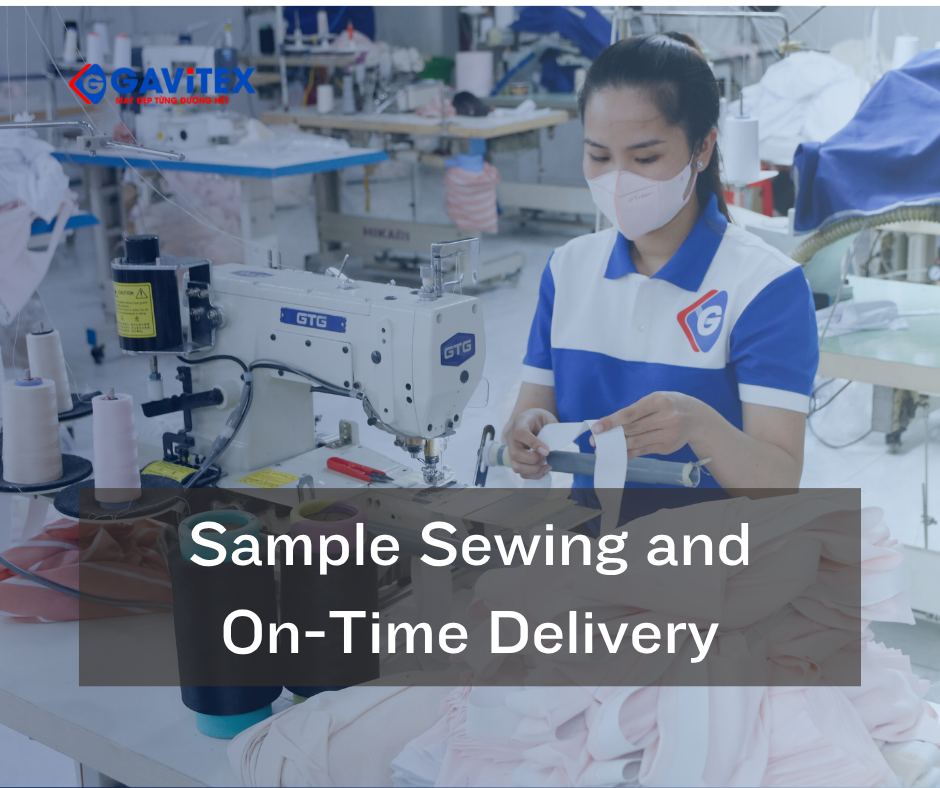
The Garment Manufacturing Process: From Design to Finished Product
Understanding the garment manufacturing process is crucial for businesses seeking a reliable garment manufacturing factory to produce high-quality apparel. From initial design concepts to the final packaged product, each step demands precision and expertise. This section will guide you through the intricate stages involved in creating garments, offering insights into how Gavitex Garment Company and other leading manufacturers transform ideas into tangible fashion items.
The journey of a garment, from conception to completion, involves several key phases: design and pattern making, fabric sourcing and procurement, cutting, sewing and assembly, and finally, finishing, inspection, and packaging. Each stage is interconnected and requires meticulous attention to detail to ensure the final product meets the desired specifications and quality standards. Let’s delve deeper into each of these steps.
Design and Pattern Making
The process begins with design and pattern making, where the initial concept takes shape. This involves creating detailed sketches, technical drawings, and specifications for the garment. Professional garment manufacturers often utilize CAD (Computer-Aided Design) software to create precise patterns. These patterns serve as templates for cutting the fabric. Accurate pattern making is essential for ensuring the correct fit and overall appearance of the finished garment. For instance, a well-designed pattern can minimize fabric waste and streamline the cutting process.
Fabric Sourcing and Procurement
Next comes fabric sourcing and procurement, a critical phase where the right materials are selected. This step involves choosing fabrics based on factors such as quality, durability, cost, and suitability for the design. Garment factories like Gavitex Garment Company maintain relationships with various textile suppliers to access a wide range of fabrics, from cotton and linen to synthetics and specialty materials. Ensuring a reliable supply chain is paramount for timely production. For example, sourcing organic cotton for eco-conscious brands requires partnering with certified suppliers.
Cutting, Sewing, and Assembly
With patterns and fabrics in hand, the cutting, sewing, and assembly stage begins. This involves carefully cutting the fabric according to the patterns, followed by sewing the individual pieces together to form the garment. Skilled sewing operators use a variety of specialized machines to achieve different stitches and seam finishes. Quality control checks are performed throughout the assembly process to identify and rectify any defects. The efficiency and precision of this stage directly impact the final product’s quality and production speed. Advanced cutting machines can significantly reduce fabric waste and improve accuracy, contributing to cost savings.
Finishing, Inspection, and Packaging
The final stage encompasses finishing, inspection, and packaging. Finishing may include adding buttons, zippers, or other embellishments, as well as ironing and pressing the garment to remove wrinkles. A thorough inspection is conducted to ensure that the garment meets the required quality standards. This includes checking for any defects in stitching, fabric, or embellishments. Finally, the garment is carefully packaged and prepared for shipment. This final stage is critical to presenting a polished and professional product to the end consumer.
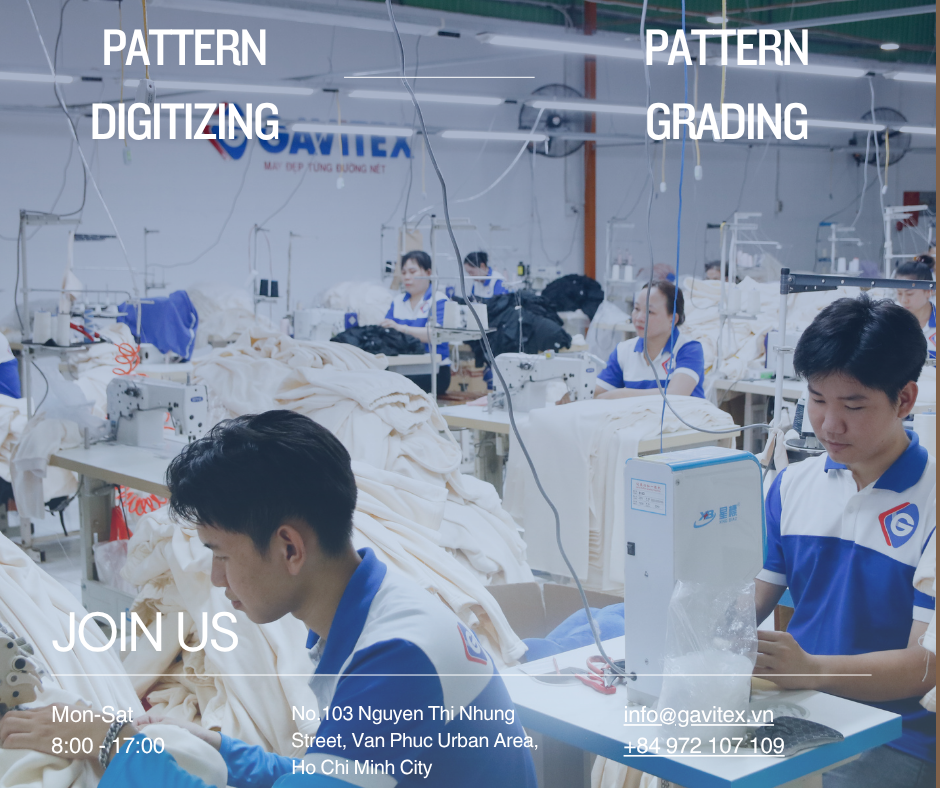
Optimizing Your Supply Chain with a Garment Manufacturing Factory
Effectively optimizing your supply chain when working with a garment manufacturing factory is crucial for streamlining operations, reducing costs, and ensuring timely delivery of your products. A well-managed supply chain translates to greater efficiency, improved responsiveness to market demands, and ultimately, increased profitability for your brand, especially when leveraging the expertise of a dedicated clothing manufacturer. This requires careful consideration of various factors, from logistics and communication to long-term relationship building, all vital components of a successful partnership with a garment manufacturing factory.
One key aspect of supply chain optimization is efficient logistics and shipping. Selecting a garment manufacturing factory with established logistics networks and experience in international shipping can significantly reduce lead times and transportation costs. For example, Gavitex Garment Company can leverage its partnerships with reliable shipping providers to ensure timely delivery of finished garments to your desired locations, minimizing potential delays and disruptions in your distribution network.
Effective communication and collaboration are also paramount for a seamless supply chain. Choosing a garment manufacturing factory that prioritizes clear and open communication channels, utilizing project management tools and regular updates, ensures that you are always informed about the progress of your order. This proactive approach allows you to address any potential issues promptly and make informed decisions throughout the manufacturing process, thus improving supply chain responsiveness.
Finally, building long-term relationships with your garment manufacturing factory can lead to significant improvements in your supply chain. By fostering a strong and collaborative partnership, you can work together to identify areas for improvement, streamline processes, and optimize inventory management. This collaborative approach fosters trust and mutual understanding, leading to greater efficiency and resilience in your overall supply chain. For instance, Gavitex Garment Company believes in building long lasting relationship with clients which enables smooth business operations for both parties, thereby maximizing business opportunity for clients.
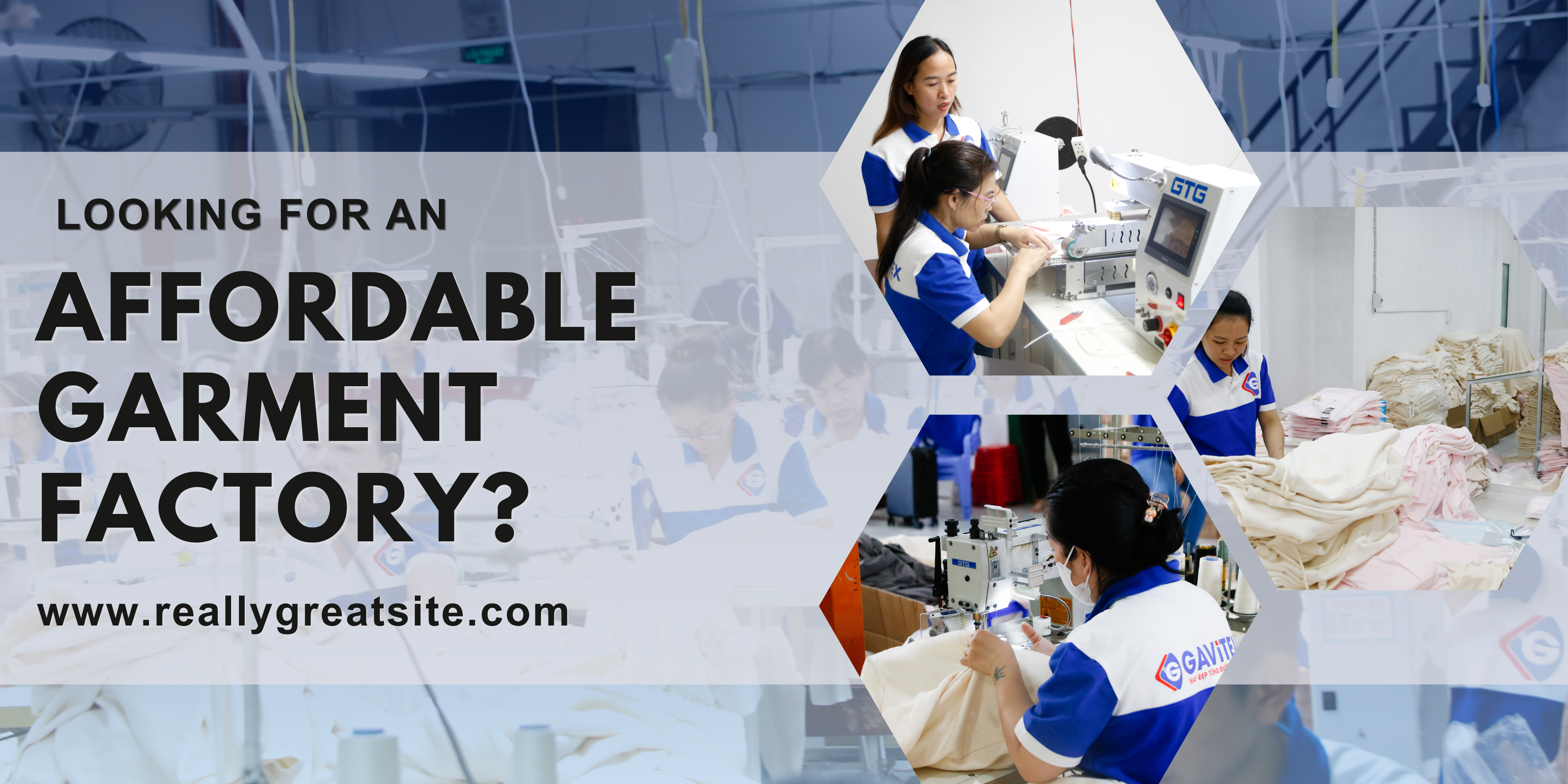
Finding the Right Garment Manufacturing Factory: A Comprehensive Guide
Finding the right garment manufacturing factory is a critical step for any apparel brand looking to scale production, maintain quality, and ensure profitability. Selecting the appropriate clothing manufacturer involves careful consideration of various factors, from their capabilities and ethical practices to their pricing and communication skills. This comprehensive guide will equip you with the knowledge and strategies needed to make an informed decision and establish a successful partnership.
Identifying the ideal apparel manufacturing partner requires a thorough understanding of your brand’s specific needs. Are you seeking a factory specializing in sustainable fabrics, complex designs, or small batch production? Clearly defining your requirements upfront will significantly narrow down your search and help you focus on factories that are truly aligned with your business objectives.
The process of selecting a garment factory should begin with extensive research. Online directories, industry events, and referrals from other brands can provide a starting point. Once you have a list of potential candidates, delve deeper into their profiles, assessing their experience, expertise, and reputation. Don’t hesitate to request samples, visit their facilities (if possible), and speak to their existing clients to gain a comprehensive understanding of their capabilities and work ethic.
Partnering with a reliable clothing manufacturer can significantly impact your brand’s success. By carefully evaluating your options and focusing on key factors like quality, ethics, and communication, you can establish a long-term partnership that supports your growth and ensures the consistent delivery of high-quality garments. Remember that Gavitex Garment Company is here to help navigate this complex process and provide expert guidance every step of the way.
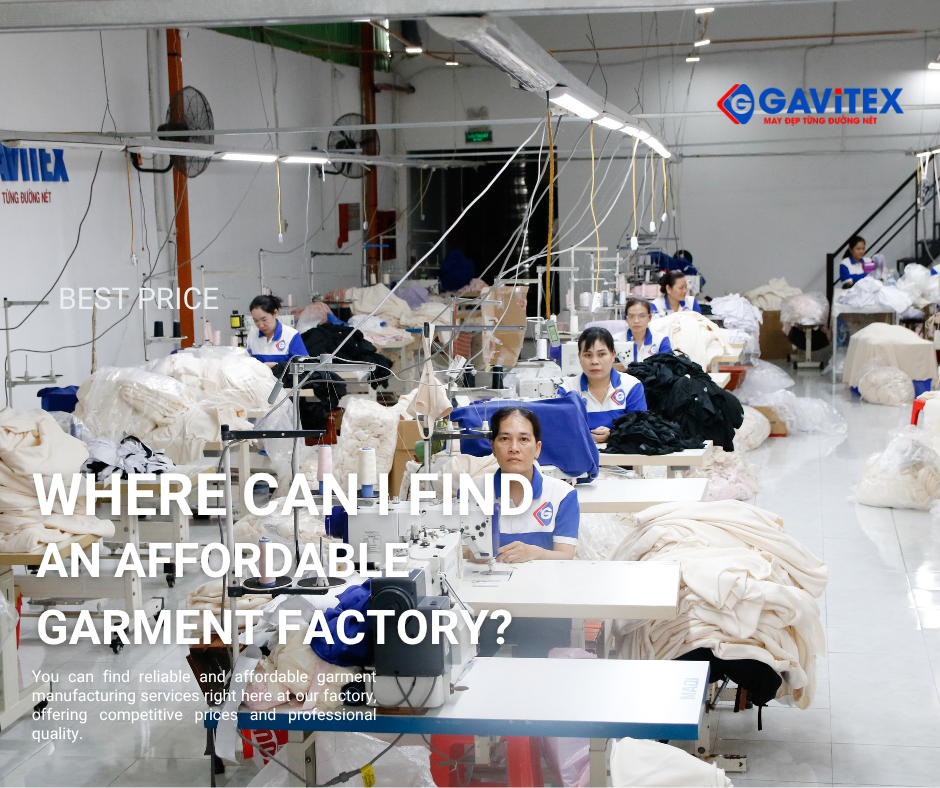
What to Look for in a Garment Manufacturing Factory: Key Capabilities and Services
Choosing the right garment manufacturing factory is a crucial decision that can significantly impact the success of your fashion brand; thus, it’s vital to carefully assess the capabilities and services offered. A comprehensive evaluation ensures the factory aligns with your specific needs, from design and production to ethical sourcing and quality control. Beyond simply producing clothes, the ideal factory acts as a strategic partner, contributing to efficiency and innovation.
When selecting a garment manufacturing factory, consider their manufacturing capabilities and equipment. This includes the types of garments they can produce, the range of fabrics they can handle, and the machinery they have available. A factory equipped with modern technology and skilled technicians can ensure high-quality production and meet diverse design requirements. For example, Gavitex Garment Company prides itself on its state-of-the-art facilities and experienced team, capable of handling complex designs and a wide array of materials.
Minimum Order Quantities (MOQs) are another crucial factor to evaluate. Different factories have varying MOQ requirements, which can impact businesses of all sizes, especially startups and smaller brands. Understanding the factory’s MOQ policy allows you to plan your production runs effectively and avoid unnecessary costs or inventory. Negotiating MOQs with the factory might be possible, depending on the complexity of the design and the relationship you establish.
Quality control procedures are paramount in ensuring the consistency and standard of your garments. A reputable garment factory should have robust quality control measures in place, from fabric inspection to final product assessment. This includes checking for defects, ensuring accurate measurements, and verifying that the garments meet your specifications. Regular quality checks throughout the production process minimize the risk of errors and ensure customer satisfaction.
Effective communication and project management are essential for a smooth and successful manufacturing partnership. The factory should have clear communication channels, a dedicated project manager, and a proactive approach to addressing any issues that may arise. Regular updates, timely responses, and transparent communication are key indicators of a reliable and trustworthy garment manufacturing partner. This fosters collaboration and ensures that your vision is realized efficiently and effectively.

Ethical and Sustainable Garment Manufacturing: Ensuring Responsible Production
In today’s conscious consumer landscape, ethical and sustainable garment manufacturing is no longer a niche trend but a fundamental expectation. As a leading garment manufacturing factory like Gavitex, we understand the critical importance of integrating responsible practices throughout our entire production process, from sourcing materials to ensuring fair labor conditions. Embracing sustainable production is not only the right thing to do, but it also strengthens our brand reputation and builds trust with our clients and their customers.
The garment industry has historically faced scrutiny for its environmental impact and labor practices. Fast fashion, in particular, has contributed to pollution, resource depletion, and worker exploitation. Therefore, Gavitex is committed to minimizing our environmental footprint through initiatives such as reducing water consumption, utilizing eco-friendly dyes, and implementing waste reduction programs. Moreover, we prioritize the well-being of our employees by providing fair wages, safe working conditions, and opportunities for professional development.
To demonstrate our commitment to responsible production, Gavitex actively pursues relevant certifications and standards.
- Fair Trade certification guarantees that our products are made under fair labor conditions, empowering workers and promoting sustainable livelihoods.
- GOTS (Global Organic Textile Standard) certification ensures that our organic textiles are processed according to strict environmental and social criteria, from harvesting to labeling.
- Other important certifications we pursue include OEKO-TEX Standard 100 (testing for harmful substances) and bluesign (resource productivity and environmental protection).
Beyond certifications, Gavitex focuses on minimizing our environmental impact and waste reduction through various initiatives. We actively seek to reduce waste output throughout the manufacturing process to limit our carbon footprint. We are also piloting programs to reuse textile scraps and recycle water used in dyeing processes. The use of renewable energy sources, like solar power, to power our facilities is another critical step in reducing our ecological footprint.
Central to ethical garment manufacturing is upholding exemplary labor practices and fair wages. We ensure that all our workers receive wages above the legal minimum, along with comprehensive benefits, including healthcare and paid time off. We strictly prohibit child labor and forced labor in any form. Furthermore, we foster a safe and respectful work environment where employees are encouraged to voice their concerns and participate in decision-making processes.
By prioritizing ethical and sustainable practices, Gavitex strives to be a leader in responsible garment manufacturing, creating high-quality products while protecting the planet and its people.
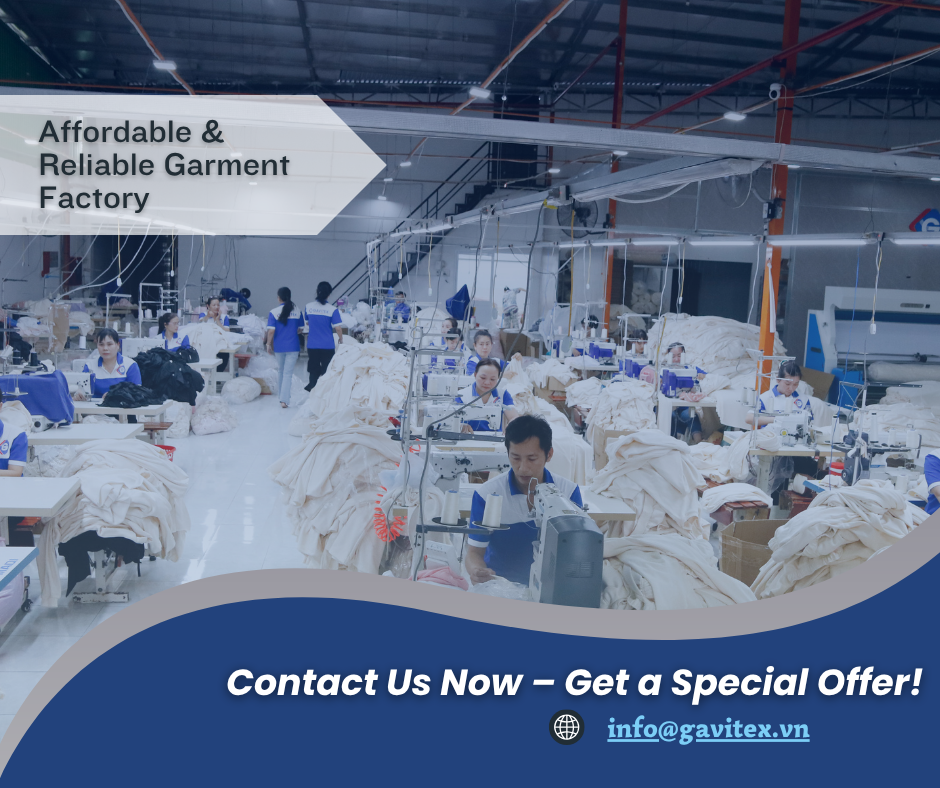
Cost Considerations for Garment Manufacturing: Balancing Quality and Price
Navigating the world of garment manufacturing requires a keen understanding of cost considerations to effectively balance quality and price. Sourcing a garment manufacturing factory involves carefully evaluating different pricing models and identifying key factors that influence the final cost of your apparel production. Achieving this balance is crucial for maximizing profitability and competitiveness in the fashion industry.
Understanding the various pricing structures offered by clothing manufacturers is paramount to making informed decisions. Let’s explore:
- Cut, Make, Trim (CMT): This model involves you, the client, providing the designs and fabrics, while the factory handles the cutting, sewing, and trimming. It’s often the least expensive option but requires more involvement from your end.
- Full Package Production (FPP): In contrast, FPP factories manage the entire process, from fabric sourcing and design development to manufacturing and packaging. While typically pricier, it streamlines the process and reduces your workload.
- Other Models: Some factories offer variations or hybrids of CMT and FPP, tailoring their services to specific client needs.
Several factors significantly impact the cost of garment manufacturing, making it essential to understand how these elements contribute to the overall price. Key elements include:
- Fabric: The type, quality, and origin of the fabric greatly influence the cost. High-end materials like organic cotton or imported silk will naturally increase the price compared to synthetic alternatives.
- Complexity: Intricate designs, elaborate embellishments, and specialized techniques (such as hand-sewing or custom dyeing) demand more labor and resources, driving up expenses.
- Order Volume: Minimum Order Quantities (MOQs) affect the per-unit cost. Larger orders generally benefit from economies of scale, lowering the individual garment price.
- Factory Location: Manufacturing hubs in regions with lower labor costs, such as Southeast Asia, may offer more competitive pricing than factories in Europe or North America.
- Quality Control: Stringent quality control procedures implemented by the factory can add to the cost but ensure consistent and high-quality finished products.
- Lead Times: Shorter production lead times often come at a premium, as factories may need to expedite processes or allocate additional resources.
Successfully negotiating prices and payment terms is a critical skill for any business engaging with a garment manufacturing factory. Here are some strategies:
- Establish Clear Expectations: Clearly communicate your budget, desired quality level, and production timeline from the outset.
- Obtain Multiple Quotes: Request quotes from several factories to compare pricing and services.
- Negotiate Payment Terms: Aim for favorable payment terms, such as staggered payments or a percentage-based deposit.
- Build Long-Term Relationships: Fostering a strong, collaborative relationship with your manufacturing partner can lead to better pricing and more favorable terms in the long run.
- Consider Value Engineering: Explore opportunities to simplify designs or use alternative materials without compromising quality, thereby reducing costs. Gavitex Garment Company can provide insights into ways to optimize designs for cost-effectiveness.
By carefully considering these cost factors, businesses can effectively balance quality and price in their garment manufacturing endeavors, paving the way for successful and profitable apparel production.
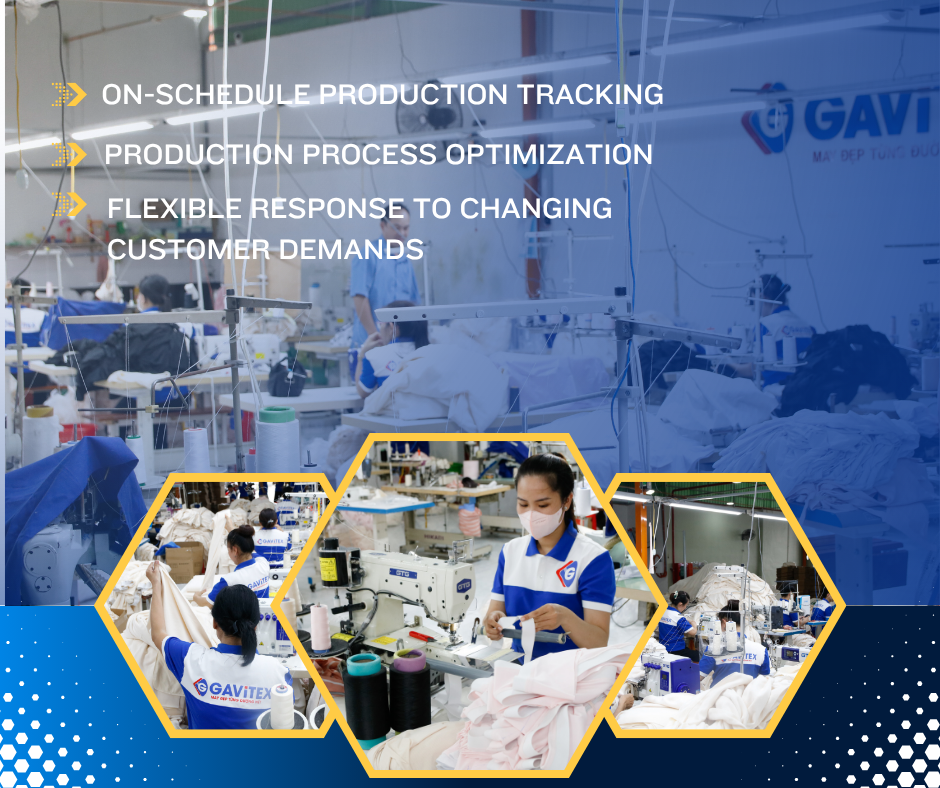
The Garment Manufacturing Process: From Design to Finished Product
Understanding the garment manufacturing process is crucial for any brand looking to partner with a garment manufacturing factory. From initial design conception to the final packaged product, each stage involves a series of intricate steps, demanding precision and expertise. This section will delve into the various phases of apparel production, offering insights into how Gavitex Garment Company and other leading factories transform ideas into tangible garments.
Design and Pattern Making
The journey begins with design and pattern making, where initial sketches and concepts are translated into technical drawings and precise patterns. This stage is critical as it lays the foundation for the entire production process. At Gavitex, experienced designers and pattern makers collaborate closely with clients, ensuring their vision is accurately captured and that the garment’s fit, style, and functionality are optimized for manufacturing. The use of CAD (Computer-Aided Design) software allows for precise pattern creation, grading (adjusting patterns for different sizes), and efficient fabric utilization.
Fabric Sourcing and Procurement
Once the design and patterns are finalized, the next crucial step is fabric sourcing and procurement. This involves selecting the appropriate materials that align with the design’s aesthetic, performance requirements, and budget. Factors considered include fiber content, weave, weight, color, and finish. Gavitex Garment Company maintains a vast network of trusted fabric suppliers, enabling access to a wide range of options, from sustainable and organic materials to specialty fabrics designed for specific end-uses.
Cutting, Sewing, and Assembly
With fabric in hand, the production process moves to cutting, sewing, and assembly. Automated cutting machines, guided by the finalized patterns, precisely cut the fabric pieces. Skilled sewing operators then join these pieces together using various stitching techniques, ensuring durability and aesthetic appeal. Assembly may involve adding embellishments like buttons, zippers, or other decorative elements. Quality control checkpoints are implemented throughout this stage to identify and rectify any defects.
Finishing, Inspection, and Packaging
The final stage involves finishing, inspection, and packaging. Finishing may include processes such as washing, dyeing, ironing, and applying special treatments to enhance the garment’s appearance and performance. Each garment undergoes a thorough inspection to ensure it meets the required quality standards, including seam strength, colorfastness, and overall construction. Approved garments are then carefully packaged, ready for shipment.
Optimizing Your Supply Chain with a Garment Manufacturing Factory
Effectively optimizing your supply chain with a reliable garment manufacturing factory is crucial for fashion brands aiming to enhance efficiency, reduce costs, and improve overall profitability. A well-managed supply chain, from raw material sourcing to final product delivery, ensures timely production, consistent quality, and the ability to quickly respond to changing market demands. By strategically leveraging the capabilities of a garment factory, businesses can streamline their operations, minimize disruptions, and gain a competitive edge in the dynamic apparel industry.
Selecting the right garment manufacturing partner is paramount for streamlining your supply chain. Factors such as the factory’s geographical location, lead times, and logistical capabilities directly impact the speed and cost of your product’s journey from design to the consumer. For example, partnering with a factory closer to your target market can significantly reduce shipping costs and delivery times, improving customer satisfaction.
Effective communication and collaboration are essential for a successful supply chain optimization. Establishing clear communication channels and utilizing project management tools can ensure seamless information flow between your team and the garment manufacturing factory. This proactive approach helps prevent misunderstandings, address potential issues promptly, and maintain transparency throughout the production process.
Building long-term relationships with your garment manufacturing factory fosters trust and mutual understanding, leading to greater efficiency and stability in your supply chain. These partnerships allow for continuous improvement, enabling both parties to identify areas for optimization, implement innovative solutions, and adapt to evolving market conditions. Consider Gavitex Garment Company, where we prioritize building strong, collaborative relationships with our clients to ensure a smooth and efficient supply chain.
Related services from Gavitex: garment manufacturers in Vietnam, clothing manufacturers in Vietnam and custom clothing production.
